لماذا اختفت الصحف الورقية في غزة؟

لماذا اختفت الصحف الورقية في غزة؟

تواجه الصحافة الورقية - منذ العقدين الأخيرين - تحديات وجودية متزايدة رافقت صعود الإعلام الرقمي؛ ذلك أن الأخير بات يفرض تهديدا لوسائل الإعلام التقليدية كمصدر للأخبار في ظل طبيعة العمل الصحفي التقليدي التي تحد من إمكانيات مواكبتها الإعلام الرقمي وسرعته.

وفي قطاع غزة شكلّت حرب الإبادة الجماعية التي شنتها إسرائيل على قطاع غزة اختبارا حقيقيا لهذا التغير في ميزان الخبر لصالح المنصات الرقمية، وتحولت للوسيط الأساسي الذي ينقل الأخبار وأحدث المعلومات للجمهور.

ومما عزّز هذه الاعتمادية الكبرى على المنصات الرقمية الضربات التي تلقتها كل من الصحافة الورقية والإذاعية في قطاع غزة جراء الاستهداف الممنهج؛ إذ تسببت شهور الحرب المتواصلة في خروج الوسائل التقليدية تماما من دائرة التغطية.

جاء هذا الغياب القسري نتيجة الاستهداف المتواصل للصحفيين، إذ قتل الاحتلال الإسرائيلي 262 صحفيا منذ أكتوبر 2023 واعتقل أكثر من 50 صحفيا، وفقا للمكتب الإعلامي الحكومي في غزة. كما دمر جيش الاحتلال الإسرائيلي أكثر من 150 مؤسسة إعلامية إلى جانب قطعه للكهرباء والإنترنت، وتوقُّف المطابع عن العمل إثر قصفها أو التهديد باستهدافها.

كل هذه العوامل ساهمت في إحداث شلل شبه تام للمسارات التقليدية في نقل الخبر، وأفسحت المجال للمنصات الرقمية لتعويض هذا الفراغ، ملبية الحاجة المعرفية الدائمة عند الجمهور لمعرفة تفاصيل الحدث أولا بأول.

وفقا للمكتب الإعلامي الحكومي في غزة: دمر جيش الاحتلال الإسرائيلي أكثر من 150 مؤسسة إعلامية إلى جانب قطعه للكهرباء والإنترنت، وتوقُّف المطابع عن العمل إثر قصفها أو التهديد باستهدافها.


توقف عن الطباعة

توقفت صحيفة "فلسطين" - وهي الصحيفة الورقية اليومية الوحيدة التي تصدر في قطاع غزة - عن الطباعة والتوزيع في الأيام الأولى للحرب، وتحولت بكامل طاقتها إلى العمل الإلكتروني، في محاولة لضمان استمرار تغطيتها الصحفية في وقت كان فيه المواطنون في غزة بأمسّ الحاجة للمعلومة من مصادرها الصحفية الموثوقة.

وفي حديثه لـ "مجلة الصحافة" أوضح مدير عام صحيفة "فلسطين" الدكتور إياد القرا، أن الحرب الأخيرة تجاوزت كل خطط الطوارئ التقليدية التي وضعتها إدارة الصحيفة مسبقا استنادا لتجربة تغطية حربي 2014 و2021؛ فمنذ الأسبوع الأول تحول الصحفيون إلى أهداف مباشرة للاحتلال الإسرائيلي؛ ما عقّد من هيكلية التواصل داخل المؤسسة.

كما أن الاستهداف الممنهج للمطابع ومنع إدخال الورق للقطاع والتهديد المباشر من قبل الاحتلال اضطر صحيفة "فلسطين" التوقف عن إصدارها المطبوع. أمام هذا الشلل التام الذي رافقه تعطل إصدار الصحيفة بصيغة رقمية في الأشهر الأول، وتعطل الموقع الإلكتروني عدة أيام، وضعت الإدارة خططا استدراكية لضمان استمرار تغطيتها، ونجحت في معالجة الإشكاليات التقنية وعودة العمل عبر موقعها الإلكتروني ومنصات التواصل الاجتماعي، بجهود فريق العمل الذي تمكن من تجاوز هذه التحديات والعمل على أكثر من جانب، كما يروي القرا.

ولم تمنع ظروف النزوح والاجتياحات المتكررة فريق عمل الصحيفة من مواصلة عمله، رغم انشغال جزء كبير من الصحفيين بتأمين عائلاتهم وأنفسهم، وتمكنت إدارة الصحيفة من التغلب على معضلة انقطاع الكهرباء والإنترنت عبر تحويل الأماكن التي لجأ إليها الصحفيون قرب المستشفيات والمراكز الدولية إلى غرف تحرير ميدانية، مستفيدة من نجاحها في إنقاذ غالبية أجهزة الحاسوب والمعدات وإخراجها من مقرات العمل قبل استهدافها. 

ولسد الفجوة الميدانية لجأت الصحيفة إلى خطة بديلة تمثلت في الاعتماد على فريق عمل من صحفييها خارج قطاع غزة، وتولّى هذا الفريق مهمة إدارة الموقع الإلكتروني وإنتاج المحتويات الرقمية وتصميم الصحيفة وإصدارها بصيغتها الرقمية PDF. 

توقفت صحيفة "فلسطين" - وهي الصحيفة الورقية اليومية الوحيدة التي تصدر في قطاع غزة - عن الطباعة والتوزيع في الأيام الأولى للحرب، وتحولت بكامل طاقتها إلى العمل الإلكتروني، في محاولة لضمان استمرار تغطيتها الصحفية في وقت كان فيه المواطنون في غزة بأمسّ الحاجة للمعلومة من مصادرها الصحفية الموثوقة.


غياب للفنون الصحفية

لم تقتصر تداعيات الحرب على تدمير البنى التحتية للصحافة الورقية؛ بل تعدتها لتؤثر في مضمون المواد؛ إذ يرى القرا أن التحديات الميدانية حالت دون استمرار كثير من الأجناس الصحفية الهامة؛ كالصحافة الاستقصائية، والحوارات الصحفية، نظرا للتحديات الميدانية التي تعقّد بيئة العمل الصحفي.

أدى ذلك إلى تركيز التغطية الصحفية على الأخبار العاجلة والمتابعات الميدانية اللحظية عبر منصات التواصل الاجتماعي، مع محاولة جاهدة للحفاظ على "المقال" كرمز لهوية الصحيفة كما يذكر القرا.

واليوم - ورغم استمرار الصحيفة في عملها رقميا - لا يرى القرا فرصة قريبة لعودة النسخة الورقية المطبوعة للصحيفة؛ بالنظر للخسائر البشرية الفادحة التي تمثلت في استشهاد عدد من كادرها التحريري والفني وإصابة عدد آخر أو اعتقاله، والتحديات المالية الضخمة التي أضيفت إلى كاهل المؤسسة بعد تدمير مبناها بالكامل.


تعطل صحيفة الاستقلال

صحيفة "الاستقلال" التي تحولت إلى يومية وكانت تطبع مرتين أسبوعيًا قبل الحرب، توقفت - كذلك - عن الطباعة في الأيام الأولى للإبادة الجماعية.

وفي حديثه مع "مجلة الصحافة"، قال مدير تحرير الصحيفة خالد صادق: إنهم لم يستطيعوا الاستمرار في الطباعة خلال الحرب؛ لمحدودية توفر الورق اللازم للطباعة، وارتفاع أسعار ما تبقى منه بشكل باهظ، الأمر الذي سيكلف الصحيفة ميزانية لا يمكن تحملها.

واجهت صحيفة "الاستقلال" صعوبة كبيرة في العمل بعد استهداف مقرها من قبل الاحتلال الإسرائيلي، وهدمه بالكامل وإتلاف كل المعدات والأجهزة بداخله، ما تسبب في تعطل كل خطط التغطية الصحفية المعدة مسبقا، وتحولت الصحيفة للعمل وفق نظام طوارئ تركِّز على الموقع الإلكتروني وتحويلها لصحيفة إلكترونية تصدر مؤقتا مرتين أسبوعيا بدلا من إصدارها بشكل يومي، وفقا لصادق.

ورغم استمرار استهداف صحفيي "الاستقلال" الذين بلغوا 5 شهداء من أقسامٍ مختلفة، حافظت الصحيفة على الاستمرار بتقديم الأشكال الصحفية المعروفة كالتحقيق، والحوار، وعرض المقالات، بالحد الأدنى، وأولت اهتماما بالتقارير الصحفية والأخبار بشكل أساسي.

وكحال صحيفة "فلسطين"، يستبعد "صادق" القدرة على العودة للعمل والطباعة كما كان الحال قبل الحرب إلا في حال توقف العدوان الإسرائيلي نهائيا، وإدخال المعدات اللازمة للعمل الصحفي، وإعادة بناء المقر وتأهيله وضمان حرية العمل الصحفي دون مخاطرة.

لم تقتصر تداعيات الحرب على تدمير البنى التحتية للصحافة الورقية؛ بل تعدتها لتؤثر في مضمون المواد؛ إذ يرى القرا أن التحديات الميدانية حالت دون استمرار كثير من الأجناس الصحفية الهامة؛ كالصحافة الاستقصائية، والحوارات الصحفية، نظرا للتحديات الميدانية التي تعقّد بيئة العمل الصحفي.


طقوس غائبة

من جانبه، يرى رئيس قسم الصحافة والإعلام في الجامعة الإسلامية بغزة الدكتور وائل المناعمة أن الصحافة الورقية تعدّ أساس العمل الصحفي؛ فمن أتقن العمل في هذا القطاع الصحفي سيكون قادرا على الإبداع في باقي القطاعات، سواء المرئية أو الإذاعية أو حتى الرقمية، وهذا الأساس دُمِّر بشكل ممنهج خلال حرب الإبادة الجماعية.

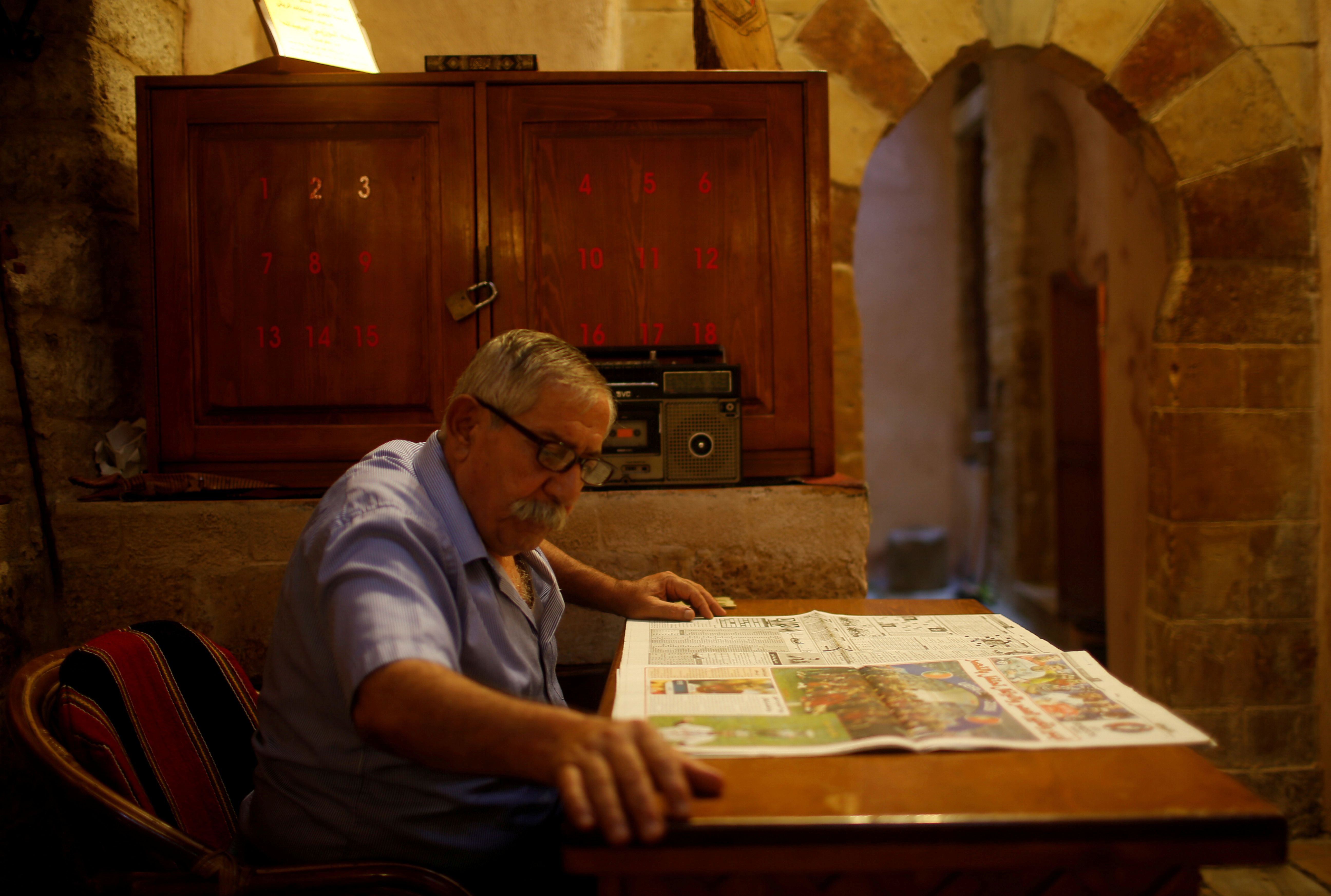
وتطرق المناعمة لأثر إنساني كبير أحدثه هذا التدمير للصحافة الورقية، تمثل في حرمان فئات واسعة في المجتمع مما كان يُعدّ طقوسا صباحية في تلمس ورق الجرائد وتقليب الصفحات بين مواضيعها المختلفة، وهي متعة/حاجة لم يجدوها في المنصات الرقمية التي تتسم بالسرعة والاختصار والعناوين البراقة التي تأتي على حساب القراءة المعمّقة المتأنية التي يفضلها قراء الصحف الورقية.

ورغم قتامة المشهد والتحديات التي فرضتها حرب الإبادة على قطاع الصحافة الورقية، تصر المؤسسات الصحفية في قطاع غزة على القيمة الراسخة للصحافة الورقية باعتبارها صحافة توثيقية تمتلك القدر الأكبر من المصداقية والقدرة على التوثيق التاريخي على المدى الطويل، ما يجعلها أسباب عودتها وازدهارها مجددا قائمة حال توفر المقومات ورفع الحصار عن القطاع.
More Articles

The Left and the Right in One Front Against Journalism in South America

Journalism in Latin America is facing a crisis of hostility. In the age of political polarization, governments from both the left and the right are not merely managing states; they are actively harassing critical voices, imposing institutional censorship, and enforcing official narratives that attack independent media to silence disagreement and fake democracy across the region.

Noe Zavaleta
Noe Zavaleta Published on: 8 Jun, 2026
How Journalists are Combating Cybertroopers 

The brutal state crackdown in Đồng Tâm highlights a intensifying withdrawal from free expression in Vietnam, heavily driven by the regime's deployment of state-backed cyberarmies like Force 47. As these digital actors systematically intimidate and mass-report critics, tech giants like Meta further compound the issue by increasingly acquiescing to government censorship requests to protect market share. This coordinated digital assault leaves a dangerous gap in the global conversation, forcing independent journalists to navigate severe online hostility and risk arbitrary imprisonment just to expose state overreach.

AJR Contributor Published on: 25 May, 2026
Vases and Baby Diapers: War as Told by People, Not Politicians!

The analysis of field reporting during the war reveals a deep divide between distant geopolitical news and the actual human reality on the ground. This conflict between official media assignments and the lived experience will continue as journalists find themselves abandoning institutional scripts to focus instead on the raw details of daily survival and the preservation of personal memory.

Maram
Maram Humaid Published on: 21 May, 2026
Safety Strategies Female Journalists Use in Hostile Environments

Female journalists across Africa face layered physical, gender-based, digital, and psychological risks while covering protests, elections, conflict, and crises, forcing them to rely on hard-earned survival strategies as much as newsroom support.

Nigerian freelance Journalist John Chukwu
John Chukwu Published on: 14 May, 2026
The Afterlife of an Image: How Photojournalism Contests Shape Visibility and Responsibility

As photojournalism contests elevate certain images to global prominence, they also influence how violence, dignity, and memory are constructed in the public imagination.

Daniel Harper
Daniel Harper Published on: 5 May, 2026
Malawi Investigates Poor Pay and Working Conditions for Junior Journalists

Malawi’s investigation into poor pay for junior journalists exposes a deeper crisis where economic hardship is eroding media independence and forcing reporters to choose between ethical integrity and survival.

Benson Kunchezera Published on: 30 Apr, 2026
Journalism as a Struggle for Survival in Sudan

With war erupting in Sudan, the country’s media landscape collapsed almost overnight after the Rapid Support Forces entered Khartoum. Many journalists were left without jobs, salaries or shelter, scattered between displacement, exile and siege, as newspapers shut down and media institutions ceased to function. For many, journalism was no longer a profession but a daily struggle for survival.

Saif al-Din al-Bashir Ahmed Published on: 27 Apr, 2026
From Print to Pixels: How Small-Town Journalists in Bihar Are Surviving Threats and Closures

As newspapers vanish across districts like Siwan, Gaya, and Purnea, reporters turn to mobile phones, digital start-ups and community networks to keep local journalism alive.

Rehan Qayoom Mir. An independent journalist whose work has appeared in international and national outlets,
Rehan Qayoom Mir, Sajad Hameed Published on: 12 Apr, 2026
Arab Society and Investigative Journalism: The Dialectic of Culture, Power, and Profession

Investigative journalism in Arab societies operates within a dense web of social, political, and cultural pressures that often push journalists to balance truth-telling against survival, forcing them onto a precarious “razor’s edge.” Yet despite these constraints, moments of crisis can transform society itself from a source of pressure into a powerful ally, driving accountability and reigniting the pursuit of truth.

Musab Shawabkeh
Musab Al Shawabkeh Published on: 7 Apr, 2026
The Revolution That Framed Islam: How 1979 Shaped Western Media on Iran

The 1979 Revolution transformed how the Western world views and reports on Islam. What started as a confused attempt to understand a new religious movement has turned into a permanent media habit of framing Iran through the lens of conflict and suspicion.

Daniel Harper
Daniel Harper Published on: 4 Apr, 2026
The Challenge of Reporting in Chechnya

Independent journalism no longer exists as a functioning practice inside Chechnya. What remains is a profession rebuilt in exile, forced to operate at a distance from the very place it is meant to cover.

Rushda Fathima Khan
Rushda Fathima Khan Published on: 29 Mar, 2026
How AI Can Clean Messy Data; and Where It Can't

Normalising inconsistent, messy, or incomplete data is tedious and time-consuming, but essential. AI can handle grunt work, but editorial decisions remain with the journalist.

KA
Konstantinos Antonopoulos Published on: 21 Mar, 2026
Missiles Made of Words: How Western Media Narratives Shape the Iran–Israel–US Conflict

Western media coverage of the Iran–Israel–US conflict often functions as a weapon of war, using selective language that frames US and Israeli strikes as “self-defence” while depicting Iranian actions as "provocation". This linguistic framing normalises civilian casualties and helps manufacture public consent for military aggression by dehumanising certain populations.

Muqeet Mohammed Shah
Muqeet Mohammed Shah, Ifrah Khalil Kawa Published on: 14 Mar, 2026
How the Ethiopian Civil War Unleashed a Lethal Media Crackdown

There has been a widening crackdown on the media in Ethiopia since war erupted between the central government and Tigray’s regional authorities in 2020, and the pressure appears set to intensify as the country prepares for general elections in June.

Nalova Akua
Nalova Akua Published on: 9 Mar, 2026
Are Netanyahu's and Trump’s Speeches Shaping Western Media Framing?

As political speeches framed the 2026 U.S.–Israeli attack on Iran, segments of Western media echoed their language and narratives, illustrating how strategic rhetoric and news framing can shape public opinion and legitimise military action.

Shaimaa Al-Eisai
Shaimaa Al-Eisai Published on: 6 Mar, 2026
The Taboos of Journalism: A Fragility No One Dares to Expose

Does a journalist have the right to critique their own employer? It is a striking irony that they report on global crises while remaining silent about their own industry's fragility: stagnant wages, eroding professional values, and profit-driven ownership. Journalists must realize that confronting this internal rot is not just a right, but a necessity to save the profession from extinction.

Diana López Zuleta
Diana López Zuleta Published on: 24 Feb, 2026
Bilingual on Paper, Unbalanced on Air: English Journalism in a Francophone Cameroon

In a media landscape where French dominance dictates policy and airtime, English-speaking reporters in Cameroon are forced into a relentless cycle of improvisation, translation, and professional exhaustion. From the "desert-like" scarcity of English-speaking experts to newsrooms that offer no institutional support, this analysis explores how linguistic inequality hollows out the journalistic process, leaving vital stories untold and the promise of a bilingual nation unfulfilled.

Akem
Akem Nkwain Published on: 15 Feb, 2026
Reporting the Spectacle: Myanmar’s Manufactured Elections

Myanmar’s recent elections posed a profound challenge for journalists, who were forced to navigate between exposing a sham process and inadvertently legitimising it. With media repression intensifying, reporting became an act of resistance against the junta’s effort to control information and silence independent voices.

Annie Zaman
Annie Zaman Published on: 7 Feb, 2026
Public Hostility Toward Legacy Media in Bangladesh

The December 2025 arson attacks on Prothom Alo and The Daily Star marked a turning point for journalism in Bangladesh. As public anger replaces state control as the primary threat, reporters are reassessing personal safety, editorial judgement, and professional credibility in a political transition where journalism itself is increasingly treated as an enemy.

Arsalan Bukhari, an independent journalist based in India
Arsalan Bukhari Published on: 4 Feb, 2026
Migration Issues and the Framing Dilemma in Western Media

How does the Western press shape the migration narrative? Which journalistic frames dominate its coverage? And is reporting on anti-immigration protests neutral or ideologically charged? This analysis examines how segments of Western media echo far-right rhetoric, reinforcing xenophobic discourse through selective framing, language, and imagery.

Salma Saqr
Salma Saqr Published on: 31 Jan, 2026
Polarised, Intimidated, Silenced: The Media Under Siege in Cameroon’s Election

Cameroon’s 2025 presidential election exposed a troubling paradox: a nation voting under the watchful eye of power, while its press remained silenced. From the arrest of a teenage reporter to bans on political debate and digital manipulation, freedom of expression is under siege, and journalism is on trial.

Shuimo Trust Dohyee
Shuimo Trust Dohyee, Ngweh Rita Published on: 22 Jan, 2026
What Image of Gaza Will the World Remember?

Will the story of Gaza be reduced to official statements that categorise the Palestinian as a "threat"? Or to images of the victims that flood the digital space? And how can the media be transformed into a tool for reinforcing collective memory and the struggle over narratives?

Hassan Obeid
Hasan Obaid Published on: 13 Jan, 2026
Journalism in Mauritania: Behind the Facade of Press Freedom Indicators

Mauritania holds the top position in the Arab world in the Press Freedom Index published by Reporters Without Borders. However, behind this favourable ranking, the media and journalists face significant challenges, chief among them the ambiguity surrounding the definition of a "journalist" and the capacity of media professionals to fulfil their roles in accountability and oversight. Despite official efforts, the defining feature of Mauritania’s media landscape remains its persistent state of fluctuation.

 Ahmed Mohamed El-Moustapha
Ahmed Mohamed El-Moustapha Published on: 6 Jan, 2026
How Can Journalism Make the Climate Crisis a People’s Issue?

Between the import of Western concepts and terminology that often fail to reflect the Arab context, and the denial of the climate crisis, or the inability to communicate it in clear, accessible terms, journalism plays a vital role in informing the public and revealing how climate change directly affects the fabric of daily life in the Arab world.

Bana Salama
Bana Salama Published on: 19 Dec, 2025