Al Jazeera Journalism Review

Arrogant journalist
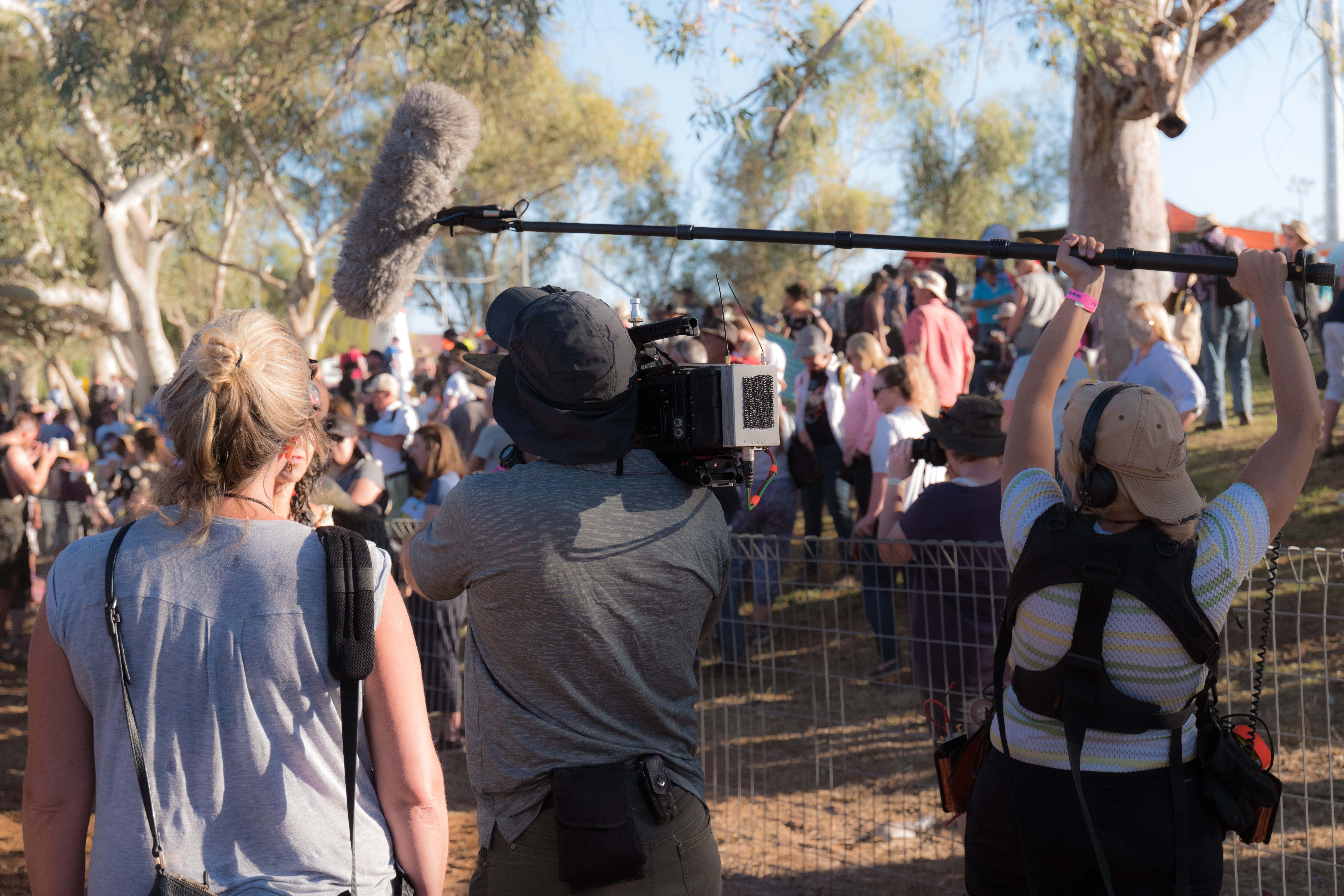
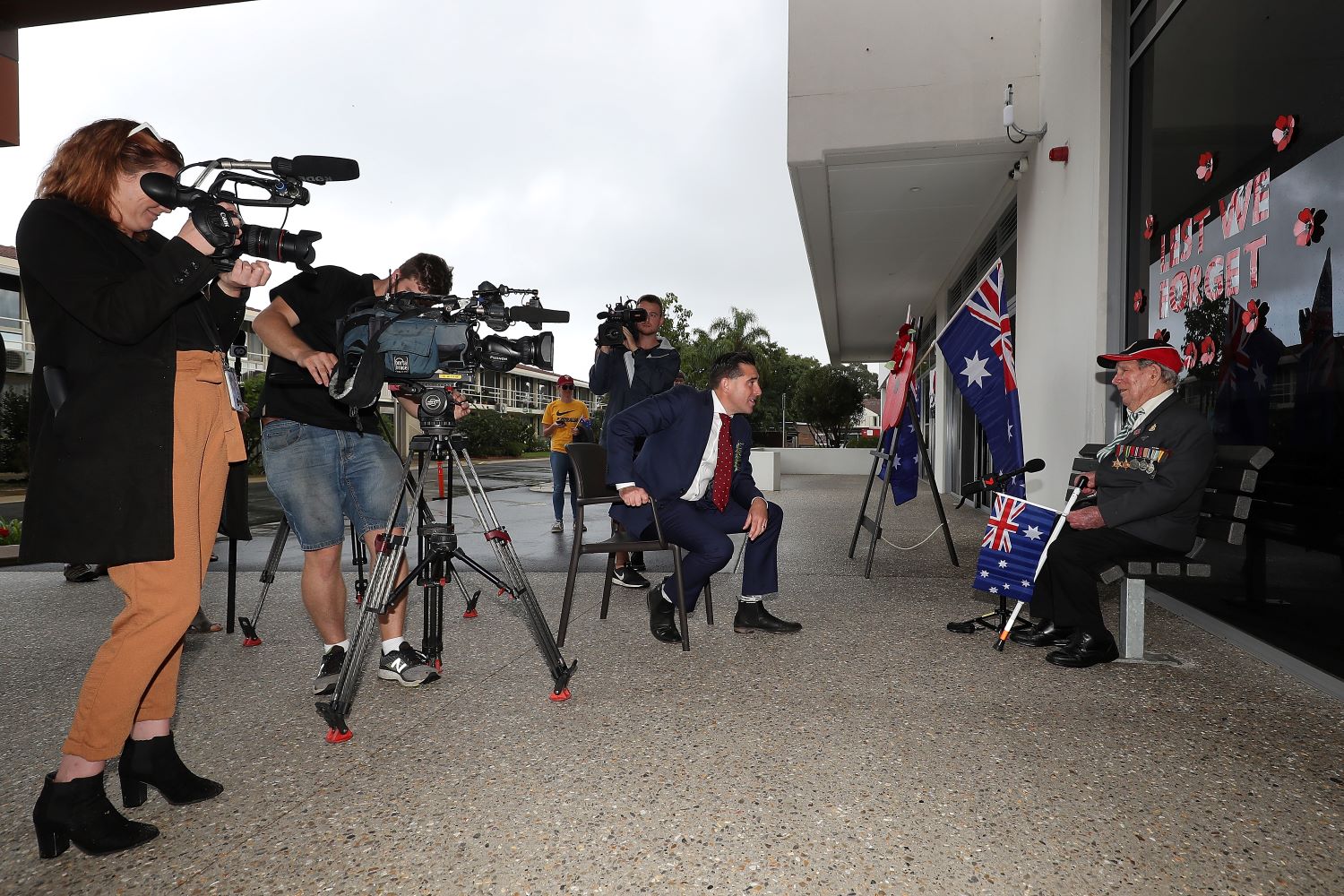
As the journalist, you might have landed the story - but it's not all about you. Picture: Australians Commemorate Anzac Day during lockdown. (Photo by Paul Kane/Getty Images)

No, you are NOT the story

A writer reflects on the absurdity - and naivety - of journalists who place themselves at the centre of the stories they cover.


"In your journey to become a journalist, everything around is important, but the most important is to write as God commanded, and God wants you to be a reader at first, and to read more constantly." - Meguel Angel Bastenier

When we were leaving college halls to take on the job market as novices in journalism, we all made a lot of mistakes.

Those mistakes were what led us to accumulate experience and, later, to reflect on the foolish things we did when we were starting out in journalism – the career which Gabriel Garcia Marquez calls "the best career in the world".

In our early days in journalism, we all wanted to take on the whole world and then tell everyone about it. We had a naively false perception of the world – believing that readers would be interested in our personal opinions on current events.

That perception was a journalistic sin - as serious as gluttony, arrogance or greed. Readers of newspapers and magazines are primarily interested in what we know about the facts of a story. They are interested in the information that we can provide about the murder of a politician, or the fall of a tower, a building collapsing because of an earthquake, or about a ferry sinking in the sea. They want to know about the injury that the football player who holds number 10 in the world rankings has suffered just before a match day in the UEFA Champions League.

But what they do not care about, is what you, the journalist, think about those things.

So, don't write phrases along the lines of: "As a journalist, I think that..." The reader wants the news, with documents and sources, he wants a context in which to discuss his own opinion with friends, or perhaps with an anonymous passerby in a bar or cafe, or at lunch with his family.

The most arrogant thing that a journalist can do is to Not Listen


The reader appreciates journalistic stories that provide accurate and balanced descriptions of different characters and scenarios. It is interesting to him if you explain in detail the course of two trains which crashed in a European country, or the events of a final boxing match, or the detailed course of events through which a new king or president is inaugurated.

But when the journalist starts describing all the hardships he himself endured and the obstacles he overcame to reach the desert where he was to tell a story - or about thousands of actions and procedures he was forced to complete to obtain a press pass to enter the media hall to cover the football final match - or about the few hours he was allowed to sleep before he rushed in the morning to cover a bomb explosion – then he loses his readers. The reader wants to know about the bomb – not what it took for you to tell him about it.

Good journalists do not do this, so have some respect for yourself and your readers, please. Readers are tired of these dramatic stories and the descriptions of your personal adventures. They are not interested in your personal desire for fame and glory.

Leave that to the politicians and TV stars. Leave those naive ways to YouTubers and "influencers" – the people who wouldn't drop their phones even if they fell off their skateboards. Leave it all to those fame-mongers who like to be filmed in daring situations with wild animals, or who stick strange things up their noses to gain the attention of their social media followers. This is not journalism.

The Argentine writer and historian, Martin Caparros, once said that he often finds himself forced to abandon reading so-called "fun" stories in global media - out of sheer boredom. He has no time for writers who put themselves at the forefront of the story.

It’s a bit like when you're at the cinema, approaching the climax of the movie – everyone trying not to blink lest they miss the crucial moment. Suddenly a large man in the first row stands up holding his popcorn and starts loudly holding forth on the progress of the film to his son who is sitting right next to him.

It just ruins it for everyone. But it's a trap that many journalists – particularly in their novice days of their careers – can fall into.

You are not in the starring role

In their desperate bid to demonstrate their starring roles in big news stories, journalists can end up ruining them, too. Announcing that you have a story on social media, for instance, is usually a mistake. You post the basics of a story you are working on – along with a couple of particularly poor photos – and you alert every other publication to it – as well as all the social media drones.

By the time your carefully researched, articulate and informative final article or TV news story comes out, the story has already been cheapened by doing the rounds on Facebook and Twitter in a much more simplistic form – and everyone's already bored of it. So, don’t fall into the seductive trap of "instant publishing" on social media before you have finished researching your story.

But the most arrogant thing that a journalist can do is to Not Listen. In our early days of our careers we were often more concerned with demonstrating just how well informed about a subject we were – and we forgot to listen to the answers we were being given.

It can be easy to forget that our job is to go out and seek answers. It is not our job to provide answers by ourselves. It is good to have advanced knowledge about a subject, but only so that can inform our search for the answers, not so we can brag about it to the very people we should be listening to for the actual answers.

So, when you are interviewing an important "player" in a story – a politician, a TV star or a football player, say – don't make them feel like they are wasting their time with you. Don't get all excited by your own knowledge of a story – stay calm and impassive during the interview. Find the optimal balance between short and precise questions, and more probing, journalistic ones. Give your interviewee the space to react and fully answer your questions. Don't just ask provocative, "clever" questions for the sake of seeming provocative and "clever". You may put your interviewee on the defensive and make them more reluctant to engage.

Be a great journalist - don't be an arrogant one


Instead of showing off your knowledge of the subject, devote your energies to finding out more about your interviewee. The former deputy editor of the Spanish newspaper, El Pais, Miguel Angel Bastenier, always says: “A journalist must always tap deeply into the guest's emotions.” In the other words, he must prepare in advance by studying the person he is going to meet, and to inform himself about this character from other articles and media sources. He should document this information, and work out what questions this person has never yet answered. What are the areas in his public or private life that have not yet been covered? Who is this person? What motivates and moves him? These are the things that will make the journalistic conversation flow.

Above all, exercise healthy skepticism – don't just accept what you are told as the final truth. The Columbian journalist, Javier Dario, once said to me: "If your mother says she loves you – check to make sure it's true!"

I think of these words often and I find myself continually testing his theory whenever I receive information that doesn't quite add up – such as a press release about a money-spinning investment which seems too good to be true or a suspicious statement from a government official that doesn't quite ring true. If it seems too good to be true – it probably is.

And, finally, don't bore your readers. It's true that there is a formula for writing news stories – the rather tedious five Ws (who, what, where, when and why) and the order of events (subject, verb, object). But we can make it more interesting than just that.

Start your script with a catchy or provocative quote from someone you have interviewed. Or, start with a statement that's not usually made. Paint an unfamiliar scenario. Hook the reader in with something a bit exceptional. As Garcia Marquez once said: “The best news is the well-narrated news, not the news as it is first stated.” 

So, be a great journalist. Don't be an arrogant one.


Noe Zavaleta is a writer and journalist from Mexico

With translation by Zaid Hani Almomani

The views expressed in this article are the author’s own and do not necessarily reflect Al Jazeera Journalism Review’s editorial stance.



More Articles

What It Means to Be an Investigative Journalist Today

A few weeks ago, Carla Bruni, wife of former French president Nicolas Sarkozy, was seen removing the Mediapart logo from view. The moment became a symbol of a major victory for investigative journalism, after the platform exposed Gaddafi’s financing of Sarkozy’s election campaign, leading to his prison conviction. In this article, Edwy Plenel, founder of Mediapart and one of the most prominent figures in global investigative journalism, reflects on a central question: what does it mean to be an investigative journalist today?

Edwy Plenel
Edwy Plenel Published on: 27 Nov, 2025
In-Depth and Longform Journalism in the AI Era: Revival or Obsolescence?

Can artificial intelligence tools help promote and expand the reach of longform journalism, still followed by a significant audience, or will they accelerate its decline? This article examines the leading AI tools reshaping the media landscape and explores the emerging opportunities they present for longform journalism, particularly in areas such as search and content discovery.

. سعيد ولفقير. كاتب وصحافي مغربي. ساهم واشتغل مع عددٍ من المنصات العربية منذ أواخر عام 2014.Said Oulfakir. Moroccan writer and journalist. He has contributed to and worked with a number of Arab media platforms since late 2014.
Said Oulfakir Published on: 24 Nov, 2025
Leaked BBC Memo: What Does the Crisis Reveal?

How Should We Interpret the Leak of the “BBC Memo” on Editorial Standards? Can we truly believe that the section concerning U.S. President Donald Trump was the sole reason behind the wave of resignations at the top of the British broadcaster? Or is it more accurately seen as part of a broader attempt to seize control over editorial decision-making? And to what extent can the pressure on newsrooms be attributed to the influence of the Zionist lobby?

 Mohammed Abuarqoub. Journalist, trainer, and researcher specializing in media affairs. He holds a PhD in Communication Philosophy from Regent University in the United States.محمد أبو عرقوب صحفي ومدرّب وباحث متخصص في شؤون الإعلام، حاصل على درجة الدكتوراه في فلسفة الاتّصال من جامعة ريجينت بالولايات المتحدة الأمريكية.
Mohammed Abuarqoub Published on: 20 Nov, 2025
Crisis of Credibility: How the Anglo-American Journalism Model Failed the World

Despite an unprecedented global flood of information, journalism remains strikingly impotent in confronting systemic crises—largely because the dominant Anglo-American model, shaped by commercial imperatives and capitalist allegiances, is structurally incapable of pursuing truth over power or effecting meaningful change. This critique calls for dismantling journalism’s subordination to market logic and imagining alternative models rooted in political, literary, and truth-driven commitments beyond the confines of capitalist production.

Imran Muzaffar
Imran Muzaffar, Aliya Bashir, Syed Aadil Hussain Published on: 14 Nov, 2025
Why Has Arab Cultural Journalism Weakened in the Third Millennium?

The crisis of cultural journalism in the Arab world reflects a deeper decline in the broader cultural and moral project, as well as the collapse of education and the erosion of human development. Yet this overarching diagnosis cannot excuse the lack of professional training and the poor standards of cultural content production within newsrooms.

Fakhri Saleh
Fakhri Saleh Published on: 10 Nov, 2025
Podcasters, content creators and influencers are not journalists. Are they?

Are podcasters, content creators, and influencers really journalists, or has the word 'journalist' been stretched so thin that it now covers anyone holding a microphone and an opinion? If there is a difference, where does it sit? Is it in method, mission, accountability, or something else? And in a media landscape built on noise, how do we separate a journalist from someone who produces content for clicks, followers or sponsors

Derick Matsengarwodzi
Derick Matsengarwodzi Published on: 7 Nov, 2025
The Power to Write History: How Journalism Shapes Collective Memory and Forgetting

What societies remember, and what they forget, is shaped not only by historians but by journalism. From wars to natural disasters, the news does not simply record events; it decides which fragments endure in collective memory, and which fade into silence.

Daniel Harper
Daniel Harper Published on: 30 Oct, 2025
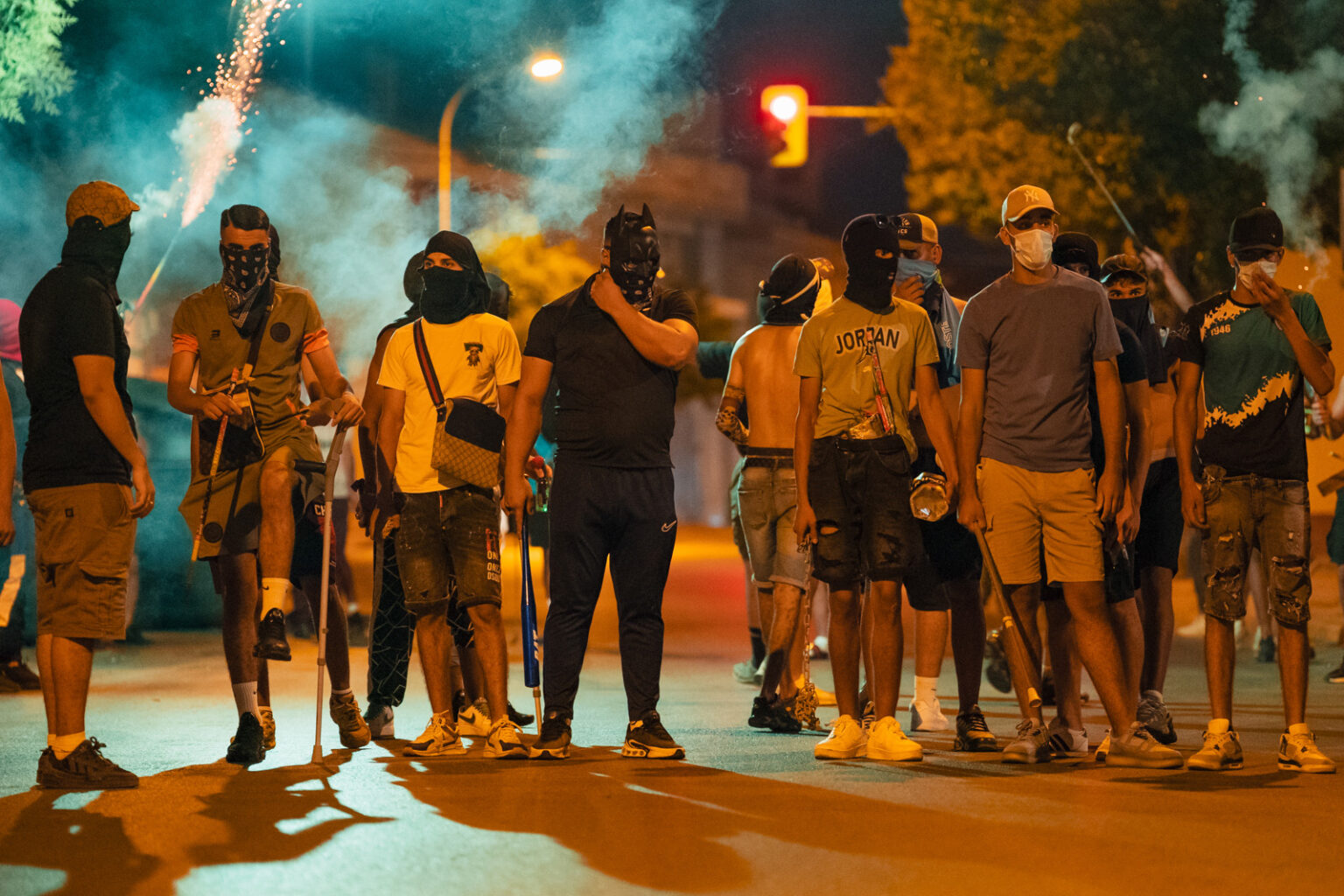
Journalism in Spain: Why Omitting Ethnicity May Be Doing More Harm Than Good

In Spain, a well-intentioned media practice of omitting suspects’ ethnic backgrounds in crime reporting is now backfiring, fuelling misinformation, empowering far-right narratives, and eroding public trust in journalism.

Ilya إيليا توبر 
Ilya U Topper Published on: 10 Sep, 2025
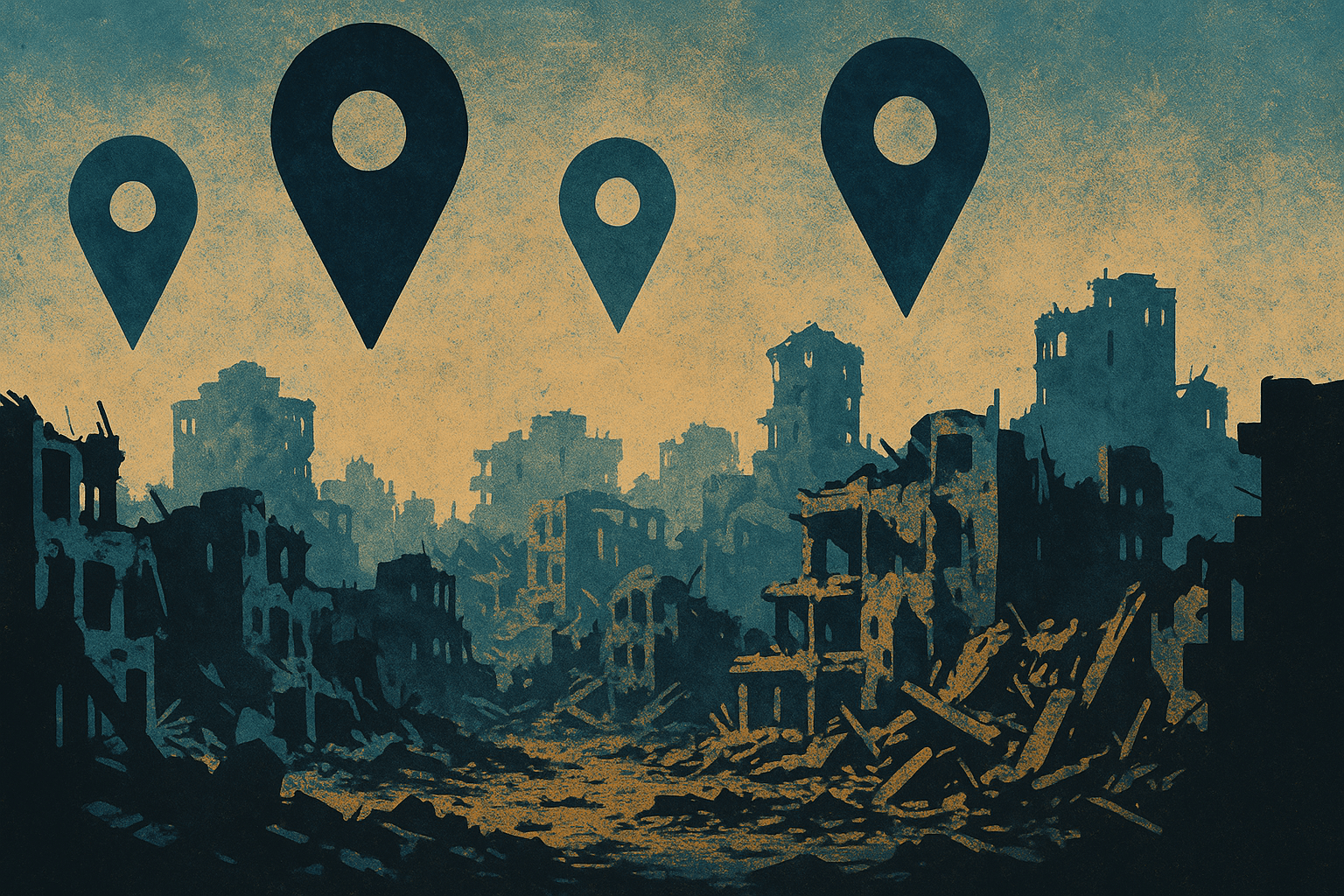
Interview with Zina Q. : Digital Cartography as a Tool of Erasure in Gaza

Amid Israel’s war on Gaza, Zina Q. uncovers how Google Maps and satellite imagery are being manipulated; homes relabelled as “haunted,” map updates delayed, and evidence of destruction obscured, revealing digital cartography itself as a weapon of war. By exposing these distortions and linking them to conflicts from Sudan to Ukraine, she demonstrates how control over maps and AI surveillance influences not only what the world sees, but also what it remembers.

Al Jazeera Journalism Review
Al Jazeera Journalism Review Published on: 6 Sep, 2025
Canadian Journalists for Justice in Palestine: A Call to Name the Killer, Not Just the Crime

How many journalists have to be killed before we name the killer? What does press freedom mean if it excludes Palestinians? In its latest strike, Israel killed an entire Al Jazeera news crew in Gaza—part of a systematic campaign to silence the last witnesses to its crimes. Canadian Journalists for Justice in Palestine (CJJP) condemns this massacre and calls on the Canadian government to end its complicity, uphold international law, and demand full accountability. This is not collateral damage. This is the targeted erasure of truth.

Samira Mohyeddin
Samira Mohyeddin Published on: 14 Aug, 2025
Protecting Palestinian Journalists Should be First Priority - Above Western Media Access

Why demand entry for foreign reporters when Palestinian journalists are already risking—and losing—their lives to tell the truth? Real solidarity means saving journalists' lives, amplifying their voices, and naming the genocide they expose daily.

Synne Furnes Bjerkestrand
Synne Bjerkestrand, Kristian Lindhardt Published on: 10 Aug, 2025
The Washington Post: When Language Becomes a Veil for Pro-Israel Bias

How did The Washington Post's coverage differ between Israel’s bombing of Gaza hospitals and Iran’s strike on an Israeli hospital? Why does the paper attempt to frame Palestinian victims within a “complex operational context”? And when does language become a tool of bias toward the Israeli narrative?

Said Al-Azri
Said Al-Azri Published on: 6 Aug, 2025
In the War on Gaza: How Do You Tell a Human Story?

After nine months of genocidal war on Palestine, how can journalists tell human stories? Which stories should they focus on? And does the daily, continuous coverage of the war’s developments lead to a “normalisation of death”?

Yousef Fares
Yousef Fares Published on: 8 Jul, 2025
How Much AI is Too Much AI for Ethical Journalism

As artificial intelligence transforms newsrooms across South Asia, journalists grapple with the fine line between enhancement and dependency

Saurabh Sharma
Saurabh Sharma Published on: 1 Jul, 2025
How to Tell the Stories of Gaza’s Children

Where does compassion end and journalism begin? How can one engage with children ethically, and is it even morally acceptable to conduct interviews with them? Palestinian journalist Reem Al-Qatawy offers a profoundly different approach to human-interest reporting. At the Hope Institute in Gaza, she met children enduring the harrowing aftermath of losing their families. Her experience was marked by intense professional and ethical challenges.

Rima Al-Qatawi
Rima Al-Qatawi Published on: 26 Jun, 2025
Do Foreign Journalists Matter in Covering Genocide? A Look into Bosnia, Rwanda, and Gaza

How did foreign journalists cover the killings in both Bosnia-Herzegovina and Rwanda? Did they contribute to conveying the truth and making an impact? Would the entry of foreign journalists into the Gaza Strip change the reality of the ongoing genocide? And would their coverage of the famine and massacres add to the daily coverage of local journalists? Why is the local press's coverage of wars seen as deficient compared to Western journalism, even though they incur greater losses and casualties?

Saber Halima
Saber Halima Published on: 20 Jun, 2025
How Palestine Is Forcing Journalists to Reexamine Objectivity and Decolonize

This article argues that the Palestinian context exposes the colonial roots of traditional journalism and calls for a decolonial approach that centers marginalized voices, promotes collaborative reporting, and demands structural change within newsrooms to uphold journalistic integrity.

Sanne Breimer
Sanne Breimer Published on: 12 Jun, 2025
The Role of Social Science Tools in Enhancing Journalism

When French sociologist Pierre Bourdieu was asked about the contribution of the suburbs to elections, he replied that decades of colonialism and complex problems cannot be summarised in 10 minutes. The value of social sciences in supporting journalism is demonstrated when they address issues of society, power, and identity for the sake of better journalism.

Rehab Zaheri
Rehab Zaheri Published on: 6 Jun, 2025
Digital Dependency: Unpacking Tech Philanthropy’s Grip on Local News in the MENA

AI-driven journalism initiatives in the Middle East, often backed by philanthropic media development projects, are reshaping local newsrooms under the influence of global tech giants. These efforts, while marketed as support, risk deepening power asymmetries, fostering digital dependency, and reactivating colonial patterns of control through algorithmic systems and donor-driven agendas.

Sara Ait Khorsa
Sara Ait Khorsa Published on: 3 Jun, 2025
Journalism Colleges in Somalia: A Battle for Survival

Journalism colleges in Somalia are struggling to survive due to outdated curricula, lack of practical training, insufficient funding, and a shortage of qualified educators, leading to declining student enrollment and interest. Despite efforts by institutions like Mogadishu University and Hormuud University to revive journalism education, these challenges persist, threatening the future of journalism in the country.

Al-Shafi Abtidon
Al-Shafi Abtidon Published on: 30 May, 2025
Philippine Activists Fight Archive Erasure and Revive Dictatorship-Era Memories

In the Philippines, archivists fight to preserve evidence of the country’s bloodied past, in hope that it will provide lessons for the future.

Tristan James Biglete
Tristan James Biglete Published on: 27 May, 2025
News Fatigue and Avoidance: How Media Overload is Reshaping Audience Engagement

A study conducted on 12,000 American adults revealed that two-thirds feel “exhausted” by the overwhelming volume of news they receive. Why is the public feeling drained by the news? Are audiences actively avoiding it, and at what psychological cost? Most importantly, how can the media rebuild trust and reconnect with its audience?

Othman Kabashi
Othman Kabashi Published on: 25 May, 2025
Weaponized Artificial Intelligence: The Unseen Threat to Fact-Checking

How has artificial intelligence emerged as a powerful tool during wartime, and what strategies are fact-checkers adopting to confront this disruptive force in newsrooms? The work of fact-checkers has grown significantly more challenging during the genocide in Palestine, as the Israeli occupation has relied heavily on artificial intelligence to disseminate misinformation.

Ahmad Al-Arja
Ahmad Al-Arja Published on: 18 May, 2025
Reporting from the Ruins; Why We Must Keep Myanmar’s Journalists Alive and Online

In Myanmar, journalism has become a courageous act of resistance. As the military junta tightens its grip on information, journalists face growing technological, political, and security barriers. This article explores the urgent need to support Myanmar’s embattled media workers before the country slides into a full information blackout.
Annie Zaman
Annie Zaman Published on: 13 May, 2025