Journalism Ethics
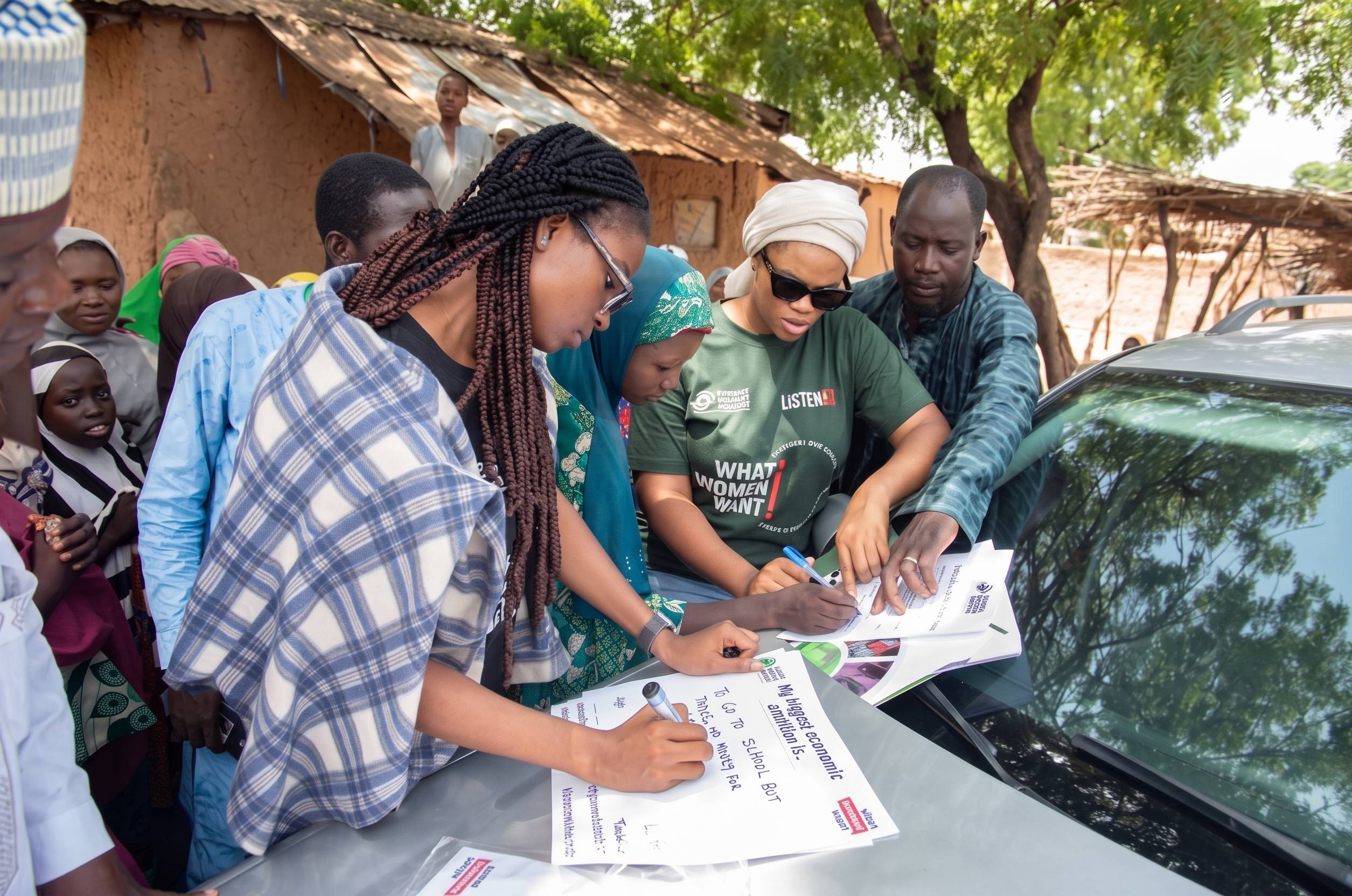
How Language and Local Context Can Make or Break an Investigation
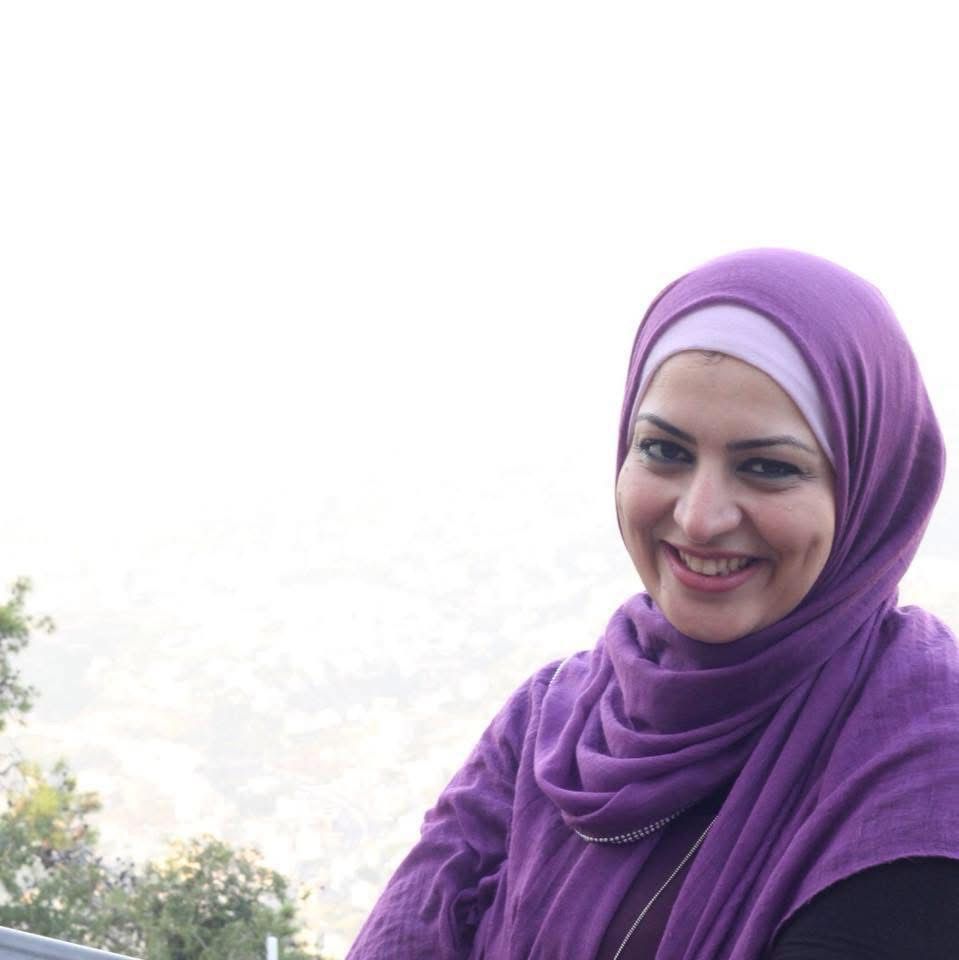
Reporting across linguistic and cultural boundaries showed that effective journalism requires far more than literal translation, as fixing and local collaboration must function as vital verification processes that capture deep emotional, social, and political contexts without stripping away nuance, dignity, or underlying truths.

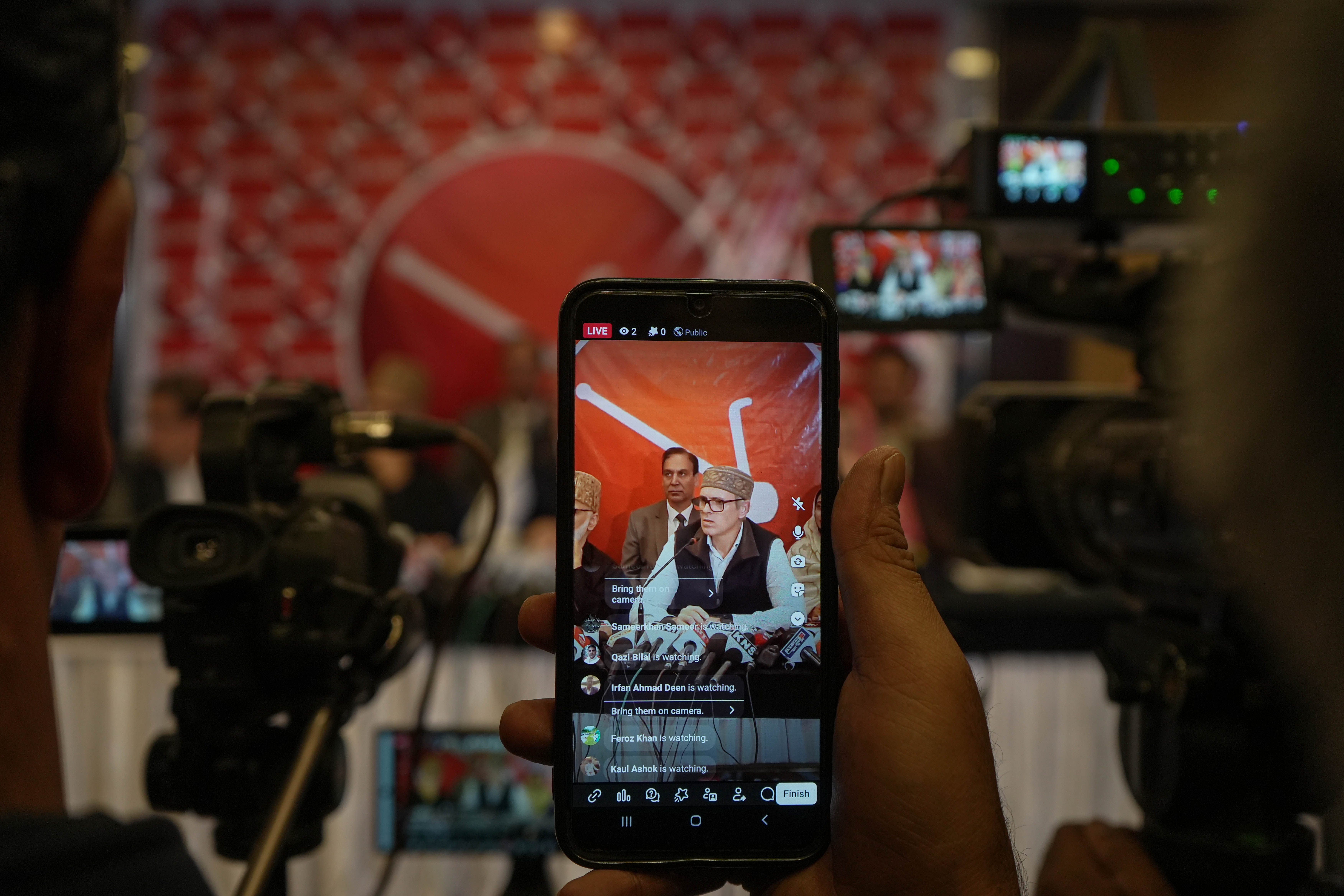
Who Decides the News? Inside India's Algorithm-Driven Newsrooms
Editors once decided which stories mattered based on evidence, public interest and ethics. Today, recommendation algorithms and engagement metrics increasingly shape editorial decisions, prioritising what keeps audiences scrolling.
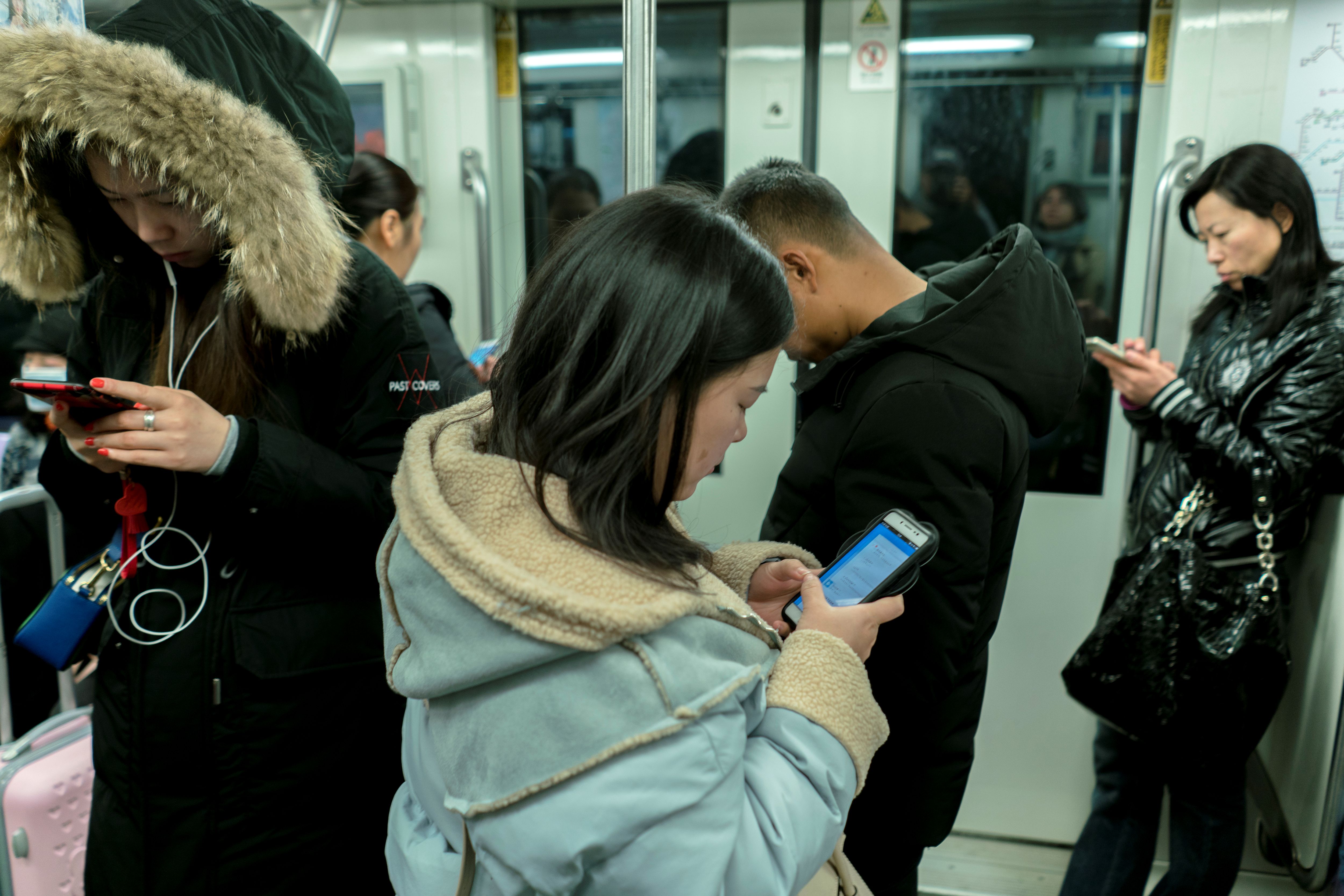
The Phenomenon of “News Avoidance”: Have We Come to Know More Than We Should?
Audiences are increasingly avoiding the news as the constant flow of crises, violence, and tragic human stories creates psychological exhaustion and anxiety. Media outlets need to respond with more responsible editorial choices, stronger media literacy, and coverage that balances urgent events with constructive, humane, and less harmful storytelling.
Reporting on People Who Cannot Leave
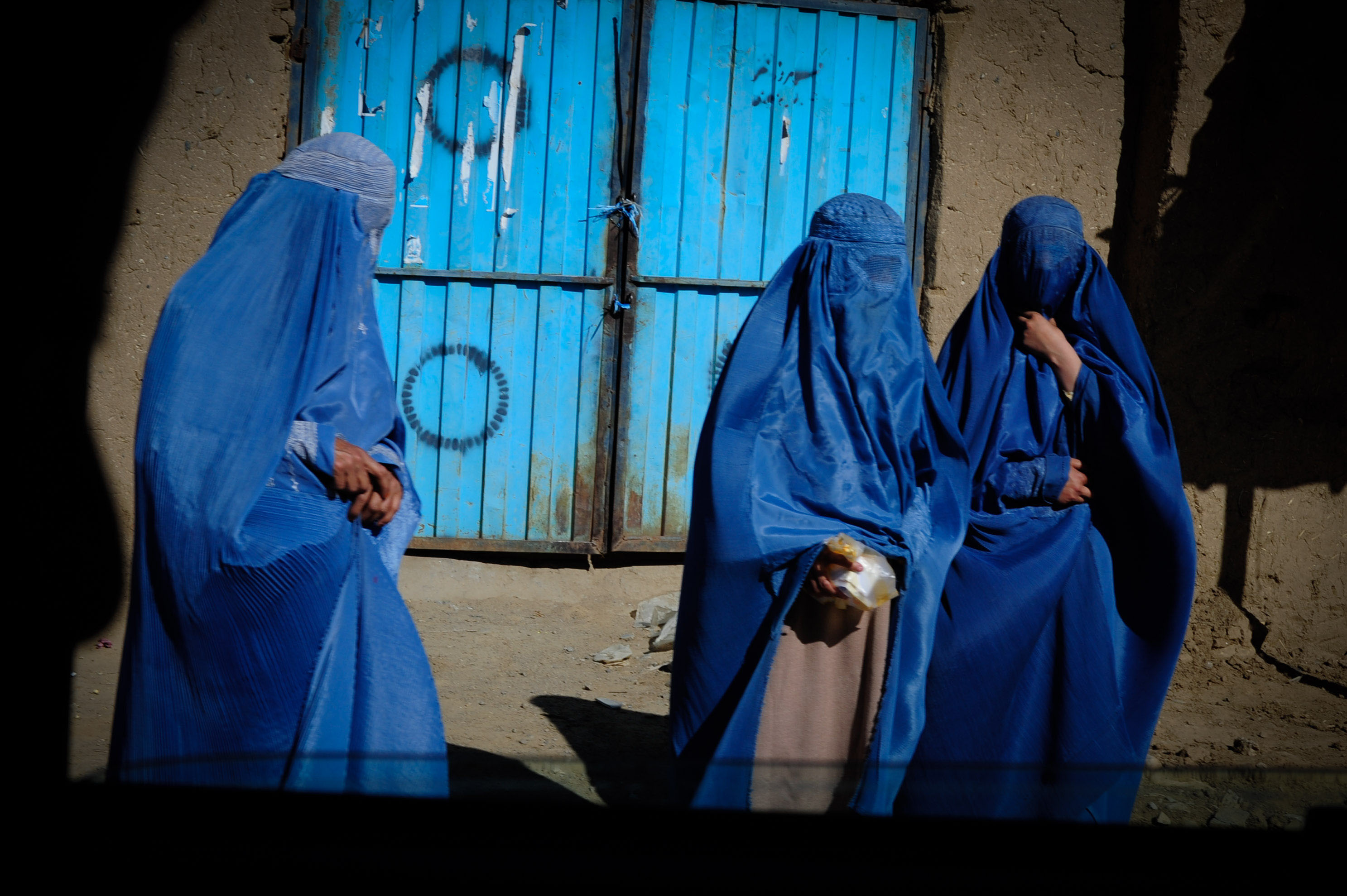
The arrest of an Afghan female athlete after appearing in a Dutch documentary highlights the dangers of reporting under authoritarian rule. It underscores a growing dilemma in journalism regarding how to amplify the voices of vulnerable people without accidentally turning them into targets for the regime.

On the Misunderstanding Between Media and Diplomacy
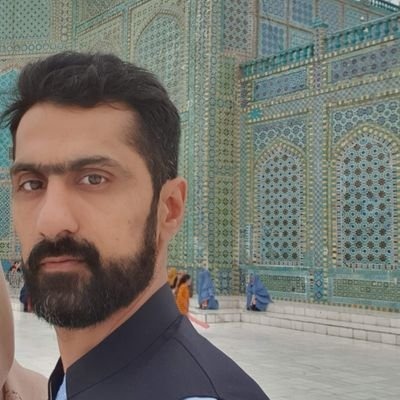
The analysis of international crisis coverage reveals a clear structural gap between the immediate, simplified narratives produced by the media and the slow, complex processes of diplomacy. The tension between the two fields appears set to persist as reporters are forced to trade detailed, long-term tracking of negotiation for fast-paced, dramatic framing and the immediate demands of the attention economy.
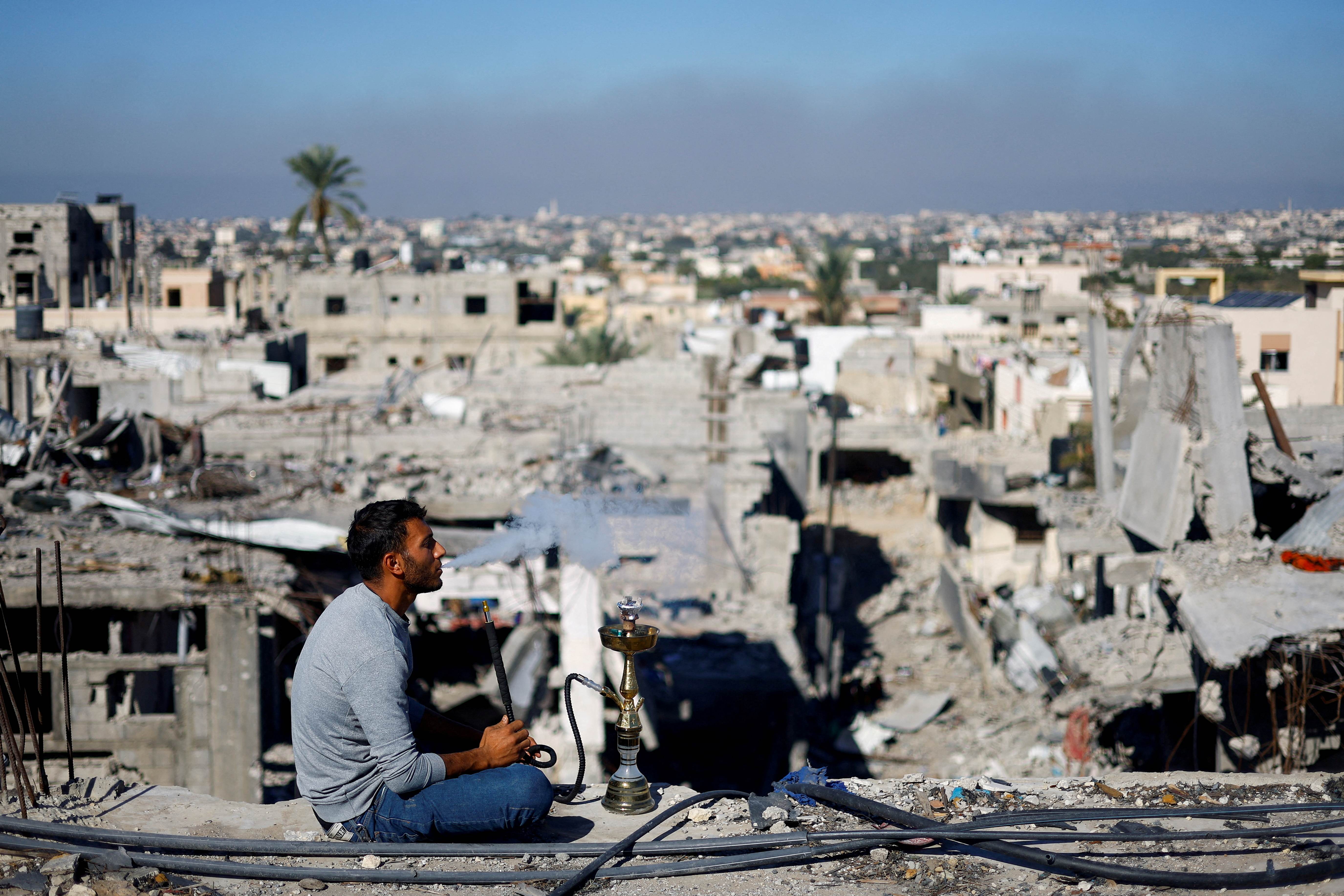
Vases and Baby Diapers: War as Told by People, Not Politicians!
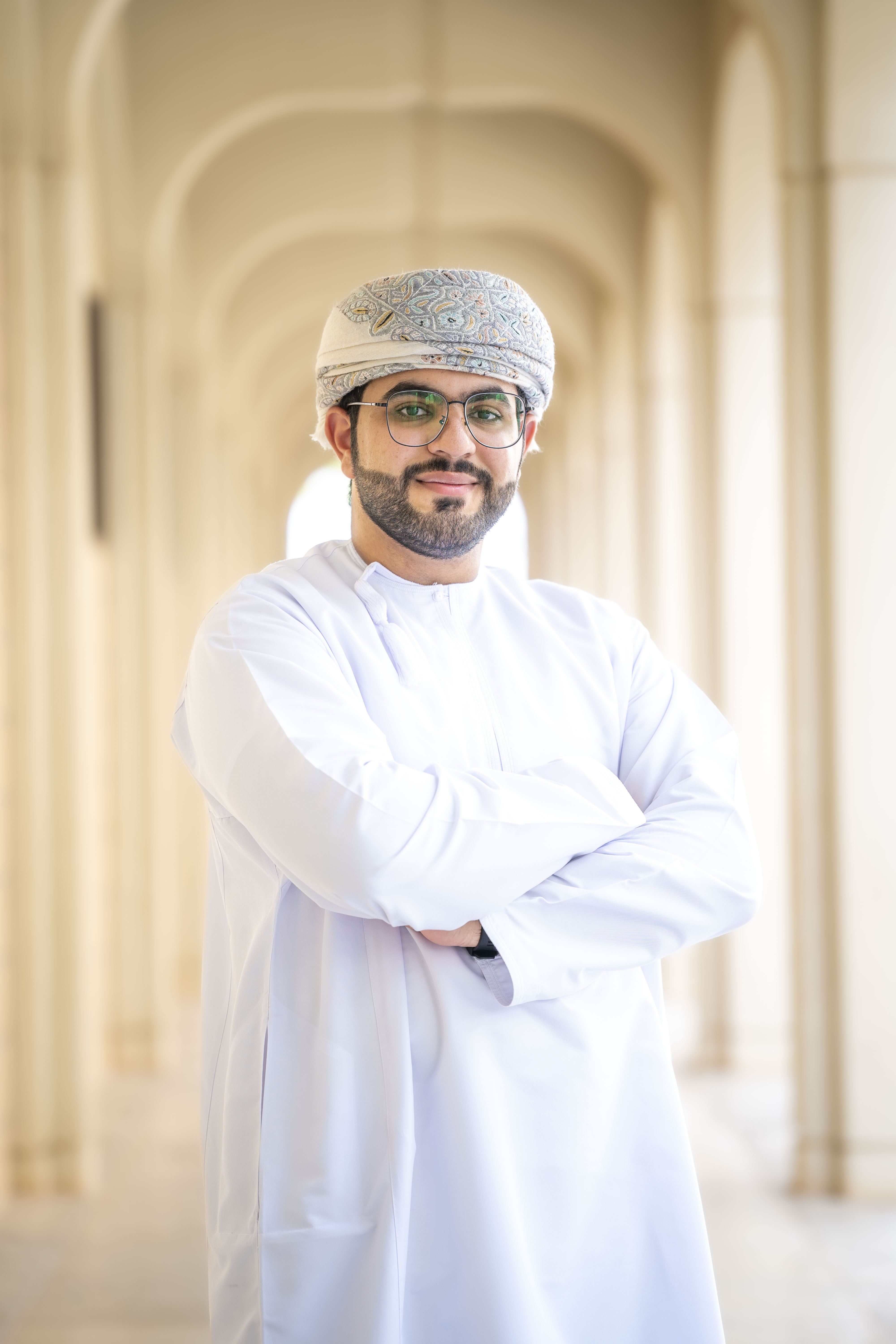
The analysis of field reporting during the war reveals a deep divide between distant geopolitical news and the actual human reality on the ground. This conflict between official media assignments and the lived experience will continue as journalists find themselves abandoning institutional scripts to focus instead on the raw details of daily survival and the preservation of personal memory.
The Vanishing Foreign Desk: What U.S. Media Cuts Mean for South Asia
Recent restructuring at Voice of America and The Washington Post marks a significant withdrawal from global journalism, particularly affecting coverage in South Asia. As these major institutions cut staff and close foreign bureaus, the loss of experienced expertise threatens the visibility of critical regional issues like human rights and climate change. This shift forces a move toward narrative independence for local media, yet leaves a dangerous gap in the global conversation that smaller newsrooms struggle to fill.

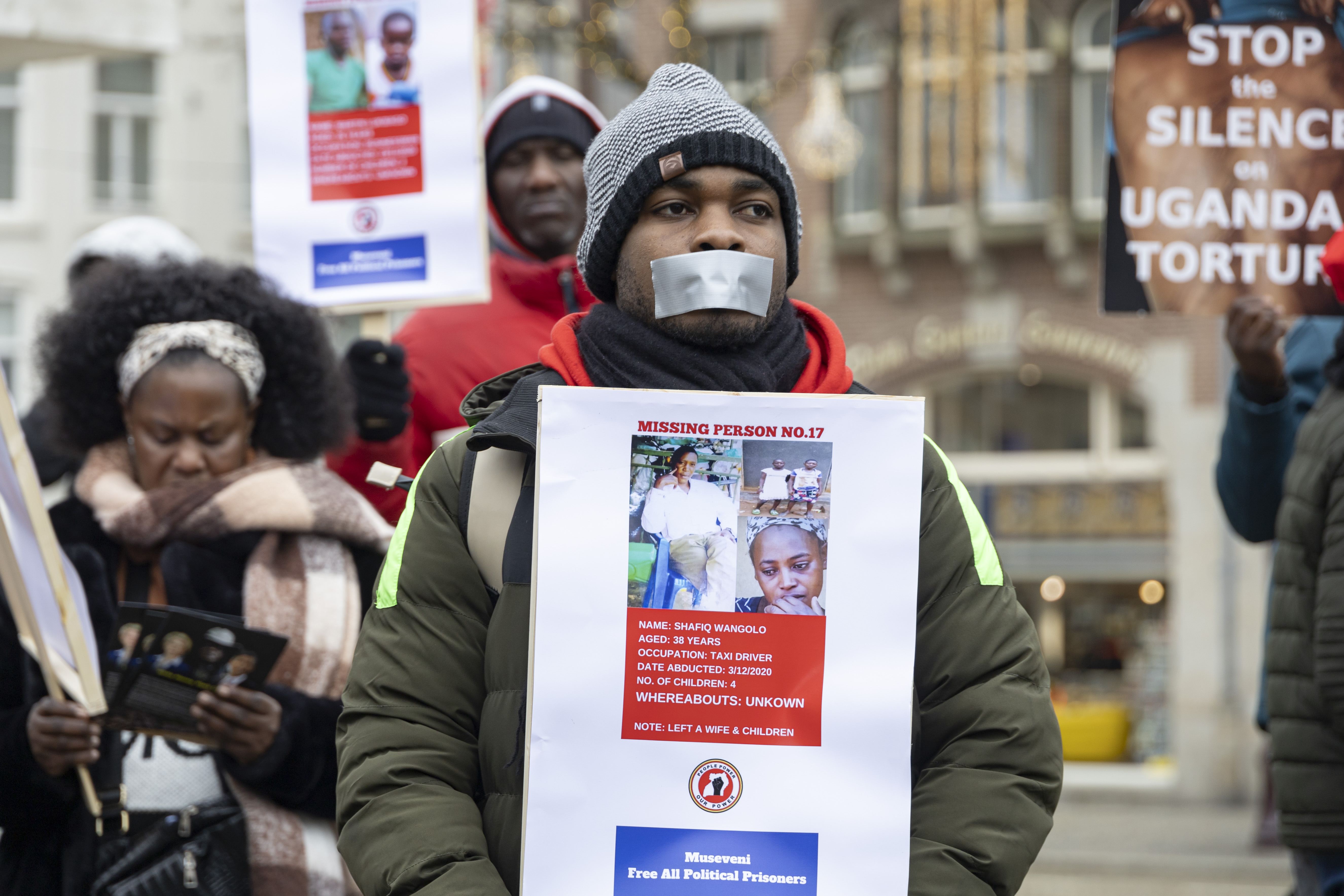
When Speaking Up Backfires: How Social Conformity Silences Journalists
While state censorship remains a reality, freedom of speech in Africa faces a rising internal threat: the community itself. This article examines how social conformity, digital echo chambers, and ingrained bias create a modern "chilling effect". This pressure forces journalists to choose between aligning with popular narratives or facing professional and social marginalisation.


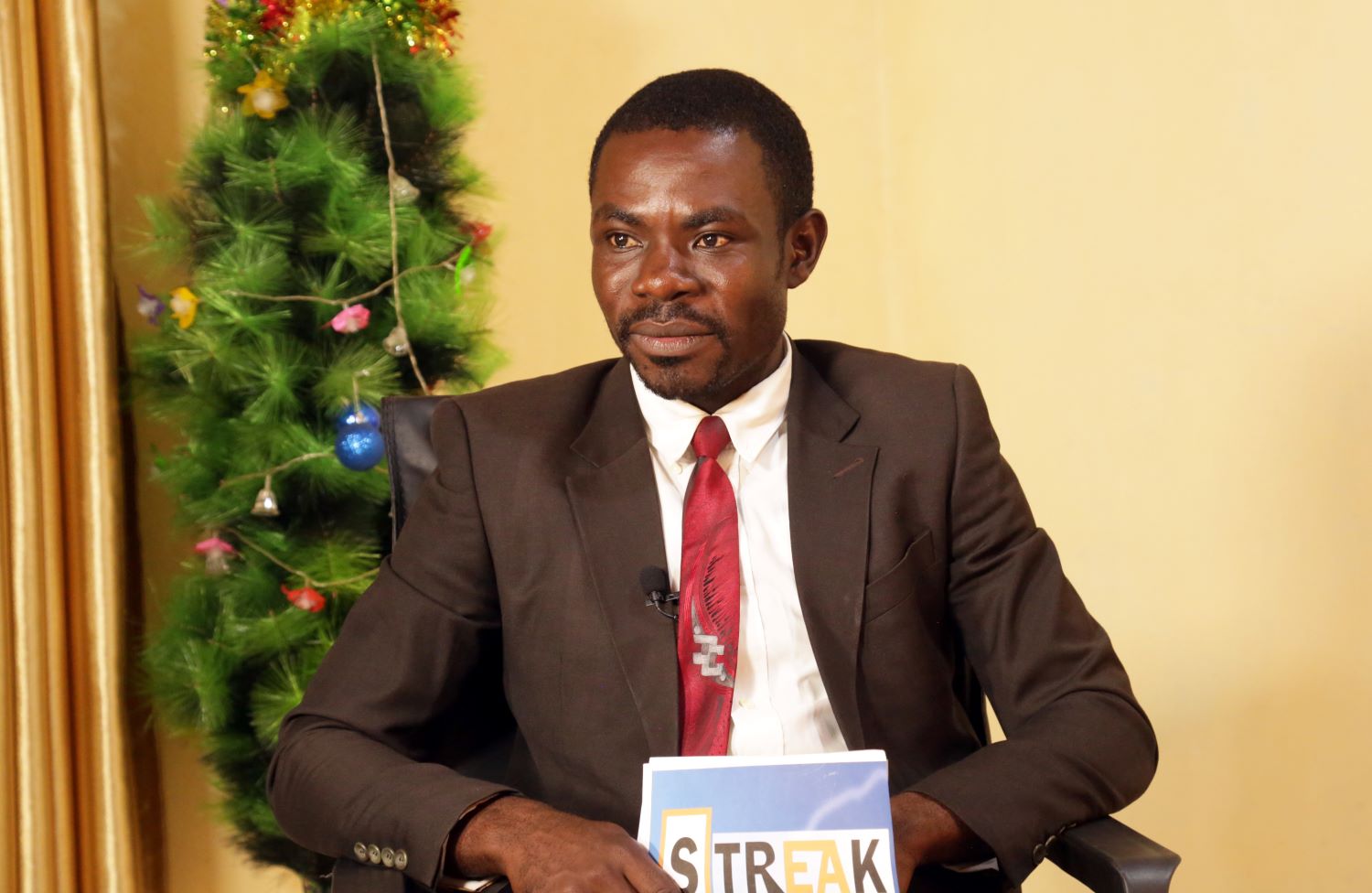
Sports Photojournalism in Cameroon: A Craft at Risk in the Digital Age
Sports photojournalists in Cameroon face growing challenges, from the rise of mobile photography and content creators to financial struggles, piracy, and a widespread expectation for free images. Despite these obstacles, professionals emphasise the need for innovation, investment in training, and greater respect for their craft to ensure the survival of photojournalism in a rapidly evolving digital landscape.
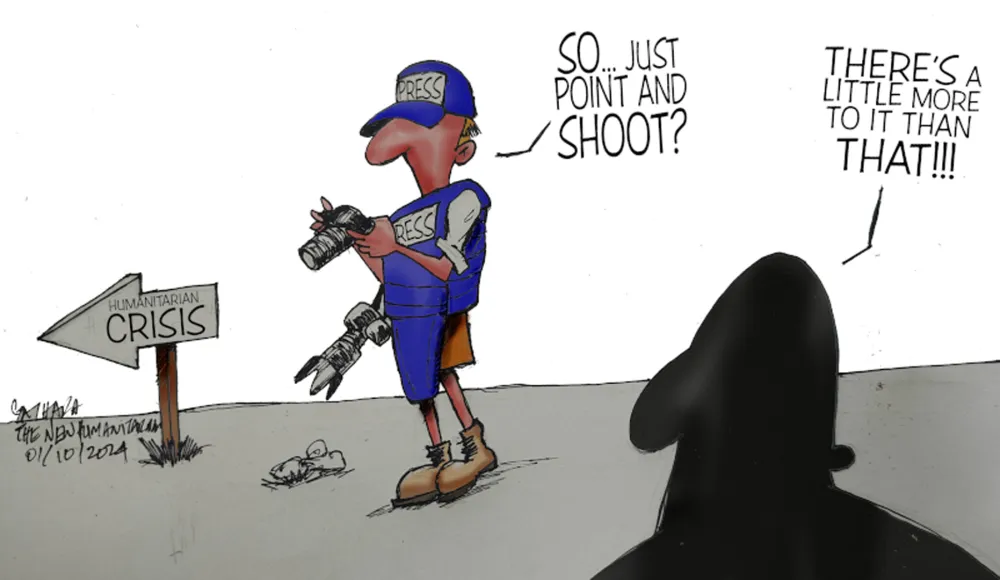
Decolonise How? Humanitarian Journalism is No Ordinary Journalism
Unlike most journalism, which involves explaining societies to themselves, war reporting and foreign correspondence explain the suffering of exoticised communities to audiences back home, often within a context of profound ignorance about these othered places. Humanitarian journalism seeks to counter this with empathetic storytelling that amplifies local voices and prioritises ethical representation.
