Propaganda
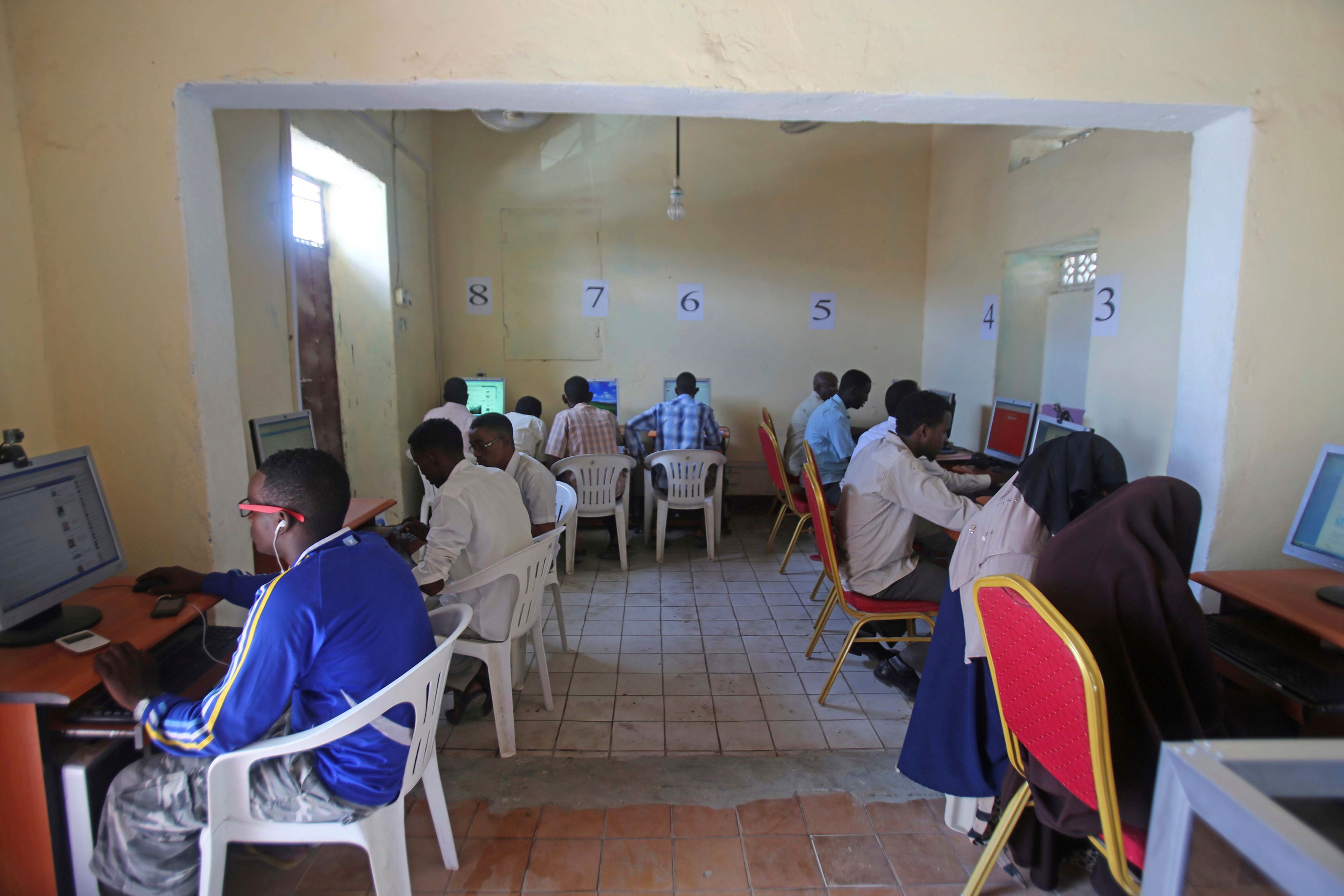
Has the Global South Benefited from the Digital Transformation?
Despite the promise of digital technologies to amplify voices and expand media reach in the Global South, structural barriers, such as political repression, technological dependency, and persistent digital divides, continue to limit their impact. Real progress requires not only technological adoption but also institutional reform, stronger journalistic capacity, and independent ethical frameworks to challenge dominant Western media narratives.


Propaganda: Between Professional Conscience and Imposed Agendas
When media institutions first envisioned editorial charters and professional codes of conduct, their primary goal was to safeguard freedom of expression. However, experience has shown that these frameworks have often morphed into a "vast prison", one that strips journalists of their ability to confront authority in all its forms. In this way, Big Brother dons velvet gloves to seize what little space remains for the practice of true journalism.


Fact-Checking: The Last Line of Defense Against Occupation Propaganda in Palestine
Manipulation of information, intensive propaganda campaigns, and widespread disinformation were key features of the "narrative" battle that accompanied the war on Gaza. From the very beginning, the occupation sought to provide media cover for potential war crimes, but the work of fact-checkers exposed the foundations of its propaganda.