Media Ethics
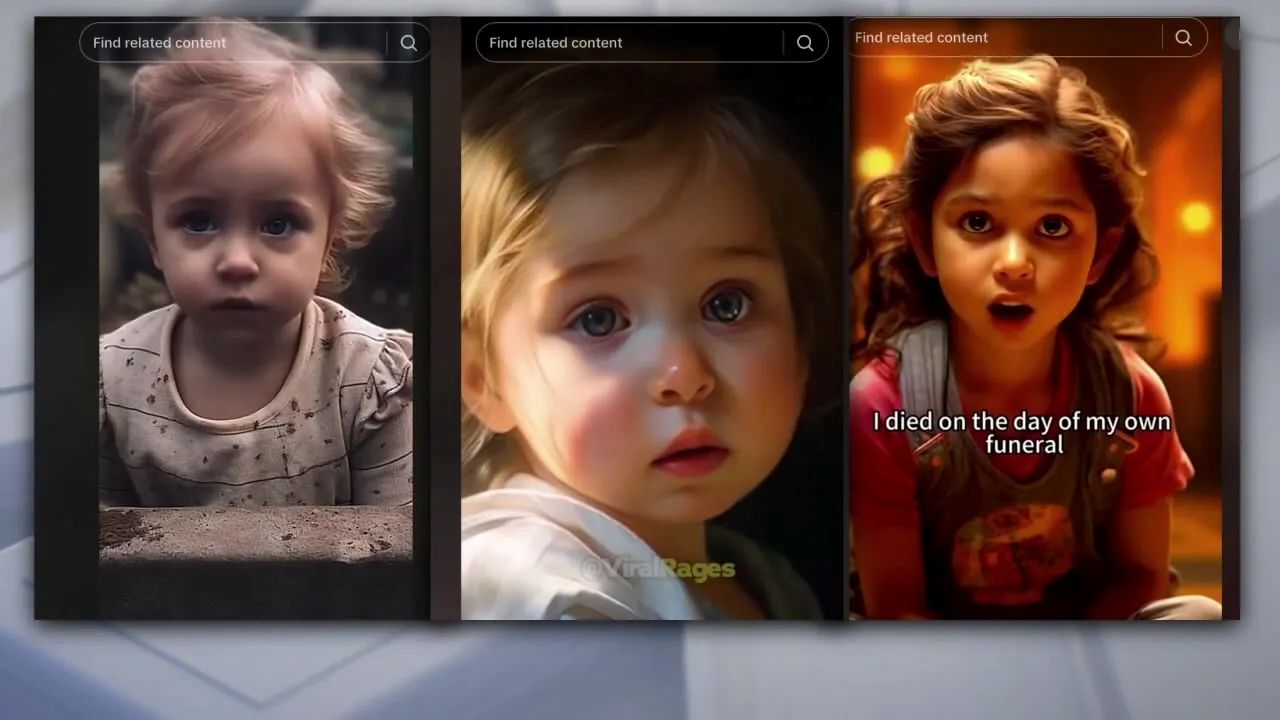
The Victims' Digital Resorrection…Reviving legacy or Commodifying Pain?
As artificial intelligence brings the dead back to life on screen, the article examines the troubling line between preserving victims’ memories and exploiting their suffering for digital engagement, raising urgent questions about consent, journalistic integrity, and accountability.

Common Mistakes Made by Television Correspondents
Television correspondents earn trust not by being first or omniscient, but by reporting what they can verify, using images responsibly, resisting performance and speculation, and putting accuracy before speed.

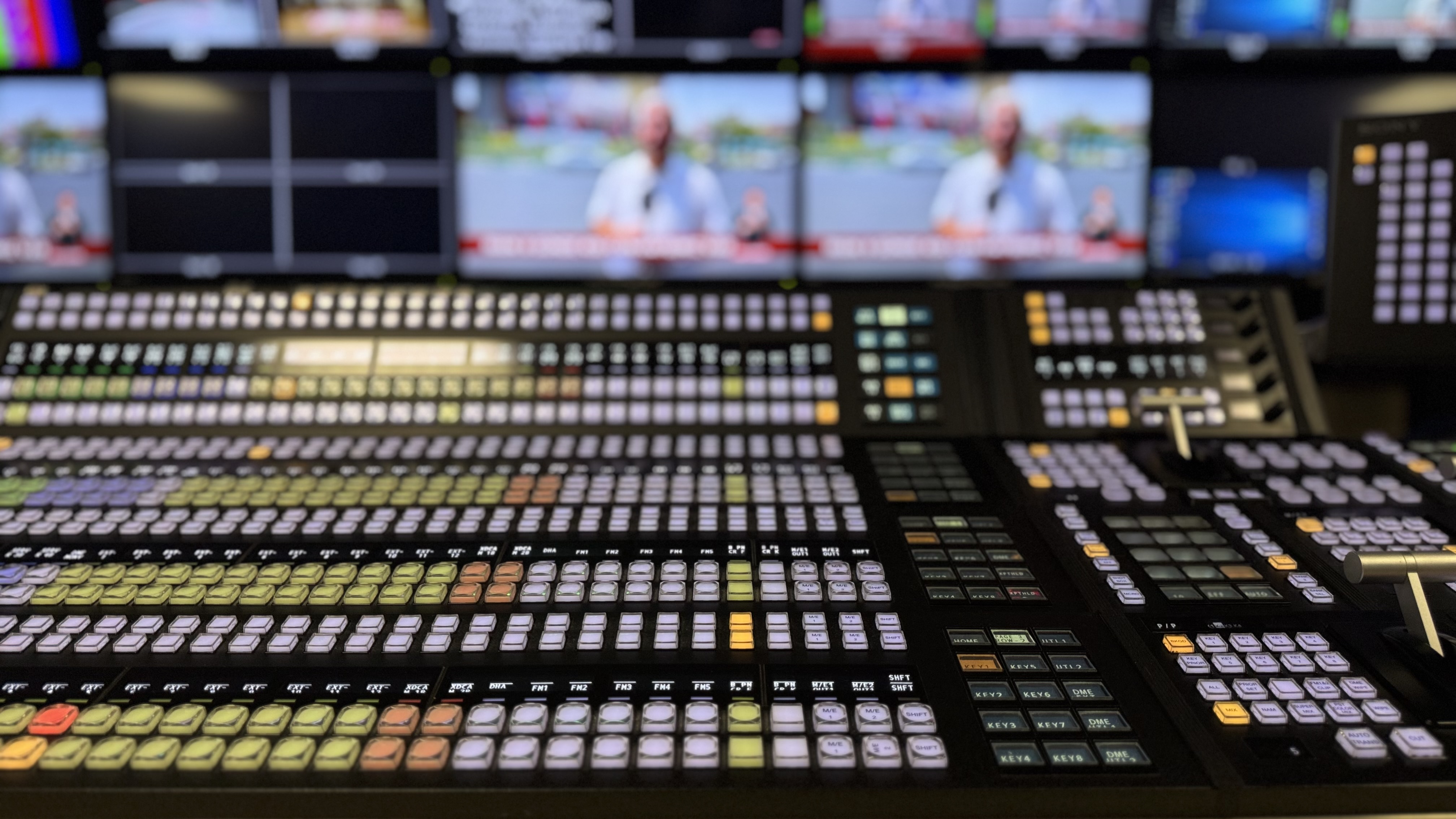
Editorial Workflow in Television Journalism: From Oversight to Quality
Quality television journalism relies on cohesive teamwork rather than individual multitasking. A functional hierarchy is key, restoring the "gatekeeper" role by verifying facts and shielding the public from fake news and propaganda, especially in complex, high-tension environments.

Docudrama: Aesthetic Narration as an Alternative to the Missing Camera!
The use of drama in documentaries sparks a debate between fears of fabrication and the celebration of filling gaps left by missing visual archives. This hybrid format occupies a middle ground, merging emotional impact with documentary reality. Its use requires strict ethical constraints to prevent deception. With the rise of digital platforms, "docudrama" has transcended the rigid limits of television, venturing into new creative and cinematic horizons.