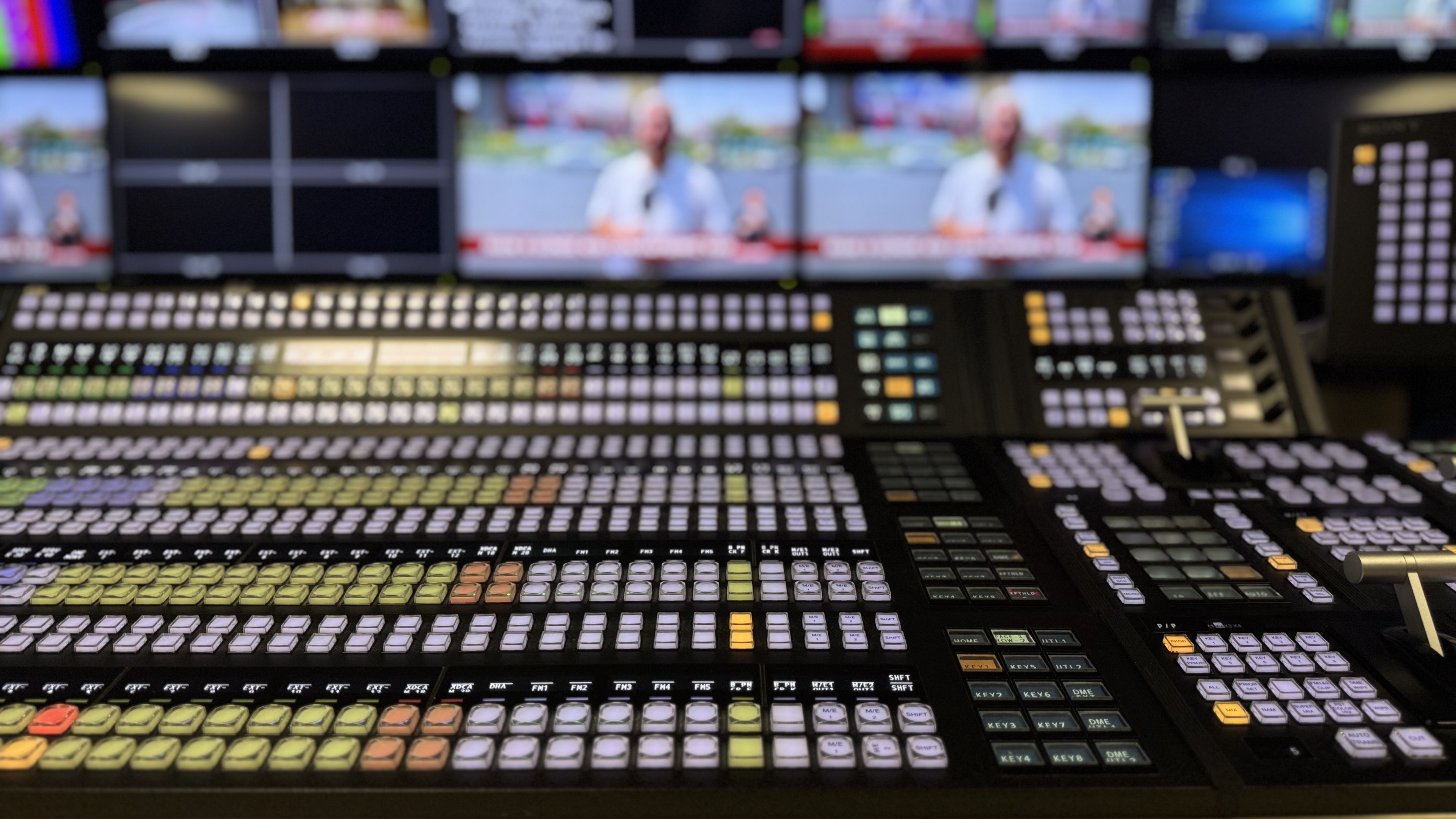
Quality television journalism relies on cohesive teamwork rather than individual multitasking. A functional hierarchy is key, restoring the "gatekeeper" role by verifying facts and shielding the public from fake news and propaganda, especially in complex, high-tension environments.
Understanding Quality and Hierarchy in Television Journalism
Before any television work appears on screen, it passes through a long chain of decisions and details the audience does not see. Yet what appears complete at the moment of broadcast acquires its real value only in its final stage: review. Quality in television journalism is not the product of execution alone, but the outcome of an interconnected system that begins with the idea, passes through preparation and direction, and ends with scrutiny that determines what reaches the recipient in its final form. These are familiar fundamentals in this field, yet they may still not receive the attention they deserve.
Because television journalism is collective work, quality is not limited to technical review alone; it rests on an integrated vision of the institution’s work, from the moment ideas are generated to the work’s release and completion (1). This means every stage, from the field to the broadcast room, is a link in the value chain that determines the quality of the final product, the consistency of its elements, and the accuracy of its expression.
Quality in television journalism is not the product of execution alone, but the outcome of an interconnected system that begins with the idea, passes through preparation and direction, and ends with scrutiny that determines what reaches the recipient in its final form. These are familiar fundamentals in this field, yet we may still find that they do not always receive the attention they deserve.
Professional experience shows that multiplying tasks in this field does not necessarily produce higher quality unless it is organised within a clear functional hierarchy. In this context, “decentralisation in administrative decision-making has become one of the necessities for sustaining the momentum created by the goal of adopting a comprehensive quality system” (2). Decision-making shifts from the top of the traditional administrative pyramid to “work teams”, considered the backbone of quality projects, ensuring role harmony and the effectiveness of each stage in improving content.
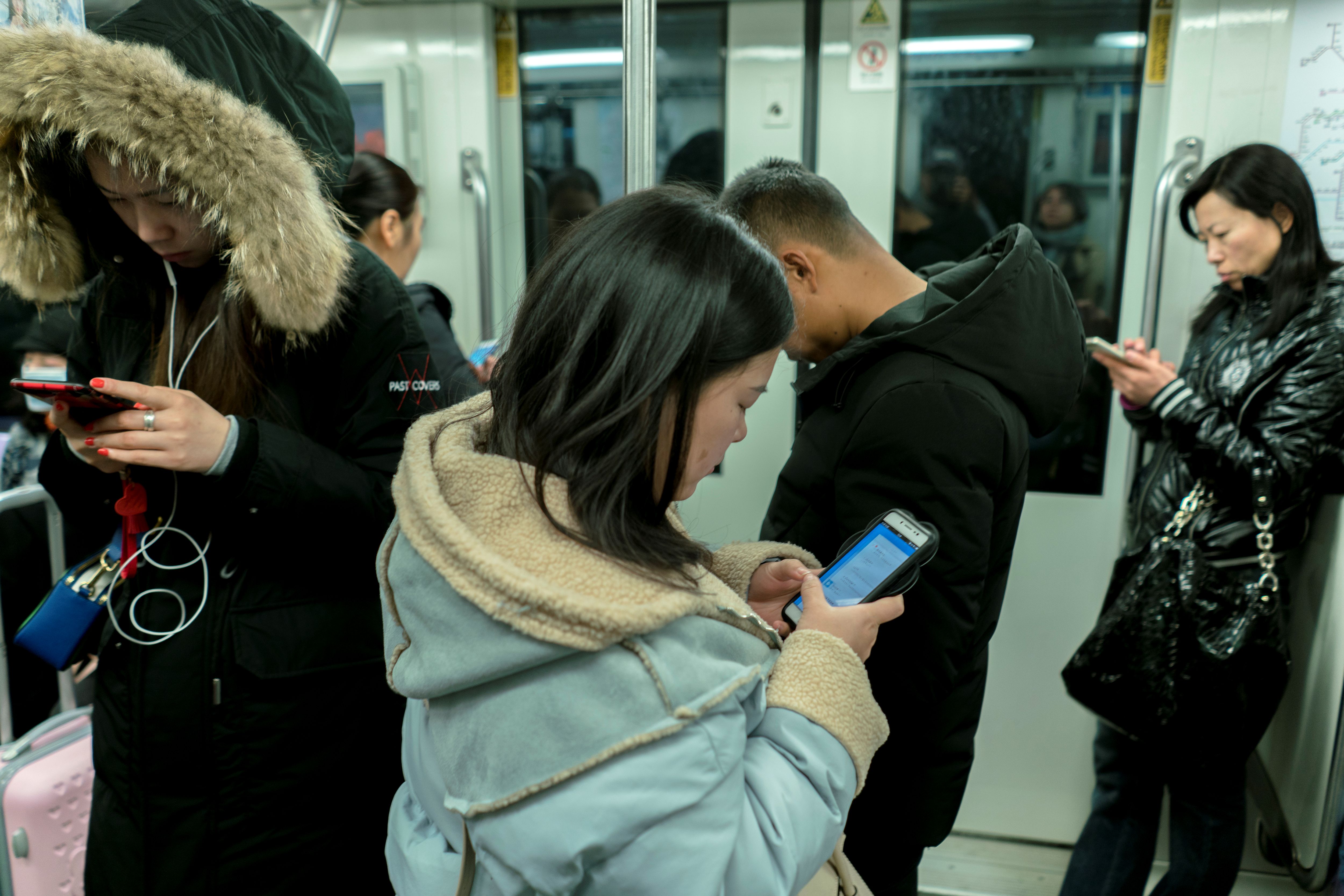
Here, functional hierarchy restores the role of traditional journalism as “gatekeeper”. In light of the rapid flow of information across social platforms, the institution’s role becomes to identify the issues of which the public should be aware, and to protect it from “false and harmful content” by subjecting material to precise standards before publication and treating it professionally.
“Media literature indicates that media work is based on an integrative nature in which roles are distributed within an interconnected system, so that each element performs its function within a framework of coordination that ensures the quality of each institution’s media outputs. (3) This explains the importance of having a clear functional hierarchy that regulates the relationship between these roles.”
Editorial Precision, Word Choice, and Managing Meaning
In the television work environment, the content producer bears a central responsibility in formulating the material on which the remaining stages are built, whether it is produced inside the newsroom or brought in from the field. This process occurs in continuous coordination with the producer and the technical and editorial reviewer, where a participatory relationship is formed through reviewing and adjusting the material to specific editorial standards, strengthening its accuracy before it reaches the final approval stage.
Within this framework, practice shows that review is not limited to identifying errors; it also extends to improving wording and adjusting the overall rhythm of the text. Often, changes arise that appear simple on the surface, but have a clear effect on the precision of meaning. For example, “clashes erupted” may be replaced with “clashes occurred” to avoid implying unconfirmed escalation, a linguistic choice that reflects the sensitivity involved in covering the news.
In this context, the word represents an editorial decision with professional dimensions, since its selection determines the angle of treatment. The difference between “killed person” and “martyr” illustrates the move from a neutral description to one that carries a position, something governed by editorial policies within institutions. Likewise, replacing “withdrawal” with “retreat”, or vice versa, is linked to assessing the significance of the event according to its facts. Even the verbs used in reporting statements, such as “said” and “admitted”, reflect the level of neutrality or interpretation. These details confirm that editing is a precise process of managing meaning, extending beyond linguistics to influence the recipient’s perception.
Practice reveals that review is not limited to identifying errors only, but extends to improving wording and readjusting the overall rhythm of the text. Often, changes arise that appear simple on the surface, but have a clear effect on the precision of meaning. For example, the description “clashes erupted” may be replaced with “clashes occurred” to avoid the implication of unconfirmed escalation, a linguistic difference that reflects the level of sensitivity involved in dealing with the news.
Conversely, the defect may extend to the structure of the work when coordination between its various stages is absent. In one field experience, weak linkage between preparation, direction, and editing led to material that did not reflect reality, requiring subsequent handling, the most important part of which was an official and urgent apology. Such cases show that bypassing the review stage does not produce only a limited error; it may affect the credibility of the entire work.
Navigating Pressure, Error Acknowledgement, and Real-World Challenges
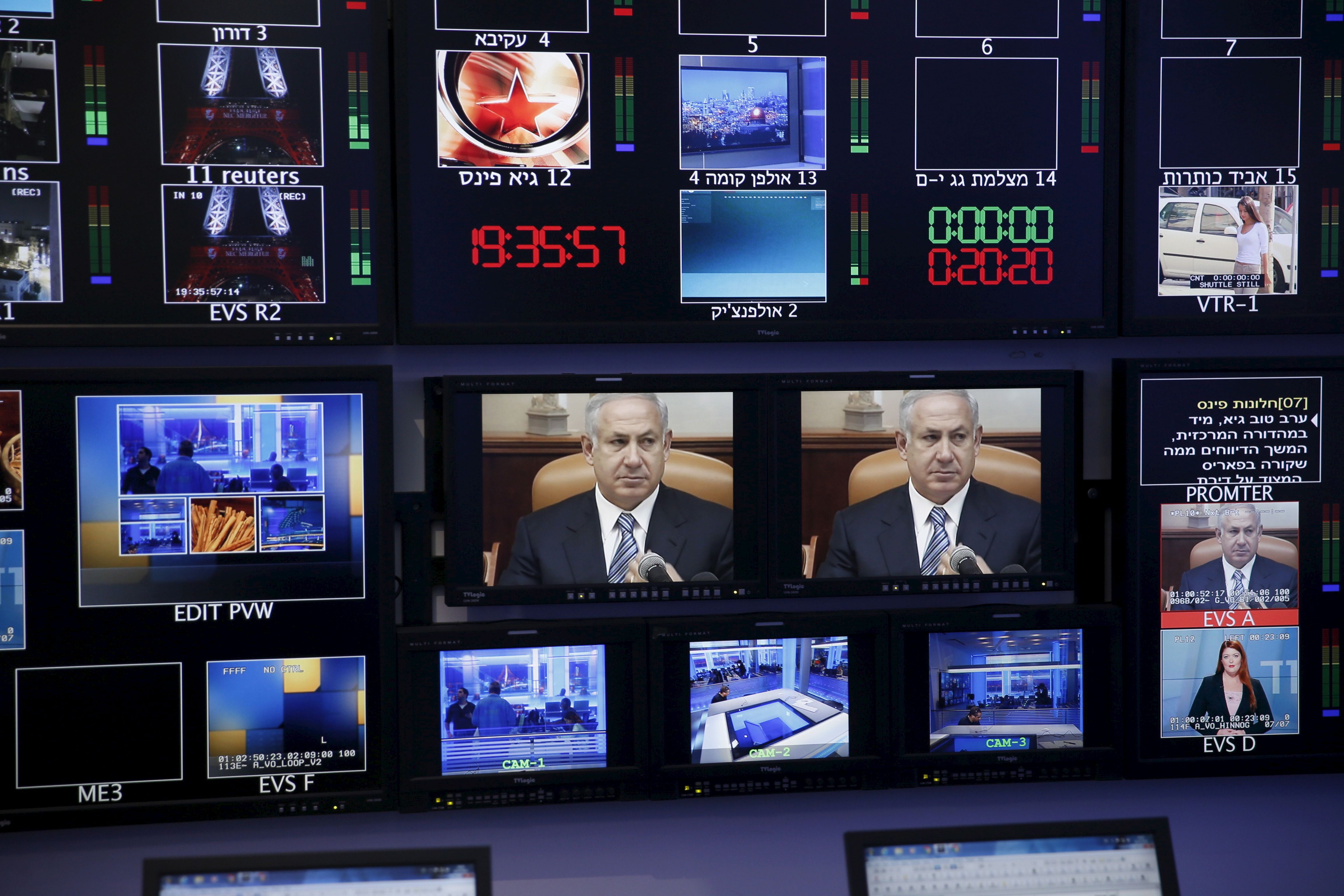
Functional hierarchy is the framework that ensures material passes through successive stages of scrutiny, beginning with preparation, moving through editorial review, then directorial treatment, and ending with final approval. At each stage, qualitative value is added, and the content is reshaped to strengthen its accuracy and consistency.
In news work, journalists face time pressure and a constant flow of information, which demands close attention when verifying facts and choosing words. Even so, review remains a professional necessity that cannot be bypassed, as it ensures the soundness of the material before broadcast. Media institutions therefore rely on multi-level review systems to limit errors and enhance content quality.
Practice indicates that many errors are not linked to a lack of knowledge, but to moments of haste before broadcast. In one case, a mismatch between speakers’ names and titles confused an otherwise integrated report, an error that impaired the material's quality. To overcome such slips, leading professional experiences stress the importance of adopting “a model of acknowledging error inside newsrooms”, beginning from the top of the functional ladder. Transparency and apology are not weaknesses, but tools for strengthening audience trust and turning error into a “learning moment” that prevents repetition, rather than falsely claiming to always publish facts (4).
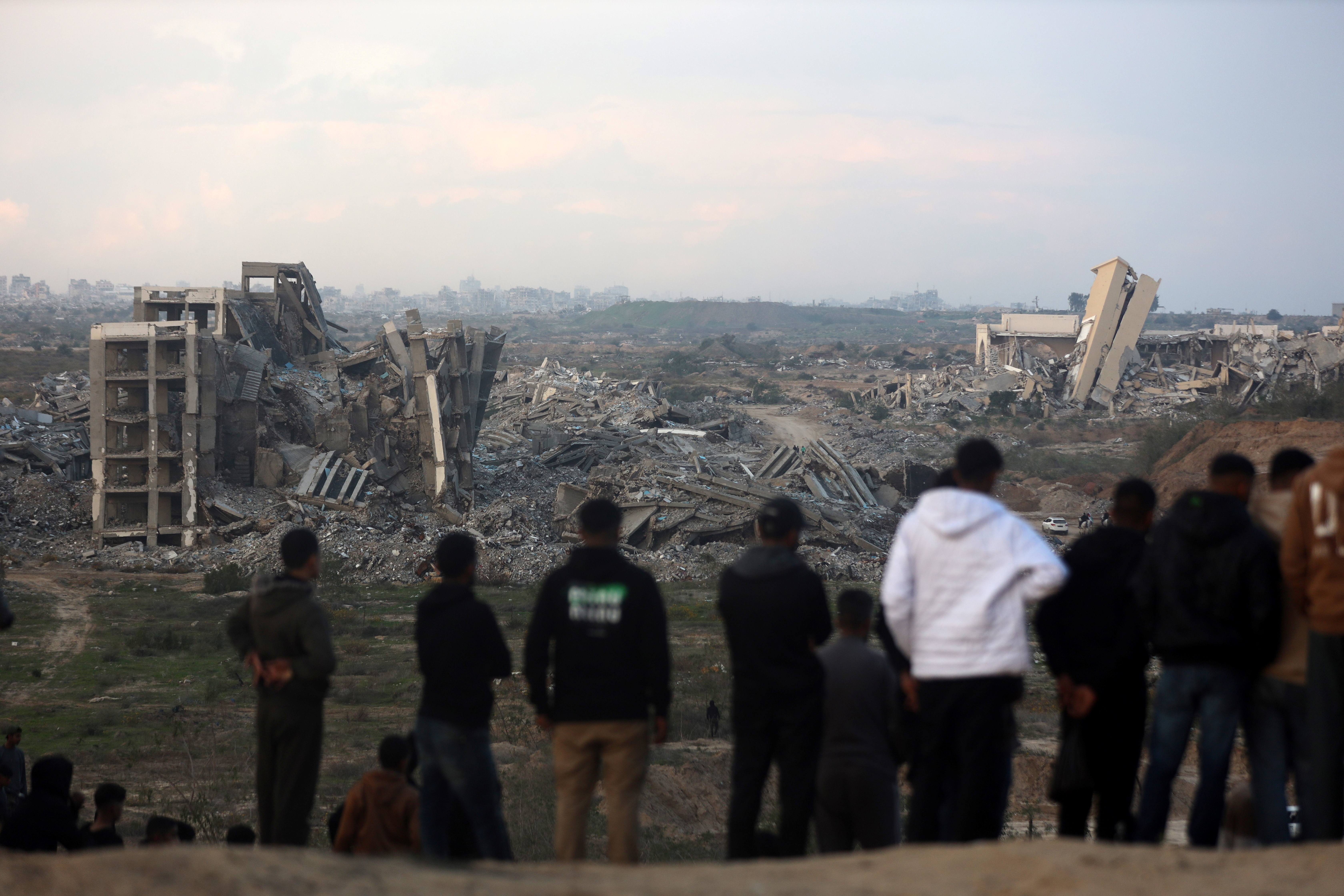
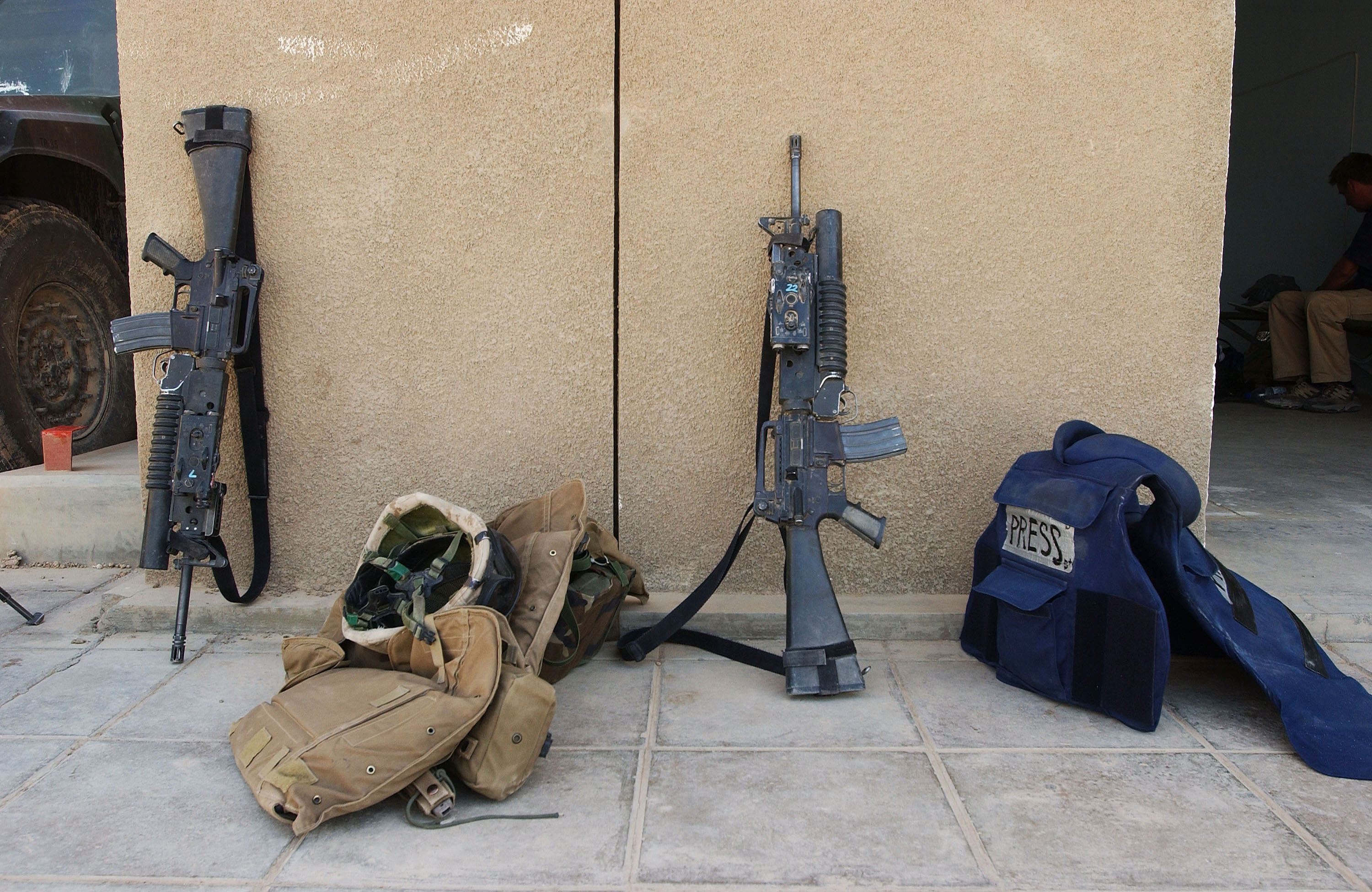
In the Yemeni context, for example, the media environment is marked by additional complexity arising from political and field factors, making journalism more sensitive and entangled. In such an environment, the challenge is not limited to producing content, but also to maintaining professional balance in presentation and handling facts at a distance that respects ethical and professional standards. Within this charged environment, the “first spark” of a news item is often user-generated content from the field. Here, the danger emerges of the journalist falling into the trap of “systematic propaganda”. Therefore, functional hierarchy serves as a necessary filter that clarifies the contexts and objectives behind promoting certain issues and ensures the institution does not become an unwitting tool serving particular agendas. (5)
Professional competence cannot be reduced to the multiplication of tasks or the diversity of roles. Mastery within a clear and interconnected system is what represents greater competence; even a single word, when placed in its precise position and subjected to a disciplined review process, becomes part of an integrated professional structure that reflects the professionalism and quality of the work, strengthens the accuracy of performance, and preserves the coherence of content.
The absence of a functional hierarchy generally leads to professional disorder rooted in overlapping tasks, unclear responsibilities, and weak review mechanisms, allowing errors to reach the screen without sufficient correction. This affects not only content quality; it also affects the journalist's and the media institution's image and credibility with an audience that is more aware and better able to distinguish accomplished professional work from improvised work produced in haste. This system is not effective without a real professional foundation: preparing journalistic cadres who understand the nature of their tasks and are qualified to perform them.
Today, after years in this field, I have formed another impression of professional competence, which cannot be reduced to the multiplication of tasks or the diversity of roles. Mastery within a clear and interconnected system is what represents greater competence; even a single word, when placed in its precise position and subjected to a disciplined review process, becomes part of an integrated professional structure that reflects the professionalism and quality of the work, strengthens the accuracy of performance, and preserves the coherence of content. In a profession built on details, these factors become the decisive dividing line between work that is completed and broadcast, and work that is carefully crafted so its impact remains present in the audience’s memory, and before that, in the journalist’s own awareness.
This article was originally published in Arabic on: 16/08/2026
Sources
1) Al-Aifah et al., “Total Quality Management in Media Institutions”, Al-Mi’yar Journal for Research and Studies, Emir Abdelkader University of Islamic Sciences, Issue 42, June 2017.
2) Previous source.
3) Previous source.
4) Al Jazeera Media Institute, “A Guide to Journalism Ethics in the Digital Age”.
5) Previous source.