Al Jazeera Journalism Review

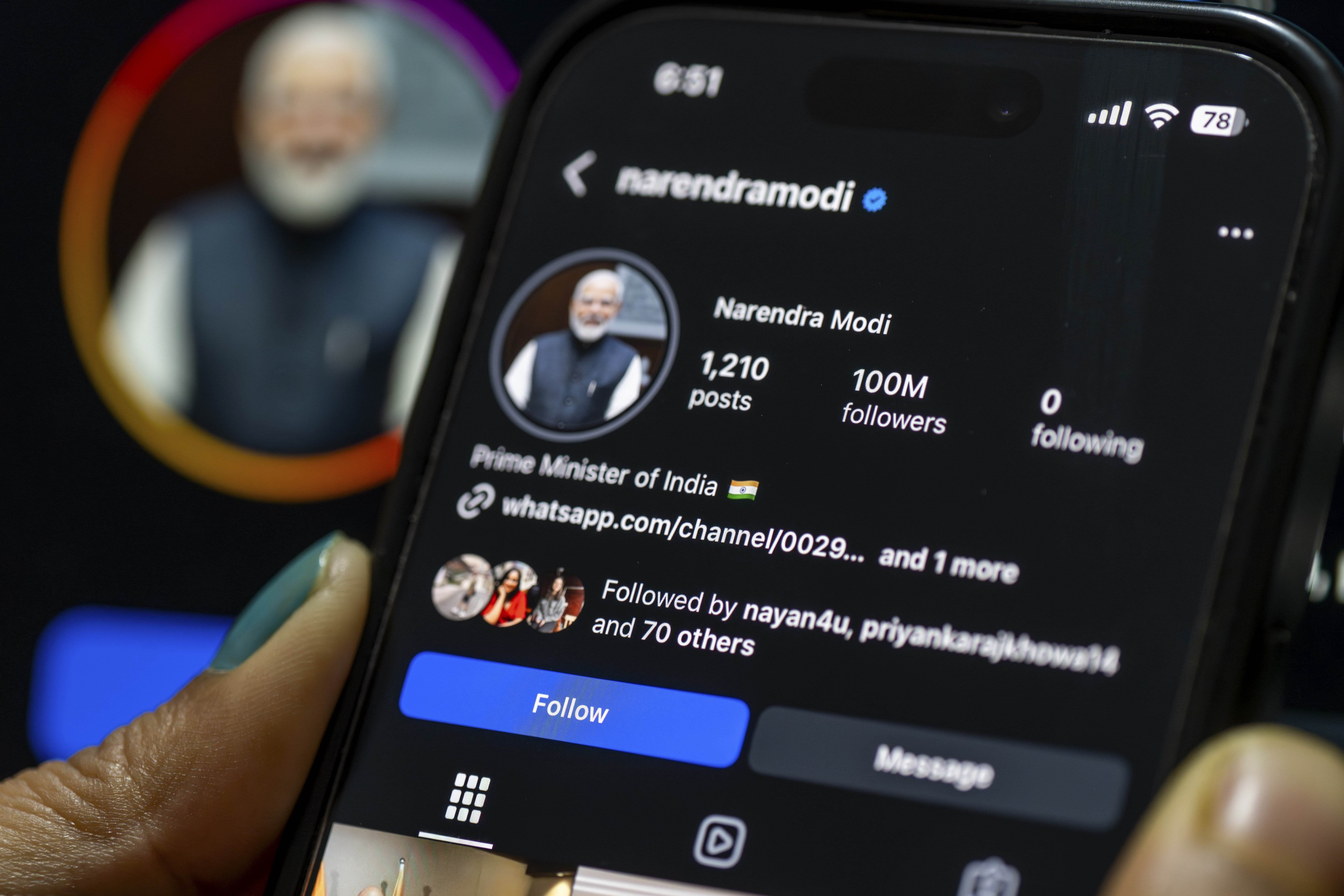
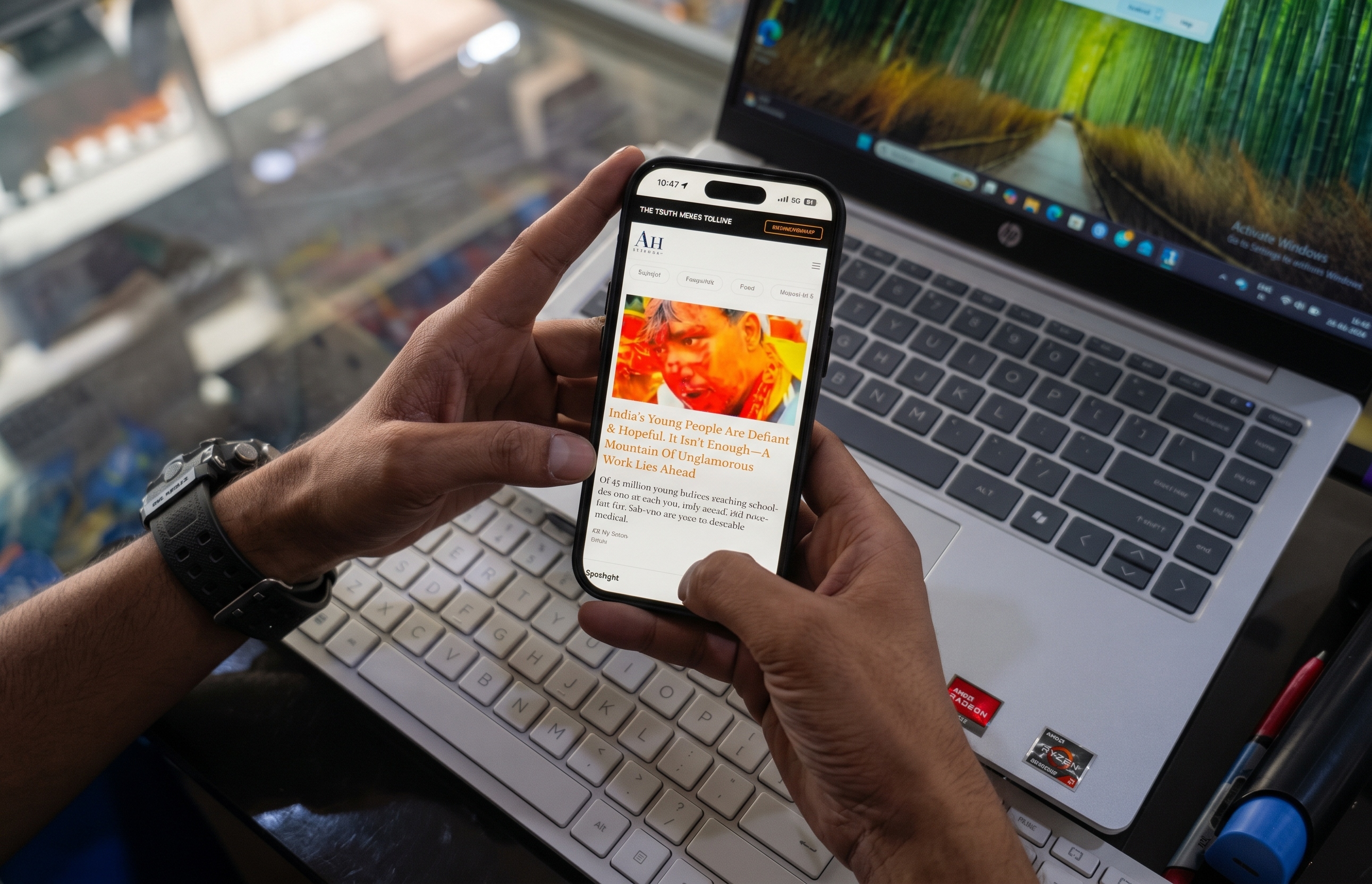
A reader accesses digital news coverage on a mobile device, highlighting the evolving landscape of digital journalism and media consumption. Photo: Sajad Hameed

News In the Race for Attention

As audiences turn to Reels, social media, and AI for news, journalists are adapting to new demands while trying to protect the depth and quality of their reporting 


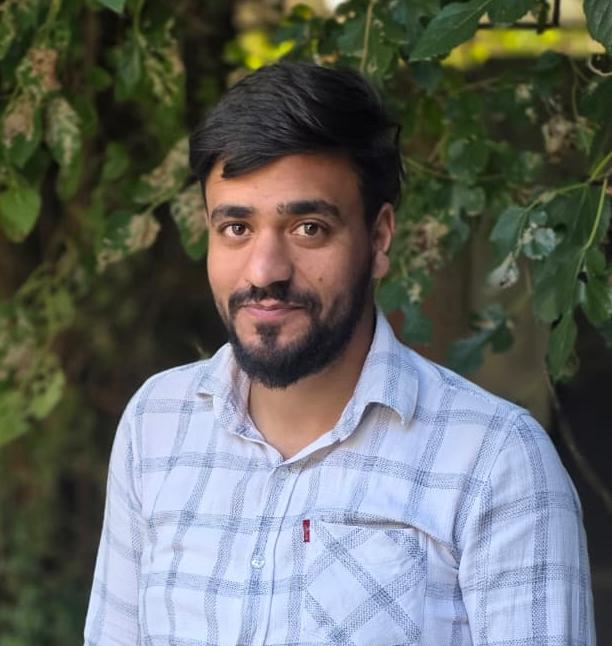
DELHI, INDIA: On a hot afternoon in Delhi, freelance journalist Suhail Bhat works from his flat, trying to stay cool as he goes about his day. 

Like many freelance journalists, Bhat now has to do more than report and write stories. He also takes photographs, shoots videos, and creates social media content. The work has changed, and keeping up with it has become part of making a living as a journalist.  

“This field has become increasingly competitive, with many new journalists entering the profession and pitching stories,” he said. “This creates intense competition, and freelancers often face difficulties in getting their work commissioned.” 

“As a freelance journalist, sustainability now depends heavily on maintaining connections with multiple organisations and producing content suited to different platforms,” he said. 

For freelancers, the pressure is high. Reporting is no longer enough; journalists are expected to take photographs, shoot and edit videos, and present stories across different platforms and to different audiences. This shift is happening worldwide. More people get their news through social media and video platforms, changing how news organisations reach audiences. 

Nic Newman, Senior Research Associate at the Reuters Institute for the Study of Journalism at the University of Oxford and a lead author of the Digital News Report, called the shift a tipping point. 

In [Reuters] 2026 Digital News Report, we saw it as a tipping point. For the first time, more people say they get their news from social media and video platforms than from television.

As more people get news through social media, news organisations have less control over who sees their stories and how they reach them. “Publishers have less control and a weaker direct connection with their audiences,” Newman said. 

Bhat has seen this change in his daily work. “Earlier, most media organisations focused on long-form stories and detailed ground reporting,” he said. “But that has gradually changed.” 

He says reporters are expected to tell stories through videos, written reports, photo essays and social media posts. “Stories have become shorter, leaving less room for detail,” Bhat said. “Journalists now have to think about how to present a story visually from the start of their reporting.” 


When the algorithm enters the newsroom 

As more people get their news through social media feeds, journalists are also having to adapt to how these platforms work. 

Newman said algorithms play a major role in determining what people see, particularly among younger audiences. “If you put together social media, video networks and AI platforms, this is the majority behaviour,” he said. 

He said most algorithms are designed to keep people watching and scrolling for long periods of time. “If this approach is used for news, it may not be good,” Newman said. “It can give people a distorted view of the world.” 


India’s platform-first audience 

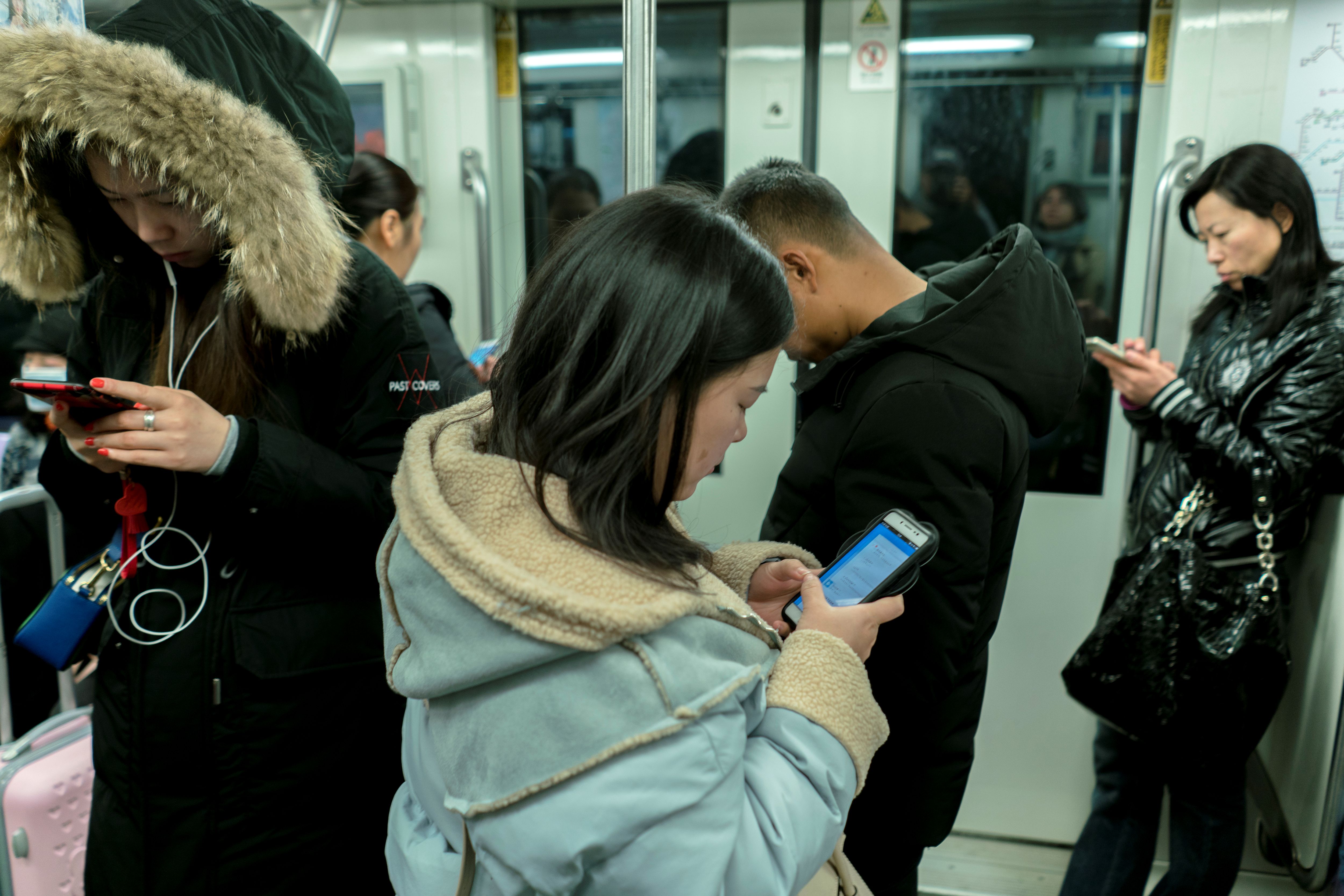
India is a clear example of this change. With so many people using mobile phones and social media, these platforms have become an important way for people to get their news. News organisations now compete for attention not just with each other, but also with content creators, influencers and independent journalists. 

Google reported that 76% of surveyed Gen Z users in India turn to YouTube to learn more when something is happening in the world. For young people scrolling through social media, a news story may appear alongside music videos, memes and posts from creators. News is now competing for attention with almost everything people see online.
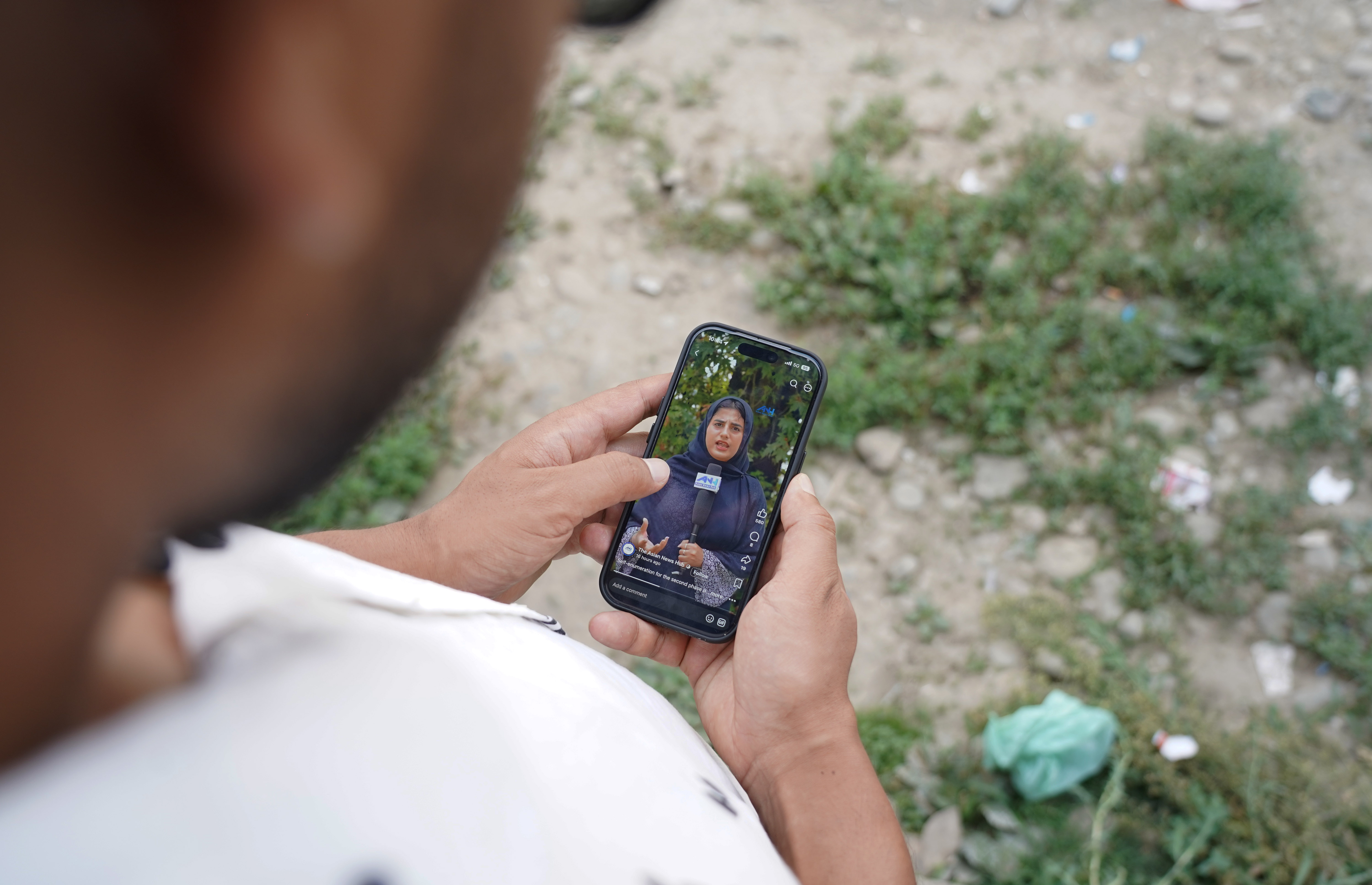
 

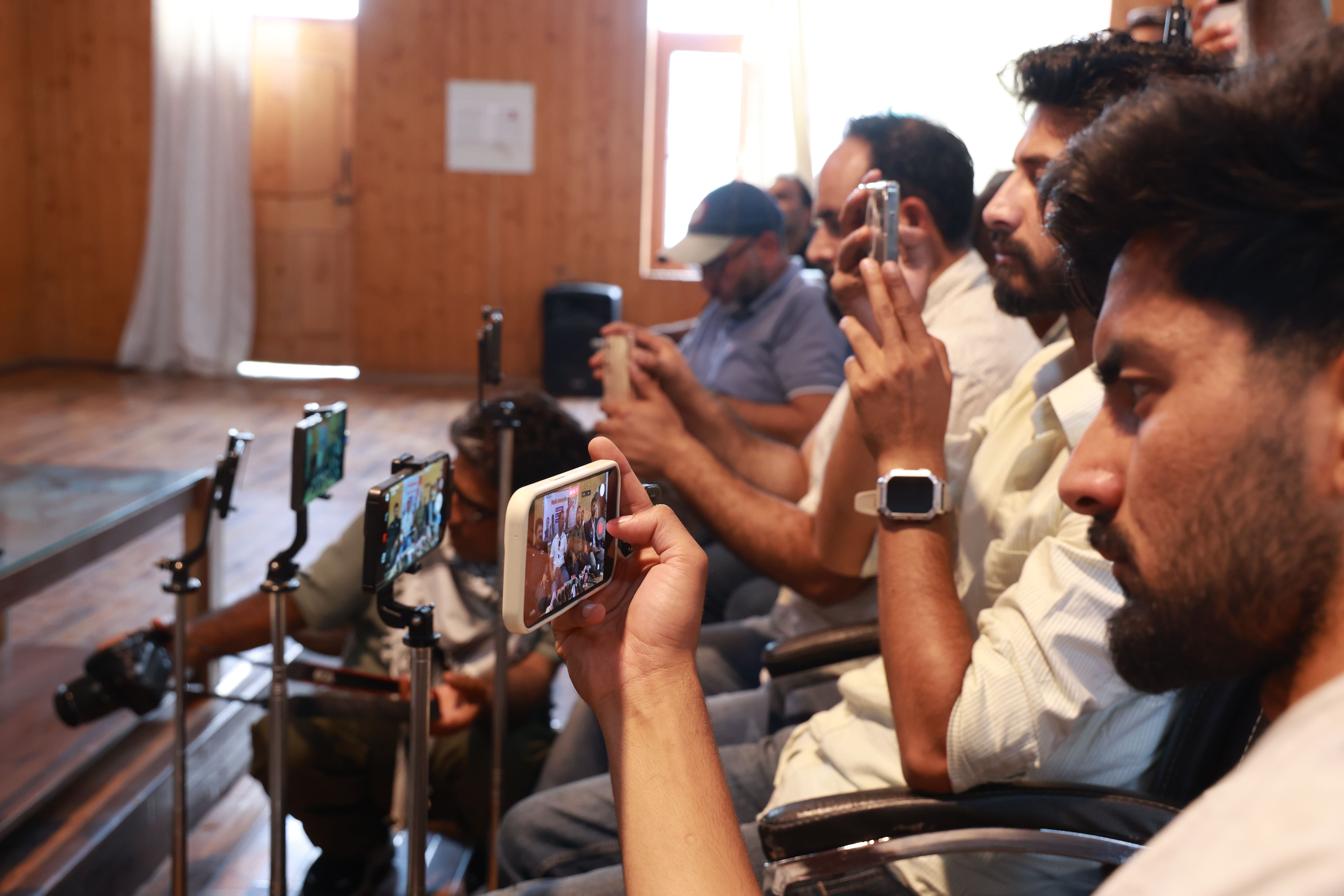
A user streams a digital news report on a smartphone, illustrating the shift toward mobile-first news consumption.  Photo by Sajad Hameed
A user streams a digital news report on a smartphone, illustrating the shift toward mobile-first news consumption. Photo by Sajad Hameed

Arun Kumar, a 22-year-old student in Delhi, said he often comes across news on Instagram and YouTube. If a story interests him, he looks for more details. Otherwise, he relies on short videos because they are quicker and easier to understand. 

Ashish Singh, 24, from Gurugram, said short videos usually give him a basic idea of what is happening. For important issues, however, he prefers to read the full story. “The short video gets my attention, but it doesn’t always give me the whole picture,” he said. 

For Delhi-based freelance journalist Aakriti Dhawan, the transformation isn't simply the death of long-form journalism. 

“It is not only about aspect ratio,” she said. “I need to keep in mind the duration, the type of content consumed, and what audience we are looking at for each format and duration.” 

“Visuals have become very important, especially for video and ground reporting. We have to think about what will grab people’s attention in the first three seconds”. Reporters also need enough footage and extra video clips to keep viewers watching. 


When speed competes with depth 

Bhat said speed has become a major part of journalism today. The popularity of Reels, short videos and quick data-based stories has put pressure on journalists to publish faster. 

He said this helps news reach people faster, but often leaves less room for detail and context. In-depth stories that require time and careful investigation are increasingly being pushed aside. 

Newman said the same problem is happening worldwide. 

He said short videos can help news reach people who might not actively look for it. They may come across a news story while scrolling through other content. But this can also mean that serious stories get less attention. “Serious content gets squeezed out of the picture,” he said. 


Not every newsroom is surrendering to the algorithm 

Betwa Sharma, managing editor of the independent Indian news platform Article 14, said social media matters because it helps the organisation reach readers. “We think carefully about how best to present and share our stories on different platforms, but we don’t shape our journalism around social media,” Sharma said. 

Sharma said Article 14 has also changed how its stories reach people on X. She said stories critical of the government, police or judiciary, as well as those covering rights and civil liberties, reached fewer people. 

But Sharma said Article 14 does not rush to publish stories or chase online engagement. Its reports often take days or weeks to research, edit and publish. 

In Jammu, Anuradha Bhasin, executive editor of the Kashmir Times, a regional news publication her father, journalist Ved Bhasin, founded in 1954, sees the transformation from a newsroom that still follows many traditions of old-school journalism. “We work with a very limited budget, but we remain committed to serious journalism and continue to follow the old-school approach,” Bhasin said. 
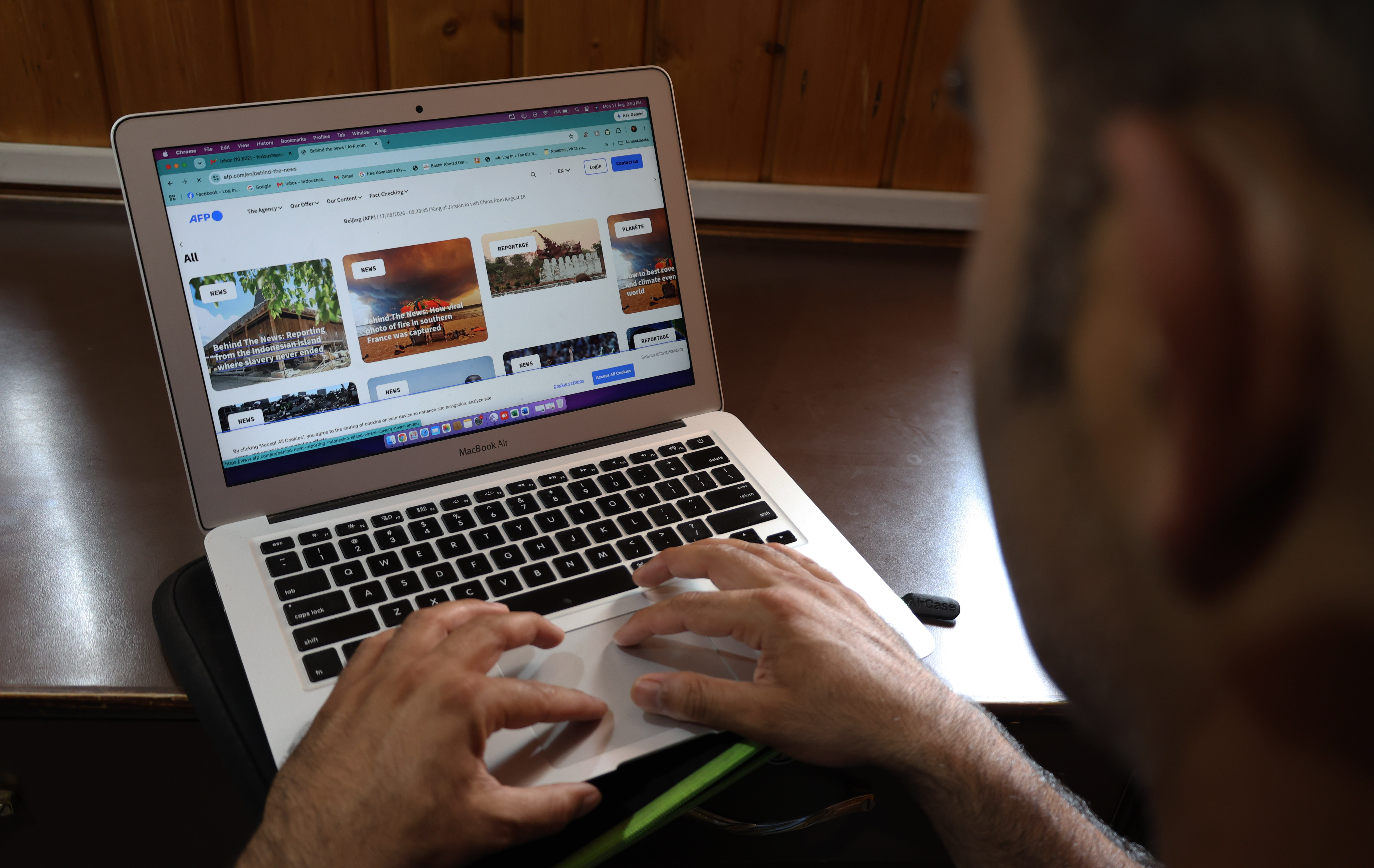
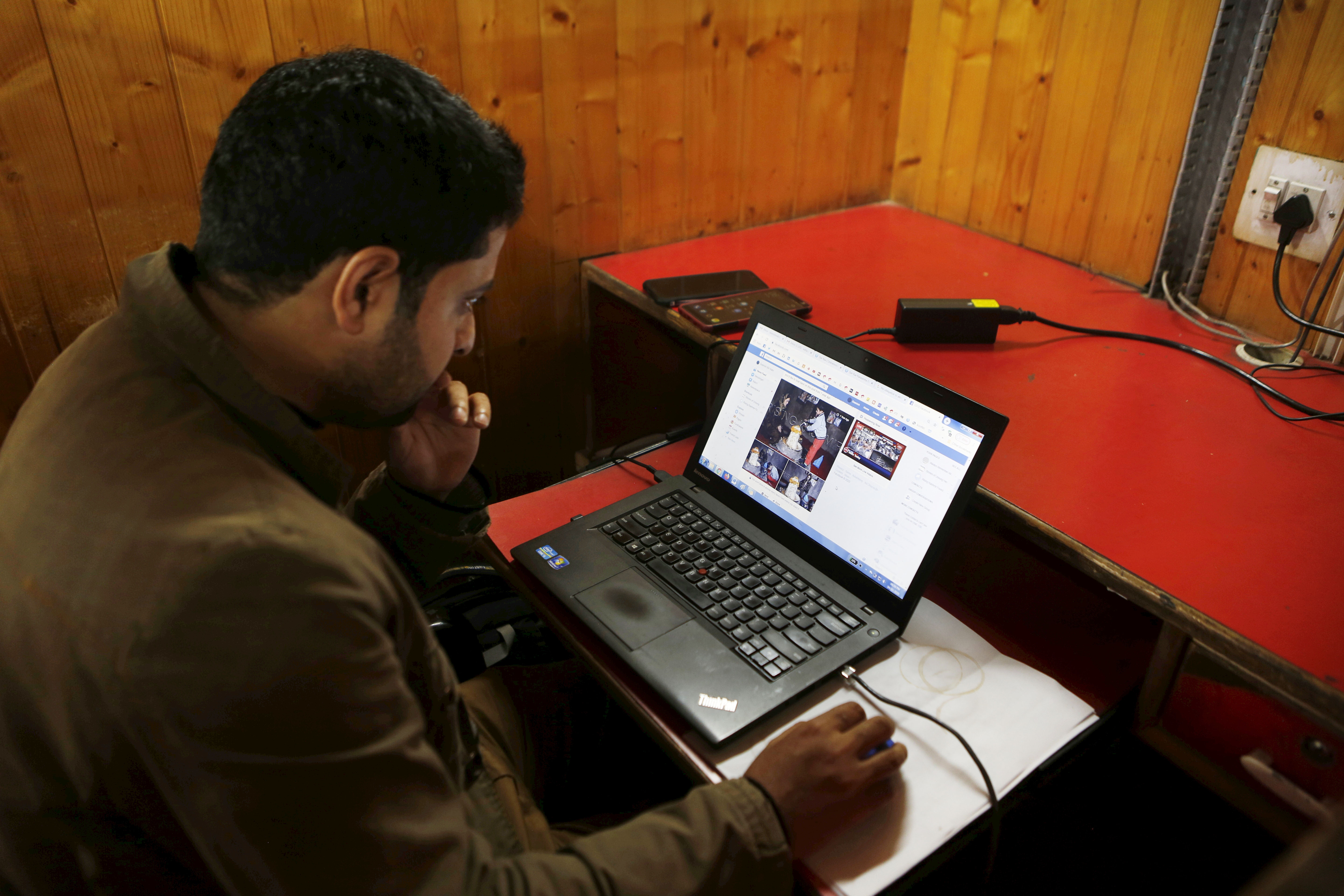
A user navigates a digital news portal on a laptop, illustrating the everyday consumption of global media in a connected world.  Photo by Sajad Hameed
A user navigates a digital news portal on a laptop, illustrating the everyday consumption of global media in a connected world. Photo by Sajad Hameed

She said the newsroom continues to focus on in-depth stories partly because it has limited resources to invest heavily in YouTube Shorts, Instagram and video. 

Bhasin said Kashmir Times is also trying to adapt to the changing media landscape by making serious journalism more appealing to readers. “We are trying to blend something that’s catchy with something serious,” she said. 

Bhasin said audience numbers and search rankings matter, but they do not decide what the newspaper publishes. “Everyone is about SEO, but we try to maintain a balance. What matters most to us is the quality of our content, and we do not compromise on that,” she said. 

Bhasin further said reporters now have more responsibilities, including shooting videos and working with photographers. She believes the same story can be presented in different formats to reach younger audiences, rather than creating separate content for them. 

Her newsroom shows that traditional journalism isn't disappearing; it's adapting to digital platforms. For smaller news organisations, the challenge is to continue detailed reporting while presenting stories in ways that suit the fast-moving online world. 


From the article to the feed 

Newman said social media platforms have changed over time. 

In the past, they worked more like a “post and refer” system. News organisations could share a story on Facebook and users would click on the link to read the full article on their website. 

That relationship has weakened over time. Social media platforms now focus more on content that keeps users on their apps, especially short videos. 

Newman said the number of people visiting news websites through platforms such as Facebook and X has fallen by roughly half over the past five years. He said AI platforms are creating a similar challenge by giving users answers directly instead of sending them to the news websites that first reported the information. 


As AI tools increasingly provide information directly to users, news organisations may need to focus more on original reporting and gathering information that others cannot easily provide. “The role of publishers will change slightly to being much more focused on doing the distinctive news gathering rather than necessarily the distribution."

The change is not just about making news shorter. It also changes how news is presented and reaches people. 

A reporter now has to think about the opening sentence of an article and the opening three seconds of a video. Editors have to consider headlines and thumbnails. Newsrooms have to understand audience analytics. Freelancers increasingly have to shoot and edit their own material. 

For Newman, the future is unlikely to belong exclusively to short-form video. “I think it is more multimedia,” he said. “More video, more audio definitely.” 

Back in Delhi, Bhat’s work reflects this change. In the past, journalists could focus mainly on reporting and writing. Today, they are also expected to handle cameras, record audio, edit videos, understand digital platforms, and track audience trends, all while trying to find and report stories.



Related Articles

Why are journalists in India turning to YouTube?

Indian journalists say the platform is a more democratic and uncensored place to work, but is the growing trend of YouTubers calling themselves journalists a cause for concern?

Saurabh Sharma
Saurabh Sharma Published on: 2 Jan, 2023
How misinformation in the media wreaked havoc on an Indian village

When journalists - and social media ‘influencers’ claiming to be journalists - aimed for sensationalism and did not check their facts about the outbreak of the HIV virus in an Indian village, the results were devastating

Saurabh Sharma
Saurabh Sharma Published on: 1 May, 2023
Why Social Media Storytelling Can Take You Closer to Your Audience

Journalists have evolved from traditional tools to digital platforms, yet storytelling remains central to their work. With the rise of social media, especially among younger audiences, news organizations face challenges in delivering concise, engaging content that competes with a myriad of online distractions.

Ethar El Katatney Published on: 2 Aug, 2021
How Social Media is Reshaping Journalism in Kashmir?

As young audiences increasingly turn to social media for news, Kashmir's journalists are adapting to algorithm-driven storytelling while grappling with the rise of influencer journalism, shifting audience habits and new ethical challenges.

Abrar Fayaz, Muqeet Mohammed Shah Published on: 28 Jul, 2026
How Has Social Media Affected Television in Yemen?

Social media has transformed television in Yemen from a one-way broadcast medium into a more interactive, audience-driven system in which viewers help shape, source and even produce the content they watch.

Mohammed Alragawi Published on: 13 Oct, 2026
War Stories on Social Media: Audience Engagement and Ethical Hiring Practices

How AJ+ leverages social media to engage audiences with raw, unsensitized news while prioritizing ethical hiring practices for freelancers in conflict zones.
Sakhr2
Sakhr Al-Makhadhi Published on: 23 Jun, 2021
Protecting Newsgathering through the Sustainable Use of Social Media

The importance of social media in providing access to different perspectives and immediate stories, but there is also an emphasis on the ethical considerations and potential harm to content creators.
Sam Dubberley Published on: 16 Aug, 2021
How to Use Social Media for Newsgathering

Social media platforms are too easily dismissed as ‘not serious’ when it comes to newsgathering. But you can use them as you would the news wires - here’s how.

Majd
Majd Khalifeh Published on: 28 Sep, 2021
How social media bans have crippled journalism in India’s Punjab

The Indian government has ordered social media platforms to block hundreds of accounts of journalists and activists

Meer Faisal
Meer Faisal Published on: 16 May, 2023

More Articles

How Has Social Media Affected Television in Yemen?

Social media has transformed television in Yemen from a one-way broadcast medium into a more interactive, audience-driven system in which viewers help shape, source and even produce the content they watch.

Mohammed Alragawi Published on: 13 Oct, 2026
Why should journalists be cautious with Israeli sources?

Journalists should treat Israeli sources with particular scrutiny because anonymous briefings, military censorship, strategic leaks and recycled analysis can blur the line between verified information, speculation and propaganda, with real consequences for audiences on the ground.

Ahmad Al-Agha
Ahmad Al-Agha Published on: 7 Oct, 2026
Priorities for Media Recovery in Gaza

Rebuilding Gaza’s media requires more than restoring equipment and newsrooms: it means protecting and supporting journalists, rebuilding institutions, strengthening professional standards, and preserving journalism’s role as a living witness to the truth.

Sufian al-Shorbagy Published on: 4 Oct, 2026
Common Mistakes Made by Television Correspondents

Television correspondents earn trust not by being first or omniscient, but by reporting what they can verify, using images responsibly, resisting performance and speculation, and putting accuracy before speed.

Linda Shalash
Linda Shalash Published on: 1 Oct, 2026
Will We Write A Falsified History In The Future?

The digital transition of journalism has exposed a growing archive reliability gap, where online news documents are often subject to fake news, content manipulation, and a lack of verification mechanisms, challenging their role as official historical records.

Said El Hajji
Said El Hajji Published on: 24 Sep, 2026
Editorial Workflow in Television Journalism: From Oversight to Quality

Quality television journalism relies on cohesive teamwork rather than individual multitasking. A functional hierarchy is key, restoring the "gatekeeper" role by verifying facts and shielding the public from fake news and propaganda, especially in complex, high-tension environments.

Ali Najeeb Published on: 20 Sep, 2026
Nepal’s Deadly Floods Expose a Newsroom Safety Gap

Nepal’s deadly floods exposed a wider South Asian newsroom safety gap, where many journalists are often sent into dangerous assignments without formal risk assessments, adequate training, protective equipment, evacuation plans or mental-health support.

Hanan Zaffa
Hanan Zaffar Published on: 10 Sep, 2026
The migrant issue in Libya: did the media pass the test of professionalism?

Libya’s migration debate has become a test of whether the media can report legitimate public concerns without laundering rumours, fuelling hate, or turning vulnerable migrants into scapegoats.

Imad al-Madouli Published on: 2 Sep, 2026
The economics of truth: How Lack of Funding is Compromising Quality Journalism in Africa

Reporting and newsgathering cost money; they require time, patience and experienced personnel. However, globally limited funding is leading to a generally compromised journalism output.

Derick Matsengarwodzi
Derick Matsengarwodzi Published on: 30 Aug, 2026
We survived… and stayed alive!

A Palestinian journalist and mother recounts surviving Gaza’s genocide, where the press vest became a target, motherhood became terror, and staying alive did not feel like salvation.

Yumna al-Sayyid Published on: 19 Aug, 2026
A Continuing Crisis, an Intermittent Story: What Makes Famine Newsworthy?

An analysis of 180 articles from the BBC, The Guardian, The New York Times and CNN found that coverage of hunger in Gaza frequently linked the crisis to political decisions and identified responsibility rather than treating it only as a humanitarian emergency. Tracking the same outlets through early August 2026 also shows that this coverage came in sharp waves, with periods of intense reporting separated by months of limited attention even as severe food insecurity persisted.

Djamil Kerrouche Published on: 16 Aug, 2026
Who Decides the News? Inside India's Algorithm-Driven Newsrooms 

Editors once decided which stories mattered based on evidence, public interest and ethics. Today, recommendation algorithms and engagement metrics increasingly shape editorial decisions, prioritising what keeps audiences scrolling.

Seerat-Un-Nisa Published on: 11 Aug, 2026
As in Rwanda: Can the Israeli Press Be Prosecuted for Participation in Genocide?

Israeli media incitement has helped frame Palestinian journalists as security threats, weakening their legal and professional protection and legitimising attacks against them. Legal accountability is possible through the ICC, universal jurisdiction, and professional pressure against journalists and outlets that incite violence.

Nasser Adnan Thabet Published on: 8 Aug, 2026
A Soldier with the Rank of Correspondent in the Israeli Army

Israeli military journalism developed through a deep fusion of media, censorship, and the army, turning correspondents into carriers of the official security narrative. This embedded model later influenced Western war reporting, where access to the battlefield often came at the cost of independence and critical distance.

Sujood Awais Published on: 4 Aug, 2026
The Phenomenon of “News Avoidance”: Have We Come to Know More Than We Should?

Audiences are increasingly avoiding the news as the constant flow of crises, violence, and tragic human stories creates psychological exhaustion and anxiety. Media outlets need to respond with more responsible editorial choices, stronger media literacy, and coverage that balances urgent events with constructive, humane, and less harmful storytelling.

Wessam Kamal Published on: 17 Jul, 2026
From Srulik to Handala: Caricature as a Media Symbol

From the pro-occupation Israeli character 'Srulik' to the resilient and satirical Palestinian 'Handala', caricature emerges as another battleground for memory and the future. How did these characters come to be, what is their media symbolism, and why does caricature remain so influential?

Sujood Awais Published on: 14 Jul, 2026
“Sometimes You Work for Years Without Pay” – Cameroonian Journalists Demand Safety Nets

While many journalists demonstrate admirable resilience in producing quality journalism under precarious conditions, resilience should not be the only safety net. Journalism deserves protection, because democracy depends on it.

Akem
Akem Nkwain Published on: 11 Jul, 2026
When Modi’s Managed Media Met Europe’s Press

A brief, viral exchange in Oslo between Prime Minister Narendra Modi and a Norwegian journalist has exposed the widening gap between India's tightly controlled media environment and traditional adversarial press culture. Over the past decade, open, unscripted scrutiny has increasingly been replaced by carefully managed public relations, image-driven interviews, and direct digital reach. This systemic shift has reshaped the broader landscape of Indian news media, creating a culture of forced deference that prioritises political showmanship over holding power accountable.

Arsalan Bukhari, an independent journalist based in India
Arsalan Bukhari, Mehrunnisa Maryam Published on: 5 Jul, 2026
How Sources Shaped the Story of Gaza’s Aid-Site Killings

In conflict reporting, the question is rarely only about what happened. It is also who gets to explain what happened. The findings here suggest that the answer to that question often shapes the story that audiences ultimately receive.

Djamil Kerrouche Published on: 1 Jul, 2026
The Stringers Behind India’s Breaking News: No Contracts, Credit or Safety

Thousands of rural Indian freelance reporters, called "stringers," face low pay, police harassment, and total abandonment by the big TV networks that rely on them. These local journalists risk their lives to film breaking news like riots and rallies, but they work without contracts, insurance, or legal help when they get into trouble. This unfair system forces poor, small-town reporters to take on all the danger alone just to keep the national 24-hour news channels running.

Hanan Zaffa
Hanan Zaffar, Majid Alam Published on: 27 Jun, 2026
Why Have Print Newspapers Disappeared in Gaza?

The genocidal war has systematically devastated the media sector in the Gaza Strip. With the occupation destroying over 150 media organizations, printing presses have completely shut down, forcing all newspapers to shift entirely to digital coverage.

Mohamed Abu Shahma Published on: 24 Jun, 2026
Mohamed al-Khalidi and Marwa Muslim: Forgotten in Life, Vindicated in Death

The occupation killed journalists Mohamed al-Khalidi and Marwa Muslim as part of a systematic pattern of targeting the press, but throughout their careers they also faced neglect, marginalisation, and a lack of recognition. Colleague Maysoun Kahil tells their story, and asks why Palestinian journalists are so often honoured only after death, rather than supported in life.

Maysoun Kahil Published on: 17 Jun, 2026
The Double Ordeal of Freelance Journalists in Gaza

Independent journalists in Gaza face a dangerous double battle. Working without institutional protection or financial safety nets, they risk their lives to report the reality of war, overcoming severe resource shortages and systemic neglect to ensure the world hears the truth.

Noor Abu Rokba Published on: 14 Jun, 2026
The Left and the Right in One Front Against Journalism in South America

Journalism in Latin America is facing a crisis of hostility. In the age of political polarization, governments from both the left and the right are not merely managing states; they are actively harassing critical voices, imposing institutional censorship, and enforcing official narratives that attack independent media to silence disagreement and fake democracy across the region.

Noe Zavaleta
Noe Zavaleta Published on: 8 Jun, 2026