Al Jazeera Journalism Review

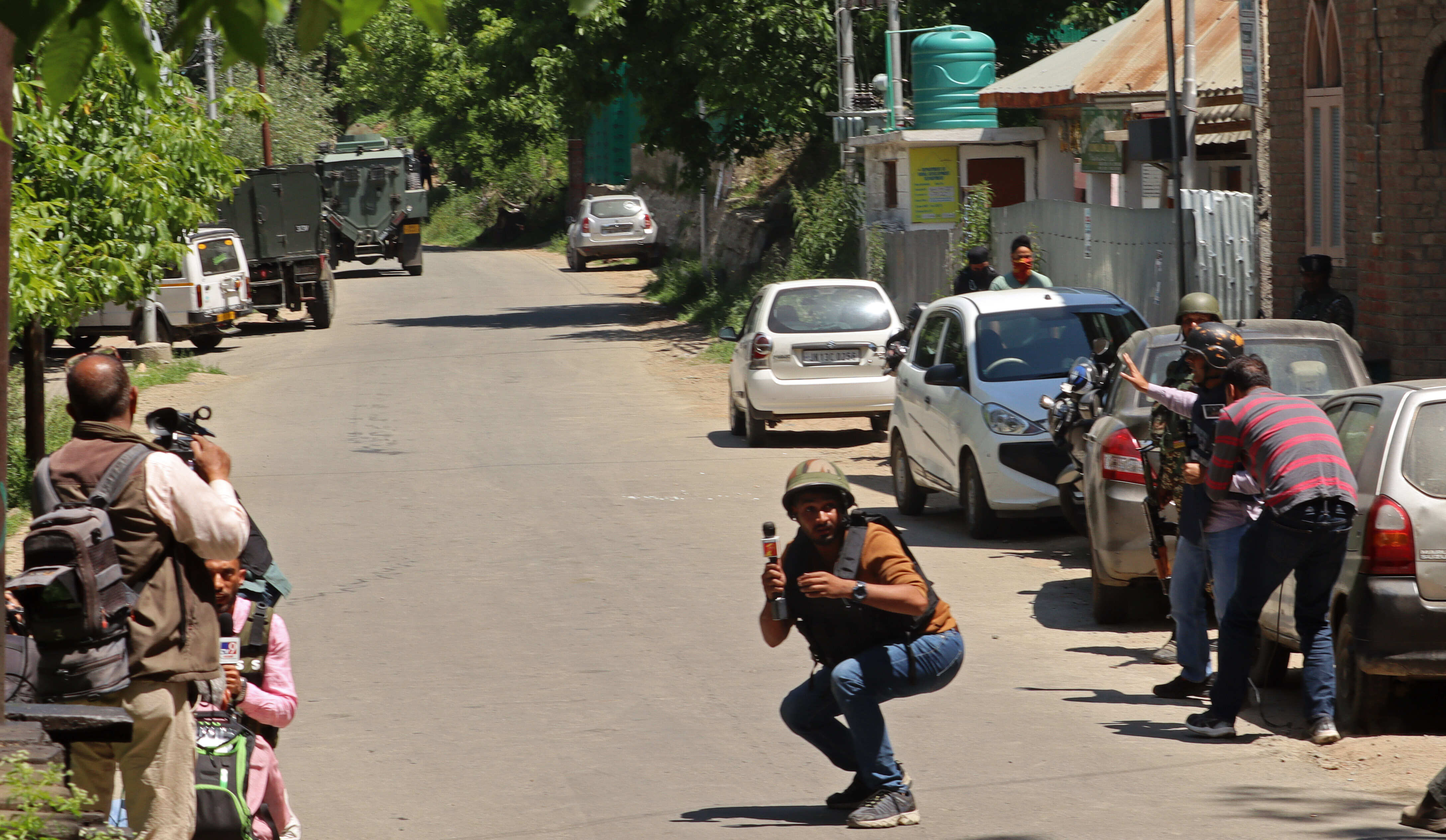
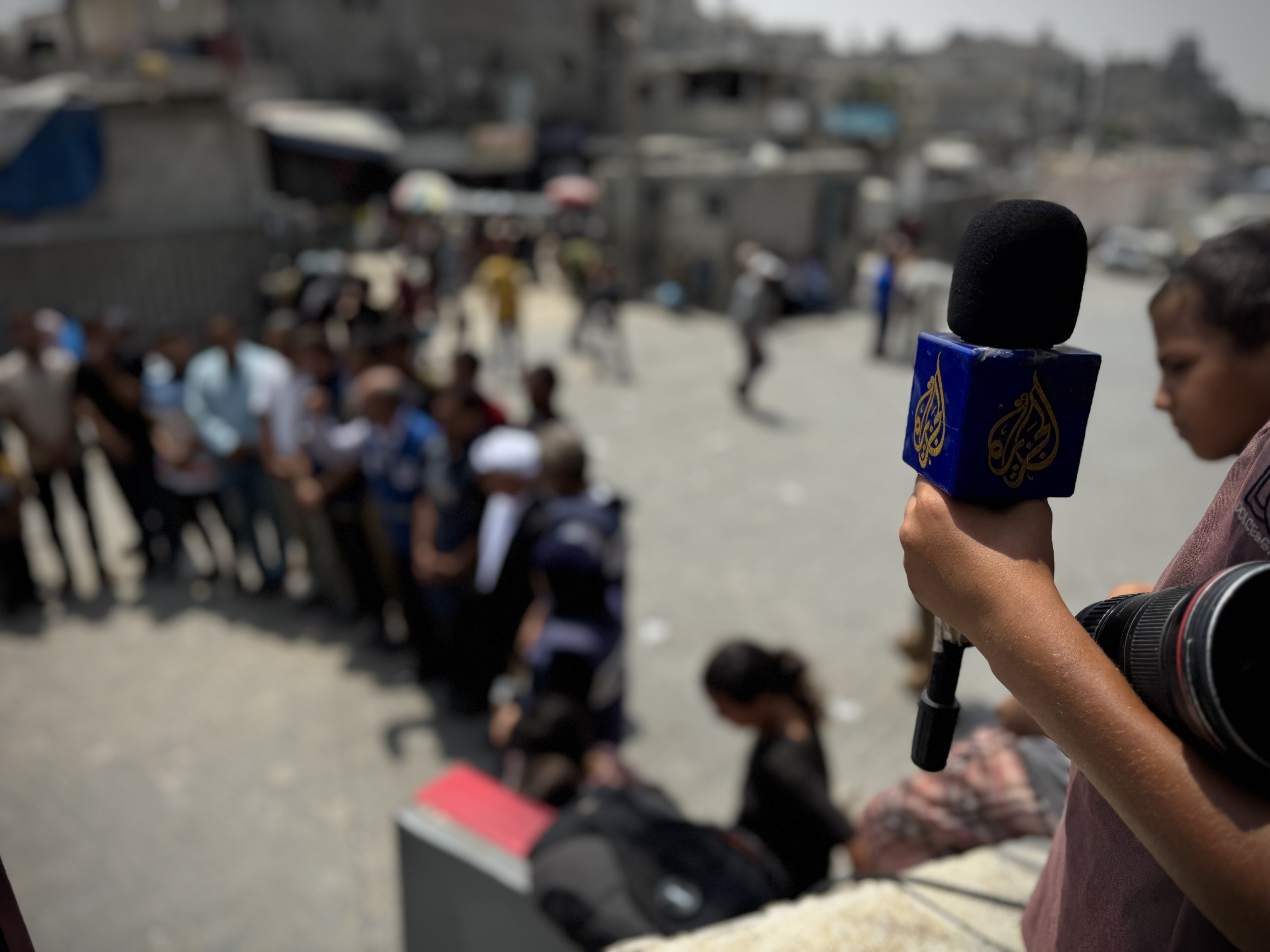
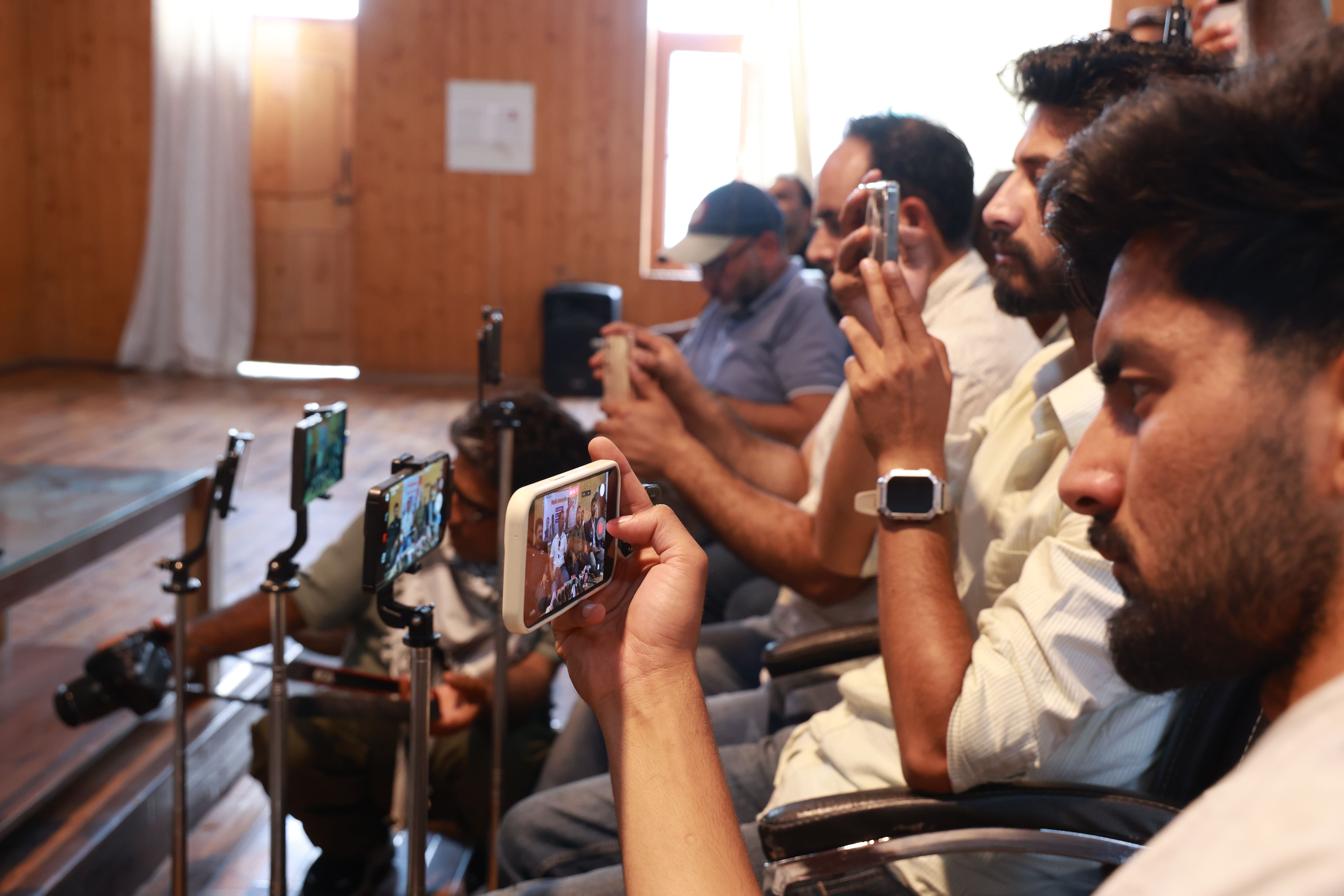
Journalists use mobile phones to cover a press conference in Kashmir, reflecting a growing preference for smartphones over traditional video cameras in digital newsgathering. (Photo: Nasir Kachroo/NurPhoto. Kashmir – Jun 2026)

How Social Media is Reshaping Journalism in Kashmir?

As young audiences increasingly turn to social media for news, Kashmir's journalists are adapting to algorithm-driven storytelling while grappling with the rise of influencer journalism, shifting audience habits and new ethical challenges. 


"In today's media landscape, visibility is everything," Umaima Reshi says. "If you're not online, you're nowhere." Reshi has witnessed that transformation from her newsroom. She began writing for Kashmir Life, a weekly magazine, as a student, contributing to its print magazine. Over time, her newsroom encouraged her to step in front of the camera, introducing her to digital storytelling. Today, she scripts, narrates and edits news reports for digital media, and much of her work depends on reaching audiences through social media. 

For her, news consumption is part of a much larger shift that has transformed journalism in Kashmir. Platforms like YouTube Shorts, Facebook and X have changed not only where people consume news but also how journalists produce it. 

"I've seen vertical videos consistently perform better than horizontal ones because people consume news while scrolling," she says. "The algorithm naturally rewards concise, engaging videos that capture attention within seconds." 

That change has forced newsrooms to rethink storytelling. Reshi points to Kashmir Daily Report, a programme she scripts, narrates and edits herself, as an example. 

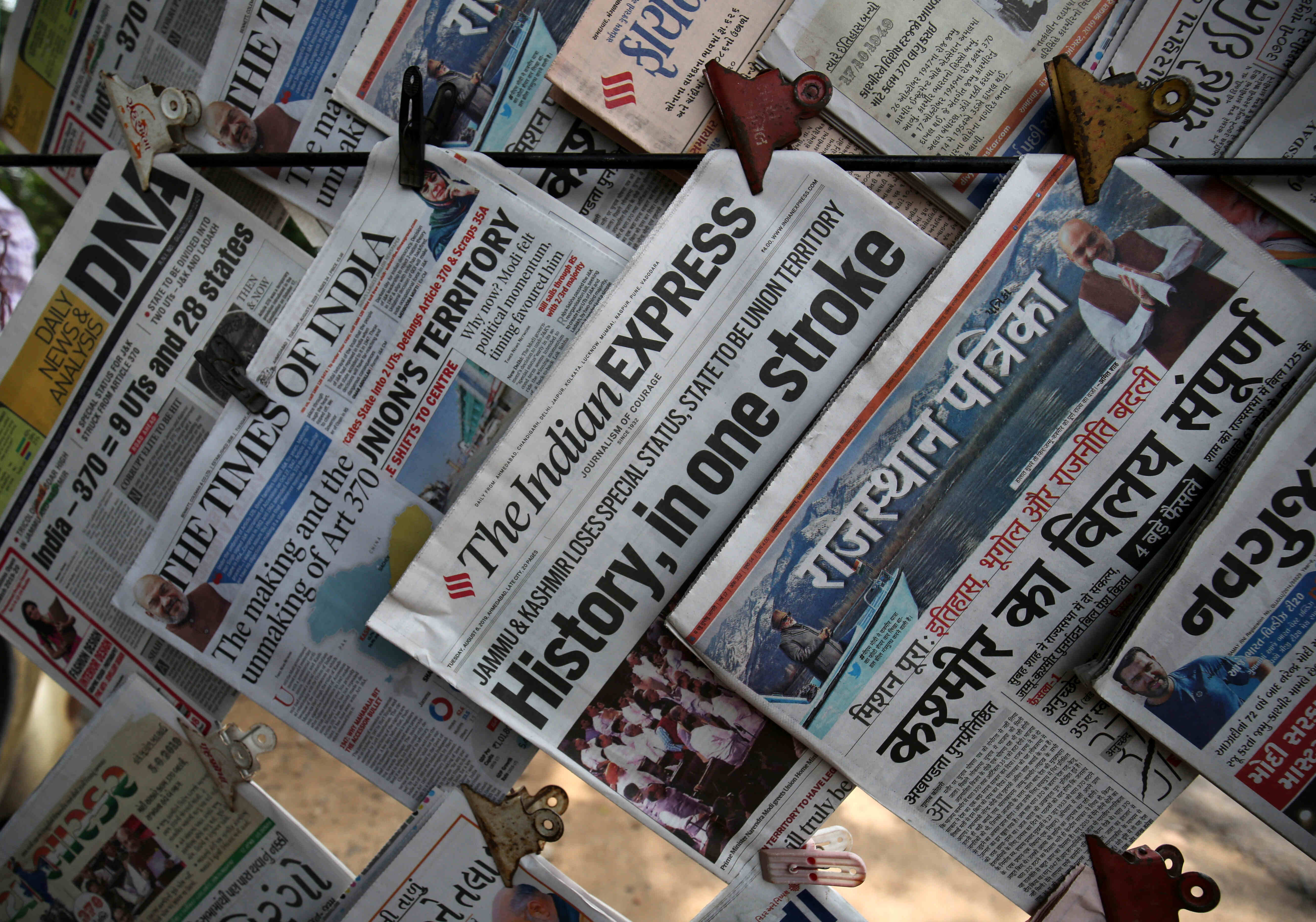
For decades, newspapers and later news websites acted as a primary source of news consumption in Kashmir. Every morning, printed dailies landed on doorsteps carrying political developments, government announcements and local affairs. Today, that ritual has taken a different way.  

Media students and aspiring journalists get compared to people who popularity simply because they have created a niche using local language and emotional appeals

Babar Rather, a Kashmir-based journalist, sees the transformation of news consumption over the last five years in Kashmir moved entirely from the doorstep to the palm of the hand.  

"Social media is no longer an alternative gateway; it functions as the primary wire service for the average resident. The traditional habit of waiting for morning newspapers or scheduled broadcasts has largely collapsed, especially among younger audiences."  

Instead, he says, news is increasingly consumed while users scroll through algorithm-driven feeds on Instagram, YouTube, Facebook and X.  

India is home to nearly 1.02 billion internet users and 500 million social media users, making it one of the world's largest digital markets. Affordable mobile data costing about 10 cents per gigabyte and widespread smartphone adoption have fuelled an ecosystem where audiences spend an average of 3.2 hours a day on social media according to a Reuters factbox.  

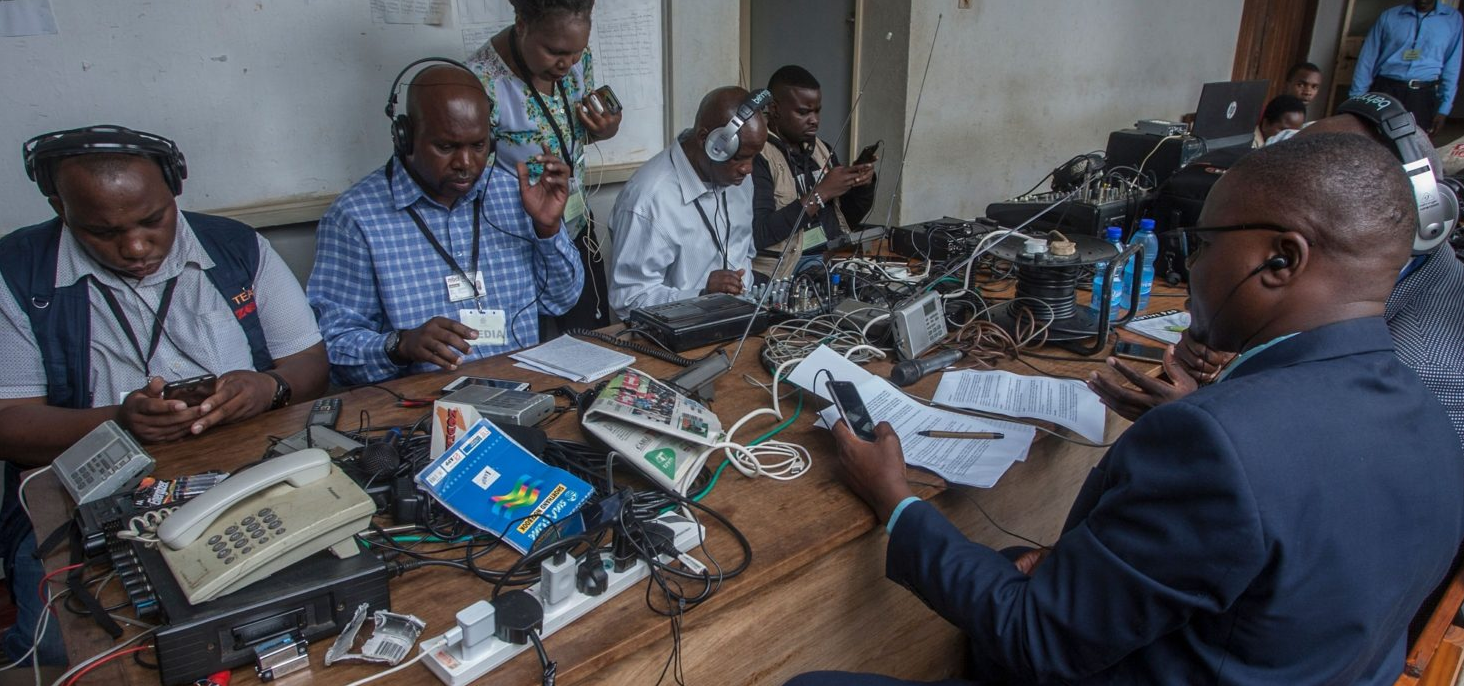
Kashmir's transition to digital journalism unfolded against the backdrop of one of the world's longest internet shutdowns. According to Access Now's #KeepItOn Report, the communications blackout imposed after August 2019 lasted more than 175 days, while Jammu and Kashmir accounted for nearly 68% of India's 121 internet shutdowns recorded that year. During this period, journalists were forced to queue at a government-run media centre in Srinagar to access limited internet and file stories.  

Today, the region's media landscape looks very different. Alongside established news organisations, a new generation of independent social media creators has emerged, many operating outside traditional newsroom structures. Social media has enabled a new generation of “self-styled news creators" and “self-proclaimed journalists” who operate independently on social media with immense online followings. Many publish breaking updates, livestreams of  civic issues,  political commentary videos about missing persons, lost-and-found cases, and public fundraising appeals for people affected by illness, accidents or fires. 

Journalism aspirants and journalism students increasingly find themselves compared with online personalities who have accumulated large followings through emotional storytelling rather than professional reporting.  

Their growing popularity has triggered a broader debate within Kashmir's media ecosystem over the changing norms of journalism, with concerns centring on verification, editorial oversight, ethical reporting, and public accountability. 

Irtiza Yousuf, a postgraduate in mass communication and journalism, says journalism aspirants and journalism students increasingly find themselves compared with online personalities who have accumulated large followings through emotional storytelling rather than professional reporting.  

"Media students and aspiring journalists get compared to people whose popularity is simply because they have created a niche using local language and emotional appeals," she said. She believes many such creators pursue personal agendas. 

"They use these platforms for personal gains and vendettas. Objectivity is often absent. They deliver verdicts themselves, use emotionally charged speeches and create public spectacle instead of practising journalism." 

In March 2024, Mudaisr Aziz became involved in a confrontation with a representative of the Smile Foundation, an NGO collecting donations through a fundraising vehicle. During the exchange, he questioned the legitimacy of the fundraiser and demanded details about the beneficiary's bank account, while the NGO representative challenged him to produce his journalistic credentials. The incident quickly went viral, prompting widespread debate over the increasingly blurred boundaries between journalism, activism and social media performance. 

Mudasir Bashir Bhat, popularly known online as Mudasir Aziz, the admin of several Facebook pages who has a large online following. Many social media users questioned Mudasir’s conduct and his journalistic practice, arguing that such confrontational videos and digital activism in the name of journalism risk undermining public trust in journalism and further damaging the profession's credibility. 

Days later, a local court summoned the admin of the Facebook page in a defamation case filed by NGO smile foundation for allegedly circulating “malafide videos” against it. According to the plea, Mudasir Aziz operated several Facebook pages, including Kashmir Youth Power, News Express, Mission Kashmir and Mudasir Aziz, and was allegedly portraying himself as a journalist to defame individuals and pursue personal grievances. A court later ordered the removal of the disputed videos and restrained them. 

The issue is not only who has emerged in the name of journalism. It is also who is watching them, he says. "If audiences continue to consume and share this content, they are reinforcing it. At the same time, if well-reported journalism receives little engagement, it raises questions about whether audiences still value it

For many Kashmiris, Mudasir Aziz has become the first person they turn to when a child goes missing, valuables are lost or a family needs urgent financial help. Through his widely followed Facebook pages Kashmir Youth Power (around 1.1 million followers), News Express (about 600,000 followers) and Mudasir Aziz Reporter (roughly 642,000 followers), he broadcasts appeals to trace missing people, recover lost belongings and raise funds for patients battling serious illnesses. His emotionally charged livestreams have earned him widespread public support, with many viewers praising him for addressing issues they believe receive little attention elsewhere. 

Fahad Shah, a Kashmiri editor, believes the disruption of Kashmir's media landscape extends beyond journalists and digital creators to the audiences consuming the content. The way news is consumed has changed so much that 

"I don't even read newspapers or websites anymore to follow news from Kashmir," he said. "What exists now is a digital circus. The boundary between activism and journalism has blurred while self-promotion and advertising increasingly define the media space." 

Shah argues that audiences themselves play a central role in sustaining the new ecosystem. 

"The issue is not only who has emerged in the name of journalism. It is also who is watching them, he says. "If audiences continue to consume and share this content, they are reinforcing it. At the same time, if well-reported journalism receives little engagement, it raises questions about whether audiences still value it." 

Imran Parry, a media educator at a college in Kashmir, believes that the rise of independent social media creators should not be dismissed simply because they operate outside traditional newsrooms.  

“In a democracy, every individual has the right to question and be part of the process of discourse shaping. The same goes for media practice so long as individuals adhere to basic principles of journalism and professional norms of conduct," he said. 

In India, print publications are governed by the Press and Registration of Periodicals Act, 2023, which replaced the colonial-era Press and Registration of Books Act, 1867. Under the new law, anyone seeking to publish a newspaper or periodical must first apply online through the Press Seva Portal, reserve a unique title, appoint a publisher, and submit the required details to the Press Registrar General of India (PRGI). After verification by the designated authority, the PRGI issues a Certificate of Registration, allowing the publication to commence operations.  

In a democracy, every individual has the right to question and be part of the process of discourse-shaping. The same goes for media practice so long as individuals adhere to basic principles of journalism and professional norms of conduct.

Unlike newspapers, there is no dedicated statutory registration mechanism or publicly accessible registry for digital-only news portals, and instead, publishers of online news and current affairs content are expected to comply with the Information Technology (Intermediary Guidelines and Digital Media Ethics Code) Rules, 2021, which require adherence to a Code of Ethics; digital news outlets are primarily regulated through compliance obligations rather than a comparable registration process. 

The debate over ethics resurfaced recently after a video of a 12-year-old student criticising the delay in announcing summer holidays during an intense heatwave went viral across Instagram, Facebook, X and WhatsApp. He criticised the Education Minister, saying that officials were sitting in air-conditioned offices while students had to attend classes in the heat. The clip attracted millions of views but also raised questions about children's privacy and media ethics. The local Child Welfare Committee reportedly issued notices to a news portal involved in recording and publishing the interview, alleging that the child had been filmed without appropriate parental consent and directing that the videos be removed. 

As Instagram and other social media platforms increasingly shape how news is produced and consumed, journalists in Kashmir find themselves adapting to a media environment where visibility often determines reach, algorithms influence distribution and audiences expect information instantly. Yet many argue that the profession's defining principles remain unchanged. 

"Journalism is defined by its ethics," Reshi says. "Whether you're part of a newsroom or working independently, your responsibility is to present truthful, accurate and well-researched information. There's absolutely nothing wrong with being a content creator. But if you don't follow the ethical principles of journalism, you shouldn't call yourself a journalist."
 

Related Articles

‘A sense of belonging has been taken away from us’ - the closure of the Kashmir Press Club

THE LONG READ: The closure of the Kashmir Press Club in January this year has come as a major blow to independent journalists in the troubled region who relied on it for camaraderie, respite and a ‘place to share ideas’

Sharafat
Meher Qadri, Sharafat Ali Published on: 10 Mar, 2022
Why Are Journalists Being Silenced in Kashmir?

Since the revocation of Article 370 in 2019, press freedom in Indian-administered Kashmir has sharply declined, with local journalists facing harassment, surveillance, and charges under anti-terror laws, while foreign correspondents are denied access or deported for critical reporting. These measures, aimed at controlling the region’s narrative and projecting normalcy, have drawn widespread criticism from international watchdogs, who warn of increasing suppression of both domestic and foreign media.

headshot
AJR Correspondent Published on: 27 Nov, 2024
Why Are Young Journalists in Kashmir Quitting Before They Begin?

In Kashmir, mounting censorship, political pressure, and shrinking job prospects are forcing a generation of aspiring journalists to abandon the profession, many before they even get the chance to begin, leaving behind a media landscape stripped of dissent, debate, and independent voices.

Abrar Fayaz, Muqeet Mohammed Shah Published on: 23 Sep, 2025
Rise and Fall of Kashmir’s First Independent Magazine, Kashmir Walla

Jailed, silenced, and erased—how a fearless journalist built Kashmir’s most vital independent news platform, only to see it brutally shut down by the state. The Kashmir Walla, known for its bold coverage of politics, conflict, and human rights, became too powerful to ignore—so they ensured it disappeared.

Safina
Safina Nabi Published on: 15 Mar, 2025

More Articles

Asif Hamidi: Journalism Must Not Hide Crimes Behind 'Balance'

Asef Hamidi, Managing Director of Al Jazeera Arabic Channel, says the Gaza coverage was a professional duty, not activism, and that true objectivity means reporting crimes clearly rather than hiding behind false “balance”.

Mohammed Ahddad
Ahdad Mohamed Published on: 24 Jul, 2026
“Sometimes You Work for Years Without Pay” – Cameroonian Journalists Demand Safety Nets

While many journalists demonstrate admirable resilience in producing quality journalism under precarious conditions, resilience should not be the only safety net. Journalism deserves protection, because democracy depends on it.

Akem
Akem Nkwain Published on: 11 Jul, 2026
The Stringers Behind India’s Breaking News: No Contracts, Credit or Safety

Thousands of rural Indian freelance reporters, called "stringers," face low pay, police harassment, and total abandonment by the big TV networks that rely on them. These local journalists risk their lives to film breaking news like riots and rallies, but they work without contracts, insurance, or legal help when they get into trouble. This unfair system forces poor, small-town reporters to take on all the danger alone just to keep the national 24-hour news channels running.
Hanan Zaffa
Hanan Zaffar, Majid Alam Published on: 27 Jun, 2026
Mohamed al-Khalidi and Marwa Muslim: Forgotten in Life, Vindicated in Death

The occupation killed journalists Mohamed al-Khalidi and Marwa Muslim as part of a systematic pattern of targeting the press, but throughout their careers they also faced neglect, marginalisation, and a lack of recognition. Colleague Maysoun Kahil tells their story, and asks why Palestinian journalists are so often honoured only after death, rather than supported in life.

Maysoun Kahil Published on: 17 Jun, 2026
The Double Ordeal of Freelance Journalists in Gaza

Independent journalists in Gaza face a dangerous double battle. Working without institutional protection or financial safety nets, they risk their lives to report the reality of war, overcoming severe resource shortages and systemic neglect to ensure the world hears the truth.

Noor Abu Rokba Published on: 14 Jun, 2026
Reporting on People Who Cannot Leave

The arrest of an Afghan female athlete after appearing in a Dutch documentary highlights the dangers of reporting under authoritarian rule. It underscores a growing dilemma in journalism regarding how to amplify the voices of vulnerable people without accidentally turning them into targets for the regime.

Sayed Jalal
Sayed Jalal Shajjan Published on: 4 Jun, 2026
Journalism After the Genocide in Gaza: One War Has Ended, and Other Wars Have Begun!

The post-ceasefire reality for Gaza’s journalists reveals a challenging shift from documenting active daily bombardment to navigating an overwhelming landscape of community and structural ruin. The pressure on reporters appears set to escalate as they struggle to rebuild their own lives from absolute zero while fighting to ensure that ongoing human suffering, systemic displacement, and political marginalization are accurately documented and held to account.

Yousef Fares
Yousef Fares Published on: 17 May, 2026
The Vanishing Foreign Desk: What U.S. Media Cuts Mean for South Asia

Recent restructuring at Voice of America and The Washington Post marks a significant withdrawal from global journalism, particularly affecting coverage in South Asia. As these major institutions cut staff and close foreign bureaus, the loss of experienced expertise threatens the visibility of critical regional issues like human rights and climate change. This shift forces a move toward narrative independence for local media, yet leaves a dangerous gap in the global conversation that smaller newsrooms struggle to fill.

Sajid Raina
Tauseef Ahmad, Sajid Raina Published on: 8 May, 2026
US-Iran Islamabad Talks: How Journalists Report from Outside Closed Doors

The "Islamabad Talks" highlight a growing contradiction in modern diplomacy where journalists are physically present but denied direct access to negotiations. The pressure on transparency appears set to intensify as reporters are forced to trade traditional eyewitnessing for outside in investigation and geopolitical speculation.

Anam Hussain
Anam Hussain Published on: 2 May, 2026
Malawi Investigates Poor Pay and Working Conditions for Junior Journalists

Malawi’s investigation into poor pay for junior journalists exposes a deeper crisis where economic hardship is eroding media independence and forcing reporters to choose between ethical integrity and survival.

Benson Kunchezera Published on: 30 Apr, 2026
Why Anonymous Sources Are Fading from Indian Journalism

A generation of reporters-built careers on confidential sources, many now write without them.

Kamran Yousuf
Kamran Yousuf Published on: 19 Apr, 2026
From Print to Pixels: How Small-Town Journalists in Bihar Are Surviving Threats and Closures

As newspapers vanish across districts like Siwan, Gaya, and Purnea, reporters turn to mobile phones, digital start-ups and community networks to keep local journalism alive.

Rehan Qayoom Mir. An independent journalist whose work has appeared in international and national outlets,
Rehan Qayoom Mir, Sajad Hameed Published on: 12 Apr, 2026
AI, Copyright Reform and the Fragile Reinvention of Indian Journalism

India’s proposed AI copyright framework risks turning independent journalism into a pooled data resource, undermining the subscription-based models that sustain it. At a moment of political and economic fragility, the struggle over AI licensing is ultimately a struggle over who controls, values, and profits from journalistic work.

Arsalan Bukhari, an independent journalist based in India
Arsalan Bukhari Published on: 31 Mar, 2026
The Challenge of Reporting in Chechnya

Independent journalism no longer exists as a functioning practice inside Chechnya. What remains is a profession rebuilt in exile, forced to operate at a distance from the very place it is meant to cover.

Rushda Fathima Khan
Rushda Fathima Khan Published on: 29 Mar, 2026
Journalism in Gaza: A Struggle for Survival

In Gaza, journalism becomes inseparable from the life it documents: reporting continues not from a distance, but from within the same fear, grief, and instability it tries to record.

Nelly Al-Masri Published on: 25 Mar, 2026
From News Reporting to Documentation: Practical Lessons from Covering the War on Gaza

From the very first moment of the genocidal war waged by Israel on Gaza, Al Jazeera correspondent Hisham Zaqout has been a witness to hunger, devastation, war crimes, and the assassination of his colleagues in the field. It is a battle for survival and documentation, one that goes beyond mere coverage and daily reporting.

Hisham Zakkout Published on: 26 Jan, 2026
Polarised, Intimidated, Silenced: The Media Under Siege in Cameroon’s Election

Cameroon’s 2025 presidential election exposed a troubling paradox: a nation voting under the watchful eye of power, while its press remained silenced. From the arrest of a teenage reporter to bans on political debate and digital manipulation, freedom of expression is under siege, and journalism is on trial.

Shuimo Trust Dohyee
Shuimo Trust Dohyee, Ngweh Rita Published on: 22 Jan, 2026
Investigating the Assassination of My Own Father

As a journalist, reporting on the murder of my father meant answering questions about my own position as an objective observer.

Diana López Zuleta
Diana López Zuleta Published on: 16 Jan, 2026
Reporting Under Fire: The Struggle of African Journalists Facing Intimidation

African journalists who expose corruption and power now face a brutal mix of arrests, torture, digital surveillance, and lawsuits meant to drain their resources and silence them. From Ethiopia, Nigeria, Malawi, Benin, Sudan, Uganda, and Kenya to exile in Canada, reporting the truth has become an act of personal survival as much as public service.

Nigerian freelance Journalist John Chukwu
John Chukwu Published on: 4 Dec, 2025
Shipwrecked Narratives: How to Keep Migration Stories Afloat

Migration stories don’t become real until you meet people in the journey: the carpenter carrying photos of his fantasy coffins, or the Libyan city worker burying the forgotten dead, or the Tatar woman watching her livelihood collapse at a militarised border. Following these surprising human threads is the only way journalism can cut through collective exhaustion and make readers confront a crisis they’ve been trained to ignore.

صحفي مستقل ومدرب إعلامي، نشرت مقالاته في الغارديان، والجزيرة الإنجليزية، وبوليتيكو، وميدل إيست آي، وذا إندبندنت، وغيرها.
Karlos Zurutuza Published on: 30 Nov, 2025
What It Means to Be an Investigative Journalist Today

A few weeks ago, Carla Bruni, wife of former French president Nicolas Sarkozy, was seen removing the Mediapart logo from view. The moment became a symbol of a major victory for investigative journalism, after the platform exposed Gaddafi’s financing of Sarkozy’s election campaign, leading to his prison conviction. In this article, Edwy Plenel, founder of Mediapart and one of the most prominent figures in global investigative journalism, reflects on a central question: what does it mean to be an investigative journalist today?

Edwy Plenel
Edwy Plenel Published on: 27 Nov, 2025
A Sudanese Journalist in the Grip of the Rapid Support Forces

She was arrested, tortured, nearly raped, threatened with death, and subjected to degrading abuse. Her brother was brutally mistreated in an effort to locate her. In the end, her family had to pay a ransom to secure her release. She sought refuge abroad, but eventually returned to Sudan to continue documenting the war’s toll, particularly in El Fasher, a city now under siege. This is the harrowing account of a Sudanese journalist detained and tortured by the Rapid Support Forces.

Empty screen
Sudanese Female Journalist Published on: 3 Nov, 2025
Zapatismo and Citizen Journalism in Chiapas, Mexico

In Chiapas, independent journalists risk their lives to document resistance, preserve Indigenous memory, and challenge state and cartel violence. From Zapatista films to grassroots radio, media becomes a weapon for dignity, truth, and survival.

Ana Maria Monjardino
Ana Maria Monjardino Published on: 26 Oct, 2025
Journalists Under Occupation; Palestinian Journalists in the West Bank

Palestinian journalists in the West Bank face extreme physical danger, psychological trauma, and systemic targeting under Israeli occupation, yet continue to report with resilience, amplifying the voices of their people despite global indifference and media bias.

Synne Furnes Bjerkestrand
Synne Bjerkestrand Published on: 13 Oct, 2025