

Al Jazeera Journalism Review

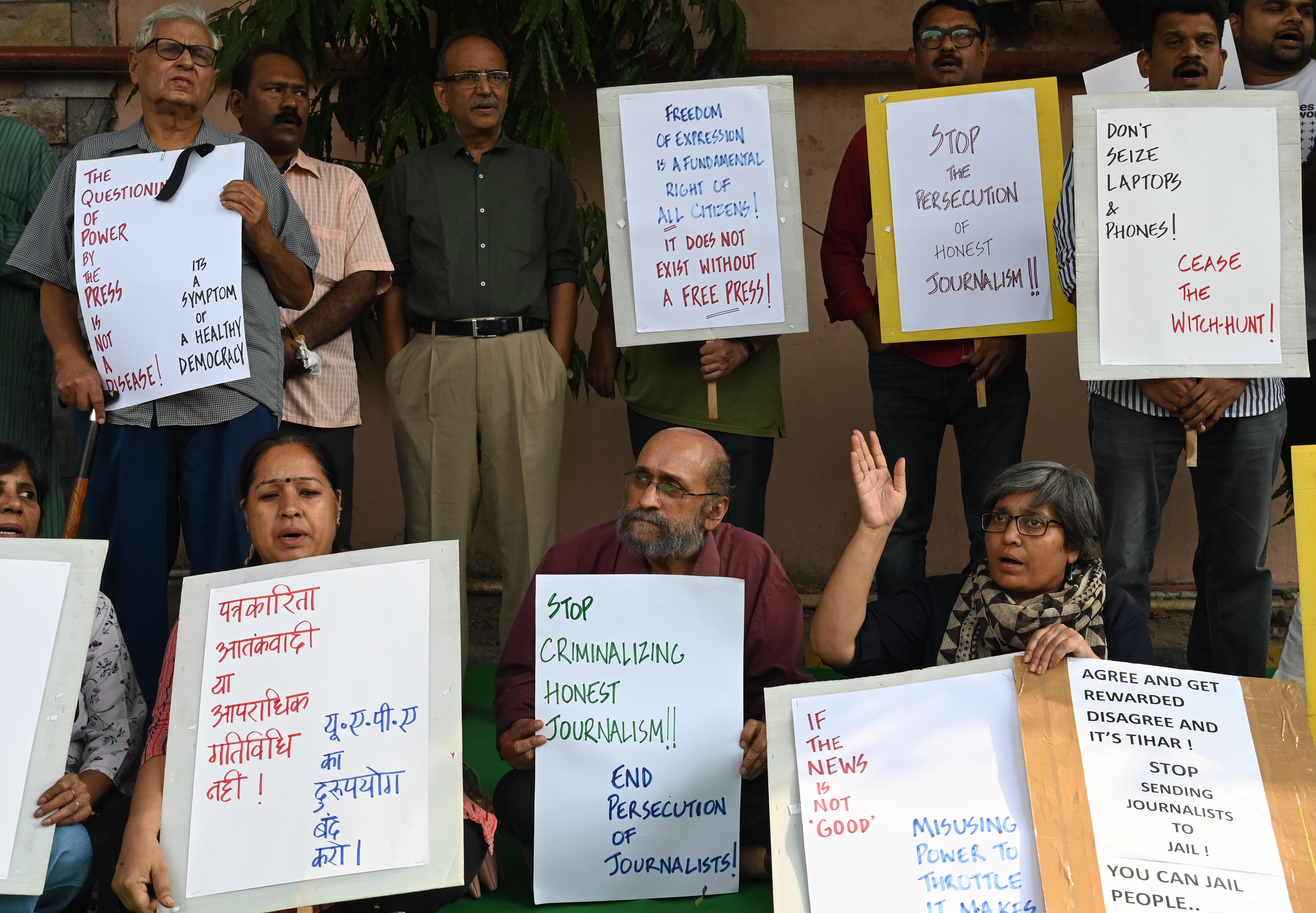
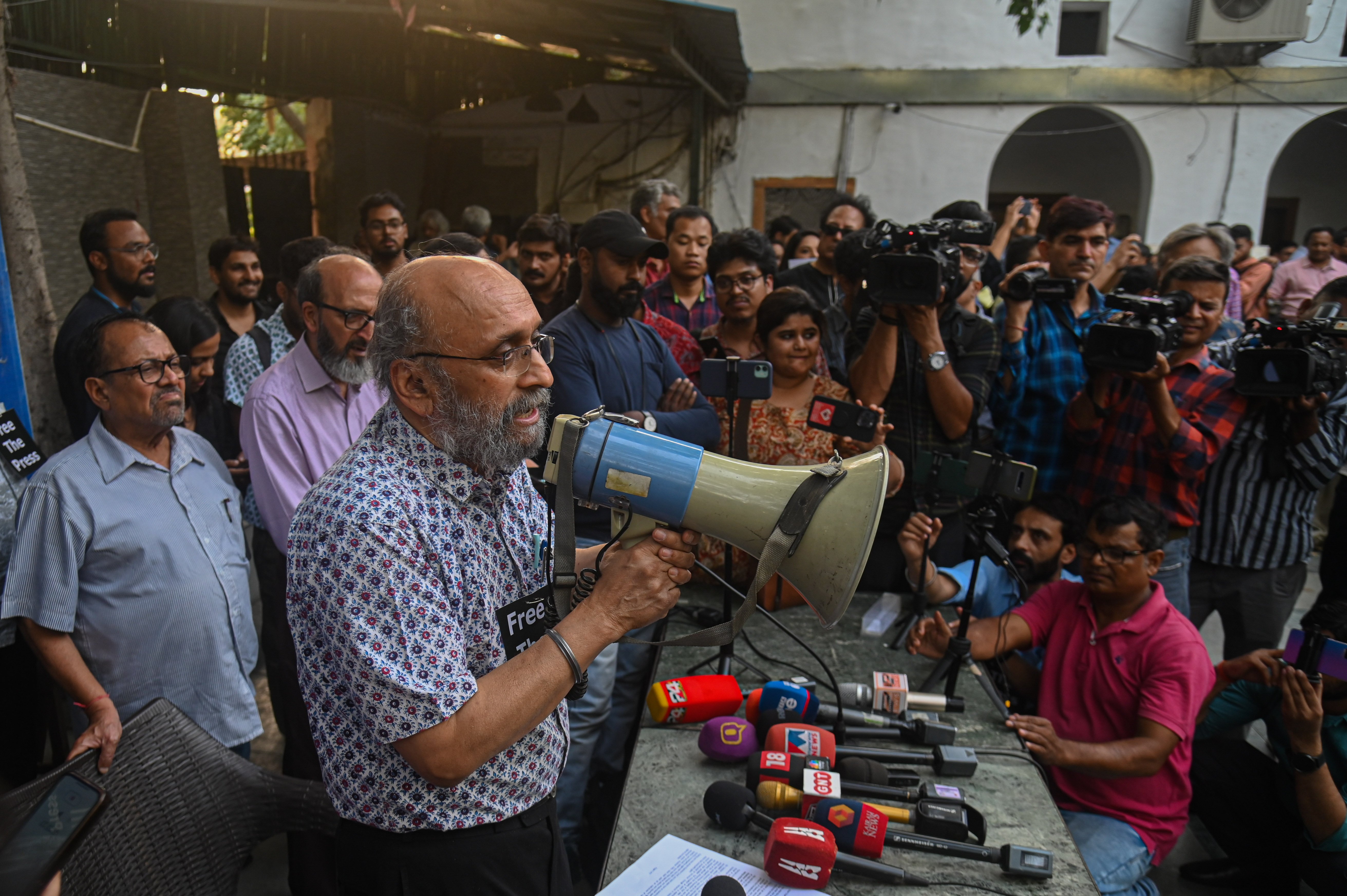
Senior journalist Paranjoy Guha Thakurta speaks during a demonstration protesting coordinated police raids on the homes of writers and media personnel associated with NewsClick, an independent Indian digital news portal known for critical journalism and coverage of progressive movements. The raids, initiated over allegations of illicit foreign funding, sparked widespread outrage among journalist bodies who condemned the crackdown as a direct assault on press freedom. (Photo: Kabir Jhangiani/ZUMA Press Wire.
Senior journalist Paranjoy Guha Thakurta speaks during a demonstration protesting coordinated police raids on the homes of writers and media personnel associated with NewsClick, The raids, initiated over allegations of illicit foreign funding, sparked widespread outrage among journalist bodies who condemned the crackdown as a direct assault on press freedom. (Photo: Kabir Jhangiani/ZUMA Press Wire. New Delhi, India – Oct 2023)

The Stringers Behind India’s Breaking News: No Contracts, Credit or Safety

Thousands of rural Indian freelance reporters, called "stringers", face low pay, police harassment, and total abandonment by the big TV networks that rely on them. These local journalists risk their lives to film breaking news like riots and rallies, but they work without contracts, insurance, or legal help when they get into trouble. This unfair system forces poor, small-town reporters to take on all the danger alone just to keep the national 24-hour news channels running.


By the time the call from his editor came in, Virender Jha had already spent the day riding across two districts in the eastern Indian state of Bihar on a motorcycle that coughed through mud roads and broken embankments.  
 
Jha was asked to immediately cover a public event attended by the then Bihar Chief Minister Nitish Kumar, one of India's most prominent regional politicians. But the event quickly became national news after Kumar made remarks that critics described as sexist, asking whether women in earlier times had worn clothes. The comments triggered a political storm, dominated television debates and spread rapidly across social media. 

As one of the first local journalists at the scene, Jha filmed the event, transmitted the footage via WhatsApp and rushed to file updates. National television channels soon aired the clip across India. 

Then came the backlash. 

According to Jha, police cases were later filed against several local journalists and stringers, including him, who had reported on or circulated the controversial remarks.  
 
But when Jha called his newsroom for help, he said nobody answered. 

They should have at least given legal advice or talked to senior police officials, but they left me to the system,” said Jha, a district-level television stringer who has worked across Bihar for more than two decades. “But in the end, I had to fight it alone.

They should have at least given legal advice or talked to senior police officials, but they left me to the system,” said Jha, a district-level television stringer who has worked across Bihar for more than two decades. “But in the end, I had to fight it alone.

Across India’s small towns and conflict zones, thousands of journalists like Jha form the invisible backbone of the country’s media industry. They are known as “stringers”, freelance or semi-formal reporters who supply breaking news, videos, interviews and local access to television channels, newspapers, digital outlets and international media organisations. 

They are often the first to arrive at riot sites, floods, train crashes, political rallies and police encounters. Yet many work without contracts, insurance, fixed salaries or institutional protection. 

In many cases, they are paid only if a story gets aired. 

“Twenty years ago, one story would fetch ₹1,500 to ₹2,000 (around USD 16–22 at current exchange rates),” Jha said. “Now the same story gets ₹300 or ₹500 (roughly USD 3–5).” 

For reporters covering rural districts spread across 50 to 100 kilometres, the economics barely work. Petrol, travel, mobile data and camera equipment often cost more than what they earn for a day’s reporting. 

“If a stringer spends the whole day covering one story, ₹500 is gone in expenses itself,” Jha said. “Then what remains?” 

India’s media industry has no official estimate of how many stringers operate across the country. But media scholars and reporters say they form the essential last-mile infrastructure of Indian journalism, especially outside metropolitan centres. 

Twenty years ago, one story would fetch ₹1,500 to ₹2,000 (around USD 16–22 at current exchange rates),” Jha said. “Now the same story gets ₹300 or ₹500 (roughly USD 3–5) 


An Informal “Arrangement”

Dr Tilak Jha, associate professor at the Times School of Media at Bennett University, said the system grew because most news organisations lacked deep grassroots networks. 

“At the local level, newspapers and television channels do not have proper reach,” he said. “So stringers collect news, and media organisations pick from them.” 

The arrangement, however, remains largely informal. 

“There is no fixed model,” he said. “The work is contact-driven, and there is risk. Eventually, it is not very rewarding.” 

The decline of India’s traditional media economy has only worsened the situation. Newspapers have lost advertising revenue to digital platforms. Television channels face falling viewership and intense competition from social media and YouTube. 

“The media economy as a whole has been affected,” Tilak Jha said. “Stringers have always been at the receiving end, and the situation has worsened over time.” 

In the western Uttar Pradesh city of Meerut, veteran journalist Lokesh Tandon remembers a time when stringers could make a living from reporting alone. 

“When I started, we were paid for every story and every live,” said Tandon, who worked as a television stringer for years before launching his own digital platform, LTV Media. “If we travelled to another city, they paid for travel, food and accommodation.” 

When I started, we were paid for every story and every live,” said Tandon, who worked as a television stringer for years before launching his own digital platform, LTV Media. “If we travelled to another city, they paid for travel, food and accommodation.

Back then, sending video footage was an ordeal in itself. Internet access was limited, and reporters compressed files into tiny sizes to fit within monthly data limits. Journalists hunted for areas with reliable mobile networks just to transmit live broadcasts. 

“It was hard work,” Tandon said. “But journalism was respected.” 

Today, he says, the business model has fundamentally changed. 

“Now, instead of paying you money, they are taking money from you,” he said. 

Tandon recalled being approached by a major television channel for a senior regional role. Instead of discussing reporting, he said executives asked how much advertising revenue or paid appearances he could bring in. 

“They told me if I wanted politicians or businessmen on TV, I should collect money from them,” he said. “I told them, ‘You have contacted the wrong person. I do journalism. I don’t do business.’” 

According to Tandon, many district reporters and stringers are now expected to function as both journalists and revenue agents, securing advertisements from local businesses and political figures to sustain their positions. 

“To get advertisements, what will you do?” he said. “Either you flatter them, or you blackmail them using some scoop. Journalists are becoming brokers.” 

“They told me if I wanted politicians or businessmen on TV, I should collect money from them,” he said. “I told them, ‘You have contacted the wrong person. I do journalism. I don’t do business.’” 

 
Constant Pressure and Little Rewards  

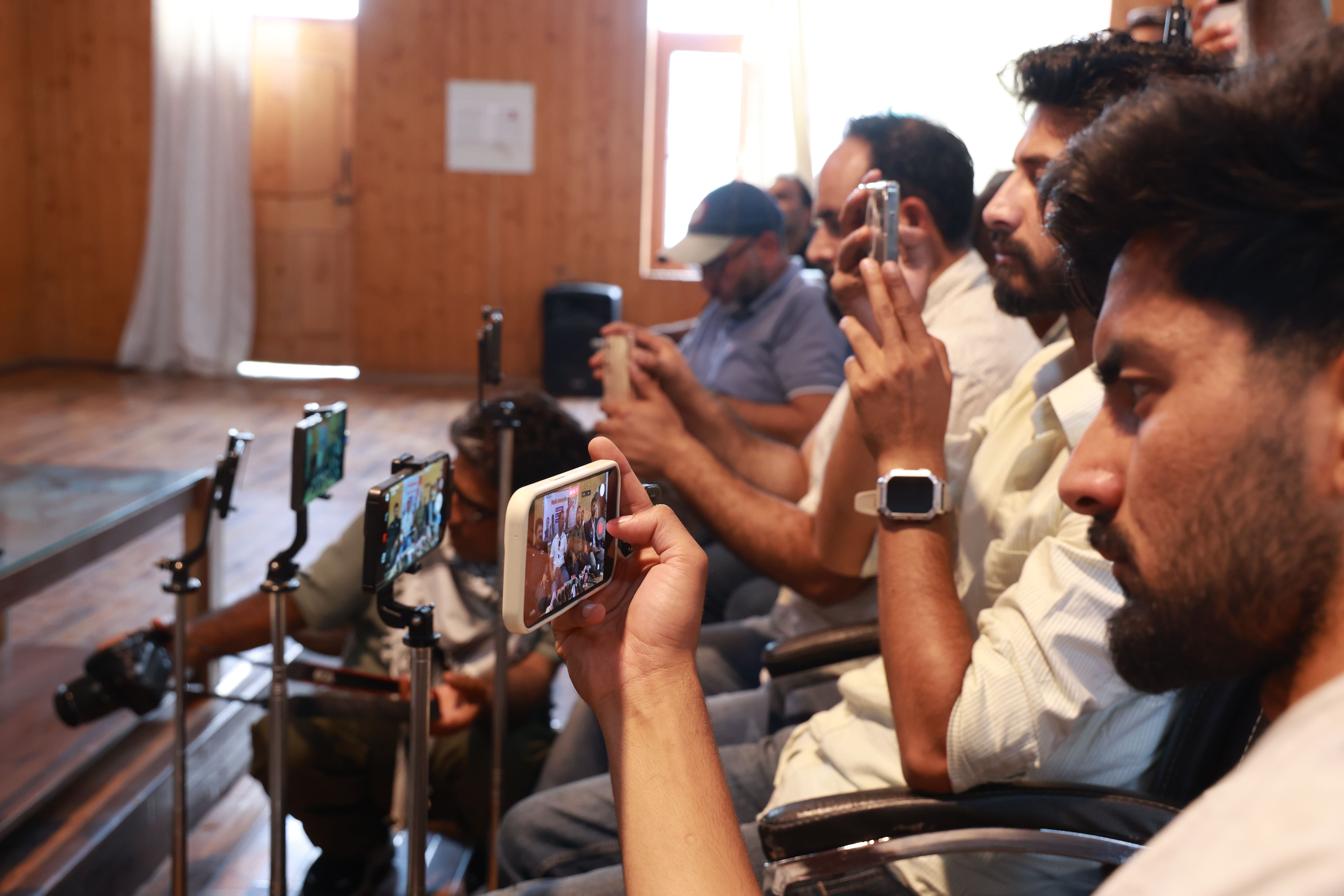
The pressures of survival have also transformed the culture of reporting itself. Stringers describe living in a relentless 24-hour race for speed and visibility: forwarding clips to editors, competing in WhatsApp groups, and chasing stories at all hours because missing one major event can mean losing future assignments. 

“If something happens at 2 a.m., the stringers still have to reach there,” Virender Jha said. “The reporter sitting in Patna or Delhi has shifts, vehicles, and facilities. The stringer has nothing.” 

Yet despite doing much of the legwork, many say they receive little public credit. 

“The name of the stringer is never mentioned,” Jha said. “Sometimes they don’t even give us an ID card.” 

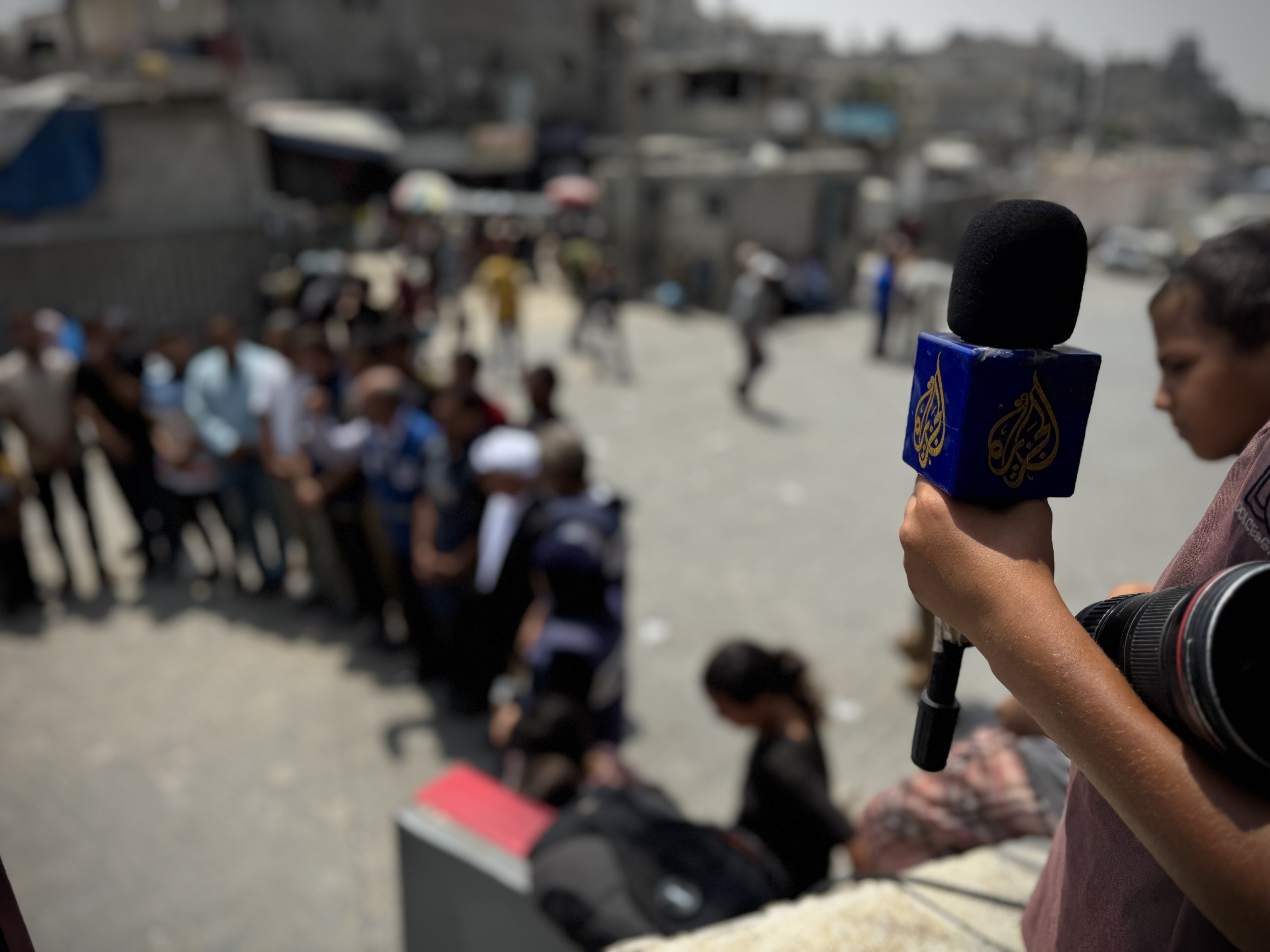
Without official press identification, access becomes difficult during emergencies or police operations. Some stringers say they rely only on microphone covers bearing channel logos — items that can easily be duplicated. 

“Officials ask for media cards,” Jha said. “If you don’t have one, you face problems.” 

The absence of institutional protection becomes most visible when legal trouble begins. 

Stringers working in politically sensitive regions say they are frequently the first targets of police complaints, defamation cases or intimidation by local authorities and criminal groups. 

“The channel seldom intervenes when you land in trouble with the administration,” Jha said. “FIRs were filed against me after we ran stories against the administration. I informed the channel, but I had to fight the case myself.” 


No Ownership and Little Editorial Control 

The vulnerability of local stringers became starkly visible during the COVID-19 pandemic, when several journalists died while covering the crisis. 

Tandon alleges that some organisations distanced themselves from stringers after their deaths. 
 
“The newspapers issued letters saying those journalists were not working for them,” he said. “They make stringers sign undertakings saying they are working voluntarily and not officially employed.” 

Because many stringers are hired through third-party arrangements or informal agreements, families often struggle to claim compensation or institutional support after injuries or deaths. 

The precariousness extends beyond economics and safety. It also shapes editorial control. 

Hadee Saleem, a stringer based in Indian-administered Kashmir, recalled leaving national television work after a story he helped report in Kashmir was reframed with what he described as a sensational headline. The backlash online, he said, deeply affected the family featured in the report. 

“We told them to remove the headline,” he said. “They refused because the story was performing well on social media.” 

The experience, he said, revealed how little control local contributors often retain once footage reaches metropolitan newsrooms. 

Stringing remains one of the few available pathways into journalism for people outside metropolitan cities, especially for those with local contacts, regional language skills and deep familiarity with their communities.

Media scholars say this imbalance reflects broader hierarchies inside Indian journalism, where reporters in tier 1 cities like Delhi, Mumbai or state capitals often receive recognition while district-level contributors remain anonymous. 

“Stringers in small towns earn one-fourth or one-fifth compared to mainstream journalists,” Tilak Jha said. 

At the same time, politicians and bureaucrats increasingly bypass traditional media altogether through social media platforms and direct communication channels. 

“Earlier, politicians depended heavily on newspapers and television,” he said. “Now they have WhatsApp, Instagram, Telegram and their own PR teams.” 

As advertising revenues shrink and public trust in media declines, many organisations have reduced investments in local reporting networks while increasing pressure on those who remain. 

“The traditional media failed to reinvent itself,” Tilak Jha said. “The idealism that was there in journalism is no longer there.” 

Some stringers have responded by launching their own YouTube channels or local digital platforms, hoping to escape dependence on large media organisations. 

Tandon did exactly that. 

After years of working for television networks, he created his own local outlet in Meerut. The earnings are uncertain, but he says independence matters. 

“At least now nobody asks me how much business I can bring,” he said. 

Still, for most district reporters across India, leaving is not easy. 

Stringing remains one of the few available pathways into journalism for people outside metropolitan cities, especially for those with local contacts, regional language skills and deep familiarity with their communities. 

Sometimes the footage airs nationally within minutes. Sometimes a metropolitan anchor narrates the story without mentioning who gathered it. Sometimes the reporter who risked reaching the scene first earns nothing at all. 
 
“But we continue to work, despite all these economic and logistical challenges,” said Jha. 


Related Articles

‘No less than a fight for survival’ - life for mobile journalists in India

THE LONG READ: Mobile phones have made a career in the media more accessible to independent journalists. But they have also made it easier to exploit them

Saurabh Sharma
Saurabh Sharma Published on: 2 Aug, 2022
‘Leading the voiceless’ - how low-caste Indian journalists are crowdfunding their own newsrooms

Dalit representation in Indian media organisations is very low. Some journalists from the lowest Hindu caste are finding innovative ways to start up their own news platforms

Saurabh Sharma
Saurabh Sharma Published on: 13 Feb, 2023
Why are journalists in India turning to YouTube?

Indian journalists say the platform is a more democratic and uncensored place to work, but is the growing trend of YouTubers calling themselves journalists a cause for concern?

Saurabh Sharma
Saurabh Sharma Published on: 2 Jan, 2023
Why Anonymous Sources Are Fading from Indian Journalism

A generation of reporters-built careers on confidential sources, many now write without them.

Kamran Yousuf
Kamran Yousuf Published on: 19 Apr, 2026
‘I reported the truth - and was taken to jail’ - the journalists in prison in India

Indian journalist Siddique Kappan has been released after more than two years in prison just for doing his job. We talked to him and others who have been arrested or imprisoned

Saurabh Sharma
Saurabh Sharma Published on: 15 Feb, 2023

More Articles

Mohamed al-Khalidi and Marwa Muslim: Forgotten in Life, Vindicated in Death

The occupation killed journalists Mohamed al-Khalidi and Marwa Muslim as part of a systematic pattern of targeting the press, but throughout their careers they also faced neglect, marginalisation, and a lack of recognition. Colleague Maysoun Kahil tells their story, and asks why Palestinian journalists are so often honoured only after death, rather than supported in life.

Maysoun Kahil Published on: 17 Jun, 2026
The Double Ordeal of Freelance Journalists in Gaza

Independent journalists in Gaza face a dangerous double battle. Working without institutional protection or financial safety nets, they risk their lives to report the reality of war, overcoming severe resource shortages and systemic neglect to ensure the world hears the truth.

Noor Abu Rokba Published on: 14 Jun, 2026
Reporting on People Who Cannot Leave

The arrest of an Afghan female athlete after appearing in a Dutch documentary highlights the dangers of reporting under authoritarian rule. It underscores a growing dilemma in journalism regarding how to amplify the voices of vulnerable people without accidentally turning them into targets for the regime.

Sayed Jalal
Sayed Jalal Shajjan Published on: 4 Jun, 2026
Journalism After the Genocide in Gaza: One War Has Ended, and Other Wars Have Begun!

The post-ceasefire reality for Gaza’s journalists reveals a challenging shift from documenting active daily bombardment to navigating an overwhelming landscape of community and structural ruin. The pressure on reporters appears set to escalate as they struggle to rebuild their own lives from absolute zero while fighting to ensure that ongoing human suffering, systemic displacement, and political marginalization are accurately documented and held to account.

Yousef Fares
Yousef Fares Published on: 17 May, 2026
The Vanishing Foreign Desk: What U.S. Media Cuts Mean for South Asia

Recent restructuring at Voice of America and The Washington Post marks a significant withdrawal from global journalism, particularly affecting coverage in South Asia. As these major institutions cut staff and close foreign bureaus, the loss of experienced expertise threatens the visibility of critical regional issues like human rights and climate change. This shift forces a move toward narrative independence for local media, yet leaves a dangerous gap in the global conversation that smaller newsrooms struggle to fill.

Sajid Raina
Tauseef Ahmad, Sajid Raina Published on: 8 May, 2026
US-Iran Islamabad Talks: How Journalists Report from Outside Closed Doors

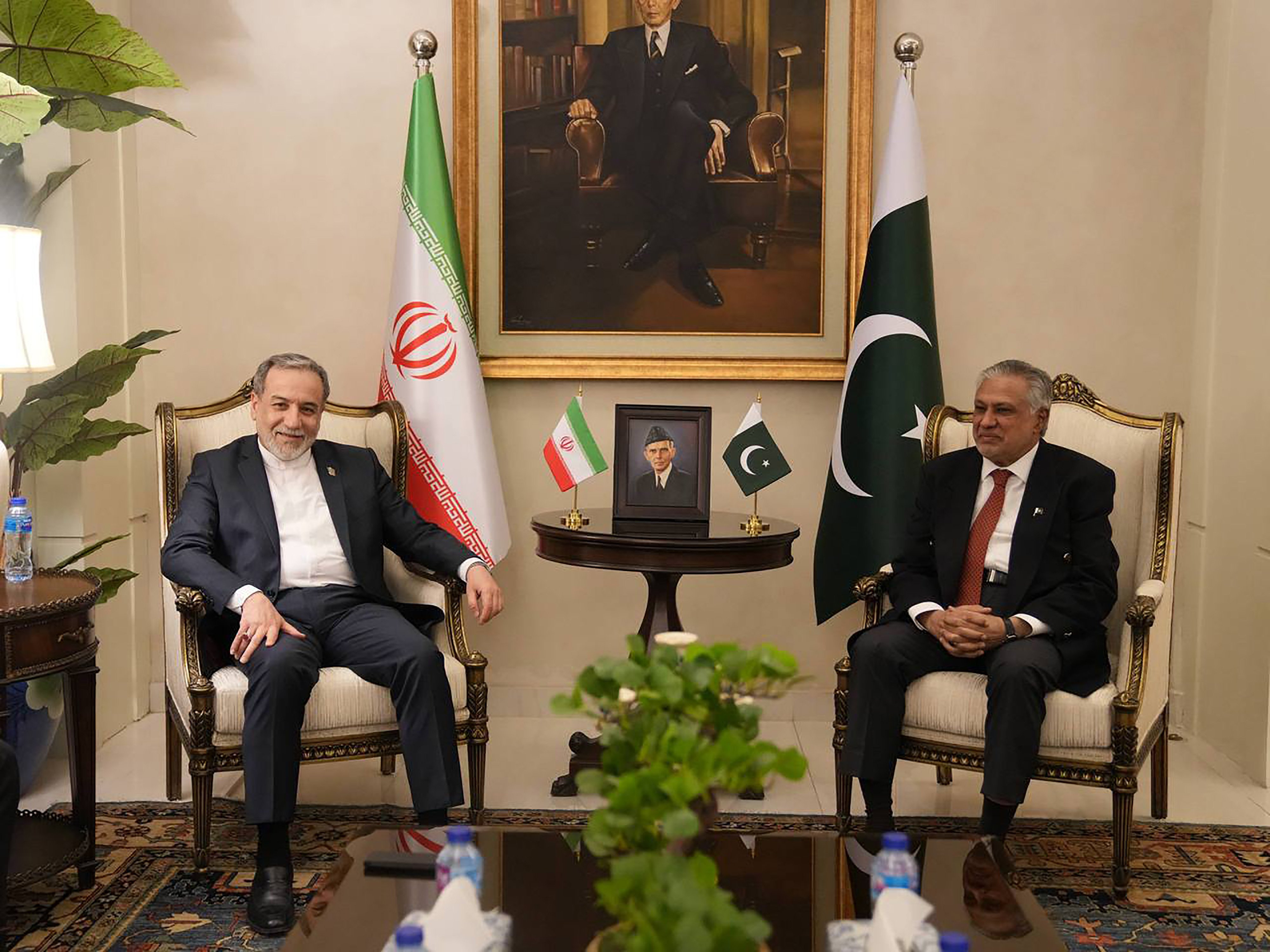
The "Islamabad Talks" highlight a growing contradiction in modern diplomacy where journalists are physically present but denied direct access to negotiations. The pressure on transparency appears set to intensify as reporters are forced to trade traditional eyewitnessing for outside in investigation and geopolitical speculation.

Anam Hussain
Anam Hussain Published on: 2 May, 2026
Malawi Investigates Poor Pay and Working Conditions for Junior Journalists

Malawi’s investigation into poor pay for junior journalists exposes a deeper crisis where economic hardship is eroding media independence and forcing reporters to choose between ethical integrity and survival.

Benson Kunchezera Published on: 30 Apr, 2026
Why Anonymous Sources Are Fading from Indian Journalism

A generation of reporters-built careers on confidential sources, many now write without them.

Kamran Yousuf
Kamran Yousuf Published on: 19 Apr, 2026
From Print to Pixels: How Small-Town Journalists in Bihar Are Surviving Threats and Closures

As newspapers vanish across districts like Siwan, Gaya, and Purnea, reporters turn to mobile phones, digital start-ups and community networks to keep local journalism alive.

Rehan Qayoom Mir. An independent journalist whose work has appeared in international and national outlets,
Rehan Qayoom Mir, Sajad Hameed Published on: 12 Apr, 2026
AI, Copyright Reform and the Fragile Reinvention of Indian Journalism

India’s proposed AI copyright framework risks turning independent journalism into a pooled data resource, undermining the subscription-based models that sustain it. At a moment of political and economic fragility, the struggle over AI licensing is ultimately a struggle over who controls, values, and profits from journalistic work.

Arsalan Bukhari, an independent journalist based in India
Arsalan Bukhari Published on: 31 Mar, 2026
The Challenge of Reporting in Chechnya

Independent journalism no longer exists as a functioning practice inside Chechnya. What remains is a profession rebuilt in exile, forced to operate at a distance from the very place it is meant to cover.

Rushda Fathima Khan
Rushda Fathima Khan Published on: 29 Mar, 2026
Journalism in Gaza: A Struggle for Survival

In Gaza, journalism becomes inseparable from the life it documents: reporting continues not from a distance, but from within the same fear, grief, and instability it tries to record.

Nelly Al-Masri Published on: 25 Mar, 2026
From News Reporting to Documentation: Practical Lessons from Covering the War on Gaza

From the very first moment of the genocidal war waged by Israel on Gaza, Al Jazeera correspondent Hisham Zaqout has been a witness to hunger, devastation, war crimes, and the assassination of his colleagues in the field. It is a battle for survival and documentation, one that goes beyond mere coverage and daily reporting.

Hisham Zakkout Published on: 26 Jan, 2026
Polarised, Intimidated, Silenced: The Media Under Siege in Cameroon’s Election

Cameroon’s 2025 presidential election exposed a troubling paradox: a nation voting under the watchful eye of power, while its press remained silenced. From the arrest of a teenage reporter to bans on political debate and digital manipulation, freedom of expression is under siege, and journalism is on trial.

Shuimo Trust Dohyee
Shuimo Trust Dohyee, Ngweh Rita Published on: 22 Jan, 2026
Investigating the Assassination of My Own Father

As a journalist, reporting on the murder of my father meant answering questions about my own position as an objective observer.

Diana López Zuleta
Diana López Zuleta Published on: 16 Jan, 2026
Reporting Under Fire: The Struggle of African Journalists Facing Intimidation

African journalists who expose corruption and power now face a brutal mix of arrests, torture, digital surveillance, and lawsuits meant to drain their resources and silence them. From Ethiopia, Nigeria, Malawi, Benin, Sudan, Uganda, and Kenya to exile in Canada, reporting the truth has become an act of personal survival as much as public service.

Nigerian freelance Journalist John Chukwu
John Chukwu Published on: 4 Dec, 2025
Shipwrecked Narratives: How to Keep Migration Stories Afloat

Migration stories don’t become real until you meet people in the journey: the carpenter carrying photos of his fantasy coffins, or the Libyan city worker burying the forgotten dead, or the Tatar woman watching her livelihood collapse at a militarised border. Following these surprising human threads is the only way journalism can cut through collective exhaustion and make readers confront a crisis they’ve been trained to ignore.

صحفي مستقل ومدرب إعلامي، نشرت مقالاته في الغارديان، والجزيرة الإنجليزية، وبوليتيكو، وميدل إيست آي، وذا إندبندنت، وغيرها.
Karlos Zurutuza Published on: 30 Nov, 2025
What It Means to Be an Investigative Journalist Today

A few weeks ago, Carla Bruni, wife of former French president Nicolas Sarkozy, was seen removing the Mediapart logo from view. The moment became a symbol of a major victory for investigative journalism, after the platform exposed Gaddafi’s financing of Sarkozy’s election campaign, leading to his prison conviction. In this article, Edwy Plenel, founder of Mediapart and one of the most prominent figures in global investigative journalism, reflects on a central question: what does it mean to be an investigative journalist today?

Edwy Plenel
Edwy Plenel Published on: 27 Nov, 2025
A Sudanese Journalist in the Grip of the Rapid Support Forces

She was arrested, tortured, nearly raped, threatened with death, and subjected to degrading abuse. Her brother was brutally mistreated in an effort to locate her. In the end, her family had to pay a ransom to secure her release. She sought refuge abroad, but eventually returned to Sudan to continue documenting the war’s toll, particularly in El Fasher, a city now under siege. This is the harrowing account of a Sudanese journalist detained and tortured by the Rapid Support Forces.

Empty screen
Sudanese Female Journalist Published on: 3 Nov, 2025
Zapatismo and Citizen Journalism in Chiapas, Mexico

In Chiapas, independent journalists risk their lives to document resistance, preserve Indigenous memory, and challenge state and cartel violence. From Zapatista films to grassroots radio, media becomes a weapon for dignity, truth, and survival.

Ana Maria Monjardino
Ana Maria Monjardino Published on: 26 Oct, 2025
Journalists Under Occupation; Palestinian Journalists in the West Bank

Palestinian journalists in the West Bank face extreme physical danger, psychological trauma, and systemic targeting under Israeli occupation, yet continue to report with resilience, amplifying the voices of their people despite global indifference and media bias.

Synne Furnes Bjerkestrand
Synne Bjerkestrand Published on: 13 Oct, 2025
The Silent Death of Urdu Newspapers in India

With a 200-year history, Urdu newspapers in India are now facing a silent death—trapped in a cycle of decline where circulation has fallen by nearly 25%, advertising is absent, and government support is scarce. What vanishes is more than print: it is the erosion of a cultural and political lifeline that once bound Hindus, Muslims, and Sikhs in common debates and carried the voices of the marginalised into India’s public sphere.

Hanan Zaffa
Hanan Zaffar, Majid Alam Published on: 1 Oct, 2025
Why Are Young Journalists in Kashmir Quitting Before They Begin?

In Kashmir, mounting censorship, political pressure, and shrinking job prospects are forcing a generation of aspiring journalists to abandon the profession, many before they even get the chance to begin, leaving behind a media landscape stripped of dissent, debate, and independent voices.

Abrar Fayaz, Muqeet Mohammed Shah Published on: 23 Sep, 2025
Sudan’s Journalists Are Being Silenced: By Bullets, Exile, and Fear

The collapse of the media industry in Sudan has subjected journalists to physical threats, legal and professional challenges, with no functioning legal system to investigate crimes committed against the press.

Nalova Akua
Nalova Akua Published on: 17 Sep, 2025