

Thousands of rural Indian freelance reporters, called "stringers", face low pay, police harassment, and total abandonment by the big TV networks that rely on them. These local journalists risk their lives to film breaking news like riots and rallies, but they work without contracts, insurance, or legal help when they get into trouble. This unfair system forces poor, small-town reporters to take on all the danger alone just to keep the national 24-hour news channels running.
By the time the call from his editor came in, Virender Jha had already spent the day riding across two districts in the eastern Indian state of Bihar on a motorcycle that coughed through mud roads and broken embankments.
Jha was asked to immediately cover a public event attended by the then Bihar Chief Minister Nitish Kumar, one of India's most prominent regional politicians. But the event quickly became national news after Kumar made remarks that critics described as sexist, asking whether women in earlier times had worn clothes. The comments triggered a political storm, dominated television debates and spread rapidly across social media.
As one of the first local journalists at the scene, Jha filmed the event, transmitted the footage via WhatsApp and rushed to file updates. National television channels soon aired the clip across India.
Then came the backlash.
According to Jha, police cases were later filed against several local journalists and stringers, including him, who had reported on or circulated the controversial remarks.
But when Jha called his newsroom for help, he said nobody answered.
They should have at least given legal advice or talked to senior police officials, but they left me to the system,” said Jha, a district-level television stringer who has worked across Bihar for more than two decades. “But in the end, I had to fight it alone.
They should have at least given legal advice or talked to senior police officials, but they left me to the system,” said Jha, a district-level television stringer who has worked across Bihar for more than two decades. “But in the end, I had to fight it alone.
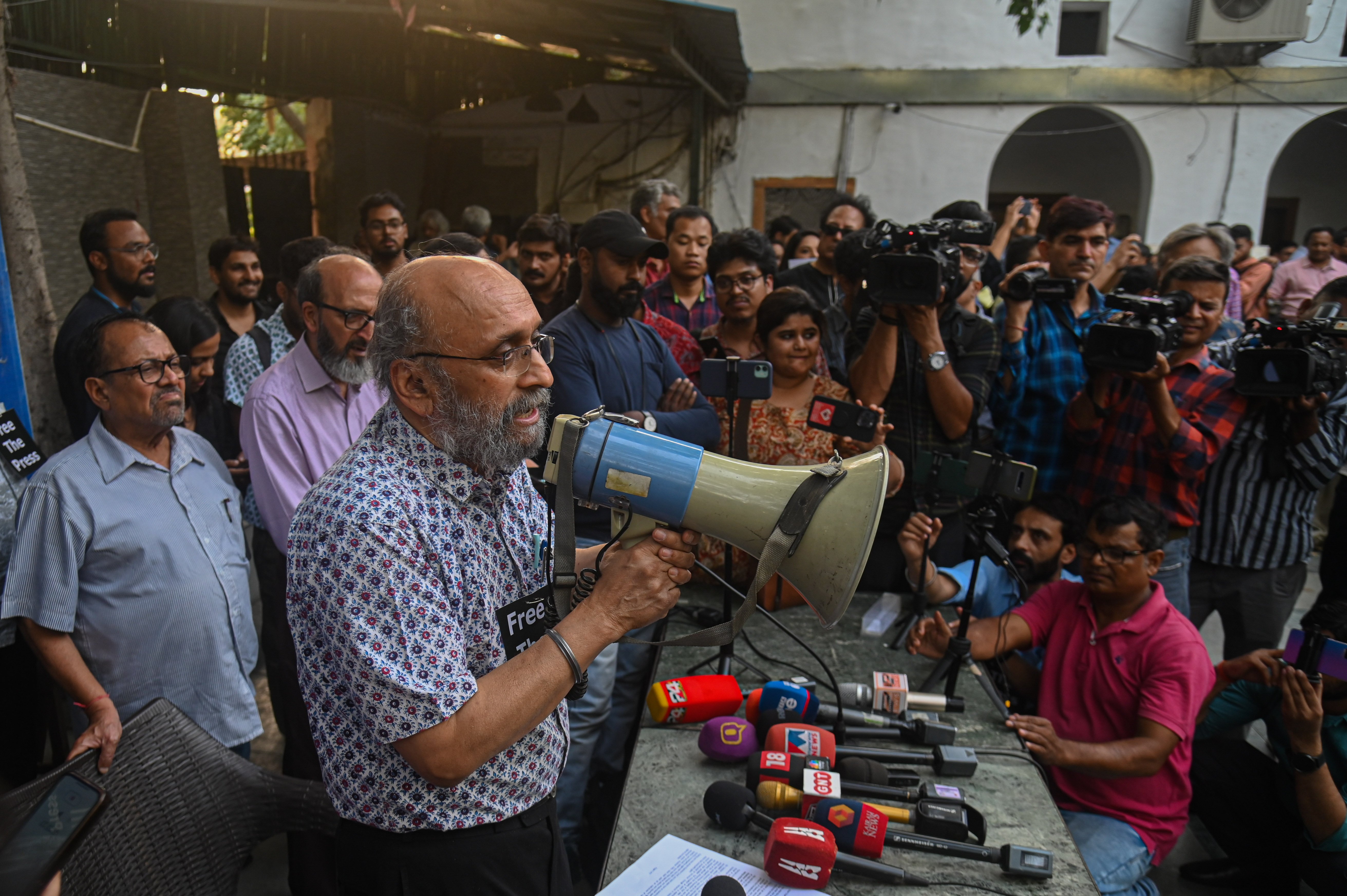
Across India’s small towns and conflict zones, thousands of journalists like Jha form the invisible backbone of the country’s media industry. They are known as “stringers”, freelance or semi-formal reporters who supply breaking news, videos, interviews and local access to television channels, newspapers, digital outlets and international media organisations.
They are often the first to arrive at riot sites, floods, train crashes, political rallies and police encounters. Yet many work without contracts, insurance, fixed salaries or institutional protection.
In many cases, they are paid only if a story gets aired.
“Twenty years ago, one story would fetch ₹1,500 to ₹2,000 (around USD 16–22 at current exchange rates),” Jha said. “Now the same story gets ₹300 or ₹500 (roughly USD 3–5).”
For reporters covering rural districts spread across 50 to 100 kilometres, the economics barely work. Petrol, travel, mobile data and camera equipment often cost more than what they earn for a day’s reporting.
“If a stringer spends the whole day covering one story, ₹500 is gone in expenses itself,” Jha said. “Then what remains?”
India’s media industry has no official estimate of how many stringers operate across the country. But media scholars and reporters say they form the essential last-mile infrastructure of Indian journalism, especially outside metropolitan centres.
Twenty years ago, one story would fetch ₹1,500 to ₹2,000 (around USD 16–22 at current exchange rates),” Jha said. “Now the same story gets ₹300 or ₹500 (roughly USD 3–5)
An Informal “Arrangement”
Dr Tilak Jha, associate professor at the Times School of Media at Bennett University, said the system grew because most news organisations lacked deep grassroots networks.
“At the local level, newspapers and television channels do not have proper reach,” he said. “So stringers collect news, and media organisations pick from them.”
The arrangement, however, remains largely informal.
“There is no fixed model,” he said. “The work is contact-driven, and there is risk. Eventually, it is not very rewarding.”
The decline of India’s traditional media economy has only worsened the situation. Newspapers have lost advertising revenue to digital platforms. Television channels face falling viewership and intense competition from social media and YouTube.
“The media economy as a whole has been affected,” Tilak Jha said. “Stringers have always been at the receiving end, and the situation has worsened over time.”
In the western Uttar Pradesh city of Meerut, veteran journalist Lokesh Tandon remembers a time when stringers could make a living from reporting alone.
“When I started, we were paid for every story and every live,” said Tandon, who worked as a television stringer for years before launching his own digital platform, LTV Media. “If we travelled to another city, they paid for travel, food and accommodation.”
When I started, we were paid for every story and every live,” said Tandon, who worked as a television stringer for years before launching his own digital platform, LTV Media. “If we travelled to another city, they paid for travel, food and accommodation.
Back then, sending video footage was an ordeal in itself. Internet access was limited, and reporters compressed files into tiny sizes to fit within monthly data limits. Journalists hunted for areas with reliable mobile networks just to transmit live broadcasts.
“It was hard work,” Tandon said. “But journalism was respected.”
Today, he says, the business model has fundamentally changed.
“Now, instead of paying you money, they are taking money from you,” he said.
Tandon recalled being approached by a major television channel for a senior regional role. Instead of discussing reporting, he said executives asked how much advertising revenue or paid appearances he could bring in.
“They told me if I wanted politicians or businessmen on TV, I should collect money from them,” he said. “I told them, ‘You have contacted the wrong person. I do journalism. I don’t do business.’”
According to Tandon, many district reporters and stringers are now expected to function as both journalists and revenue agents, securing advertisements from local businesses and political figures to sustain their positions.
“To get advertisements, what will you do?” he said. “Either you flatter them, or you blackmail them using some scoop. Journalists are becoming brokers.”
“They told me if I wanted politicians or businessmen on TV, I should collect money from them,” he said. “I told them, ‘You have contacted the wrong person. I do journalism. I don’t do business.’”
Constant Pressure and Little Rewards
The pressures of survival have also transformed the culture of reporting itself. Stringers describe living in a relentless 24-hour race for speed and visibility: forwarding clips to editors, competing in WhatsApp groups, and chasing stories at all hours because missing one major event can mean losing future assignments.
“If something happens at 2 a.m., the stringers still have to reach there,” Virender Jha said. “The reporter sitting in Patna or Delhi has shifts, vehicles, and facilities. The stringer has nothing.”
Yet despite doing much of the legwork, many say they receive little public credit.
“The name of the stringer is never mentioned,” Jha said. “Sometimes they don’t even give us an ID card.”
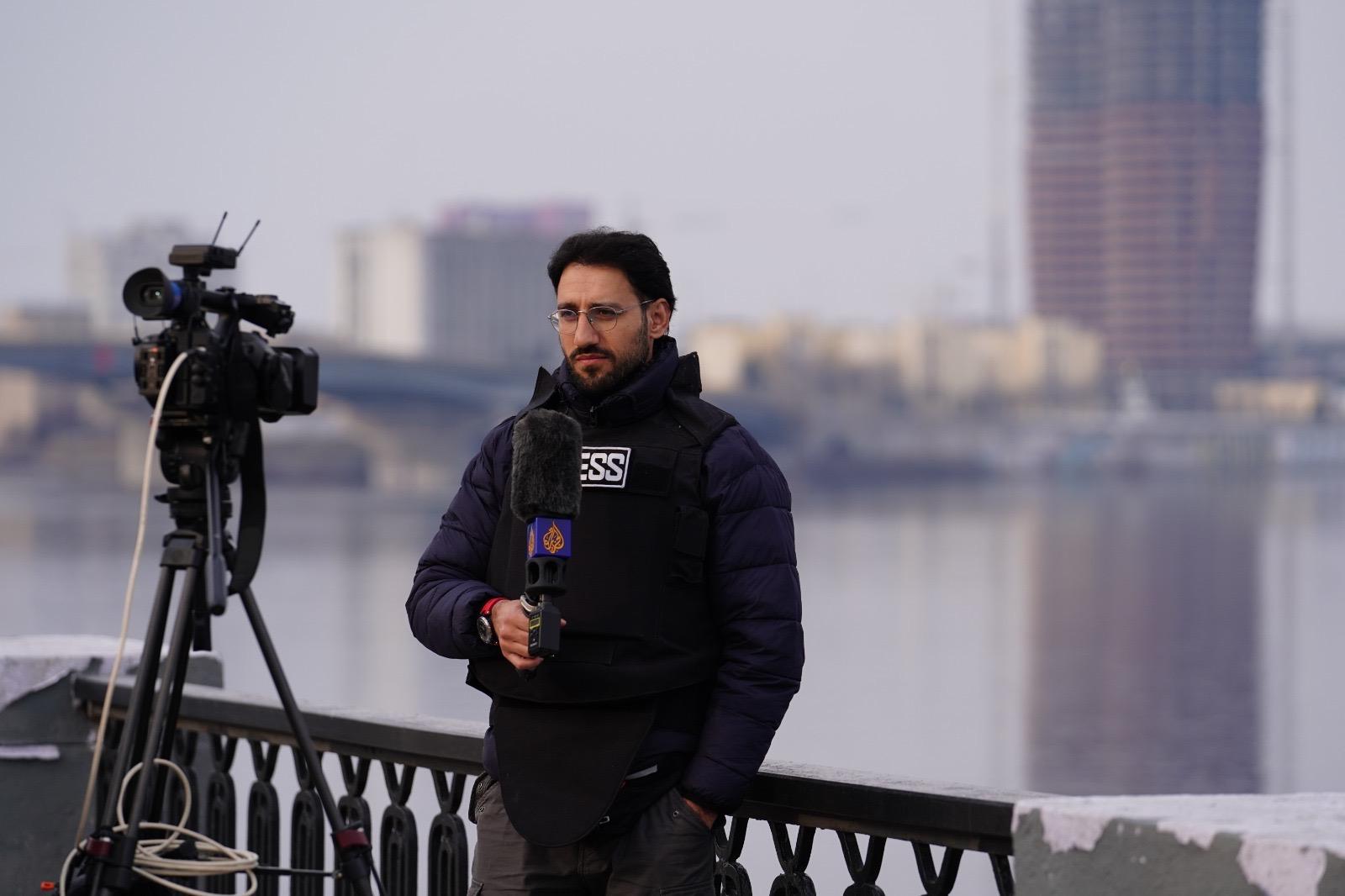
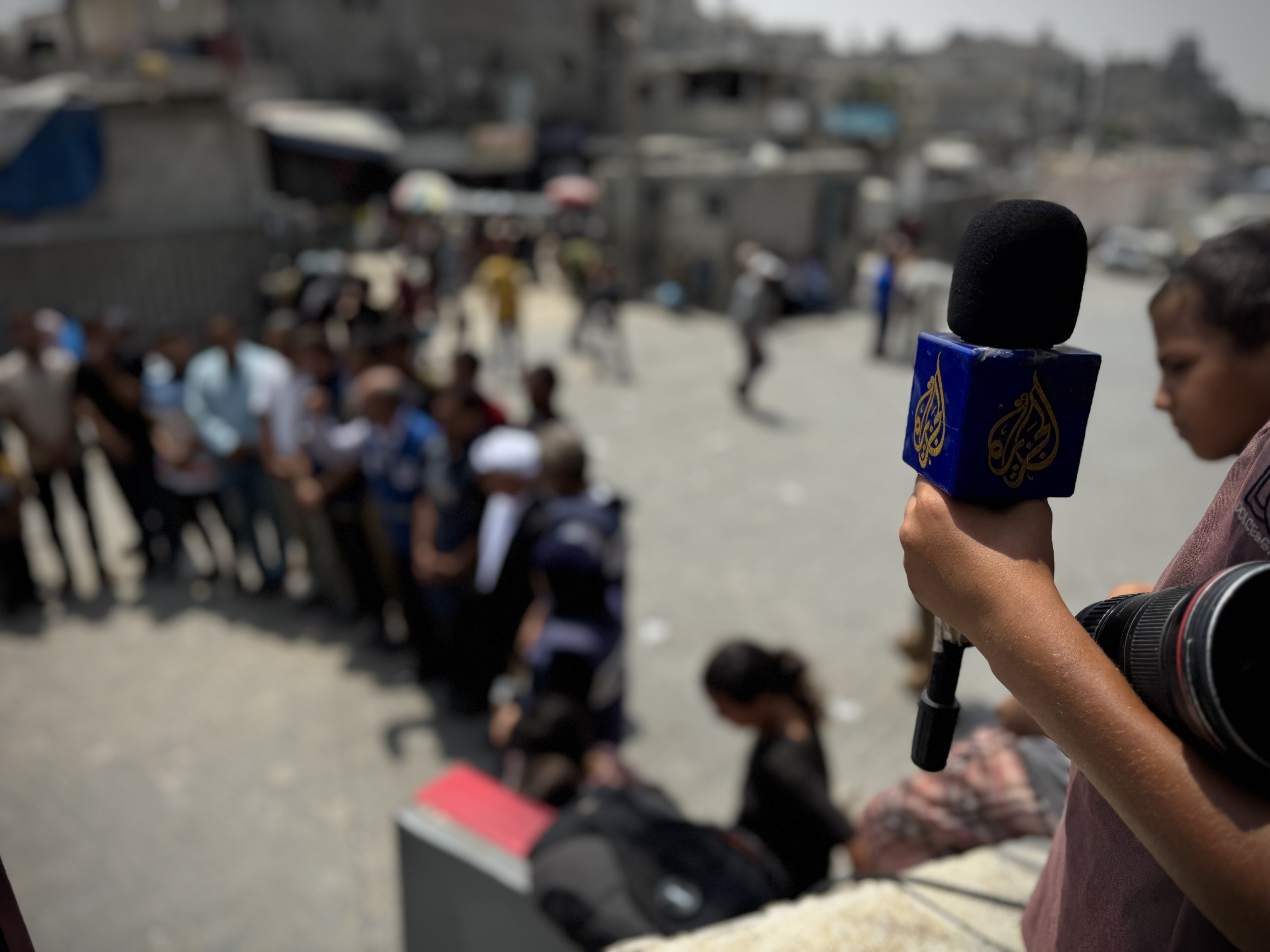
Without official press identification, access becomes difficult during emergencies or police operations. Some stringers say they rely only on microphone covers bearing channel logos — items that can easily be duplicated.
“Officials ask for media cards,” Jha said. “If you don’t have one, you face problems.”
The absence of institutional protection becomes most visible when legal trouble begins.
Stringers working in politically sensitive regions say they are frequently the first targets of police complaints, defamation cases or intimidation by local authorities and criminal groups.
“The channel seldom intervenes when you land in trouble with the administration,” Jha said. “FIRs were filed against me after we ran stories against the administration. I informed the channel, but I had to fight the case myself.”
No Ownership and Little Editorial Control
The vulnerability of local stringers became starkly visible during the COVID-19 pandemic, when several journalists died while covering the crisis.
Tandon alleges that some organisations distanced themselves from stringers after their deaths.
“The newspapers issued letters saying those journalists were not working for them,” he said. “They make stringers sign undertakings saying they are working voluntarily and not officially employed.”
Because many stringers are hired through third-party arrangements or informal agreements, families often struggle to claim compensation or institutional support after injuries or deaths.
The precariousness extends beyond economics and safety. It also shapes editorial control.
Hadee Saleem, a stringer based in Indian-administered Kashmir, recalled leaving national television work after a story he helped report in Kashmir was reframed with what he described as a sensational headline. The backlash online, he said, deeply affected the family featured in the report.
“We told them to remove the headline,” he said. “They refused because the story was performing well on social media.”
The experience, he said, revealed how little control local contributors often retain once footage reaches metropolitan newsrooms.
Stringing remains one of the few available pathways into journalism for people outside metropolitan cities, especially for those with local contacts, regional language skills and deep familiarity with their communities.
Media scholars say this imbalance reflects broader hierarchies inside Indian journalism, where reporters in tier 1 cities like Delhi, Mumbai or state capitals often receive recognition while district-level contributors remain anonymous.
“Stringers in small towns earn one-fourth or one-fifth compared to mainstream journalists,” Tilak Jha said.
At the same time, politicians and bureaucrats increasingly bypass traditional media altogether through social media platforms and direct communication channels.
“Earlier, politicians depended heavily on newspapers and television,” he said. “Now they have WhatsApp, Instagram, Telegram and their own PR teams.”
As advertising revenues shrink and public trust in media declines, many organisations have reduced investments in local reporting networks while increasing pressure on those who remain.
“The traditional media failed to reinvent itself,” Tilak Jha said. “The idealism that was there in journalism is no longer there.”
Some stringers have responded by launching their own YouTube channels or local digital platforms, hoping to escape dependence on large media organisations.
Tandon did exactly that.
After years of working for television networks, he created his own local outlet in Meerut. The earnings are uncertain, but he says independence matters.
“At least now nobody asks me how much business I can bring,” he said.
Still, for most district reporters across India, leaving is not easy.
Stringing remains one of the few available pathways into journalism for people outside metropolitan cities, especially for those with local contacts, regional language skills and deep familiarity with their communities.
Sometimes the footage airs nationally within minutes. Sometimes a metropolitan anchor narrates the story without mentioning who gathered it. Sometimes the reporter who risked reaching the scene first earns nothing at all.
“But we continue to work, despite all these economic and logistical challenges,” said Jha.