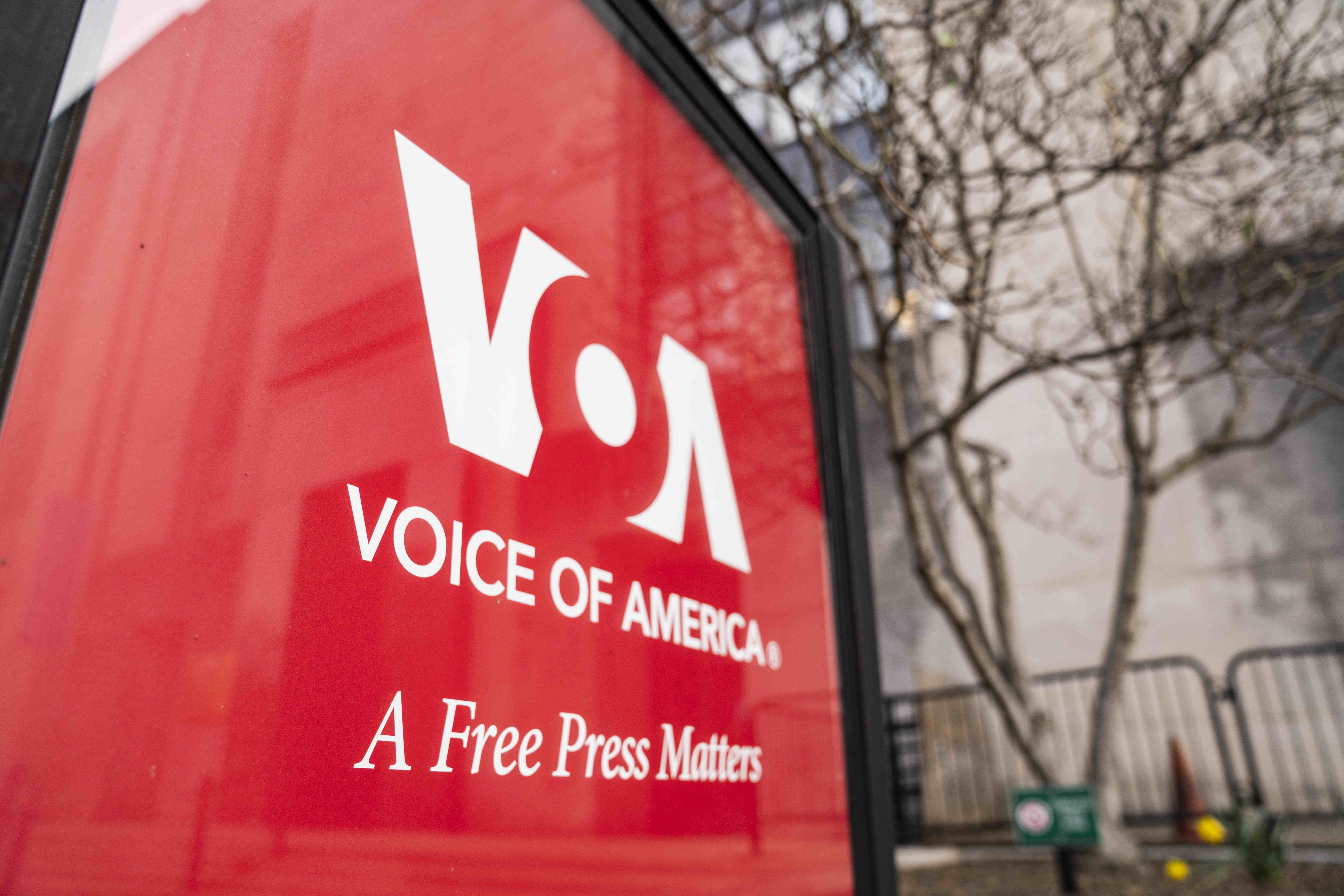


Recent restructuring at Voice of America and The Washington Post marks a significant withdrawal from global journalism, particularly affecting coverage in South Asia. As these major institutions cut staff and close foreign bureaus, the loss of experienced expertise threatens the visibility of critical regional issues like human rights and climate change. This shift forces a move toward narrative independence for local media, yet leaves a dangerous gap in the global conversation that smaller newsrooms struggle to fill.
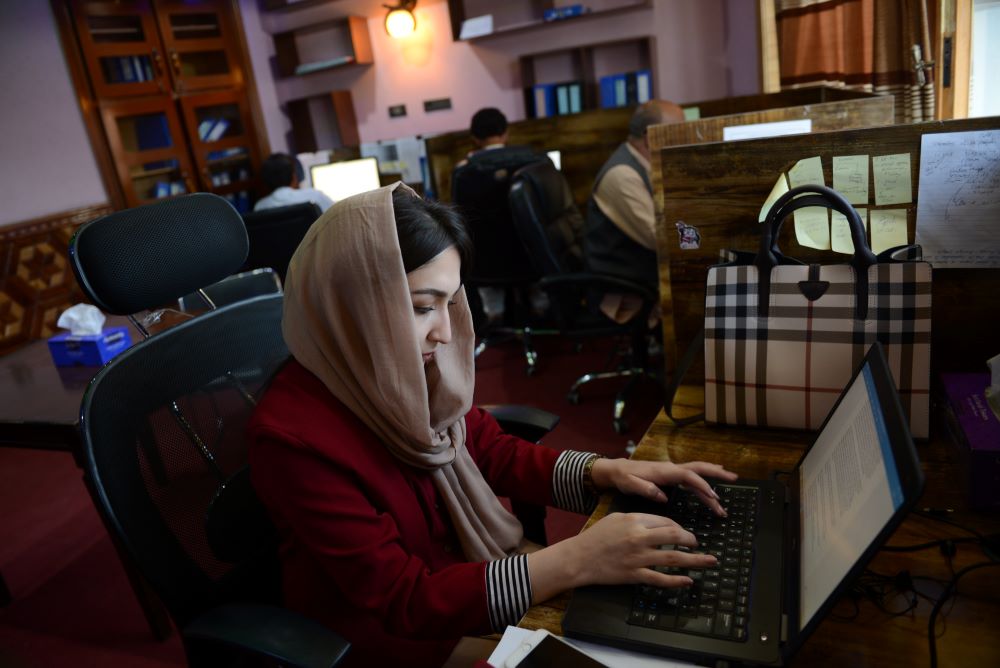
New Delhi: On a recent afternoon inside the Washington Post’s Washington newsroom, the mood was subdued. Reporters quietly packed books, notebooks and framed photographs from their desks as news of layoffs spread through internal emails and hurried conversations.
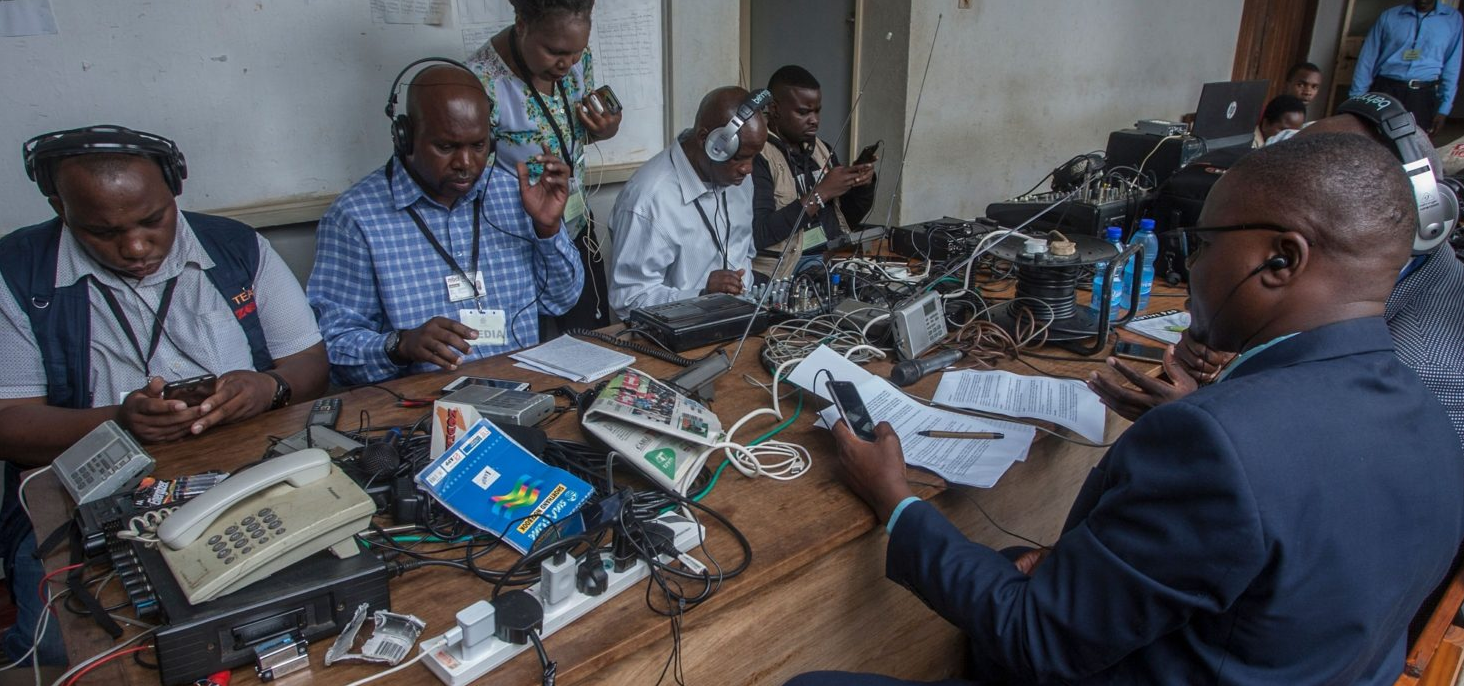
For many journalists who had spent years reporting from distant regions, from Kabul to Kathmandu, the moment felt like more than a routine restructuring. It felt like the slow contraction of the global newsroom itself.
The recent wave of layoffs at The Washington Post has triggered concern across the journalism world, raising questions about how international stories, particularly from regions like South Asia, will be covered in the future.
Earlier this year, the newspaper began a major restructuring that included cutting a significant portion of its staff as part of an effort to stabilise finances in an increasingly difficult media environment.
While the immediate impact is being felt inside American newsrooms, journalists say the consequences will ripple far beyond the United States.
“When foreign desks shrink, the first casualty is depth,” said Ananya Chatterjee, a journalist who previously worked with several international publications covering South Asia. “It becomes harder to maintain consistent coverage of complex regions where stories require time, language skills and long-term relationships.”
For many journalists who had spent years reporting from distant regions, from Kabul to Kathmandu, the moment felt like more than a routine restructuring. It felt like the slow contraction of the global newsroom itself.
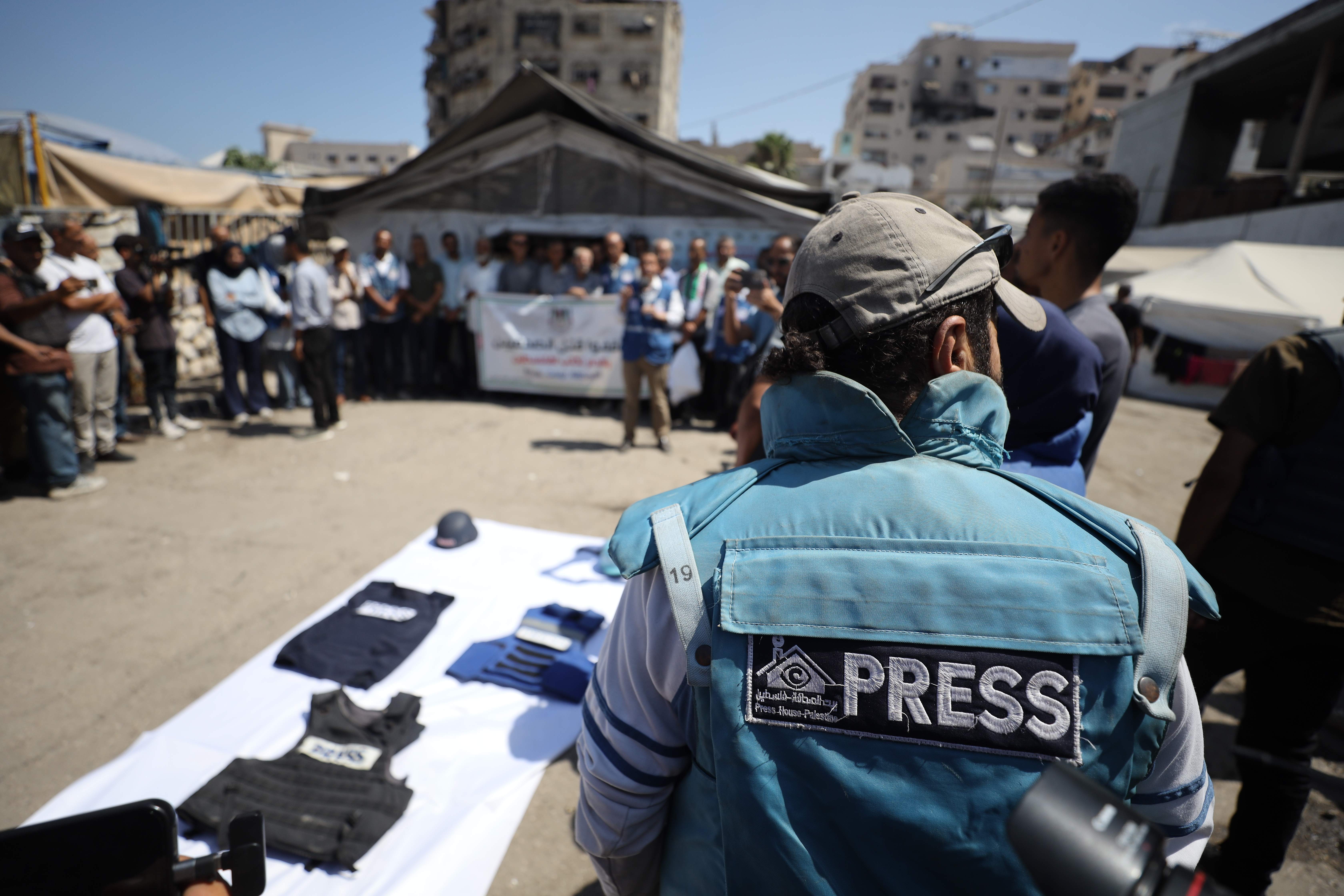
The changes come after another shock to international media. In 2025, the U.S. government-funded broadcaster Voice of America (VOA) went through restructuring that led to furloughs and job losses among journalists who had spent decades reporting on politics, conflict and social change across Asia and the Middle East.
For many reporters who built careers in these institutions, the developments signal a structural shift in global journalism.
“These organisations carried institutional memory,” said Farid Hussain, a former VOA editor who covered South Asia for more than two decades. “There were journalists who knew every political shift in the region and had sources built over years. When those people leave, that knowledge disappears with them.”
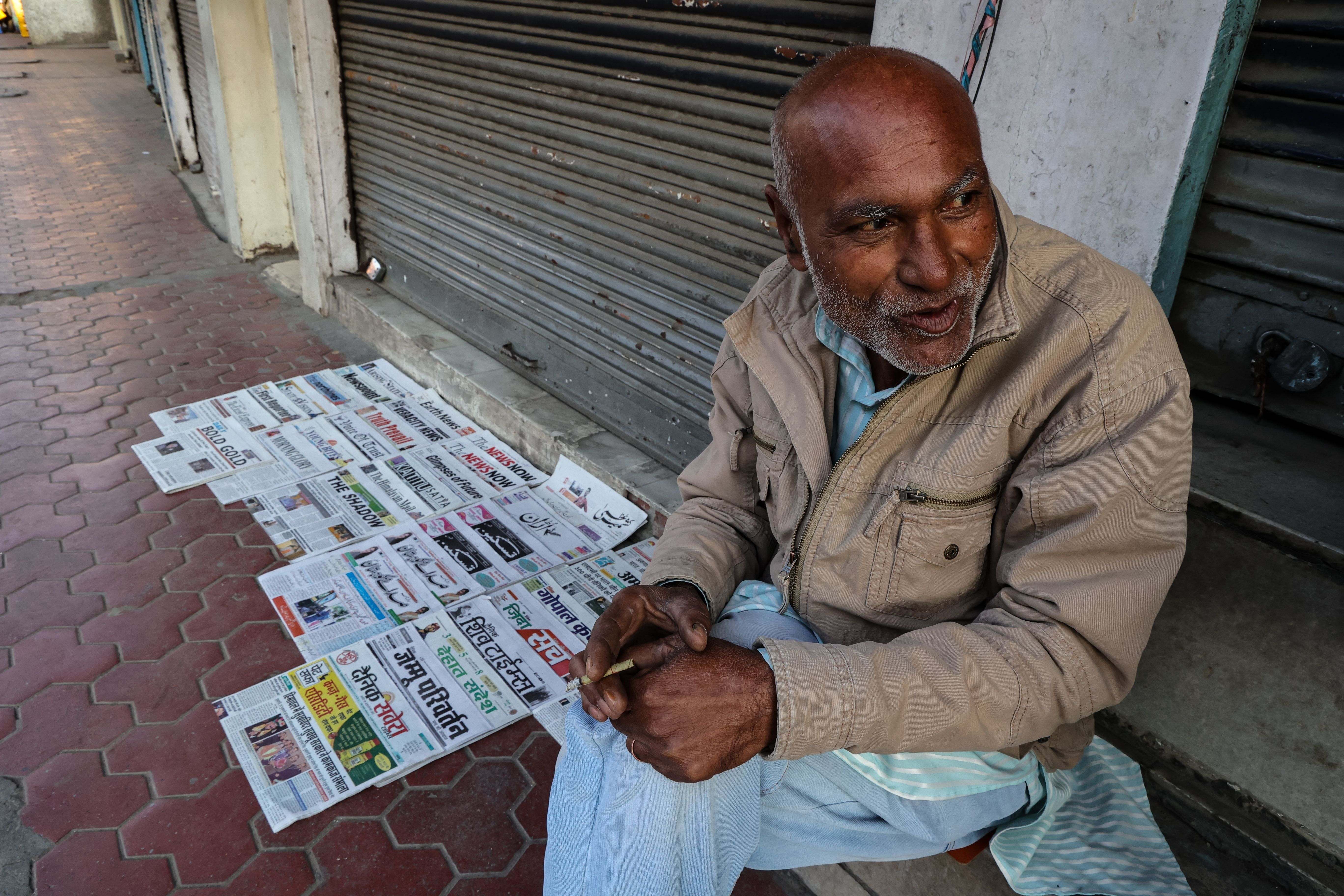
South Asia, home to nearly two billion people, has long depended on international media outlets to amplify stories that struggle to gain visibility in domestic news environments. Reporting on issues such as religious violence, climate displacement, surveillance and minority rights often reached global audiences through foreign correspondents working for major publications based in the United States or Europe.
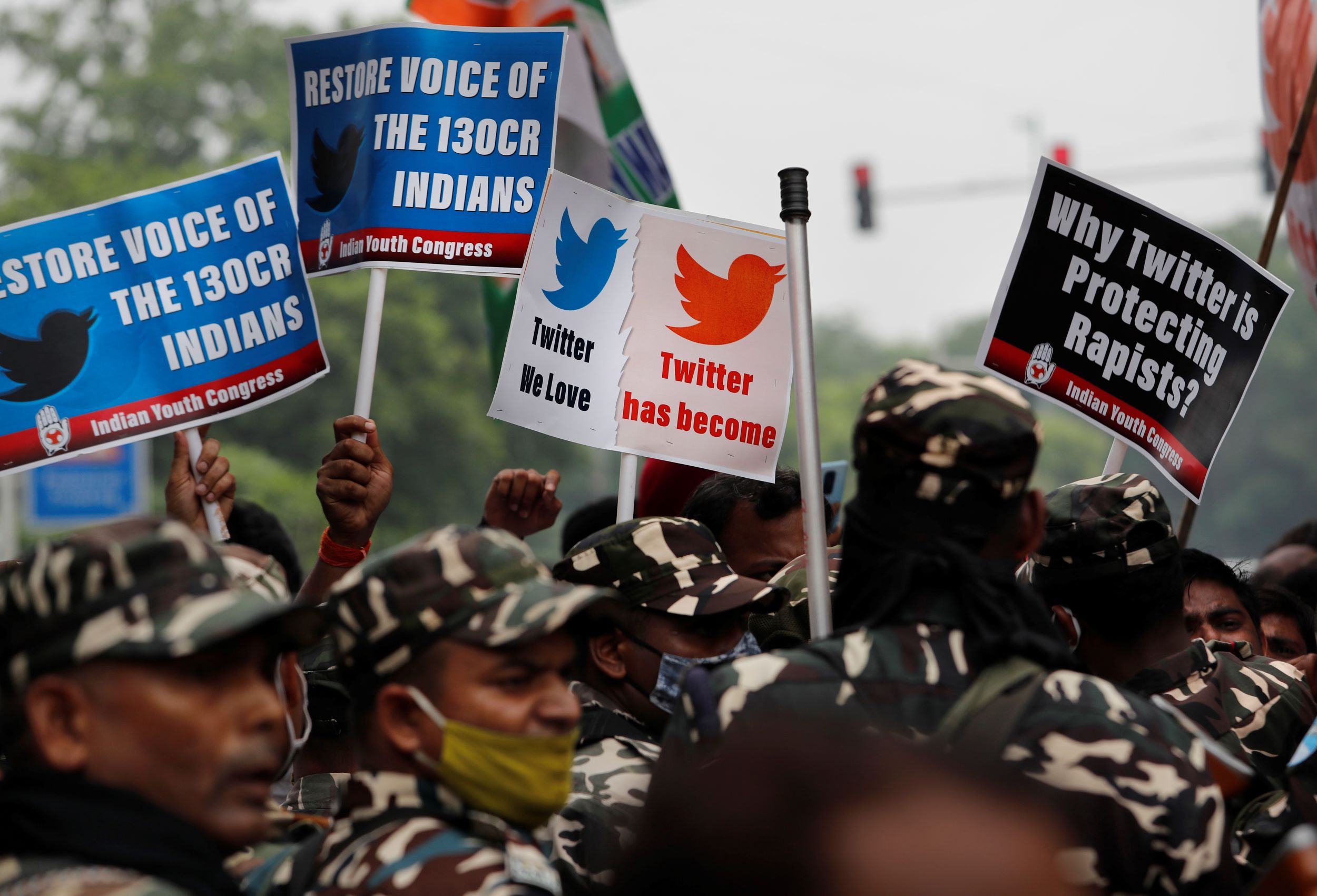
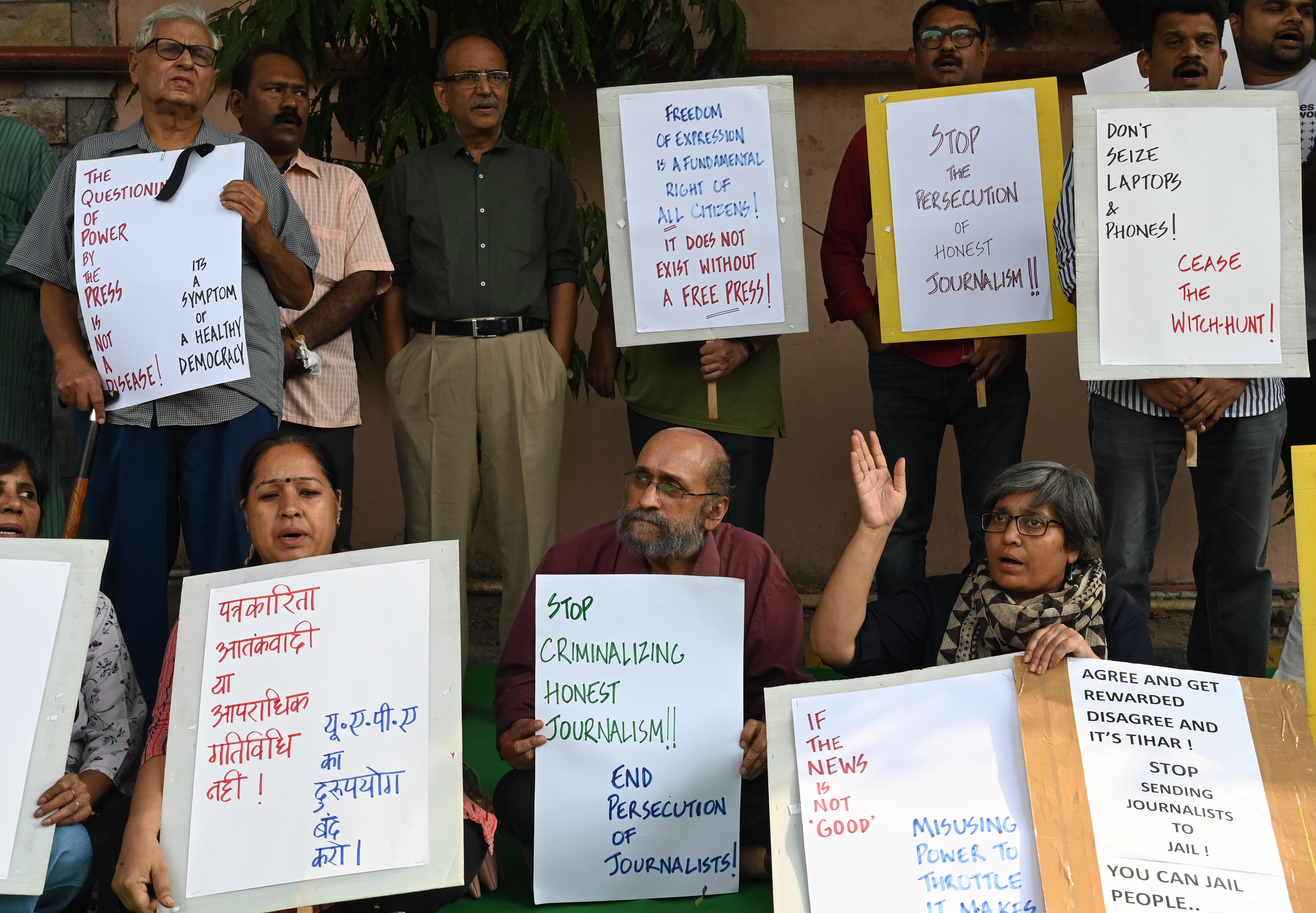
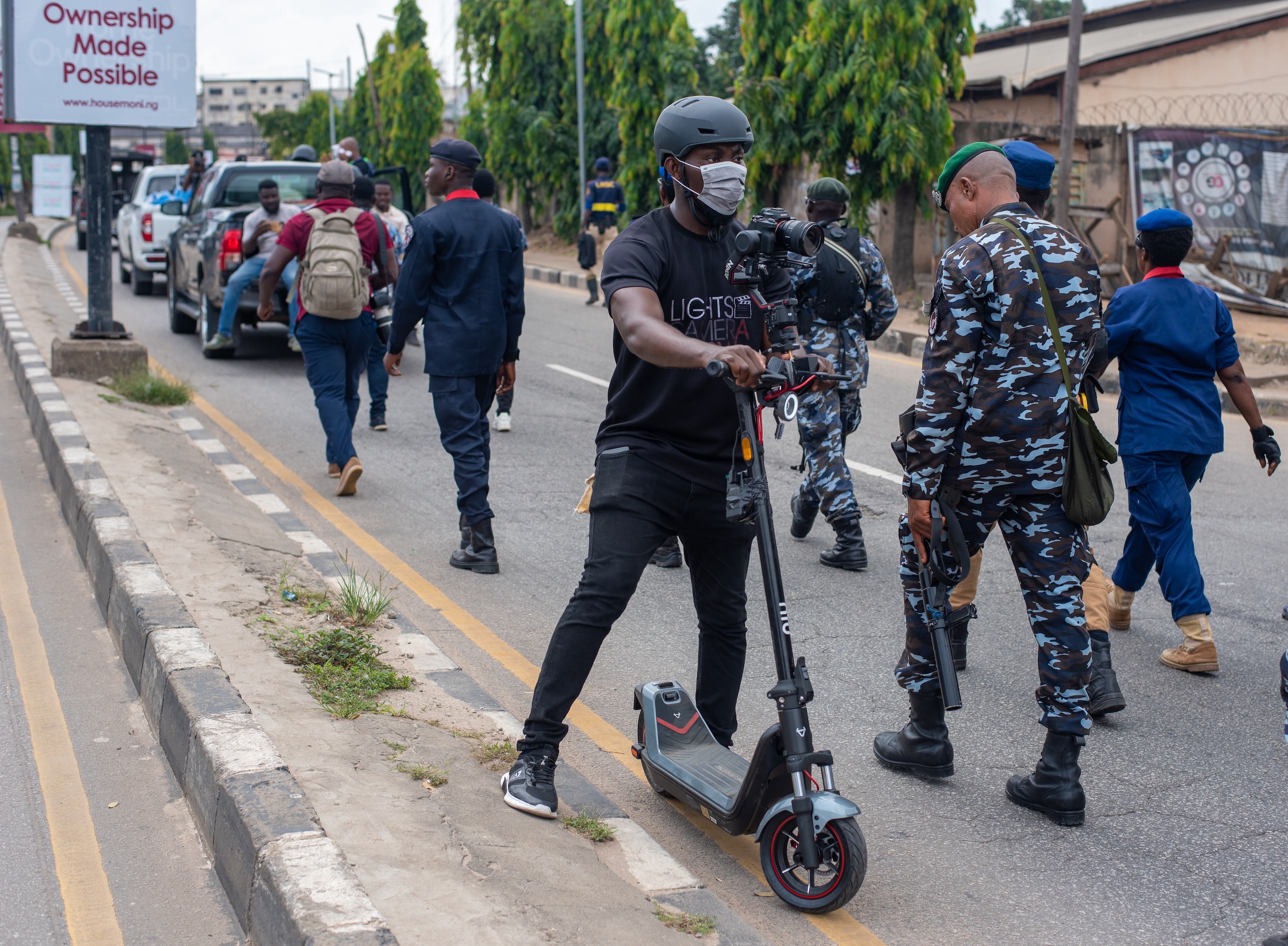
“When these newsrooms scale back their foreign reporting, entire categories of stories risk disappearing,” said Pakistani media researcher Dr. Naila Raza. “Local journalists frequently operate under legal and political constraints. International platforms historically offered a layer of visibility and protection.”
When these newsrooms scale back their foreign reporting, entire categories of stories risk disappearing. Local journalists frequently operate under legal and political constraints. International platforms historically offered a layer of visibility and protection.
The decline of international reporting is occurring amid a broader economic crisis in journalism. Advertising revenue has fallen sharply over the past decade as technology companies dominate digital advertising markets.
At the same time, audiences increasingly consume news through social media platforms rather than traditional outlets. Maintaining foreign bureaus, often among the most expensive operations in a newsroom, has become difficult for many organisations to sustain. But some analysts say the shrinking of American international media also reflects a changing geopolitical landscape.
Voice of America: Part of US Public Diplomacy Strategy
Voice of America, established during the Second World War, was created not only to provide news but also to project American values abroad. For decades it functioned as part of the United States’ public diplomacy strategy, broadcasting in dozens of languages across the developing world.
“There was always a dual role,” said Professor Daniel McCarthy, a media historian at Georgetown University. “These outlets produced serious journalism, but they were also instruments of U.S. soft power.”
Voice of America, established during the Second World War, was created not only to provide news but also to project American values abroad. For decades it functioned as part of the United States’ public diplomacy strategy, broadcasting in dozens of languages across the developing world.
In many parts of South Asia, that dual role produced both opportunities and debate. Local journalists often worked as contributors or collaborators for international media organisations, gaining access to funding, training and a global audience. For smaller newsrooms with limited resources, such partnerships sometimes made ambitious reporting possible.
“International outlets allowed us to pursue stories that local editors were hesitant to publish,” said Bangladeshi journalist Rahman Kabir, who has worked with several global publications. “They gave us space to report on issues like labour rights and climate migration.”
Yet such relationships could also create dependence. “When much of your visibility comes through foreign-funded media, editorial priorities can shift,” Kabir said. “Stories that resonate internationally sometimes receive more attention than local concerns.”
The contraction of American newsrooms is now forcing journalists and media organisations across South Asia to reconsider that dynamic. Digital outlets in India, Pakistan, Bangladesh and Sri Lanka have grown rapidly over the past decade, experimenting with reader-funded models and nonprofit structures. Some analysts see this moment as an opportunity for regional journalism to develop stronger independent platforms.
When much of your visibility comes through foreign-funded media, editorial priorities can shift. Stories that resonate internationally sometimes receive more attention than local concerns.
“South Asia needs to build its own narrative infrastructure,” said Indian media policy expert Shubham Patel. “For too long, global attention depended on Western institutions.”
But Patel warns that replacing the reporting capacity of major international organisations will not be easy.
“Foreign bureaus employed experienced correspondents, editors and researchers who could spend months working on a story,” he said. “That level of investment is difficult for smaller newsrooms to replicate.”
For journalists who are now leaving large international outlets, the changes have also been deeply personal. Many spent years cultivating sources and trust across communities in South Asia, relationships that cannot easily be transferred to new reporters or platforms.
“You don’t build those networks overnight,” Chatterjee said. “They come from years of being present in the field.”
Some displaced journalists are now turning to independent newsletters, nonprofit investigative groups or collaborative cross-border reporting projects. These new models may eventually reshape international journalism, but for now they remain uncertain experiments.
The stakes extend beyond the profession itself. Some displaced journalists are now turning to independent newsletters, nonprofit investigative groups or collaborative cross-border reporting projects. These new models may eventually reshape international journalism, but for now they remain uncertain experiments.
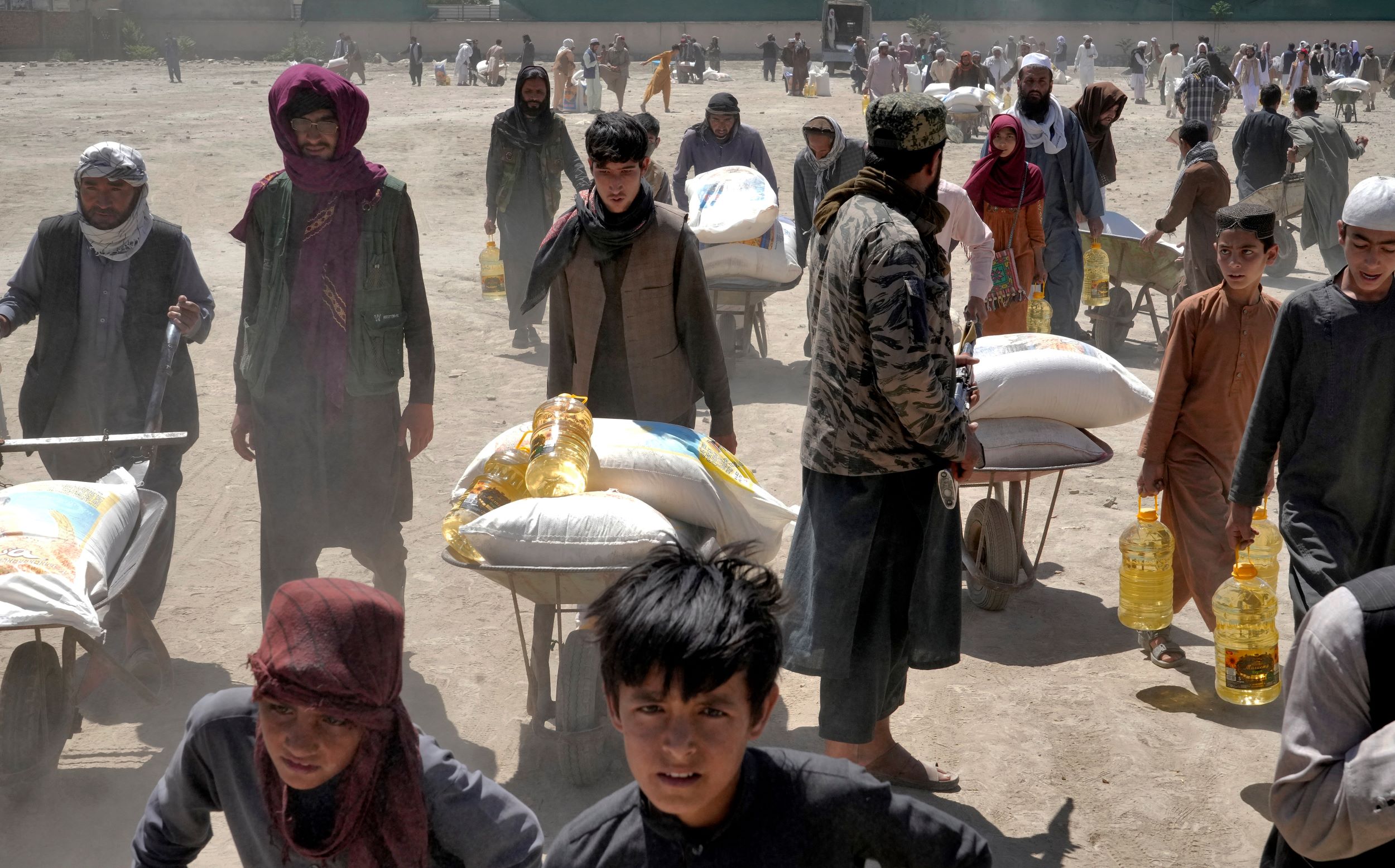
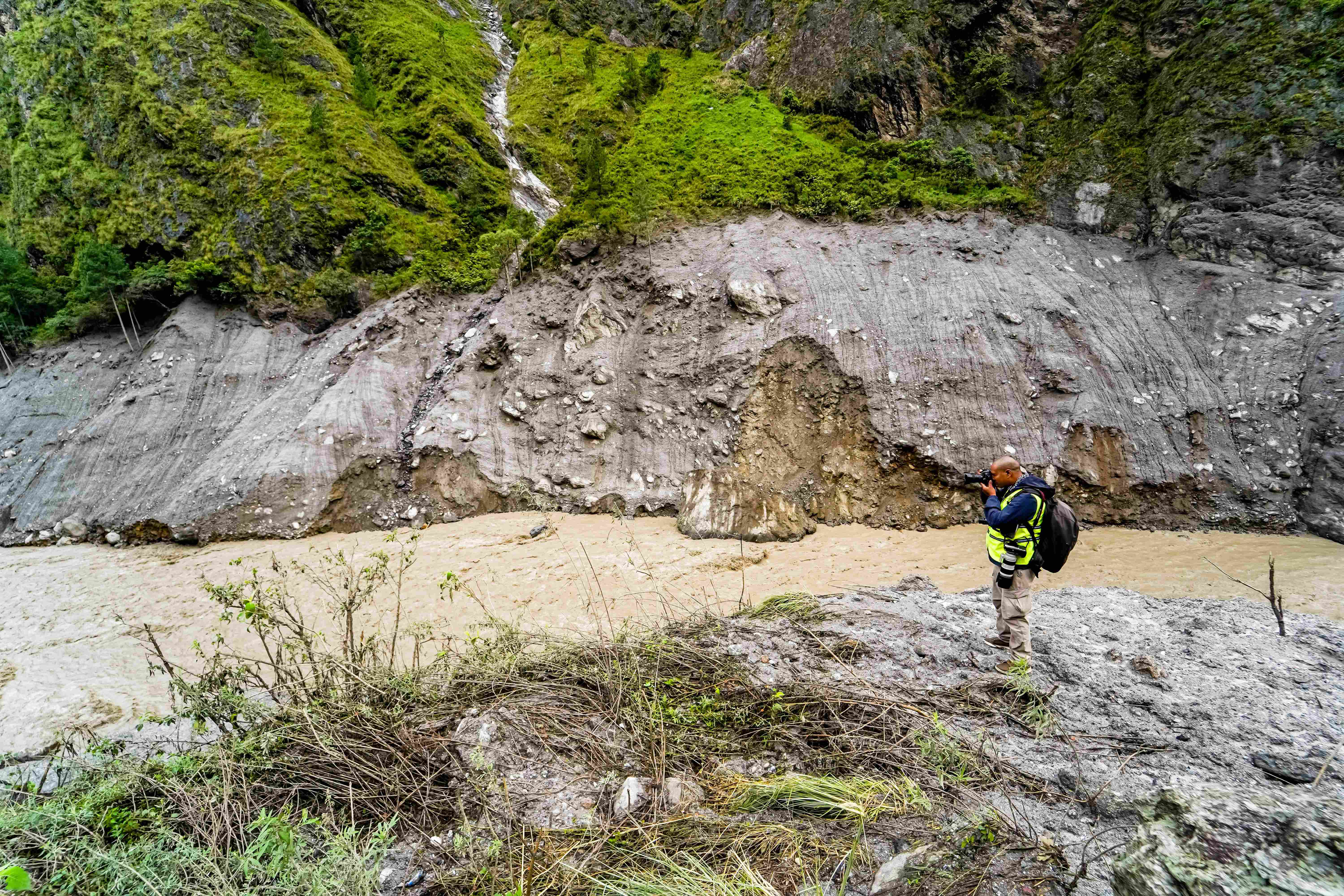
The stakes extend beyond the profession itself. International coverage has often played a critical role in drawing global attention to crises in South Asia, from floods in Pakistan and Bangladesh to political unrest in Sri Lanka and human rights concerns across the region.
“When international media highlight these issues, it can create pressure for accountability,” said Raza. “Without that spotlight, many communities lose an important channel for visibility.”
For others, the shrinking of Western newsrooms signals a deeper transformation in how global narratives are produced.
“There is a risk that the world becomes less informed about large parts of the Global South,” Patel said. “But there is also a chance for new voices to emerge.”
Back in Washington, as desks are cleared and editorial teams reorganised, the consequences of those decisions are only beginning to unfold. For the journalists leaving these institutions, and for the regions they once covered, the question is no longer just about jobs. It is about whether the stories of nearly a quarter of humanity will continue to find a place in the global conversation.