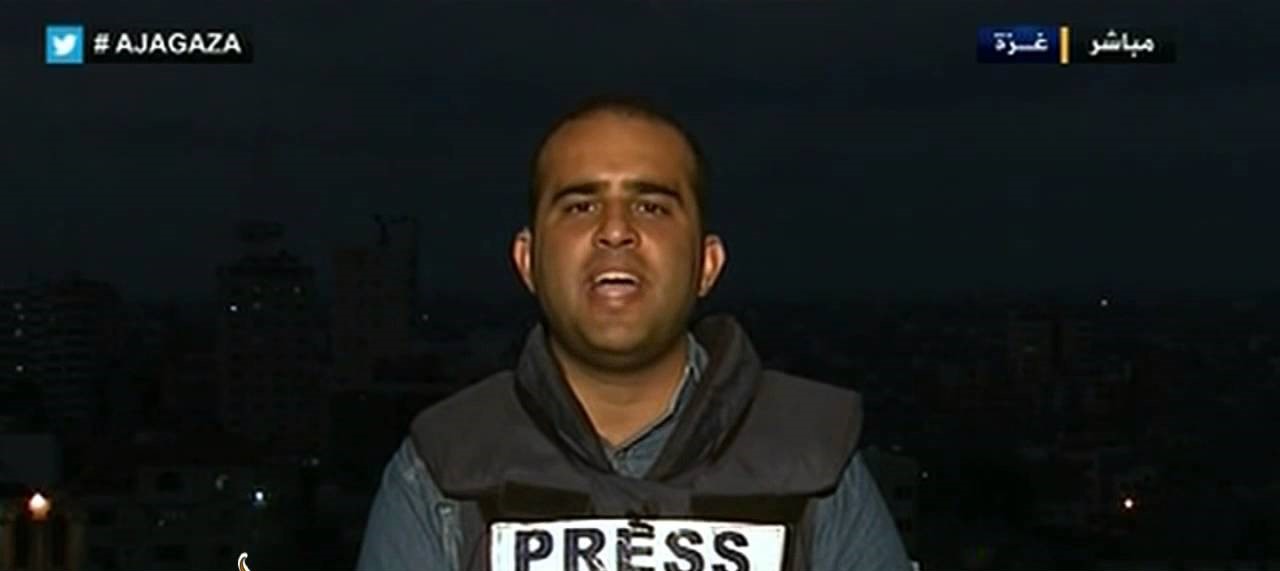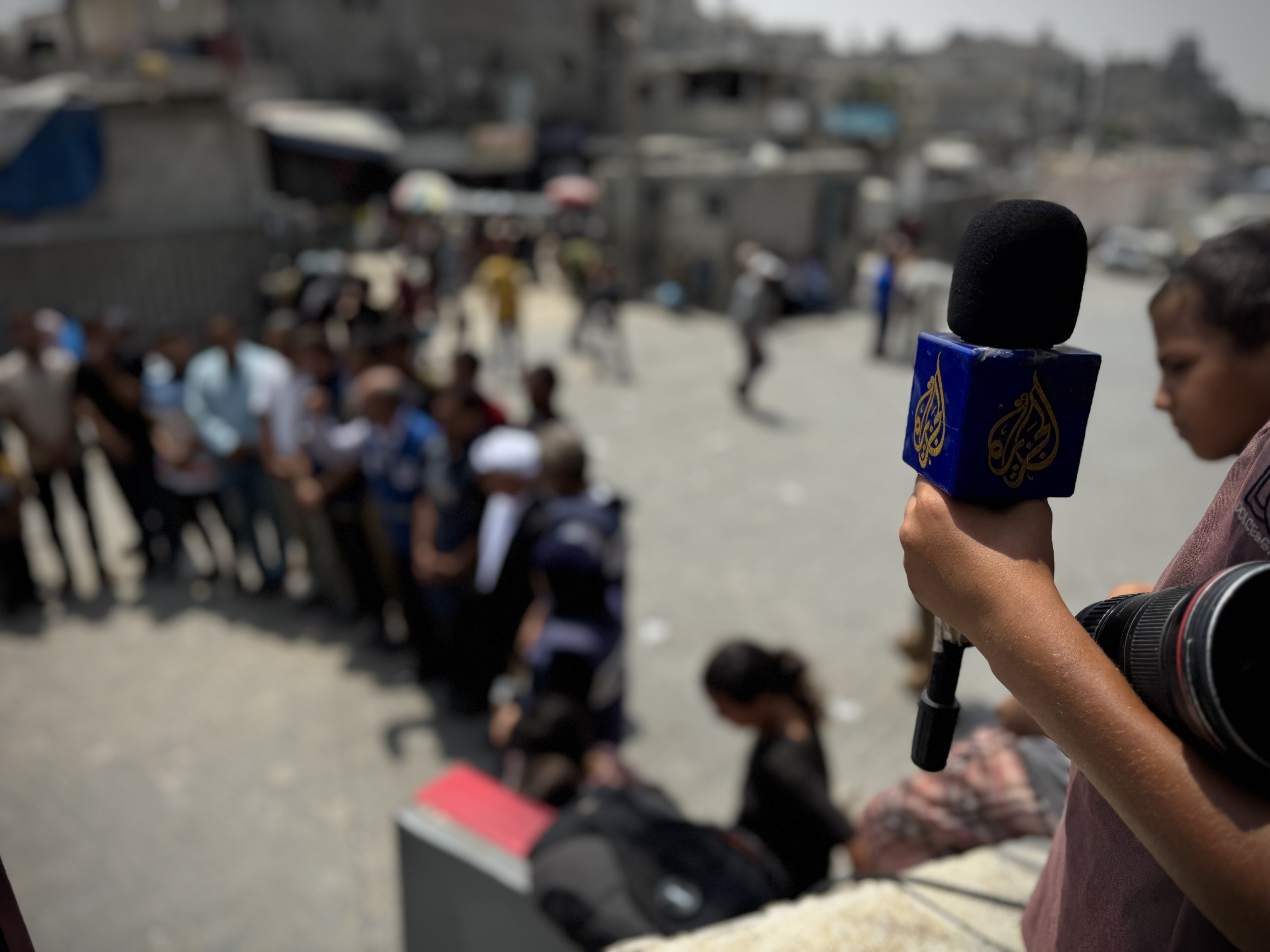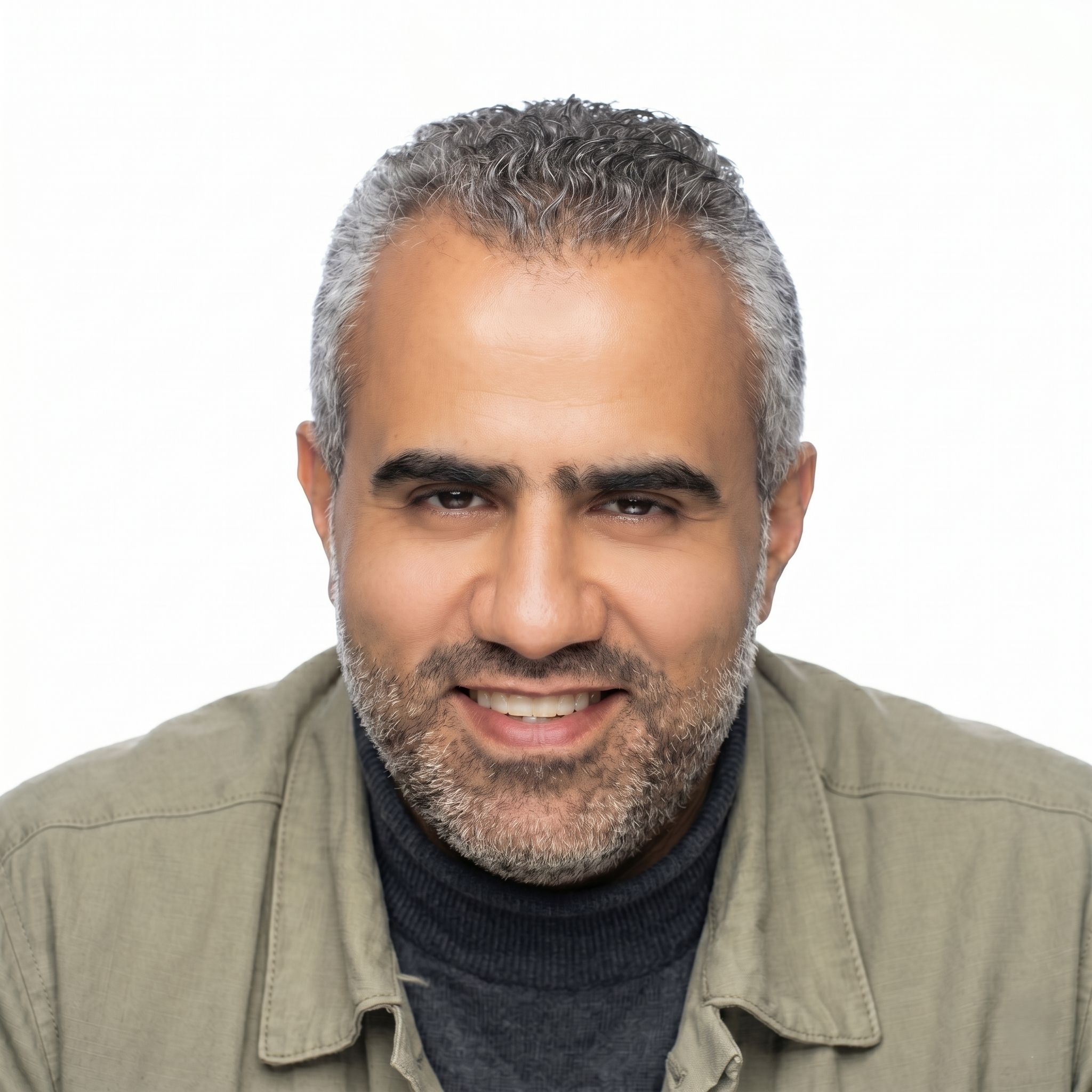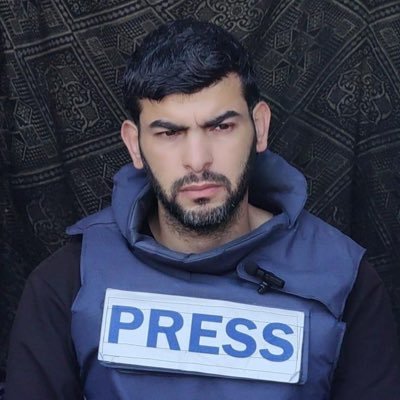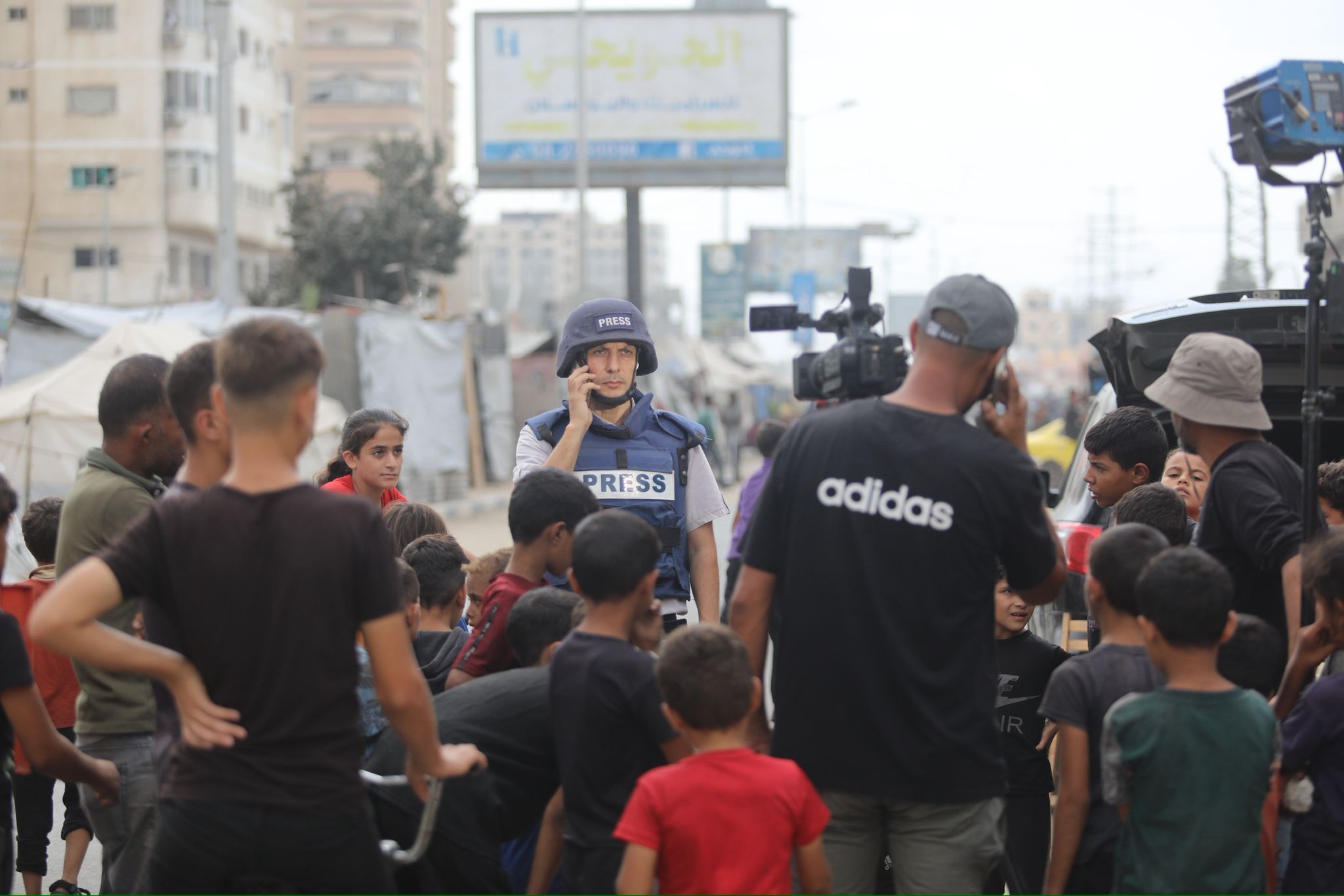
From the very first moment of the genocidal war waged by Israel on Gaza, Al Jazeera correspondent Hisham Zaqout has been a witness to hunger, devastation, war crimes, and the assassination of his colleagues in the field. It is a battle for survival and documentation, one that goes beyond mere coverage and daily reporting.
When we are asked how we managed to cover the war on the Gaza Strip amid such harsh conditions, direct targeting, and the occupation’s persistent efforts to silence every voice and image coming out of the territory, the question is not about journalistic techniques as much as it is about a philosophy of survival.
For over 700 days, we carried out the longest continuous war coverage in modern history, not only as journalists, but also as eyewitnesses.
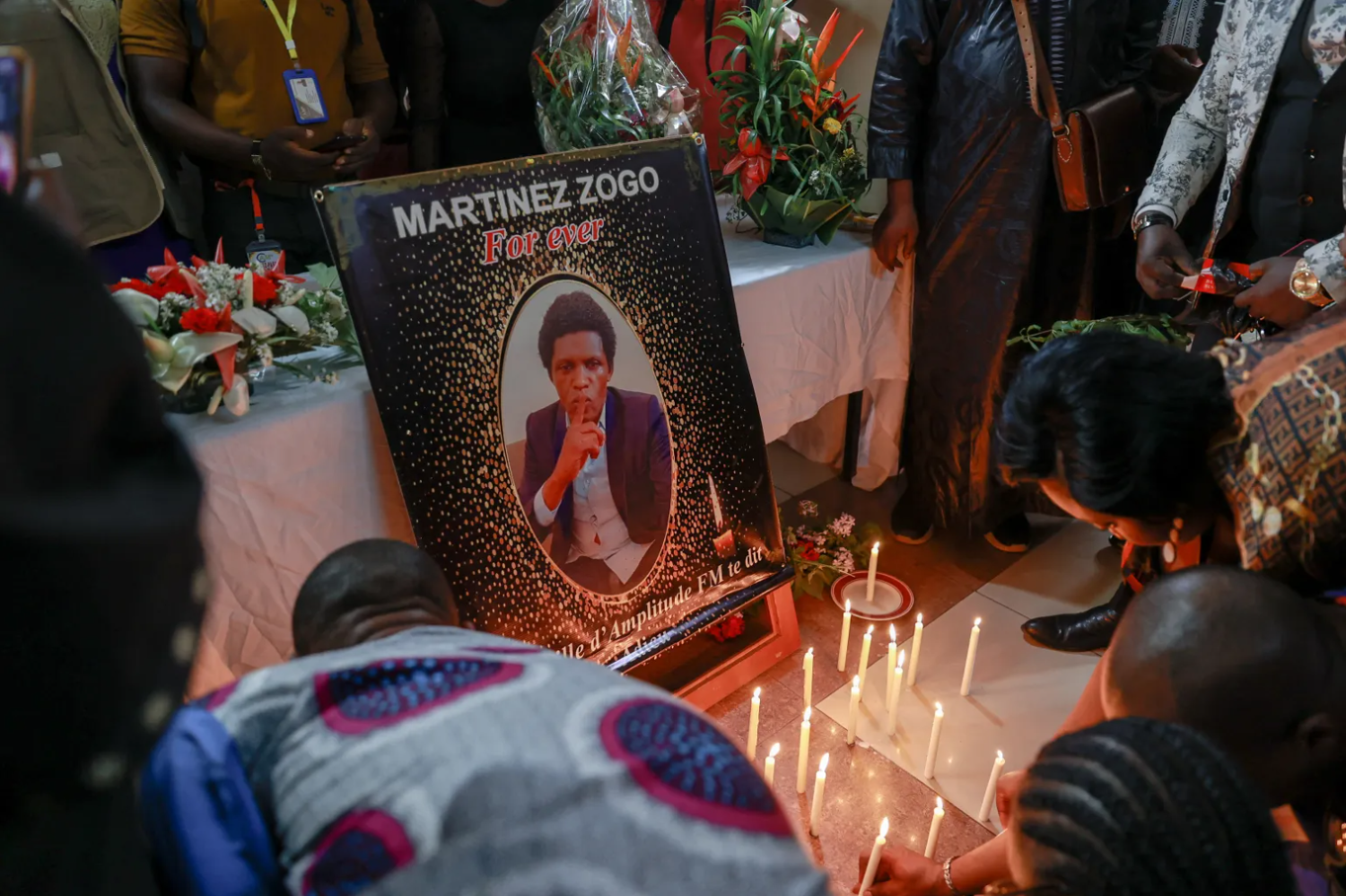
Throughout this war, we went through extraordinary experiences and developed skills essential for staying alive and continuing our work, even as we lost a fellow journalist almost every day. More than 255 journalists were systematically killed by Israeli forces, often following incitement, simply because they were witnesses to the truth.
Today, I write about part of my lived professional experience, chapters shaped over two years in Gaza.
Witnesses to Genocide
In the early days of the war, we moved through the streets to document airstrikes and report from the ground. But as the Israeli offensive escalated into a campaign of annihilation, targeting everything in Gaza, our mission transformed. Speed was no longer our priority; documentation became paramount. The journalist’s role shifted from simply covering the event to recording a historic atrocity: the testimonies of a people being exterminated.
This shift became the cornerstone of long-term war reporting. It was no longer a question of 'What happened today?' But how do I document what happened as evidence of a crime? In response, we adopted new protocols in the field.
We had to move beyond victim statistics. Numbers can numb. They risk stripping events of their human dimension. The real work was resisting the reduction of victims to digits. We named them, told their stories, and sought the details behind each martyrdom.
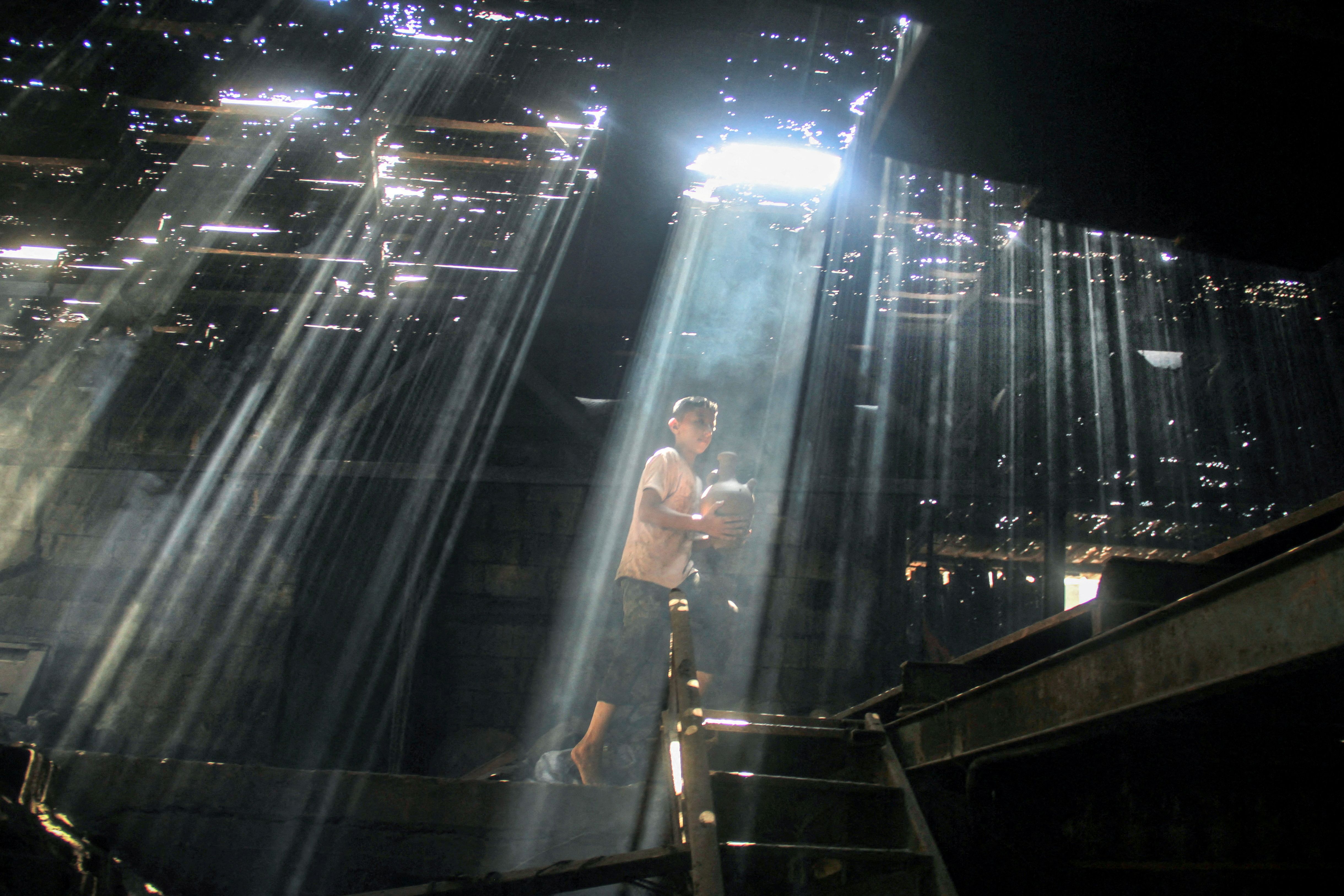
We also learnt to seek the small, poignant details that captured the whole narrative, not just wide shots of destruction. We aimed for moments that disrupted desensitisation and forced viewers to reflect. We realised it was critical not just to document destruction, but to preserve traces of life before it. We aired images and footage of Gaza before the war alongside images of its rubble, a contrast that leaves a lasting imprint on the viewer’s memory.
Most importantly, we treated every video as evidence. When documenting the site of a bombing, we carefully recorded time and location, filmed remnants of munitions and missiles, and captured survivor testimony. This practice elevated the footage from a news report to a potential legal document.
We had to move beyond victim statistics. Numbers can numb. They risk stripping events of their human dimension. The real work was resisting the reduction of victims to digits. We named them, told their stories, and sought the details behind each martyrdom.
Safety First and Foremost
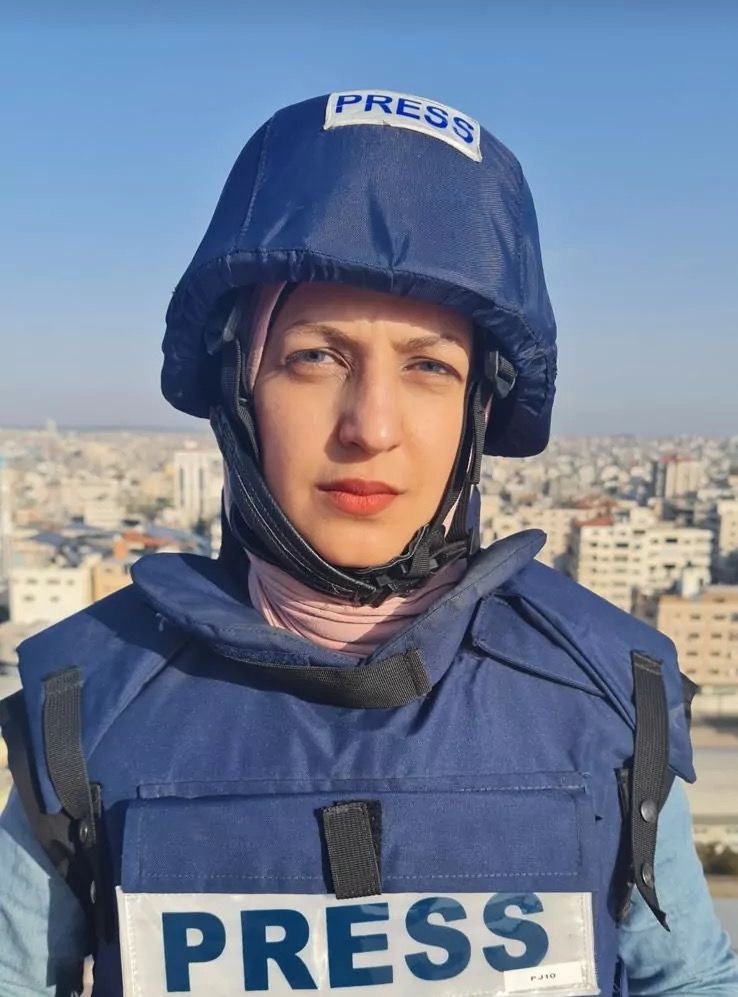
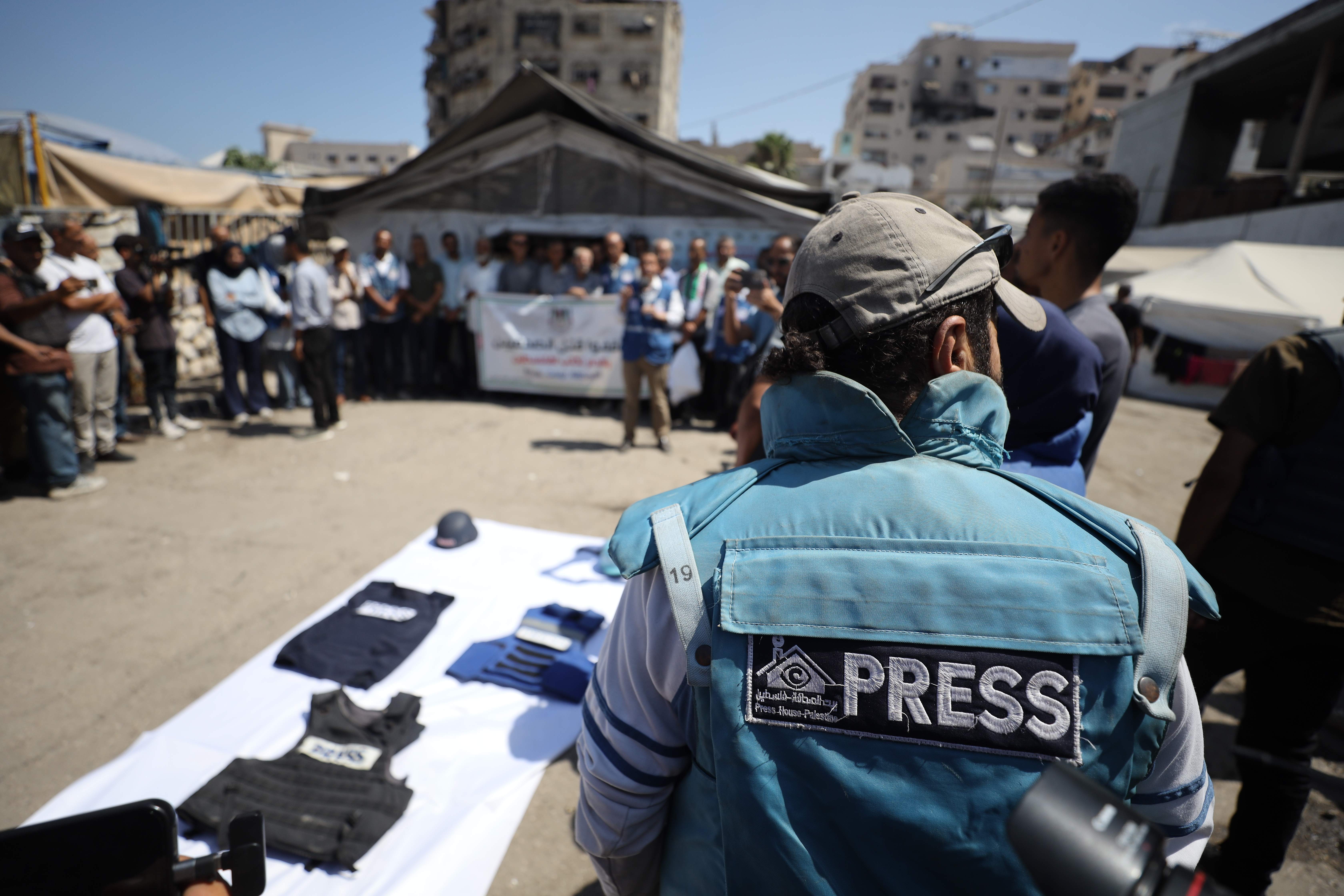
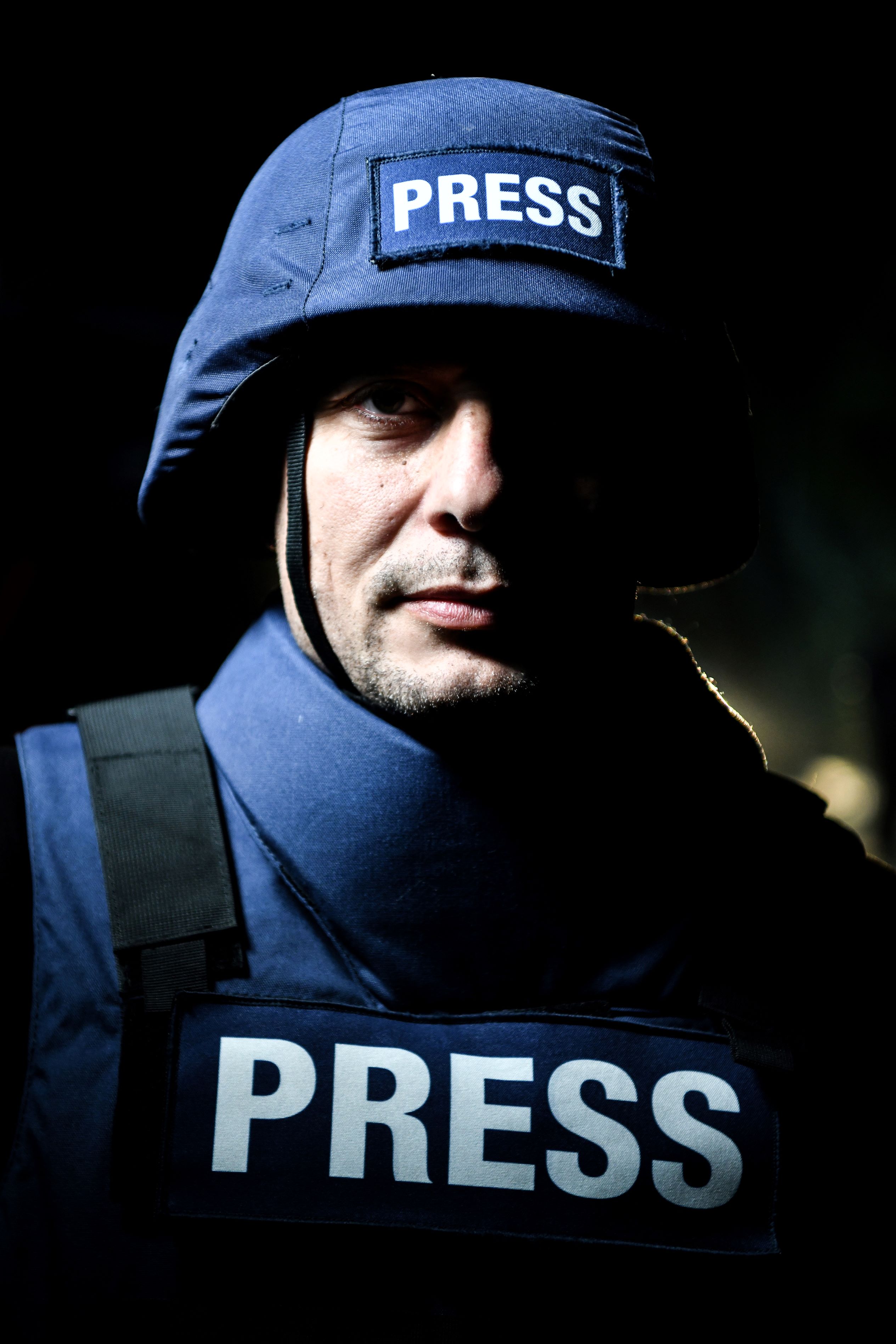
When we talk about professional safety in Gaza, we are speaking of something that simply does not exist. There was no such thing as a safe place. Israeli forces crossed every red line: they bombed hospitals, places of worship, and all forms of infrastructure, whether vital or media-related. Medical teams, civil defence units, and journalists were deliberately targeted. In such conditions, the press vest and helmet became mere symbols, offering no real protection. In fact, experience taught us that wearing them could, at times, increase the danger rather than mitigate it.
We came to understand that real safety lies in mindset, not in gear. Survival depended on setting aside time for planning, field analysis, and strict discipline. It required what is known as situational awareness, the ability to comprehend what is happening around you, interpret those cues, and anticipate what might come next. This involved continuously monitoring the environment, staying alert, and evaluating threats. We constantly sought information from our surroundings, speaking with local residents, ambulance drivers, and civil defence teams. But a journalist must always be questioning: Why are the streets suddenly empty? Is the sound of the drones different this time? Are they louder than usual, possibly signalling an imminent strike? These were all danger signals that could precede bombardment or ground incursions.
It was also critical to understand that field conditions were in constant flux. A road used to reach a location might no longer be viable for return. Moving at night was rarely an option. What you found in the market today, supplies or equipment, might be entirely unavailable tomorrow under Israel’s ongoing siege. The rule was: Delay nothing. Expect the worst. Complete your tasks today.
As a result, we never stored all of our equipment in a single vehicle or location, be it a tent, an office, or a car. We distributed gear across team members and various sites to ensure that if one part of the team was attacked, the others could continue the work.
Sustained coverage also required securing the basic necessities of life, not just equipment. The team had to plan for storing adequate amounts of food, water, fuel, and medical supplies, and just as importantly, securing the means to transport them. In a prolonged war, ensuring access to these essentials becomes part of the journalist’s responsibilities.
Perhaps the most crucial point in this safety system was the necessity of having a designated team leader. In moments of danger, democracy can be deadly. A disagreement over whether to withdraw or stay could mean the difference between life and death. The leader must be chosen in advance, and their decision must be followed immediately and without debate in critical moments. Any discussion could wait until everyone returned to safety.
We came to understand that real safety lies in mindset, not in gear. Survival depended on setting aside time for planning, field analysis, and strict discipline. It required what is known as situational awareness, the ability to comprehend what is happening around you, interpret those cues, and anticipate what might come next. .
Journalism Ethics Under Fire
During the war on Gaza, the martyrs and the wounded were not strangers; they were our neighbours, our friends, and in some cases, our family members. As a result, the principles of journalistic ethics and objectivity took on a different, more complex dimension, shaped by deeply personal and situational considerations. The overriding rule, however, was clear: the dignity of the victim must come before everything else.
We constantly asked ourselves: Is showing this bloodied face essential to telling the story, or is it merely a form of shock exploitation? Does this image document a crime, or does it violate the dignity of the person shown?
For that reason, instead of focusing on the victim’s facial features, we turned our attention to the broader scene: medics and civil defence teams working tirelessly to save lives, victims being transported with rudimentary means, and the massive destruction caused by heavy missiles. In our view, this was a deeper, more powerful form of documenting the crime, one that did not rely on exploiting individual pain.
Even in the midst of chaos, there were ways to obtain consent before filming, often through simple, nonverbal communication: a glance, a nod. That was enough to begin recording. Conversely, the moment someone – a survivor, a resident, or a hospital patient – asked us to stop, we stopped immediately. Because a journalist’s humanity is inseparable from their professionalism.
Perhaps the most crucial point in this safety system was the necessity of having a designated team leader. In moments of danger, democracy can be deadly. A disagreement over whether to withdraw or stay could mean the difference between life and death.
The Mobile Phone Is the Solution
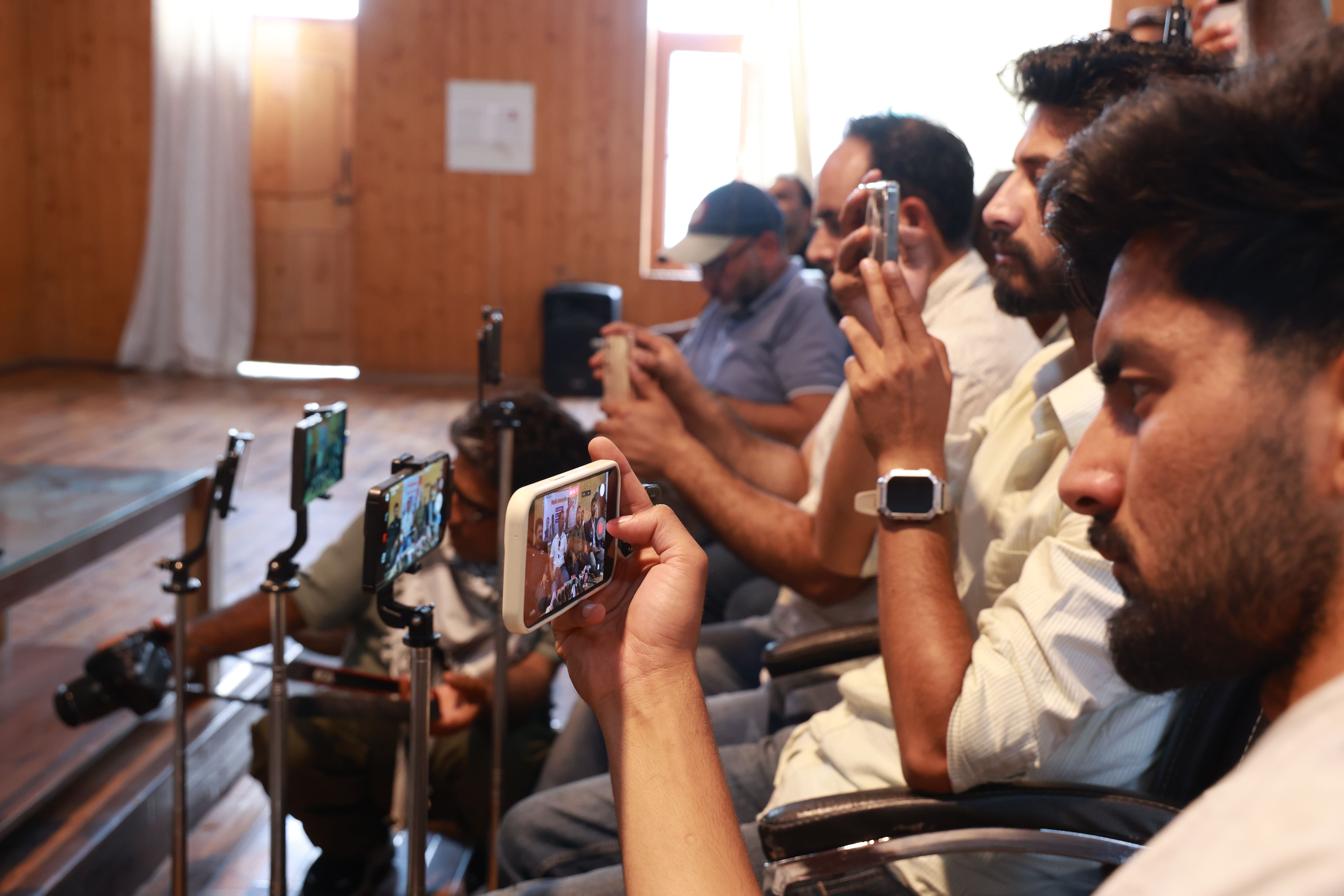
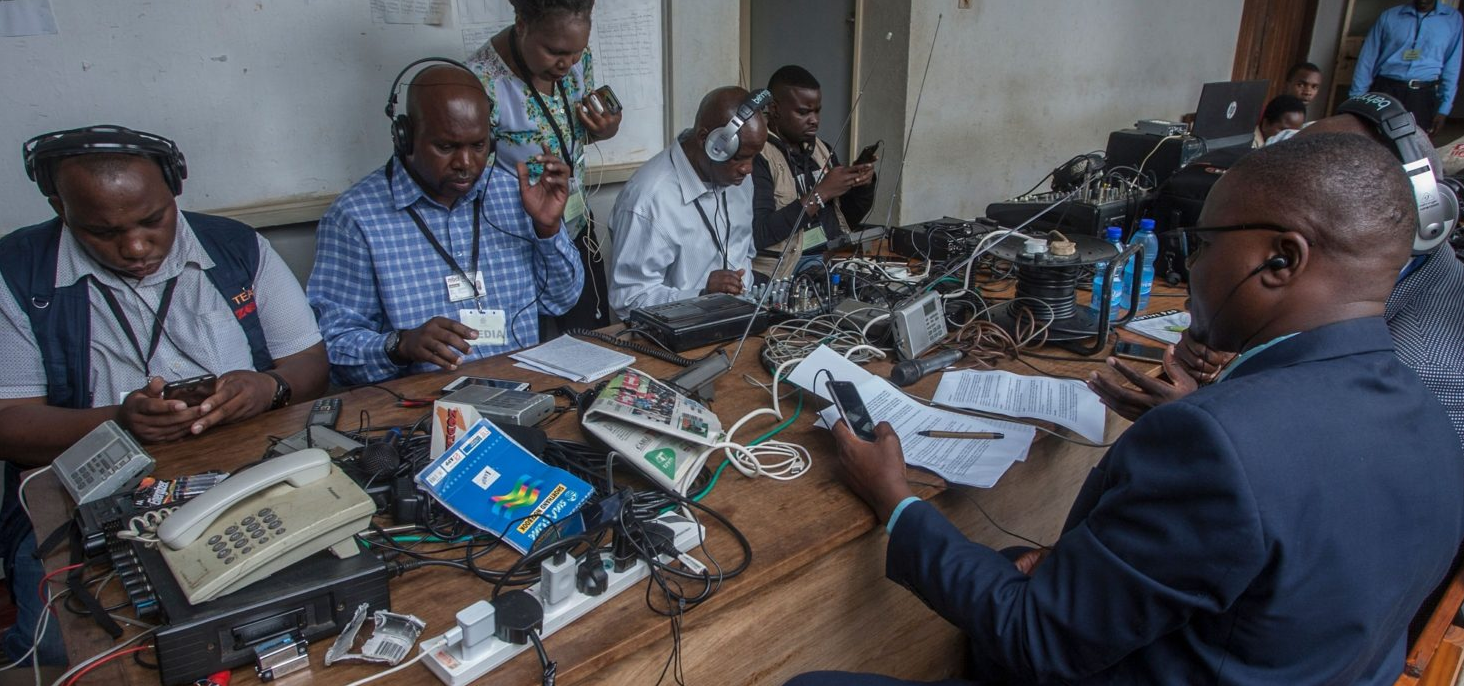
The destruction of offices, along with constant power and internet outages, posed major obstacles to coverage. In response, the mobile phone became our fully functional newsroom. For the past two years, I haven’t touched a sheet of paper. Most of my reports, from filming and editing to voiceovers, have been produced entirely on my phone. But this required thorough preparation.
The rule is simple: there’s no time for trial and error in the field. Camera settings must be configured in advance, and video editing apps must be installed and practised beforehand. In a crisis, there is no time to learn. You need to be able to cut, edit, record narration, and export your report, all within minutes.
We learnt that a visually poor video with clear audio is usable, while a well-shot video with distorted audio is useless. That’s why having a dedicated microphone for your phone is essential, not optional. A power bank is equally vital, especially with electricity cut off for long stretches during the war. A small solar charger or a car charger can also be a real lifesaver in such conditions.
With internet access often nonexistent, it became crucial for phones to support eSIMs; sometimes they were the only way to stay connected. Sharing resources with colleagues who had access to satellite internet also became key to getting the story out to the world. And finally, the first thing to do upon returning from the field is to offload your footage onto an external hard drive. Subscribing to a cloud storage service is also essential for continuous backup. Never leave everything on your phone alone.
These are the takeaways from a war where each day was a fight to survive and to keep reporting. A war that taught us the most important tools for a journalist are not expensive cameras, but resilience, creativity, and the determination to carry on.