Al Jazeera Journalism Review

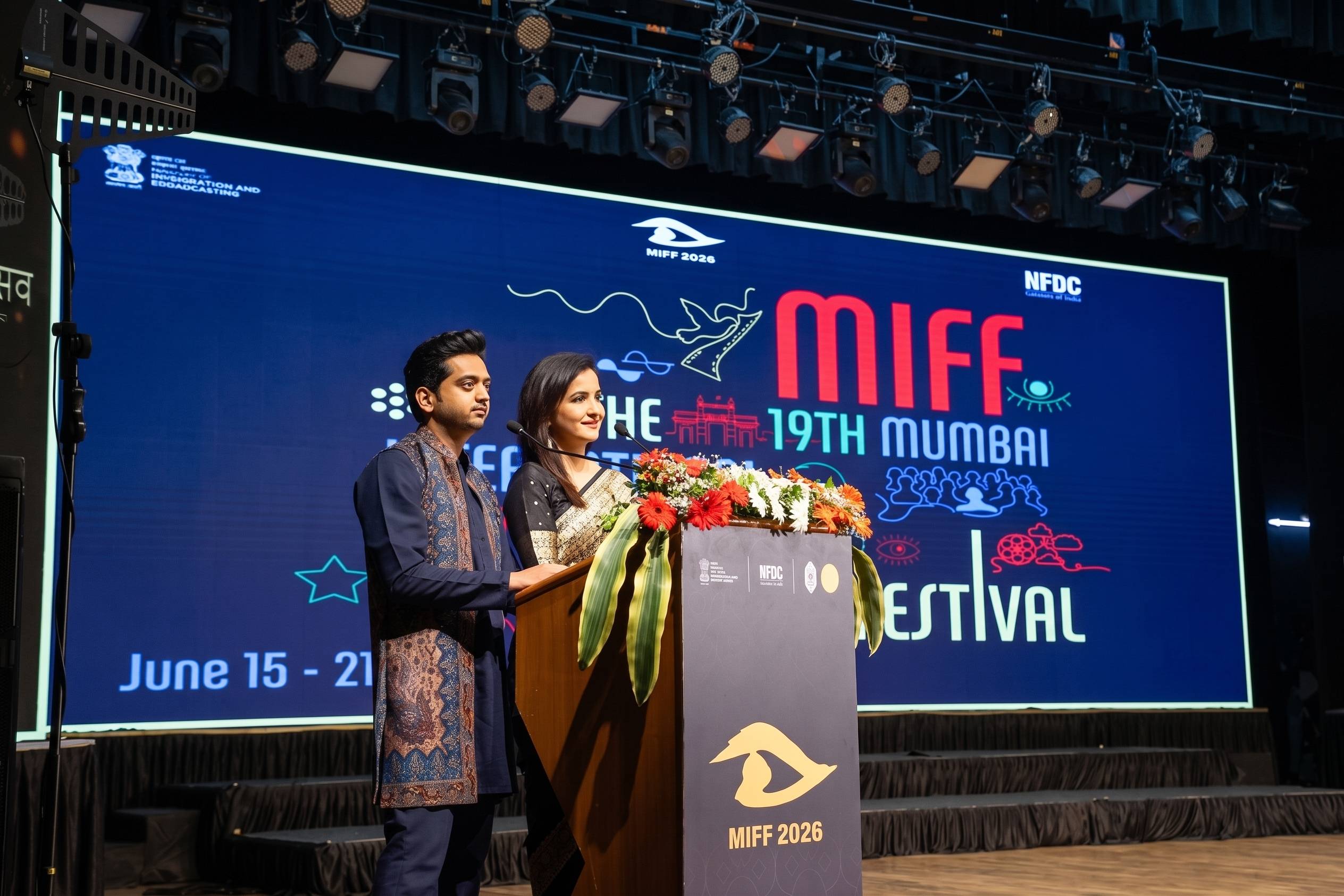
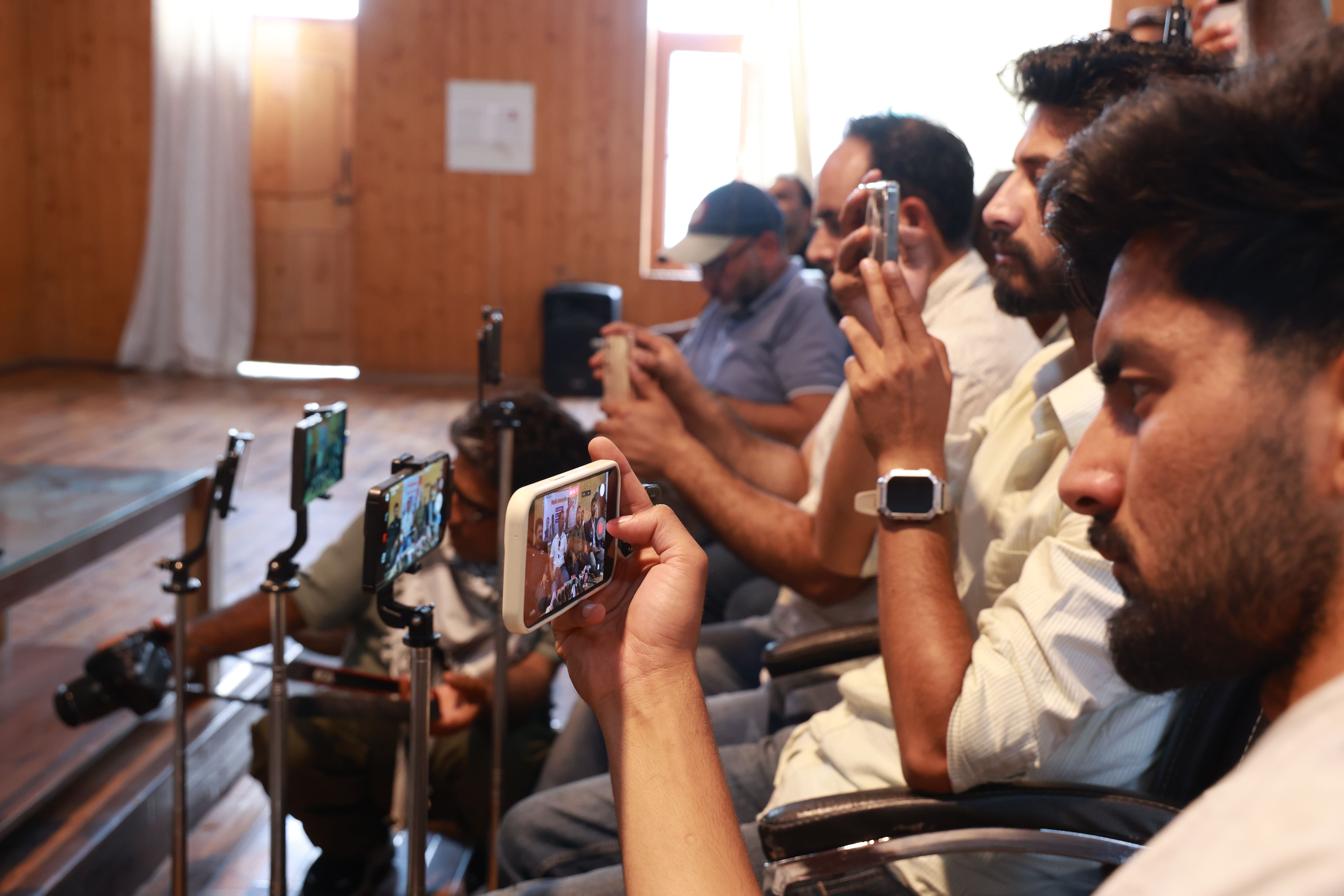
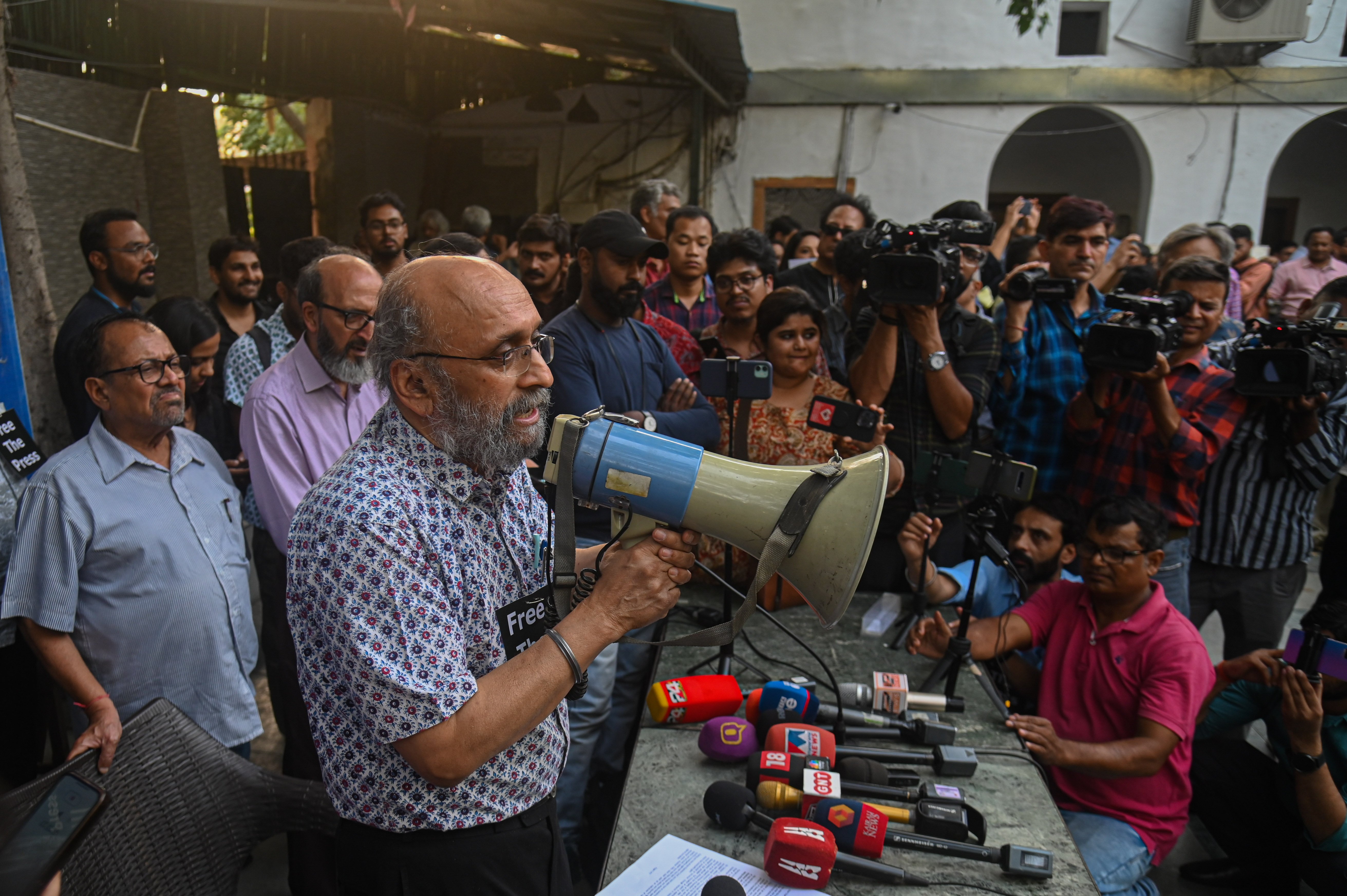
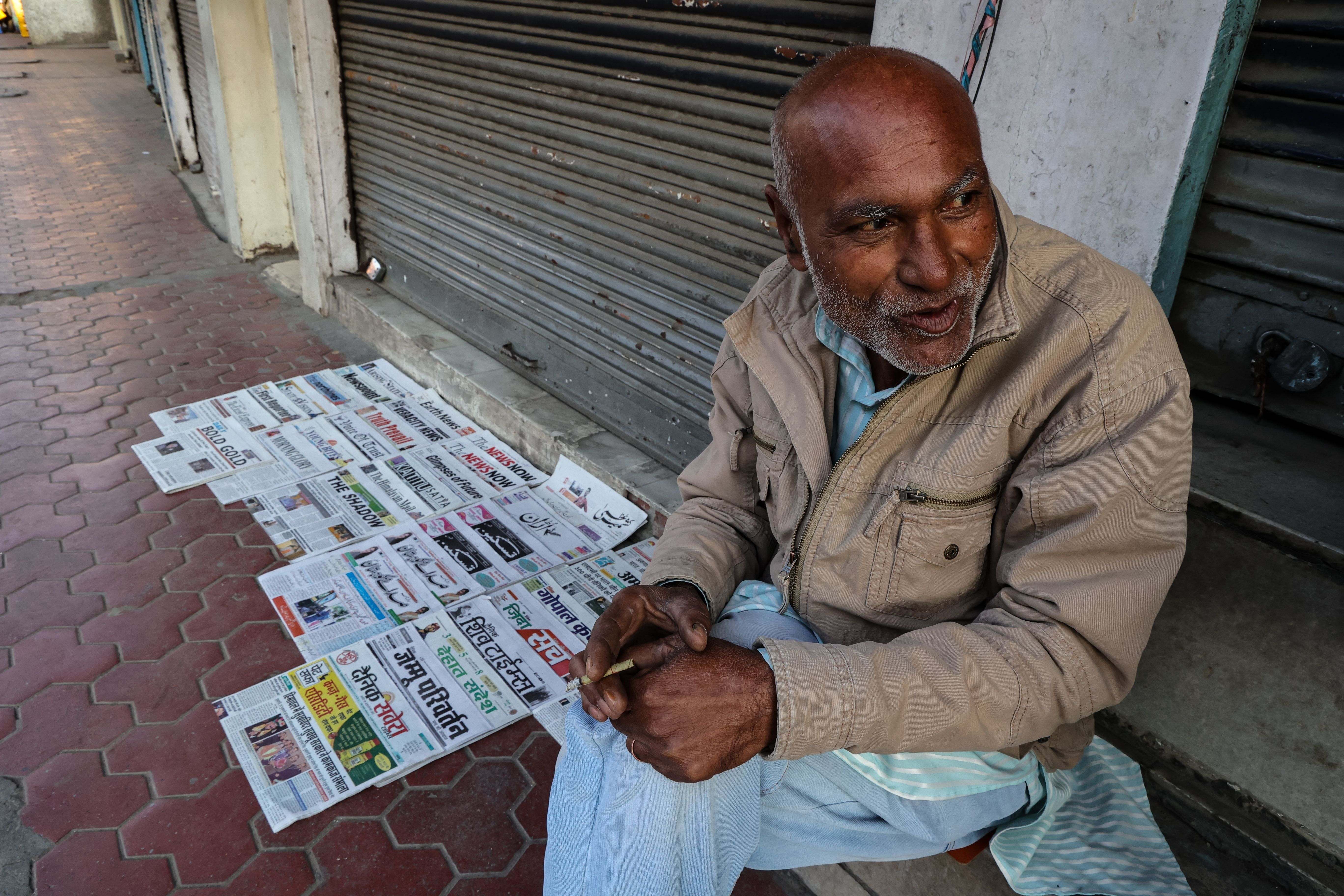
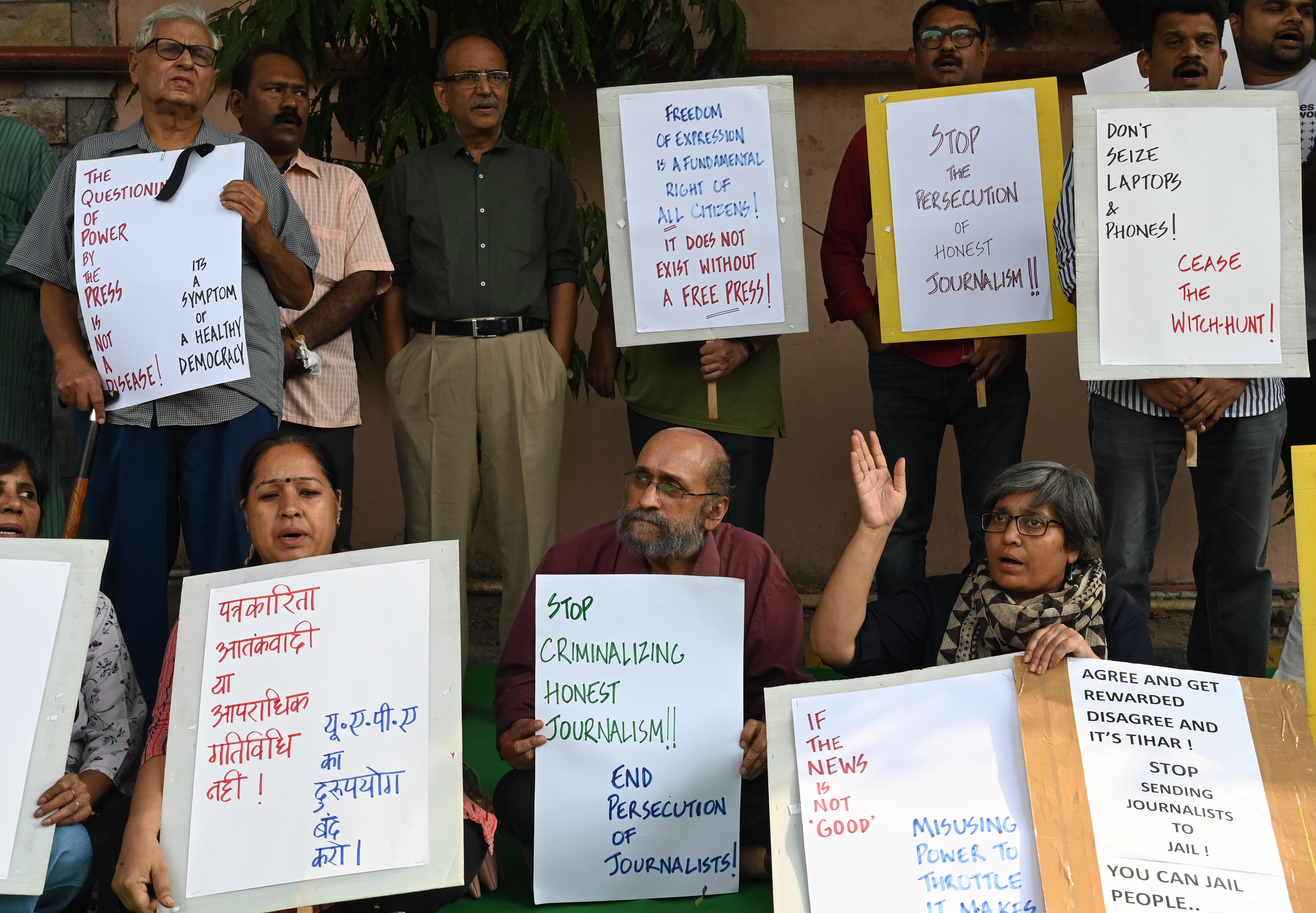
Journalists gather at the Press Club of India for a "Defend Journalism" protest, condemning the arrest of NewsClick staff and the legal crackdown on investigative reporting, marking a bold stand against the tightening state control of the media. (Photo: Vipin Kumar/Hindustan Times. New Delhi, India – Oct 2023)

Why Anonymous Sources Are Fading from Indian Journalism

A generation of reporters-built careers on confidential sources, many now write without them. 


Rohit still checks his phone at night, a habit formed over years when the most important calls arrived after dusk and could redirect a story before dawn. 

Those calls once came from inside ministries, police units, and intelligence desks, where officials shared details that rarely reached public briefings and often contradicted them. 

He sits in a crowded café near Khan Market and scrolls through contacts that once defined his work, names that used to open doors now reduced to silent entries that offer nothing beyond memory. 

“Earlier, one call led to five,” he says in a steady tone that suggests he has repeated this line before. “Now even the first one does not happen.” 

The shift he describes has altered the daily practice of journalism in New Delhi, where anonymous sourcing once powered the most important reporting and gave journalists leverage over institutions that preferred silence. 

Reporters built those networks over years, often meeting officials in public parks, calm corners of government buildings, or late-night gatherings where information moved without record or attribution. 

That system now shows visible strain, dented by legal pressure, technological surveillance, and a political structure that rewards control over disclosure. 

Everything leaves a trail now. Calls, locations, messages, all of it. Digital surveillance has altered the mechanics of sourcing, as investigators rely on metadata that reveals patterns of communication without accessing content. 


Fractured State 

Aditi remembers the week before August 2019 as a moment when the old system broke in full view of those who depended on it. 

Newsrooms in Delhi tracked unusual troop deployments in Jammu and Kashmir, along with administrative signals that suggested something significant, while reporters reached out to contacts who had guided them through earlier crises. 

Answers came back incomplete, hesitant, or simply absent, leaving even senior journalists working with fragments that refused to form a clear picture. 

On August 5, the government revoked the special constitutional status of the region under Article 370, a decision that revamped the political landscape overnight. 

Aditi recalls the silence inside the newsroom that morning. 

“People who had spent decades building sources had nothing to say,” she explains, her voice measured and precise as she revisits the moment that still defines her understanding of the shift. 

Reporters come in asking how to protect their sources. We explain what the law allows, and that changes the story before it is written.

That episode revealed a deeper structural change inside the state, where decision-making now sits within smaller groups, information moves along restricted channels, and even senior officials receive instructions without full context. 

A senior reporter who covers internal security describes the system in blunt terms. 

“You reach someone, and they know their part,” he says. “They cannot tell you the whole story because they do not have it.” 

This fragmentation has made traditional sourcing far less effective, as reporters gather pieces that do not connect and confirmations that fail to clarify. 

The state, in this form, produces fewer leaks by design. 


Law Enters the Room 

Inside a newsroom in south Delhi, an editor listens to a reporter outline a story based on two officials willing to speak without attribution, supported by documents that suggest misconduct during a security operation. 

The editor listens, then asks a question that has become standard. 

“If this reaches court, how do we defend it?” 

The reporter hesitates, aware that the answer carries consequences beyond the story itself. 

The editor closes the discussion. 

Later, he explains the decision in clear terms that show a wider shift in editorial thinking. 

“Anonymous sources once made us stronger,” he says. “Now they expose us.” 

Legal pressure has redefined how stories move from reporting to publication, as journalists operate within laws that allow authorities to investigate their work and demand disclosure of sources. 

The Unlawful Activities Prevention Act allows extended detention during investigations, while the Official Secrets Act criminalizes handling classified information, and sedition provisions widen the scope of legal scrutiny. 

Cases involving journalists have reinforced these risks in ways that newsroom discussions now treat as precedent rather than exception. 

There is deeper structural change inside the state, where decision-making now sits within smaller groups, information moves along restricted channels, and even senior officials receive instructions without full context. 

Siddique Kappan spent more than two years in jail after his arrest in 2020 while on his way to report on a gang-rape case, with investigators questioning his work and associations before he secured bail in 2022. 

Journalist Siddharth Varadarajan, founding editor of The Wire, faced police cases over his reporting, including charges related to tweets citing sources, which drew attention to how legal mechanisms can extend into editorial decisions. 

In 2023, NewsClick founder Prabir Purkayastha was arrested under anti-terror laws in a case that involved scrutiny of funding and editorial direction, raising concerns among journalists about the expanding scope of legal action. 

Police in multiple cases have sought access to devices and communication records of journalists, including during investigations linked to protests and communal violence, a trend documented by civil liberties groups

A media lawyer in Delhi explains how these cases influence newsroom decisions long before any story reaches publication. 

“Reporters come in asking how to protect their sources,” she says. “We explain what the law allows, and that changes the story before it is written.” 

Editors now evaluate anonymous sourcing with caution defined by these precedents, weighing the value of information against the possibility of legal exposure for both reporter and source. 

Some journalists adopt measures to reduce exposure, using encrypted platforms such as Signal, arranging meetings in crowded public spaces, and limiting digital communication. These methods require time, resources, and technical awareness that many reporters lack, particularly those working outside large organizations. 


The Trace That Follows 

Rohit meets a former contact in Lodhi Garden on a winter afternoon, choosing a public setting that once provided a sense of safety through anonymity. 

They walk along a path before settling on a bench, where chat moves carefully toward a recent policy decision that has drawn attention in the press. 

The official listens, then responds with a clarity that reflects a changed environment. 

“Everything leaves a trail now,” he says, glancing around before continuing. “Calls, locations, messages, all of it.” 

Digital surveillance has altered the mechanics of sourcing, as investigators rely on metadata that reveals patterns of communication without accessing content. 

Phone records show contact between individuals, location data places them together, and messaging logs indicate frequency and timing, creating a map that can expose relationships once protected by discretion. 

A reporter covering defense describes the effect in practical terms. 

“You can avoid recording a conversation,” he says. “You cannot avoid the fact that you spoke.” 

Some journalists adopt measures to reduce exposure, using encrypted platforms such as Signal, arranging meetings in crowded public spaces, and limiting digital communication. 

These methods require time, resources, and technical awareness that many reporters lack, particularly those working outside large organizations. 

Sources respond with caution driven by these realities, often limiting discussions to generalities or avoiding them entirely. 

The flow of information slows at its origin. 


Stories That Never Reach Print 

Imran spent months working on a story about alleged abuses within a paramilitary unit, building a case through documents and discourses with officers willing to speak without attribution. 

The story reached the editorial stage, where legal review raised concerns about exposure under existing laws. 

The decision followed quickly. 

“We cannot run this,” his editor told him, closing the discussion without ambiguity. 

Imran accepted the outcome while understanding what it meant for his work and for the public. 

“That story exists,” he says. “People will never read it.” 

Such decisions repeat in different forms across newsrooms. 

A correspondent covering economic policy describes how her sources inside the finance ministry stopped speaking off the record, citing concerns about monitoring and digital traces. 

“She told me she will only speak on record now,” the reporter explains. “That removes everything that matters.” 

Defense procurement stories now emerge through audits or parliamentary reports rather than insider disclosures, while environmental reporting depends on official data releases instead of leaked scientific findings. 

Political coverage relies heavily on public statements, press conferences, and social media posts from officials. 

Timing reveals the deeper change. 

Stories appear after events conclude, often through court filings or formal investigations, reducing the ability of journalism to question decisions before they take effect. 

An editor summarizes the shift with clarity. 

“We publish what we can defend in court,” he says. “Earlier, we published what we could find out.” 


The Silence That Remains 

Press freedom organizations track these developments through data that describes a broader trend. 

The Committee to Protect Journalists has documented an increase in legal pressure on journalists in India, including arrests, interrogations, and device seizures. 

Reporters Without Borders has noted a decline in India’s press freedom ranking, linking it to legal pressure and surveillance concerns that affect reporting practices. 

These findings align with what journalists describe in their daily work. 

Aditi explains the change in terms that connect directly to the reader’s experience. 

“You see the final decision,” she says. “You do not see how it was made.” 

A few days after our meeting, Rohit tries the same number again, repeating a routine that once defined his work. 

This time, the call connects. 

The voice on the other end sounds familiar, though careful in tone. They exchange greetings before Rohit asks about a recent development that has drawn attention in the press. 

The official listens, then responds with a line that captures the shift in a single moment. 

“I cannot discuss this now,” he says. “Things have changed.” 

The call ends within seconds. 

Rohit looks at his phone, then places it on the table and opens his notebook, preparing to write the next story based on an official statement that will pass every check required for publication. 

He writes with the same discipline that built his career. 

The difference sits in the discussions that never happen, the details that never surface, and the voices that once spoke freely and now remain silent, leaving behind a version of journalism that tells the story while holding something essential back.  
Related Articles

A wall of silence - investigating ‘quacks’ in India

REPORTER'S NOTEBOOK: ‘Quacks’ - illegal, non-registered healers - are a subject worthy of scrutiny by the media in India. But what do you do when the communities they operate in don’t want you to talk about it?

Saurabh Sharma
Saurabh Sharma Published on: 25 Oct, 2021
‘Leading the voiceless’ - how low-caste Indian journalists are crowdfunding their own newsrooms

Dalit representation in Indian media organisations is very low. Some journalists from the lowest Hindu caste are finding innovative ways to start up their own news platforms

Saurabh Sharma
Saurabh Sharma Published on: 13 Feb, 2023
‘No less than a fight for survival’ - life for mobile journalists in India

THE LONG READ: Mobile phones have made a career in the media more accessible to independent journalists. But they have also made it easier to exploit them

Saurabh Sharma
Saurabh Sharma Published on: 2 Aug, 2022
Planning and carrying out an open-source investigation

Part three of our special series of articles on using OSINT in journalism. This time, follow our four steps to completing an open-source investigation

Sara
Sara Creta Published on: 9 May, 2023
What It Means to Be an Investigative Journalist Today

A few weeks ago, Carla Bruni, wife of former French president Nicolas Sarkozy, was seen removing the Mediapart logo from view. The moment became a symbol of a major victory for investigative journalism, after the platform exposed Gaddafi’s financing of Sarkozy’s election campaign, leading to his prison conviction. In this article, Edwy Plenel, founder of Mediapart and one of the most prominent figures in global investigative journalism, reflects on a central question: what does it mean to be an investigative journalist today?

Edwy Plenel
Edwy Plenel Published on: 27 Nov, 2025

More Articles

From Print to Pixels: How Small-Town Journalists in Bihar Are Surviving Threats and Closures

As newspapers vanish across districts like Siwan, Gaya, and Purnea, reporters turn to mobile phones, digital start-ups and community networks to keep local journalism alive.

Rehan Qayoom Mir. An independent journalist whose work has appeared in international and national outlets,
Rehan Qayoom Mir, Sajad Hameed Published on: 12 Apr, 2026
AI, Copyright Reform and the Fragile Reinvention of Indian Journalism

India’s proposed AI copyright framework risks turning independent journalism into a pooled data resource, undermining the subscription-based models that sustain it. At a moment of political and economic fragility, the struggle over AI licensing is ultimately a struggle over who controls, values, and profits from journalistic work.
Arsalan Bukhari, an independent journalist based in India
Arsalan Bukhari Published on: 31 Mar, 2026
The Challenge of Reporting in Chechnya

Independent journalism no longer exists as a functioning practice inside Chechnya. What remains is a profession rebuilt in exile, forced to operate at a distance from the very place it is meant to cover.
Rushda Fathima Khan
Rushda Fathima Khan Published on: 29 Mar, 2026
Journalism in Gaza: A Struggle for Survival

In Gaza, journalism becomes inseparable from the life it documents: reporting continues not from a distance, but from within the same fear, grief, and instability it tries to record.

Nelly Al-Masri Published on: 25 Mar, 2026
From News Reporting to Documentation: Practical Lessons from Covering the War on Gaza

From the very first moment of the genocidal war waged by Israel on Gaza, Al Jazeera correspondent Hisham Zaqout has been a witness to hunger, devastation, war crimes, and the assassination of his colleagues in the field. It is a battle for survival and documentation, one that goes beyond mere coverage and daily reporting.

Hisham Zakkout Published on: 26 Jan, 2026
Polarised, Intimidated, Silenced: The Media Under Siege in Cameroon’s Election

Cameroon’s 2025 presidential election exposed a troubling paradox: a nation voting under the watchful eye of power, while its press remained silenced. From the arrest of a teenage reporter to bans on political debate and digital manipulation, freedom of expression is under siege, and journalism is on trial.

Shuimo Trust Dohyee
Shuimo Trust Dohyee, Ngweh Rita Published on: 22 Jan, 2026
Investigating the Assassination of My Own Father

As a journalist, reporting on the murder of my father meant answering questions about my own position as an objective observer.

Diana López Zuleta
Diana López Zuleta Published on: 16 Jan, 2026
Reporting Under Fire: The Struggle of African Journalists Facing Intimidation

African journalists who expose corruption and power now face a brutal mix of arrests, torture, digital surveillance, and lawsuits meant to drain their resources and silence them. From Ethiopia, Nigeria, Malawi, Benin, Sudan, Uganda, and Kenya to exile in Canada, reporting the truth has become an act of personal survival as much as public service.

Nigerian freelance Journalist John Chukwu
John Chukwu Published on: 4 Dec, 2025
Shipwrecked Narratives: How to Keep Migration Stories Afloat

Migration stories don’t become real until you meet people in the journey: the carpenter carrying photos of his fantasy coffins, or the Libyan city worker burying the forgotten dead, or the Tatar woman watching her livelihood collapse at a militarised border. Following these surprising human threads is the only way journalism can cut through collective exhaustion and make readers confront a crisis they’ve been trained to ignore.

Karlos Zurutuza, a freelance journalist and a media trainer. His work has been published in The Guardian, Al Jazeera English, POLITICO, The Middle East Eye and The Independent, among others.
Karlos Zurutuza Published on: 30 Nov, 2025
What It Means to Be an Investigative Journalist Today

A few weeks ago, Carla Bruni, wife of former French president Nicolas Sarkozy, was seen removing the Mediapart logo from view. The moment became a symbol of a major victory for investigative journalism, after the platform exposed Gaddafi’s financing of Sarkozy’s election campaign, leading to his prison conviction. In this article, Edwy Plenel, founder of Mediapart and one of the most prominent figures in global investigative journalism, reflects on a central question: what does it mean to be an investigative journalist today?

Edwy Plenel
Edwy Plenel Published on: 27 Nov, 2025
A Sudanese Journalist in the Grip of the Rapid Support Forces

She was arrested, tortured, nearly raped, threatened with death, and subjected to degrading abuse. Her brother was brutally mistreated in an effort to locate her. In the end, her family had to pay a ransom to secure her release. She sought refuge abroad, but eventually returned to Sudan to continue documenting the war’s toll, particularly in El Fasher, a city now under siege. This is the harrowing account of a Sudanese journalist detained and tortured by the Rapid Support Forces.

Empty screen
Sudanese Female Journalist Published on: 3 Nov, 2025
Zapatismo and Citizen Journalism in Chiapas, Mexico

In Chiapas, independent journalists risk their lives to document resistance, preserve Indigenous memory, and challenge state and cartel violence. From Zapatista films to grassroots radio, media becomes a weapon for dignity, truth, and survival.

Ana Maria Monjardino
Ana Maria Monjardino Published on: 26 Oct, 2025
Journalists Under Occupation; Palestinian Journalists in the West Bank

Palestinian journalists in the West Bank face extreme physical danger, psychological trauma, and systemic targeting under Israeli occupation, yet continue to report with resilience, amplifying the voices of their people despite global indifference and media bias.

Synne Furnes Bjerkestrand
Synne Bjerkestrand Published on: 13 Oct, 2025
The Silent Death of Urdu Newspapers in India

With a 200-year history, Urdu newspapers in India are now facing a silent death—trapped in a cycle of decline where circulation has fallen by nearly 25%, advertising is absent, and government support is scarce. What vanishes is more than print: it is the erosion of a cultural and political lifeline that once bound Hindus, Muslims, and Sikhs in common debates and carried the voices of the marginalised into India’s public sphere.

Hanan Zaffa
Hanan Zaffar, Majid Alam Published on: 1 Oct, 2025
Why Are Young Journalists in Kashmir Quitting Before They Begin?

In Kashmir, mounting censorship, political pressure, and shrinking job prospects are forcing a generation of aspiring journalists to abandon the profession, many before they even get the chance to begin, leaving behind a media landscape stripped of dissent, debate, and independent voices.

Abrar Fayaz, Muqeet Mohammed Shah Published on: 23 Sep, 2025
Sudan’s Journalists Are Being Silenced: By Bullets, Exile, and Fear

The collapse of the media industry in Sudan has subjected journalists to physical threats, legal and professional challenges, with no functioning legal system to investigate crimes committed against the press.

Nalova Akua
Nalova Akua Published on: 17 Sep, 2025
Nepali Journalists Trapped Between “GenZ” Protest and State Crackdowns

Nepali journalists are under attack on two fronts: facing violence from protesters in the streets while also being targeted by government crackdowns, restrictive laws, and political interference that threaten press freedom.

Sumaiya Ali
Sumaiya Ali Published on: 12 Sep, 2025
I Don’t Want You to Be a Journalist, Mama”. Do Gaza’s Journalists Have the Luxury of Absence?

Does the Palestinian journalist in Gaza have the freedom to simply “step away”? How do they navigate the balance between their professional responsibilities and their family life? And to what extent does the duty to report justify the personal cost of being separated from one’s loved ones? Journalist Jenin Al-Wadiya sheds light on the deeply human details that rarely make it to the screen.

Jenin Al-Wadiya
Jenin Al-Wadiya Published on: 31 Aug, 2025
Intersections of Journalism and Social Sciences in the Field

The field is where journalism and the social sciences meet at their most dynamic edge. As the world grows more complex, journalists increasingly take on the role of sociologists, without abandoning their core mission to question power and expose uncomfortable truths. By drawing on the methods and insights of social science, journalism deepens its coverage, grounds stories in real-world contexts, and resists the temptation of surface-level narratives.

Mohammed Ahddad
Ahdad Mohamed Published on: 23 Aug, 2025
New Media Reforms in Bangladesh Introduced to Replace Hasina-Era Journalism

Bangladesh’s interim government, led by Muhammad Yunus, has launched ambitious media reforms to undo the legacy of Sheikh Hasina’s 15-year rule, which was marked by censorship, media monopolies, and the notorious Digital Security Act. However, despite promises of greater freedom, journalists remain wary, as self-censorship, restrictive laws, and public scepticism continue to cast doubt on genuine change.

Sumaiya Ali
Sumaiya Ali Published on: 17 Aug, 2025
Canadian Journalists for Justice in Palestine: A Call to Name the Killer, Not Just the Crime

How many journalists have to be killed before we name the killer? What does press freedom mean if it excludes Palestinians? In its latest strike, Israel killed an entire Al Jazeera news crew in Gaza—part of a systematic campaign to silence the last witnesses to its crimes. Canadian Journalists for Justice in Palestine (CJJP) condemns this massacre and calls on the Canadian government to end its complicity, uphold international law, and demand full accountability. This is not collateral damage. This is the targeted erasure of truth.

Samira Mohyeddin
Samira Mohyeddin Published on: 14 Aug, 2025
Monitoring of Journalistic Malpractices in Gaza Coverage

On this page, the editorial team of the Al Jazeera Journalism Review will collect news published by media institutions about the current war on Gaza that involves disinformation, bias, or professional journalistic standards and its code of ethics.

A picture of the Al Jazeera Media Institute's logo, on a white background.
Al Jazeera Journalism Review Published on: 11 Aug, 2025
Anas Al Sharif; Killed by Israel, but His Final Words Will Echo far Beyond His Death

For over a year and a half, Anas Jamal al-Sharif refused to leave northern Gaza, documenting the destruction and loss that others tried to hide. Tonight, Israel silenced his voice, but his final words, written on April 6, will echo far beyond his death.

Al Jazeera Journalism Review
Al Jazeera Journalism Review Published on: 11 Aug, 2025
The Human Story in Gaza: The Deadly Dilemma of “Who Do We Tell About?”

In the accelerating context of genocide, is the “pace” of death in Gaza outstripping journalists’ ability to capture human stories? How can they be expected to take their time crafting narratives amid hunger, displacement, and death? And to what extent can postwar documentation hold journalistic value in preserving collective memory and pursuing accountability for the perpetrators?

Mirvat Ouf
Mirvat Ouf Published on: 3 Aug, 2025