Al Jazeera Journalism Review

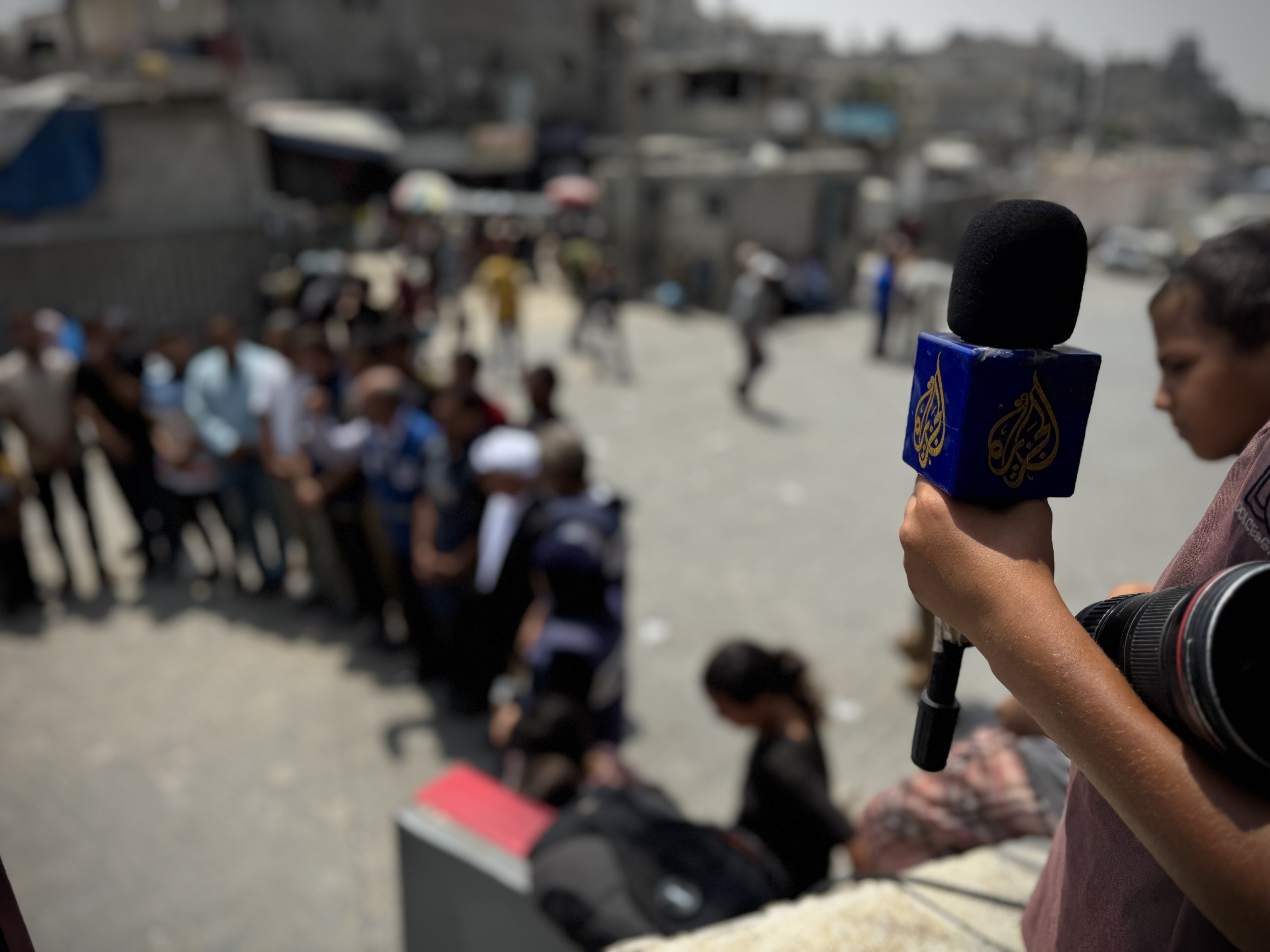
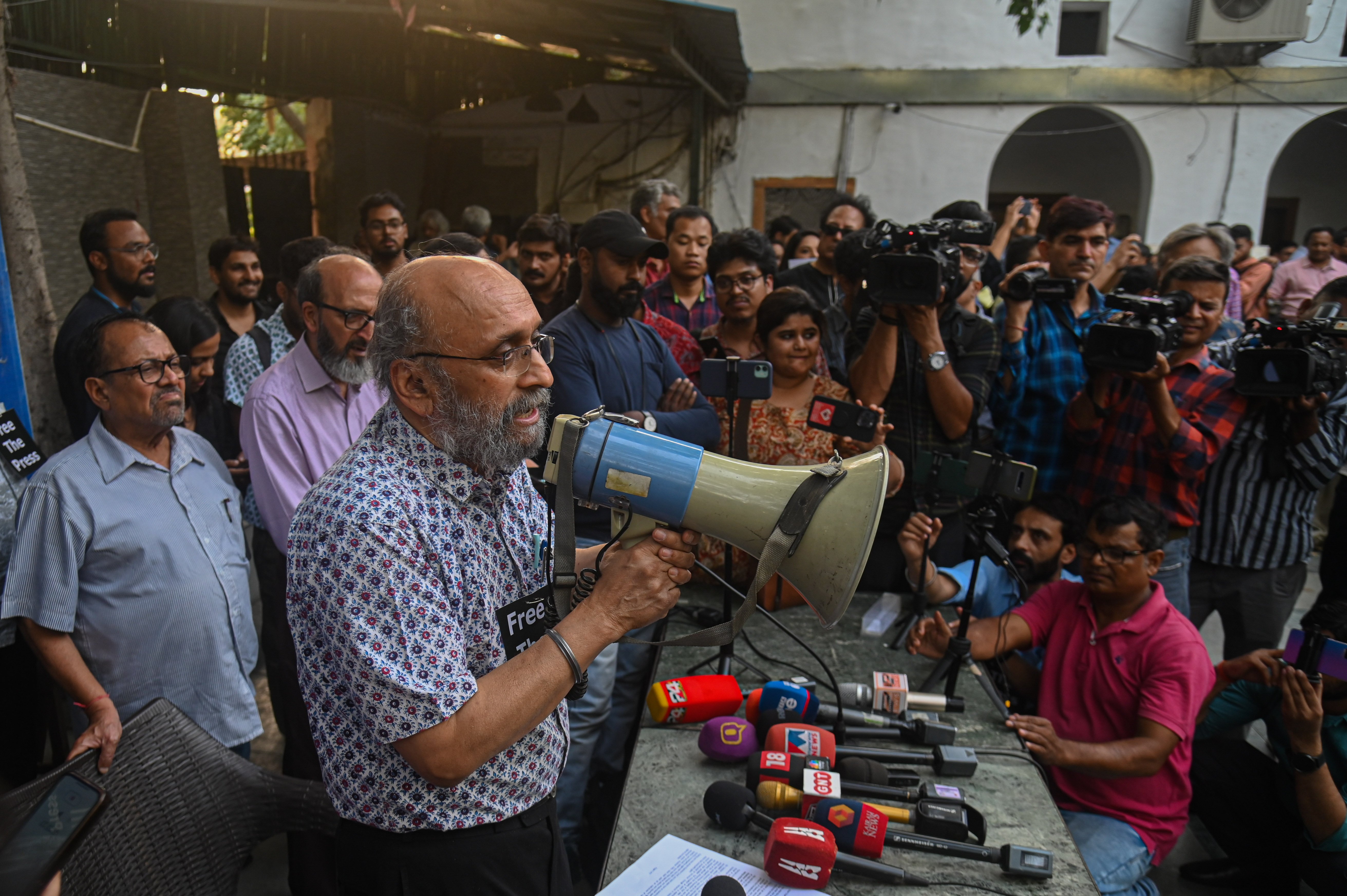
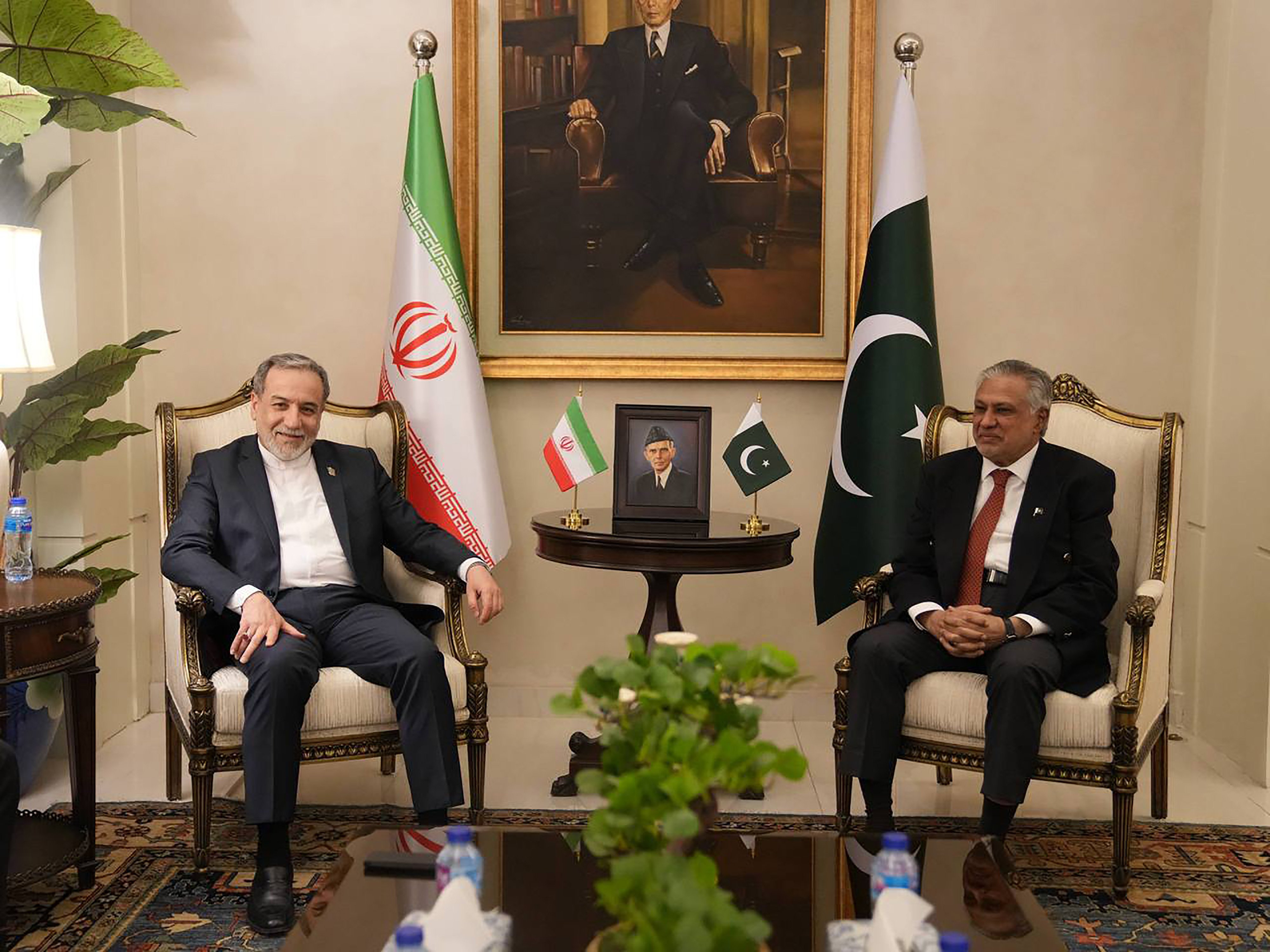
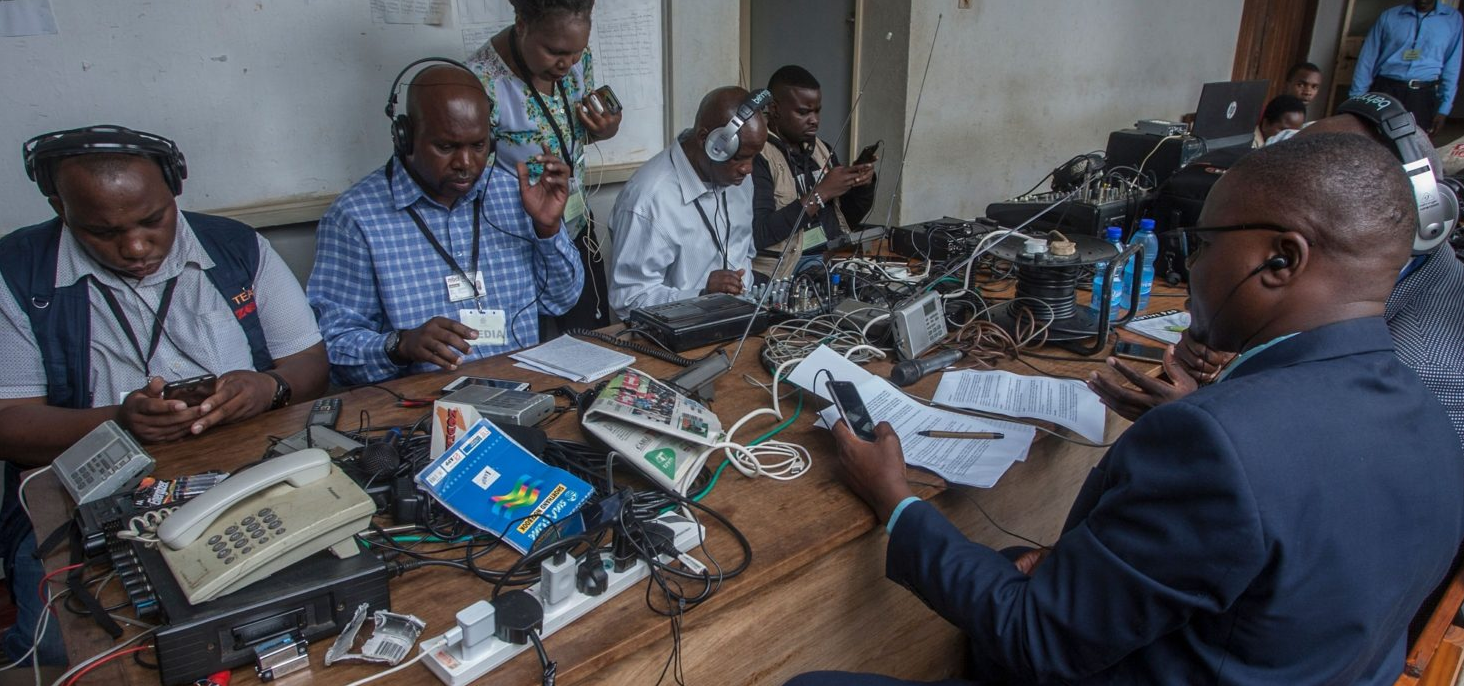
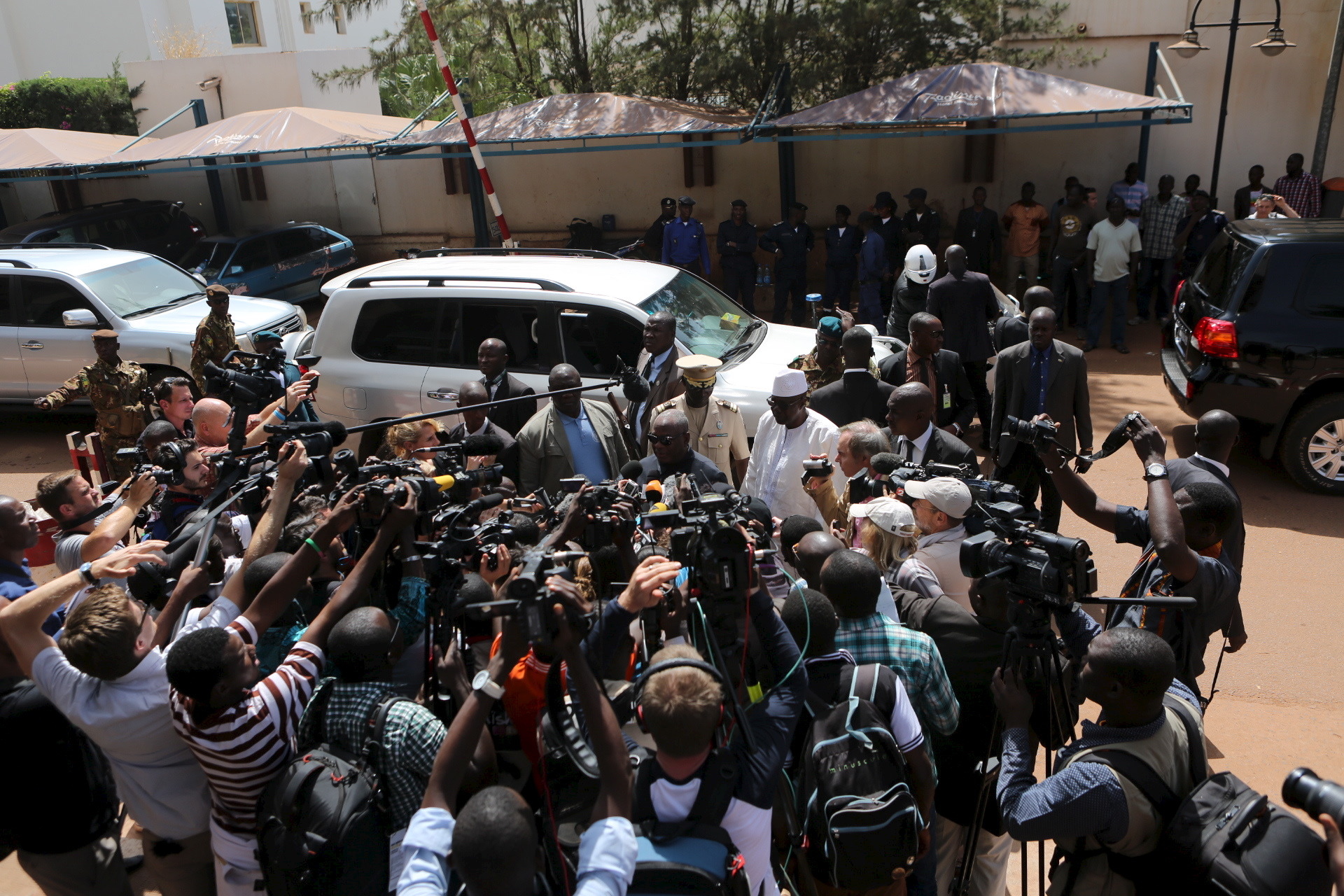
Malawian journalists cover the Constitutional Court ruling on the opposition’s challenge to the disputed 2019 presidential election, working from a crowded media setup in Lilongwe as the country awaits a historic judgment. (Photo: Amos Gumulira/AFP via Getty Images. Lilongwe, Malawi – Feb 2020)

Malawi investigates poor pay and working conditions for junior Journalists

Malawi’s investigation into poor pay for junior journalists exposes a deeper crisis where economic hardship is eroding media independence and forcing reporters to choose between ethical integrity and survival. 


Malawi’s media sector has long been praised for its relative press freedo, but behind the headlines, many young journalists are struggling to survive. Now, a formal investigation into poor pay and working conditions is exposing a deeper crisis, where financial hardship is pushing reporters toward ethical compromises. 

The Malawi Human Rights Commission (MHRC) has announced to institute an investigation into allegations of underpaid junior journalist in the country. This follows a formal petition submitted by media advocate Davie Mchinga. 

The complaint has indicated a widespread reality in many of the country’s newsrooms: young reporters earning far below the living wage while relying on informal payments from sources, locally known as “chipondamthengo.” These payments often described as tokens of appreciation after press briefings or interviews, which raises serious ethical concerns about media independence, corruption risks, and the integrity of public information. 

Malawi’s media industry is often praised for its relative press freedom compared with some neighboring countries, but the economic conditions facing reporters, particularly junior ones—remain precarious. 

The MHRC inquiry also asks long-standing debates and questions about the absence of a strong journalists’ labour union, weak newsroom employment contracts, and whether media owners are complying with Malawi’s labour laws while expecting professional reporting standards. 


The Reality for Malawi’s Junior Journalists 

For many young journalists entering the profession, passion for storytelling and public service collides quickly with economic hardship

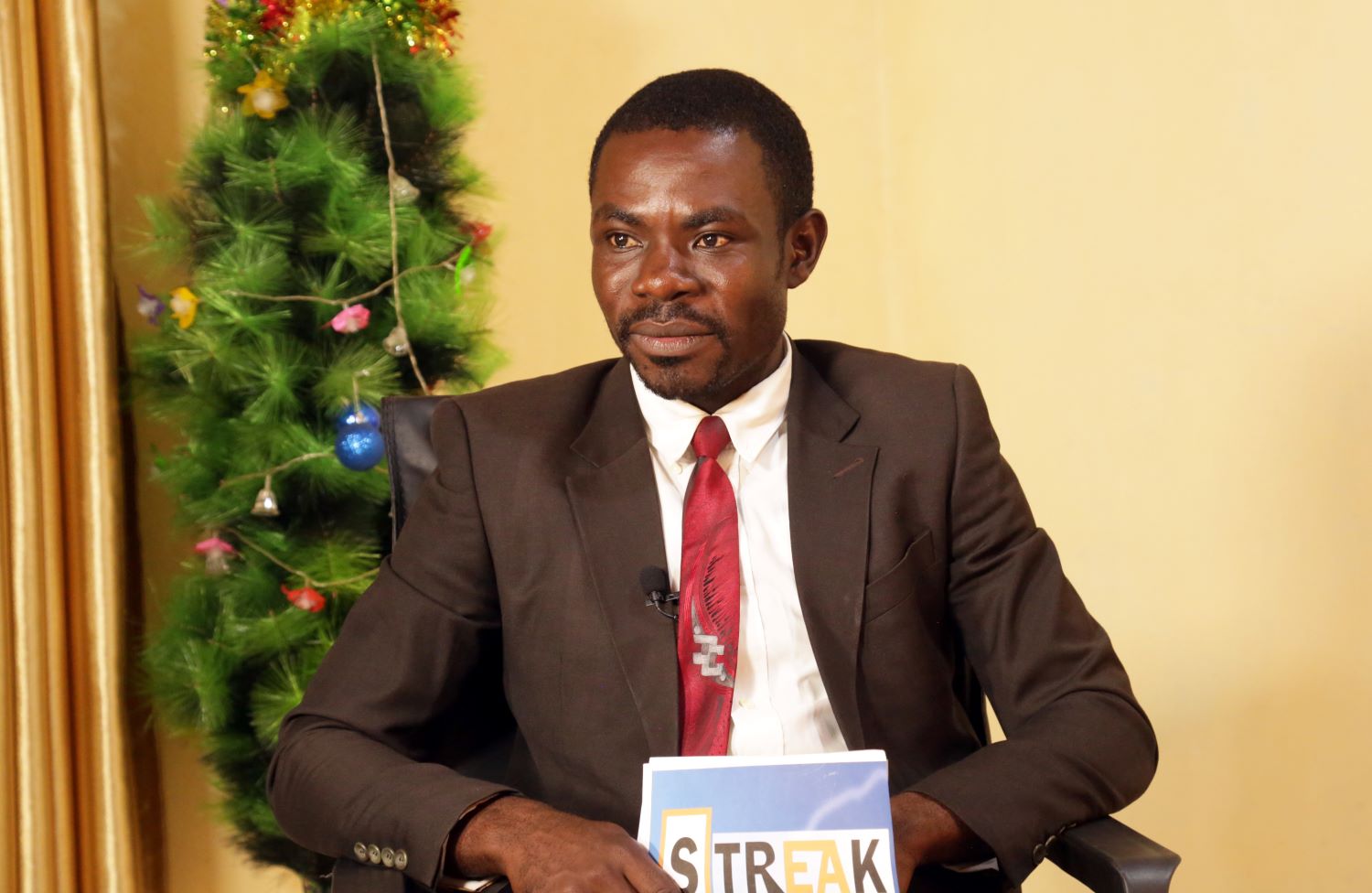
John Phiri, not his real name because he is protecting his identity, he graduated in 2022 from the Malawi Institute of Journalism (MIJ) with a diploma in journalism. When he finished his studies, he was deployed at the Ministry of Information under a district council as a volunteer internship. 

When he joined them, he was actively involved in reporting community issues, writing stories, and assisting with public communication initiatives.  

For many young journalists entering the profession, passion for storytelling and public service collides quickly with economic hardship. 

According to him, the role provided valuable experience and helped him develop professional reporting skills. But when the internship contract ended, Phiri was no longer allowed to continue working at the council’s premises.  

For this reason, like many young reporters in Malawi, he was forced to search for another unpaid opportunity just to remain active in the profession. 

Up to date, he is serving in another volunteer internship, continuing to build his experience despite receiving little or no regular income. 

The economic pressure is intense. Malawi is one of the world’s poorest countries according to World Bank report, with high living costs relative to income levels. For young journalists without stable salaries, basic expenses such as rent, transport, and food can quickly become overwhelming. 

According to Phiri, this financial insecurity often pushes reporters toward accepting chipondamthengo payments. 

“When a person is struggling to make ends meet, even a small amount of money can make a big difference,” he told AI Jazeera Journalism Review. “In such circumstances, accepting chiponda may feel less like corruption and more like survival.” he said.  

However, he accepts the ethical dilemma it creates. Phiri says Journalists are expected to report objectively and hold powerful actors accountable. But when a reporter has received money from a source—even if framed as a token of appreciation, it becomes psychologically difficult to publish critical coverage of that same source. 

 According to him, this practice can weaken professional standards. 

"Reporters may begin avoiding sensitive stories or do not allow criticism in order to maintain relationships with sources who provide financial incentives,” he explains. 

He further said for the public, the consequences are significant. Journalism’s credibility depends on trust, and once audiences suspect stories are influenced by payments, confidence in the media erodes. 


A Culture of Survival in the Newsroom 

The petition submitted by Davie Mchinga to the Malawi Human Rights Commission argues that these problems are not isolated incidents but symptoms of a systemic labour crisis in the country’s media industry. 

Davie Mchinga, the media advocate behind the petition, says his motivation comes from personal experience. 

According to Mchinga, he has worked for a decade as a freelance reporter, sometimes referred to locally as a “bush journalist” filing stories for Malawi’s two largest daily newspapers. 

Despite being a regular publisher in his articles, he says he often lacked formal contracts and consistent payment. 

“In 2017 I went for 12 months straight without getting my monthly stipend,” he told AI Jazeera Journalism Review. “The pay was calculated at 1,500 kwacha per story [less than one US dollar at the time], yet I was expected to report using my own resources.” he said. 

Mchinga argues that such working conditions push journalists toward accepting informal payments simply to survive. 

When a person is struggling to make ends meet, even a small amount of money can make a big difference… In such circumstances, accepting chiponda may feel less like corruption and more like survival. 

Research supports his concerns. A study titled “Starving the Messenger: A Study of Journalists’ Condition of Service in Malawi,” conducted by media scholar Professor Levi Zeleza Manda in 2013, documented widespread labour exploitation in the country’s media industry. 

Another report, “State of the Newsroom Malawi – 2021,” similarly found that many reporters lack formal contracts, medical insurance, pension benefits, or stable salaries. 

According to Mchinga, most affected victims are young reporters working in community radio stations, an important part of Malawi’s media ecosystem that provides local news to rural populations. 

He continued to say community radio stations are often structured around volunteerism. According to him, many staff members receive little or no payment, even though the stations sometimes receive financial or technical support from international organizations such as UNESCO. 

“Most of the junior workers go home without anything in their pockets to support their families, this affects them in their everyday lives,” Mchinga said. 

He added that the widespread normalization of chipondamthengo threatens the credibility of Malawi’s media industry. “Chipondamthengo is the killer of journalism in Malawi,” he told AI Jazeera Journalism Review. “It gives those with money and power the ability to shape narratives that newsrooms repeat.” he explains. 
 

Journalism’s credibility depends on trust, and once audiences suspect stories are influenced by payments, confidence in the media erodes. 


The Human Rights Dimension 

Experts say the issue extends beyond newsroom ethics to broader questions about labour rights and economic justice. 

Professor Levi Zeleza Manda, a media studies scholar and dean at Unicaf University in Malawi says the problem reflects wider structural challenges in Malawi’s economy. 

“Most Malawians are underpaid,” he told AJR. “Public servants are underpaid, and many workers are heavily taxed. Journalists are part of that broader economic struggle.” he explains. 

However, he stresses that journalists deserve fair compensation given the risks and responsibilities associated with their work. 

"Reporting often requires traveling long distances, covering politically sensitive topics, and sometimes facing harassment or violence... Without adequate pay," he says, journalists face severe psychological and ethical pressures. 

According to him, poor remuneration affects morale, self-worth, and professional identity. Some reporters ultimately abandon journalism altogether to pursue more stable careers. Others remain in the profession but compromise their independence. 

“When journalists must choose between professional ethics and feeding their families, survival often wins,” Manda said. 

According to him, the consequences can be serious, starting from corruption in news coverage to mental health struggles among reporters in the country. 


Why Media Organisations Struggle to Pay 

While journalists and advocates have stated some issues like labour exploitation, media owners often point to economic constraints. 

Malawi’s advertising market is small, and the number of media outlets competing for revenue has increased significantly in recent decades. Many radio stations, newspapers, and digital platforms rely heavily on advertising from government institutions. 

However, government payments for advertisements are frequently delayed. 

According to Manda, this creates severe cash-flow problems for media organisations. 

“Government is the largest advertiser, but also the highest defaulter, they should try to find other alternatives” he told AJR.  

He stated that operating costs are also rising saying media companies must pay for broadcasting equipment, fuel, office rent, and internet infrastructure—all of which are expensive in Malawi. 

He said as a result, some media owners face difficult choices: reduce staff numbers to pay higher salaries, or retain more journalists while distributing very limited funds. 

Many choose the latter option, resulting in extremely low wages across newsrooms. 

When journalists must choose between professional ethics and feeding their families, survival often wins. 


Possible Solutions to Strengthen Journalism 

The MHRC investigation has opened a broader conversation about how Malawi can improve the working conditions of journalists while safeguarding media independence. 

Manda suggests that Journalists’ contracts and employment conditions need to align with Malawi’s labour laws. Ensuring minimum wage standards, health insurance, and pension benefits would help stabilize the profession and reduce reliance on informal payments. 

"A stronger journalists’ union could negotiate better working conditions and advocate collectively for reporters’ rights. Previous attempts at unionization have struggled to gain momentum," he suggests. 

He is of the view that reducing reliance on government advertising could improve newsroom independence and financial stability, adding that digital subscriptions, partnerships with international media organizations, and philanthropic funding models are potential alternatives. 


A Defining Moment for Malawi’s Media Sector 

For many young journalists, the MHRC investigation represents a rare opportunity to bring long-ignored problems into the national spotlight. 

For Phiri and others like him, the hope is simple: a profession where passion for journalism does not require enduring poverty. 

“Journalism should serve the public, but journalists must also be able to live.” he told Al Jazeera Journalism Review.  
Related Articles

Guns, Threats, and Poverty: The Daily Struggles of an African Journalist

The welfare of African journalists continues to deteriorate, from poor wages to security risks, arrests, detention, and even death. This common, ongoing trend generally affects the wellbeing of journalists during their discharge of duties, and these overlooked difficulties tend to affect the quality and output of their work.
Derick Matsengarwodzi
Derick Matsengarwodzi Published on: 26 Sep, 2024
Reporter’s Notebook – memoirs of an illegal journalist in South Africa 

From working shifts in a casino to interviewing a farmer mauled by a tiger - life as a struggling Zimbabwean reporter.

Derick Matsengarwodzi
Derick Matsengarwodzi Published on: 22 Nov, 2021
Fighting Misinformation and Disinformation to Foster Social Governance in Africa

Experts in Africa are using various digital media tools to raise awareness and combat the increasing usage of misinformation and disinformation to manipulate social governance.

Derick Matsengarwodzi
Derick Matsengarwodzi Published on: 22 May, 2024
Journalism in Mauritania: Behind the Facade of Press Freedom Indicators

Mauritania holds the top position in the Arab world in the Press Freedom Index published by Reporters Without Borders. However, behind this favourable ranking, the media and journalists face significant challenges, chief among them the ambiguity surrounding the definition of a "journalist" and the capacity of media professionals to fulfil their roles in accountability and oversight. Despite official efforts, the defining feature of Mauritania’s media landscape remains its persistent state of fluctuation.

 Ahmed Mohamed El-Moustapha
Ahmed Mohamed El-Moustapha Published on: 6 Jan, 2026
‘Don’t let someone else narrate your stories for you’ - travel journalists in the global south

THE LONG READ: Life as a travel journalist isn’t just for privileged Westerners ‘discovering’ quaint parts of south-east Asia and Africa

Anam Hussain
Anam Hussain Published on: 1 Sep, 2023

More Articles

Journalism as a Struggle for Survival in Sudan

With war erupting in Sudan, the country’s media landscape collapsed almost overnight after the Rapid Support Forces entered Khartoum. Many journalists were left without jobs, salaries or shelter, scattered between displacement, exile and siege, as newspapers shut down and media institutions ceased to function. For many, journalism was no longer a profession but a daily struggle for survival.

Saif al-Din al-Bashir Ahmed Published on: 27 Apr, 2026
From Print to Pixels: How Small-Town Journalists in Bihar Are Surviving Threats and Closures

As newspapers vanish across districts like Siwan, Gaya, and Purnea, reporters turn to mobile phones, digital start-ups and community networks to keep local journalism alive.

Rehan Qayoom Mir. An independent journalist whose work has appeared in international and national outlets,
Rehan Qayoom Mir, Sajad Hameed Published on: 12 Apr, 2026
Arab Society and Investigative Journalism: The Dialectic of Culture, Power, and Profession

Investigative journalism in Arab societies operates within a dense web of social, political, and cultural pressures that often push journalists to balance truth-telling against survival, forcing them onto a precarious “razor’s edge.” Yet despite these constraints, moments of crisis can transform society itself from a source of pressure into a powerful ally, driving accountability and reigniting the pursuit of truth.

Musab Shawabkeh
Musab Al Shawabkeh Published on: 7 Apr, 2026
The Revolution That Framed Islam: How 1979 Shaped Western Media on Iran

The 1979 Revolution transformed how the Western world views and reports on Islam. What started as a confused attempt to understand a new religious movement has turned into a permanent media habit of framing Iran through the lens of conflict and suspicion.

Daniel Harper
Daniel Harper Published on: 4 Apr, 2026
The Challenge of Reporting in Chechnya

Independent journalism no longer exists as a functioning practice inside Chechnya. What remains is a profession rebuilt in exile, forced to operate at a distance from the very place it is meant to cover.

Rushda Fathima Khan
Rushda Fathima Khan Published on: 29 Mar, 2026
How AI Can Clean Messy Data; and Where It Can't

Normalising inconsistent, messy, or incomplete data is tedious and time-consuming, but essential. AI can handle grunt work, but editorial decisions remain with the journalist.

KA
Konstantinos Antonopoulos Published on: 21 Mar, 2026
Missiles Made of Words: How Western Media Narratives Shape the Iran–Israel–US Conflict

Western media coverage of the Iran–Israel–US conflict often functions as a weapon of war, using selective language that frames US and Israeli strikes as “self-defence” while depicting Iranian actions as "provocation". This linguistic framing normalises civilian casualties and helps manufacture public consent for military aggression by dehumanising certain populations.

Muqeet Mohammed Shah
Muqeet Mohammed Shah, Ifrah Khalil Kawa Published on: 14 Mar, 2026
How the Ethiopian Civil War Unleashed a Lethal Media Crackdown

There has been a widening crackdown on the media in Ethiopia since war erupted between the central government and Tigray’s regional authorities in 2020, and the pressure appears set to intensify as the country prepares for general elections in June.

Nalova Akua
Nalova Akua Published on: 9 Mar, 2026
Are Netanyahu's and Trump’s Speeches Shaping Western Media Framing?

As political speeches framed the 2026 U.S.–Israeli attack on Iran, segments of Western media echoed their language and narratives, illustrating how strategic rhetoric and news framing can shape public opinion and legitimise military action.

Shaimaa Al-Eisai
Shaimaa Al-Eisai Published on: 6 Mar, 2026
The Taboos of Journalism: A Fragility No One Dares to Expose

Does a journalist have the right to critique their own employer? It is a striking irony that they report on global crises while remaining silent about their own industry's fragility: stagnant wages, eroding professional values, and profit-driven ownership. Journalists must realize that confronting this internal rot is not just a right, but a necessity to save the profession from extinction.

Diana López Zuleta
Diana López Zuleta Published on: 24 Feb, 2026
Bilingual on Paper, Unbalanced on Air: English Journalism in a Francophone Cameroon

In a media landscape where French dominance dictates policy and airtime, English-speaking reporters in Cameroon are forced into a relentless cycle of improvisation, translation, and professional exhaustion. From the "desert-like" scarcity of English-speaking experts to newsrooms that offer no institutional support, this analysis explores how linguistic inequality hollows out the journalistic process, leaving vital stories untold and the promise of a bilingual nation unfulfilled.

Akem
Akem Nkwain Published on: 15 Feb, 2026
Reporting the Spectacle: Myanmar’s Manufactured Elections

Myanmar’s recent elections posed a profound challenge for journalists, who were forced to navigate between exposing a sham process and inadvertently legitimising it. With media repression intensifying, reporting became an act of resistance against the junta’s effort to control information and silence independent voices.

Annie Zaman
Annie Zaman Published on: 7 Feb, 2026
Public Hostility Toward Legacy Media in Bangladesh

The December 2025 arson attacks on Prothom Alo and The Daily Star marked a turning point for journalism in Bangladesh. As public anger replaces state control as the primary threat, reporters are reassessing personal safety, editorial judgement, and professional credibility in a political transition where journalism itself is increasingly treated as an enemy.

Arsalan Bukhari, an independent journalist based in India
Arsalan Bukhari Published on: 4 Feb, 2026
Migration Issues and the Framing Dilemma in Western Media

How does the Western press shape the migration narrative? Which journalistic frames dominate its coverage? And is reporting on anti-immigration protests neutral or ideologically charged? This analysis examines how segments of Western media echo far-right rhetoric, reinforcing xenophobic discourse through selective framing, language, and imagery.

Salma Saqr
Salma Saqr Published on: 31 Jan, 2026
Polarised, Intimidated, Silenced: The Media Under Siege in Cameroon’s Election

Cameroon’s 2025 presidential election exposed a troubling paradox: a nation voting under the watchful eye of power, while its press remained silenced. From the arrest of a teenage reporter to bans on political debate and digital manipulation, freedom of expression is under siege, and journalism is on trial.

Shuimo Trust Dohyee
Shuimo Trust Dohyee, Ngweh Rita Published on: 22 Jan, 2026
What Image of Gaza Will the World Remember?

Will the story of Gaza be reduced to official statements that categorise the Palestinian as a "threat"? Or to images of the victims that flood the digital space? And how can the media be transformed into a tool for reinforcing collective memory and the struggle over narratives?

Hassan Obeid
Hasan Obaid Published on: 13 Jan, 2026
Journalism in Mauritania: Behind the Facade of Press Freedom Indicators

Mauritania holds the top position in the Arab world in the Press Freedom Index published by Reporters Without Borders. However, behind this favourable ranking, the media and journalists face significant challenges, chief among them the ambiguity surrounding the definition of a "journalist" and the capacity of media professionals to fulfil their roles in accountability and oversight. Despite official efforts, the defining feature of Mauritania’s media landscape remains its persistent state of fluctuation.

 Ahmed Mohamed El-Moustapha
Ahmed Mohamed El-Moustapha Published on: 6 Jan, 2026
How Can Journalism Make the Climate Crisis a People’s Issue?

Between the import of Western concepts and terminology that often fail to reflect the Arab context, and the denial of the climate crisis, or the inability to communicate it in clear, accessible terms, journalism plays a vital role in informing the public and revealing how climate change directly affects the fabric of daily life in the Arab world.

Bana Salama
Bana Salama Published on: 19 Dec, 2025
Freelancers in Kashmir Fear Losing Access as Verification Tightens

Kashmir’s new “verification drive” claims to root out impostors, yet its heavy bureaucratic demands mainly sideline the independent freelancers who still dare to report in a shrinking media landscape. But here’s the unsettling question that hangs over the Valley like fog at dawn: who really benefits when the storytellers without institutional shields are pushed out of the frame?

Tauseef Ahmad
Tauseef Ahmad, Sajid Raina Published on: 11 Dec, 2025
Journalists in Maldives Enter New Phase of Government-Controlled Media Repression

As journalists weigh the costs of their work against threats to their lives and families, the fight for press freedom in the Maldives enters a dangerous new chapter, one where the stakes have never been higher.

Sumaiya Ali
Sumaiya Ali Published on: 8 Dec, 2025
Reporting Under Fire: The Struggle of African Journalists Facing Intimidation

African journalists who expose corruption and power now face a brutal mix of arrests, torture, digital surveillance, and lawsuits meant to drain their resources and silence them. From Ethiopia, Nigeria, Malawi, Benin, Sudan, Uganda, and Kenya to exile in Canada, reporting the truth has become an act of personal survival as much as public service.

Nigerian freelance Journalist John Chukwu
John Chukwu Published on: 4 Dec, 2025
Shipwrecked Narratives: How to Keep Migration Stories Afloat

Migration stories don’t become real until you meet people in the journey: the carpenter carrying photos of his fantasy coffins, or the Libyan city worker burying the forgotten dead, or the Tatar woman watching her livelihood collapse at a militarised border. Following these surprising human threads is the only way journalism can cut through collective exhaustion and make readers confront a crisis they’ve been trained to ignore.

Karlos Zurutuza, a freelance journalist and a media trainer. His work has been published in The Guardian, Al Jazeera English, POLITICO, The Middle East Eye and The Independent, among others.
Karlos Zurutuza Published on: 30 Nov, 2025
In-Depth and Longform Journalism in the AI Era: Revival or Obsolescence?

Can artificial intelligence tools help promote and expand the reach of longform journalism, still followed by a significant audience, or will they accelerate its decline? This article examines the leading AI tools reshaping the media landscape and explores the emerging opportunities they present for longform journalism, particularly in areas such as search and content discovery.

. سعيد ولفقير. كاتب وصحافي مغربي. ساهم واشتغل مع عددٍ من المنصات العربية منذ أواخر عام 2014.Said Oulfakir. Moroccan writer and journalist. He has contributed to and worked with a number of Arab media platforms since late 2014.
Said Oulfakir Published on: 24 Nov, 2025
Zapatismo and Citizen Journalism in Chiapas, Mexico

In Chiapas, independent journalists risk their lives to document resistance, preserve Indigenous memory, and challenge state and cartel violence. From Zapatista films to grassroots radio, media becomes a weapon for dignity, truth, and survival.

Ana Maria Monjardino
Ana Maria Monjardino Published on: 26 Oct, 2025