
Malawi’s investigation into poor pay for junior journalists exposes a deeper crisis where economic hardship is eroding media independence and forcing reporters to choose between ethical integrity and survival.
Malawi’s media sector has long been praised for its relative press freedo, but behind the headlines, many young journalists are struggling to survive. Now, a formal investigation into poor pay and working conditions is exposing a deeper crisis, where financial hardship is pushing reporters toward ethical compromises.
The Malawi Human Rights Commission (MHRC) has announced to institute an investigation into allegations of underpaid junior journalist in the country. This follows a formal petition submitted by media advocate Davie Mchinga.
The complaint has indicated a widespread reality in many of the country’s newsrooms: young reporters earning far below the living wage while relying on informal payments from sources, locally known as “chipondamthengo.” These payments often described as tokens of appreciation after press briefings or interviews, which raises serious ethical concerns about media independence, corruption risks, and the integrity of public information.
Malawi’s media industry is often praised for its relative press freedom compared with some neighboring countries, but the economic conditions facing reporters, particularly junior ones, remain precarious.
The MHRC inquiry also asks long-standing debates and questions about the absence of a strong journalists’ labour union, weak newsroom employment contracts, and whether media owners are complying with Malawi’s labour laws while expecting professional reporting standards.
The Reality for Malawi’s Junior Journalists
For many young journalists entering the profession, passion for storytelling and public service collides quickly with economic hardship.
John Phiri, not his real name because he is protecting his identity, he graduated in 2022 from the Malawi Institute of Journalism (MIJ) with a diploma in journalism. When he finished his studies, he was deployed at the Ministry of Information under a district council as a volunteer internship.
When he joined them, he was actively involved in reporting community issues, writing stories, and assisting with public communication initiatives.
For many young journalists entering the profession, passion for storytelling and public service collides quickly with economic hardship.
According to him, the role provided valuable experience and helped him develop professional reporting skills. But when the internship contract ended, Phiri was no longer allowed to continue working at the council’s premises.
For this reason, like many young reporters in Malawi, he was forced to search for another unpaid opportunity just to remain active in the profession.
Up to date, he is serving in another volunteer internship, continuing to build his experience despite receiving little or no regular income.
The economic pressure is intense. Malawi is one of the world’s poorest countries according to World Bank report, with high living costs relative to income levels. For young journalists without stable salaries, basic expenses such as rent, transport, and food can quickly become overwhelming.
According to Phiri, this financial insecurity often pushes reporters toward accepting chipondamthengo payments.
“When a person is struggling to make ends meet, even a small amount of money can make a big difference,” he told AI Jazeera Journalism Review. “In such circumstances, accepting chiponda may feel less like corruption and more like survival.” he said.
However, he accepts the ethical dilemma it creates. Phiri says Journalists are expected to report objectively and hold powerful actors accountable. But when a reporter has received money from a source—even if framed as a token of appreciation, it becomes psychologically difficult to publish critical coverage of that same source.
According to him, this practice can weaken professional standards.
"Reporters may begin avoiding sensitive stories or do not allow criticism in order to maintain relationships with sources who provide financial incentives,” he explains.
He further said for the public, the consequences are significant. Journalism’s credibility depends on trust, and once audiences suspect stories are influenced by payments, confidence in the media erodes.
A Culture of Survival in the Newsroom
The petition submitted by Davie Mchinga to the Malawi Human Rights Commission argues that these problems are not isolated incidents but symptoms of a systemic labour crisis in the country’s media industry.
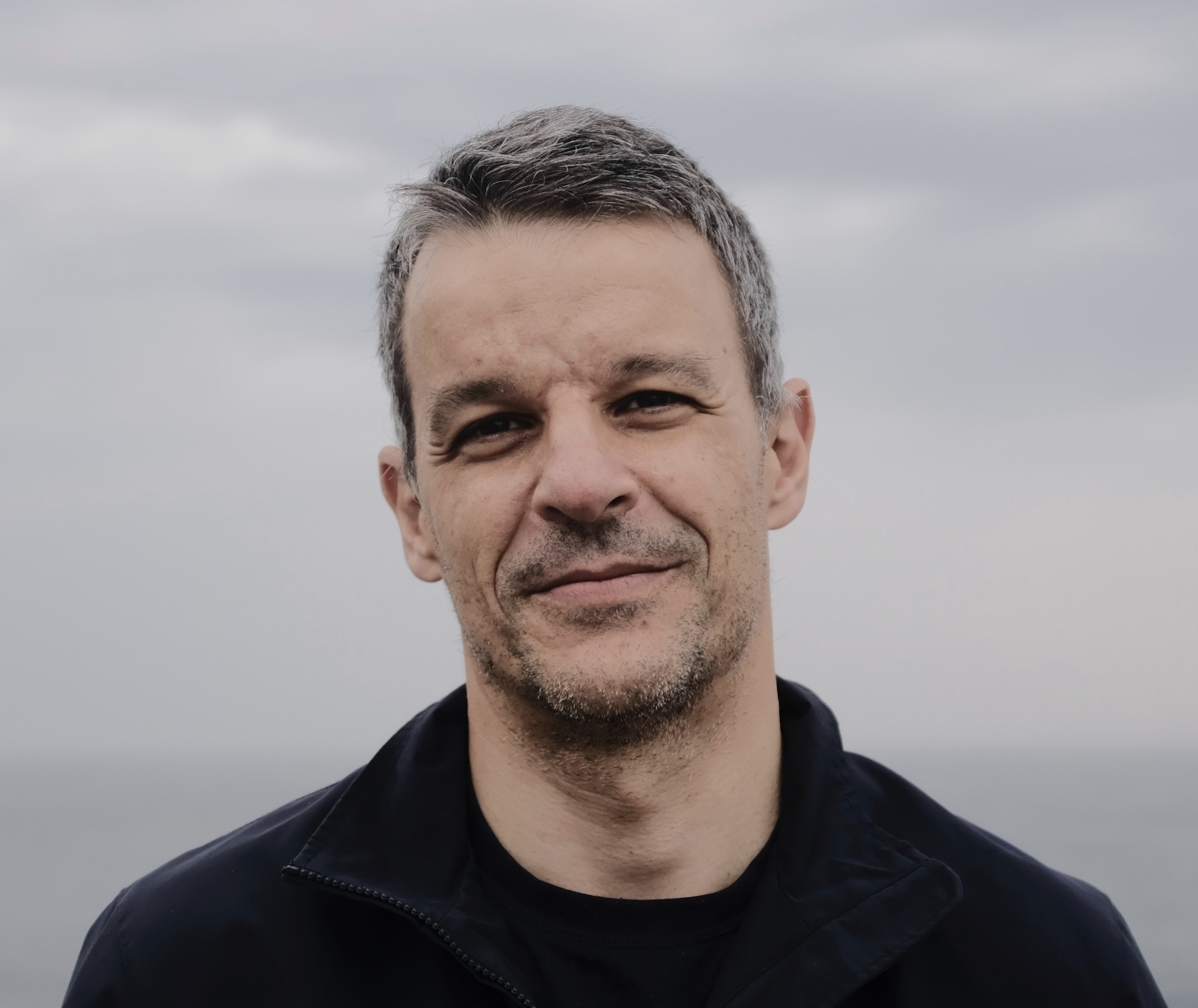
Davie Mchinga, the media advocate behind the petition, says his motivation comes from personal experience.
According to Mchinga, he has worked for a decade as a freelance reporter, sometimes referred to locally as a “bush journalist” filing stories for Malawi’s two largest daily newspapers.
Despite being a regular publisher in his articles, he says he often lacked formal contracts and consistent payment.
“In 2017 I went for 12 months straight without getting my monthly stipend,” he told AI Jazeera Journalism Review. “The pay was calculated at 1,500 kwacha per story [less than one US dollar at the time], yet I was expected to report using my own resources.” he said.
Mchinga argues that such working conditions push journalists toward accepting informal payments simply to survive.
When a person is struggling to make ends meet, even a small amount of money can make a big difference… In such circumstances, accepting chiponda may feel less like corruption and more like survival.
Research supports his concerns. A study titled “Starving the Messenger: A Study of Journalists’ Condition of Service in Malawi,” conducted by media scholar Professor Levi Zeleza Manda in 2013, documented widespread labour exploitation in the country’s media industry.
Another report, “State of the Newsroom Malawi – 2021,” similarly found that many reporters lack formal contracts, medical insurance, pension benefits, or stable salaries.
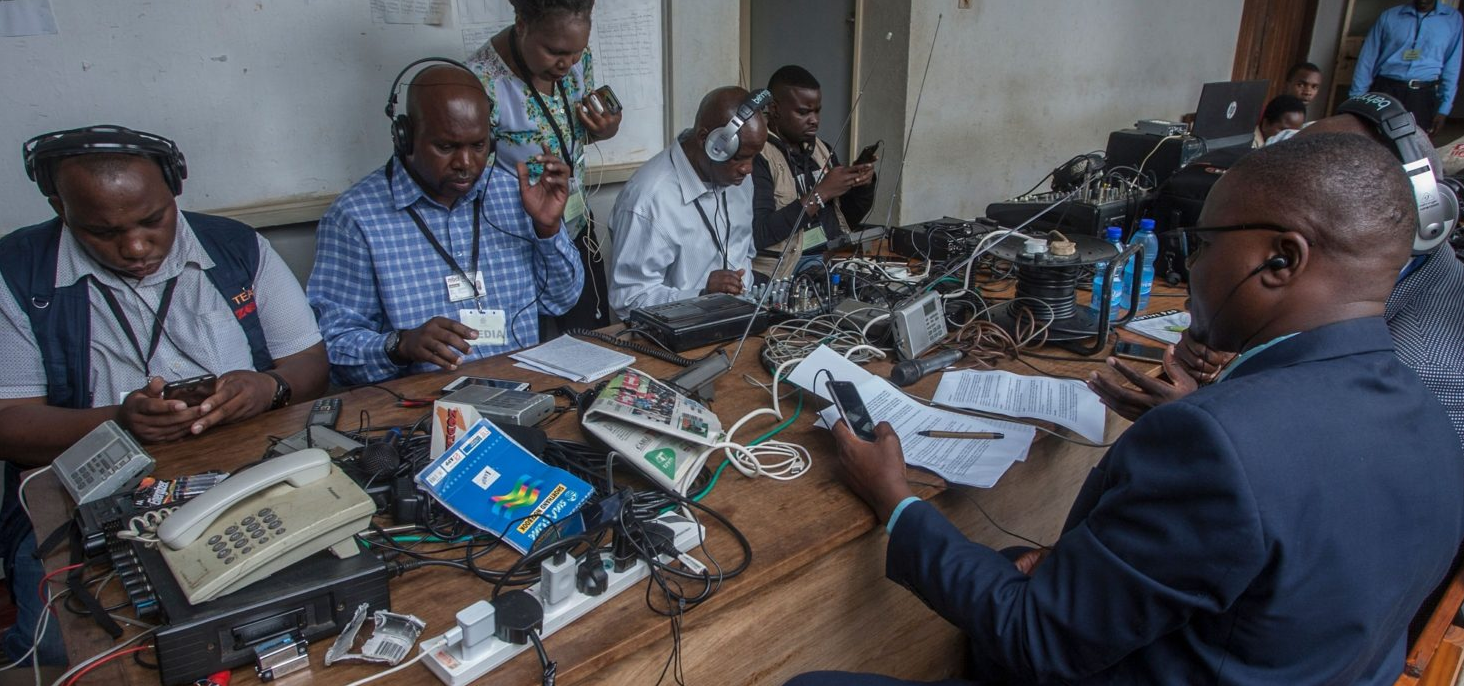
According to Mchinga, most affected victims are young reporters working in community radio stations, an important part of Malawi’s media ecosystem that provides local news to rural populations.
He continued to say community radio stations are often structured around volunteerism. According to him, many staff members receive little or no payment, even though the stations sometimes receive financial or technical support from international organizations such as UNESCO.
“Most of the junior workers go home without anything in their pockets to support their families, this affects them in their everyday lives,” Mchinga said.
He added that the widespread normalization of chipondamthengo threatens the credibility of Malawi’s media industry. “Chipondamthengo is the killer of journalism in Malawi,” he told AI Jazeera Journalism Review. “It gives those with money and power the ability to shape narratives that newsrooms repeat.” he explains.
Journalism’s credibility depends on trust, and once audiences suspect stories are influenced by payments, confidence in the media erodes.
The Human Rights Dimension
Experts say the issue extends beyond newsroom ethics to broader questions about labour rights and economic justice.
Professor Levi Zeleza Manda, a media studies scholar and dean at Unicaf University in Malawi says the problem reflects wider structural challenges in Malawi’s economy.
“Most Malawians are underpaid,” he told AJR. “Public servants are underpaid, and many workers are heavily taxed. Journalists are part of that broader economic struggle.” he explains.
However, he stresses that journalists deserve fair compensation given the risks and responsibilities associated with their work.
"Reporting often requires traveling long distances, covering politically sensitive topics, and sometimes facing harassment or violence... Without adequate pay," he says, journalists face severe psychological and ethical pressures.
According to him, poor remuneration affects morale, self-worth, and professional identity. Some reporters ultimately abandon journalism altogether to pursue more stable careers. Others remain in the profession but compromise their independence.
“When journalists must choose between professional ethics and feeding their families, survival often wins,” Manda said.
According to him, the consequences can be serious, starting from corruption in news coverage to mental health struggles among reporters in the country.
Why Media Organisations Struggle to Pay
While journalists and advocates have stated some issues like labour exploitation, media owners often point to economic constraints.
Malawi’s advertising market is small, and the number of media outlets competing for revenue has increased significantly in recent decades. Many radio stations, newspapers, and digital platforms rely heavily on advertising from government institutions.
However, government payments for advertisements are frequently delayed.
According to Manda, this creates severe cash-flow problems for media organisations.
“Government is the largest advertiser, but also the highest defaulter, they should try to find other alternatives” he told AJR.
He stated that operating costs are also rising saying media companies must pay for broadcasting equipment, fuel, office rent, and internet infrastructure, all of which are expensive in Malawi.
He said as a result, some media owners face difficult choices: reduce staff numbers to pay higher salaries, or retain more journalists while distributing very limited funds.
Many choose the latter option, resulting in extremely low wages across newsrooms.
When journalists must choose between professional ethics and feeding their families, survival often wins.
Possible Solutions to Strengthen Journalism
The MHRC investigation has opened a broader conversation about how Malawi can improve the working conditions of journalists while safeguarding media independence.
Manda suggests that Journalists’ contracts and employment conditions need to align with Malawi’s labour laws. Ensuring minimum wage standards, health insurance, and pension benefits would help stabilize the profession and reduce reliance on informal payments.
"A stronger journalists’ union could negotiate better working conditions and advocate collectively for reporters’ rights. Previous attempts at unionization have struggled to gain momentum," he suggests.
He is of the view that reducing reliance on government advertising could improve newsroom independence and financial stability, adding that digital subscriptions, partnerships with international media organizations, and philanthropic funding models are potential alternatives.
For many young journalists, the MHRC investigation represents a rare opportunity to bring long-ignored problems into the national spotlight. For Phiri and others like him, the hope is simple: a profession where passion for journalism does not require enduring poverty.
“Journalism should serve the public, but journalists must also be able to live.” he told Al Jazeera Journalism Review.