Investigative Journalism

Fact-Checking and the Material Burden Imposed by Geography
Geographical inequalities in mapping, imagery and language resources make open-source verification significantly more difficult and costly in conflict zones such as Sudan, leaving important evidence vulnerable to delays and doubt. Addressing this imbalance requires sustained investment in local archives, proactive mapping, language technologies and editorial transparency.
How to Protect Sources when Police Seize a Journalist’s Phone?
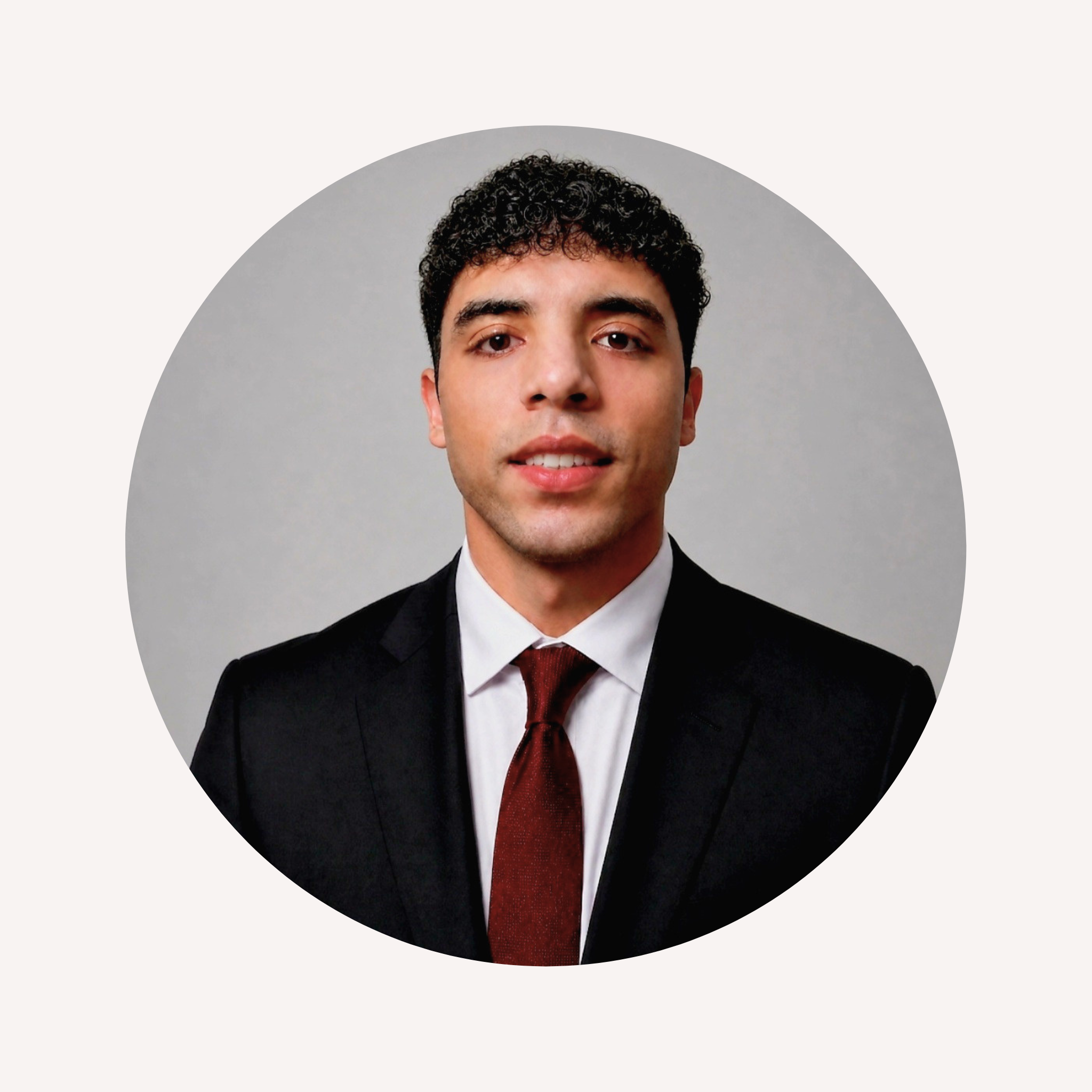
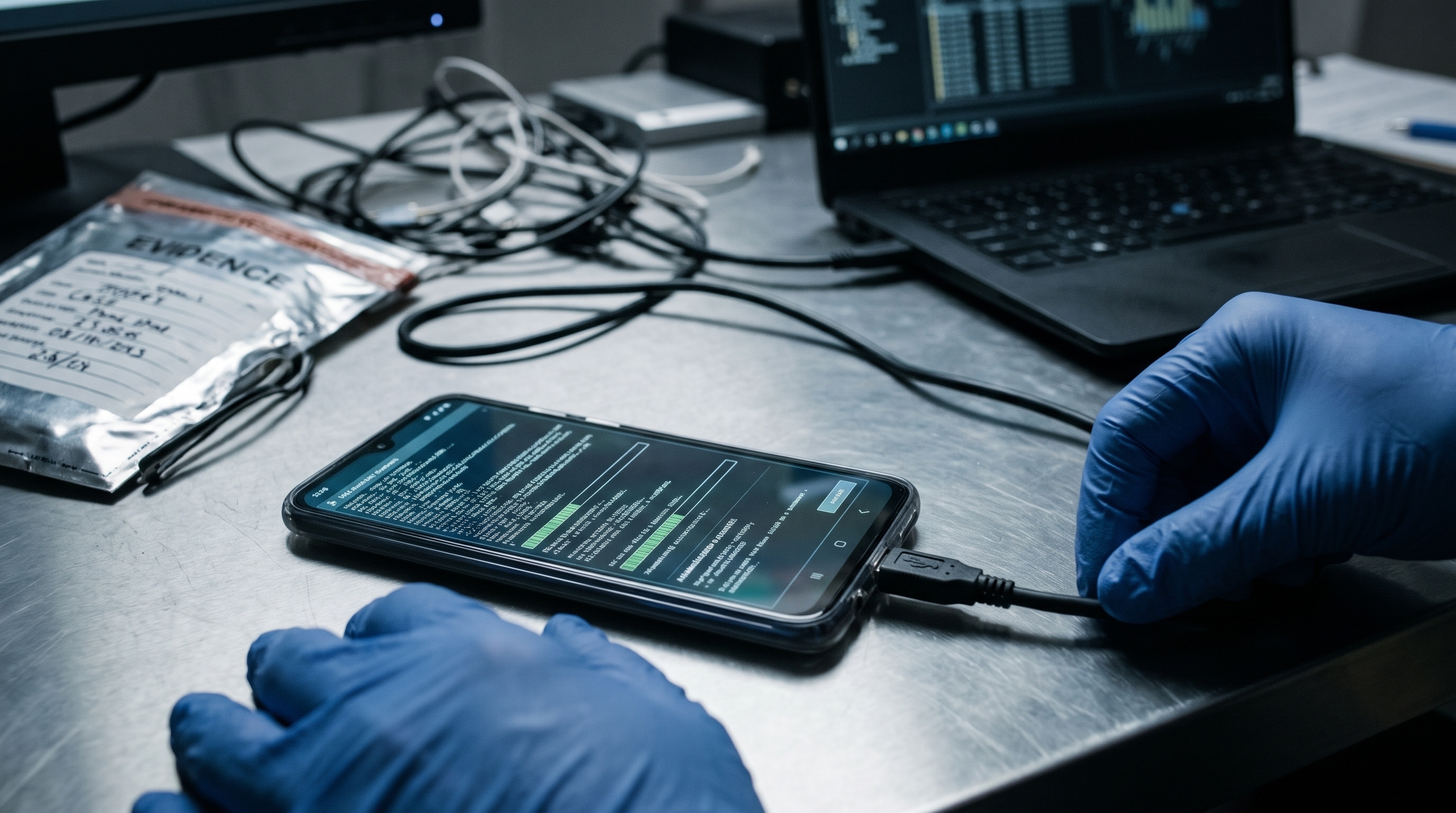
The increasing seizure of journalists' digital devices by authorities using advanced forensic tools and spyware poses a severe threat to source confidentiality and press freedom, forcing reporters to rely on strict digital hygiene and minimized data storage to mitigate risk.

How Journalists Report on Insurgency in Nigeria Without Access or Safety
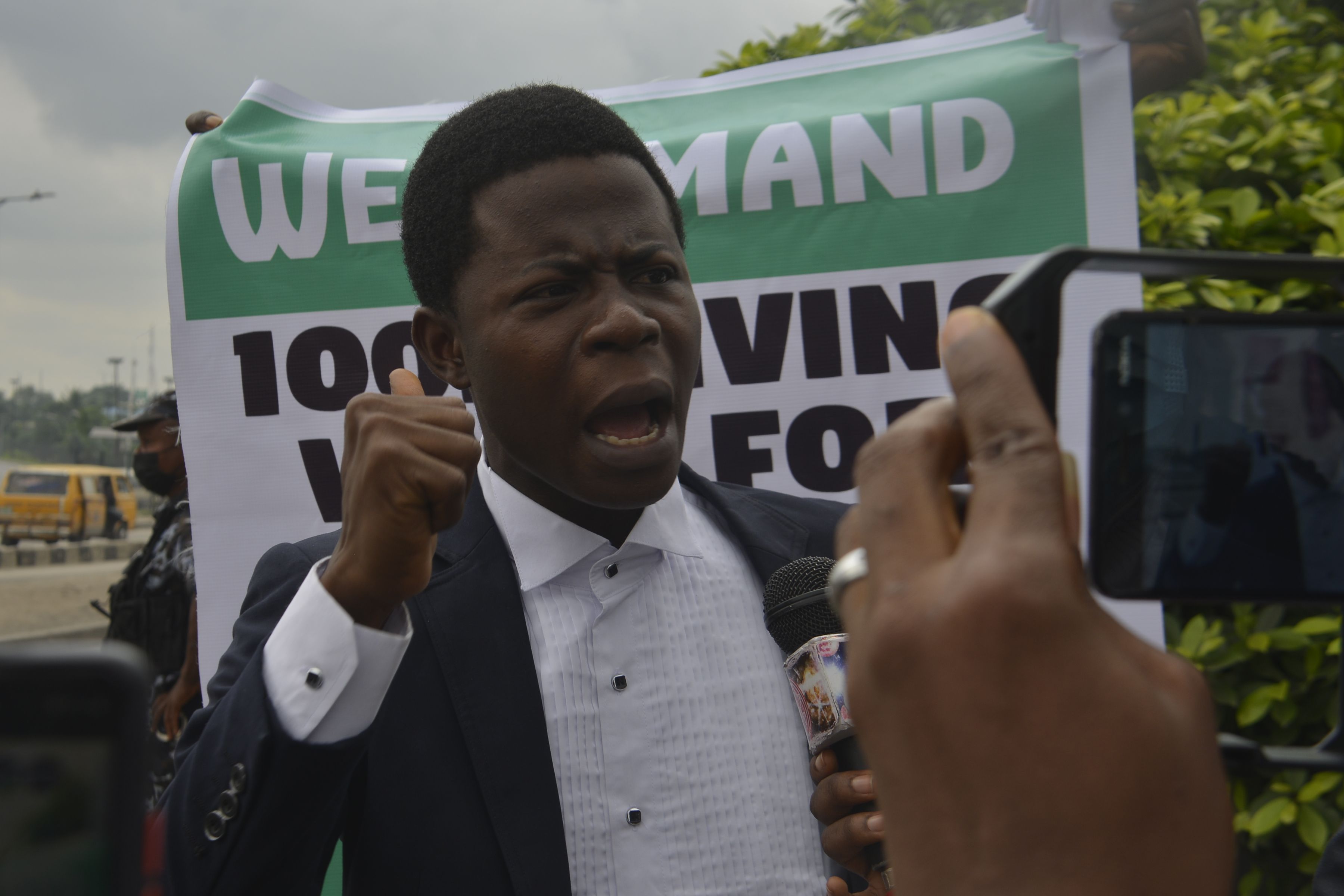
Journalists covering Nigerian conflicts increasingly use remote reporting methods that rely on local fixers and open-source data, forcing a dependence on digital tools that limits direct physical context. Reporters share these difficult realities, exposing how safety risks change the way conflict is documented and asking how the media can keep news accurate when journalists cannot reach the ground.
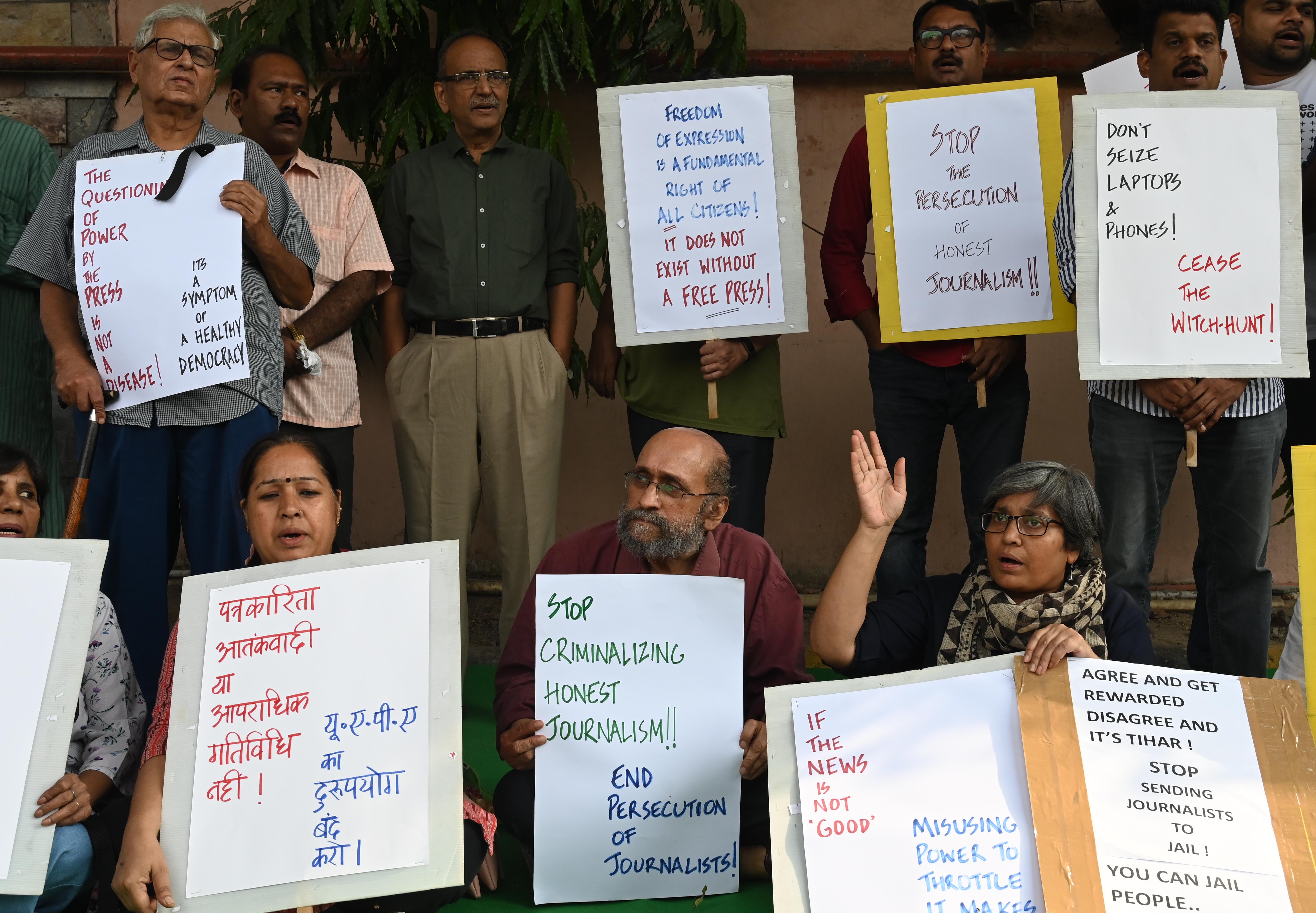
Why Anonymous Sources Are Fading from Indian Journalism
A generation of reporters-built careers on confidential sources, many now write without them.


Arab Society and Investigative Journalism: The Dialectic of Culture, Power, and Profession
Investigative journalism in Arab societies operates within a dense web of social, political, and cultural pressures that often push journalists to balance truth-telling against survival, forcing them onto a precarious “razor’s edge.” Yet despite these constraints, moments of crisis can transform society itself from a source of pressure into a powerful ally, driving accountability and reigniting the pursuit of truth.
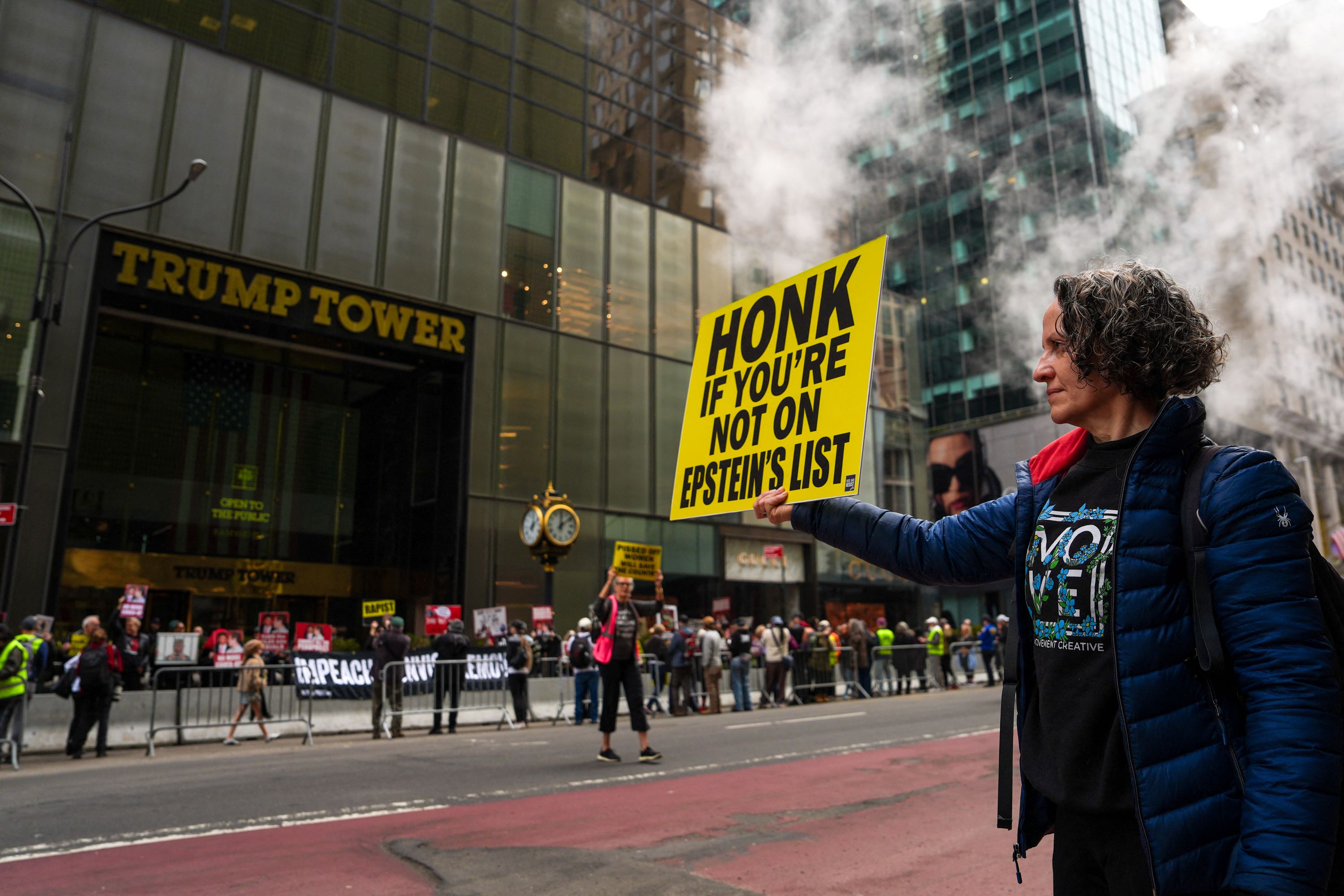
The Epstein Files and the Art of Drowning the Truth
The mass release of millions of files related to Jeffrey Epstein serves as a metaphor for a wider crisis of the digital age: an overabundance of information that obscures rather than illuminates the truth. In an era where data floods replace traditional censorship, citizens risk becoming less informed, underscoring the vital role of professional journalism in filtering noise into meaningful knowledge.

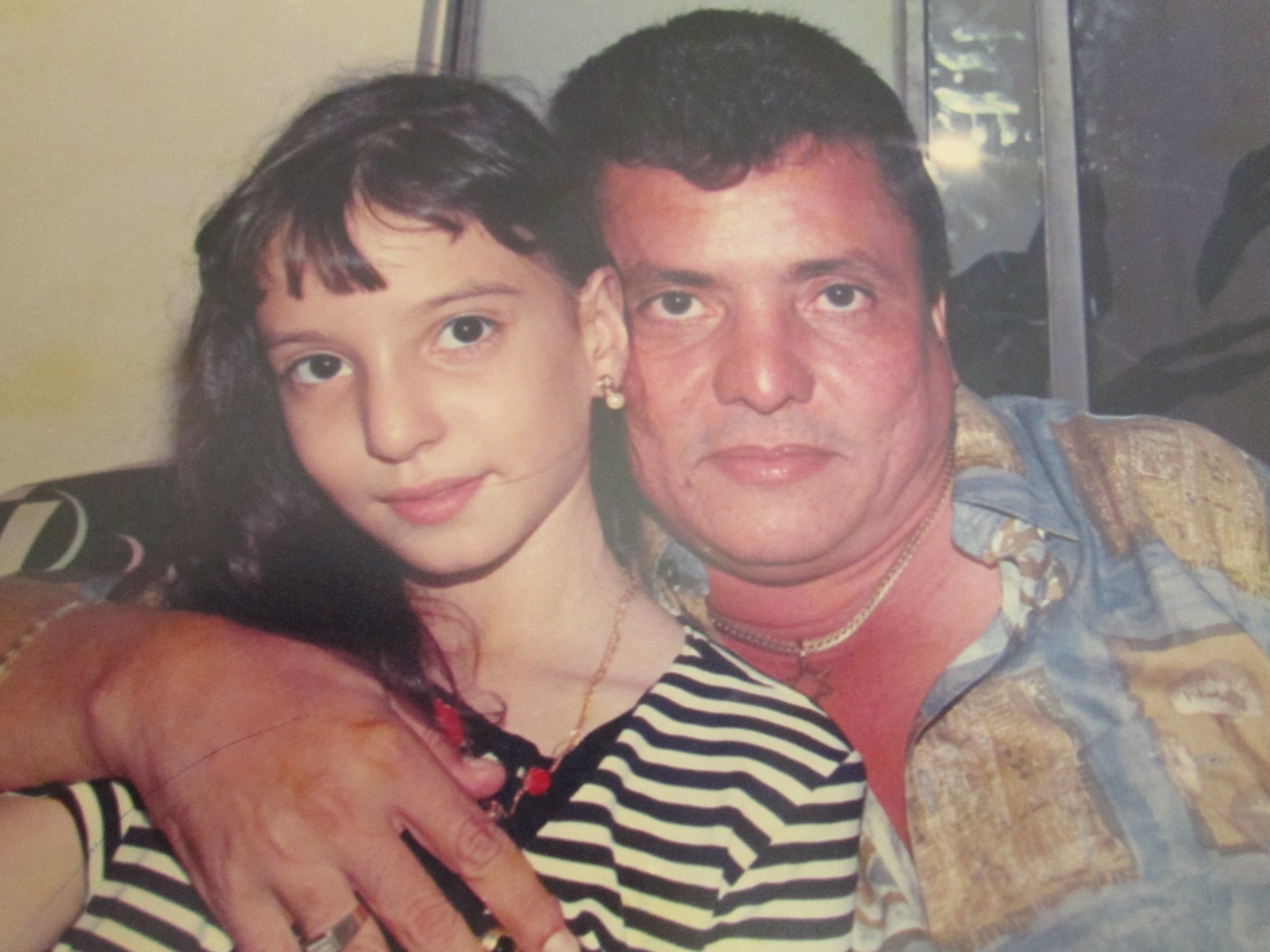
Investigating the Assassination of My Own Father
As a journalist, reporting on the murder of my father meant answering questions about my own position as an objective observer.

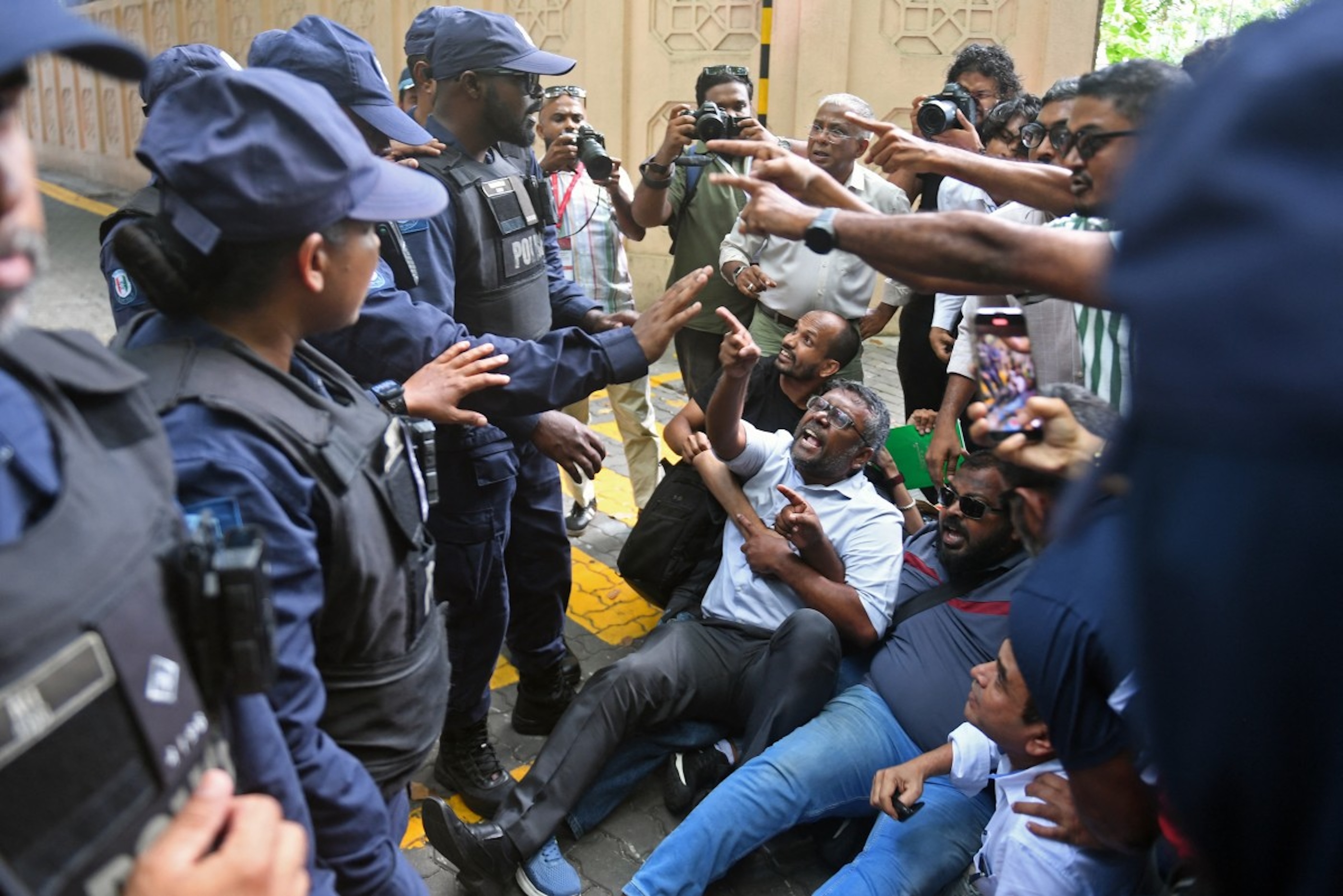
Journalists in Maldives Enter New Phase of Government-Controlled Media Repression
As journalists weigh the costs of their work against threats to their lives and families, the fight for press freedom in the Maldives enters a dangerous new chapter, one where the stakes have never been higher.