Journalists covering Nigerian conflicts increasingly use remote reporting methods that rely on local fixers and open-source data, forcing a dependence on digital tools that limits direct physical context. Reporters share these difficult realities, exposing how safety risks change the way conflict is documented and asking how the media can keep news accurate when journalists cannot reach the ground.
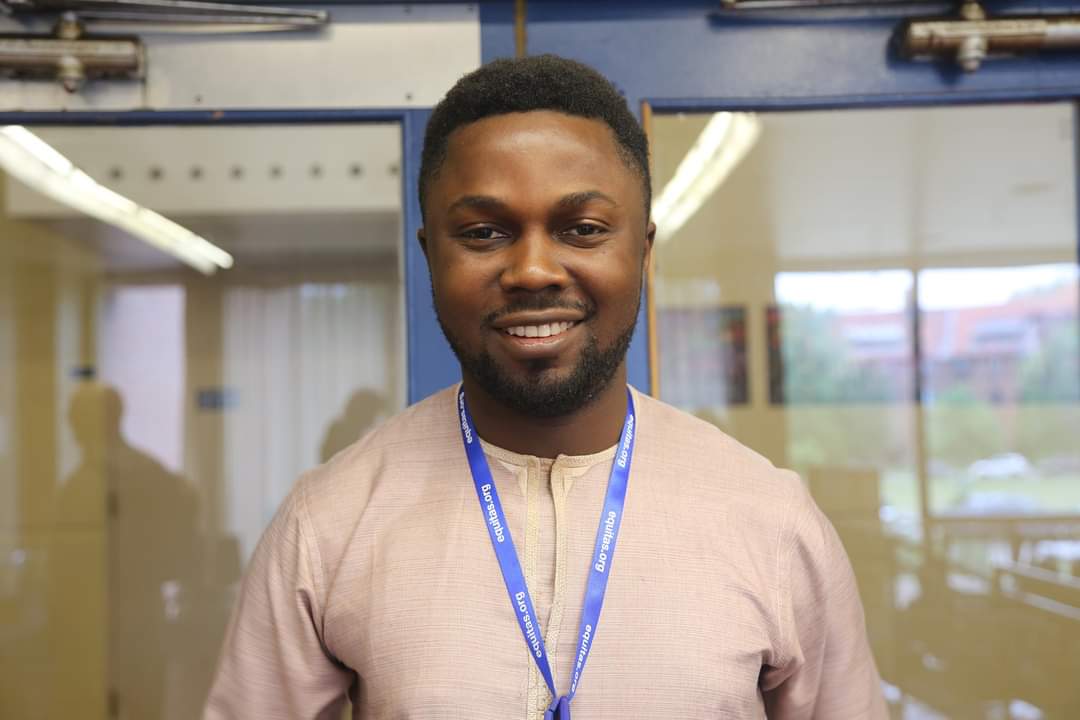
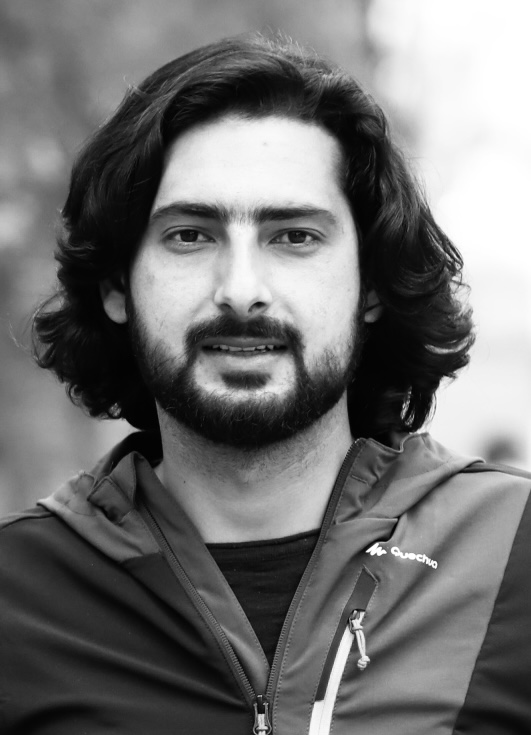
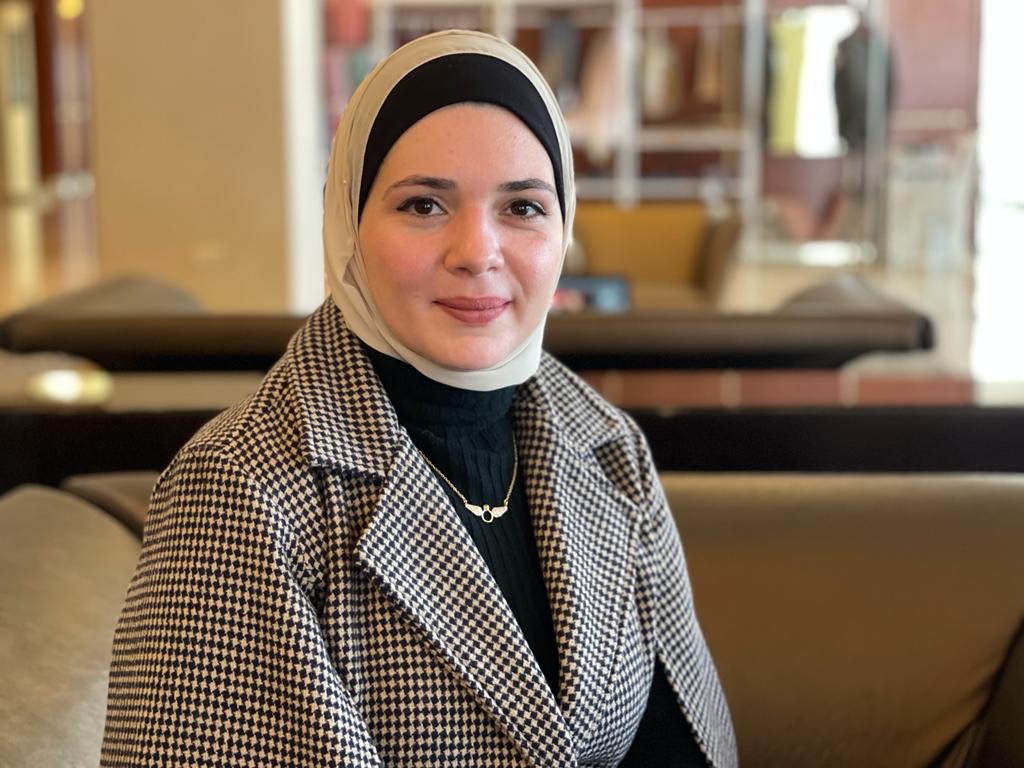
When Toronto-based freelance investigative journalist Patrick Egwu travelled to Zamfara State in 2023 to report on the impact of armed banditry on Catholic sisters and Nigerian Christian communities, he knew the assignment carried risks.
Zamfara is one of the epicentres of Nigeria's banditry crisis, where armed groups have for years attacked villages, kidnapped travellers, and imposed fear across large swathes of the state. To reach his destination, Egwu flew to Sokoto and completed the rest of the journey by road.
About 30 minutes before arriving in Gusau, the state capital, bandits attacked a nearby community, killing two police officers and a resident.
"We had just passed with my driver when the attack happened,” Egwu recalls. "Imagine we had been caught up in the whole thing."
The incident reinforced a reality familiar to many journalists covering conflict in Nigeria: some of the country's most important stories are unfolding in places that are increasingly difficult, and sometimes impossible, to reach safely.
From Boko Haram’s long-running insurgency in northeastern Nigeria to bandit attacks in the northwest and deadly communal violence in the country’s Middle Belt, journalists are increasingly forced to report on conflict from a distance, relying on local networks, digital verification tools, and fragmented information to piece together events they cannot safely witness themselves.
The frontline is no longer only the village under attack or the displacement camp on the edge of a conflict zone. Increasingly, it is also the phone call, the satellite image, the trusted fixer, and the network of sources helping journalists piece together events they cannot safely witness themselves.
Reporting from a distance
The International Organization for Migration (IOM) recorded more than 2.25 million internally displaced people across northeastern Nigeria in its 2024 Displacement Tracking Matrix assessment, underscoring the enduring impact of the Boko Haram insurgency and related violence.
Yet for journalists attempting to document these realities, physical access is often the first obstacle.
From Boko Haram’s long-running insurgency in northeastern Nigeria to bandit attacks in the northwest and deadly communal violence in the country’s Middle Belt, journalists are increasingly forced to report on conflict from a distance, relying on local networks, digital verification tools, and fragmented information to piece together events they cannot safely witness themselves.
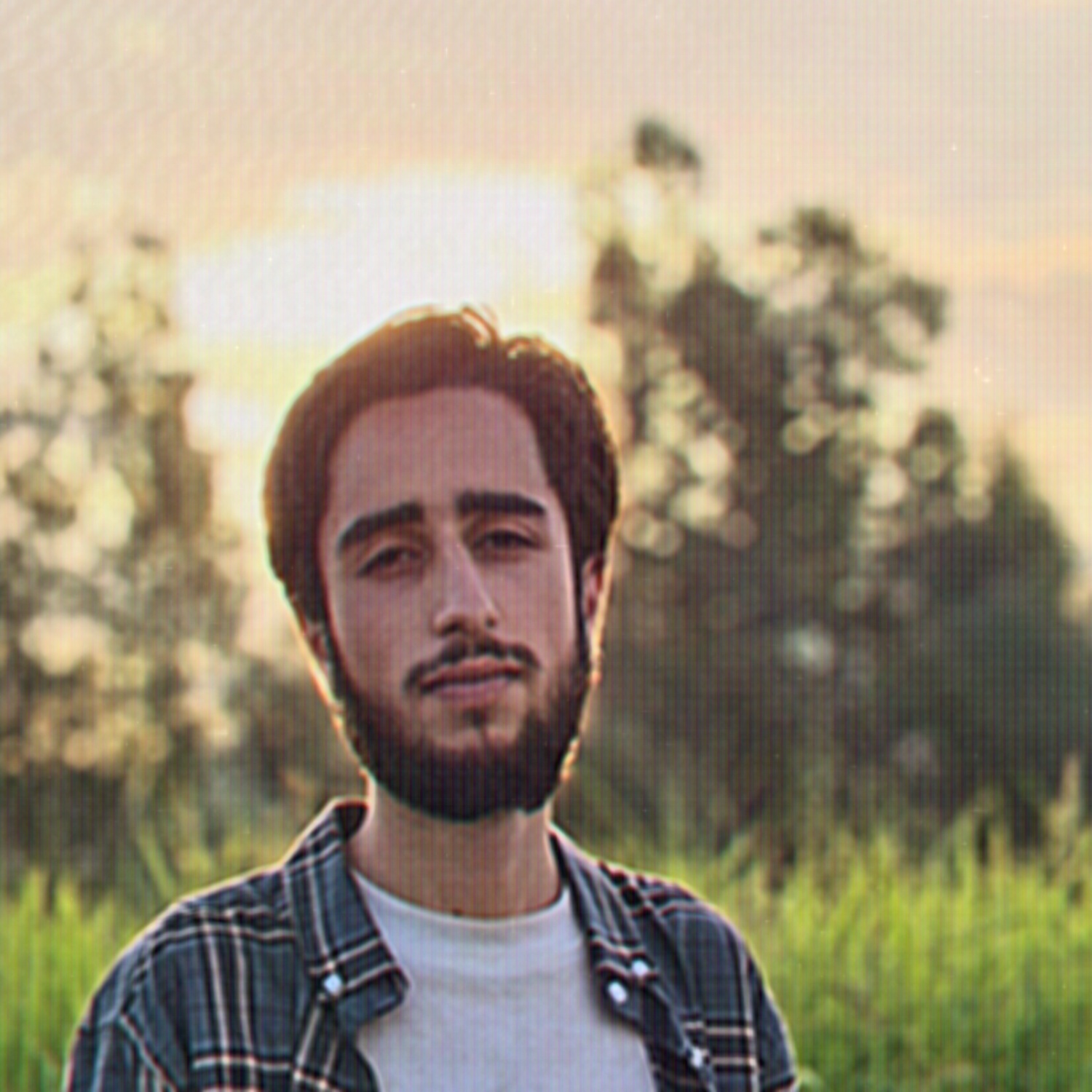
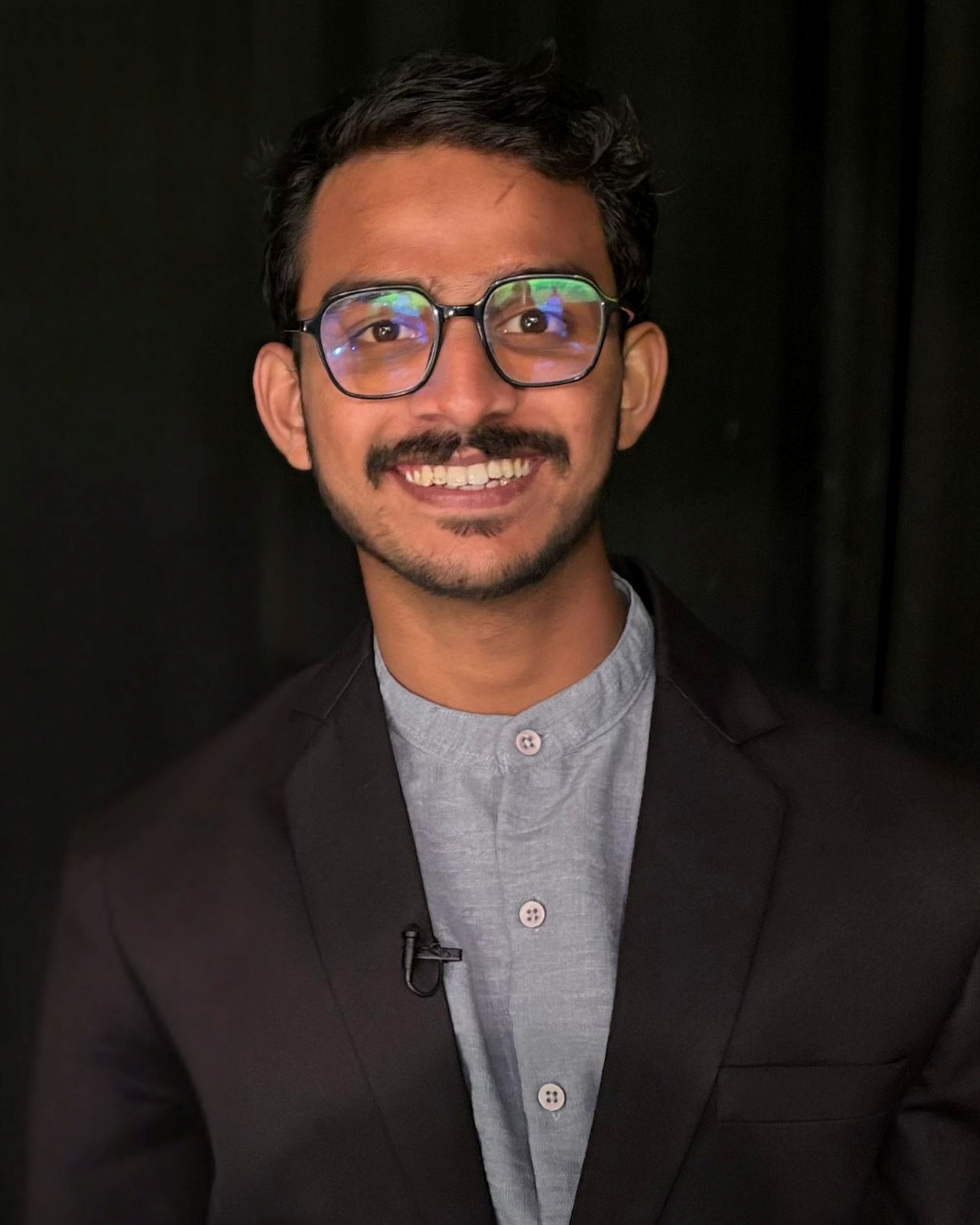
"The first one is access," says Kunle Adebajo, former investigations editor at HumAngle and project manager at Code for Africa's African Academy for Open Source Investigations.
"It can be difficult to have access to displacement camps. Authorities would officially require that you get permission before you go to the camps."
Security concerns further complicate reporting. "Many places affected by conflict are not safe to visit," Adebajo says. "A lot of times, you have to limit yourself to city centres and speak to those who got displaced from the conflicted regions."
For journalists in states such as Zamfara, Sokoto, and Borno, inaccessible communities have increasingly become the norm rather than the exception.
Adamu Silas, a correspondent for Arise News in Zamfara State, says entire areas have effectively become off-limits. "There are places that are inaccessible," he says. "You can't go to those places without security operatives or fear of being attacked on the road."
The dangers do not come only from armed groups. Journalists also face hostility from traumatised communities, angry crowds, and individuals suspicious of media coverage.
The dangers do not come only from armed groups. Journalists also face hostility from traumatised communities, angry crowds, and individuals suspicious of media coverage.
Silas recalls being attacked while covering the mass abduction of schoolgirls from a boarding school in Zamfara in 2021. "As we were just entering the community, we were attacked," he says. "Small children threw stones at us from different directions."
The violence escalated. "The stone hit someone in his forehead. When we were out of the community, I saw blood gushing out from his head."
Verifying what you cannot see
The inability to physically access conflict zones creates a second challenge: verification. How do journalists establish what happened when they cannot reach the scene themselves?
The inability to physically access conflict zones creates a second challenge: verification. How do journalists establish what happened when they cannot reach the scene themselves?
For many reporters, the answer lies in building extensive networks of local contacts, fixers, humanitarian workers, drivers, community leaders, and displaced persons.
"The best thing is always to have multiple sources," Adebajo says. "You don't depend entirely on one person."
Adebajo points to an investigation into allegations that military operations had resulted in villages being burnt and residents displaced. Many of the affected settlements were too dangerous to visit directly. Instead, journalists relied heavily on survivors' accounts and satellite data showing historical fire outbreaks to corroborate what witnesses described.
Open-source intelligence, OSINT, has become an increasingly important tool in this environment. "Open-source intelligence has revolutionised the way conflict reporting is done," Adebajo says.
He points to examples from conflicts in Syria, Ukraine, and Sudan, where journalists have used satellite imagery, geolocation techniques, social media analysis, and conflict datasets to investigate attacks without being physically present.
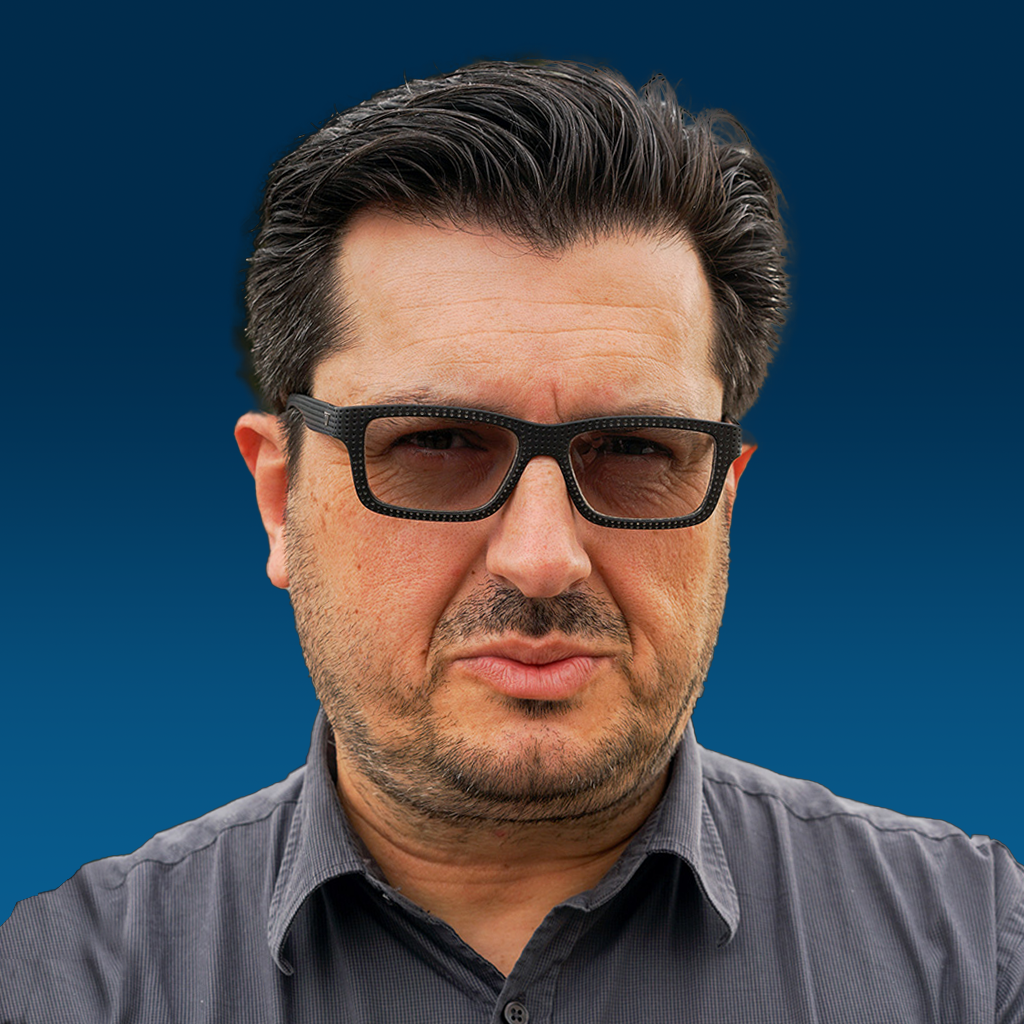
Tunde Omelehin, a freelance journalist and fixer based in Sokoto, however, says local knowledge remains indispensable. "In most cases here, what I do when I serve as a fixer, I don't normally rely on third-party locals," he says.
Instead, he frequently works through humanitarian organisations and aid workers whose volunteer networks extend into difficult-to-reach communities. "I liaise with humanitarian officials like the Red Cross," Omelehin explains. "I rely on those humanitarian workers."
The approach reflects a growing reality of conflict reporting in Nigeria: information increasingly travels through layers of intermediaries before reaching journalists.
The hidden role of fixers
Behind many international and national reports from northern Nigeria are local journalists and fixers whose work often goes unnoticed. They arrange transportation, identify trustworthy sources, assess risks, interpret local contexts, and help reporters navigate unfamiliar terrain.
Behind many international and national reports from northern Nigeria are local journalists and fixers whose work often goes unnoticed. They arrange transportation, identify trustworthy sources, assess risks, interpret local contexts, and help reporters navigate unfamiliar terrain.
Omelehin recalls instances where security concerns forced reporting missions to be abandoned entirely.
"You should be ready to abort your reporting trip, or interview or anything you're doing if you believe or see that the security risk there is too high," he says.
In one case, while accompanying a foreign journalist on an assignment in Sokoto State, Omelehin noticed suspicious activity in a community they were visiting. Local youths began making phone calls. Shortly afterwards, two vehicles appeared to be following them.
"We stopped everything we were doing," he says. "We couldn't even proceed to another community." The pair left immediately.
For Egwu, fixers have become essential to reporting safely. "The fixer helps me navigate risks in unfamiliar areas," he says. "There is no way I could do this work without them."
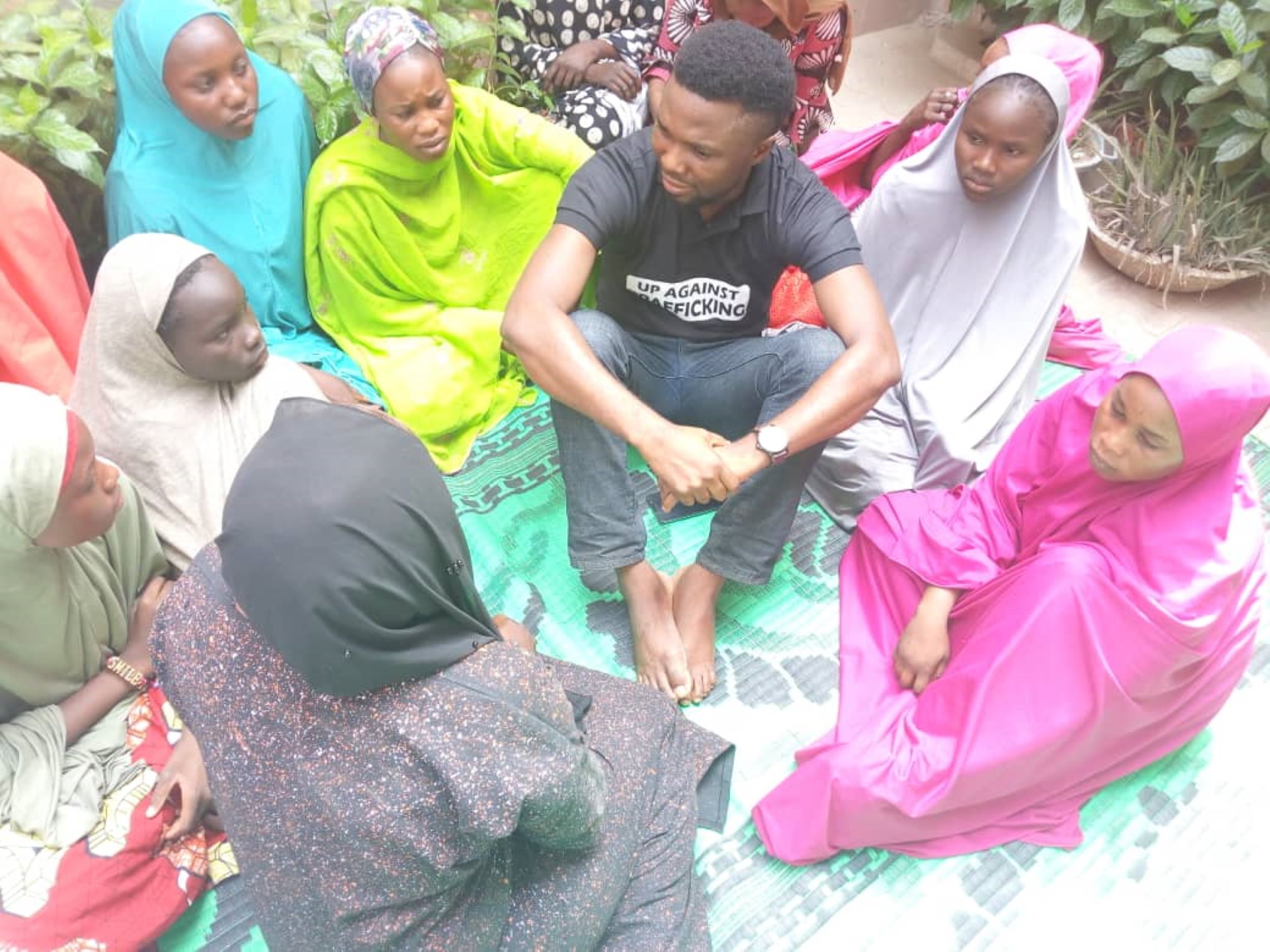
In some situations, fixers even conduct parts of the reporting process themselves. While reporting in Benue State, Egwu decided a particular community was too dangerous to enter following a recent attack.
Instead, he remained in town and asked his fixer to bring sources to a safer location where interviews could take place. "It kind of changes the way journalists gather information in order to protect themselves," he says.
A profession being reshaped
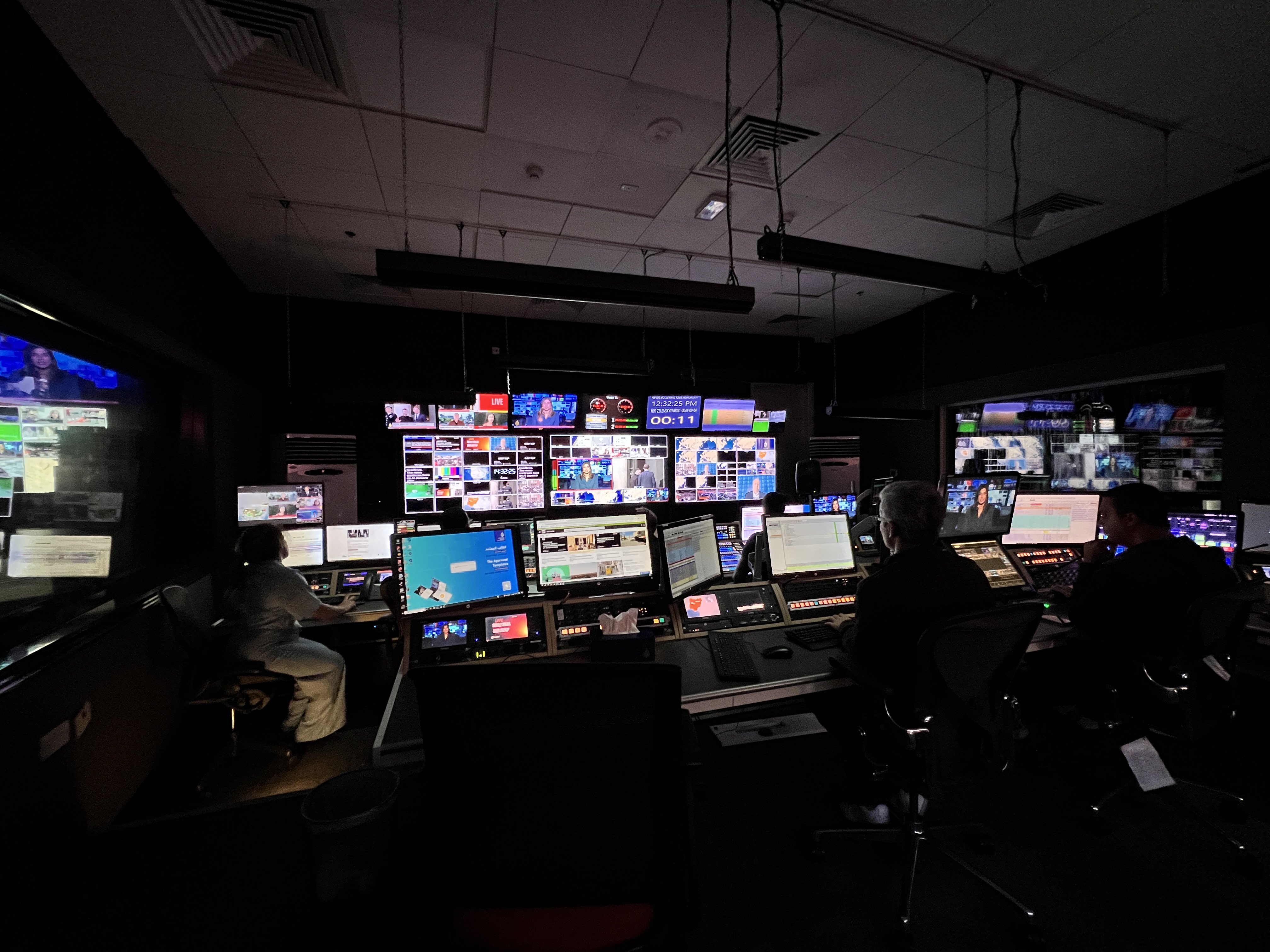
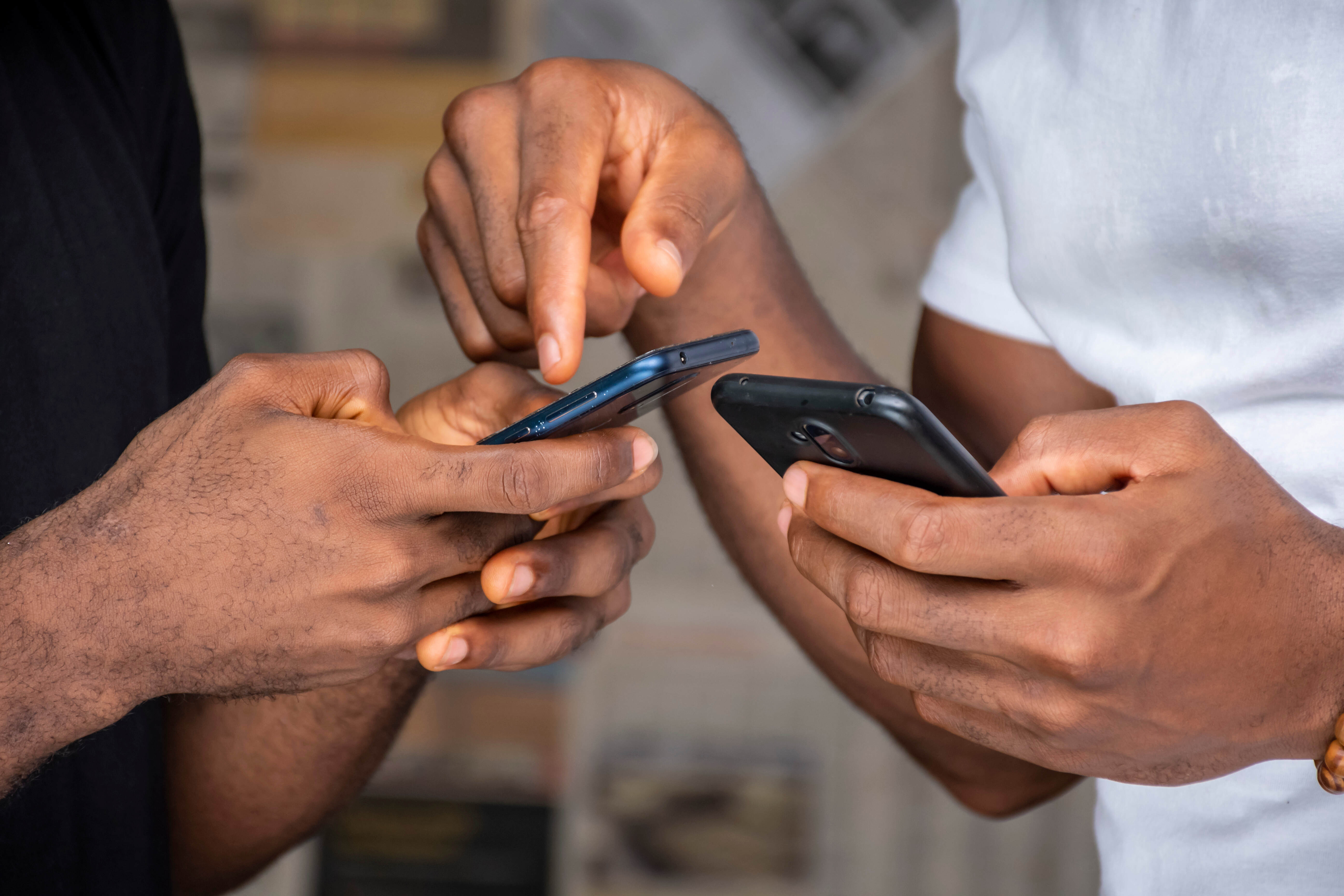
As insecurity deepens across parts of Nigeria, journalists are increasingly adapting their methods. Phone interviews, remote verification, local networks, satellite imagery, and open-source investigations are no longer supplementary tools; they have become central to how conflict reporting is conducted.
As insecurity deepens across parts of Nigeria, journalists are increasingly adapting their methods. Phone interviews, remote verification, local networks, satellite imagery, and open-source investigations are no longer supplementary tools; they have become central to how conflict reporting is conducted.
But these adaptations come with trade-offs. Remote reporting can limit context. Journalists may miss details visible only on the ground. Witness accounts can be incomplete or contradictory. Casualty figures often remain disputed.
"You don't rely on one source," Egwu says. "You double-check what you've been told."
The challenge is not simply gathering information but maintaining accuracy while working under constraints.
At the same time, reporters face pressure from competing narratives. Adebajo notes that official accounts sometimes conflict with what journalists and local communities observe.
"It is healthier to prioritise accuracy than speed," he says.
For journalists covering Nigeria's conflicts, that commitment to accuracy increasingly requires creativity, patience, and caution. Conflict reporting in Nigeria has not disappeared because access has shrunk. Instead, it has evolved.
The frontline is no longer only the village under attack or the displacement camp on the edge of a conflict zone. Increasingly, it is also the phone call, the satellite image, the trusted fixer, and the network of sources helping journalists piece together events they cannot safely witness themselves.
As insecurity continues to restrict access, the future of conflict journalism in Nigeria may depend less on getting closer to danger and more on developing reliable ways to document it from afar.