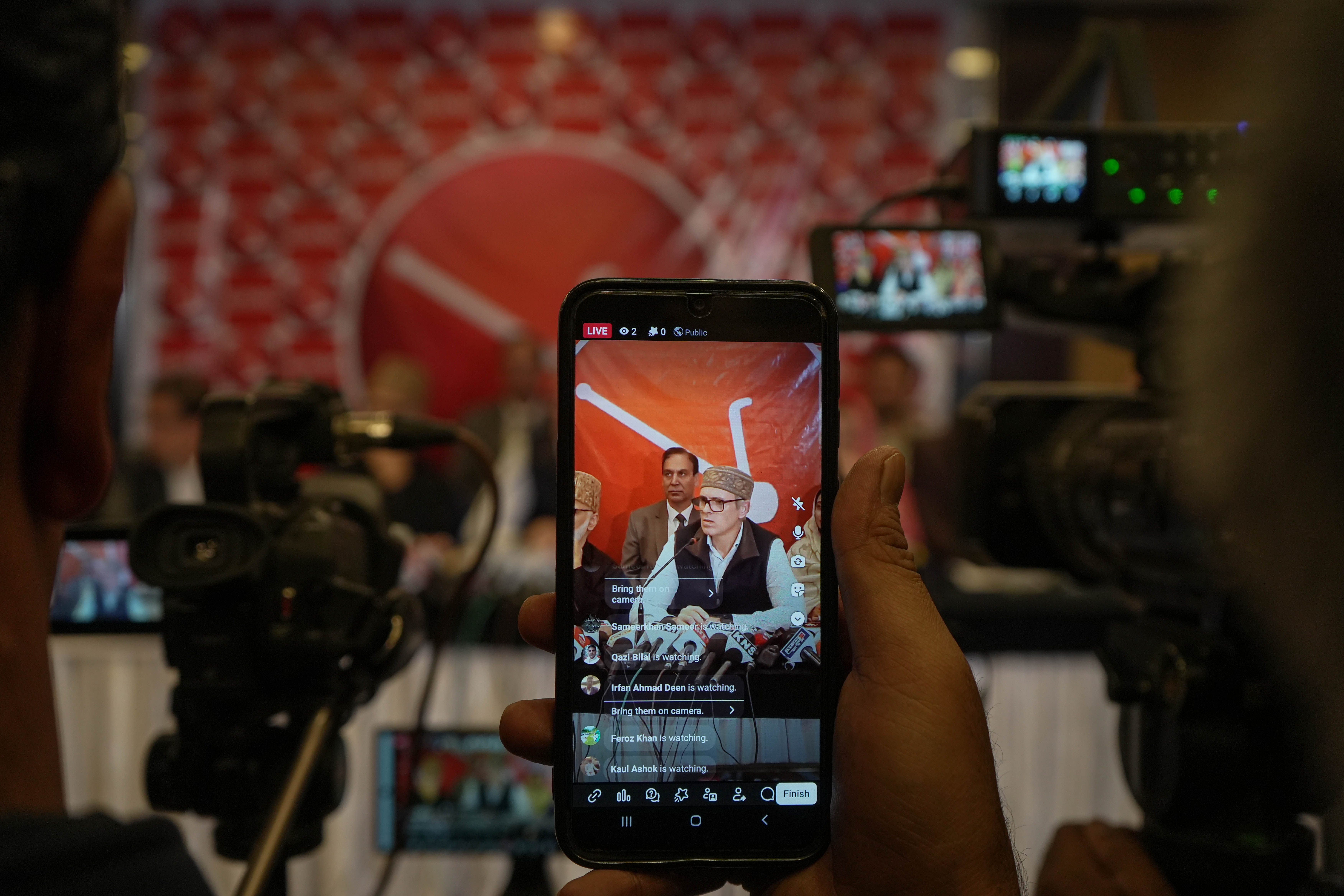
Editors once decided which stories mattered based on evidence, public interest and ethics. Today, recommendation algorithms and engagement metrics increasingly shape editorial decisions, prioritising what keeps audiences scrolling.
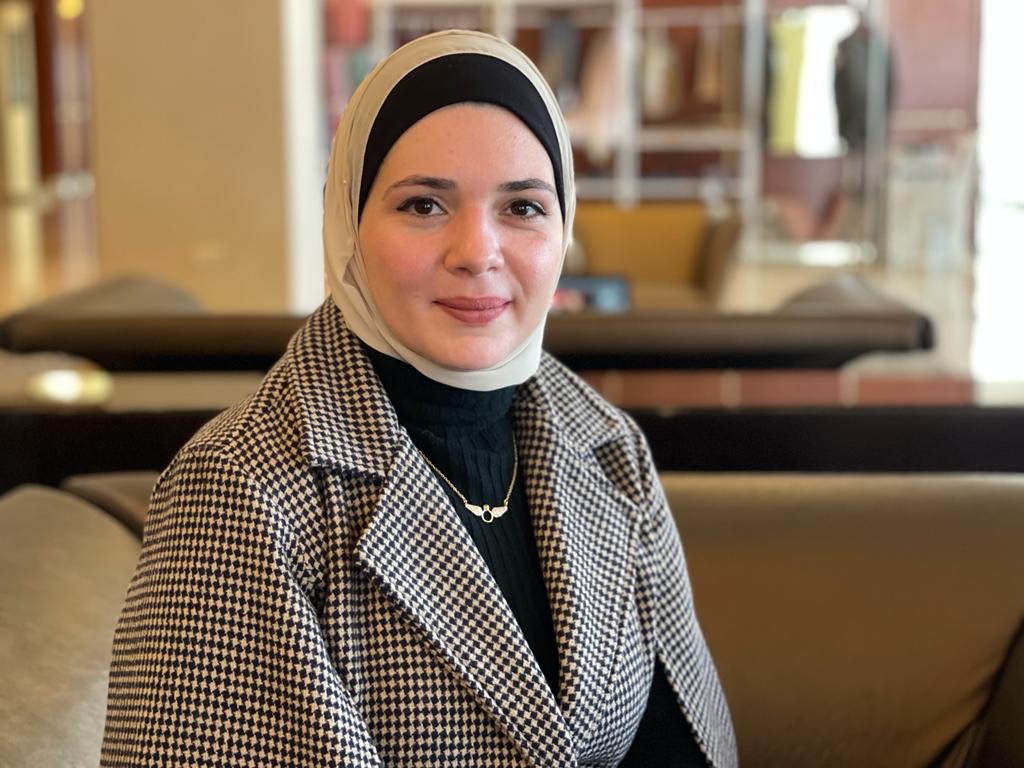
Mehak (name changed) spent three years studying journalism at a university in Kashmir, believing the profession would allow her to document stories rarely seen beyond the region's borders. Like many aspiring reporters graduating into India's shrinking media industry, she expected her first newsroom to teach her how to investigate, verify information and hold those in power accountable.
Instead, her first lesson was about algorithms.
Her assignment did not begin with editorial meetings or newsroom discussions. It began with a WhatsApp message advertising vacancies for "female reporters", no journalism degree required. Within weeks of joining a popular social media news page, she realised success was measured not by accuracy or public interest but by views, shares and watch time.
"I wanted to tell stories people outside Kashmir never hear," she says. "Instead, I was constantly told to think about what would perform well online."
Her experience reflects a growing transformation unfolding across India, where hundreds of Instagram pages, Facebook channels and YouTube-based news platforms are reshaping journalism. These digital-first outlets have opened doors for young graduates at a time when traditional newsroom jobs are disappearing. Yet interviews with women journalists suggest many operate without editors, employment contracts or institutional safeguards, raising a broader question: what happens when social media platforms begin replacing editorial institutions?
The Algorithm Has Become the Editor
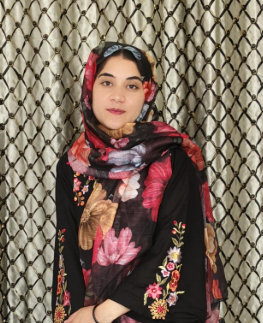
For Tabia Aslam, earning a journalism degree in Kashmir meant overcoming family fears as much as academic challenges. Convincing her parents to let her study journalism was difficult because they viewed the profession as dangerous in a conflict region. "I believed journalism was about representing my community and telling stories that people outside Kashmir rarely hear," she says.
University classrooms taught her ethics, accountability and the importance of questioning those in power. But when she joined a newsroom as an intern, she said the ideals she had learned quickly collided with reality.
"I asked an official a question that was ethically correct and exactly what we had been taught in college," she recalls. "After the interview, my cameraperson complained to the editor. The next day my editor called me and said, 'If you can't work like this, then leave.' That was the moment I realised that even asking the right question could cost you your career."
She left the internship within weeks.
"Today many editors care more about Facebook and Instagram views than whether young reporters are learning journalism," she says. "We are expected to produce three stories a day, no matter the quality. I entered this profession to serve the public, but many platforms measure success only through engagement. That has made many young journalists lose faith in the profession."
Increasingly, young reporters say editorial judgement is no longer exercised by experienced editors but by recommendation algorithms designed to maximise audience attention.
Unlike traditional newsrooms, where editors decide which stories deserve attention through verification, editorial judgement and public interest, many digital-first platforms allow social media algorithms to shape editorial priorities.
For reporters, success is increasingly measured through likes, comments, shares and watch time.
"Social media has undoubtedly created new opportunities for young journalists, but it has also changed what success in journalism looks like," says Mehvish Mukken, an aspiring journalist. "Today, conversations in many digital newsrooms revolve around views and engagement rather than the quality or public value of a story. I've experienced the pressure myself, being asked why a report didn't get enough views instead of discussing its impact. Journalism should reward skill and credibility, not algorithms. While digital media has opened doors for women, it has also exposed many of us to online abuse and constant pressure to produce viral content. The future of journalism should be built on ethics, fairness and public interest, not just clicks."
Unlike traditional newsrooms, where editors decide which stories deserve attention through verification, editorial judgement and public interest, many digital-first platforms allow social media algorithms to shape editorial priorities.
Another young reporter from Kashmir, whose identity is being withheld to protect her employment, says management introduced financial incentives tied directly to audience engagement.
"If one of my videos crosses 100,000 views, I receive an extra US$4. If it reaches one million views, I get US$7 more," Aisha Mehraj, one of the many aspiring women journalists who work daily in India, said.
"When your salary depends on views, you stop thinking like a journalist and start thinking about what the algorithm wants."
She says the pressure to attract viewers extends beyond story selection.
"My editor told me not to wear a hijab or an abaya while reporting because, according to him, it wouldn't attract viewers. They decide everything, our dress, where we stand, what questions we ask and sometimes even how we should speak on camera."
According to her, stories are often chosen because they are emotionally charged rather than because they serve the public interest.
"Sometimes we are told to interview people who appear mentally distressed because those videos receive more engagement. Whether the story has any public value becomes secondary. The priority is whether people will watch."
These accounts have not been independently verified, and many of them did not want to say anything about this. One of the local social media page owners said this is a trend and we only follow trends. He says only a few have professional degrees, and nobody knows them.
Mohammad Yaseen, a resident of Srinagar who regularly follows digital news platforms, says the pressure to publish first often comes at the cost of accuracy. "Many of these pages rush to upload videos without verifying the information. During the Iran-Israel conflict, rumours of a petrol shortage spread rapidly on social media, prompting people to queue outside petrol pumps across several Indian cities even though oil companies later clarified that there was no shortage. The panic was created not by the situation itself, but by unverified posts being shared repeatedly."
"I've also seen reporters filming grieving families moments after a tragedy, interviewing children without blurring their faces and chasing emotional reactions just to increase views. Journalism should inform people, not create panic or exploit vulnerable people for engagement."
Without institutional safeguards, many recruits enter the profession with little understanding of media ethics, digital security or legal responsibilities, leaving them vulnerable to exploitation both online and offline.
For the young reporter, the profession they dreamed about has become almost unrecognisable.
"If this is how journalism students continue to be exploited just to gain views, then something is seriously wrong. None of us entered this profession for that. We became journalists because we wanted to tell important stories, especially from conflict regions like Kashmir where so much goes unheard. Today everything revolves around numbers."
Another reporter says she earns around US$50 (approximately ₹4,300) a month while producing at least five video reports every day.
"There is no employment agreement, no editorial policy and no safe workplace," she says. "Editorial decisions are made entirely by the page owner. Serious public-interest stories are discouraged if they are unlikely to perform well on Instagram or Facebook."
She says women are frequently expected to remain in front of the camera while men are assigned technical or administrative roles.
Without institutional safeguards, many recruits enter the profession with little understanding of media ethics, digital security or legal responsibilities, leaving them vulnerable to exploitation both online and offline.
For decades, editors acted as journalism's gatekeepers, deciding which stories mattered based on evidence, public interest and professional ethics.
Today, many young reporters say that role has increasingly been assumed by recommendation algorithms, software designed not to identify what is important, but what is most likely to keep audiences scrolling.
In this new economy of attention, journalism risks becoming just another form of content creation.
Editorial decisions are made entirely by the page owner. Serious public-interest stories are discouraged if they are unlikely to perform well on Instagram or Facebook.
A Global Shift Beyond India's Borders
Media experts say the transformation unfolding inside India's social media newsrooms is not an isolated phenomenon. Around the world, journalism is increasingly being reshaped by platform algorithms, shrinking newsroom budgets and the growing expectation that reporters should also be creators, influencers and entrepreneurs.
"Social media has made journalism faster and more accessible, particularly in regions where mainstream media often has a limited presence. But speed cannot replace editorial responsibility. When stories are published without verification or editorial oversight, misinformation spreads rapidly and can create unnecessary panic. Editors have traditionally acted as gatekeepers, not to suppress information, but to ensure accuracy, fairness and context before publication. Without that process, public trust in journalism begins to erode," says a Kashmir-based media scholar, Mohd Saleem.
The International Federation of Journalists (IFJ), the world's largest organisation representing more than 600,000 journalists in over 140 countries, has repeatedly warned that digital platforms have fundamentally altered newsroom expectations. While social media has expanded opportunities for reporters to reach audiences directly, the federation says employers have failed to provide adequate protections for journalists navigating increasingly hostile online spaces.
The IFJ has urged media organisations to adopt newsroom-wide social media policies, provide digital safety training and treat online abuse as a workplace issue rather than an individual's responsibility. The organisation has also found that many women journalists either never report online harassment or receive little institutional support after doing so, highlighting the lack of protection in an increasingly digital profession.
The pressures described by the IFJ closely mirror the experiences of the women interviewed for this story.
Their salaries are tied to engagement. Their appearance is scrutinised. Their professional judgement is frequently overridden by the pursuit of clicks, likes and shares.
Researchers say these are symptoms of a larger transformation in journalism itself.
The Nieman Journalism Lab at Harvard University, which tracks global trends in journalism, has documented how reporters are increasingly expected to build personal brands across Instagram, YouTube, TikTok and X while simultaneously producing journalism. As news organisations compete for audience attention on digital platforms, metrics such as engagement and follower growth are increasingly influencing editorial strategy.
The result, Nieman researchers argue, is that the boundaries between journalism, influencer culture and content creation are becoming increasingly blurred. Reporters are no longer evaluated solely on the quality of their reporting but also on their online visibility and ability to attract audiences.
The International Federation of Journalists (IFJ), the world's largest organisation representing more than 600,000 journalists in over 140 countries, has repeatedly warned that digital platforms have fundamentally altered newsroom expectations. While social media has expanded opportunities for reporters to reach audiences directly, the federation says employers have failed to provide adequate protections for journalists navigating increasingly hostile online spaces.
The consequences are particularly severe for women.
According to a landmark study by UNESCO and the International Centre for Journalists (ICFJ), 73 per cent of women journalists worldwide have experienced online violence while carrying out their work. The abuse ranges from misogynistic insults and coordinated trolling to threats of rape and death. Many respondents said the harassment had affected their mental health, professional confidence and editorial decisions, with some avoiding controversial subjects altogether or reducing their online presence.
A more recent UNESCO-supported global survey suggests the problem is worsening. Three out of every four women journalists reported experiencing online violence, while 42 per cent said the abuse later escalated into offline harassment or physical threats, demonstrating that digital attacks increasingly translate into real-world risks.
For young women entering India's informal digital newsrooms without contracts, institutional support or editorial protection, those global findings carry particular significance.
South Asia's Digital News Boom
The shift extends well beyond India.
During Bangladesh's 2024 student-led protests, citizen journalists and street reporters played an important role documenting demonstrations that were sometimes overlooked by mainstream media. Smartphones allowed ordinary citizens to broadcast events in real time, demonstrating how social media can strengthen public-interest reporting when traditional institutions are constrained.
Yet the same technologies have also fuelled a parallel ecosystem where viral content often overshadows verified reporting.
In Nepal, many young women who entered journalism have gradually shifted towards content creation because it offers greater financial stability.
One Nepalese journalist, who later became a travel content creator, says she left the profession after repeatedly being asked to compromise ethical standards.
"Many times I was told to do things that were not ethically right," she says. "If I can't do justice to my education and profession, what is the point? Content creation pays better, but journalism should never become entertainment."
Senior editors across the region believe social media journalism has undoubtedly expanded access to information, particularly in underserved communities where mainstream media rarely invest resources.
But they argue that journalism cannot survive without editorial accountability.
Nieman researchers argue, is that the boundaries between journalism, influencer culture and content creation are becoming increasingly blurred. Reporters are no longer evaluated solely on the quality of their reporting but also on their online visibility and ability to attract audiences.
Surav, a senior editor based in India’s national capital, New Delhi, says citizen and street journalism have an important role in documenting everyday life and amplifying local voices, but professional journalism requires verification, ethics and public responsibility.
"Anyone can switch on a camera and upload videos," he says. "But journalism is one of democracy's pillars. Stronger policies are needed to ensure that platforms presenting themselves as news organisations follow professional standards instead of simply chasing engagement."
Who Will Protect the Next Generation of Journalists?
The rapid expansion of India's social media newsrooms has undoubtedly created opportunities for thousands of young people who might otherwise never enter journalism.
For many graduates facing a shrinking job market, these platforms provide their first chance to hold a microphone, report from the field and reach audiences.
Yet opportunity without protection comes at a cost.
When algorithms determine editorial priorities, appearance influences professional success, and salaries depend on viral engagement, journalism risks drifting away from its traditional purpose of informing the public.
The women interviewed for this story insist they are not opposed to digital journalism.
They welcome new technologies, social media storytelling and direct engagement with audiences.
What concerns them is the disappearance of the editorial values that once distinguished journalism from entertainment.
As one young Kashmiri reporter reflected:
"I entered journalism because I believed stories could bring change. I wanted to report from places people ignore and represent voices that rarely reach national media. Instead, I spend my days worrying about views, likes and algorithms."
Her words capture a dilemma facing newsrooms far beyond India.
As platforms increasingly replace publishers as the gateways to information, the question confronting journalism is no longer simply how news will be distributed.
It is who, or what, will decide which stories deserve to be told.
India's social media news boom has undoubtedly created opportunities for thousands of young graduates. Many would never have entered journalism without these platforms.
Yet opportunity without editorial protection carries its own risks.
When salaries depend on algorithms, appearance influences career progression, and editors gradually disappear from the newsroom, journalism begins to resemble content creation more than public service.
The women interviewed for this story insist they are not rejecting digital journalism. Most grew up consuming news online and believe social media has expanded access to information. Their concern is something deeper: the disappearance of editorial institutions that once separated journalism from entertainment.