
North American mainstream journalists covering US and Israel-led algorithmic warfare frequently use anthropomorphic language that humanises technologies like machine learning, forcing a reliance on tech-elite jargon that sanitises the immense human cost and removes accountability from the state actors and weapon developers.
In recent years, mainstream journalists have adopted a language around Large Language Models (LLMs) like OpenAI’s ChatGPT, X’s Grok, Meta’s Llama, and Anthropic’s Claude, which wrongly gives the impression these algorithms are “thinking”, “learning”, and "deciding". This practice is referred to as "anthropomorphising" and occurs when journalists use language that humanises algorithms by ascribing to them human-like intent and behaviour. More alarmingly, this pervasive trend among North American mainstream news outlets normalises anthropomorphic vocabulary when reporting on acts of war where algorithmic weapons manufactured and used by the United States (US) and Israel kill civilians in Palestine, Lebanon, and Iran.
There are examples of global mainstream media using anthropomorphic language, particularly in their headlines and digital story titles relating to LLMs. For instance, the BBC questions, “How evil can AI be?"; the New York Times suggests, “AI is learning what it means to be alive"; Dawn News highlights, “AI is taking over creativity"; TRT World News enquires, “Has AI begun revolting?"; and Al Jazeera states, “AI’s growing thirst for water is becoming a public health risk.” This discourse seems more pronounced in the North American mainstream media.
To investigate the issue of anthropomorphised headlines particularly relating to US/Israel-led algorithmic warfare, Al Jazeera Journalism Review (AJR) conducted a critical media analysis of over 100 headlines from established American and Canadian news.
It’s not that ‘AI’ is the reason or the machines have gotten us to this point. There is an escalation of violence because there are entities committing crimes who enjoy impunity, and that must be called out.
Of these headlines, about 60 were collected from official websites and digital platforms of Reuters, Axios, NPR, CBS, Fox News, The New York Times, Democracy Now!, CBC, the Toronto Star, and The Globe and Mail. The analysis found that news organisations across North America use anthropomorphic language, attributing human-like thinking and behaviour to algorithmic technologies. A separate sample of approximately 60 headlines from the same outlets revealed similar linguistic patterns in the coverage of US-Israel-led war on Palestine, Lebanon, and Iran.
For instance, the 30 headlines collected from Reuters and Fox News showed that, despite their different political leanings, the two outlets tend to use similar anthropomorphised language in headlines to describe algorithmic capabilities. Examples include, “AI will replace most humans” and “How AI is changing the way we grieve”, AI demonstrates human-like thinking, and “AI gives birth to AI: Scientists say tech can now replicate without humans.” Then, they use similar language to describe the US-led AI warfare with headlines like “AI is now in the war room" and “Is AI deciding who America bombs?” “Warfare fought by robots” and “Modern warfare being reshaped by AI.”
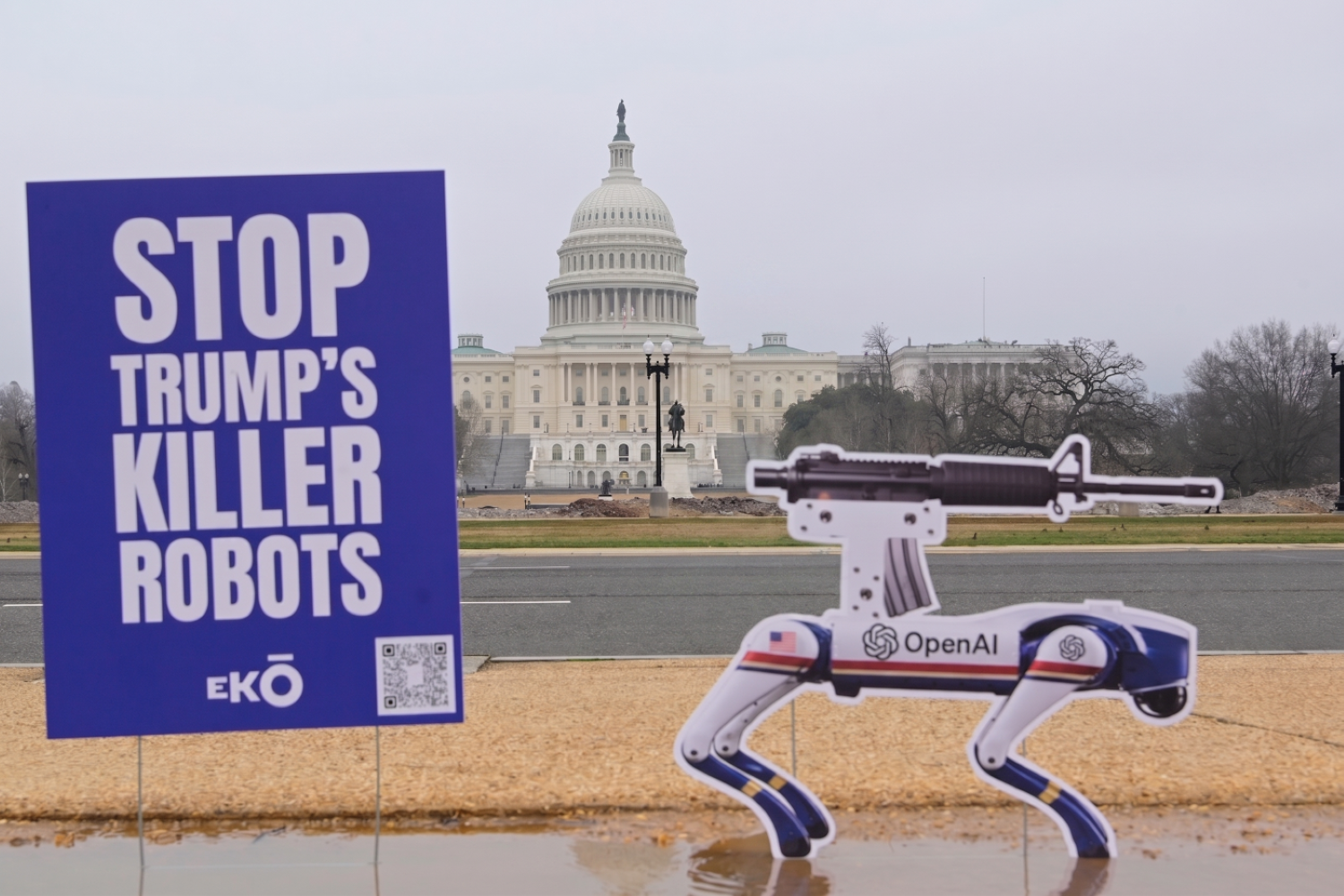
When mainstream news organisations apply such language to algorithmic warfare, they risk promoting war fetishism by exaggerating the autonomy and capabilities of these systems. This framing can further the interests of tech oligarchs by allowing them to shape and direct the news narrative and public perceptions of increasingly automated forms of warfare.
In addition to mainstream news organisations, leading tech-focused outlets that often critique algorithmic AI systems also use anthropomorphic language in their headlines. An analysis of 40 headlines from Futurism, Wired, Bloomberg, Tech Policy Review, and The Innovator revealed the same troubling trend, with two significant consequences:
- First, this language normalises a public discourse that is stripped of essential political context and weakens perceptions of US and Israel accountability, particularly in relation to their joint warfare in Gaza, Lebanon, and Iran.
- Second, such language fosters a form of detached and unsympathetic war reporting, in which civilians are reduced to faceless, nameless statistics, while bots are granted names and agency and disproportionate attention.
Fetishising War Through Tech Speak
Some of the earliest documentation of written algorithms comes from ancient Mesopotamia, about 2000 BC, as Donald E. Knuth and Luis Trabb Pardo note in their book, The Early Development of Programming Languages. According to the authors, the Babylonian mathematicians recorded sequences of calculations on clay tablets to solve numerical problems, following a strict, step-by-step procedure designed to produce specific mathematical results. One well-known example is the Babylonian algorithm for calculating square roots. Although the term “artificial intelligence” and the use of digitised algorithms have been around for over half a century, journalists have yet to develop sufficiently accurate language for describing how these systems operate.
On February 26, 2026, the US and Israel began a joint war on Iran, conducting 1,000 strikes in the first 24 hours and over 5,500 strikes in the first 10 days, using Palantir’s Maven Smart System, which was integrated with Anthropic’s Claude in their operations. Immediately, North American mainstream media had a field day with anthropomorphised headlines and analyses. Democracy Now! noted the attack on the Iranian girl’s school in Minab as “the first AI war”; the Globe and Mail suggested, “Iran's strike may be the first AI war, and it won’t be the last”; Reuters reported, “AI is the war room now”; and The Innovator declared it “The rise of killer machines in AI modern warfare.”
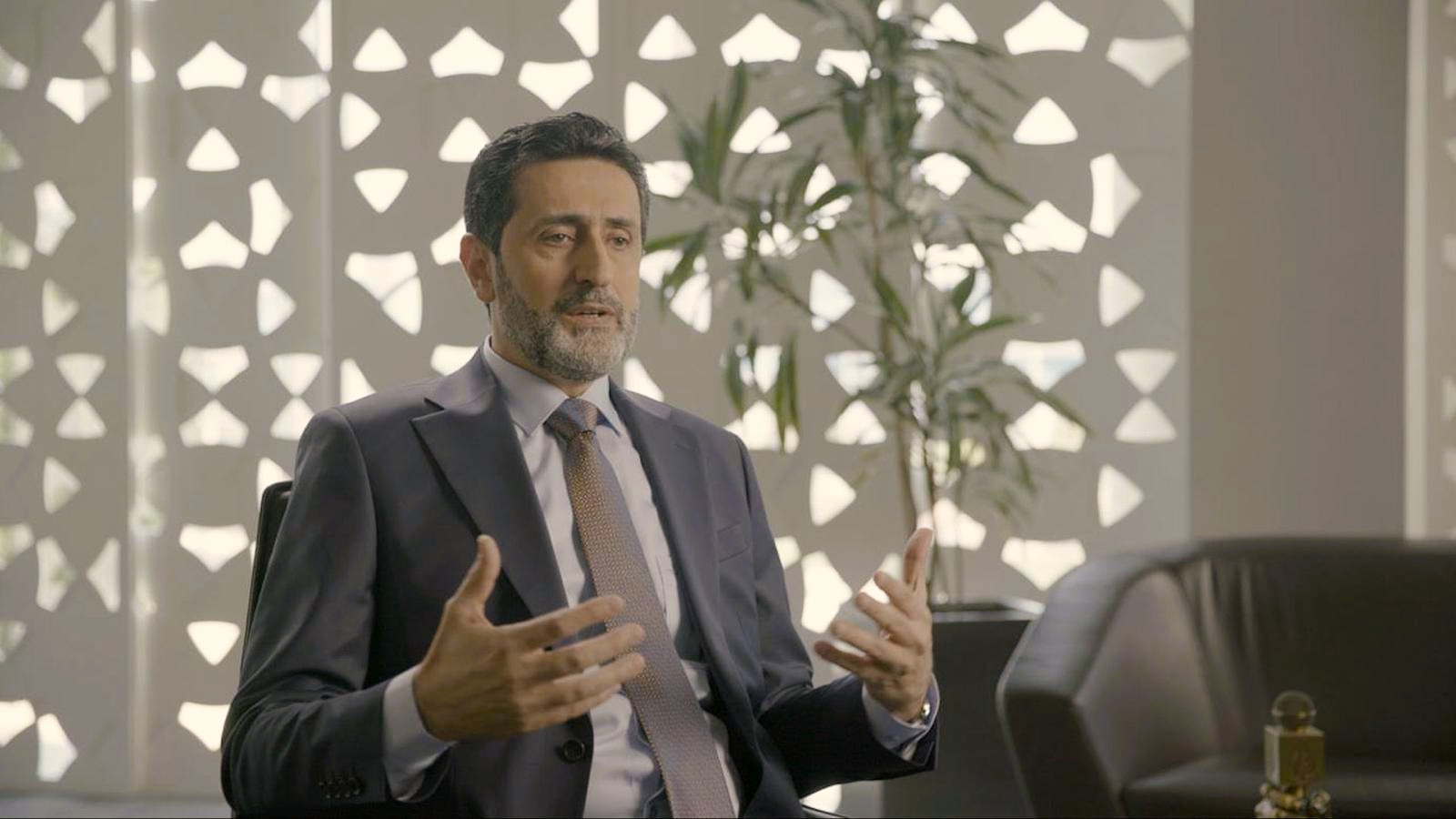
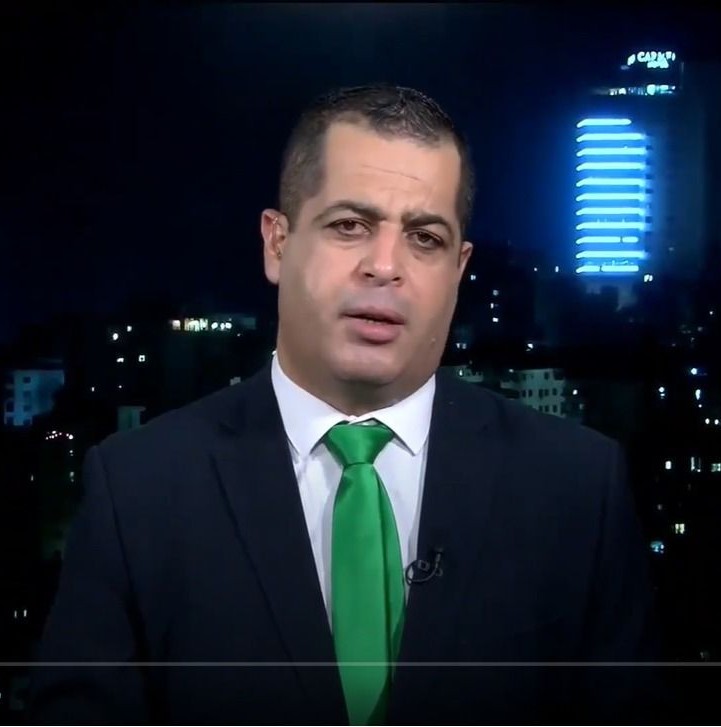
Jalal Abukhater, Policy Manager at 7amleh, the Arab Center for the Advancement of Social Media, says dubbing the recent attacks in Iran as the “first AI war” is overstating the capabilities of algorithmic technology in warfare. For example,
Algorithmic technologies have been used in Libya before more recent wars on Palestine, Iran, and Lebanon. Instead of fetishising warfare through tech speak as a kind of 'exciting technological innovation', Abukhater says that North American journalists must recognise the main story here, which is the active dismantlement of international law and other vital mechanisms that are designed to hold belligerents accountable.
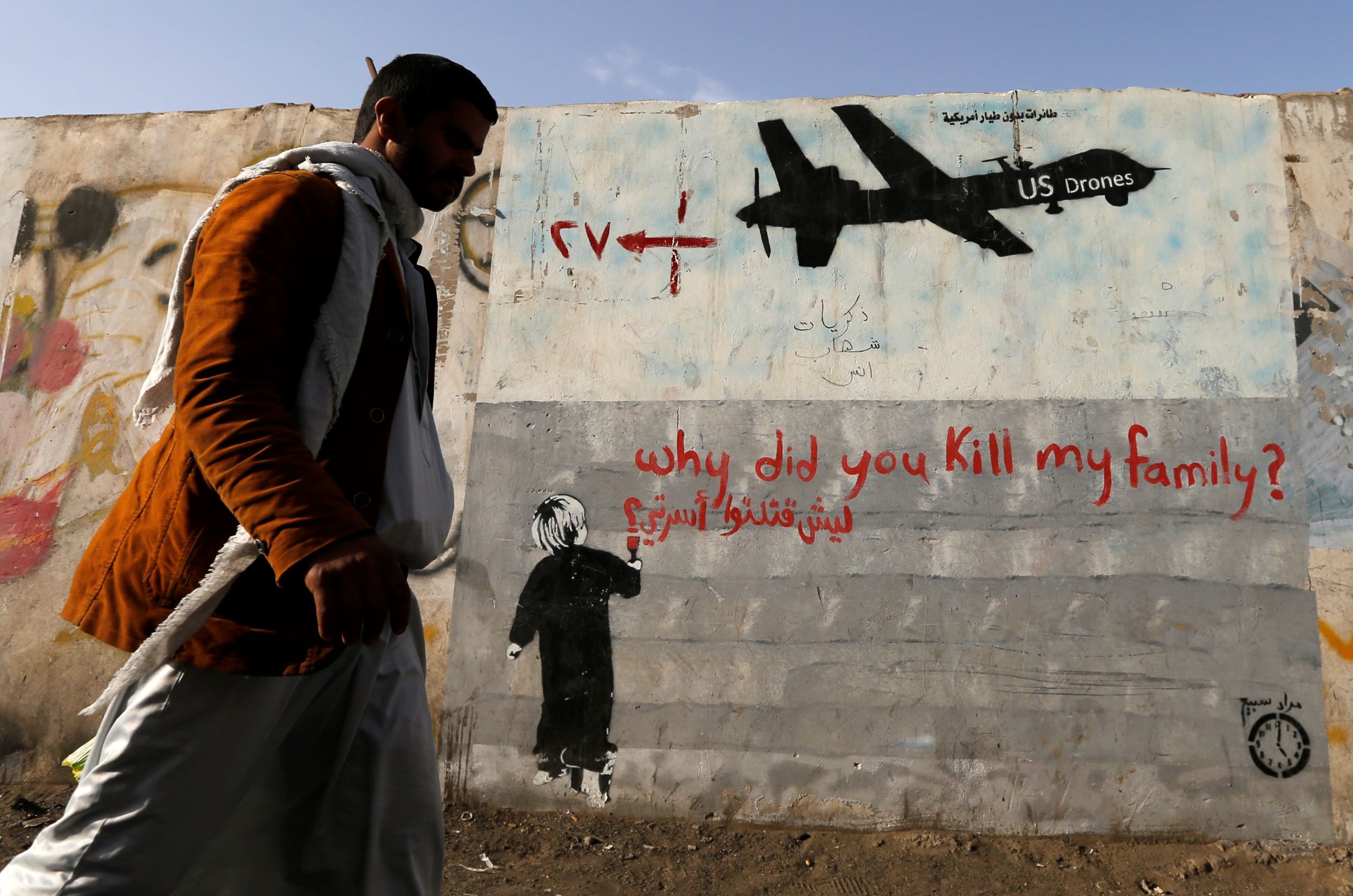
“For decades,” he says, “the US has deployed advanced technology in the region. We have seen the invasion of Iraq through advanced weapons. We have seen drones, the Obama-era gears, that have been killing people in Iraq, Afghanistan and Yemen for over two decades. What’s different today is that the scale of the killing is larger, and the scale of aggression is bigger.
Much of the North American mainstream news media labels machine learning (ML) technologies and LLMs (deep learning models, a subset of ML) as "AI", which is an oversimplification. To be technically accurate, artificial intelligence (AI) is a field of computer science that aims to build machines that imitate human capabilities through algorithms. As ML tech is a subset of AI, and LLMs are a further subset of ML, labelling ML systems used in warfare as “AI” with anthropomorphised language suggests that algorithms are “intelligent” and can therefore think or reason, which is inaccurate.
When the media dubs an algorithm 'AI' and anthropomorphises it, they set false expectations of independently thinking and reasoning machines, and repeated enough, such headlines carry an illusory truth effect - the idea that frequent repetition makes a statement true, regardless of its factual basis. While several articles, including those published in Futurism, CNET, and Reuters, are critical of these technologies, the SEO writers structure the headlines in a clickbait format, emphasising the term “AI” for searchability and audience attention.
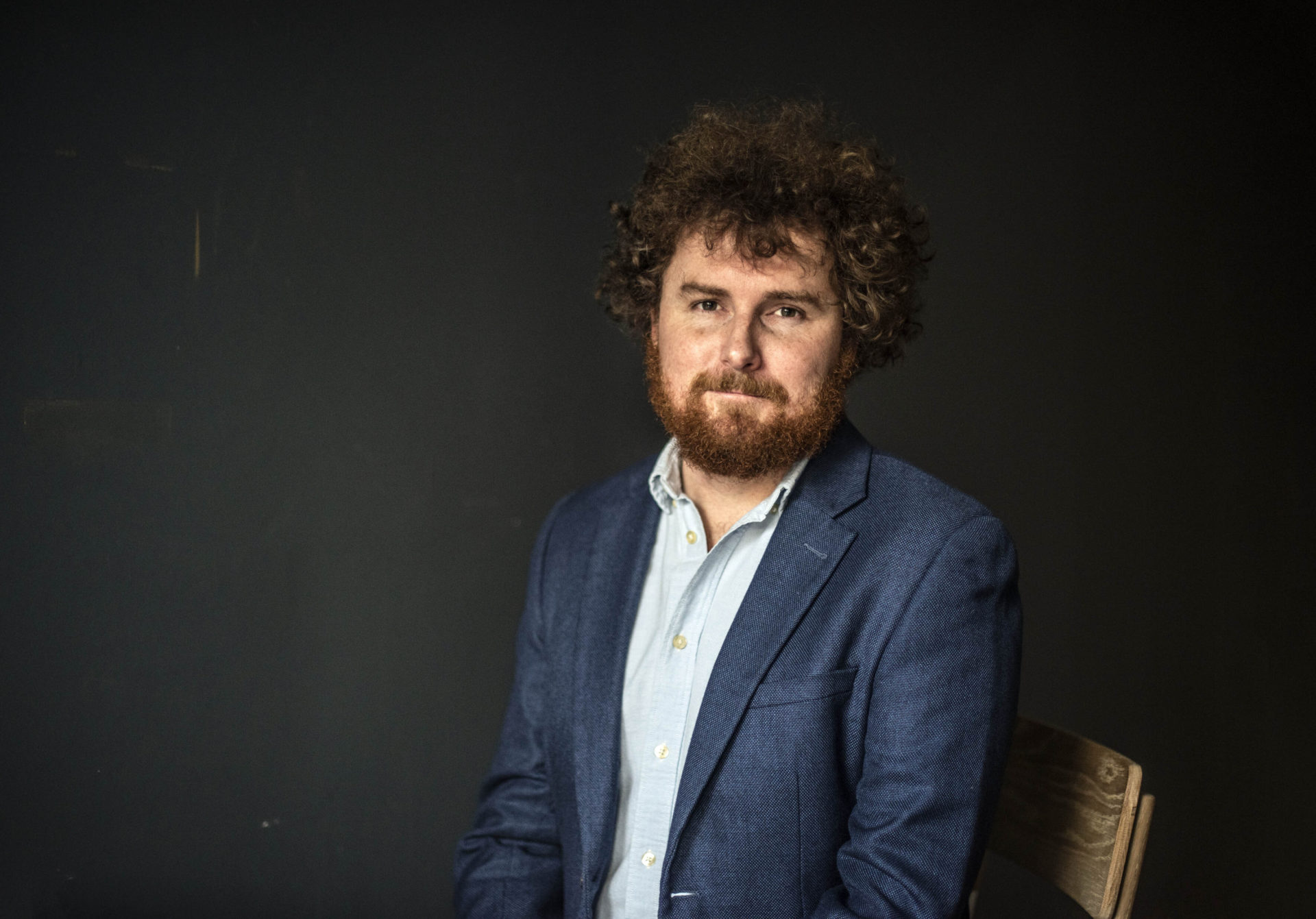
The use of 'Silicon Valley speak' (pro-technology, jargon-laden phrasing that overstates algorithmic capabilities through anthropomorphic language) can grant digital traction, but it is an attempt at gaining popularity by way of sensationalism, says Naimul Khan, Associate Professor in the engineering school at Toronto Metropolitan University.
Lack of awareness on the journalists’ part about the capacity of the machine-led weapons is a concern. “They either don’t know or they sensationalise intentionally; as a result, clickbait headlines are extremely popular in journalism.”
Anthropomorphising as Detachment
Anthropomorphised language humanises algorithms by using tech oligarchs’ words to oversell their technological feats, while stripping human beings of their dignity in public discourse. This humanising trend has a dehumanising effect in the long run, as it prioritises artificial realities over authentic human stories, leading to detached and sanitised war reporting.
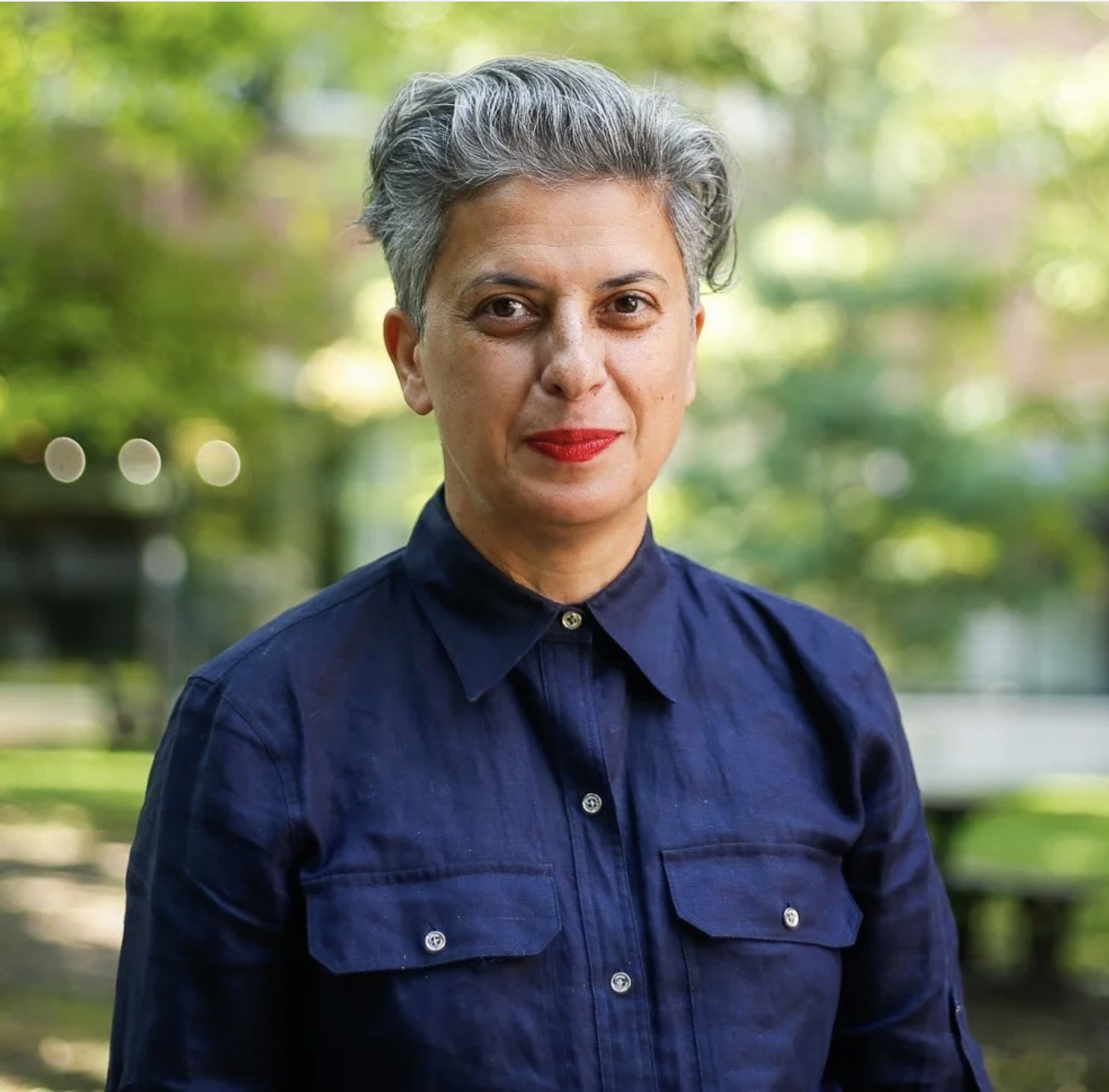
Saba Eitizaz, producer and podcaster at the Toronto Star, who has been in the journalism industry for over 15 years, says news outlets write headlines that will generate views.
“Most newsrooms tend to write headlines that will get engagement, not accuracy per se. The headline is not always the essence of the piece, so newsrooms aim to make them short, click-baity, and techy.” She says, often, tech journalists who cover stories related to “AI” tie their headlines to the latest news peg, such as conflict or war, to enhance audience engagement. Per Etizaz, tech journalists may very well be subconsciously repeating the language of tech developers, who oversell the capabilities of their tools to bulk up revenue and soften their technology’s massive human costs.
Etizaz says in traditional mainstream media, journalists have become desensitised to news about war, US imperialism, and the implications their language carries, so they forget to fairly frame or contextualise a headline. For the ones who subconsciously follow the Silicon Valley speak, Etizaz says, “They have become clinical and detached, and they fall into the trap of thinking, ‘everyone would know this.’”
Abukhater says it is problematic when North American journalists prioritise catchy headlines over the human cost of war and genocide. “Language is important, and when language is bad, meaning when it is not being honest and describing the reality, it can be used to manipulate, deceive and whitewash the ongoing genocide, occupation and invasions,” he said.
Anthropomorphising also makes it seem as if a human being is not behind the killing of civilians. Khan says that just because someone is remotely pressing a button from their cushy control room does not change the fact that a human is making a conscious decision to conduct warfare. He says that journalists must identify the developers and the forces that are using these advanced technologies.
They are intentionally shifting the blame to the machines, whereas the machines are controlled by humans; ‘AI’ is just another layer. The humans are the killing machines; it’s just that it has become a lot easier to kill people because of AI.
Demanding Accountability for the US/Israel-led War
Speaking about the Canadian coverage of warfare, Khan says it is easier for journalists to anthropomorphise headlines when Canada is not involved. The problem with the journalistic coverage of algorithmic warfare is that journalists have remitted the responsibility of war crimes to machines. “It is the lack of empathy. Basically, Arab and Iranian lives are not valued. Journalists must put the onus on the policymakers who are going into the war and deciding some people's lives don’t matter as much.”
To Abukhater, catchy headlines that anthropomorphise algorithmic warfare are akin to erasing context and accountability. “We don’t see the victims of Israel's genocidal aggression and their invasion of Lebanon. The victims' stories aren't being highlighted; what were their hopes and dreams? Maybe they too were working in tech, and their lives ended earlier due to this illegal use of violence and aggression by the US and Israel.” He also says that it is during high-octane breaking news moments that journalists’ task of retaining accuracy in headlines is most needed. “It is important to highlight the facts but also name the responsible parties, the prime victims and the crime that has been committed.”
The anthropomorphised headlines are a form of hype utilised by tech elites to deliberately exaggerate the capabilities of these technologies. It is neither accidental nor inadvertent. North American journalists need to consider their ethical duties when they attempt to influence or inform the public, as they have the authority to mould realities, says Khan.
Anthropomorphised headlines for warfare give the impression that algorithms are responsible and autonomous, which removes accountability from tech developers, policymakers and states that manufacture these weapons and deploy them to kill civilians.
he says. When explaining the use of algorithmic technologies in warfare, we need to ground our reporting in facts, context, and non-jargon-laden language that demands accountability, rather than overstating the capabilities of these technologies through anthropomorphic language.
One way to solve this framing issue is to have empathy for others, more coverage about the Global South, and diverse representation at editorial decision-making levels, which would reflect in headlines, says Eitizaz.