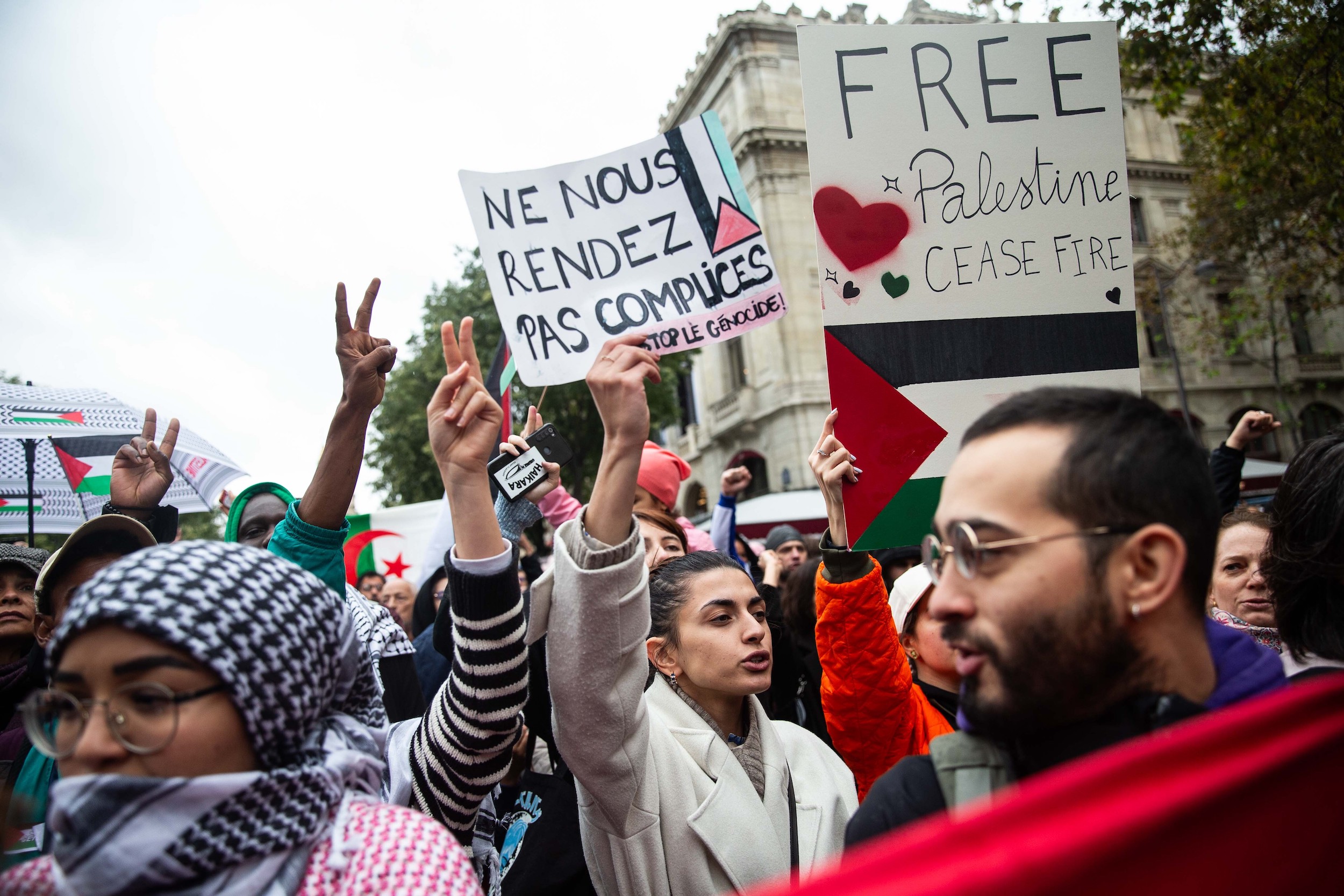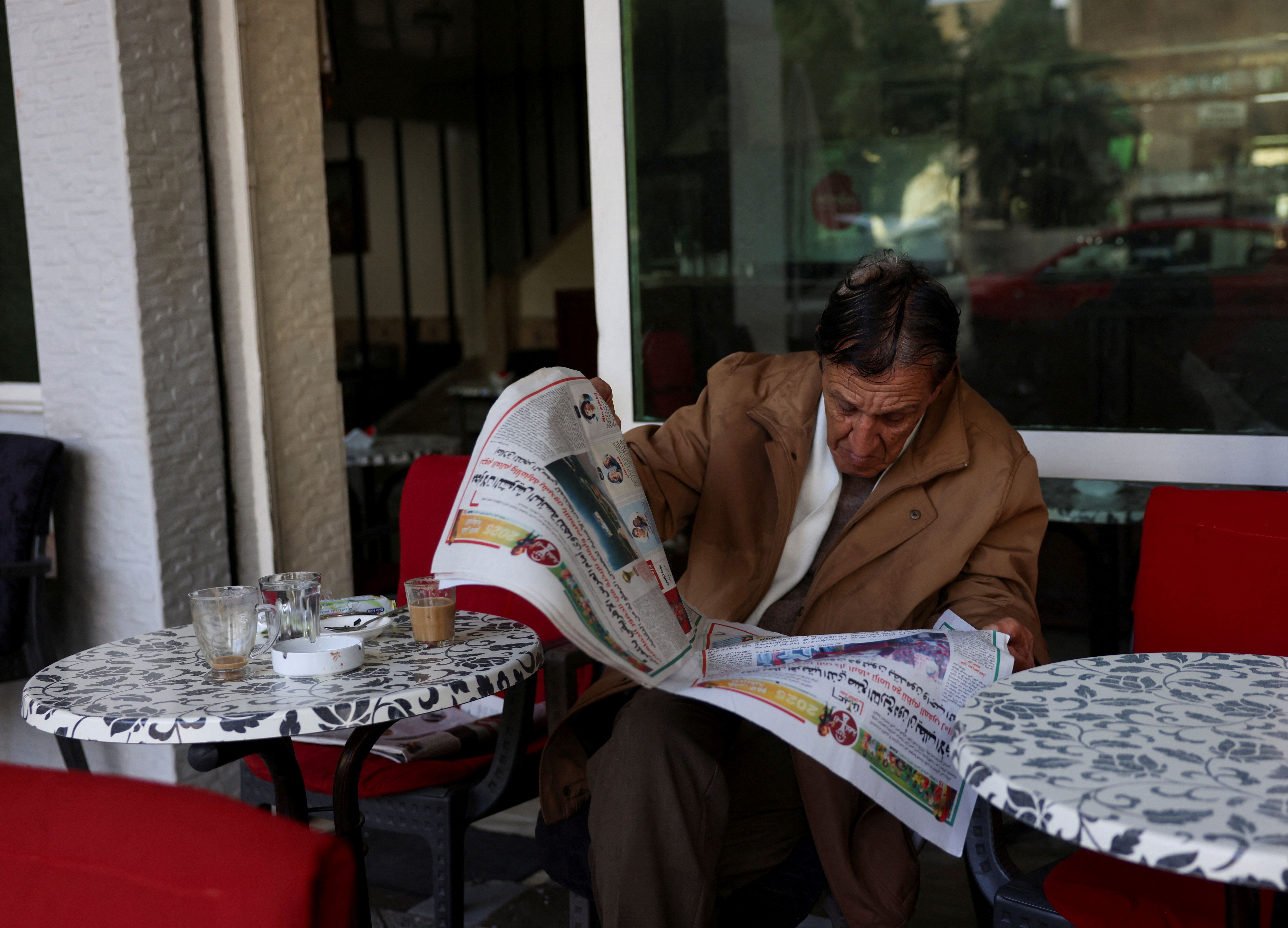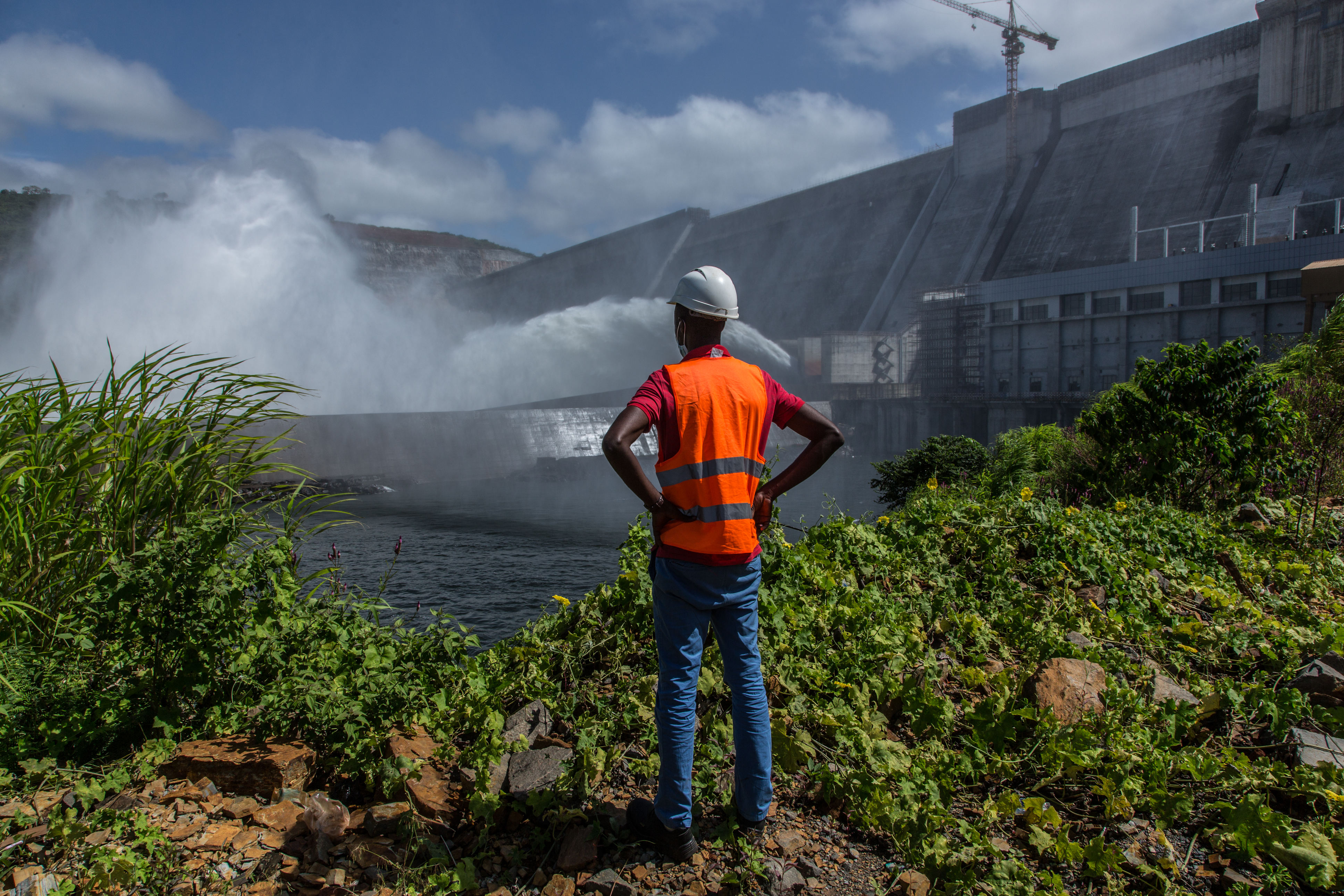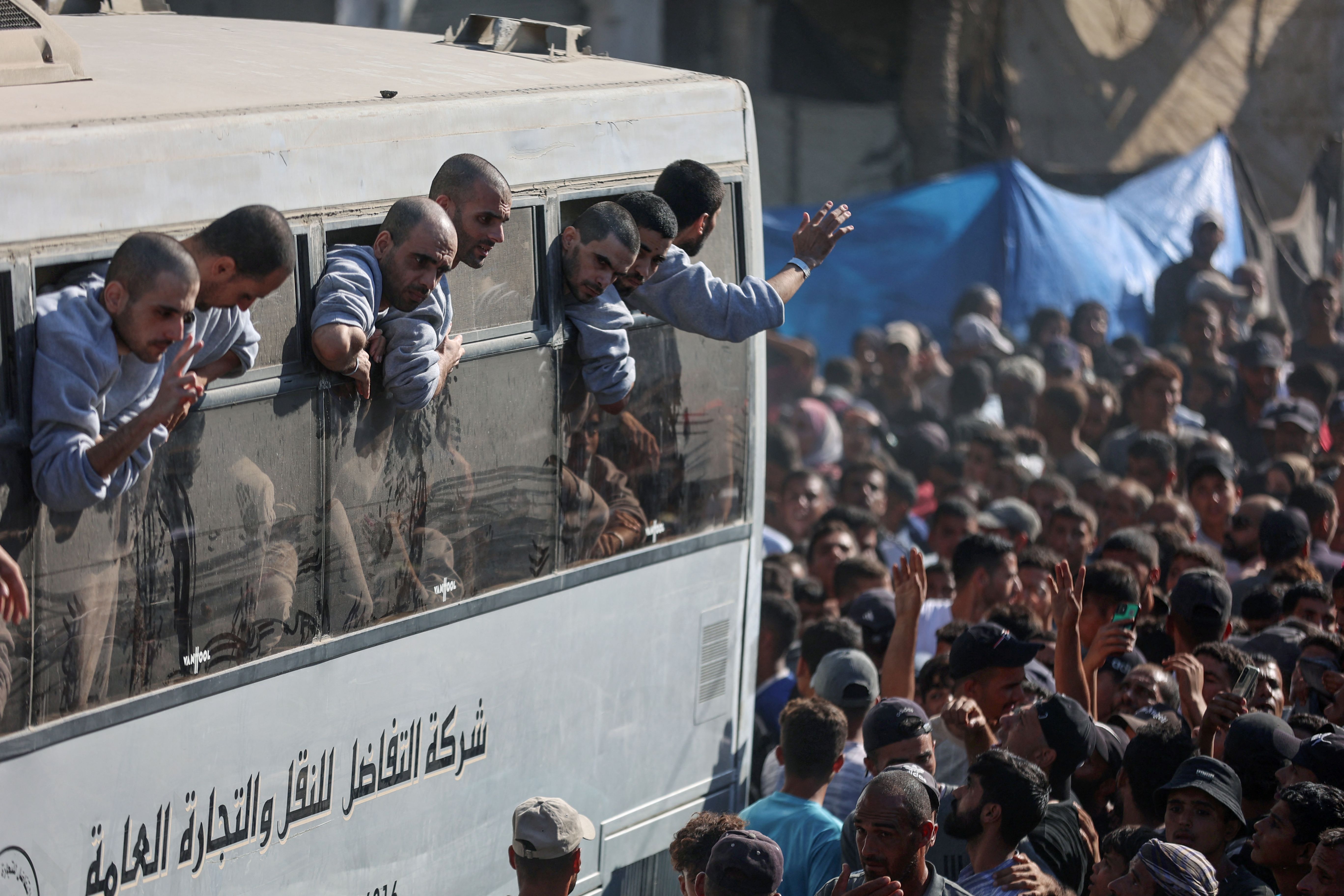
Will the story of Gaza be reduced to official statements that categorise the Palestinian as a "threat"?
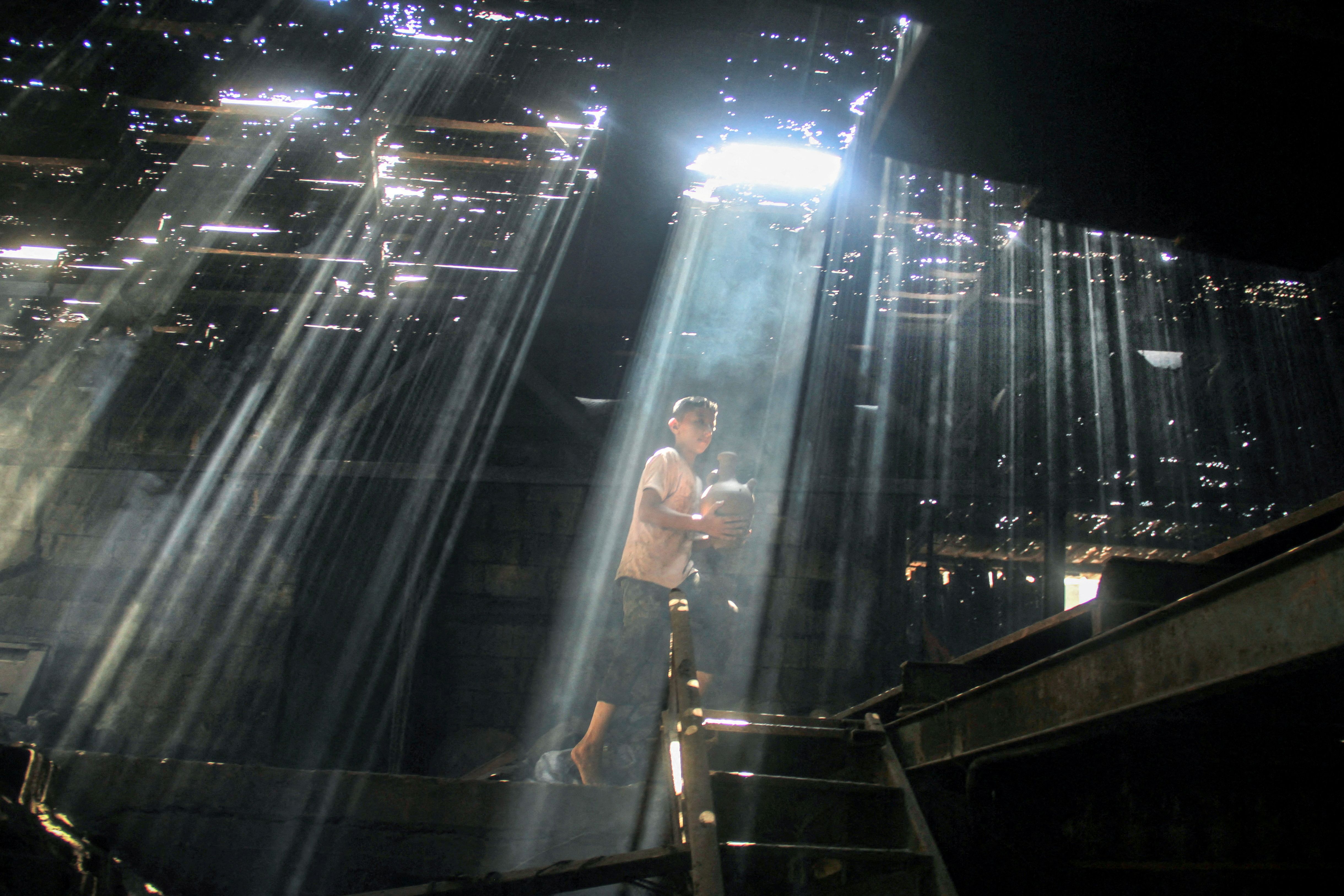
Or to images of the victims that flood the digital space? And how can the media be transformed into a tool for reinforcing collective memory and the struggle over narratives?
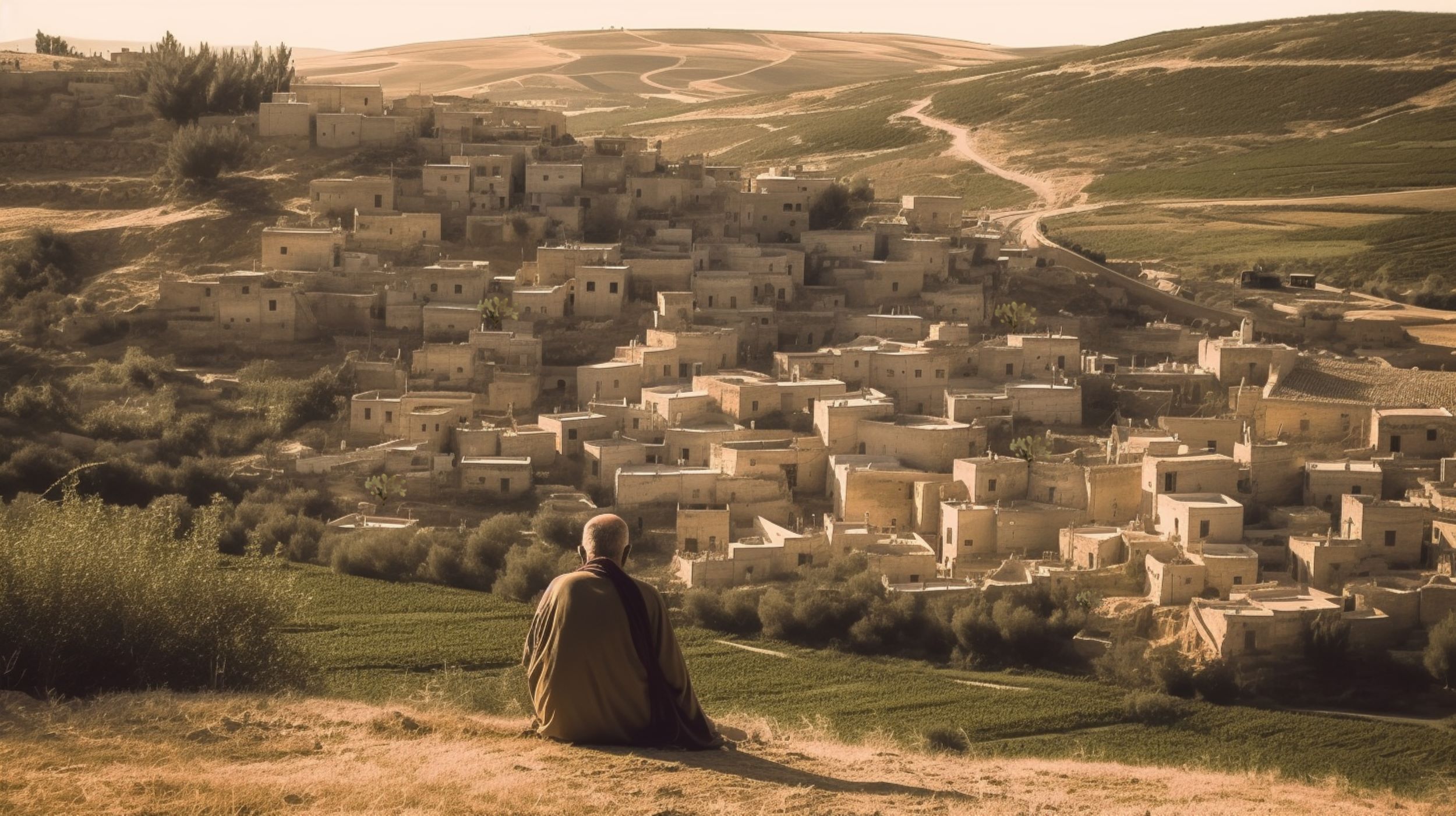
On the outskirts of Jerusalem, Deir Yassin still bears an open wound. Following the massacre of April 9, 1948, not only were the residents of the village expelled, but its ruins were repurposed to establish an Israeli psychiatric institution known as Kfar Shaul. The tragic irony lies in the fact that the first patients admitted were survivors of Nazi concentration camps in Europe, individuals attempting to heal from the trauma of the Holocaust on land whose Palestinian victims were denied the right to remembrance, and indeed, to life itself.
At Kfar Shaul, colonialism was rapidly reconstructed atop the ruins of a village. The massacre that attempted to erase Deir Yassin did not simply end its story; it replaced both its physical space and historical memory instantaneously, leaving no pause in time. Here, the act of erasure reaches its most extreme expression: the history and collective memory of Palestinians are obliterated from the material world and supplanted with a new narrative, deemed more worthy of recognition and permanence.
For decades, scholars in the social sciences have regarded memory as more than a passive recall of the past; in moments of collective crisis, memory becomes a political tool and a contested symbol of meaning. Philosopher Paul Ricoeur asserts that memory is not a simple reflection of events, but rather a domain of manipulation and selection, wherein the past is reorganised to serve present-day agendas. [1] Pierre Nora, similarly, describes lieux de mémoire (“realms of memory”) as both material and symbolic constructs that shape collective identity, particularly in times of war or societal upheaval. [2]
Along similar lines, Nikolay Koposov argues in Memory Laws, Memory Wars that the struggle over memory has expanded beyond cultural or academic spheres into the realms of law, politics, and diplomacy. [3] Legislative and institutional mechanisms are now being mobilised to enforce historical narratives or delineate the boundaries of what is deemed acceptable to remember, or to deny.
In the Palestinian context, Edward Said is regarded as one of the most influential thinkers to have explored the relationship between narrative, memory, and the media. He affirmed that those who possess the power to tell their own story are the ones who shape history. In his seminal 1984 essay, Permission to Narrate, Said criticised the biased nature of Western media coverage, which routinely ignored or excluded the Palestinian perspective. [4] He pointed out that Palestinians had been deprived of their right to articulate their own lived experience.
Said argued that the ability to narrate, or the suppression of that ability, is of critical importance to both culture and imperialism, forming one of the central links between the two.
In this light, the words of poet Mahmoud Darwish encapsulate the human and national dimensions of memory when he said: “I do not claim to represent anything but myself. Yet that self is full of collective memory.” The Palestinian self, in this sense, becomes the embodiment of an entire people’s story, shifting between individual and collective memory, between personal experience and national identity.
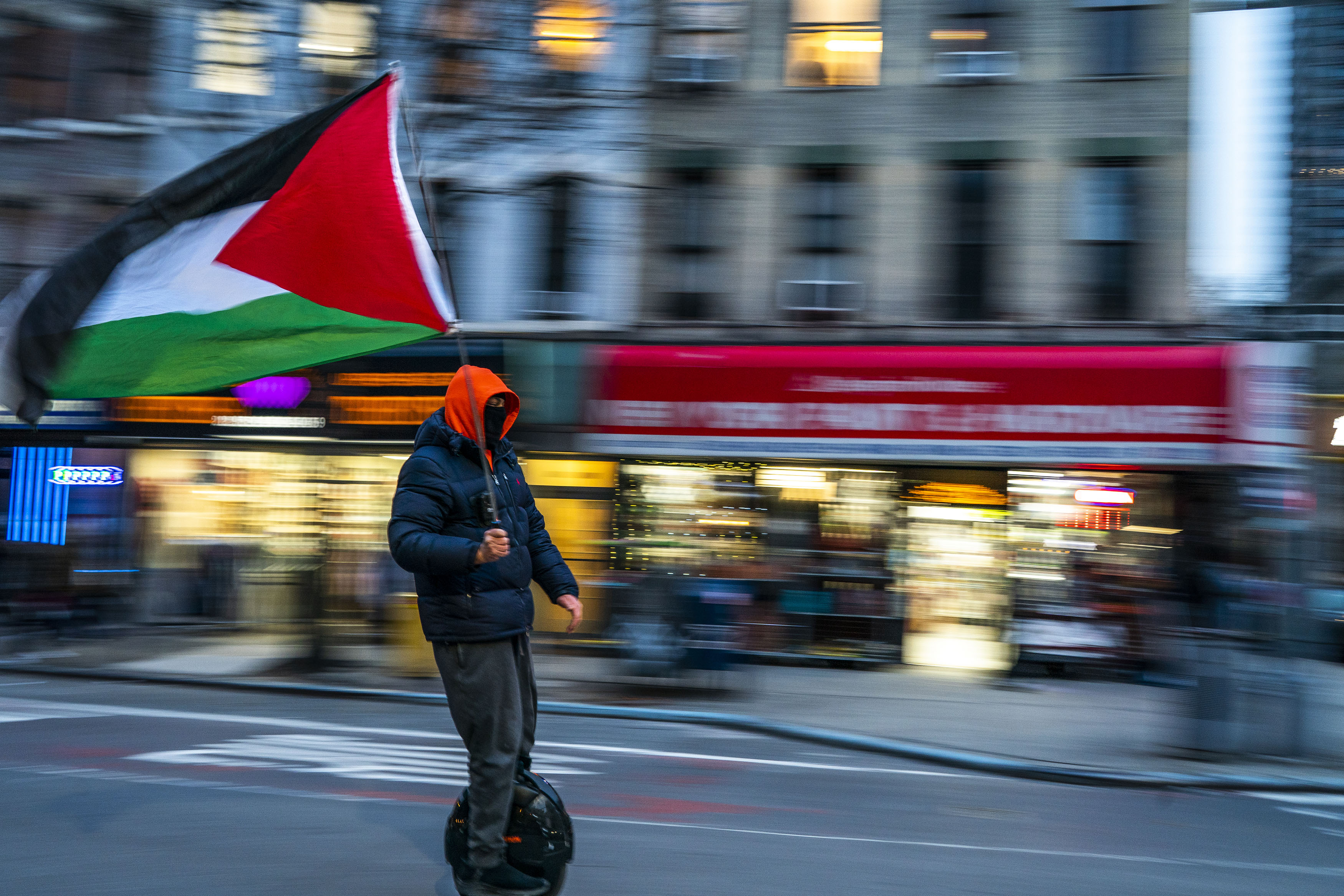
In this light, Gaza emerges as a stark and emblematic case, not only a site of humanitarian catastrophe but also a battlefield over memory. The pressing question is: What image of Gaza will remain in the world’s collective consciousness? Will the narrative be reduced to official statements that frame Palestinians as a “threat”? Or will it be shaped by the images of victims circulating in digital space?
Traditional and digital media thus become the terrain upon which competing narratives of the past and the future collide, determining which memories will endure and which will be erased.
In the Palestinian context, Edward Said stands as one of the foremost thinkers to examine the relationship between narrative, memory, and media. In his seminal 1984 essay 'Permission to Narrate', Said criticised the Western media’s bias and its erasure of the Palestinian perspective, arguing that Palestinians were systematically denied the right to articulate their own experience.
Palestinian memory is not merely an accumulation of recollections, it is a web of symbols and signs, interpreted and reconstituted by the media. Names of places, images, testimonies, songs, and monuments become potent instruments in a struggle for existence. Here, the media plays a dual role: either as a tool of erasure, obliterating evidence and silencing narratives, or as a vehicle for resistance.
The Memory Crisis
Many scholars have addressed the role of media in what has been termed the memory crisis: a condition of excessive saturation with symbols and representations, whereby the original event loses its singularity and becomes a consumable media object. The crisis lies not in the lack of information, but in its overabundance, where even commercial products become symbols of memory, leading to a superficial mode of reception.
Andreas Huyssen notes that this continuous accumulation of images and narratives does not necessarily produce new knowledge. [5] Instead, the discourse shifts from focusing on justice and memory to aesthetic or moral preoccupations with remembrance. In this sense, memory ceases to be a tool of resistance and becomes a market for consumable symbols.
The media significantly exacerbates this crisis. It does not merely report events; it reproduces them through fragmented and repeated imagery, such as the constant rebroadcasting of war footage or humanitarian disasters in news cycles and on social media. This visual saturation generates what Aleida Assmann calls memory fatigue: a visual saturation that ultimately weakens the emotional and cognitive impact of maintaining the memory. [6]
Andreas Huyssen notes that this continuous accumulation of images and narratives does not necessarily produce new knowledge. Instead, the discourse shifts from focusing on justice and memory to aesthetic or moral preoccupations with remembrance. In this sense, memory ceases to be a tool of resistance and becomes a market for consumable symbols.
Despite the flood of images, this does not necessarily lead to political action or deeper understanding. Images of refugees or genocide victims might elicit momentary sympathy, but often fail to translate into awareness or structural change.
However, other scholars point out that media can also serve as a critical space, what has been called the forum regime, where dominant memory routines can be questioned and new representations proposed. [7] This is evident in documentaries or investigative journalism that challenge official narratives and offer alternative viewpoints, such as films that recount history from the victims’ perspective, like the Palestinian series The Palestinian Alienation, rather than reiterating the dominant discourse.
Thus, the media emerges as a double-edged force. On one hand, it can flatten memory through exhausting repetition and rapid image consumption. On the other, it can function as a platform for revitalising memory through critical inquiry and the generation of new symbolic frameworks.
Andreas Huyssen notes that this continuous accumulation of images and narratives does not necessarily produce new knowledge. Instead, the discourse shifts from focusing on justice and memory to aesthetic or moral preoccupations with remembrance. In this sense, memory ceases to be a tool of resistance and becomes a market for consumable. symbols.
Multidirectional Memory
Michael Rothberg introduced the concept of multidirectional memory in his book Multidirectional Memory: Remembering the Holocaust in the Age of Decolonisation. [8] He proposes this framework to understand how the memories of different communities intersect, rather than compete, in the public sphere. Contrary to the logic of zero-sum memory, where one memory displaces another, Rothberg argues that memory is generative through negotiation, mutual referencing, and borrowing among historical experiences. Memory conflicts, rather than diminishing narratives, can expand them.
Paradoxically, Rothberg suggests that Holocaust memory was not formed in isolation from colonial violence, slavery, and anti-colonial movements. Public Holocaust remembrance emerged, in part, through post-WWII events that initially seemed unrelated. Decolonisation movements and civil rights struggles in the Caribbean, Africa, Europe, and the U.S. unexpectedly stimulated Holocaust memory.
While this argument warrants deeper debate, Rothberg’s linking of Holocaust memory to the memory of formerly colonised peoples raises a pertinent question: What of Palestinian memory?
Gaza’s memory can be seen as multidirectional when situated alongside the tragedies of other Global South communities, such as colonialism in Africa, the Rwandan genocide, or the Bosnian ethnic cleansing. These comparisons do not relativise Palestinian suffering, but rather create a dynamic dialogue among peoples, generating new insights and symbols that reconfigure our understanding of Gaza’s memory.
Digital platforms play a vital role in expanding this dialogue. They do more than transmit memory, they activate and mobilise it, using images, stories, and hashtags that connect Gaza to other Global South experiences. Through this process, Gaza becomes a focal point for shared global memory, where diverse historical narratives converge to produce new political and ethical knowledge and redefine global solidarity through a shared memory of systematic violence.
Yet Western media often places Gaza in a comparative frame with the Holocaust, which remains the dominant metric for atrocity. In such narratives, the Holocaust becomes a benchmark for legitimacy, sometimes invoked to justify Israel’s framing of its actions as “self-defense.” Gaza’s memory, in this context, becomes contested, validated through comparison with other Global South tragedies, but constrained when juxtaposed with Holocaust memory, which is often granted exclusive moral authority.
Some Israeli and pro-Israeli media aim to distort this memory by reversing the roles. Rather than recognising Palestinians as victims, Gaza is portrayed as responsible for its own suffering, depicting Palestinians as aggressors who "choose violence" or "use civilians as human shields." Such narratives strip Palestinians of the right to be remembered as victims, recasting them instead as perpetrators.
Collective Memory
Maurice Halbwachs defined collective memory as a shared historical consciousness produced and reproduced within social and cultural frameworks.[9] Individuals, he argued, do not remember in isolation but through symbolic and social systems that govern what is preserved or forgotten. Memory, in this sense, is inherently selective.
Different groups have distinct collective memories, resulting in different behavioral patterns. Halbwachs illustrates this through examples: Christian pilgrims have historically imagined very different versions of Jesus’s life; old aristocratic families in France have different memories of the past than the nouveaux riches; and the working class constructs social reality differently than the middle class.
This theoretical lens helps elucidate Palestinian collective memory, a cornerstone of resilience. Under political pressure, Palestinians resist compromising elements of memory, particularly the Nakba. Palestinian media plays a central role in reinforcing this memory through images of martyrs and destruction, linking them to the 1948 catastrophe and framing a narrative of victimhood and resistance.
Conversely, some Israeli and pro-Israeli media aim to distort this memory by reversing the roles. Rather than recognising Palestinians as victims, Gaza is portrayed as responsible for its own suffering, depicting Palestinians as aggressors who "choose violence" or "use civilians as human shields." Such narratives strip Palestinians of the right to be remembered as victims, recasting them instead as perpetrators.
Cultural Memory
According to Jan Assmann, cultural memory [10] is not a spontaneous or short-term act of recollection, but rather a long-term structure that preserves the past through institutionalised media, such as texts, rituals, symbols, monuments, and institutions (including curricula, museums, and archives). It differs from everyday communicative memory in that it functions as a “reservoir of meaning” that is recalled across generations to solidify collective identity.
In the context of cultural memory, the media does not merely serve the function of transmission or documentation; it actively revives symbols and anchors them in the collective imagination. A national song, when broadcast on radio or television during commemorative occasions, is transformed from an artistic piece into a symbolic code that reminds individuals of a shared history and evokes images of heroism or loss. Similarly, coverage of rituals commemorating the Nakba or the martyrs is not just a reflection of a political event, it frames the moment within a continuous narrative. The present becomes an extension of the past, the tragedy remains ongoing, and thus, belonging and identity are renewed through this linkage.
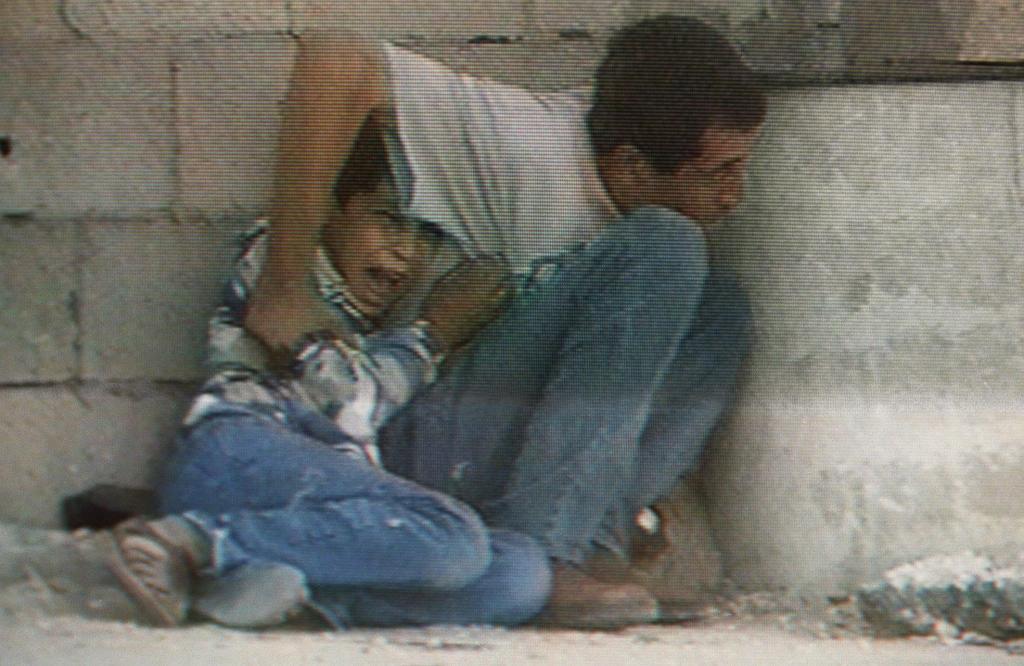
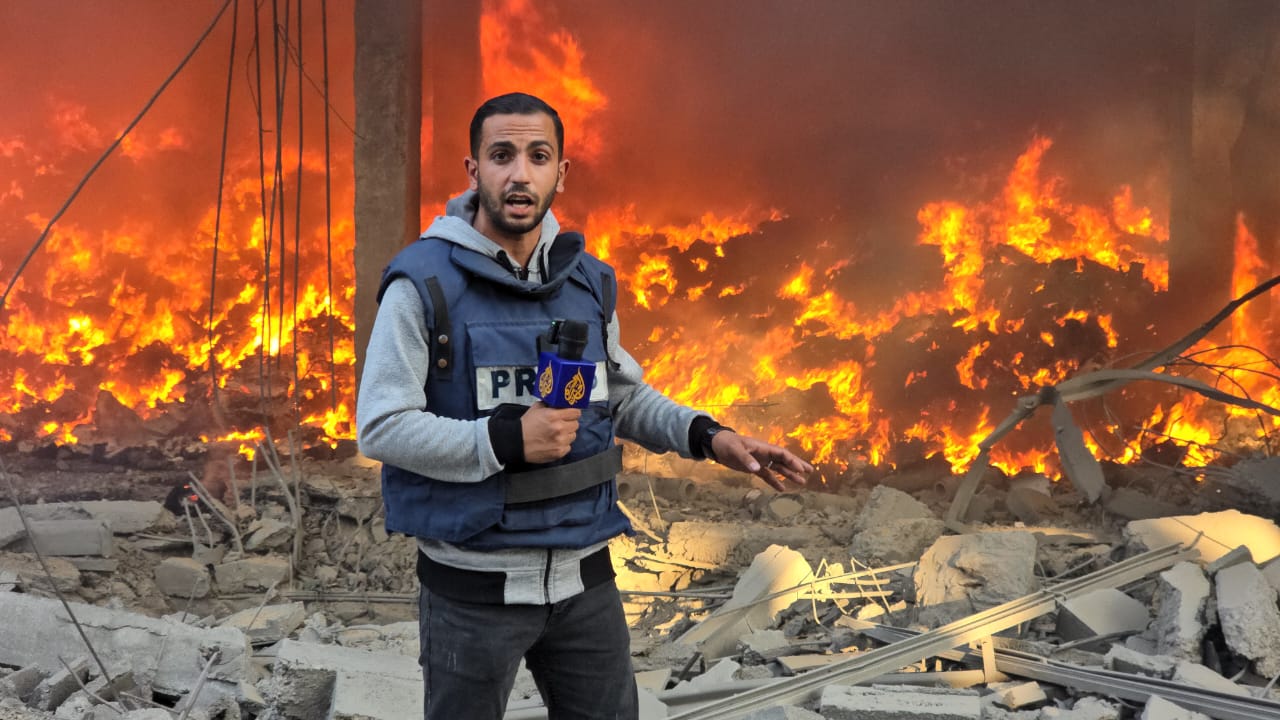
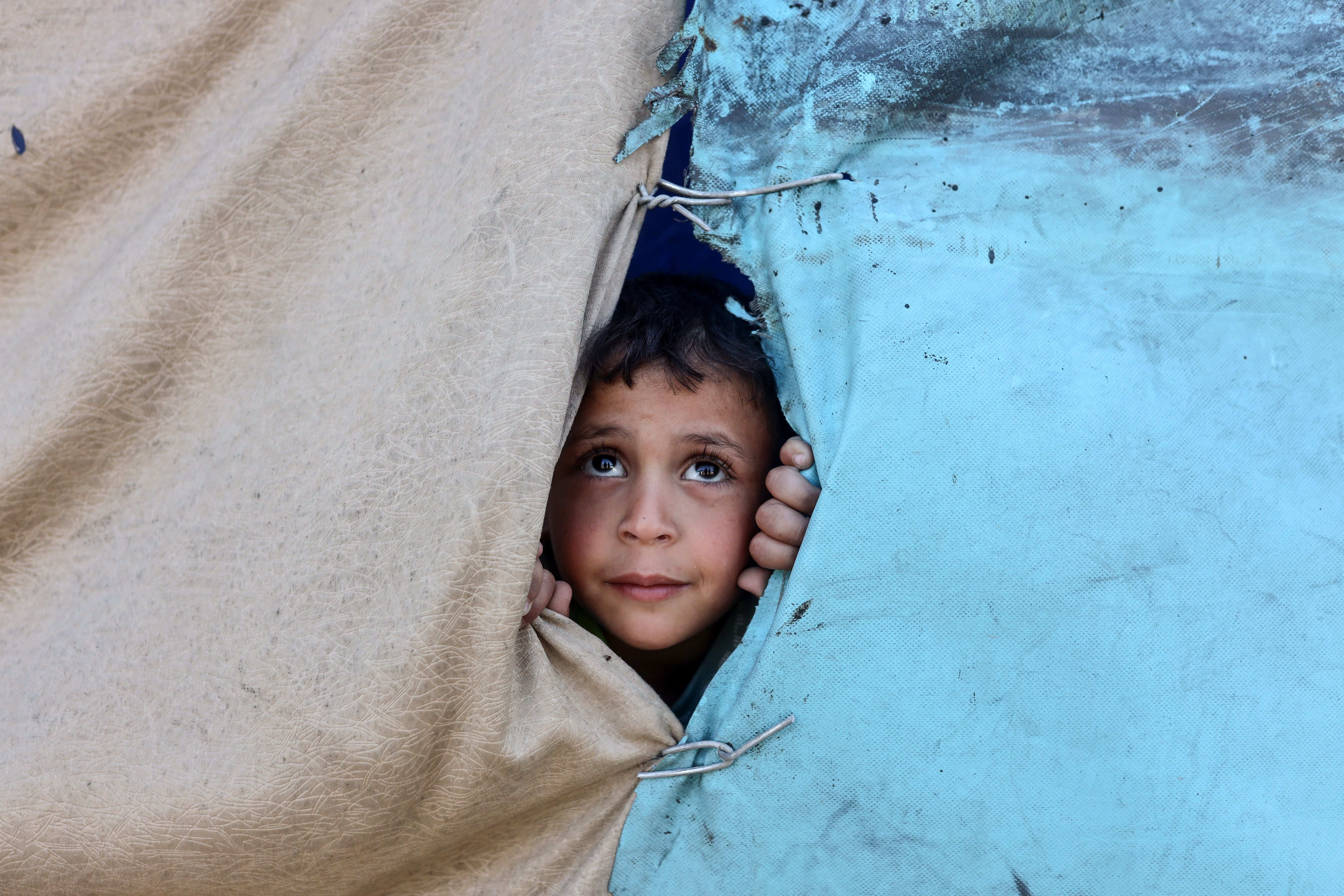
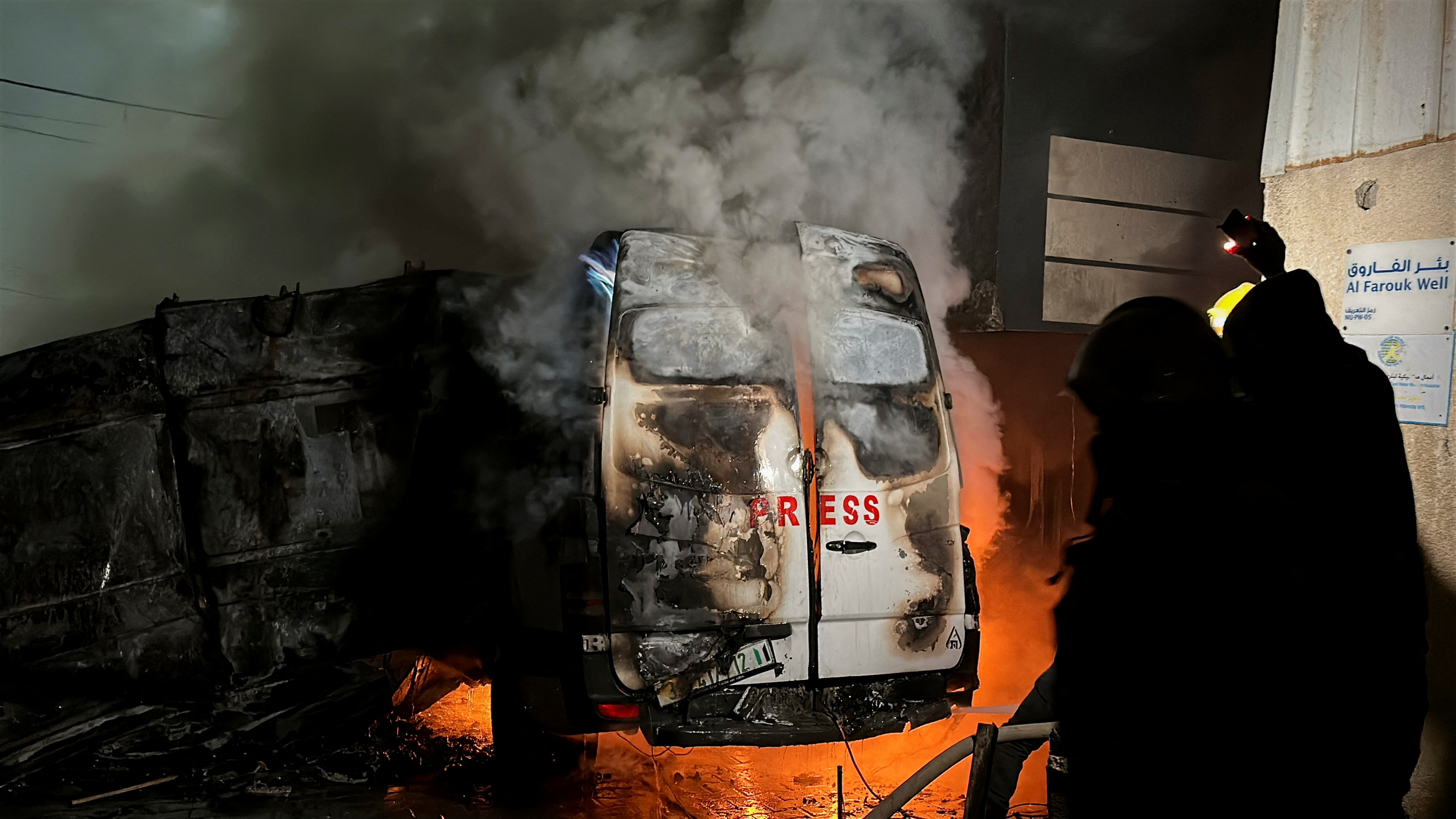
The media does not simply record what happens; it transforms symbols and images into cultural memory. The image of a Palestinian child beneath the rubble, or of a mother weeping over her son’s body, becomes a symbol of collective suffering. Yet the media also plays a role in how these symbols are promoted; they can be recycled in entirely contradictory ways, at times to embody solidarity, and at others to provoke passive pity devoid of political questioning.
Media, art, and literature can go even further by embedding these symbols within a directed political or cultural discourse. A documentary or news report that highlights a destroyed library or a bombed university does not merely document a material event, it presents it as an act of cultural erasure. In doing so, the media act becomes a tool of resistance against forgetting. Conversely, when some Western media outlets portray the same event as a “legitimate security operation,” they engage in a process of re-coding that aims to strip the event of its cultural meaning and reduce it to a technical military scene, thus severing the connection between the symbol and collective identity.
Media is not just a broadcaster, it becomes a force that defines the boundaries of empathy, redraws solidarity networks, and reconfigures the criteria of meaning. Thus, retrieving Gaza as part of shared human memory demands a deep critical reckoning with the media’s representational practices and a reaffirmation that memory, both personal and collective, is a battleground of resistance that gives existence its meaning and provides an ethical safeguard against the repetition of atrocity.
Cosmopolitan Memory
Cosmopolitan memory [11] was not introduced merely as a philosophical concept, but was historically shaped to lend a normative and ethical dimension to the issue of memory, particularly in the context of Holocaust remembrance.
The core idea is that international solidarity often remains confined to political or humanitarian terms, whereas cosmopolitanism seeks to assign memory a universal moral weight. That is, Holocaust victims are remembered not solely as Jews, but as members of a shared humanity. From this standpoint, memory becomes a cross-border ethical obligation, imposing upon other nations the duty to remember and show solidarity, whether through the creation of global memorials, the inclusion of genocide remembrance in international curricula, or the invocation of such memory as a moral reference point during contemporary crises. In this framing, the Holocaust is presented as a "lesson for humanity" and a foundational narrative for human rights discourse, adopted by international organisations such as UNESCO.
This does not mean, of course, that peoples around the world should not stand in solidarity with Holocaust victims or condemn the horrors committed. On the contrary, such solidarity is a human imperative. The issue lies in the dual use of Holocaust memory. On one hand, it serves a preventative and educational role, under the slogan “Never Again”, through school curricula, memorials, and international law. On the other, it is employed as a comparative standard, at times used to undermine the suffering of other peoples or to marginalise their narratives, by establishing the Holocaust as the ultimate benchmark against which all other tragedies are measured.
This dual usage has sparked controversy, even among Jewish intellectuals and writers themselves. For instance, Elie Wiesel emphasised the uniqueness of the Holocaust, arguing that comparing it to other suffering diminishes its meaning. [12] In contrast, critical Jewish voices such as Norman Finkelstein argued that the “Holocaust industry” has been politically instrumentalised to silence criticism of Israel and obscure Palestinian suffering⁽ [13], a strategy, he claimed, that ultimately undermines the very memory of Holocaust victims.
In this context, the media plays a central role in generating a visual and moral framework. By portraying victims, children, and refugee camps, the media expands the boundaries of human identity, enabling viewers to imagine themselves as part of “one humanity.” This recalls Benedict Anderson’s concept of the “imagined community,” except here, it assumes a global dimension, where human affiliation is imagined through ongoing images of suffering, reinforcing a sense of cross-border solidarity.
Yet media power is not uniform. At times, it is used to promote cosmopolitan solidarity, as seen in the coverage of Gaza, Rwanda, or Ukraine, framing these tragedies as global humanitarian issues. In such cases, the media broadens the scope of human identity, inviting audiences to see themselves as part of a shared moral community. At other times, however, this same power becomes politicised. The global moral weight of a particular event, such as the Holocaust, may be monopolised, while other atrocities are presented as merely “local” or “regional” crises. In such instances, the media reinforces a hierarchy of suffering, distinguishing between what is considered global and human, and what is deemed marginal or peripheral.
In this way, media is not just a broadcaster, it becomes a force that defines the boundaries of empathy, redraws solidarity networks, and reconfigures the criteria of meaning. Thus, retrieving Gaza as part of shared human memory demands a deep critical reckoning with the media’s representational practices and a reaffirmation that memory, both personal and collective, is a battleground of resistance that gives existence its meaning and provides an ethical safeguard against the repetition of atrocity.
References
- Ricoeur, P. (2004). Memory, history, forgetting (K. Blamey & D. Pellauer, Trans.). University of Chicago Press.
- Nora, P., & Kritzman, L. D. (Eds.). (1996). Realms of memory: The construction of the French past. Volume 1: Conflicts and divisions (A. Goldhammer, Trans.). Columbia University Press.
- Ricoeur, P. (2004). Memory, history, forgetting (K. Blamey & D. Pellauer, Trans.). University of Chicago Press.
- Koposov, N. (2017). Memory laws, memory wars: The politics of the past in Europe and Russia. Cambridge University Press.
- Said, E. (1984). Permission to narrate: Authority, memory, and history. Journal of Palestine Studies, 13(3), 27–48. https://www.jstor.org/stable/2536688
- Huyssen, A. (2013). On memory and the yet to come (T. Ganito & D. Agostinho, Interviewers). Diffractions: Graduate Journal for the Study of Culture, (1). https://doi.org/10.34632/diffractions.2013.942
- Assmann, A. (2013). Das neue Unbehagen an der Erinnerungskultur: Eine Intervention. C. H. Beck.
- Buchenhorst, R. (2017). Field, forum, and vilified art: Recent developments in the representation of mass violence and its remembrance. In F. Moradi, R. Buchenhorst, & M. Six-Hohenbalken (Eds.), Memory and genocide: On what remains and the possibility of representation (pp. 151–164). Routledge. https://doi.org/10.4324/9781315594897-11
- Rothberg, M. (2009). Multidirectional memory: Remembering the Holocaust in the age of decolonization. Stanford University Press.
- Halbwachs, M. (1992). On collective memory (L. A. Coser, Ed. & Trans.). University of Chicago Press.
- Assmann, J. (2008). Communicative and cultural memory. In A. Erll & A. Nünning (Eds.), Cultural memory studies: An international and interdisciplinary handbook (pp. 109–118). De Gruyter.
- Wiesel, E. (1986, December). Interview by G. Klein. Nobel Prize. https://www.nobelprize.org/prizes/peace/1986/wiesel/interview/
- Finkelstein, N. G. (2000). The Holocaust industry: Reflections on the exploitation of Jewish suffering. Verso.