How does the Western press shape the migration narrative? Which journalistic frames dominate its coverage? And is reporting on anti-immigration protests neutral or ideologically charged? This analysis examines how segments of Western media echo far-right rhetoric, reinforcing xenophobic discourse through selective framing, language, and imagery.
Coinciding with the 2015 “refugee crisis” and the 2016 Brexit referendum, the issue of migration gained increasing prominence in contemporary European politics. This period witnessed the spread of far-right rhetoric, which fuelled a wave of recurring anti-immigration protests across several European cities in opposition to certain Western governments’ policies on refugee reception and migration regulation.
Although these protests varied in scale, motives, and turnout from one country to another, their continuous media coverage and decisive role in shaping Western public opinion emerged as common threads. How, then, has the Western press covered the narrative of these right-wing, anti-immigration demonstrations? Has it reported events neutrally, or has it played an active role in shaping and framing them? And to what extent does it balance professional responsibility with freedom of expression, without becoming a platform for hate speech and racism?
Framing is one of the most entrenched media practices that influence how the public interprets events, especially during crises where political issues intersect with cultural identity and freedom of expression. The role of journalistic framing goes beyond merely reporting facts; it reconstructs them within a narrative of persuasive bias, aiming to guide the audience toward a predetermined viewpoint. The deliberate selection of headlines, terminology, images, and sources, and the arrangement and presentation of information all contribute to shaping the audience’s perception in line with specific connotations, subtly triggering personal biases and emotional responses.
The deliberate selection of headlines, terminology, images, sources, and the arrangement and presentation of information all contribute to shaping the audience’s perception in line with specific connotations, subtly triggering personal biases and emotional responses.
Media coverage of anti-immigration protests has varied according to each outlet’s ideological orientation and editorial policies. For example, the BBC devoted much of its reporting on the protests in Poland to a security-focused frame, emphasising the need for border control and inspections along the country's frontiers with Germany and Lithuania.
In contrast, the same outlet employed multiple frames in its coverage of events in Australia. These included the conflict between anti-immigration protesters and opposing politicians, an economic frame linking migration to concerns over wages, housing, water supply, and rising crime, and a cultural frame that evoked anxieties about Western identity. This latter approach invoked “us versus them” narratives and conspiracy theories surrounding the “Islamisation of Europe” and the erosion of Western societal values.
Similarly, Reuters leaned on a conflict frame in parts of its coverage and selectively framed numerical data, reporting approximately 110,000 anti-immigration protesters compared to only 5,000 anti-racism demonstrators. This presentation directs readers toward a narrative in which hate speech and racism are depicted as widespread public outrage representing the “majority”, while anti-racist voices are portrayed as marginal and insignificant, particularly in the context of protests in London.
The Daily Mail also employed a conflict frame in its coverage of UK protests, presenting confrontations between anti-immigration and counter-protesters. It further introduced a legal frame, highlighting court rulings ordering the closure of hotels used to house refugees. Additionally, it adopted a “social threat” frame, portraying migrants as a primary cause of internal crises and rising crime rates. This reinforced negative stereotypes and a heightened sense of threat—without offering any structural or humanitarian context to the broader migration crisis.
Similarly, Reuters leaned on a conflict frame in parts of its coverage and selectively framed numerical data, reporting approximately 110,000 anti-immigration protesters compared to only 5,000 anti-racism demonstrators. This presentation directs readers toward a narrative in which hate speech and racism are depicted as widespread public outrage representing the “majority,” while anti-racist voices are portrayed as marginal and insignificant, particularly in the context of protests in London.
The Guardian combined multiple frames in its coverage: a warning frame highlighting the normalisation of far-right discourse and its threat to democratic values in British society; a humanitarian frame depicting migrants as victims of perilous asylum journeys and hostile nationalist rhetoric; and a solutions-oriented frame emphasising the government’s social responsibility to protect refugees.
Meanwhile, The New York Times applied a condemnation and cautionary frame in its reporting on anti-immigration protests in Australia, warning of the rise of violent extremism fuelled by conspiracy theories and anti-government ideologies. The paper reported government denunciations of neo-Nazi recruitment efforts and explored how far-right actors exploited the housing crisis and rising living costs, blaming them on migration to stoke anti-immigrant sentiment.
Beyond framing, headlines in some outlets played a central role in advancing specific narratives. Often adopting a dramatic tone, they lent legitimacy to far-right discourse, amplifying its reach and suggesting broader support than actually existed.
Examples include a BBC headline stating, “Anti-immigration rallies staged across Poland,” and a Daily Mail headline reading, “Angry anti-migrant campaigners face off with counter-demonstrators in towns and cities across the UK.” Such headlines convey a sense of nationwide momentum behind anti-immigration movements.
In contrast, The Guardian opted for a markedly different framing in its headline: “'A Dangerous Moment': The Emboldening of Britain's Far Right”, aiming to situate the protests within a warning context, underscoring the dangers of legitimising far-right movements and the symbolic licence this grants to target refugees and migrants.
In terms of visual framing, media coverage during similar crises has shown that the images selected, the manner of their presentation, and their contextual framing are often deliberate editorial choices, ones that may distort or exaggerate reality and serve broader ideological narratives.
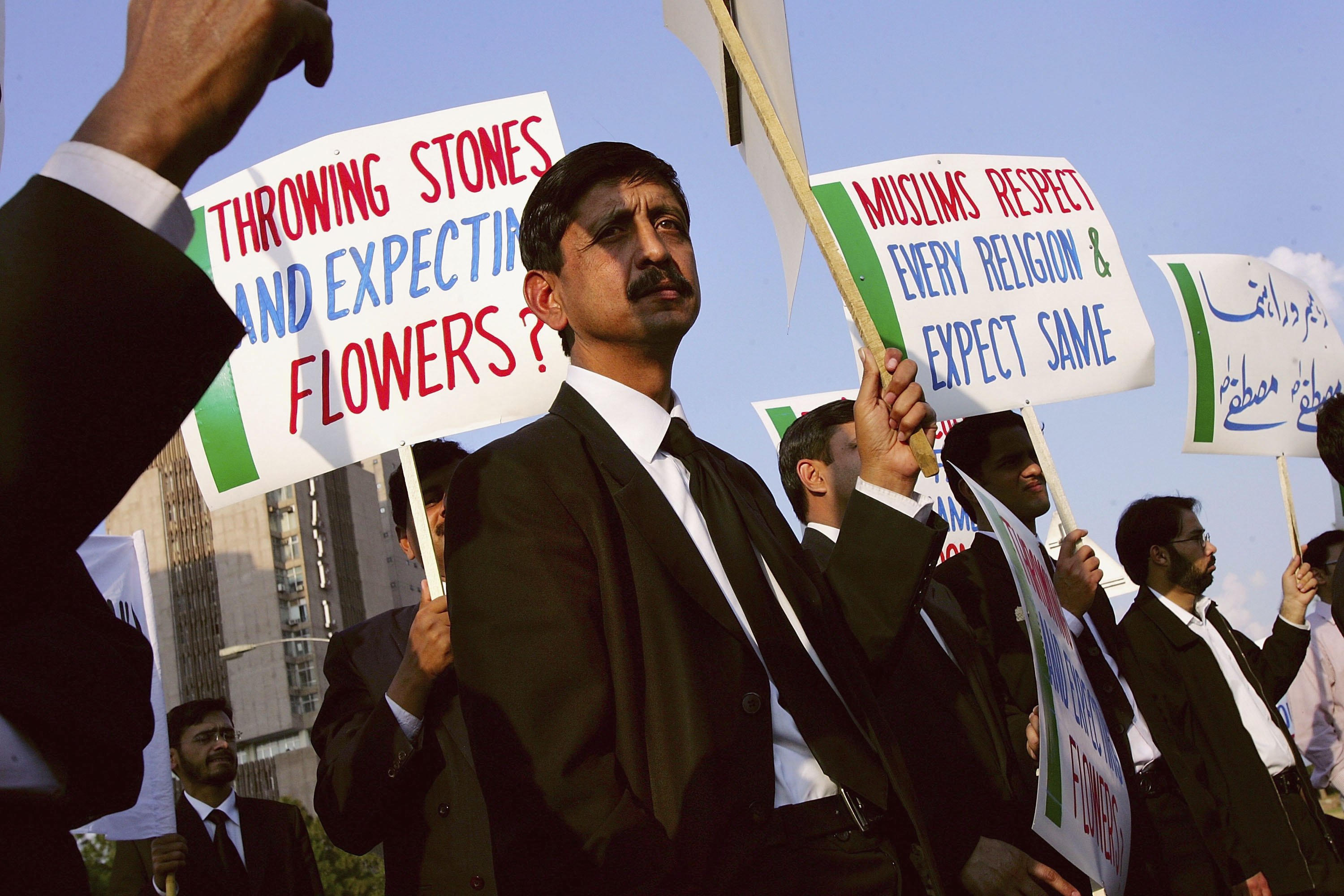
Coverage of anti-immigration protests has revealed a notable lack of professional and ethical standards when it comes to balancing freedom of expression with its moral limits. Images of protesters making obscene gestures and displaying offensive signs were published without editorial mitigation, leaving provocative content unfiltered and potentially reinforcing far-right slogans and hate-driven messages. This was particularly evident in The Daily Mail’s visual coverage of protests in Australia.
In terms of visual framing, media coverage during similar crises has shown that the images selected, the manner of their presentation, and their contextual framing are often deliberate editorial choices, ones that may distort or exaggerate reality and serve broader ideological narratives.
The newspaper also deliberately adopted an Islamophobic narrative through its visual framing of anti-immigration protests in the UK. One notable image showed an anti-immigration protester facing off against an anti-racism demonstrator dressed in traditional Islamic attire with a visible beard, separated by a police officer. This framing reinforces the perception that the conflict targets Muslims specifically, rather than migrants as a broader demographic.
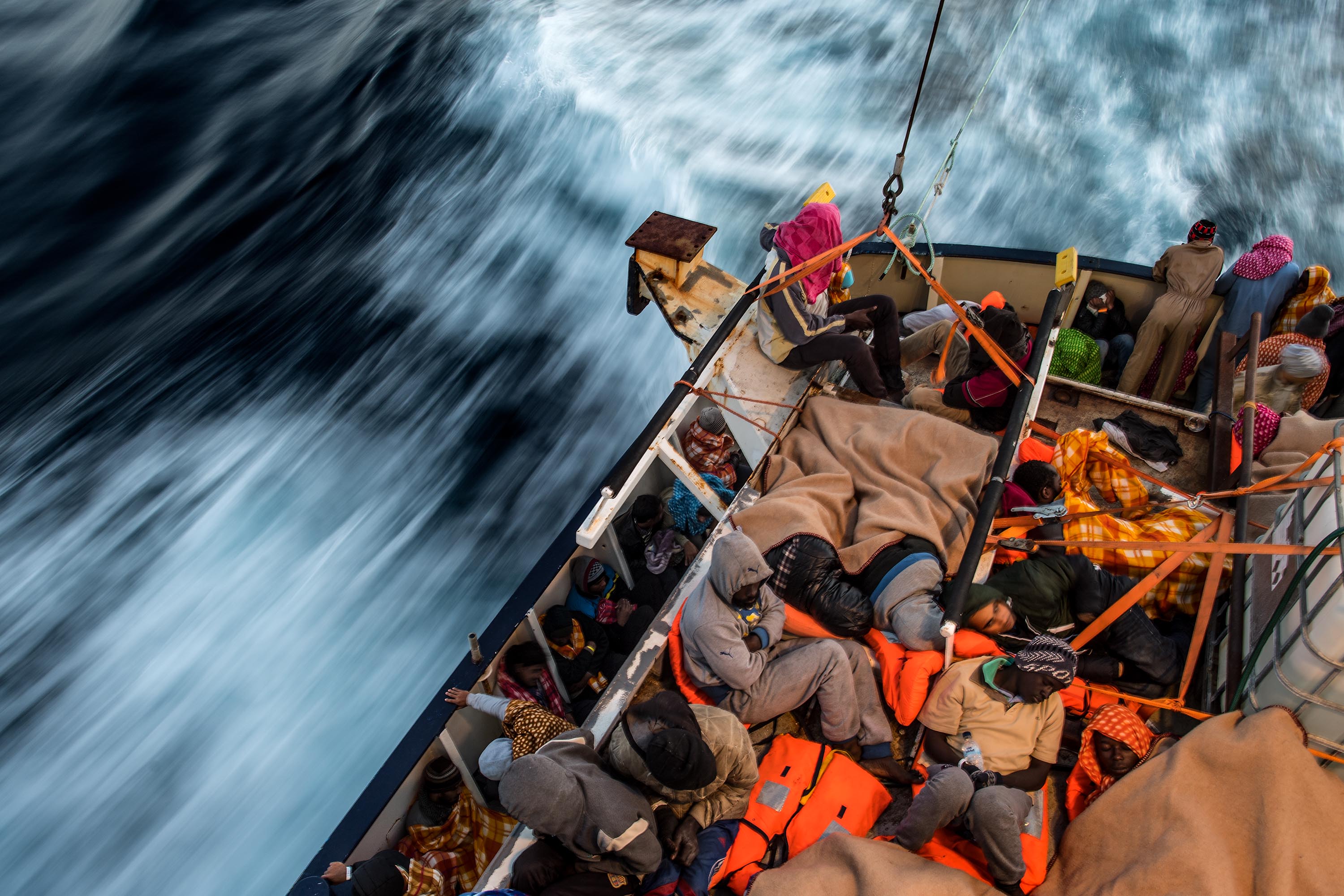
In contrast, The Guardian emphasised the humanitarian dimension of the crisis, publishing images of a search-and-rescue vessel monitoring a small migrant boat, an effort to highlight the life-threatening risks faced by refugees during their journey.
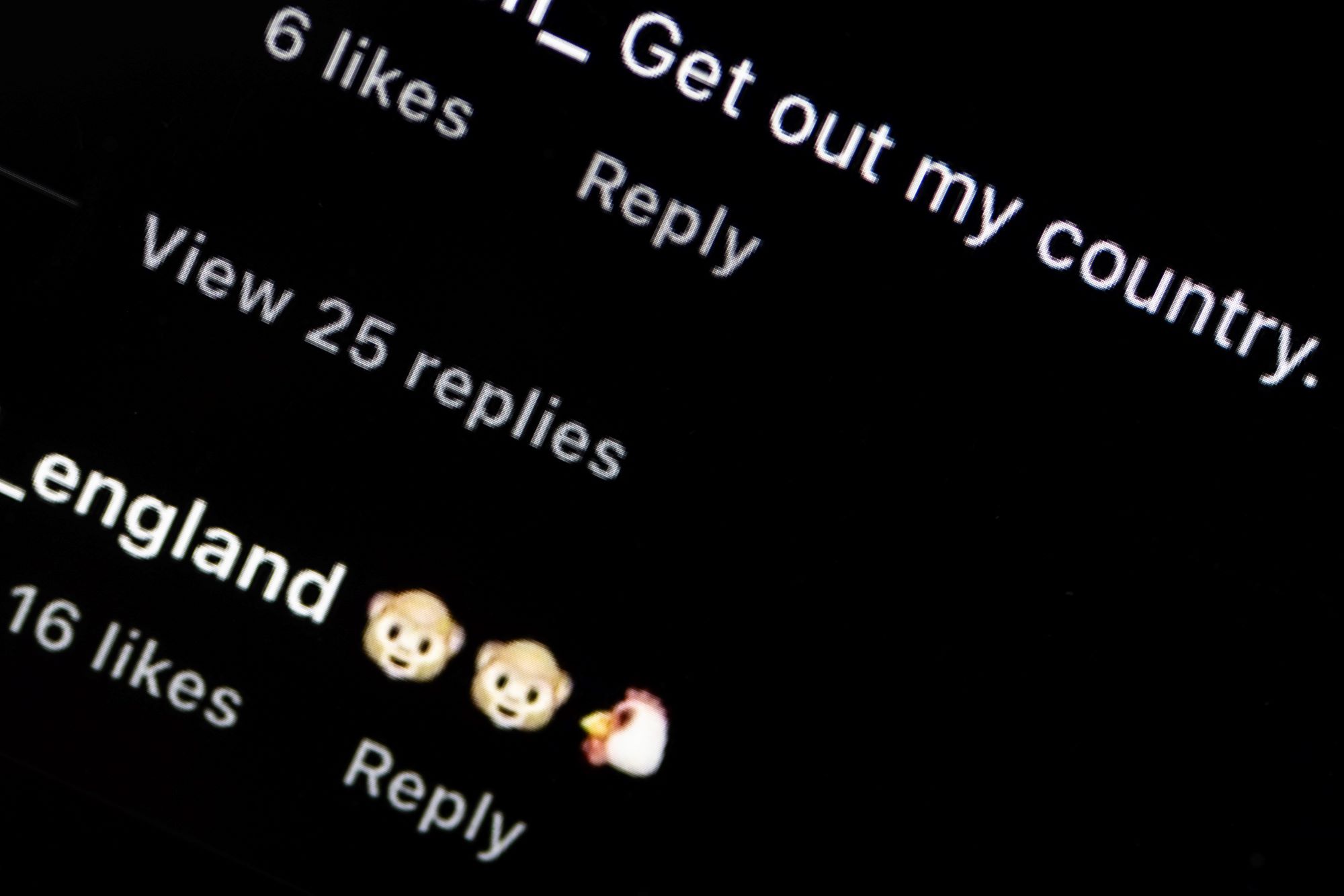
Alongside visual framing, linguistic framing stands out as a central mechanism in crisis reporting. This involves the deliberate selection of language and terminology within journalistic discourse. Such intentional word choice defines the frame through which events are presented, thereby shaping audience perceptions according to particular ideological leanings. Lexical framing influences how facts are interpreted, often reinforcing stereotypes and escalating tensions by guiding the reader toward specific narratives.
This was evident in The Daily Mail’s choice of terms that normalised protests against migrants, for instance, referring to demonstrators as “angry anti-migrant campaigners”, a phrase that legitimises their actions as a form of rightful protest while simultaneously downplaying refugee suffering and casting them as a threat. This framing intensifies conflict and polarises public sentiment.
A similar lack of objective neutrality appeared in Reuters' coverage, which focused on migrants' religious identity while excluding the humanitarian aspects of their plight, overlooking the dangers of displacement and the devastation of war that compelled their migration. The agency used ideologically charged terms such as “Islamic extremist migrant” in its August 27, 2025, coverage of protests in England and “anti-Islam activists” in its September 14, 2025, report from London. The Daily Mail followed suit, conflating “anti-racism marches” with “pro-Palestine demonstrations”, a rhetorical pairing that carries politically loaded implications aimed at reshaping reader perception.
This deliberate association attempts to reframe anti-racist activism as tantamount to “support for terrorism”, recasting human rights advocates in the public eye as existential threats to Western society. Such discursive strategies do more than distort the image of these movements; they organically align with far-right narratives, providing moral and rhetorical justification for attacks on migrants, framing them as “defensive” acts against perceived dangers.
In this way, a wide swath of Western media is not merely reporting events but actively framing them, shaping discourse, language, and angles of coverage. This reflects a clear departure from professional journalism and its ethical obligations to report events objectively. Under the guise of free expression, media coverage in this context has increasingly served as a platform for promoting hate speech and racism, deepening divisions and social tensions at the expense of the public’s right to truth and informed understanding, free from bias, exaggeration, or fear-mongering.