
Myanmar’s recent elections posed a profound challenge for journalists, who were forced to navigate between exposing a sham process and inadvertently legitimising it. With media repression intensifying, reporting became an act of resistance against the junta’s effort to control information and silence independent voices.
Five years after Myanmar’s military seized power and overthrew the elected government led by Aung San Suu Kyi’s National League for Democracy NLD, the junta staged elections it claimed would restore political normalcy. In reality, these polls had little to do with governance. They were about control– specifically, control of information.
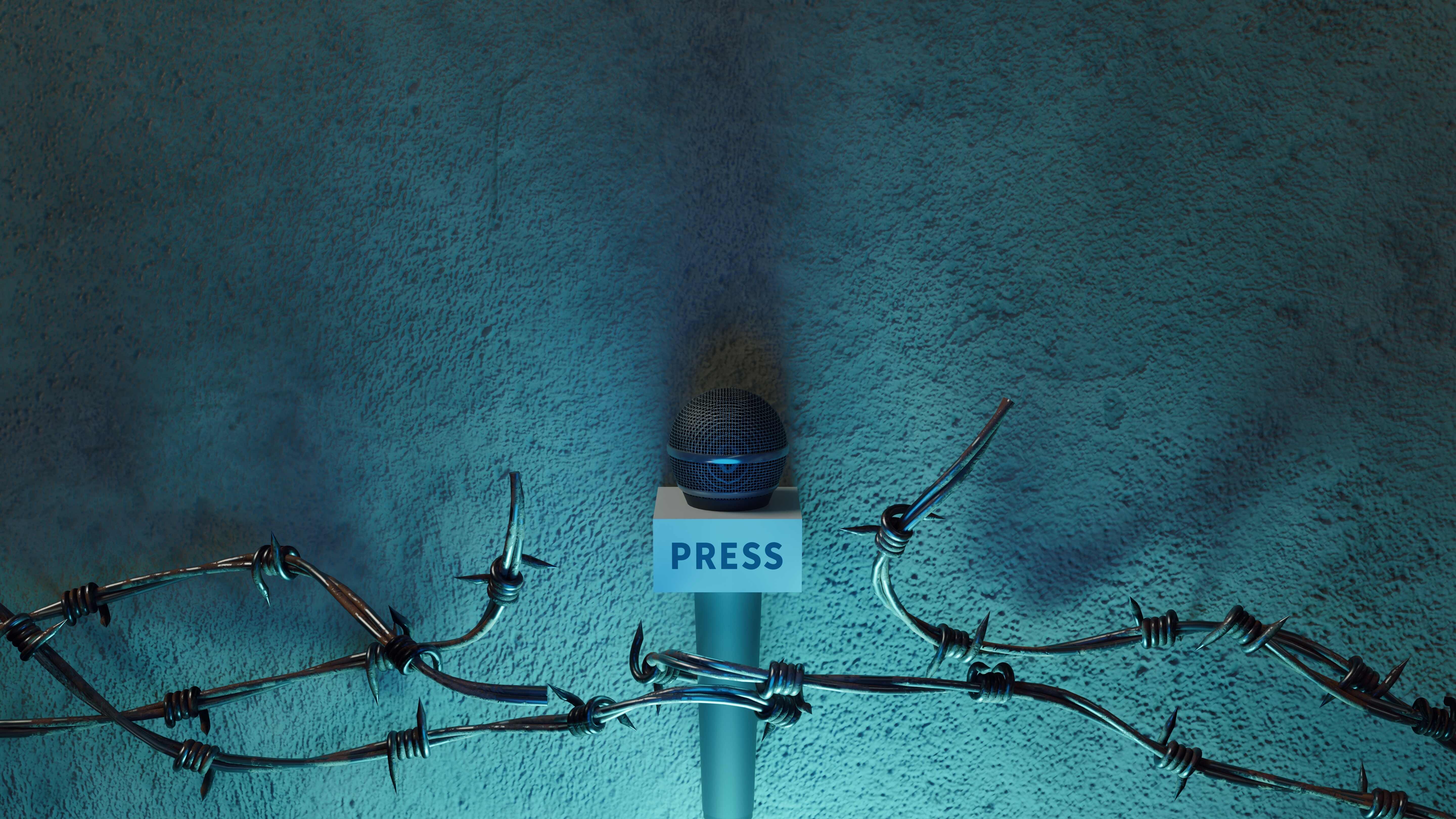
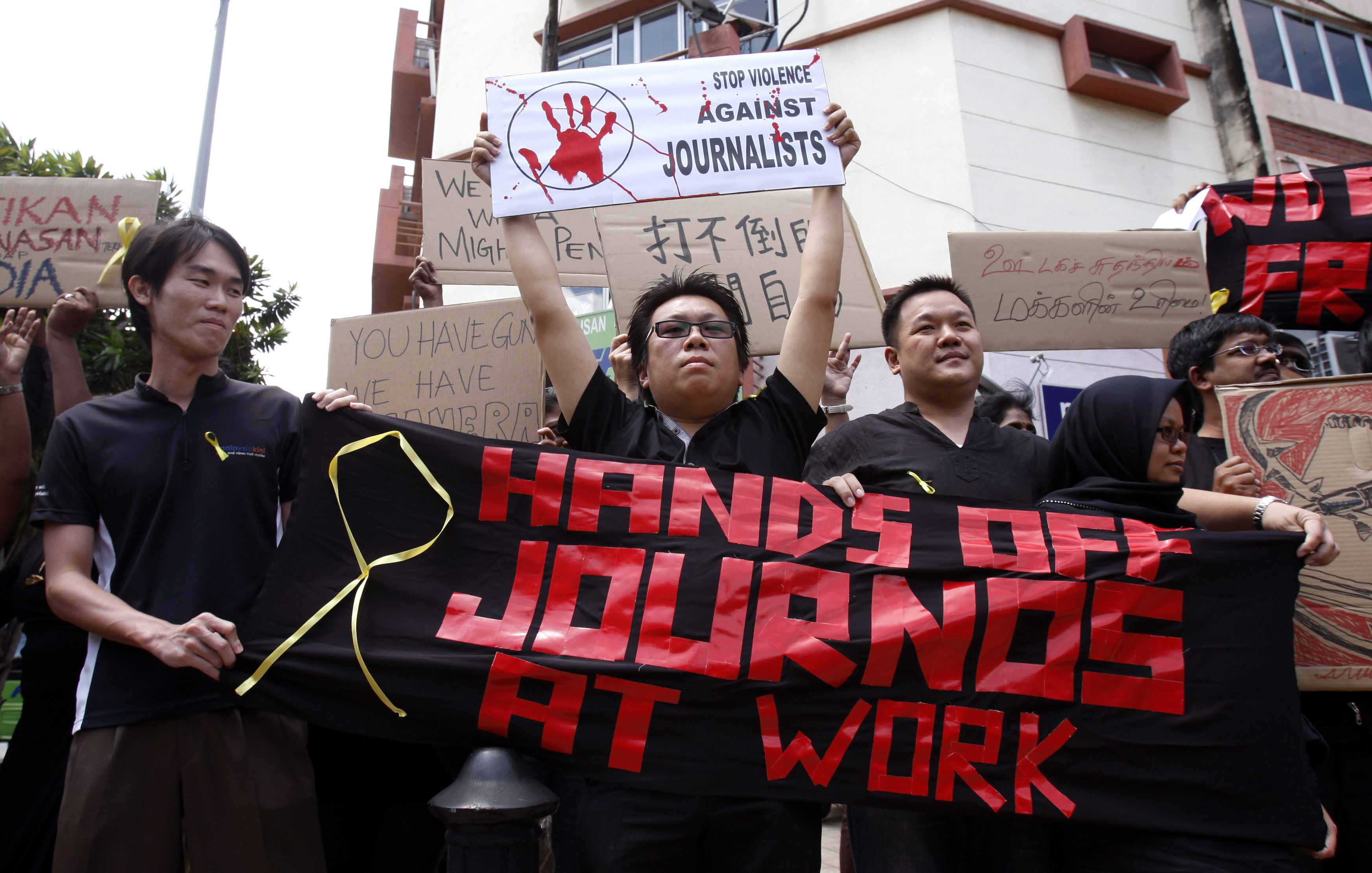
Since February 2021, the junta has systematically dismantled Myanmar’s independent media ecosystem. Newsrooms have been raided, licenses revoked, journalists arrested or forced into exile, and entire regions subjected to internet shutdowns and telecommunications blackouts. According to monitoring groups, more than 200 journalists and media workers have been arrested since the coup, with dozens still detained, and several killed in the course of their work under the military’s repression. The Committee to Protect Journalists (CPJ) now ranks Myanmar among the world’s worst jailers of journalists, while Reporters Without Borders (RSF) places it near the bottom of the global press freedom index. Against this backdrop, the elections were not a democratic process, but a carefully staged spectacle designed to project legitimacy abroad while suppressing scrutiny internally.
For journalists particularly those reporting from exile, underground, or across borders these elections presented urgent ethical and professional dilemmas. How do you report on a political process widely viewed as illegitimate without amplifying propaganda? What does accountability journalism mean when access itself has been criminalized? And what happens to truth when information is fragmented across borders, languages, and audiences?
These questions have not been theoretical for Myanmar’s journalists at any point over the past five years. They have been confronted daily, through arrests, exile, censorship, and surveillance. What the junta’s staged elections made newly visible was not the existence of these dilemmas, but the extent to which journalism under authoritarian rule has become a continuous act of negotiation—between exposure and amplification, survival and silence.
Five Years After the Coup, Control of Information Has Replaced Control of Territory
In the months following the 2021 coup, the military relied on brute force to consolidate power. Mass arrests, lethal crackdowns, and sweeping censorship defined the early period of junta rule. Independent media outlets were among the first targets, with journalists detained, publishing licenses revoked, and newsrooms shuttered. Today, Myanmar remains the second-largest prison in the world for journalists, after China.
Five years on, the strategy has evolved. While armed resistance continues and large parts of the country remain contested, the military has achieved near-total dominance over the formal information environment in areas it controls. State media and military-aligned outlets shape the official narrative, while independent reporting has been driven underground. Prolonged Internet shutdowns and telecommunications blackouts in conflict-affected regions isolate communities and make verification extremely difficult. This is not simply censorship—it is the deliberate creation of an information vacuum, which the military fills with its own version of reality.
The junta’s control extends beyond traditional media. It actively manipulates social media platforms, particularly Telegram channels and Facebook/Meta, to disseminate official messaging, amplify propaganda, and monitor public sentiment. Through these channels, the military spreads narratives favorable to its rule, counters dissenting voices, and enforces narrative discipline even in private online spaces. This is not simply censorship, it is the deliberate creation of an information vacuum, which the military fills with its own version of reality.
It was within this highly controlled environment that the junta staged its elections.
Elections as Information Operations, Not Political Competition
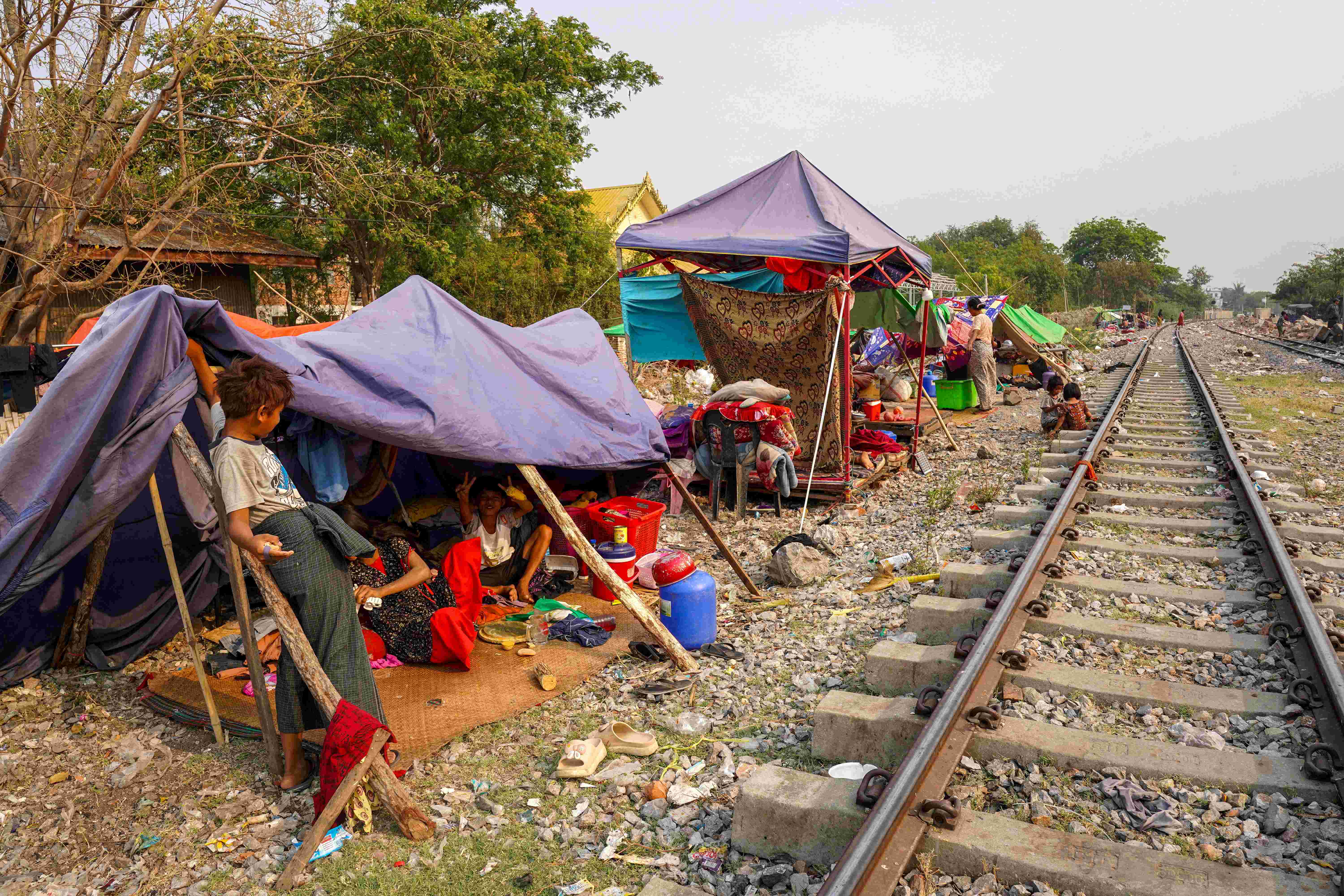
Myanmar’s elections were widely dismissed by opposition groups, civil society, and much of the population as illegitimate. Major political parties had been dissolved or barred from participation, large numbers of citizens remained displaced by conflict, and entire regions were effectively excluded from the vote.
Myanmar’s elections were widely dismissed by opposition groups, civil society, and much of the population as illegitimate. Major political parties had been dissolved or barred from participation, large numbers of citizens remained displaced by conflict, and entire regions were effectively excluded from the vote. Claims that voting occurred only in “stable” townships—roughly two-thirds of all townships—were systematically undermined by independent monitoring. Documentation by Myanmar Witness across the three electoral phases recorded conflict-related incidents in designated voting areas, including airstrikes, paramotor surveillance, landmines, arson, and civilian casualties. These findings expose the elections not only as politically exclusionary but also as operationally dishonest, staged amid active conflict while asserting an illusion of security.
Rather than competing for domestic credibility, the junta’s elections were designed to control information and perception. International media coverage mattered little to internal messaging; the focus was on preventing independent narratives from circulating in Burmese and other local languages, where reporting could resonate directly with communities affected by conflict, displacement, and repression. By allowing selective international access while criminalizing local journalism, the junta contained scrutiny where it mattered most: among the people it governs.
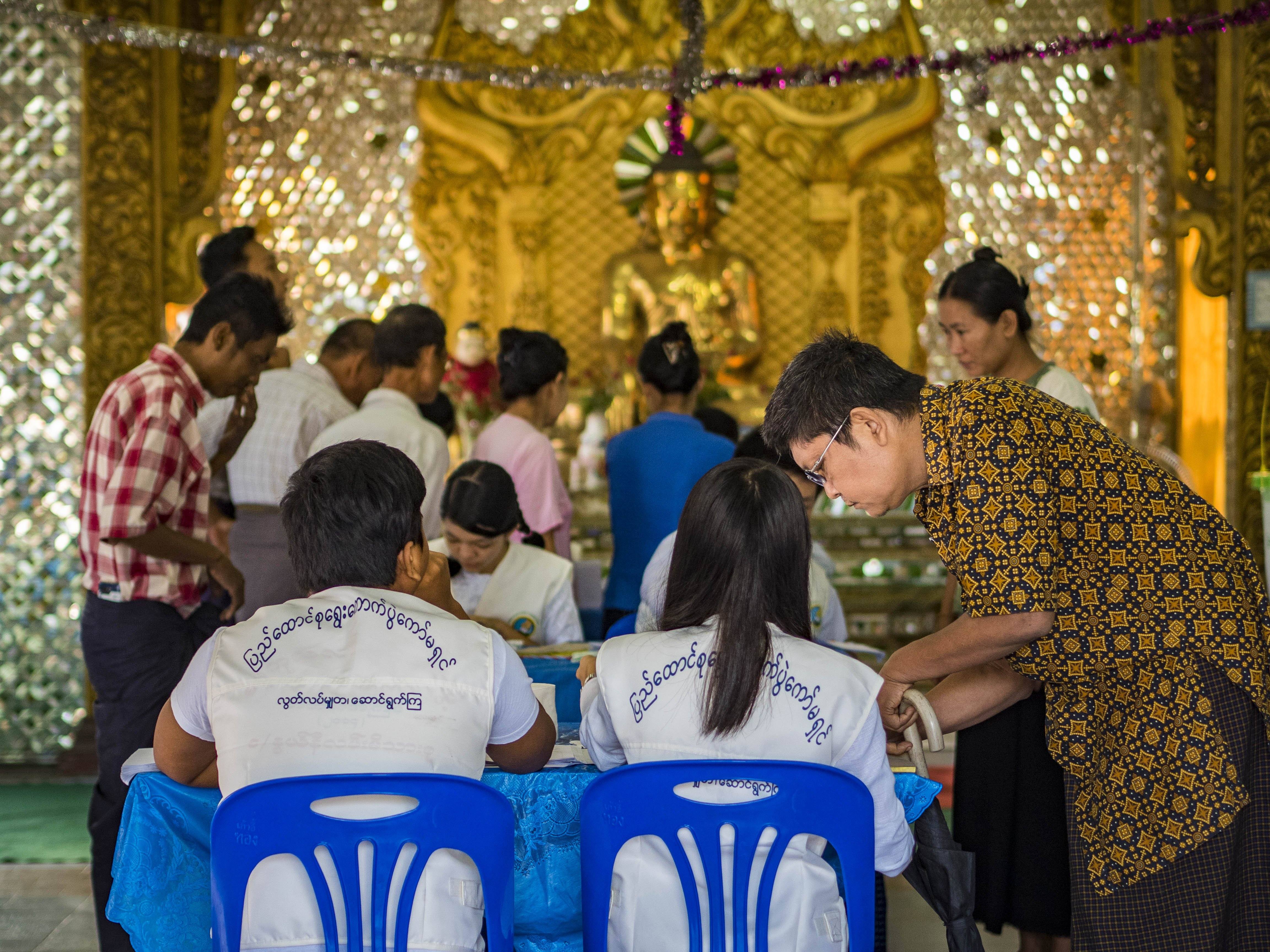
Access for foreign journalists was tightly managed. During the three phases of the election process (28 December 2025, 11 January 2026, 25 January 2026), many correspondents were granted short-term visas, often limited to seven days, while only a few received one-month visas through regional embassies. Reporting conditions varied by location: in Yangon, the atmosphere was comparatively relaxed, though intelligence officers monitored polling stations, required registration, and documented accreditation. In Mandalay, surveillance was more overt, with journalists closely followed.
Local journalists faced far harsher constraints. Many could not apply for accreditation at all and instead participated indirectly—as translators or support staff for foreign outlets. Others reported under severe restrictions, producing limited or low-quality visual documentation. Fear was evident even among polling station officials, reflecting the broader climate of coercion surrounding the vote.
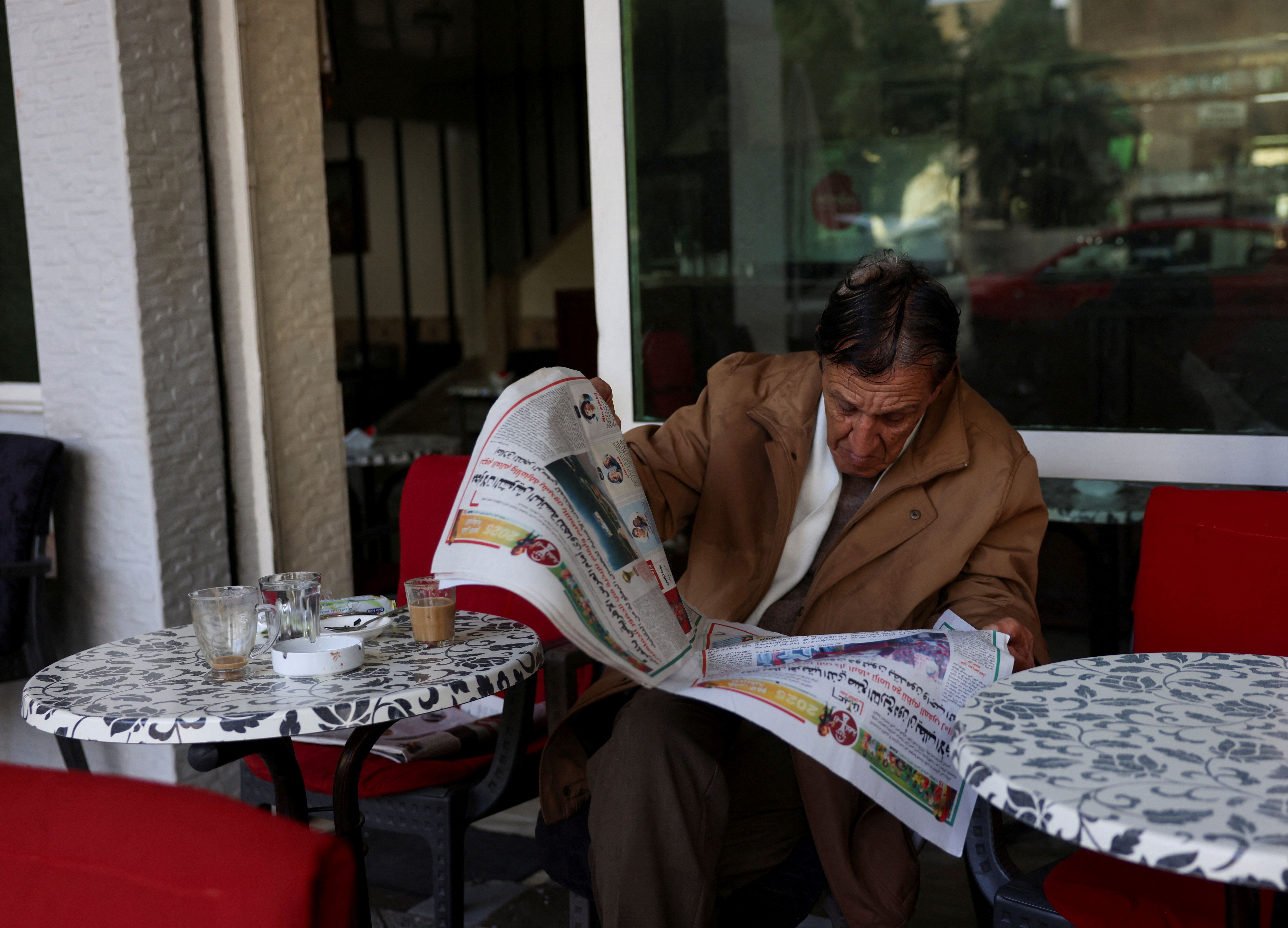
Meanwhile, information control intensified online. Exile and independent media faced heavy restrictions, while Telegram channels and other digital platforms were leveraged to shape public perception and suppress dissenting narratives. Audiences inside Myanmar could safely watch international outlets like CNN or Al Jazeera, but accessing exile media carried serious risk.
From a journalistic perspective, this created a profound dilemma. Reporting on the mechanics of the elections—candidates, polling stations, turnout—risked reinforcing a narrative that masked repression, displacement, and ongoing conflict. For example, coverage in outlets like The Washington Post focused on urban consumer issues, such as shortages of cat food or imported goods. While this kind of reporting shines a light on the human cost of the junta’s economic policies, it also illustrates the limitations of surface level coverage: a focus on consumer shortage can inadvertently center the experience of urban elites and markets, rather than the displacement, conflict and information suppression that define most people’s lives outside cities. Yet ignoring the elections entirely allowed the junta’s claims to circulate unchallenged. Even critical international coverage could be absorbed into the junta’s broader information strategy, offering the appearance of scrutiny without threatening its control over domestic narratives.
Journalists Caught Between Silence and Complicity
Inside Myanmar, independent reporting on the elections carried severe risks. Journalists documenting irregularities or challenging official narratives faced arrest, surveillance, or exile. Many were forced into hiding, operating without institutional support or legal protection. On 10 November 2025, for example, the military filed charges under the Election Protection Law against AAMIJ News, criminalizing reporting deemed to “threaten, obstruct, abuse, or severely harm” election officials, candidates, or voters—penalties ranged from three years to life imprisonment.
Exiled journalists confronted a different set of dilemmas. Operating from neighboring countries or further afield, they lacked direct access to events on the ground. Verification became more complex, sources harder to protect, and audiences fragmented across borders. Citizen journalists and community reporters stepped in to fill some gaps, particularly in areas where professional media could not operate. While invaluable, their work carried heightened risk and limited resources.
These pressures are not temporary. Myanmar’s journalists are operating in what scholars call a state of permacrisis—a prolonged, overlapping crisis of armed conflict, displacement, digital repression, economic precarity, and psychological strain. In such conditions, ethical dilemmas accumulate over time, eroding not just safety but the very capacity for independent judgment, verification, and sustained reporting.
In response, some journalist networks and frontline-led organizations have reframed sustainability as a collective, not individual, challenge. Peer support, cross-border collaboration, and embedded safety protocols are treated as professional and political necessities. In prolonged crises like Myanmar, such practices enable reporters to work ethically under repression, protect sources, and resist the slow normalization of authoritarian control over information.
Reporting Without Access, Journalism Without a Public Sphere
The collapse of Myanmar’s local media ecosystem has fractured the country’s information space. Almost all independent outlets operate from exile. There is no longer a single public sphere but multiple, overlapping audiences: inside the country, in border regions, across the diaspora, and within international policy circles.
Exile media play a vital role in documenting abuses and sustaining independent journalism, yet their reach inside Myanmar remains constrained by censorship, surveillance, and uneven internet access. Verification is a constant challenge, relying on trusted networks, open-source intelligence, and cross-border collaboration. Absence of information is often misinterpreted as absence of events—a distortion that consistently benefits those in power.
Why Myanmar’s Media Crisis Matters Beyond Myanmar
Myanmar’s experience offers lessons for journalists covering authoritarian-managed elections worldwide. When electoral processes are stripped of competition and access is limited, traditional frameworks of balance, neutrality, and coverage are inadequate. Elections become performances, not mechanisms of accountability, and journalism risks amplifying the spectacle instead of scrutinizing it.
For global newsrooms, the challenge is not simply whether to cover such elections but how: prioritizing context over spectacle, centering the experiences of those most affected, and navigating ethical dilemmas in fragmented, high-risk environments.
Five years after the coup, Myanmar’s military may control much of the country’s information space, but journalists inside and outside the country continue to resist erasure. Their work—often unseen, dangerous, and painstaking—reminds us that the struggle for press freedom does not end when elections are announced. In many cases, it intensifies. Journalism itself becomes a form of resistance, and reporting ethically under repression is an act of defiance.