The December 2025 arson attacks on Prothom Alo and The Daily Star marked a turning point for journalism in Bangladesh. As public anger replaces state control as the primary threat, reporters are reassessing personal safety, editorial judgement, and professional credibility in a political transition where journalism itself is increasingly treated as an enemy.
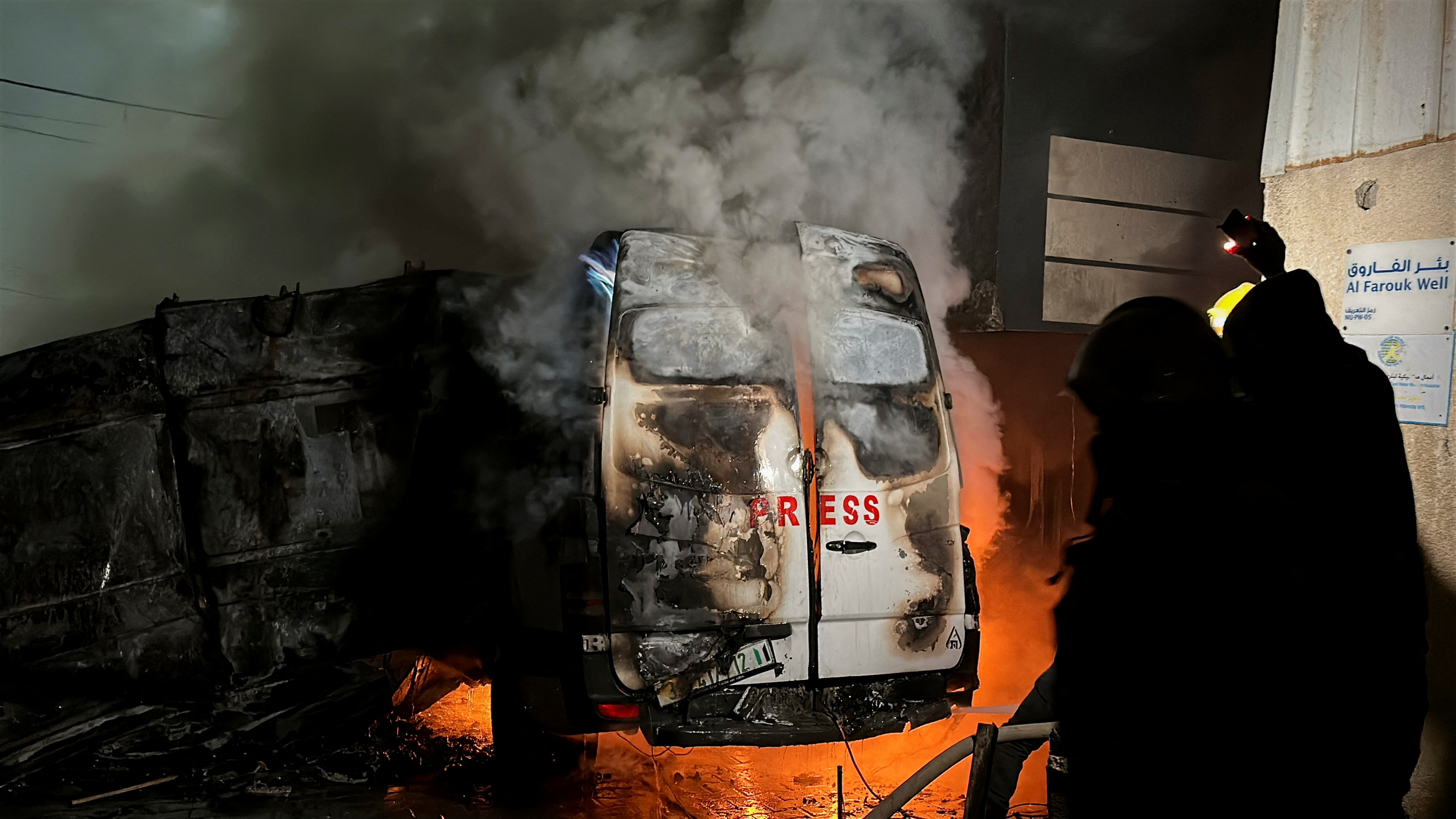
From the 13th floor of a neighbouring building, Galib Ashraf, senior reporter at the paper, stood watching flames tear through one of Prothom Alo’s office buildings. Below him, crowds surged and scattered as smoke thickened the air, sirens cutting through chants accusing the country’s most influential newspaper of betrayal.
Prothom Alo operates from two buildings, and the one Galib stood in was not the one burning. Still, as fire spread and glass shattered, the distinction felt meaningless. What he was witnessing, he realised, was not just an attack on a newsroom, but a moment when journalism itself had become a target.

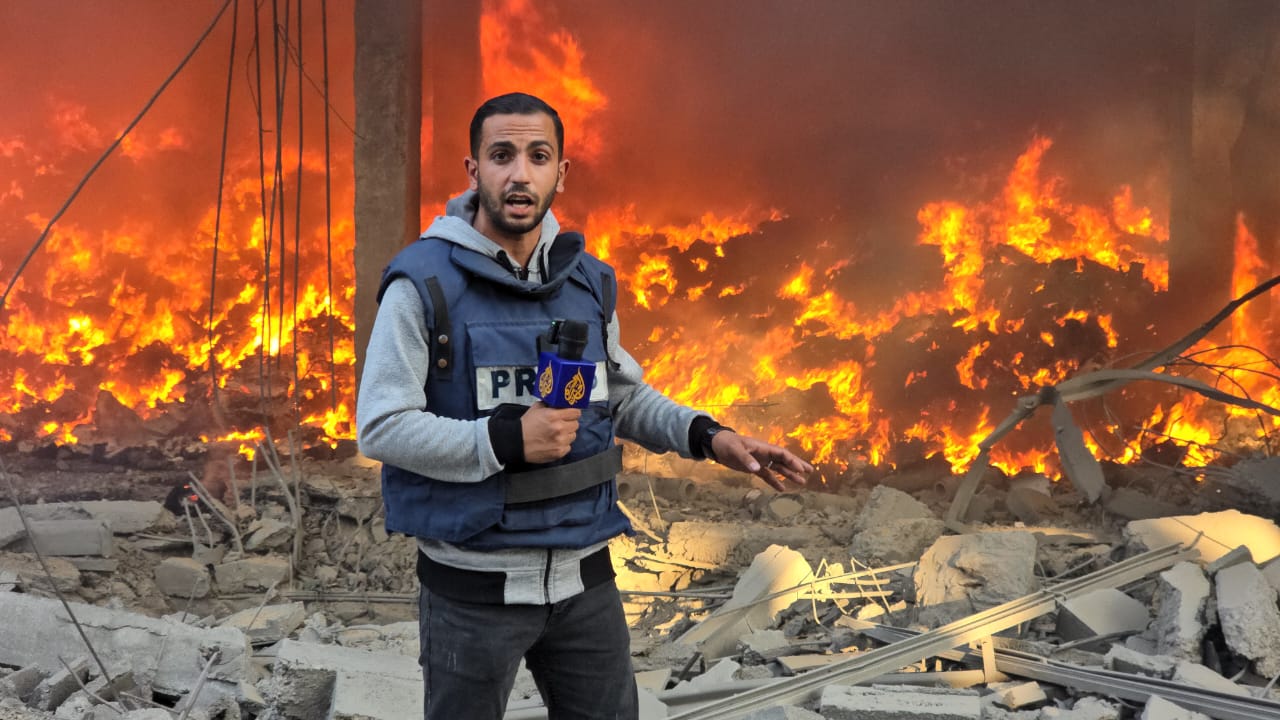
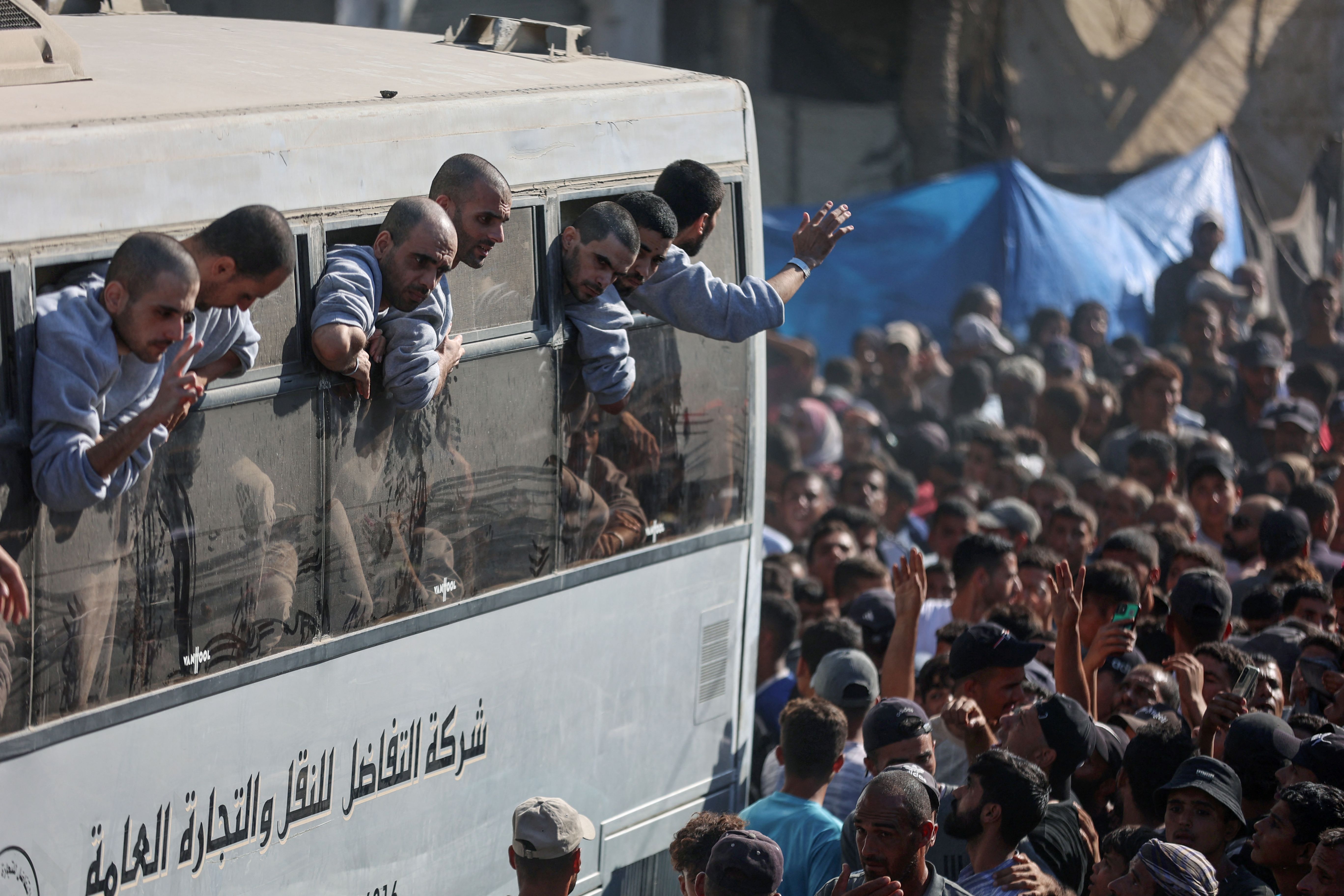
Around midnight on December 18, 2025, journalists and staff inside the Prothom Alo complex scrambled to escape as one building was set ablaze. On the same night, another mob attacked the offices of The Daily Star, Bangladesh’s leading English-language daily. Press freedom groups later described the assaults as among the gravest attacks on media institutions in the country’s recent history.
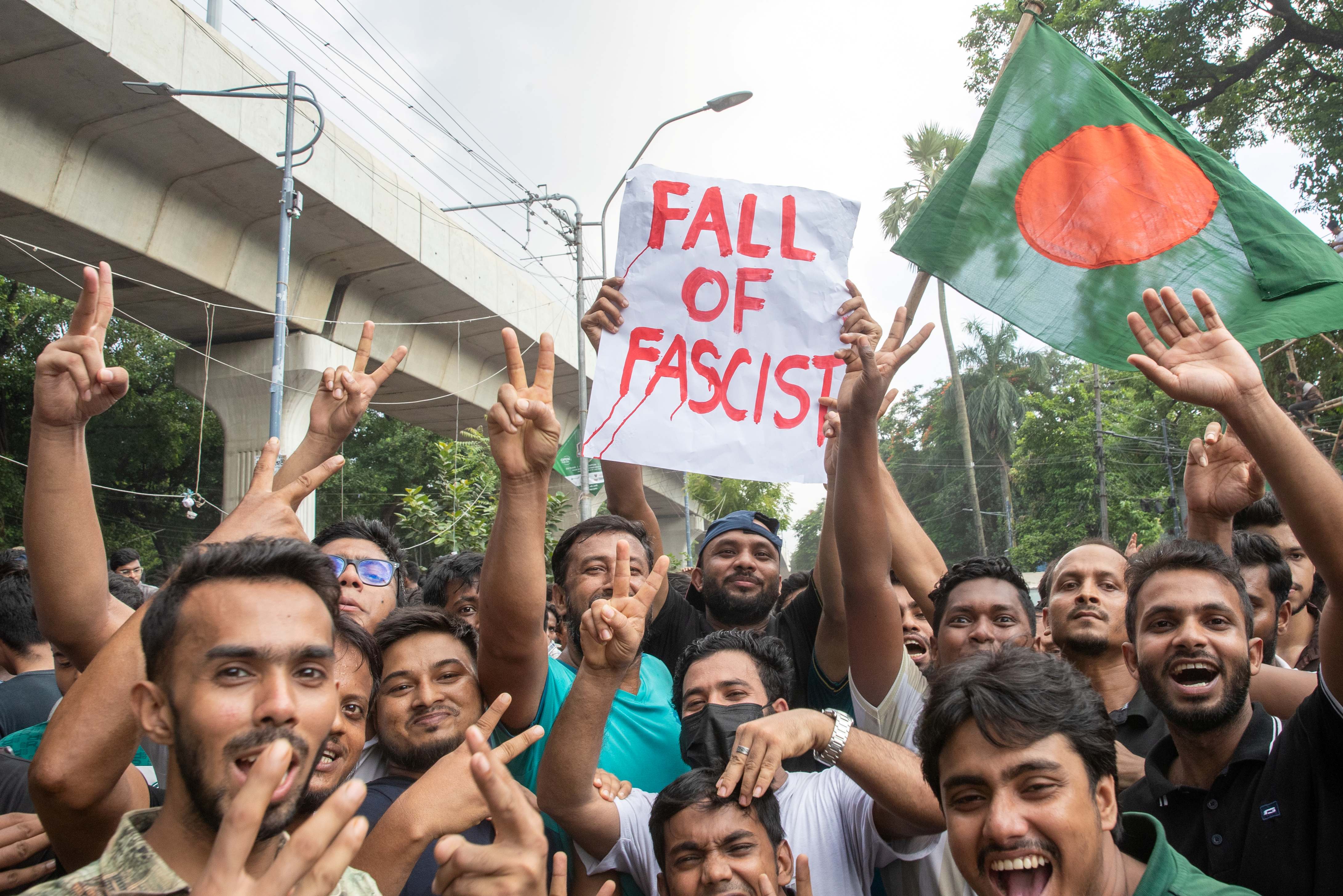
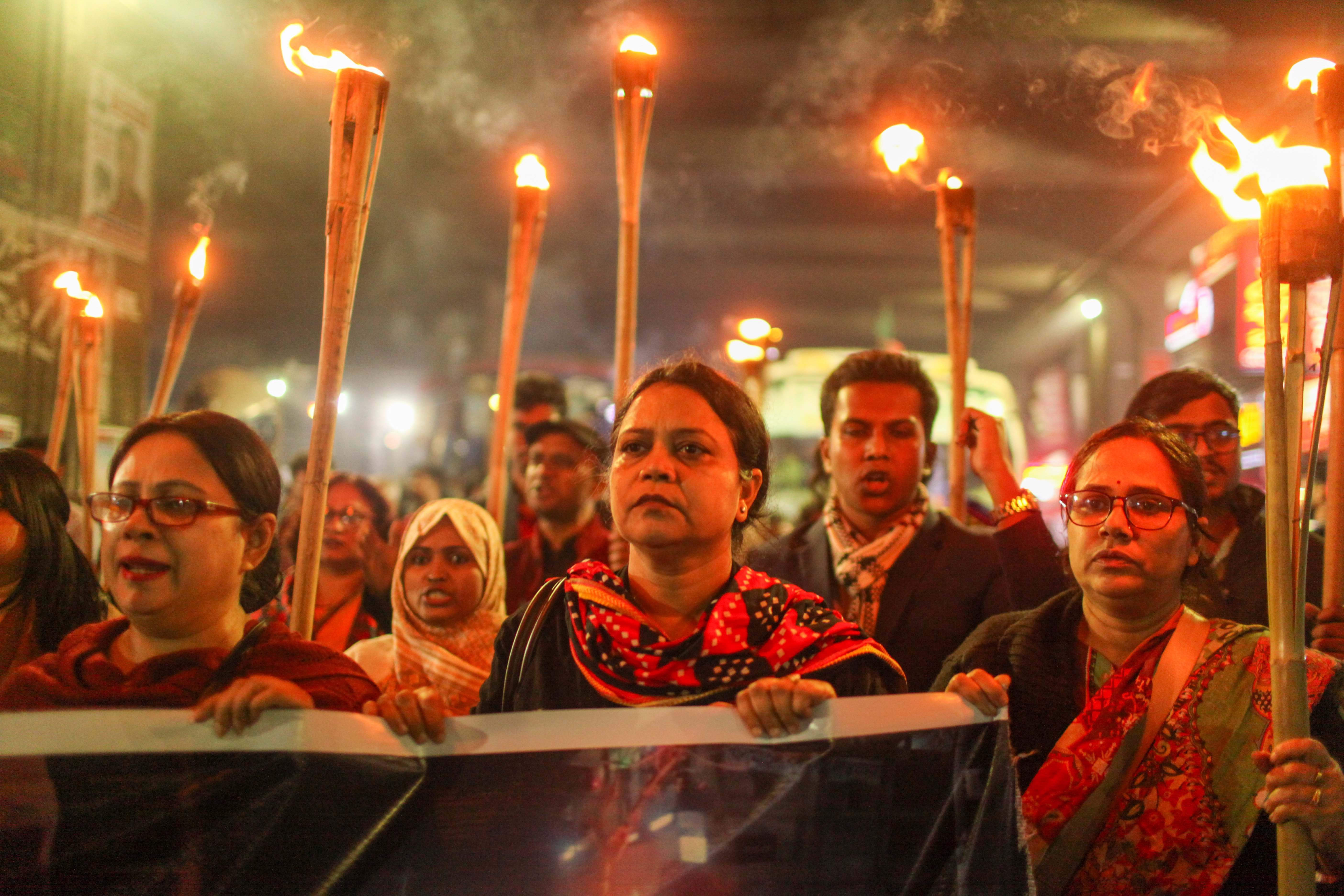
The violence unfolded amid nationwide protests following the death of Sharif Osman Hadi, a 32-year-old student leader who died in Singapore a day earlier while undergoing treatment after being shot by a masked gunman. Those who torched the newspaper offices accused both outlets of shaping the political narrative around Hadi’s killing, calling them “Delhi’s lapdog” and “Sheikh Hasina’s enabler.” Both newspapers have vehemently denied the allegations.
The attacks were swiftly condemned by press freedom organisations, journalist unions, and civil society groups. Yet inside newsrooms, the shock quickly gave way to deeper unease. For many journalists, the arson raised questions that extended far beyond physical security about public trust, professional identity, and how to report in a political transition where hostility toward legacy media has become increasingly overt.
What we are seeing now is a shift from institutional repression to popular violence. That makes the risks harder to calculate and much harder to protect against.
When Being a Journalist Makes You a Target
In the days following the attacks, the first change for many journalists was not editorial; it was physical.
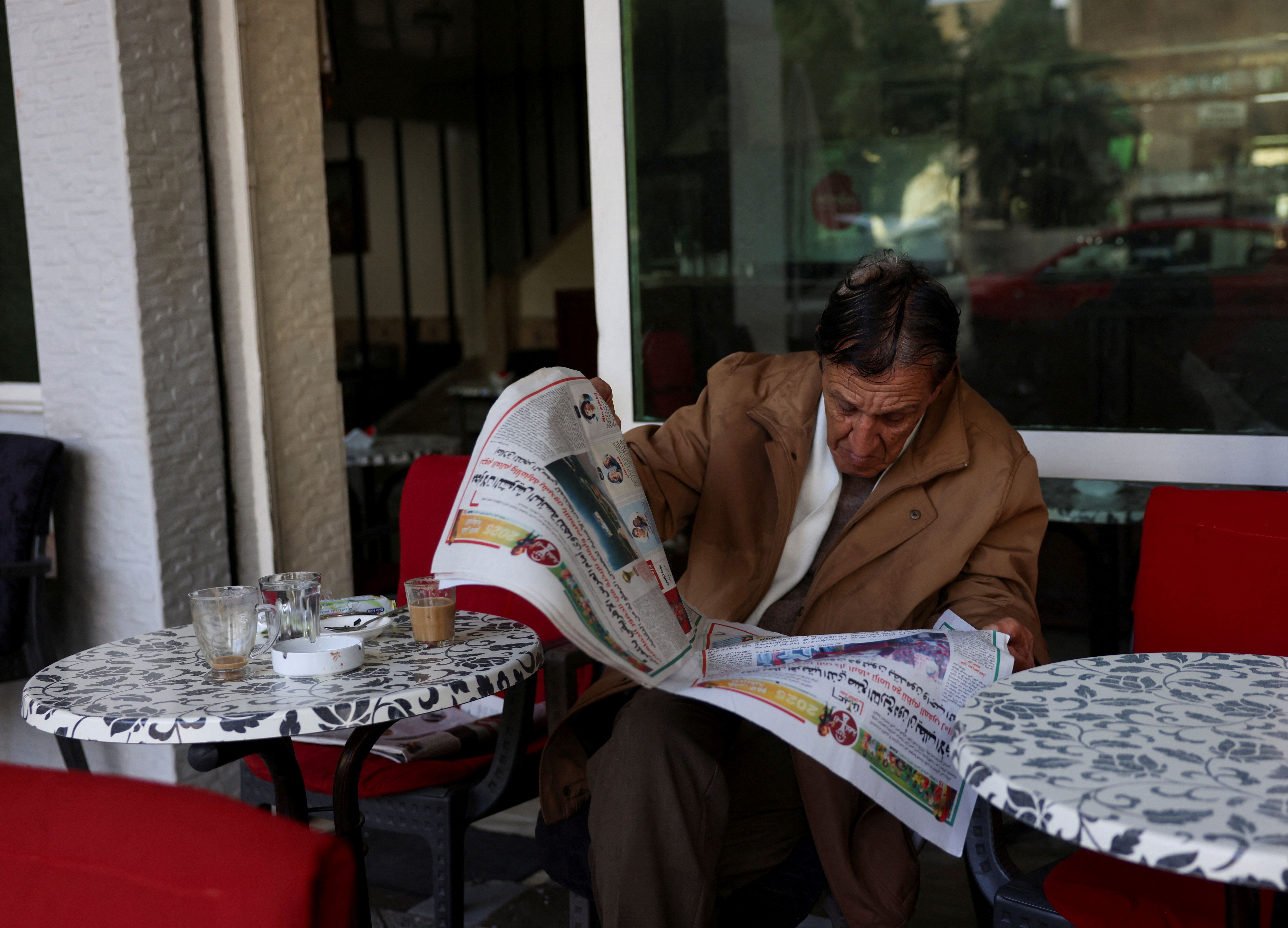
“Today, we don’t even use our press cards in public,” said Tanjila Tasnim, a reporter with The Daily Star. “If people find out we are journalists, especially from The Daily Star, there is a fear they might attack us.”
Tasnim said editors and senior colleagues advised reporters to move cautiously, particularly while reporting in public spaces. “We are told to be very sensitive about where we go, who we speak to, and how we introduce ourselves,” she explained. Sometimes, we are told not to say we are journalists or from The Daily Star at all.” She added that the threat of further violence has not faded. “There is still a risk. People could come again.”
Galib describes a similar shift. Four days after the attack, he went to Dhaka University for work and joined a group of former students engaged in discussion. As usual, he introduced himself as a journalist from Prothom Alo. “One of the men suddenly started shouting,” Galib recalled. “He said, ‘You people are anti-democracy, anti-Bangladesh.’” Since then, Galib says he thinks twice before revealing his profession.
Today, we don’t even use our press cards in public… If people find out we are journalists, especially from The Daily Star there is a fear they might attack us.
From Predictable Repression to Mob Violence
During Sheikh Hasina’s rule, journalists faced intense pressure, but the risks, many say, were at least predictable.
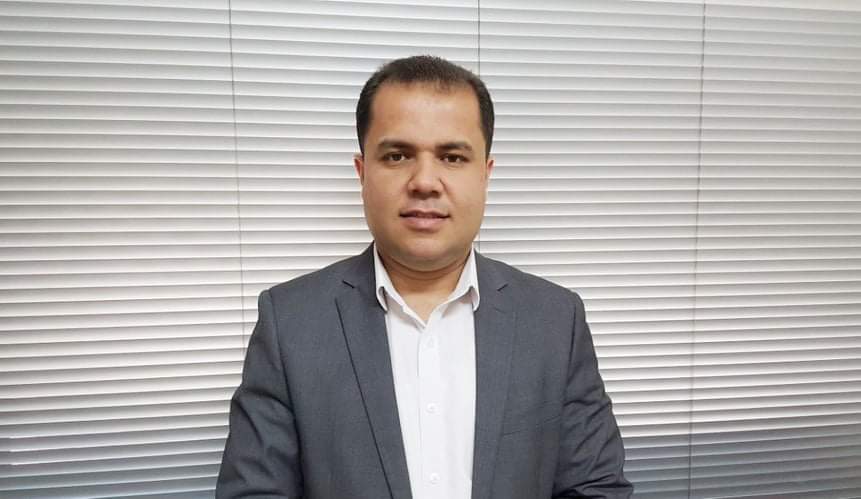
'You knew the red lines,' said Nazmul Ahsan, executive editor of Netra News. Criticising the prime minister or investigating her family could lead to harassment, intimidation, surveillance, or prison.
Ahsan said pressure was often exerted indirectly. “Media owners were pressured through intelligence agencies,” he explained. And the withdrawal of government advertising, a major source of revenue, was routinely used to discipline newsrooms.
“The government was bad; no one would question that,” Ahsan said. “But it was a rational actor. You knew what would happen if you crossed the line.” What has changed since Hasina’s fall in 2024, journalists argue, is the nature of the threat itself.
“Now the danger doesn’t come from the state alone,” Ahsan said. “It comes from mobs, organised or unorganised, who decide your reporting is biased or unfair.” The problem, he added, is unpredictability. “You don’t know who they are, where the red line is, or what they might do,” he said. “They might burn down an entire building like they did in December.”
What we are seeing now is a shift from institutional repression to popular violence. That makes the risks harder to calculate and much harder to protect against.
Founded in exile in Sweden during the Awami League period, Netra News relocated to Dhaka after the interim government led by Muhammad Yunus took office in 2024. Yet Ahsan argues that journalism has become more precarious, not less.
“What we are seeing now is a shift from institutional repression to popular violence,” he told Al Jazeera Journalism Review. “That makes the risks harder to calculate and much harder to protect against.”
Who Are the Mobs, and Where Was the State?
For veteran journalist M. Abul Kalam Azad, the December attacks exposed a fragmented power landscape that emerged after Hasina’s ouster.
“During Sheikh Hasina’s time, we knew who the enemies of the media were,” said Azad, a journalist with over two decades of experience reporting on extremism and political violence. “After her fall, we thought those pressures would disappear. We were wrong.”
He described a media environment now shaped by a variety of actors: student leaders from the 2024 movement, new political parties, older ones like the BNP, Jamaat-e-Islami, and increasingly, right-wing Islamist forces. These groups, Azad noted, have rapidly become influential and place intense pressure on newsrooms. He said, “They all emerged as stakeholders almost overnight.”
“These groups, he added, have placed intense pressure on newsrooms. An independent media ecosystem has not flourished even after Hasina’s fall,” Azad said. “In some ways, it has become more fragile.”
What stunned many journalists, Azad added, wasn’t just the scale of the violence; it was the lack of state intervention. Mobs had announced plans to gather outside newspaper offices, yet security forces did not intervene. “The interim government and the security forces were watching as the vandalism unfolded,” he said.
Azad also pointed to serious allegations that certain government elements may have intentionally held back security responses. “We have strong reason to believe some people within the government prevented security forces from acting,” he claimed.
An independent media ecosystem has not flourished even after Hasina’s fall. In some ways, it has become more fragile.
"They Just Stood There"
A journalist from Prothom Alo, who spoke to AJR on condition of anonymity, described frantic attempts to seek help as the building went up in flames.
“I called a very senior government official that night,” the journalist said. “He sounded shocked and told me he was doing everything possible.”
The official reportedly made several follow-up calls and claimed to have alerted top police and law enforcement authorities. “The police arrived about 40 minutes after our building was torched,” the journalist said. “But they didn’t try to stop the crowd. They just stood there like silent spectators.” According to the journalist, the official later expressed helplessness: “I’ve informed everyone. Now I can only step down.”
Credibility, Caution, and Self-Censorship
Beyond immediate safety concerns, the attacks have led to lasting changes in how journalists report and publish.
“One clear change in my reporting is that I now verify every fact, quote, and allegation with much greater rigour,” said Asaduz Zaman of The Daily Star. “Especially in stories involving powerful individuals, institutions, or religious sensitivities.” What previously felt sufficient, multiple corroborating sources, now often requires documentary proof or on-the-record confirmation.
Zia Choudhury of The Business Standard noted that this shift spans across newsrooms. “After the attacks, most outlets have become far more cautious,” he told AJR. “There’s a real sense of self-censorship, especially around politics, religion, and minority issues.”
An independent journalist, speaking anonymously, tied the caution to a deeper public scepticism. “There’s a serious deficit in public trust toward legacy media,” he said. “Many believe the press failed to properly report human rights violations during the Hasina era.” He also pointed to rising right-wing Islamist sentiment. “When a major paper ran an op-ed about identifying signs of radicalisation in children, the backlash was immediate. That’s why mainstream media is now branded as ‘liberal’ and anti-Islamic.”
There's a serious deficit in public trust toward legacy media. Many believe the press failed to properly report human rights violations during the Hasina era.
Reporting Without Red Lines
For many Bangladeshi journalists, the December attacks marked the beginning of a more volatile era, one where professional risks are shaped not by law or policy, but by unpredictable public reaction.
“There are no red lines anymore,” said Galib. “Only reactions.”
As newsrooms overhaul safety protocols and editorial standards, a growing fear persists: journalism is no longer seen as a public service, but as a provocation.
“What worries me most,” said one local editor, “is that violence is becoming a form of media criticism.”
In today’s climate, journalism continues not with certainty, but with caution and the uneasy hope that telling the truth won’t once again ignite flames.