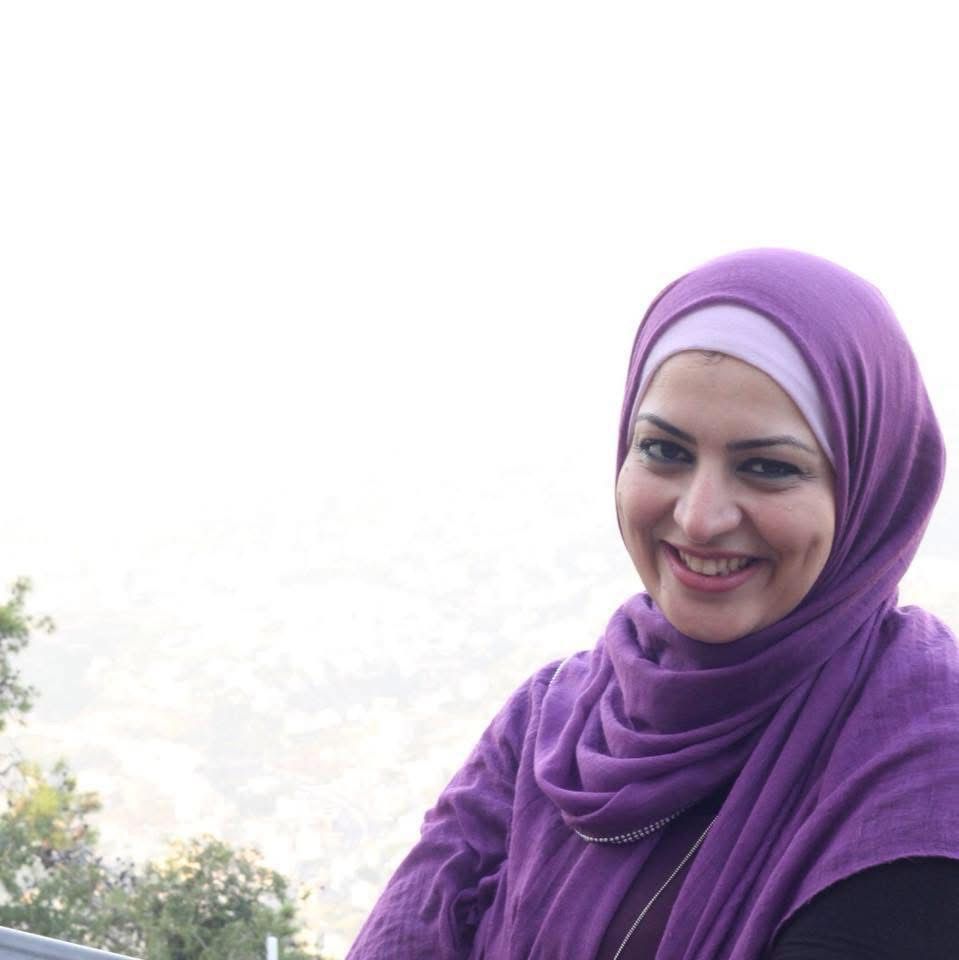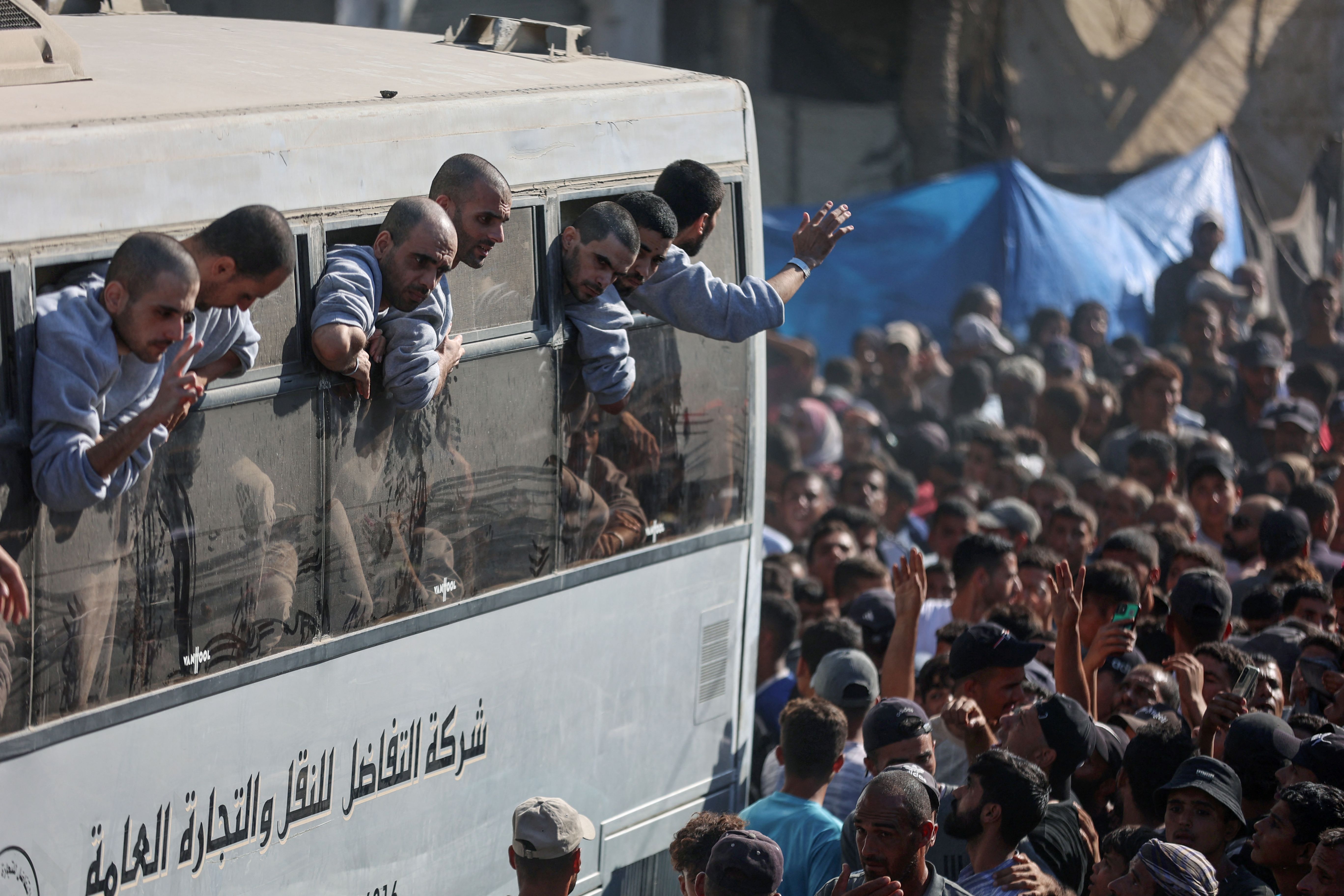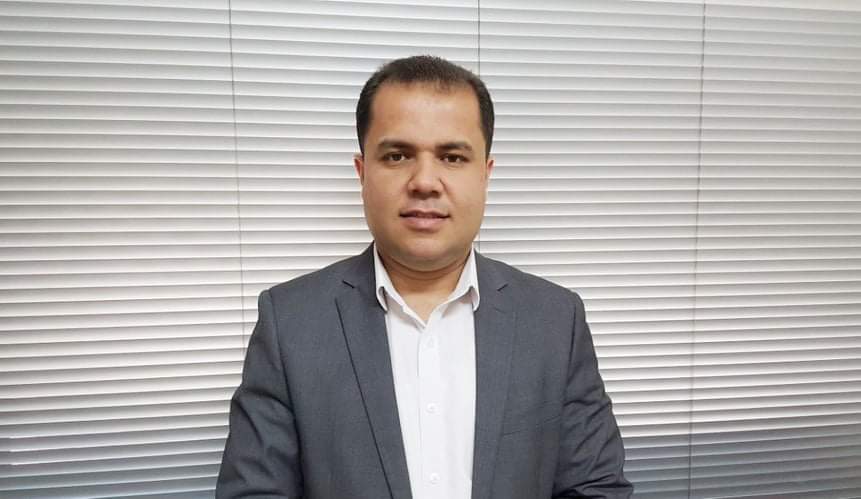
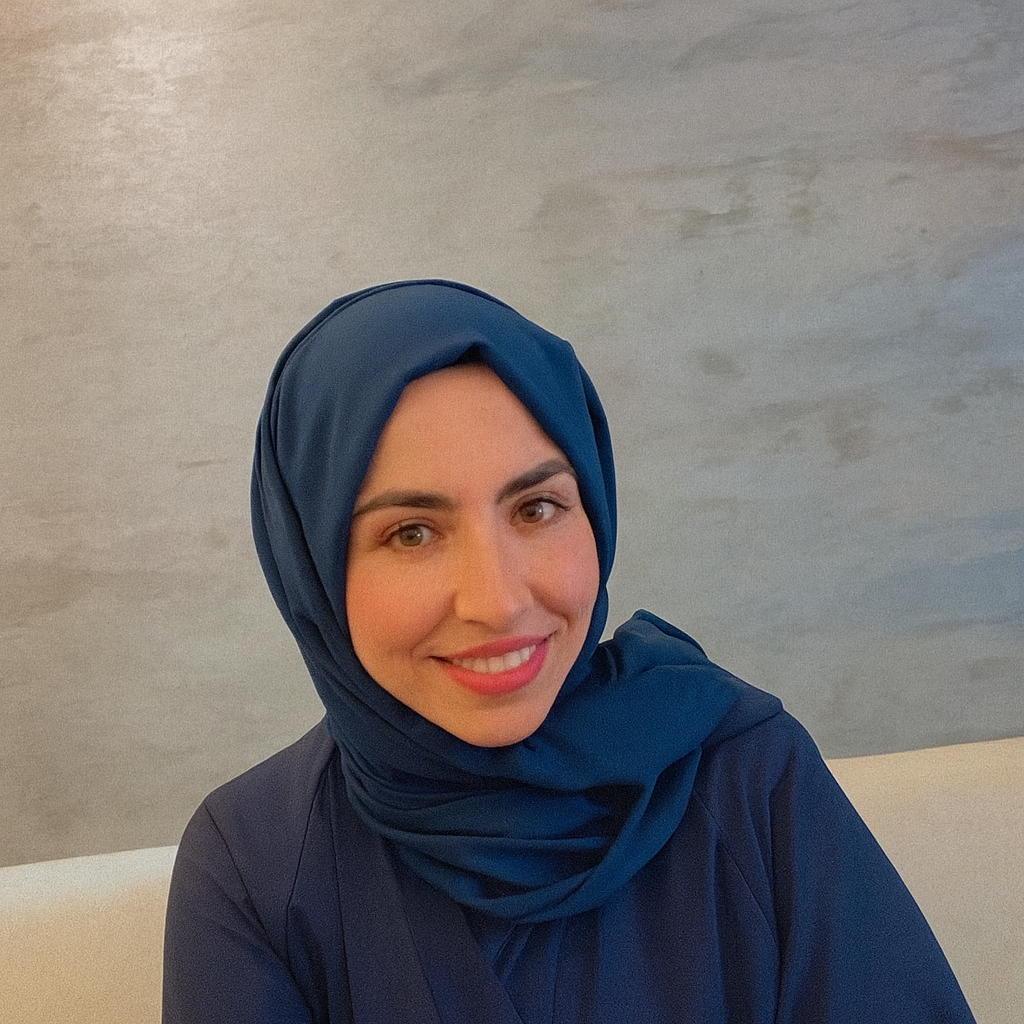
In the following account, Amira Nassar presents a narrative filled with intricate detail, intimate exchanges, and an unyielding struggle over the meaning of writing amid slaughter and starvation. Part of The Journalism Review’s documentary project recording the testimonies of journalists in Palestine and the Gaza Strip during the ongoing genocide, it stands as a testament against oblivion and the machinery of extermination.
It was not a single experience. It was many, experiences that seemed to give birth to themselves within the same battered soul, struggling simply to survive and to keep the words, voices, and images of the victims visible and heard. The sudden October events overturned life entirely. And despite their brutality, their ferocity, and their unmistakable humanity, no one carried the burden of documenting them except us, its own sons and daughters.
Our eyes and our blood travel to it and away from it, returning again and again around the clock. Hearts break with grief over what the war in Gaza has become. What meaning is there in seeing it top the list of the most searched topics on a search engine? What is the benefit?
Nothing.
Seven hundred days into the war, the genocide continues at full intensity.
An Experience That Gave Birth to Itself
The horrors of the genocidal war that swept northern Gaza after October 7, 2023 quickly paralysed my pen, my voice, and my camera. Within days, I could no longer work. The smell of death filled the city from north to south, while terror burned through the quiet of the sky above us.
Israeli warplanes unleashed successive firebelt attacks. The walls of the house shook, the ground trembled beneath my feet, and my hands began to tremble. My eyes and ears absorbed what artillery shells were doing: the terrifying detonations, the deadly shrapnel capable of slicing through even an olive tree and tearing away what little calm remained inside me.
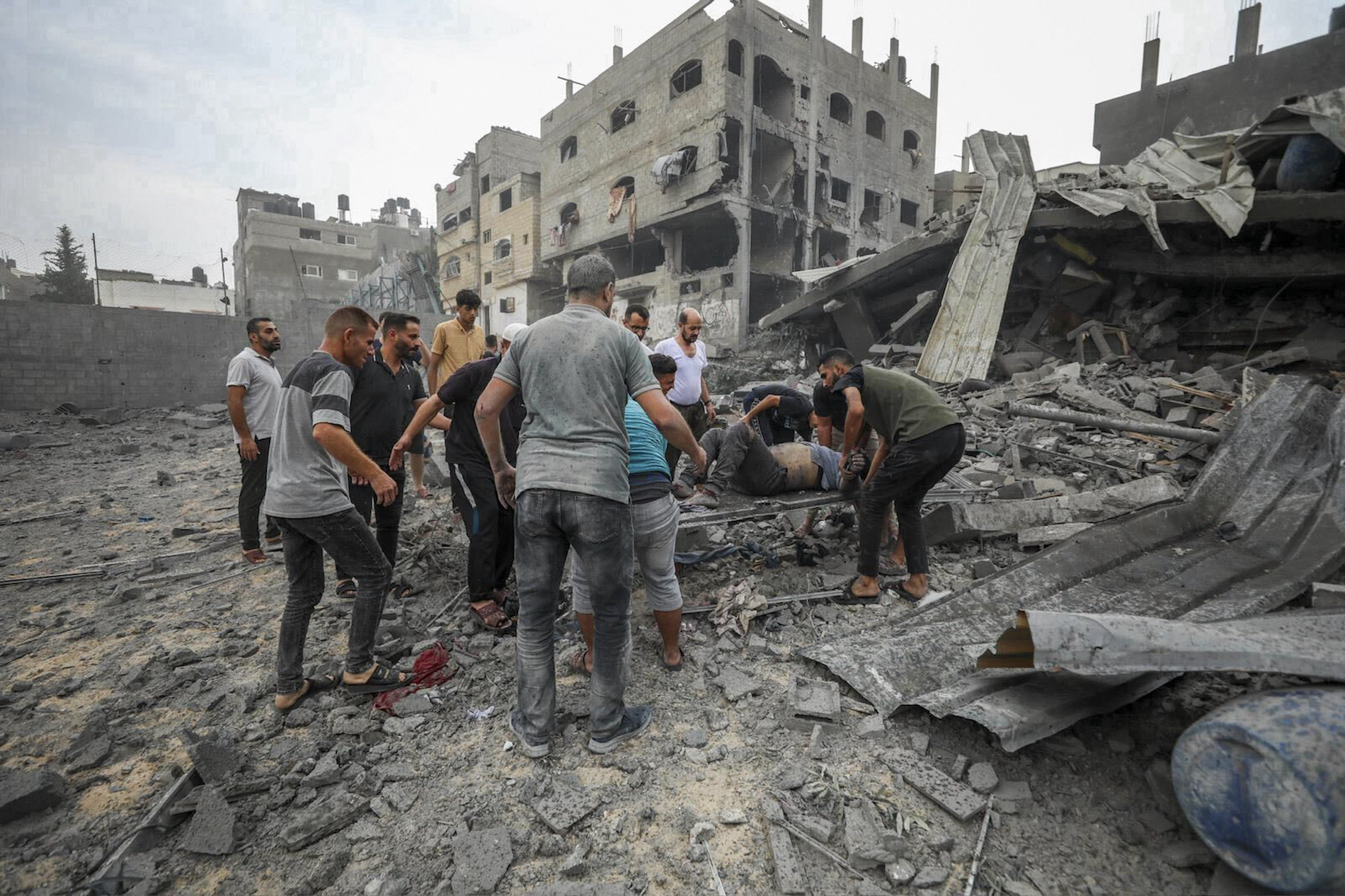
Wherever I turned my face, I saw nothing but blood, charred bodies, or limbs scattered across rooftops and along the roadside. The air was thick with the smell of gunpowder, dust, and smoke. My only refuge from that terror was a cracked concrete wall where I tried to shield myself from the flames determined to erase the memories and features of our homes, our neighborhoods, and our narrow alleys, memories of childhood and our bond with this place.
All of it felt like a deliberate attempt to uproot the human being from here, along with everything tied to him materially and emotionally. We were not exaggerating when we said that we looked at one another waiting for the next shell that would strike us in the suffocating darkness.
And death is not always thunderous. When electricity, internet, and communications are cut off, death becomes almost silent. It rarely reaches social media platforms or news outlets. Israel cuts off our communication lines, exiling us temporarily as though we were living on another planet, or alone on this earth, until the next strike falls and we die, as if we had never existed at all.
Months later, death arrived in another form: hunger.
A deadly hunger that destroys the spirit before it destroys the body. I lived through months of famine until even a dry piece of wheat bread disappeared. I carried a black backpack with a few small belongings, my identity papers, my university diploma, and an immense weight of pain and grief.
Displaced, I left the eastern part of the city for its western side.
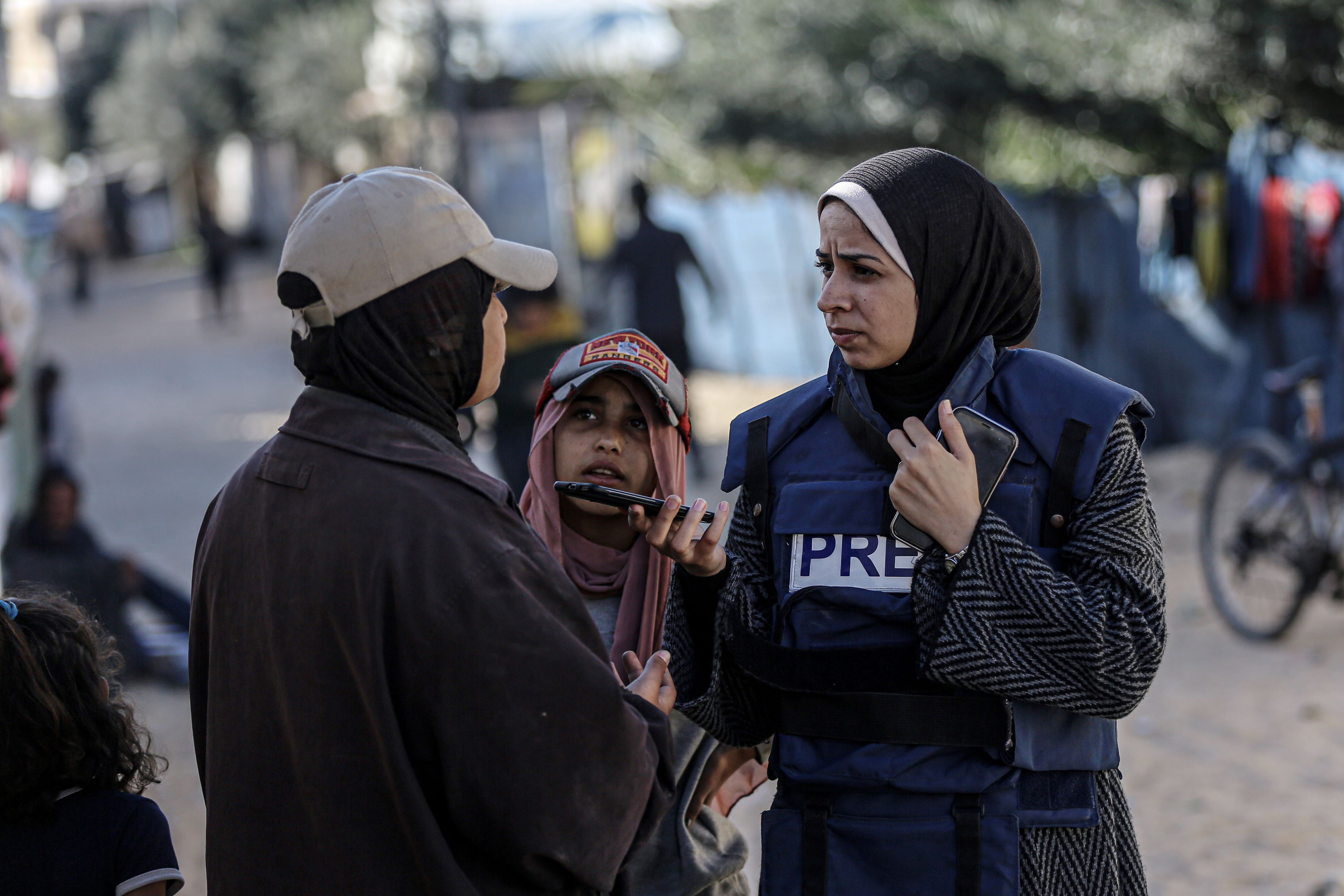
I am a journalist. I felt people looking at me as if they expected me to do something, anything, that might slow the pace of this death or shield them from the certainty of collective punishment. But I could do nothing. Threatening messages kept arriving. Many journalists had already been targeted and killed, while others received direct threats.
Then came the occupation’s order to move south.
Under fire, pursued by death, the painful journey of displacement began.
The Reward: Exclusion
From the first moments of the genocidal war, I hunched over on my bed, picked up a black marker, and wrote a single sentence on a scrap of paper: “No one will survive this war.”
It was not pessimism. It was the instinct of a journalist who had lived through repeated Israeli wars and knew that the blow dealt to the occupation inside our occupied land would be followed by blind retaliation.
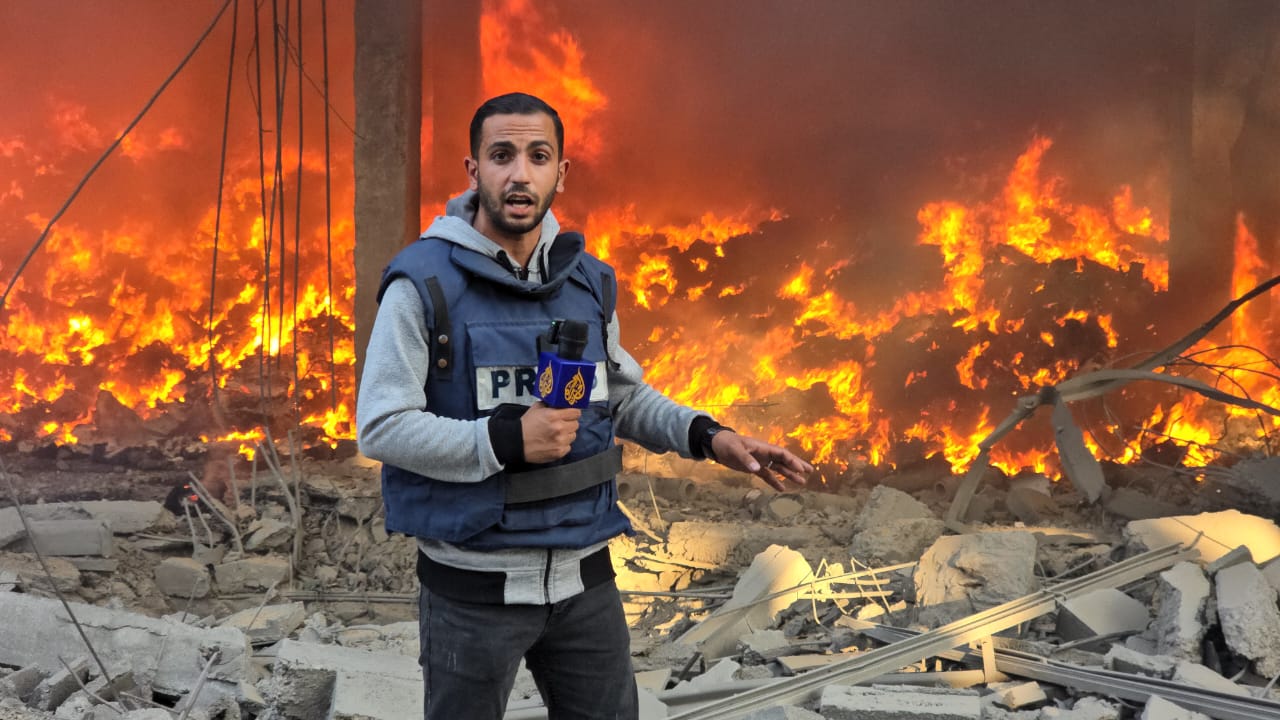
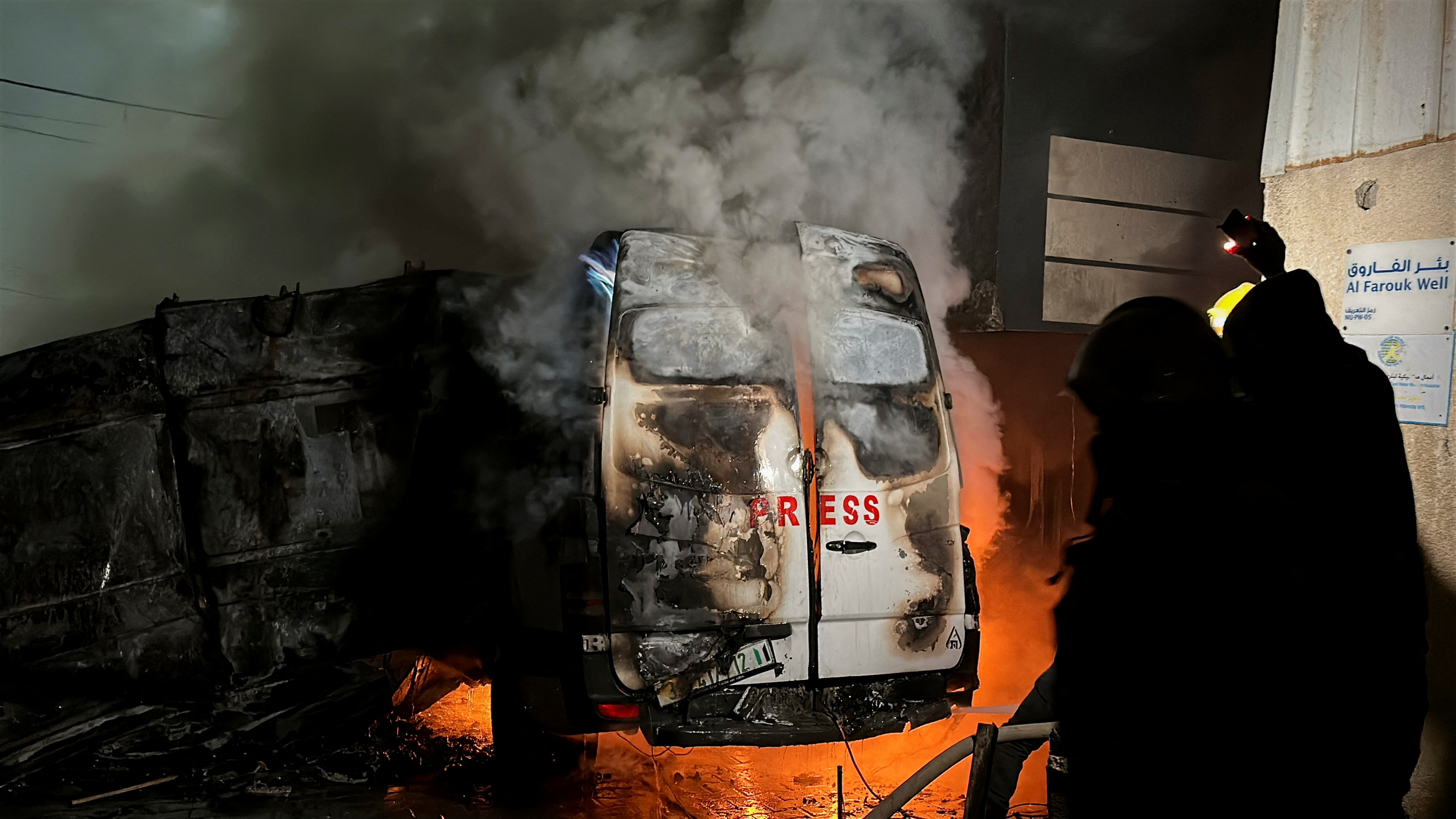
There was no difference between a journalist wearing a helmet and a vest marked Press, a child, a woman, or an elderly man. Even animals, and even the objects people depend on for daily life, were not spared Israeli violence.
Everyone loses in this war, whatever their shape, color, or size.
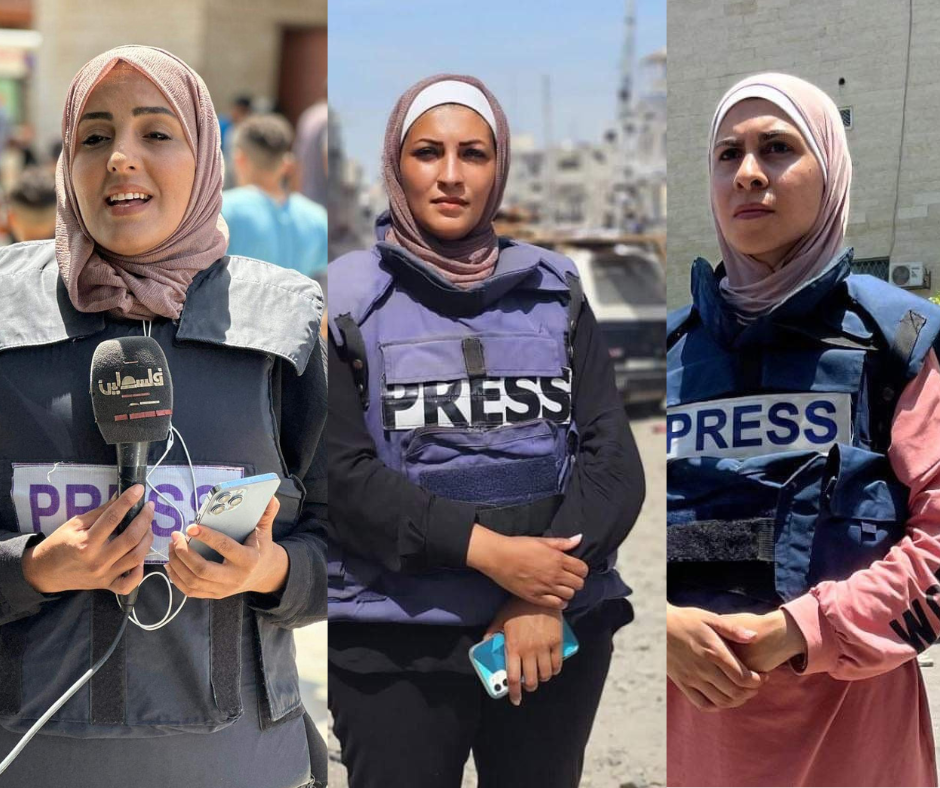
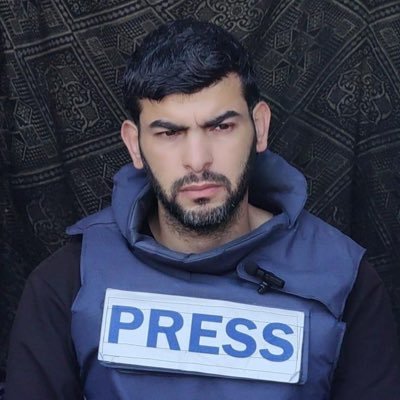
Later it would become clear that the journalist’s protective vest itself could bring many forms of death in Gaza, not only to the person wearing it but also to their family, friends, and those around them.
Within days I received something that felt like a “journalistic severance package”: forced exclusion from my accounts on digital platforms.
The loss of electricity and internet cut me off entirely from the teams through which I used to write and comment. My phone and laptop soon shut down once their batteries were exhausted, as though they shared the same feeling I did: helplessness in the face of relentless events that left us no chance even to breathe, let alone to perform our work as journalists.
It was the first and fastest form of targeting journalism in Gaza, an attempt to silence it.
I could no longer follow the news or communicate with the media outlets I had worked with on a freelance basis. Instead, I wrote ideas on scattered scraps of paper while living through moments that remain the harshest in my memory compared with all previous wars on Gaza.
I was convinced that writing was impossible while the soul itself was shaken.
Again and again I asked myself: How can I write with a heart trembling with fear? Should I go out on a reporting assignment and never return? Or return only to be struck by the loss of my family, just as I had been struck by the news that colleagues had been killed?
Can you imagine what it means to be a journalist cut off from the world for months because of a siege, only to receive one piece of news after another that colleagues you studied with or worked beside for years had fallen as martyrs?
From the very first moments of the war, the words I had written kept echoing in my mind: “No one will survive this war.”
Hiba Nassar.
Nour Al-Hattab.
Doaa Sharaf.
Haya Murtaja.
Islam Miqdad.
Ola Atta Allah.
Ayat Khudoura.
Iman Al-Shanti.
Salam Meima.
Iman Al-Aqeili.
Doaa Sharaf.
Shaimaa Al-Jazar.
Ola Atta Allah.
Doaa Al-Jubour.
Hanan Ayyad.
Nermin Qawas.
Alaa Al-Homs.
Amna Hamid.
Wafaa Al-Adini.
Some of them were killed alongside their families. Others left behind a single survivor who reminds me every time of the mother I never had the chance to say goodbye to. Some have no graves at all. Their bodies remain beneath the rubble.
The Israeli occupation killed the spirit, the pen, the voice, and the camera of dozens of women journalists.
Many of them shared offices with me, and dreams. Dreams of continuing our coverage and work. Dreams of survival and plans for life after the war. But the war dragged on, and the occupation left me with nothing except tears and prayers for mercy on their souls.
Returning to Work
A year into the war, after months of trying simply to endure it, I began asking myself a question that would not leave me:
Had my chance in journalism ended?
Every day I saw the faces of victims, in the street, in hospitals, in markets, in lines for charity kitchens and water. They did not even leave me the chance to ask their questions alongside them. But I could at least offer them a word or a smile.
Often I was afraid even to ask permission to lift my phone and take a photograph capturing what still illuminated their lives despite the devastation: the small hope that kept them alive.
Words are the heart of news and storytelling. For me, writing has always been the most honest way to release the weight of this reality.
So after an interruption that lasted a year and two months, I decided to return to it in December, a month often associated with endings and fading dreams.
Instead, I chose to revive an old dream. A dream that began in childhood, when I used to stand before the mirror holding a hairbrush like a microphone and read the news aloud to my small family.
Twenty years later, the memory returned as I looked at the black emergency bag placed beside the door.
It was not easy to empty it, or to place my laptop inside in preparation to leave.
Our house stands on Salah al-Din Street, the closest point to the Netzarim corridor, which never falls silent, day or night. There are military sweeps, shelling, tank movements. Above all of it, the zannana drone circles in the sky, settling inside our heads and filling every hour with its relentless buzzing.
To that terrifying buzz, I walked for an entire hour searching for a place where I could charge my devices and access the internet, even if it meant paying several times the normal cost.
I imagined that a single hour online might help me breathe again, might restore some sense of life and existence.
With heavy hesitation, I plugged the laptop into the socket and pressed the power button.
I feared the screen might have been shattered or burned. The first floor of our house had caught fire earlier and turned into a cloud of black smoke, though it once shone with a creamy white color. The marks of Israeli destruction remain visible on its cracked walls.
The image brought back memories of the office and the recording studio, its equipment burned and blackened, nothing left intact.
Still, I connected to the weak internet network available and began sending emails to media organisations seeking correspondents in northern Gaza. I used some addresses shared with me by my journalist friend Doaa Shaheen.
My messages were short introductions: who I was, where I was located, and examples of my written, audio, and digital work. I offered them the experience I had gathered over ten years in journalism. The responses, however, were strange.
Some came as polite apologies accompanied by prayers for safety and steadfastness, along with praise for Gaza’s “resilience” during the war.
Others promised to review my request later.
Sometimes the answer was simply that they already had enough journalists in northern Gaza.
At that moment I turned my frustration inward. Tears ran slowly down my cheeks. I whispered words I almost shouted from the deepest point inside me.
The responses were strange, apologies, prayers for safety, praise for “steadfastness.”
For whom was I supposed to write? What was the point of writing? What meaning did journalism have, what meaning did risking one’s life have, if the result was apology, rejection, or distant prayers?
Especially during a ferocious Israeli war whose crimes require an entire army of journalists to document.
I returned home weighed down by disappointment, wondering whether I would continue or whether these responses would become the final blow.
Then suddenly a small light appeared in a WhatsApp group for Palestinian women journalists: an announcement that the Nawa Network, affiliated with the feminist media organisation Filastiniyat, had reopened submissions.
I held onto that news the way a drowning person clings to a piece of wood.
I took it as a divine sign to continue, to return to the field, to search again for victims, to listen to stories that had never been heard, and to illuminate the suffering and hidden hopes buried beneath the rubble.
Farewell Testaments
I sent my first story proposal about families trapped in the Zeitoun neighborhood for three months. It was accepted.
I began working on it and took my first steps into the neighborhood, breaking both the stillness of fear and the paralysis of the moment.
There I met a young woman in her twenties who, along with her family, had turned a cracked kitchen into a shelter from Israeli attacks.
Her mother sat beside me and said quietly:
“There is no safety in the neighborhood. No one can enter it day or night. Every night we arrange our farewell wills to one another in the darkness, and we carve our names on the children’s arms so we will not be separated from them. If we are lucky, they will pull us from beneath the rubble before the stray dogs tear us apart.”
I did not interrupt her with more questions.
I simply listened, giving them space to empty what weighed on their chests and to draw their own portrait of life under siege.
The interview ended. But our shared dream of a permanent ceasefire did not.
Before leaving the house, I switched off the recorder.
The family had chosen to stay. They refused to repeat what they saw as the mistake of their grandparents, who had been forcibly displaced from their land decades earlier. They chose death in their homes rather than another displacement to the south.
I walked away carrying their heavy words.
Injured people with no one to treat them.
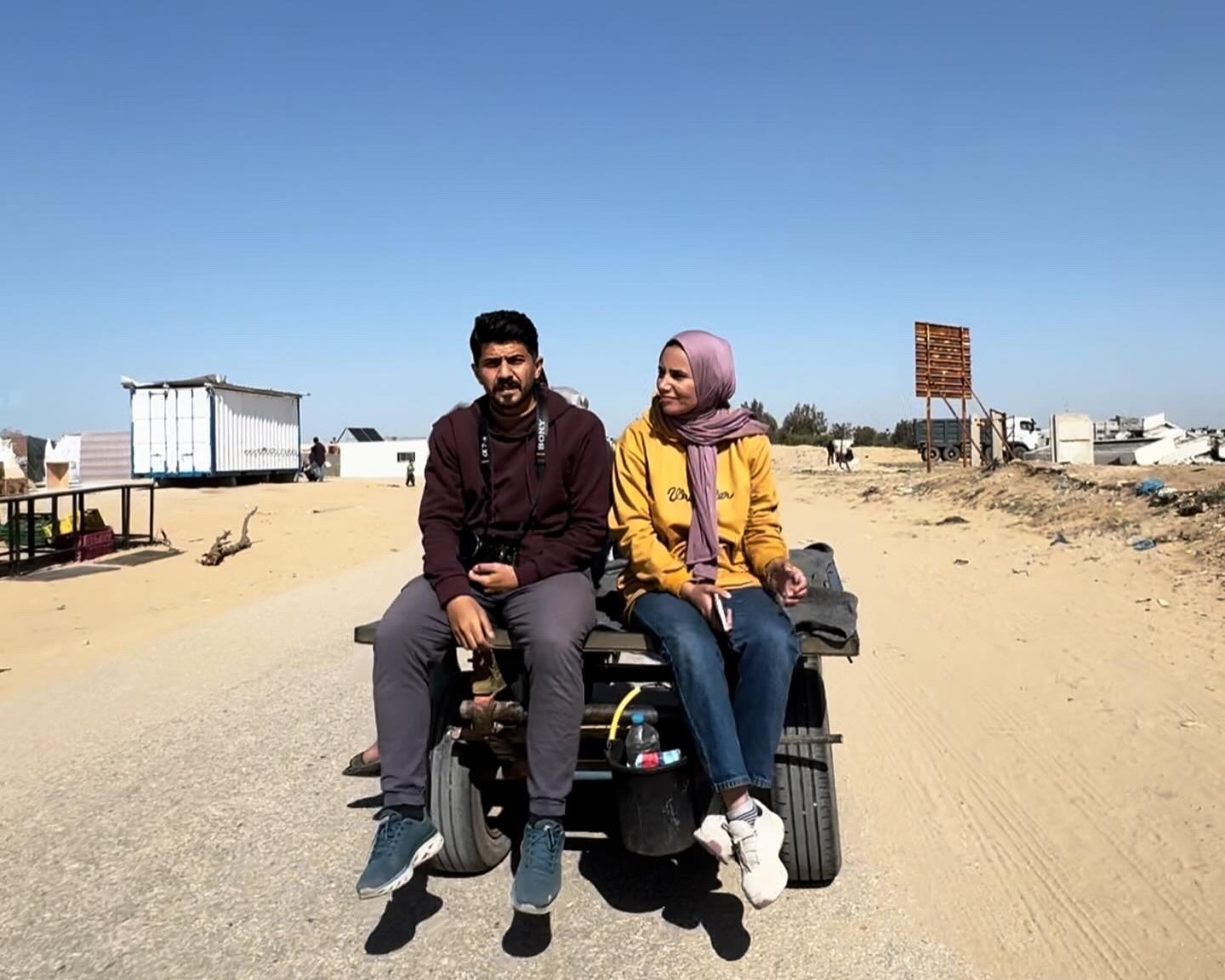
Wounded survivors transported only by animal-drawn carts.
This is the reality of a city that has lived under siege for twenty years.
Then the genocide came, extinguishing what remained of its life and stealing the last breaths of its people.
Between Pain and Hope
I continued searching for human stories.
Outside the intensive care unit at Al-Ahli Arab Hospital, the only hospital still functioning in northern Gaza, I encountered the story of fourteen survivors brought in together after eating a piece of cheese left behind in their home by Israeli soldiers.
It turned out not to be cheese at all, but C-4 explosive.
I finished the story and was about to send it to the network when a phone call changed everything. The wife was on the line. Her husband was still in intensive care, and she feared retaliation by Israeli forces. She asked that the story be published under a pseudonym.
I listened carefully and replied quietly:
“If Israeli soldiers had even a shred of humanity, they would feel ashamed of what they did to your husband, to your family, and to all of us.”
After a moment of silence, she agreed to publish the story under her husband’s real name. I also mentioned his father, who died in the Sde Teiman prison without even receiving burial or a final farewell.
At that moment I was not simply a journalist seeking information.
I was doing something else as well, helping remove fear from the victim’s heart so that her voice would not remain imprisoned in the silence the occupation desires.
The occupation had already taken their home, their work, and their health.
Now it also wanted to take their voice.
After finishing the story, I rewarded myself with a small piece of dark chocolate I had hidden for months. I ate it slowly, savoring its rarity as though it were the most precious thing in the world. In a time when even obtaining a handful of flour might cost you blood along the road. It was during that period that the occupation committed the Nabulsī Roundabout massacre, where flour mixed with the blood of the hungry.
I wondered how the angels received them.
Did they greet them with a warm loaf of bread?
My work did not stop with stories and reports about genocide and its victims. I also shared photographs and narratives with the platform UntoldPalestine, moments of art, music, and even the displaced cats that had taken refuge in the home of Aunt Umm Bashir.
Some of those photographs were later displayed in the international exhibition “Gaza My Beloved,” which traveled to Basel in Switzerland and Houston in the United States.
But visitors to those exhibitions did not know that the images were taken on a street locals call the Street of Death.
There, quadcopter drones drop bombs and open fire on passersby.
How many times did I hide until they passed overhead?
How many times on that street did I lift my foot to avoid stepping on the blood of the martyrs so as not to step on it with my shoe?
Journalists Who Went Before Me
We journalists of Gaza, the living among us and those who have been killed, know that the years we have lived already feel longer than this frenzied war.
More than 248 journalists have been killed.
More than 400 have been injured, some with permanent disabilities.
At least 48 journalists have been arrested, including our colleagues Nidal Al-Wahidi and Haitham Abdel-Wahed, who were forcibly disappeared and subjected to torture.
Israeli occupation have also targeted at least 143 media institutions, including twelve print newspapers, twenty-three digital publications, eleven radio stations, and four satellite channels.
The headquarters of Arab and international television networks have been destroyed. Broadcasting equipment, cameras, and live-transmission vehicles have been damaged or rendered useless.
None of this was collateral damage, but deliberate. The targeting was direct and deliberate, and it has continued throughout this war, which had still not ended at the time these words were written.
Another war against journalism has unfolded on digital platforms.
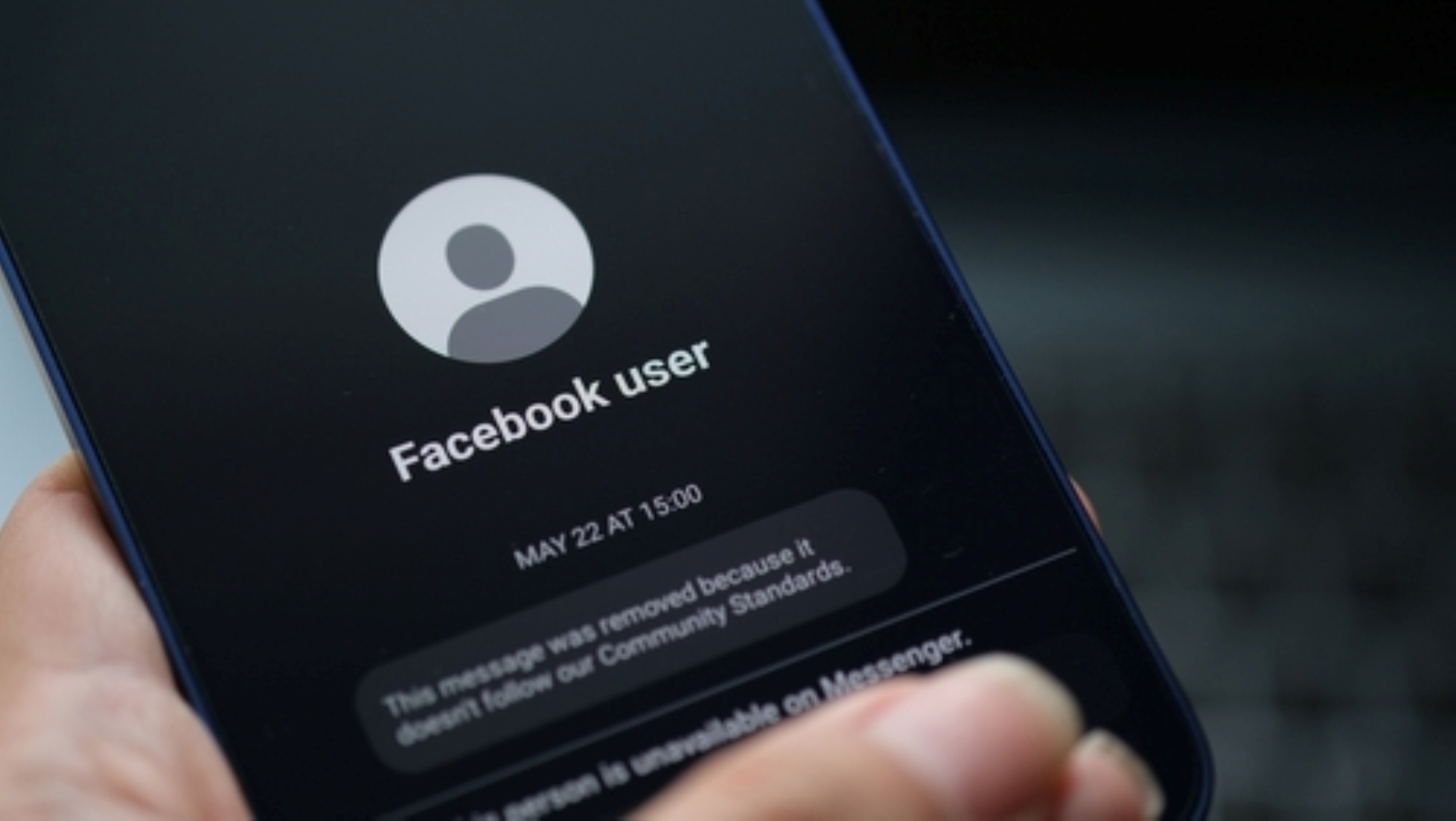
Dozens of Palestinian accounts were blocked for allegedly violating “community standards.” In much of the mainstream Western media, we were killed repeatedly as well: once through the silence surrounding our deaths, and again through narratives that justified them by aligning with official Israeli accounts.
It is a comprehensive form of “media genocide,” unlike anything history has witnessed before.
Yet despite everything, despite the genocide and the grief that has exhausted both heart and body, coverage continues.
For Gaza.
For the occupied Palestinian land that was taken from its people.
For the prisoners whose lives wither behind bars.
For the martyrs, their names, their stories, their gifts that we refuse to allow to dissolve into mere numbers.
For the colleagues who burn, who fall, and who are denied even the chance to embrace their children.
For the hungry, the tortured, the besieged.
For the olive groves and the embroidered rural dresses sewn by our grandmothers.
For our culture, our theaters, and the public squares once animated by the dabke dances of our youth.
For the embryos curled inside the wombs of mothers living in tents that protect neither from the heat of summer nor the cold of winter.
Mothers who still draw hope, hope for a dignified life, a safe home, and a classroom board covered in colorful chalk drawings of the world they dream of.
For the hope we still believe might emerge from this long and deepening pain.
In Gaza, this small strip of land barely 365 square kilometers in size, journalists across its five governorates continue to work: North Gaza, Gaza City, Deir al-Balah, Khan Younis, and Rafah.
They remain present. They document. They rush to send breaking news to the channels they work for.
Correspondents stand for long hours in live broadcasts, transmitting the details of death in Gaza and the days of this war, days that seem to compete with one another in cruelty.
Even now we hear reports from Gaza’s journalists.
Behind their voices are the sounds of gunfire, the roar of aircraft, the endless buzzing of drones, the cries of children running, the pleas of mothers asking for food and water, fathers searching for the remains of their sons and fathers using tools, most of which no longer function.
Even the journalist works with worn-out equipment because of the siege and the systematic targeting of media offices and institutions.
All of it so that coverage continues.
So that the voice of life in Gaza does not fall silent.
It has never been easy to be a Palestinian journalist from Gaza.
It was never easy during past wars, and its cost has become staggering during this genocide.
But this is Gaza, besieged for twenty years, occupied today, and still insisting on declaring its right to live.
And so it continues to send its news and its stories to the world.