Al Jazeera Journalism Review

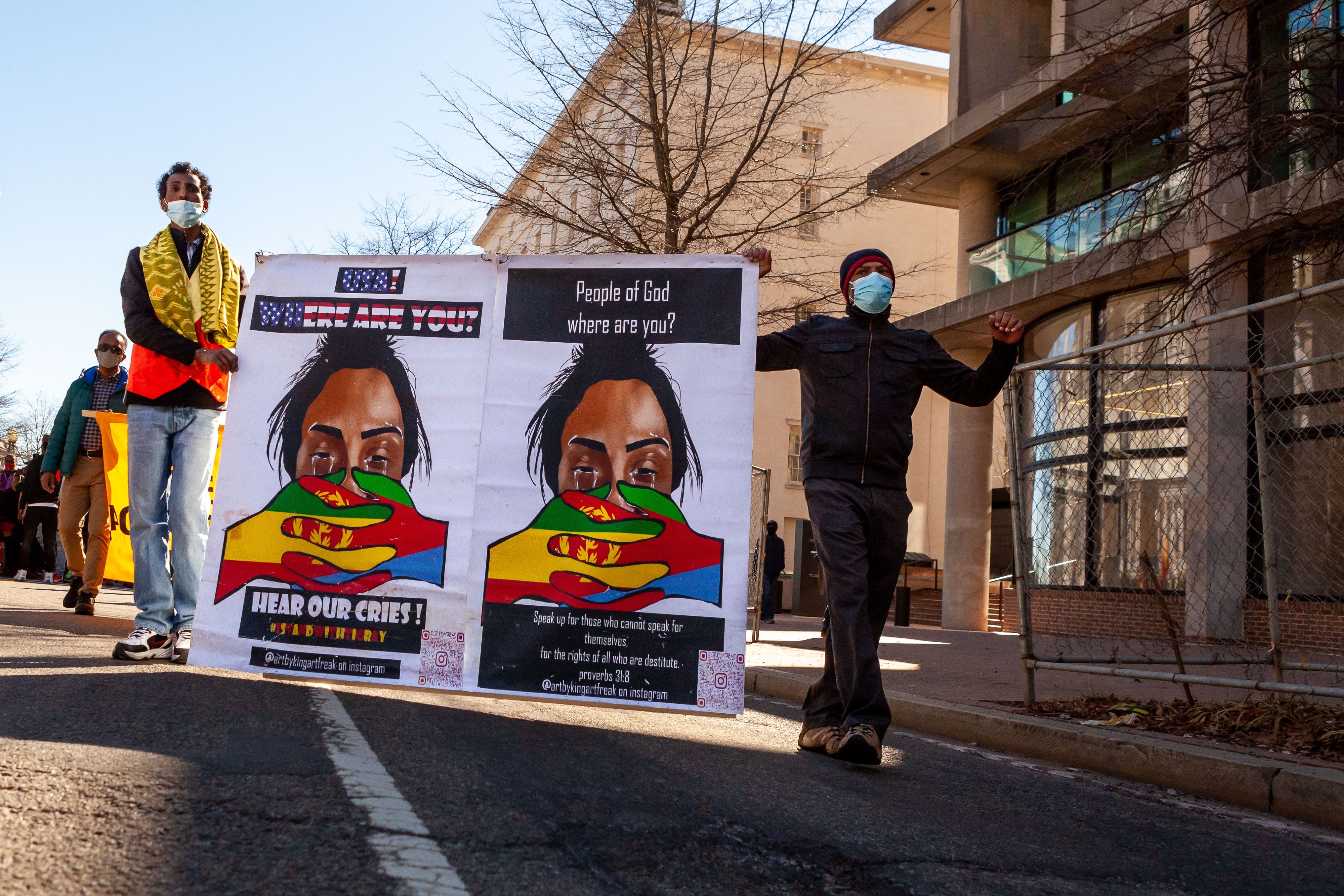
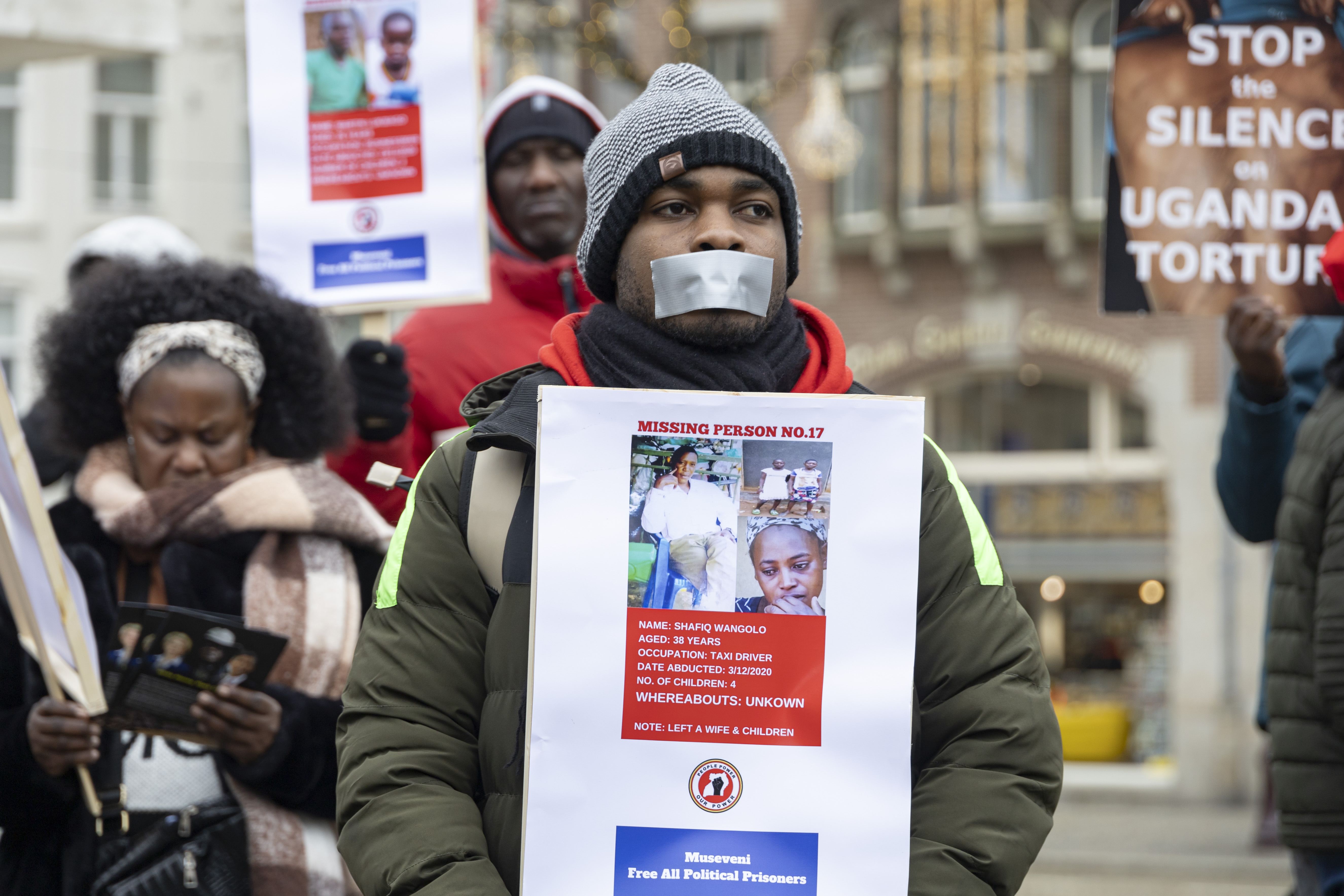
An African demonstrator in Amsterdam uses tape to symbolize the silencing of public opinion and the press. While this protest specifically targets government authoritarianism, a growing threat to African journalism comes from within the community itself.  (Photo: Nicolas Economou/NurPhoto. Amsterdam, Netherlands – Jan 2024)
An African demonstrator in Amsterdam uses tape to symbolize the silencing of public opinion and the press. (Photo: Nicolas Economou/NurPhoto. Amsterdam, Netherlands – Jan 2024)

When Speaking Up Backfires: How Social Conformity Silences Journalists

While state censorship remains a reality, freedom of speech in Africa faces a rising internal threat: the community itself. This article examines how social conformity, digital echo chambers, and ingrained bias create a modern "chilling effect". This pressure forces journalists to choose between aligning with popular narratives or facing professional and social marginalisation.


In today’s journalism profession, journalists are always working under pressure from certain audiences to follow particular expectations and outcomes. Globally, governments, existing laws and institutions are increasingly exerting pressure, expecting and demanding certain social conformity from the media to suit and portray their own narratives. 

In their profession, journalists everywhere are navigating constant pressure, not only from authorities, but also from audiences, platforms, and internalised expectations. Sometimes, these expectations are not realistic to achieve. 

Pressure also exists from echo chambers, described as primarily social media, news or social media groups, where participants are mainly exposed to information and opinions that work to reinforce their existing beliefs, often overlooking opposing views, resulting in polarisation, confirmation bias and misinformation. 

Pressure [on journalists] exists from echo chambers, described as primarily social media, news or social media groups, where participants are mainly exposed to information and opinions that work to reinforce their existing beliefs, often overlooking opposing views, resulting in polarisation, confirmation bias and misinformation. 


Community Pressure  

In today’s world, journalists are increasingly becoming aware of these existing dynamics and are now using different strategies they have developed to push back against the pressures to conform. Antéditeste Niragira, a Burundian journalist, says journalists are constantly navigating between adaptation, resilience, and the imperatives of survival in their workplaces.  

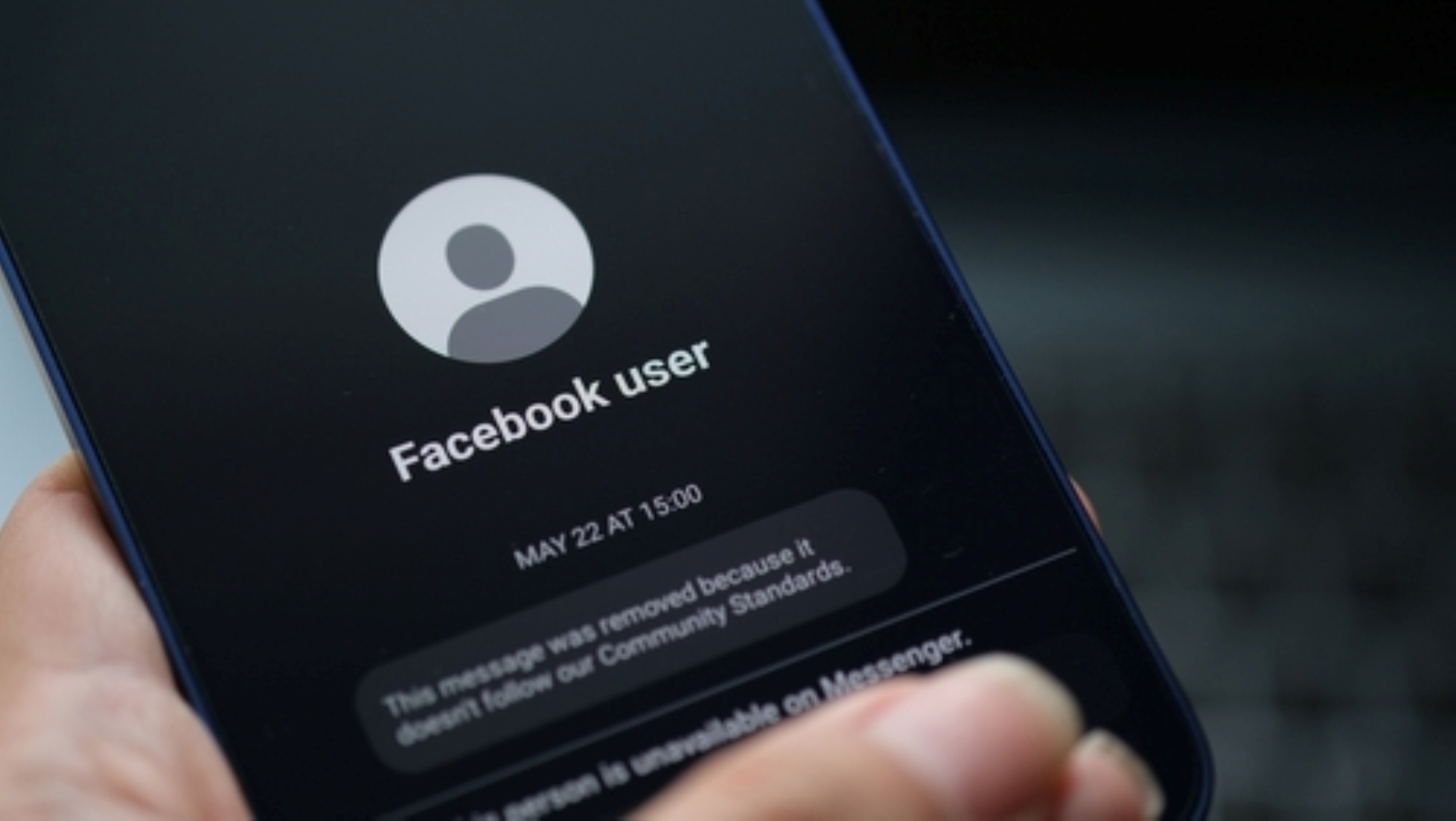
“The rise of social media has given rise to a new form of community pressure, fuelled by polarisation, accusations of bias, and the rapid spread of misinformation,” said Antéditeste, adding that another dimension is the pressure exerted from digital platforms. “The rules imposed by these platforms add another constraint of algorithms that favour and champion sensationalism, uncertain monetisation, and the constant risk of content removal.  

African governments, for example, media reports reveal, have abused social media algorithms to follow certain narratives. “The power of the algorithm is in its ability to search, sort, rank, prioritise and recommend the content consumed by users. The system, therefore, influences the choices we make,” a study by The Conversation said.  

Algorithms in turn influence what people, including the media, see or don’t see, and they possess the power to either amplify or marginalise certain content and determine what information users are exposed to and also the influence of misinformation and disinformation.    

Since journalism deals with facts, it must provide a platform to all parties or opinions, so that they can feel their voice has been represented. Audience engagement is vital in the digital era, where the audiences feel they are also heard. 


Patriotism Versus Professionalism 

The digital era is exposing people to diverse sources of information, and audiences tend to trust and listen to what they believe in. “If you report on what they feel is right, they will trust you; otherwise, they won’t trust you. That's why we’ve seen both polarised audiences and media houses,” said Moses, another journalist from Burundi. “From this perspective freedom of speech is constrained where certain newsrooms work to satisfy or meet the audience's expectations, rather than reporting independently.” 

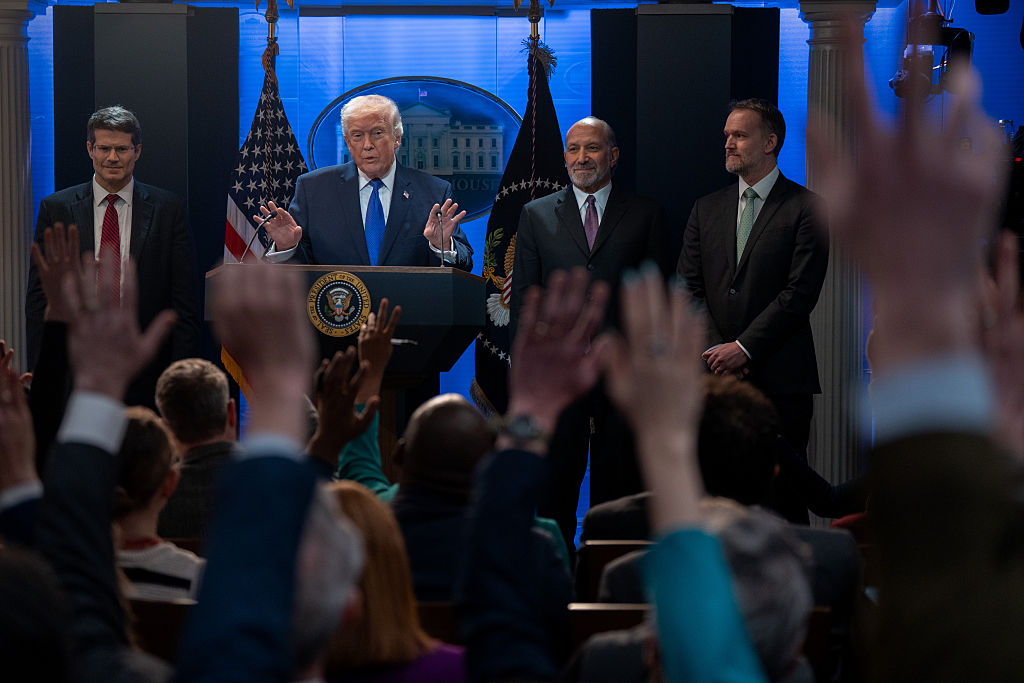
In the US, Donald Trump has been waging a war against so-called fake news outlets, who he accuses of fighting against his ideals. A September 2023 post on Truth Social accused NBC of “Country Threatening Treason. Why should NBC, or any of the other corrupt & dishonest media companies, be entitled to use the very valuable airwaves of the USA, FREE?” 

A sense of belonging and willingness to exhibit patriotism create a tension, demanding social conformity at the expense of professionalism, sometimes overlooking journalism ethics. Some, seeking to put their nation first, enticed by advertisements, may feel a sense of patriotic responsibility and fear being perceived as hostile to their own country. In the end, the biggest fight is how to inform without compromise or preserve social stability. 

In face of all these pressures, media outlets are finding ways to cope, including adjusting their editorial strategies, by offering more attractive headlines, shorter formats, and wider distribution across multiple channels. “Faced with this dynamic, newsrooms are strengthening fact-checking, focusing on greater transparency, more strictly regulating their online presence, and encouraging participatory formats to rebuild connections with their audiences,” said Antéditeste.  

In an article titled 'How can journalists promote social justice without sacrificing professional integrity?' Rick Dunham quoted Harriet Grant, a U.K.-based freelancer covering social affairs and human rights, who said, “It is difficult. Sometimes you have to push back a little and say, ‘I’m the journalist, and I’m deciding how this is being framed and written.’” 

Besides that, journalists must stick to their ethics and code of conduct, report independently, seek the truth, and remain impartial and neutral. For the media to supersede social conformity, there must be a balanced social dialogue, where all parties are heard.  

Journalists are not simply succumbing to pressure, they are inventing responses that blend caution, creativity, and digital diversification. Their major challenge remains preserving their credibility in an environment saturated with emotions, political rivalries, and algorithms.


Audience Engagement 

Writing on the enactment of the Cyber and Data Protection Act of 2021, Zororai Nkomo, a Zimbabwean journalist, said, “This blurring of the line between abuse and accountability creates a chilling effect. Journalists may begin to temper their language, avoid controversial subjects, or decline to publish critical commentary altogether for fear of criminal sanction. Protecting dignity should not come at the expense of silencing scrutiny.”  

However, since journalism deals with facts, it must provide a platform to all parties or opinions so they can feel their voice has been represented. Audience engagement is vital in the digital era, where the audiences feel they are also heard, Moses says. 

The profession is also about everybody, including authorities, giving them a chance to respond to allegations or reply to concerns, publishing trusted, fact-checked information and avoiding distortion of information amidst a barrage of demands in their profession. 

Journalists, Antéditeste admits, are not simply succumbing to pressure, but they are working to transform the profession for the better.  

“Journalists are not simply succumbing to pressure; they are inventing responses that blend caution, creativity, and digital diversification,” said Antéditeste. “Their major challenge remains preserving their credibility in an environment saturated with emotions, political rivalries, and algorithms.”  
 

Related Articles

Reporter’s Notebook – memoirs of an illegal journalist in South Africa 

From working shifts in a casino to interviewing a farmer mauled by a tiger - life as a struggling Zimbabwean reporter.

Derick Matsengarwodzi
Derick Matsengarwodzi Published on: 22 Nov, 2021
Guns, Threats, and Poverty: The Daily Struggles of an African Journalist

The welfare of African journalists continues to deteriorate, from poor wages to security risks, arrests, detention, and even death. This common, ongoing trend generally affects the wellbeing of journalists during their discharge of duties, and these overlooked difficulties tend to affect the quality and output of their work.

Derick Matsengarwodzi
Derick Matsengarwodzi Published on: 26 Sep, 2024
‘Border jumpers’ and ‘spreaders of disease’ - how South African media incites racial hatred

The evidence that mass violence and vigilante killings have been sparked by the media in South Africa is undeniable

Danmore
Danmore Chuma Published on: 16 Jan, 2023
Artificial Intelligence's Potentials and Challenges in the African Media Landscape

How has the proliferation of Artificial Intelligence impacted newsroom operations, job security and regulation in the African media landscape? And how are journalists in Africa adapting to these changes?

Derick Matsengarwodzi
Derick Matsengarwodzi Published on: 18 Feb, 2024
Nigeria - a model for a free African media?

Journalism under military governments in Africa is under threat, but journalists can learn from Nigerian media’s experience of standing up to people in power

Philip Obaji Jr
Philip Obaji Jr Published on: 18 Jul, 2022
Sudan shows us why Africans must tell their own conflict stories

Africa lacks freedom of expression because its stories are told by others

Philip Obaji Jr
Philip Obaji Jr Published on: 1 Jun, 2023
Colonial legacy of surveillance: hidden world of surveillance technology in the African continent

African nations’ expenditure on surveillance technology from China, Europe and the US is a direct threat to the media, democracy and freedom of speech, and an enduring legacy of colonial surveillance practices.

Derick Matsengarwodzi
Derick Matsengarwodzi Published on: 14 Nov, 2023
Fighting Misinformation and Disinformation to Foster Social Governance in Africa

Experts in Africa are using various digital media tools to raise awareness and combat the increasing usage of misinformation and disinformation to manipulate social governance.

Derick Matsengarwodzi
Derick Matsengarwodzi Published on: 22 May, 2024

More Articles

Has the Global South Benefited from the Digital Transformation?

Despite the promise of digital technologies to amplify voices and expand media reach in the Global South, structural barriers, such as political repression, technological dependency, and persistent digital divides, continue to limit their impact. Real progress requires not only technological adoption but also institutional reform, stronger journalistic capacity, and independent ethical frameworks to challenge dominant Western media narratives.

Al-Shafi Abtidon
Al-Shafi Abtidon Published on: 18 Mar, 2026
Missiles Made of Words: How Western Media Narratives Shape the Iran–Israel–US Conflict

Western media coverage of the Iran–Israel–US conflict often functions as a weapon of war, using selective language that frames US and Israeli strikes as “self-defence” while depicting Iranian actions as "provocation". This linguistic framing normalises civilian casualties and helps manufacture public consent for military aggression by dehumanising certain populations.
Muqeet Mohammed Shah
Muqeet Mohammed Shah, Ifrah Khalil Kawa Published on: 14 Mar, 2026
How the Ethiopian Civil War Unleashed a Lethal Media Crackdown

There has been a widening crackdown on the media in Ethiopia since war erupted between the central government and Tigray’s regional authorities in 2020, and the pressure appears set to intensify as the country prepares for general elections in June.

Nalova Akua
Nalova Akua Published on: 9 Mar, 2026
Are Netanyahu's and Trump’s Speeches Shaping Western Media Framing?

As political speeches framed the 2026 U.S.–Israeli attack on Iran, segments of Western media echoed their language and narratives, illustrating how strategic rhetoric and news framing can shape public opinion and legitimise military action.

Shaimaa Al-Eisai
Shaimaa Al-Eisai Published on: 6 Mar, 2026
Journalism in Gaza… A Race Against the Train of Genocide

In the following account, Amira Nassar presents a narrative filled with intricate detail, intimate exchanges, and an unyielding struggle over the meaning of writing amid slaughter and starvation. Part of The Journalism Review’s documentary project recording the testimonies of journalists in Palestine and the Gaza Strip during the ongoing genocide, it stands as a testament against oblivion and the machinery of extermination.

Amira Nassar
Amira Nassar Published on: 27 Feb, 2026
Kukurigo: Revolutionising news in Zimbabwe's WhatsApp era

The emergence of Kukurigo during Zimbabwe’s 2018 elections marked a turning point for digital journalism, transforming WhatsApp from a hub for misinformation into a vital platform for verified news. By leveraging the app’s low data costs, this grassroots initiative bridged the information gap for under-resourced communities, establishing a new model for media credibility and public service within an unstable political landscape.

Enock Muchinjo
Enock Muchinjo Published on: 19 Feb, 2026
The Epstein Files and the Art of Drowning the Truth

The mass release of millions of files related to Jeffrey Epstein serves as a metaphor for a wider crisis of the digital age: an overabundance of information that obscures rather than illuminates the truth. In an era where data floods replace traditional censorship, citizens risk becoming less informed, underscoring the vital role of professional journalism in filtering noise into meaningful knowledge.

Ilya إيليا توبر 
Ilya U Topper Published on: 12 Feb, 2026
Reporting the Spectacle: Myanmar’s Manufactured Elections

Myanmar’s recent elections posed a profound challenge for journalists, who were forced to navigate between exposing a sham process and inadvertently legitimising it. With media repression intensifying, reporting became an act of resistance against the junta’s effort to control information and silence independent voices.

Annie Zaman
Annie Zaman Published on: 7 Feb, 2026
Public Hostility Toward Legacy Media in Bangladesh

The December 2025 arson attacks on Prothom Alo and The Daily Star marked a turning point for journalism in Bangladesh. As public anger replaces state control as the primary threat, reporters are reassessing personal safety, editorial judgement, and professional credibility in a political transition where journalism itself is increasingly treated as an enemy.

Arsalan Bukhari, an independent journalist based in India
Arsalan Bukhari Published on: 4 Feb, 2026
Migration Issues and the Framing Dilemma in Western Media

How does the Western press shape the migration narrative? Which journalistic frames dominate its coverage? And is reporting on anti-immigration protests neutral or ideologically charged? This analysis examines how segments of Western media echo far-right rhetoric, reinforcing xenophobic discourse through selective framing, language, and imagery.

Salma Saqr
Salma Saqr Published on: 31 Jan, 2026
From News Reporting to Documentation: Practical Lessons from Covering the War on Gaza

From the very first moment of the genocidal war waged by Israel on Gaza, Al Jazeera correspondent Hisham Zaqout has been a witness to hunger, devastation, war crimes, and the assassination of his colleagues in the field. It is a battle for survival and documentation, one that goes beyond mere coverage and daily reporting.

Hisham Zakkout Published on: 26 Jan, 2026
Investigating the Assassination of My Own Father

As a journalist, reporting on the murder of my father meant answering questions about my own position as an objective observer.

Diana López Zuleta
Diana López Zuleta Published on: 16 Jan, 2026
What Image of Gaza Will the World Remember?

Will the story of Gaza be reduced to official statements that categorise the Palestinian as a "threat"? Or to images of the victims that flood the digital space? And how can the media be transformed into a tool for reinforcing collective memory and the struggle over narratives?

Hassan Obeid
Hasan Obaid Published on: 13 Jan, 2026
Bridging the AI Divide in Arab Newsrooms

AI is reshaping Arab journalism in ways that entrench power rather than distribute it, as under-resourced MENA newsrooms are pushed deeper into dependency and marginalisation, while wealthy, tech-aligned media actors consolidate narrative control through infrastructure they alone can afford and govern.

Sara Ait Khorsa
Sara Ait Khorsa Published on: 10 Jan, 2026
Generative AI in Journalism and Journalism Education: Promise, Peril, and the Global North–South Divide

Generative AI is transforming journalism and journalism education, but this article shows that its benefits are unevenly distributed, often reinforcing Global North–South inequalities while simultaneously boosting efficiency, undermining critical thinking, and deepening precarity in newsrooms and classrooms.

Carolyne Lunga
Carolyne Lunga Published on: 2 Jan, 2026
Intifada 2.0: Palestinian Digital Journalism from Uprising to Genocide

From underground newsletters during the Intifadas to livestreams from Gaza, Palestinian journalism has evolved into a decentralised digital practice of witnessing under occupation. This article examines how citizen journalists, fixers and freelancers have not only filled gaps left by international media, but fundamentally transformed how Palestine is reported, remembered and understood.

Zina Q.
Zina Q. Published on: 24 Dec, 2025
How Can Journalism Make the Climate Crisis a People’s Issue?

Between the import of Western concepts and terminology that often fail to reflect the Arab context, and the denial of the climate crisis, or the inability to communicate it in clear, accessible terms, journalism plays a vital role in informing the public and revealing how climate change directly affects the fabric of daily life in the Arab world.

Bana Salama
Bana Salama Published on: 19 Dec, 2025
Inside Vietnam’s Disinformation Machine and the Journalists Exposing It from Exile

Vietnam’s tightly controlled media environment relies on narrative distortion, selective omission, and propaganda to manage politically sensitive news. Exiled journalists and overseas outlets have become essential in exposing these practices, documenting forced confessions and smear campaigns, and preserving access to information that would otherwise remain hidden.

AJR Contributor Published on: 15 Dec, 2025
What It Means to Be an Investigative Journalist Today

A few weeks ago, Carla Bruni, wife of former French president Nicolas Sarkozy, was seen removing the Mediapart logo from view. The moment became a symbol of a major victory for investigative journalism, after the platform exposed Gaddafi’s financing of Sarkozy’s election campaign, leading to his prison conviction. In this article, Edwy Plenel, founder of Mediapart and one of the most prominent figures in global investigative journalism, reflects on a central question: what does it mean to be an investigative journalist today?

Edwy Plenel
Edwy Plenel Published on: 27 Nov, 2025
In-Depth and Longform Journalism in the AI Era: Revival or Obsolescence?

Can artificial intelligence tools help promote and expand the reach of longform journalism, still followed by a significant audience, or will they accelerate its decline? This article examines the leading AI tools reshaping the media landscape and explores the emerging opportunities they present for longform journalism, particularly in areas such as search and content discovery.

. سعيد ولفقير. كاتب وصحافي مغربي. ساهم واشتغل مع عددٍ من المنصات العربية منذ أواخر عام 2014.Said Oulfakir. Moroccan writer and journalist. He has contributed to and worked with a number of Arab media platforms since late 2014.
Said Oulfakir Published on: 24 Nov, 2025
Leaked BBC Memo: What Does the Crisis Reveal?

How Should We Interpret the Leak of the “BBC Memo” on Editorial Standards? Can we truly believe that the section concerning U.S. President Donald Trump was the sole reason behind the wave of resignations at the top of the British broadcaster? Or is it more accurately seen as part of a broader attempt to seize control over editorial decision-making? And to what extent can the pressure on newsrooms be attributed to the influence of the Zionist lobby?

 Mohammed Abuarqoub. Journalist, trainer, and researcher specializing in media affairs. He holds a PhD in Communication Philosophy from Regent University in the United States.محمد أبو عرقوب صحفي ومدرّب وباحث متخصص في شؤون الإعلام، حاصل على درجة الدكتوراه في فلسفة الاتّصال من جامعة ريجينت بالولايات المتحدة الأمريكية.
Mohammed Abuarqoub Published on: 20 Nov, 2025
Crisis of Credibility: How the Anglo-American Journalism Model Failed the World

Despite an unprecedented global flood of information, journalism remains strikingly impotent in confronting systemic crises—largely because the dominant Anglo-American model, shaped by commercial imperatives and capitalist allegiances, is structurally incapable of pursuing truth over power or effecting meaningful change. This critique calls for dismantling journalism’s subordination to market logic and imagining alternative models rooted in political, literary, and truth-driven commitments beyond the confines of capitalist production.

Imran Muzaffar
Imran Muzaffar, Aliya Bashir, Syed Aadil Hussain Published on: 14 Nov, 2025
Why Has Arab Cultural Journalism Weakened in the Third Millennium?

The crisis of cultural journalism in the Arab world reflects a deeper decline in the broader cultural and moral project, as well as the collapse of education and the erosion of human development. Yet this overarching diagnosis cannot excuse the lack of professional training and the poor standards of cultural content production within newsrooms.

Fakhri Saleh
Fakhri Saleh Published on: 10 Nov, 2025
Podcasters, content creators and influencers are not journalists. Are they?

Are podcasters, content creators, and influencers really journalists, or has the word 'journalist' been stretched so thin that it now covers anyone holding a microphone and an opinion? If there is a difference, where does it sit? Is it in method, mission, accountability, or something else? And in a media landscape built on noise, how do we separate a journalist from someone who produces content for clicks, followers or sponsors

Derick Matsengarwodzi
Derick Matsengarwodzi Published on: 7 Nov, 2025