
Al Jazeera Journalism Review

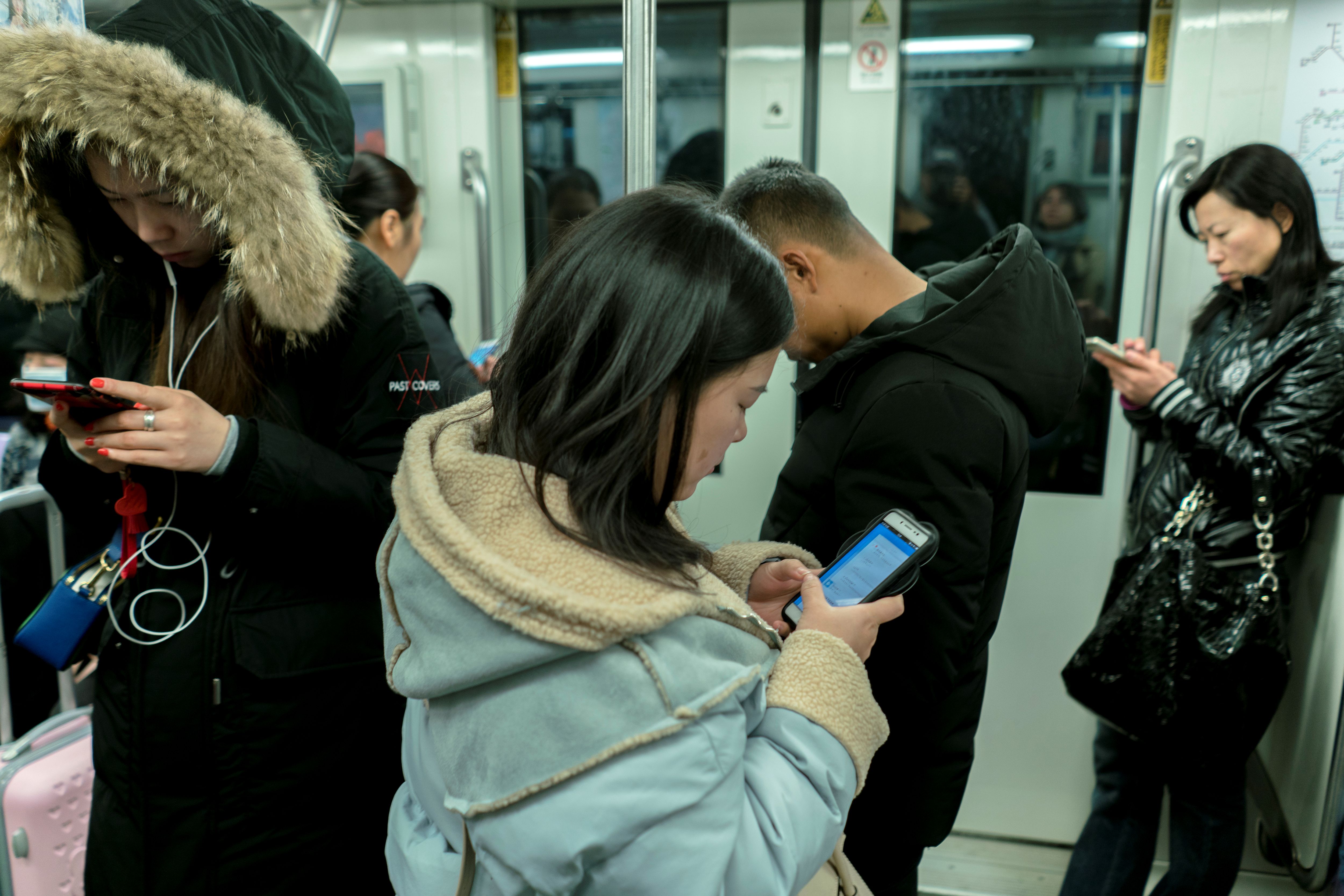
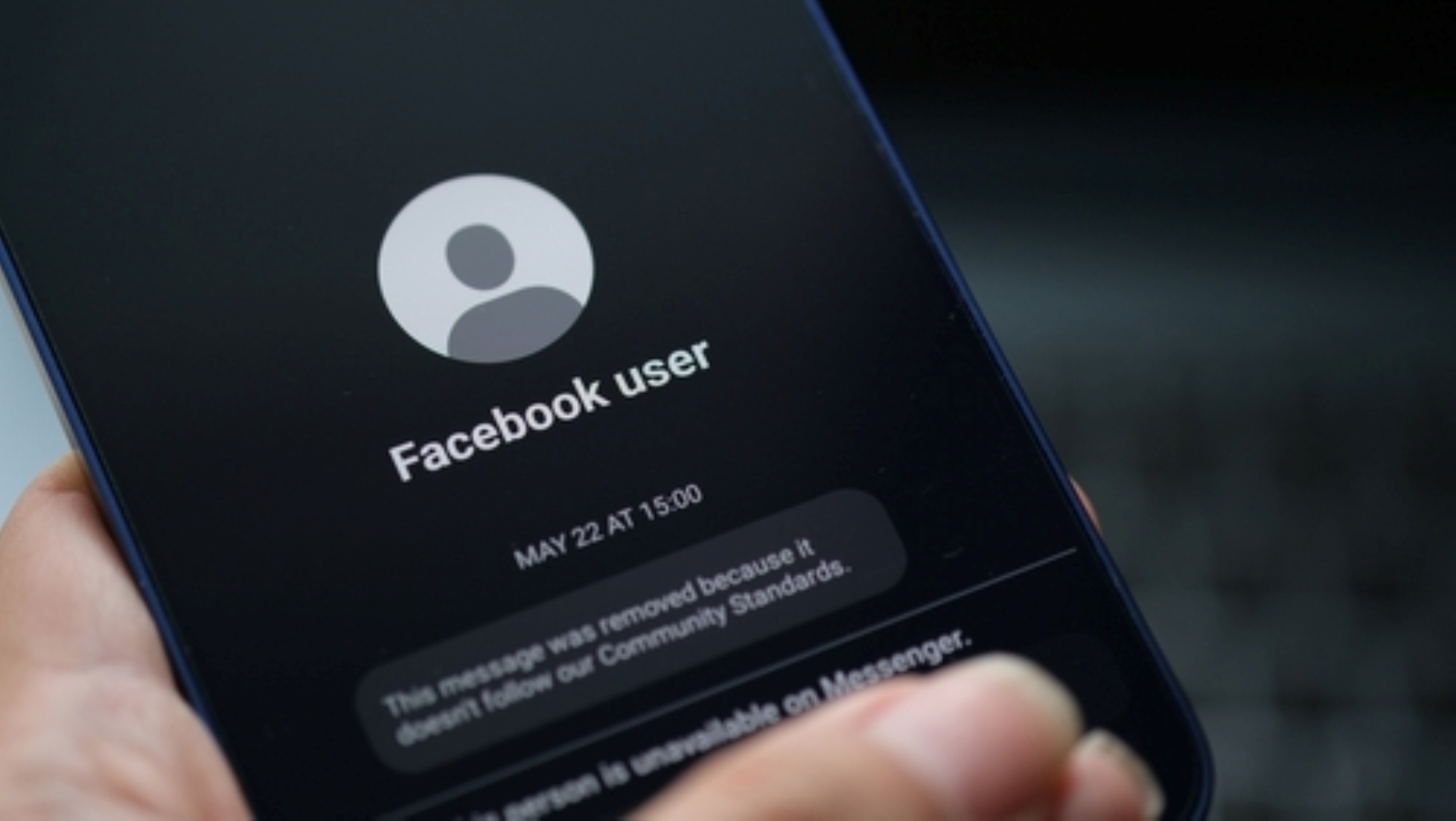
Digital censorship in action: A Facebook account restricted following coordinated cybertrooper attacks against independent critics.

How Journalists are Combating Cybertroopers 

The brutal state crackdown in Đồng Tâm highlights an intensifying withdrawal from free expression in Vietnam, heavily driven by the regime's deployment of state-backed cyberarmies like Force 47. As these digital actors systematically intimidate and mass-report critics, tech giants like Meta further compound the issue by increasingly acquiescing to government censorship requests to protect market share. This coordinated digital assault leaves a dangerous gap in the global conversation, forcing independent journalists to navigate severe online hostility and risk arbitrary imprisonment just to expose state overreach.


In 2019, André Menras, an independent French documentary maker and one of a few foreigners to receive honorary Vietnamese citizenship, went to Đồng Tâm commune in Hanoi to interview audacious villagers for his clandestinely made movie, 'A Cry from Within', which exposes the repression of the freedom of speech in his second homeland. One of the main characters was Lê Đình Kình, the spiritual leader of the Đồng Tâm people, in a longstanding land dispute with the government over the government's attempt to confiscate their land for a state-owned telecommunications company. While Kình, a veteran soldier, former chief of police, and a loyal party member, never criticised the government or the Communist Party (CPV), he pledged that the villagers would "fight to the very end" for the land that had witnessed generations of their labour. Menras did not expect it to be the last time he saw this man. 

At 4 AM on 9 January 2020, about 3000 police reportedly entered Đồng Tâm. A clash erupted, leading to the deaths of three policemen and the 84-year-old Kình. In the Vietnamese state-run media, Kình and the villagers were painted as heinous terrorists and the police officers as heroic martyrs. The dissemination of images and discussions is also muzzled in the cybersphere. The court handed down the death penalty to the two sons, Lê Đình Chúc and Lê Đình Công, charged with murder for the deaths of the three policemen. The other 27 people on trial received sentences ranging from life imprisonment to 15 months in prison. 

For weeks after the incident that Menras referred to as a 'massacre', not a single day passed by without his posts on his Facebook account in solidarity with the ill-fated village, a small gesture that was enabled by his residence in France, yet a privilege for those in Vietnam, which is among the worst countries for freedom of the press. He was sure that many of his Facebook friends had read his posts, but did not dare to like them out of fear of retaliation by the government. Shortly after, he received a message from a total stranger, which read: 

Get the hell back to France, old man. We don’t need the kind of illusory democracy that you guys keep pushing. Your country is protesting over there; go back to France and support the protests. Our country is peaceful; we don’t need democracy. What we need is stability. Once again, I want you to get the hell back to your country, you dog. You invaded our country for nearly a century, committing countless crimes; isn’t that enough? Get lost, you animal.

Menras had little doubt that it was sent by a dư luận viên (opinion shaper), a Vietnamese term for a state-backed cybertrooper who is tasked with verbally targeting citizen journalists, human rights defenders or any strong critic of government policies on social media platforms. Interviews with journalists show that independent outlets or journalists are more likely to be susceptible to state-linked cyberarmies. Silence and strategic monitoring remain the most common responses among attacked Vietnamese journalists, as cybertroopers are widely seen as unwilling to engage in substantive dialogue. 


Who are Cybertroopers? 

What he received is common among Vietnamese democracy activists: comments and private messages that despise Western-style democracy, discredit activists or critics and defer to the Vietnamese political stability, which implies single-rule legitimacy. 

Force 47 and Steering Committee 35 were launched to respectively safeguard the CPV’s ideological foundations and counter party-defined “wrongful and hostile views". Force 47 is a military-run cyber unit established in 2017, whereas Steering Committee 35 is made up of CPV members and civilian groups. In 2025, the CPV also sought to mobilise young online influencers to shape public narratives in its favour. 

“I received death threats via Messenger from dư luận viên, as well as numerous insults. Some demanded that my Vietnamese nationality be revoked," says Menras. “Of course, these threats remain marginal and are intended to intimidate me.” 

According to Menras, otherwise known in Vietnam as Hồ Cương Quyết, the message resembled what the Party mouthpiece said about him. For example, state-owned VTV1 cited his name along with those of "reactionaries" who supported the "terrorists" of Đồng Tâm. 

“Speaking the truth too loudly quickly turns you into a reactionary, even though it is revolutionary," says Menras. 

Yet for Menras, these intimidations coming from keyboard warriors are not generally translated into real-life retaliatory deeds. He was still able to visit Vietnam in 2023 and 2024. 

“They do nothing but confirm the righteous struggle I’m fighting to defend the rule of law and justice in my second country," says Menras. 

Vũ Quốc Ngữ, a human rights journalist and director of non-profit Defend the Defenders, says he is also no stranger to attacks by government-backed groups of online commentators, especially in response to posts regarding human rights violations in Vietnam or critics of the authoritarian regime. Like Menras, Ngữ generally choose to brush cyberarmies off. 

They slander us, saying our statements are untrue and using dirty words to attack us to protect the regime’s policies and actions," says Ngữ. “Since they attack us but are not willing to discuss, I often ignore them and delete dirty comments or block those who are aggressive.


Tech Giants Are Also Liable 

Facebook has provided both professional and citizen journalists with a platform to cast light upon hidden realities. It has become a source of political news for the vast majority of Vietnamese.  

However, as Vietnam’s market share expands rapidly, the Vietnamese government has also ramped up its crackdown tactics. Vietnam has now become the 7th largest market worldwide for Facebook. Meta has increasingly acquiesced to the government’s request to censor political content, with the compliance rate of above 90% over the past few years. 

 For example, in January, Meta acknowledged receiving requests from the Ministry of Public Security and the Ministry of Culture, Sports and Tourism to restrict access to 14 Facebook profiles and pages, including those of well-known exiled dissidents. It said it temporarily limited access to nine of the 14 accounts; among them were pages linked to journalist Nguyễn Ngọc Như Quỳnh in the United States and activist Đặng Thị Huệ in Germany. 

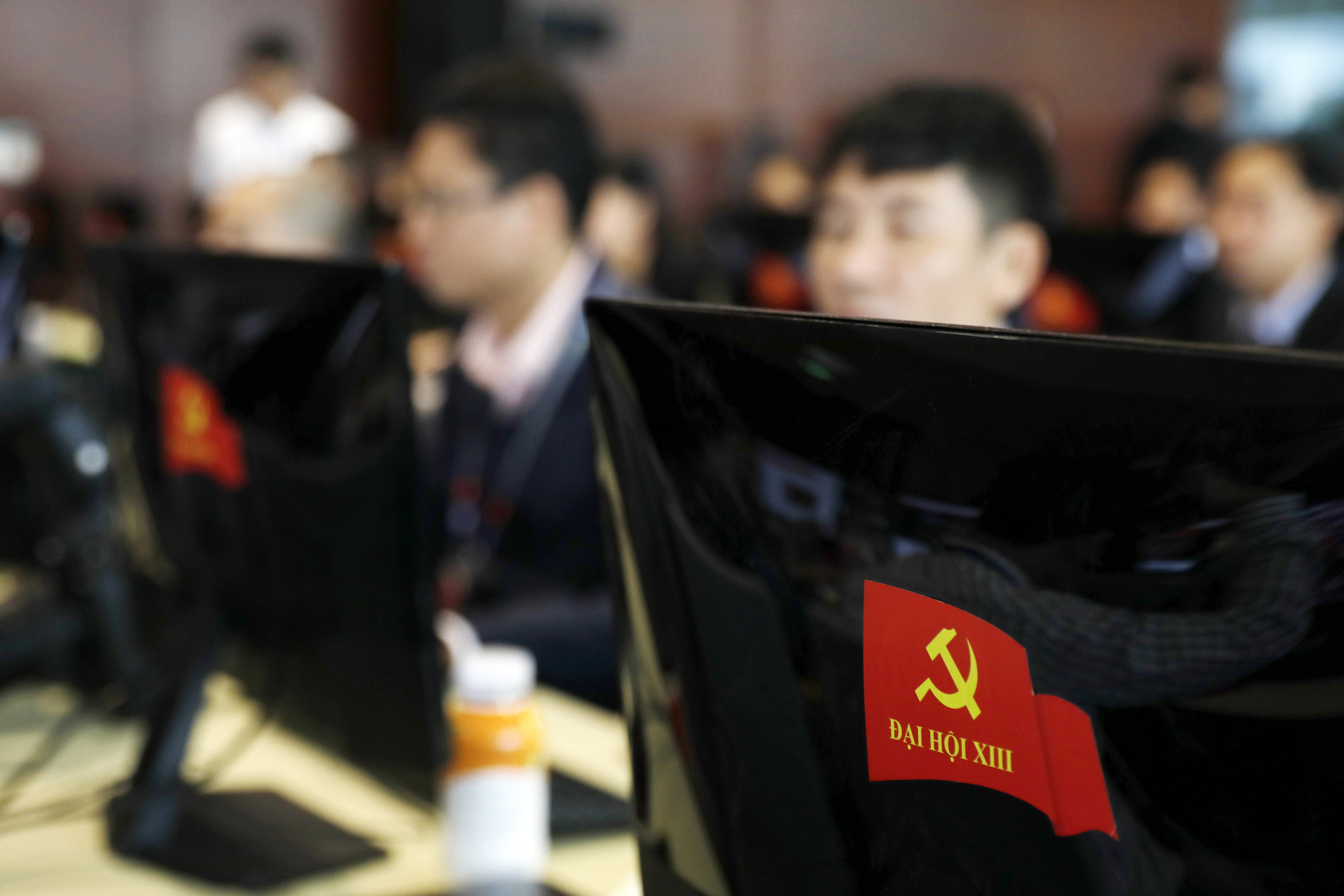
Meta added that, without those restrictions, its services would not have been accessible during the January Party Congress, a largely closed-door event that was also difficult for even state-affiliated journalists to access. 

Facebook typically only reacts when reports cross a certain threshold, which puts cyber troopers at an advantage: they can mass-report anyone, while their victims may not have that same backing. 

However, it doesn’t have a policy prohibiting coordinated, authentic behaviours. Exchanges between exiled Vietnamese pop star Đỗ Nguyễn Mai Khôi and senior company leaders on the safety of users in the face of groups of cybertroopers between 2018 and 2020 ended only in empty promises. 

Meta has so far been silent on the chilling number of journalists imprisoned for their Facebook posts. 

Huỳnh Ngọc Tuấn, an independent journalist from Đắk Lắk province,  regularly posts commentary about politics and human rights on his personal Facebook page. Last October, he was arrested for having “posted videos and published many articles containing distorted information and slander that attracted a large number of comments, which, according to the Đắk Lắk Police, 'created anxiety among the people and affected the local political security situation and social order and safety'." 

In a closely and briefly held trial in April that denied access to a lawyer and family members, Tuấn was charged with propagandising against the state, the same charge that sent him to prison from 1992 to 2002 for publishing critical fiction. 


Cybertroopers Are Far From Monolithic 

Some journalists chose to confront cybertroopers on social media by way of frank and free dialogues. Nguyễn Tuấn Khanh, based in Ho Chi Minh City, had long been a journalist before he became a household name in the entertainment industry in the early 2000s. Initially a state-affiliated journalist, he was forced to leave one outlet after another and turned independent in 2007. A commentator on socio-political issues that are conspicuously absent on domestic media, his Facebook page is not immune to trolls and real-life harassment. 

He observes that the paid commentators often operate with pre-prepared images or wording, based on schedule or timing, especially during divisive historical events, such as 30 April 1975, when the communist government took over the militarily defeated independent South Vietnam and reunified the country. 

 “Their activities are sometimes mechanical, avoiding arguments to conceal their lack of knowledge," says Khanh. 

Yet, some of the paid cybertroopers also turned propagandistic rhetoric into their own personal insults and provocations. They also have the habit of posting a period (.) or tagging the leaders of cyberarmy groups in the comments, like a kind of tag, to mark and pull in force to overwhelm others and escalate harassment. Alternatively, they report falsely to FB when they find they fail to muster enough strength to dialogue. 

He says one should be mindful of other types of cybertroopers. 

The second group includes naive believers in state propaganda, normally very senior or very junior netizens who only counter-argue by default. 

The third group actually consists of privileged senior folks who rest on their laurels and resist any political change that might take a toll on their positions or properties. 

“They may participate in counter-argument and debate, but when issues go deeper and become hard to resolve, they withdraw and stop," says Khanh. 

Khanh says one account might conceal many actors, such as Tifosi or Mặt trận chống phản động (Anti-reactionary Frontline), with arguments as sophisticated as creating foundational theoretical statements with supporting bases so that other pages can only copy and repost. 

“I would discuss with opinion shapers to identify which group they belong to; then I would adjust my behaviour accordingly," says Khanh. 


Related Articles

Climate Journalism in Vietnam's Censored Landscape

In Vietnam, climate journalists face challenges due to censorship and restrictions on press freedom, making it difficult to report environmental issues accurately. Despite these obstacles, there are still journalists working to cover climate stories creatively and effectively, highlighting the importance of climate journalism in addressing environmental concerns.

AJR Contributor Published on: 26 Jun, 2024
Inside Vietnam’s Disinformation Machine and the Journalists Exposing It from Exile

Vietnam’s tightly controlled media environment relies on narrative distortion, selective omission, and propaganda to manage politically sensitive news. Exiled journalists and overseas outlets have become essential in exposing these practices, documenting forced confessions and smear campaigns, and preserving access to information that would otherwise remain hidden.

AJR Contributor Published on: 15 Dec, 2025
‘People need to stop blindly obeying the law’ - journalists fighting on the fringes in Vietnam

THE LONG READ: Imprisoned, exiled and forced to base themselves overseas, independent journalists in Vietnam are punished harshly if they publish the ‘wrong’ sort of content. Some, such as Luật Khoa tạp chí, are fighting back

headshot
AJR Correspondent Published on: 25 Aug, 2023
‘Like walking on a tightrope’ - navigating a career as a journalist in Vietnam

THE LONG READ: Through a series of in-depth interviews with journalists in Vietnam, our writer - who remains anonymous for security reasons - paints a picture of censorship and journalists facing fines and even prison for mentioning ‘toxic’ subjects

headshot
AJR Correspondent Published on: 12 May, 2022
Facebook is showing its double standards over freedom of speech

Hate speech is a bad idea. A good idea would be for platforms to show consistency in their content moderation, particularly when it comes to Palestine

A picture of the author, Abeer alNajjar
Abeer Al-Najjar Published on: 17 Mar, 2022
Fake Accounts with Arab Faces: "A Well-Organized Cyber Army"

Israel has launched a digital war against Palestinians by flooding social media with fake accounts designed to spread disinformation, distort narratives, and demonize Palestinian resistance. These accounts, often impersonating Arabs and mimicking regional dialects, aim to create fake public opinion, promote division among Arab nations, and advance the Israeli agenda in the digital space.

Linda Shalash
Linda Shalash Published on: 29 Dec, 2024

More Articles

On the Misunderstanding Between Media and Diplomacy

The analysis of international crisis coverage reveals a clear structural gap between the immediate, simplified narratives produced by the media and the slow, complex processes of diplomacy. The tension between the two fields appears set to persist as reporters are forced to trade detailed, long-term tracking of negotiation for fast-paced, dramatic framing and the immediate demands of the attention economy.

Said Al-Azri
Said Al-Azri Published on: 28 May, 2026
Journalism After the Genocide in Gaza: One War Has Ended, and Other Wars Have Begun!

The post-ceasefire reality for Gaza’s journalists reveals a challenging shift from documenting active daily bombardment to navigating an overwhelming landscape of community and structural ruin. The pressure on reporters appears set to escalate as they struggle to rebuild their own lives from absolute zero while fighting to ensure that ongoing human suffering, systemic displacement, and political marginalization are accurately documented and held to account.

Yousef Fares
Yousef Fares Published on: 17 May, 2026
US-Iran Islamabad Talks: How Journalists Report from Outside Closed Doors

The "Islamabad Talks" highlight a growing contradiction in modern diplomacy where journalists are physically present but denied direct access to negotiations. The pressure on transparency appears set to intensify as reporters are forced to trade traditional eyewitnessing for outside in investigation and geopolitical speculation.

Anam Hussain
Anam Hussain Published on: 2 May, 2026
Can Artificial Intelligence Become a Documentary Film Director?

AI opens new possibilities in documentary filmmaking, from sorting archives to speeding up production. But documentary is not built on technology alone: it depends on the director’s vision, creativity, and ability to shape meaning. Can AI, for instance, make a film like Ordinary Fascism?

Bashar Hamdan, investigative producer and documentary filmmaker at Al Jazeera Media Network
Bashar Hamdan Published on: 23 Apr, 2026
When Speaking Up Backfires: How Social Conformity Silences Journalists

While state censorship remains a reality, freedom of speech in Africa faces a rising internal threat: the community itself. This article examines how social conformity, digital echo chambers, and ingrained bias create a modern "chilling effect". This pressure forces journalists to choose between aligning with popular narratives or facing professional and social marginalisation.

Derick Matsengarwodzi
Derick Matsengarwodzi Published on: 16 Apr, 2026
Has the Global South Benefited from the Digital Transformation?

Despite the promise of digital technologies to amplify voices and expand media reach in the Global South, structural barriers, such as political repression, technological dependency, and persistent digital divides, continue to limit their impact. Real progress requires not only technological adoption but also institutional reform, stronger journalistic capacity, and independent ethical frameworks to challenge dominant Western media narratives.

Al-Shafi Abtidon
Al-Shafi Abtidon Published on: 18 Mar, 2026
Missiles Made of Words: How Western Media Narratives Shape the Iran–Israel–US Conflict

Western media coverage of the Iran–Israel–US conflict often functions as a weapon of war, using selective language that frames US and Israeli strikes as “self-defence” while depicting Iranian actions as "provocation". This linguistic framing normalises civilian casualties and helps manufacture public consent for military aggression by dehumanising certain populations.

Muqeet Mohammed Shah
Muqeet Mohammed Shah, Ifrah Khalil Kawa Published on: 14 Mar, 2026
How the Ethiopian Civil War Unleashed a Lethal Media Crackdown

There has been a widening crackdown on the media in Ethiopia since war erupted between the central government and Tigray’s regional authorities in 2020, and the pressure appears set to intensify as the country prepares for general elections in June.

Nalova Akua
Nalova Akua Published on: 9 Mar, 2026
Are Netanyahu's and Trump’s Speeches Shaping Western Media Framing?

As political speeches framed the 2026 U.S.–Israeli attack on Iran, segments of Western media echoed their language and narratives, illustrating how strategic rhetoric and news framing can shape public opinion and legitimise military action.

Shaimaa Al-Eisai
Shaimaa Al-Eisai Published on: 6 Mar, 2026
Journalism in Gaza… A Race Against the Train of Genocide

In the following account, Amira Nassar presents a narrative filled with intricate detail, intimate exchanges, and an unyielding struggle over the meaning of writing amid slaughter and starvation. Part of The Journalism Review’s documentary project recording the testimonies of journalists in Palestine and the Gaza Strip during the ongoing genocide, it stands as a testament against oblivion and the machinery of extermination.

Amira Nassar
Amira Nassar Published on: 27 Feb, 2026
Kukurigo: Revolutionising news in Zimbabwe's WhatsApp era

The emergence of Kukurigo during Zimbabwe’s 2018 elections marked a turning point for digital journalism, transforming WhatsApp from a hub for misinformation into a vital platform for verified news. By leveraging the app’s low data costs, this grassroots initiative bridged the information gap for under-resourced communities, establishing a new model for media credibility and public service within an unstable political landscape.

Enock Muchinjo
Enock Muchinjo Published on: 19 Feb, 2026
The Epstein Files and the Art of Drowning the Truth

The mass release of millions of files related to Jeffrey Epstein serves as a metaphor for a wider crisis of the digital age: an overabundance of information that obscures rather than illuminates the truth. In an era where data floods replace traditional censorship, citizens risk becoming less informed, underscoring the vital role of professional journalism in filtering noise into meaningful knowledge.

Ilya إيليا توبر 
Ilya U Topper Published on: 12 Feb, 2026
Reporting the Spectacle: Myanmar’s Manufactured Elections

Myanmar’s recent elections posed a profound challenge for journalists, who were forced to navigate between exposing a sham process and inadvertently legitimising it. With media repression intensifying, reporting became an act of resistance against the junta’s effort to control information and silence independent voices.

Annie Zaman
Annie Zaman Published on: 7 Feb, 2026
Public Hostility Toward Legacy Media in Bangladesh

The December 2025 arson attacks on Prothom Alo and The Daily Star marked a turning point for journalism in Bangladesh. As public anger replaces state control as the primary threat, reporters are reassessing personal safety, editorial judgement, and professional credibility in a political transition where journalism itself is increasingly treated as an enemy.

Arsalan Bukhari, an independent journalist based in India
Arsalan Bukhari Published on: 4 Feb, 2026
Migration Issues and the Framing Dilemma in Western Media

How does the Western press shape the migration narrative? Which journalistic frames dominate its coverage? And is reporting on anti-immigration protests neutral or ideologically charged? This analysis examines how segments of Western media echo far-right rhetoric, reinforcing xenophobic discourse through selective framing, language, and imagery.

Salma Saqr
Salma Saqr Published on: 31 Jan, 2026
From News Reporting to Documentation: Practical Lessons from Covering the War on Gaza

From the very first moment of the genocidal war waged by Israel on Gaza, Al Jazeera correspondent Hisham Zaqout has been a witness to hunger, devastation, war crimes, and the assassination of his colleagues in the field. It is a battle for survival and documentation, one that goes beyond mere coverage and daily reporting.

Hisham Zakkout Published on: 26 Jan, 2026
Investigating the Assassination of My Own Father

As a journalist, reporting on the murder of my father meant answering questions about my own position as an objective observer.

Diana López Zuleta
Diana López Zuleta Published on: 16 Jan, 2026
What Image of Gaza Will the World Remember?

Will the story of Gaza be reduced to official statements that categorise the Palestinian as a "threat"? Or to images of the victims that flood the digital space? And how can the media be transformed into a tool for reinforcing collective memory and the struggle over narratives?

Hassan Obeid
Hasan Obaid Published on: 13 Jan, 2026
Bridging the AI Divide in Arab Newsrooms

AI is reshaping Arab journalism in ways that entrench power rather than distribute it, as under-resourced MENA newsrooms are pushed deeper into dependency and marginalisation, while wealthy, tech-aligned media actors consolidate narrative control through infrastructure they alone can afford and govern.

Sara Ait Khorsa
Sara Ait Khorsa Published on: 10 Jan, 2026
Generative AI in Journalism and Journalism Education: Promise, Peril, and the Global North–South Divide

Generative AI is transforming journalism and journalism education, but this article shows that its benefits are unevenly distributed, often reinforcing Global North–South inequalities while simultaneously boosting efficiency, undermining critical thinking, and deepening precarity in newsrooms and classrooms.

Carolyne Lunga
Carolyne Lunga Published on: 2 Jan, 2026
Intifada 2.0: Palestinian Digital Journalism from Uprising to Genocide

From underground newsletters during the Intifadas to livestreams from Gaza, Palestinian journalism has evolved into a decentralised digital practice of witnessing under occupation. This article examines how citizen journalists, fixers and freelancers have not only filled gaps left by international media, but fundamentally transformed how Palestine is reported, remembered and understood.

Zina Q.
Zina Q. Published on: 24 Dec, 2025
How Can Journalism Make the Climate Crisis a People’s Issue?

Between the import of Western concepts and terminology that often fail to reflect the Arab context, and the denial of the climate crisis, or the inability to communicate it in clear, accessible terms, journalism plays a vital role in informing the public and revealing how climate change directly affects the fabric of daily life in the Arab world.

Bana Salama
Bana Salama Published on: 19 Dec, 2025
Inside Vietnam’s Disinformation Machine and the Journalists Exposing It from Exile

Vietnam’s tightly controlled media environment relies on narrative distortion, selective omission, and propaganda to manage politically sensitive news. Exiled journalists and overseas outlets have become essential in exposing these practices, documenting forced confessions and smear campaigns, and preserving access to information that would otherwise remain hidden.

AJR Contributor Published on: 15 Dec, 2025
What It Means to Be an Investigative Journalist Today

A few weeks ago, Carla Bruni, wife of former French president Nicolas Sarkozy, was seen removing the Mediapart logo from view. The moment became a symbol of a major victory for investigative journalism, after the platform exposed Gaddafi’s financing of Sarkozy’s election campaign, leading to his prison conviction. In this article, Edwy Plenel, founder of Mediapart and one of the most prominent figures in global investigative journalism, reflects on a central question: what does it mean to be an investigative journalist today?

Edwy Plenel
Edwy Plenel Published on: 27 Nov, 2025