
Audiences are increasingly avoiding the news as the constant flow of crises, violence, and tragic human stories creates psychological exhaustion and anxiety. Media outlets need to respond with more responsible editorial choices, stronger media literacy, and coverage that balances urgent events with constructive, humane, and less harmful storytelling.
Decades ago, the Canadian thinker Marshall McLuhan predicted that the development of media would turn the vast world into a “small village”. One of the problems of this village is that its inhabitants are preoccupied with one another, and the poverty of one person gnaws at the conscience of another. When an earthquake struck Türkiye, the world’s eyes turned to the humanitarian tragedy. When Hurricane Milton swept through the US state of Florida, calls appeared across the world for prayers and supplication for the state’s residents. The world followed, moment by moment, the outbreak of the Russian-Ukrainian war and the plight of civilians and refugees, while the tragedy of Gaza broke the hearts of millions around the world and set off a series of political earthquakes.
This global proximity makes communication easier and strengthens the importance of following international news to an extent that sometimes exceeds local news, especially as some events have become interconnected and have effects on any citizen anywhere in the world.
In this way, the psychological burden on the follower has increased as a result of following a great deal of news that may not be directly connected to them. Have we come to know more than we should?
Thirty-nine per cent is the proportion of people who avoided the news in 2024 globally, compared with 29 per cent in 2017, according to a report by the Reuters Institute for the Study of Journalism.
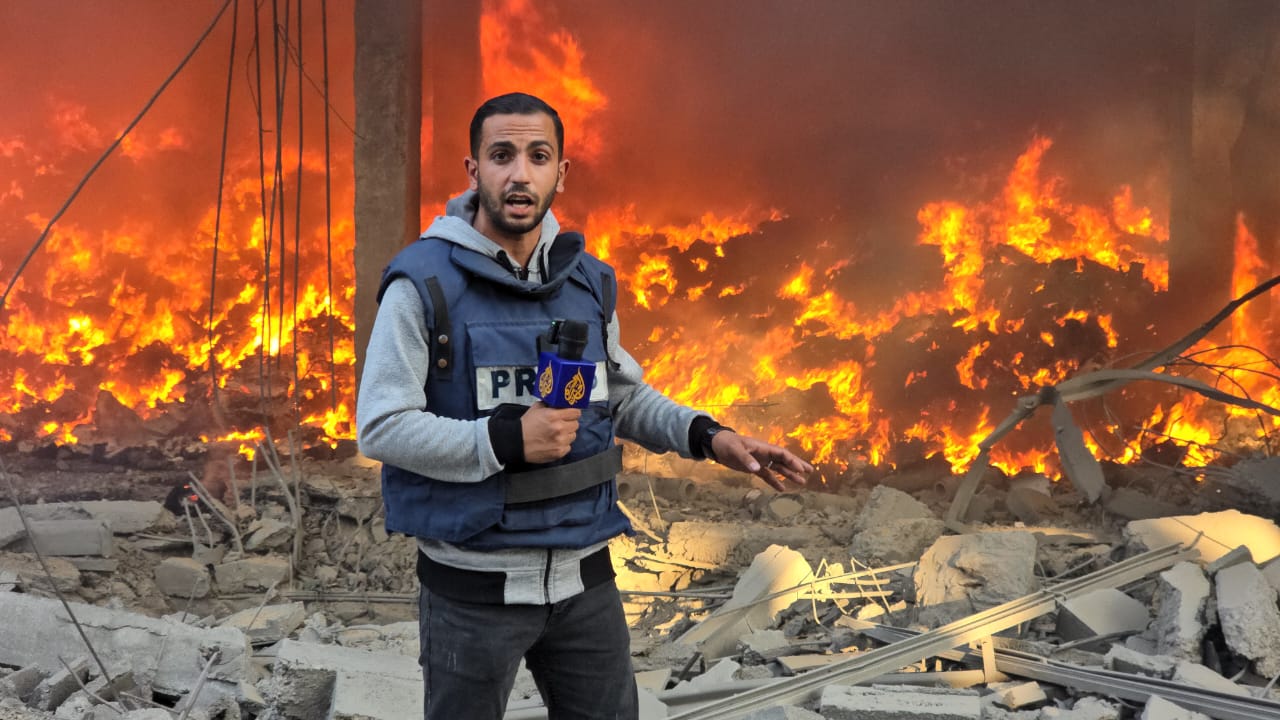
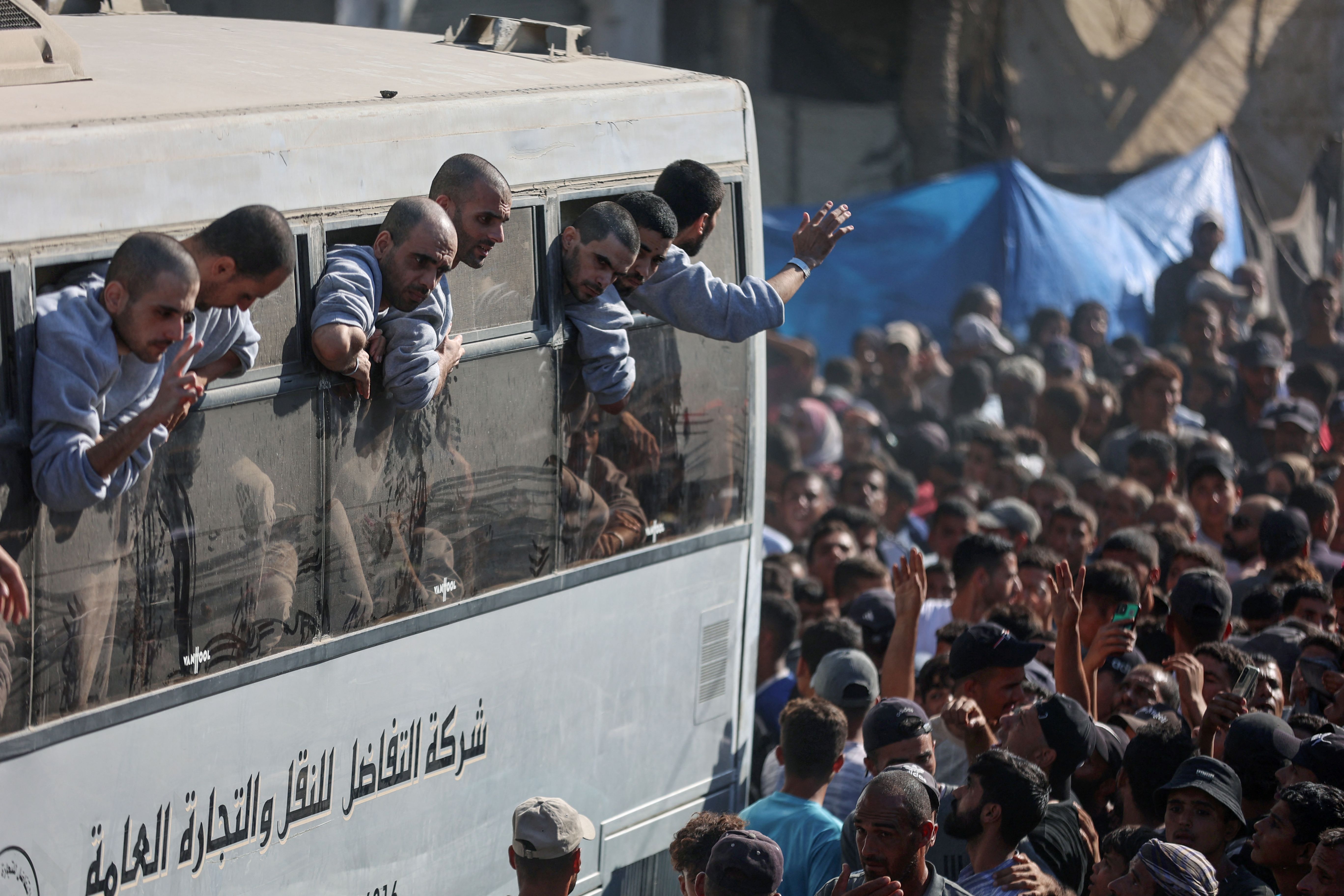
Over the past decade, the phenomenon of “news fatigue” has spread. It is a state of psychological exhaustion that occurs as a result of receiving huge quantities of news and information, and the continuous flow of news content through media outlets and social media platforms. This phenomenon became particularly pronounced during the coronavirus crisis, with the rising number of deaths and the overwhelming sense that life had come to a halt and that the end of the world was near. It was then followed by the Russian-Ukrainian war, the Israeli war on Gaza, and the subsequent tragedies and extermination of civilians.
People differ in how they receive the news. Some are not deeply affected by following events and are not emotionally unsettled by them, while others suffer psychological fragility when they follow them. Some may feel a desire to lift injustice or harm from the person at the centre of the story or in response to an incident of corruption or even a provocative “trend”. Indeed, people, including journalists, and I do not exclude myself, are from time to time overcome by a desire to stop chasing the news in order to preserve their mental health.
A state of psychological confusion and tension seeps into the follower as a result of exposure to conflicting emotional charges. Negative news causes stress and anxiety that may lead a person to depression, perhaps even obsessive-compulsive disorder, and a spiral of dark emotions. This is because the audience no longer merely follows the event; it lives through human stories and may experience the feelings of their protagonists and victims.
A state of psychological confusion and tension seeps into the follower as a result of exposure to conflicting emotional charges. Negative news causes stress and anxiety that may lead a person to depression, perhaps even obsessive-compulsive disorder, and a spiral of dark emotions. This is because the audience no longer merely follows the event; it lives through human stories and may experience the feelings of their protagonists and victims.
Glut in News Consumption
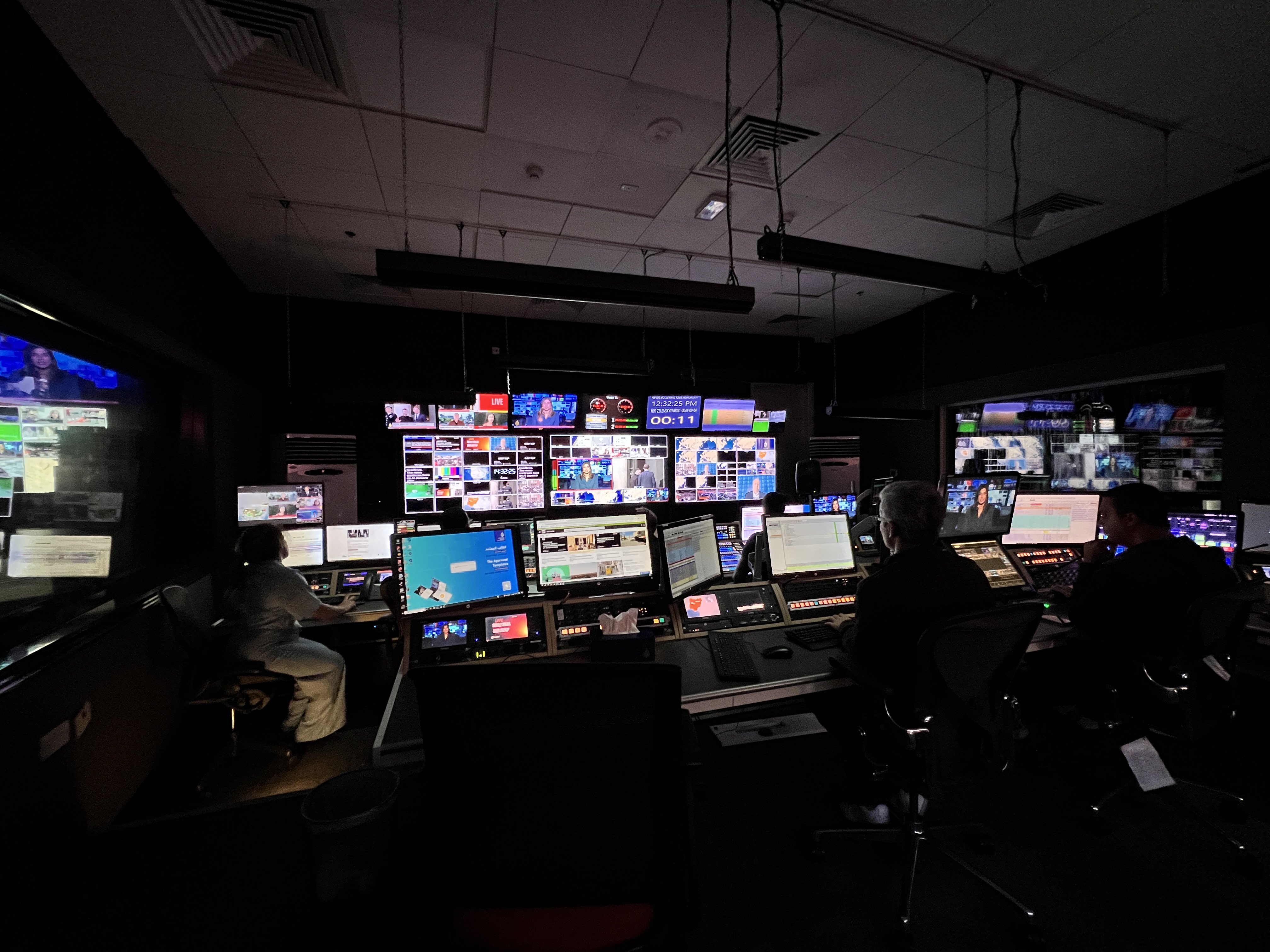
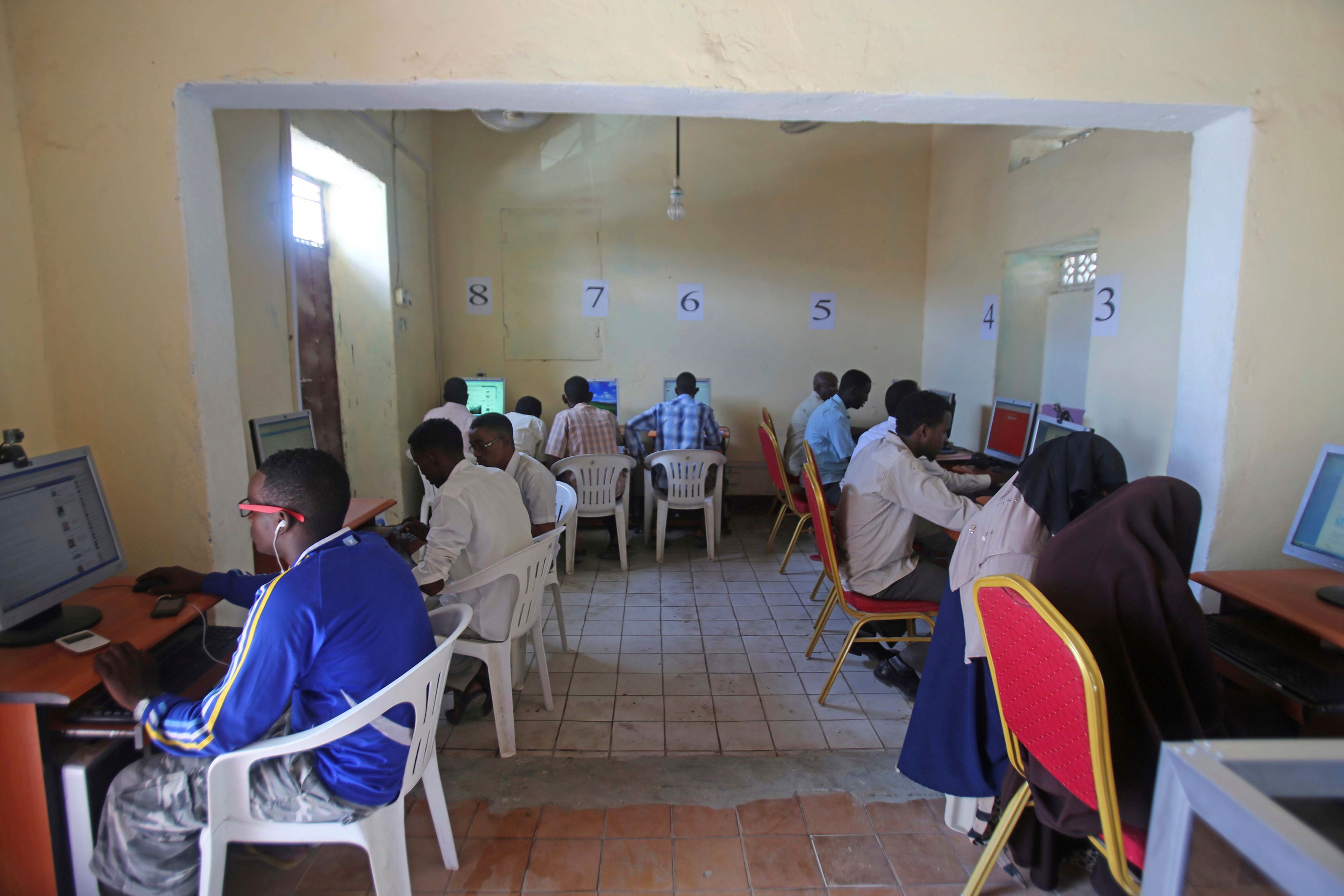
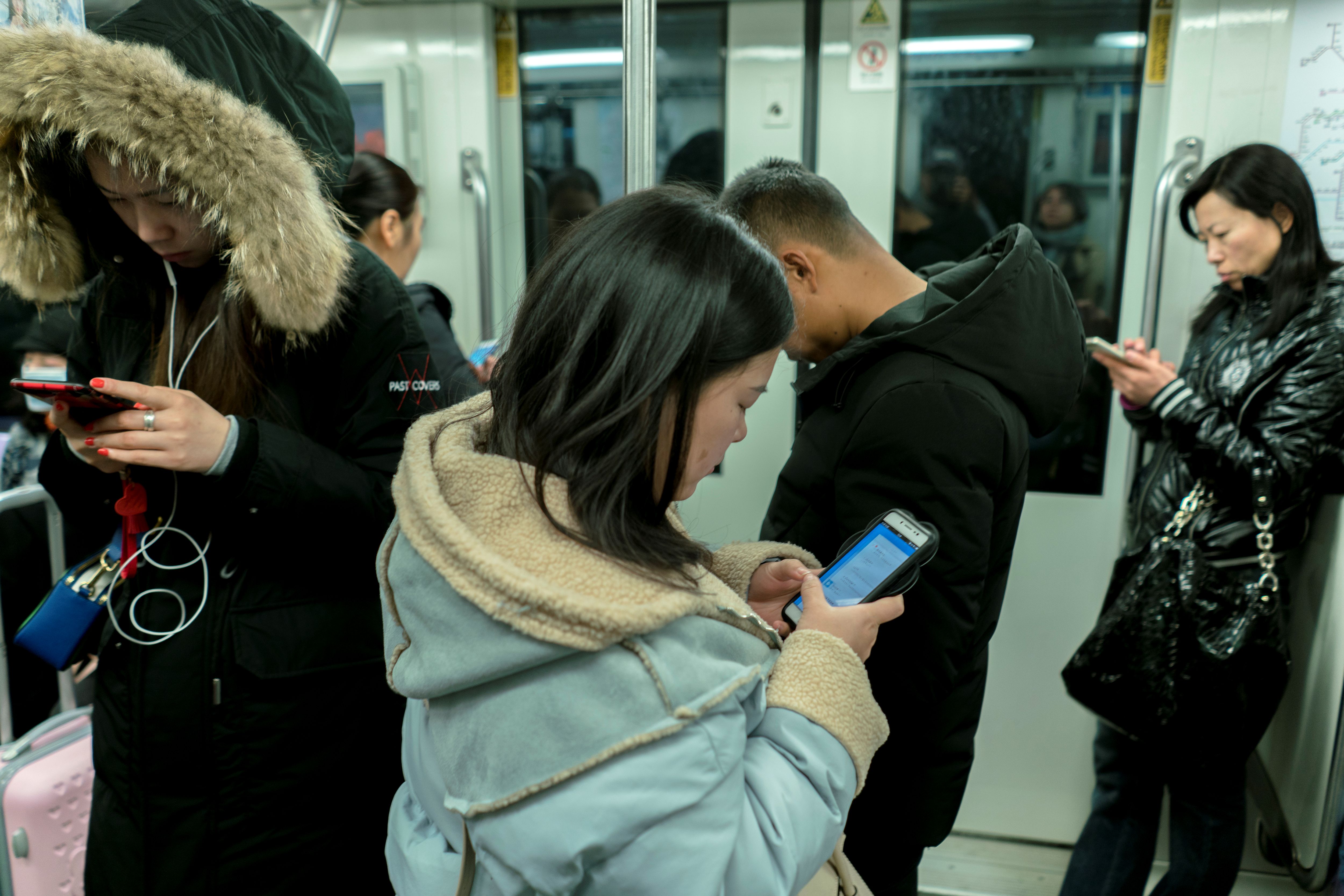
Two decades ago, a reader would buy one or two newspapers and watch a television news bulletin, and their news follow-up would usually end there. Today, however, every modern media outlet shapes new habits among its audience, and the mobile phone may be the most influential medium in the lives of its users. The flow and circulation of news across all platforms and media impose a state of intensified news follow-up and continued viewing of an event several times over days until its peak has passed.
On this basis, discussion began about “FOMO anxiety”, that is, the disorder of the fear of missing out, which drives people to chase news and increase its consumption through social media platforms. In this context, one can speak of two types of glut: an increase in the number of news items, and an intensification of the content. This sometimes creates a state of psychological pressure on the recipient, especially with heavy internet use in general and mobile phone use in particular.
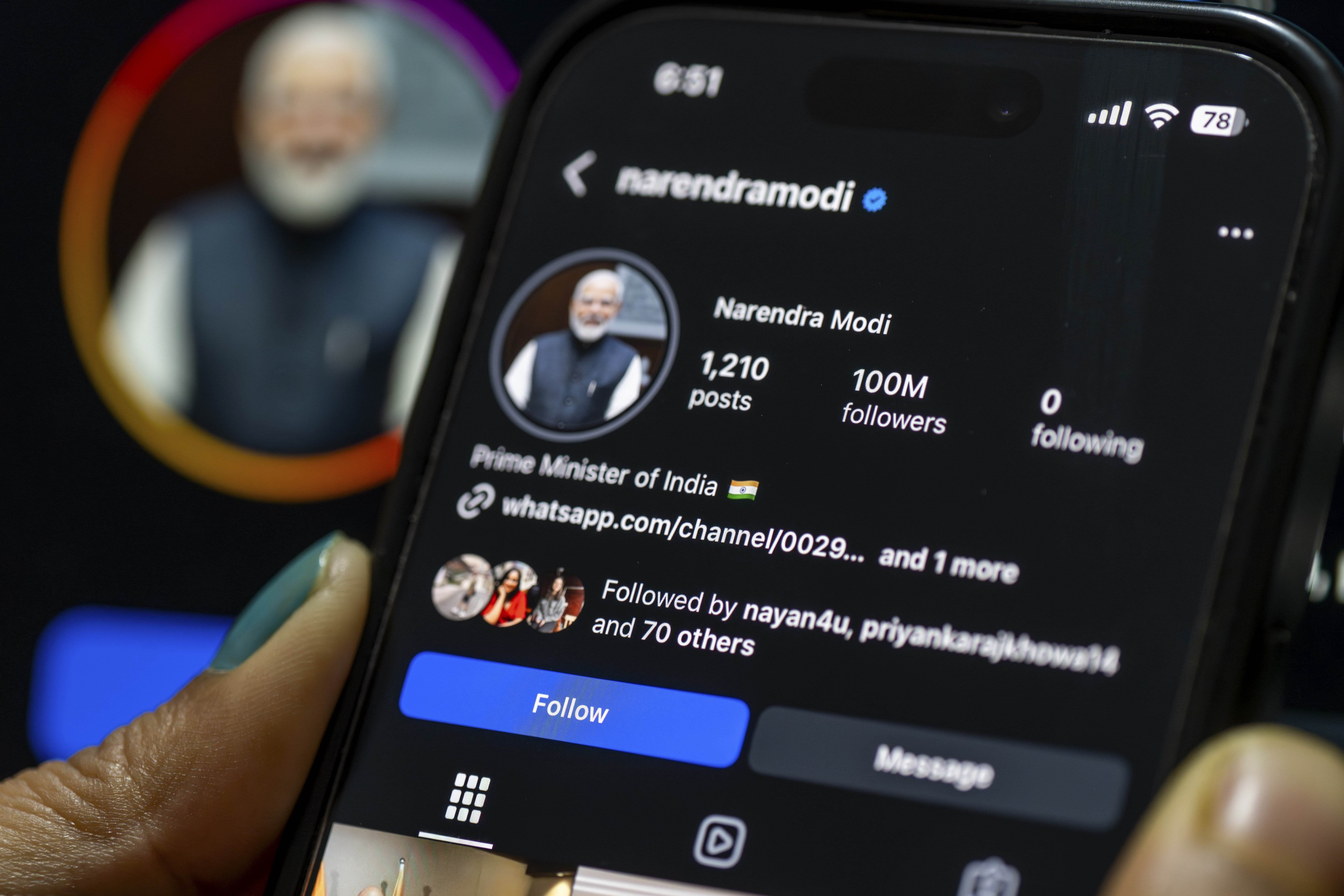
A recent statistic in 2024 found that the average daily internet use worldwide is six hours and 38 minutes, while browsing habits play a major role in increasing news consumption. For example, Americans check their phones 144 times a day, according to a 2023 statistic. The more often the phone is checked, the higher the rate of news consumption.
The findings of a group study conducted in 2020 on 503 university students, 54.5 per cent female and 45.5 per cent male, aged between 18 and 40, also observed the link between the fear of missing out and online news addiction. Of course, the study did not deny the effect of the coronavirus pandemic at the time. In 2022, another study examined the psychological risks of FOMO, from which social media companies earn trillions of dollars, and the participating researchers suggested raising users’ awareness of the experience of “the joy of missing out” (JOMO) after the fear of missing out had exhausted them psychologically and mentally.
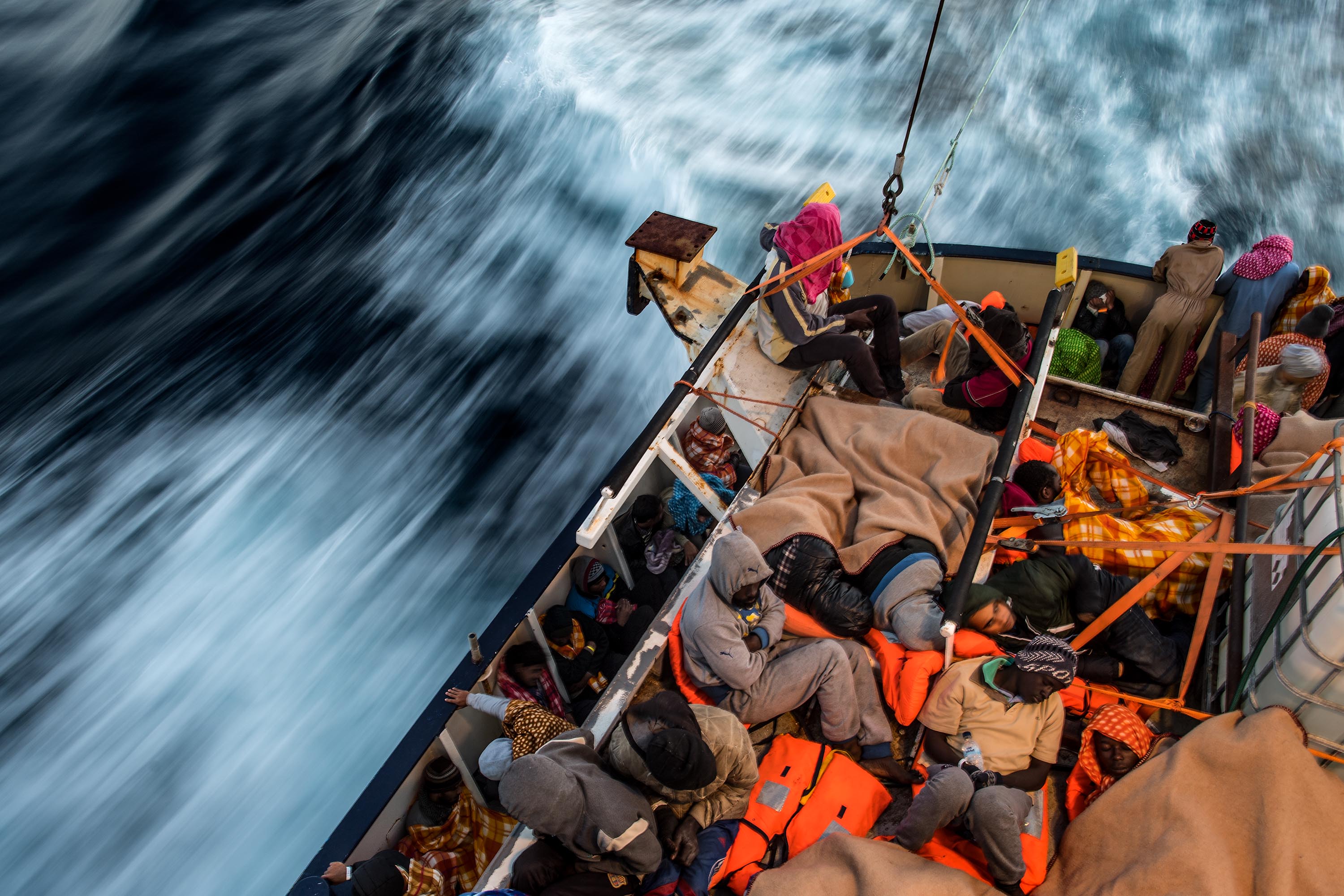
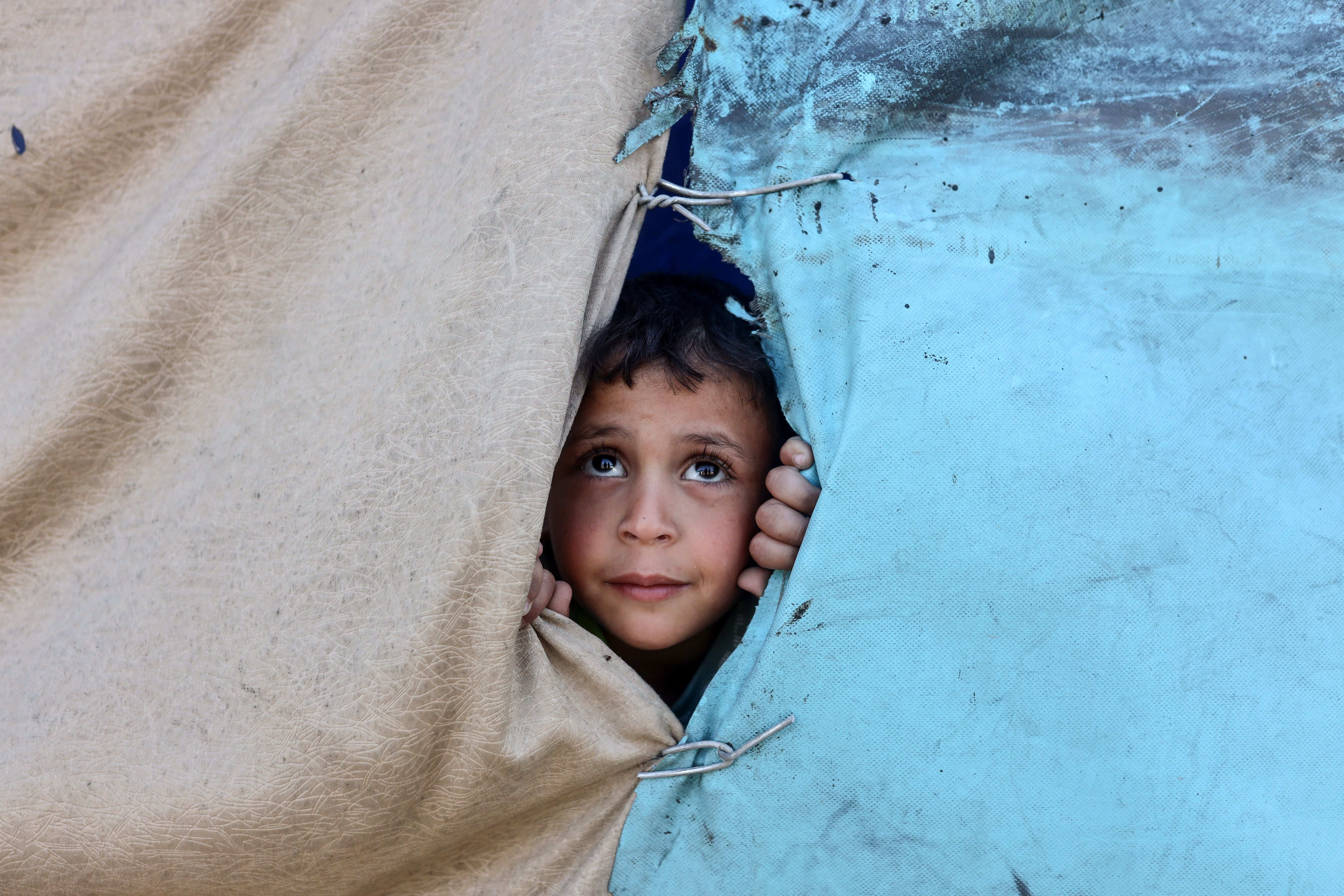
Accordingly, following negative news is not free of psychological consequences. One can imagine the mental state that may affect a person who follows several stories before going to sleep or immediately upon waking: the marriage of a relative, the death of a friend, the sinking of a migrant boat, the moment of a catastrophic plane landing, a mother crying over her child, a Palestinian girl carrying her injured sister, a provocative statement by an official, and a flood of news about artists’ marriages and divorces. What psychological impact does this quantity of varied posts leave inside them?
One study examined the psychological risks of FOMO, from which social media companies earn trillions of dollars, and the participating researchers suggested raising users’ awareness of the experience of “the joy of missing out” (JOMO) after the fear of missing out had exhausted them psychologically and mentally.
One study examined the psychological risks of FOMO, from which social media companies earn trillions of dollars, and the participating researchers suggested raising users’ awareness of the experience of “the joy of missing out” (JOMO), after the fear of missing out had exhausted them psychologically and mentally.
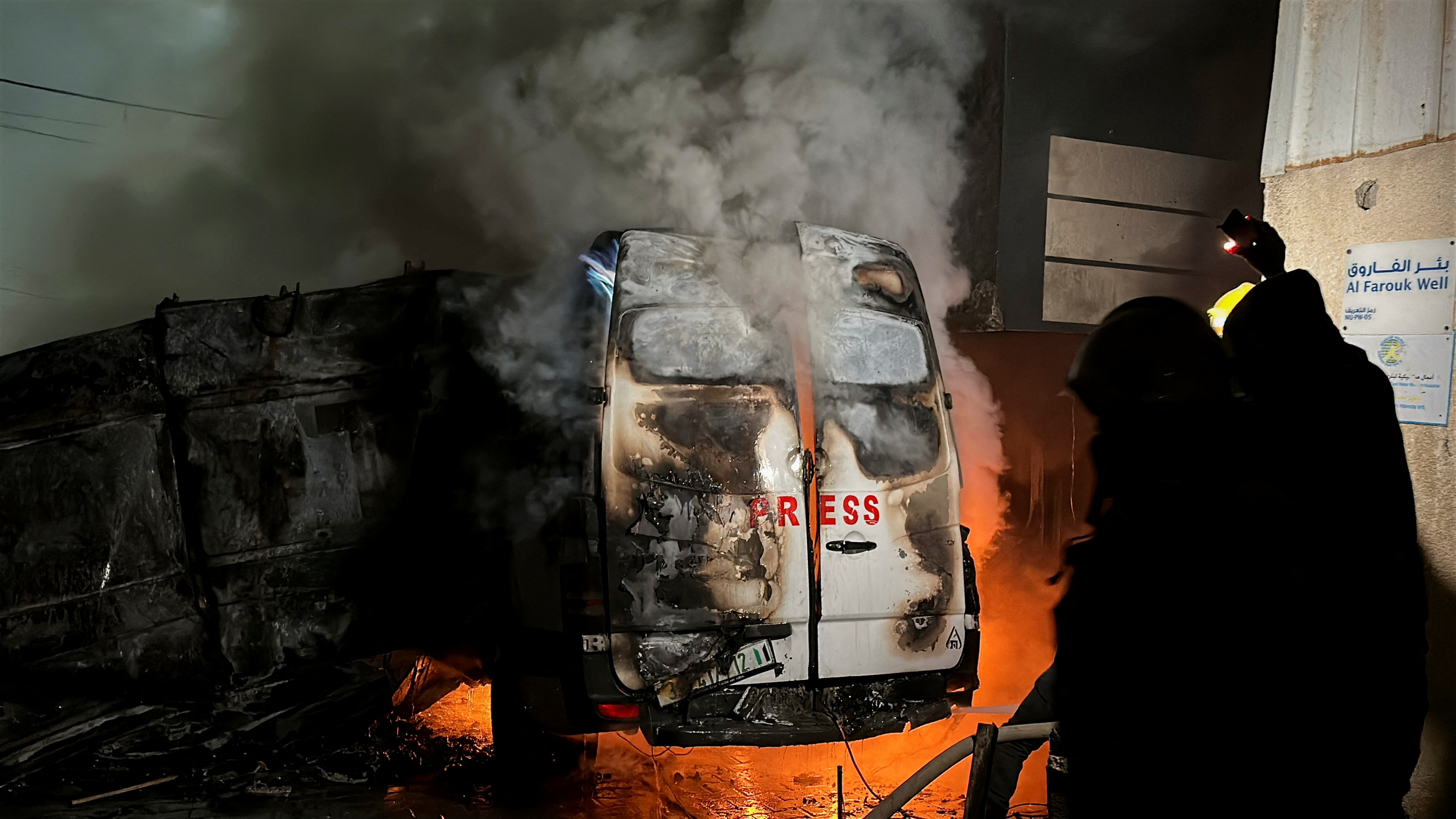
A state of psychological confusion and tension seeps into the follower as a result of exposure to conflicting emotional charges. Negative news causes stress and anxiety that may lead a person to depression, perhaps even obsessive-compulsive disorder, and a spiral of dark emotions. This is because the audience no longer merely follows the event; it lives through human stories and may experience the feelings of their protagonists and victims while watching news videos of the final minutes in a person’s life before drowning or suicide, moments of a plane crashing or a train colliding, in addition to a flood of scenes of martyrs, the wounded, and the bereaved.
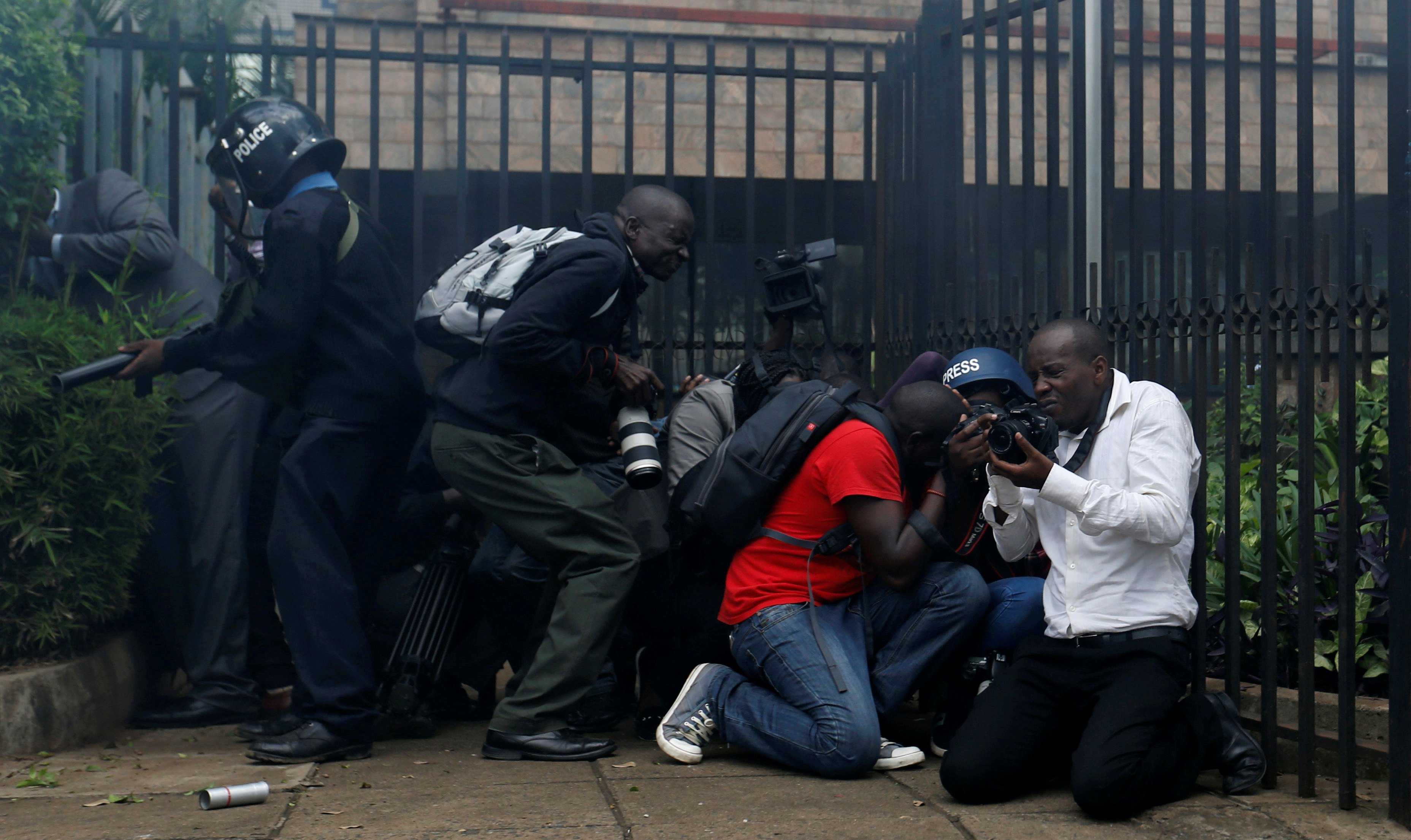
Several studies indicate that following violent events affects the audience’s mental health, creates intense emotional responses and a distorted view of the world, and increases anxiety because it makes the world appear more hostile and full of crime. Anxiety causes sleep disorders, difficulties with concentration, and depression. It may be important to cite Marshall McLuhan’s theory of the small village in the context of many crises the world has known in recent years, such as the Russian-Ukrainian war, which cast its shadow over wheat prices and some products around the world. The global market was also affected, and branches of famous transnational companies such as Starbucks, McDonald’s, KFC, and Coca-Cola were affected by boycotts because of the war on Gaza.
For this reason, the psychological burden on the follower has increased as a result of following a great deal of news that may not be directly connected to them. Have we come to know more than we should?
For example, social media companies are reserved about providing clear information on how algorithms work on their platforms for several reasons, foremost among them pushing content producers to pay sums of money so that their posts reach users and increase engagement. The prevailing political climate also restricts media content according to its biases. X, formerly Twitter, acknowledged in 2021 that its algorithms were biased towards right-wing politicians. In January 2025, Mark Zuckerberg acknowledged that Meta had placed restrictions on content and expressed his plan to ease them in the future. Despite the absence of precise information about how social media algorithms work, daily observation of the flow of content on platforms indicates that the posts and videos that receive the most engagement are given priority on users’ main page, or timeline.
In this way, the online space makes it easy to obtain information and allows news and content to flow in real time. But this blessing sometimes turns into a curse amid the chaos of publishing misleading news, videos, and images, whether deliberately or unintentionally. The mixing of good content with poor content may create a state of doubt among some recipients about news on the internet, and therefore misleading news has restored reliance on mainstream media among sections of the audience.
There is no definitive advice for confronting this phenomenon. However, “for every action, there is an equal and opposite reaction”; this is one of the laws of physics, but it sometimes applies to news amid overconsumption and technology addiction. Advice has emerged on reducing excessive follow-up, protecting oneself from painful news, and ways to recover psychologically from the negative effects of social media in what has come to be called “dopamine fasting”.
I believe that the phenomenon of news avoidance is not limited to an attempt to escape the frustration and negative energy broadcast by sad or horrifying news alone. It is also connected to other factors such as addiction to technology and the internet, and the spread of awareness of the need to manage the time spent using phones and browsing the internet, combat distraction, and avoid wasting time. Journalists must take into account the negative psychological effects of the pressure of tragic news on recipients. One possible solution is to balance coverage between tragic events and “positive” stories and to send some hope into people’s souls amid the flood of negative news. By good news, I do not mean bypassing news value or rearranging the agenda inside newsrooms. It is true that events impose themselves on journalists’ agendas, and news values guide the process of selecting news, but social responsibility requires the journalist to search for content that the audience also needs and not to be satisfied only with viral videos and momentary events. Rather, there must be digging for topics that matter to the audience, inspire it, and develop its life: success stories, community news, human angles in daily coverage, and news that sheds light on new opportunities in different areas of life such as work, the economy, travel, combating diseases, and the approaching end of disasters and wars. It is also necessary to review editorial news policy from time to time in terms of selecting topics and the way stories are produced and published, while taking psychologically vulnerable followers into account, through the following criteria:
● Placing a warning at the beginning of videos that contain harsh scenes, not overusing such scenes, and concealing injured body parts and blood.
● Selecting news stories with social responsibility and not always being swept along by the “trend”.
● Using the daily “Stories” feature for news that should not live long on the main page or timeline.
● Holding editorial meetings to discuss content and search for an appropriate plan that preserves the reader’s attention, addresses their interests, and offers them benefit and added value.
Media literacy is an important step towards raising public awareness of the danger posed by the spread of misleading news, how to sort news, how to manage the time spent using media, how to avoid reaching a state of news fatigue, how to guide children and adolescents in dealing with news online, how to regulate the time spent using smartphones, and how to choose credible platforms.
Media literacy is an important step towards raising public awareness of the danger posed by the spread of misleading news, how to sort news, how to manage the time spent using media, how to avoid reaching a state of news fatigue, how to guide children and adolescents in dealing with news online, how to regulate the time spent using smartphones, and how to choose credible platforms.
Customising Content and Issuing a Lighter News Version
The applications of some news outlets allow content to be customised for the reader in a way that meets their interests, such as the Nabd application, for example. Some news websites also issue lighter news versions containing varied news items that mainly target young audiences and adolescents. The most prominent example of this is the Egyptian newspaper Al-Masry Al-Youm, which launched the website Al-Masry Al-Youm Lite. Newspapers can also send newsletters periodically in a way that suits their audience, containing the topics they prefer. In this way, newspapers may succeed in regaining the audience that has fled daily news and reducing unwanted or harmful content for some followers.
I believe that every media outlet should shoulder the responsibility of “media literacy” and educate its audience about media as part of its mission and social responsibility in an open world.
This is an important step towards raising public awareness of the danger posed by the spread of misleading news, how to sort news, how to manage the time spent using media, how to avoid reaching a state of news fatigue, how to guide children and adolescents in dealing with news online, how to regulate the time spent using smartphones, and how to choose credible platforms.