Al Jazeera Journalism Review

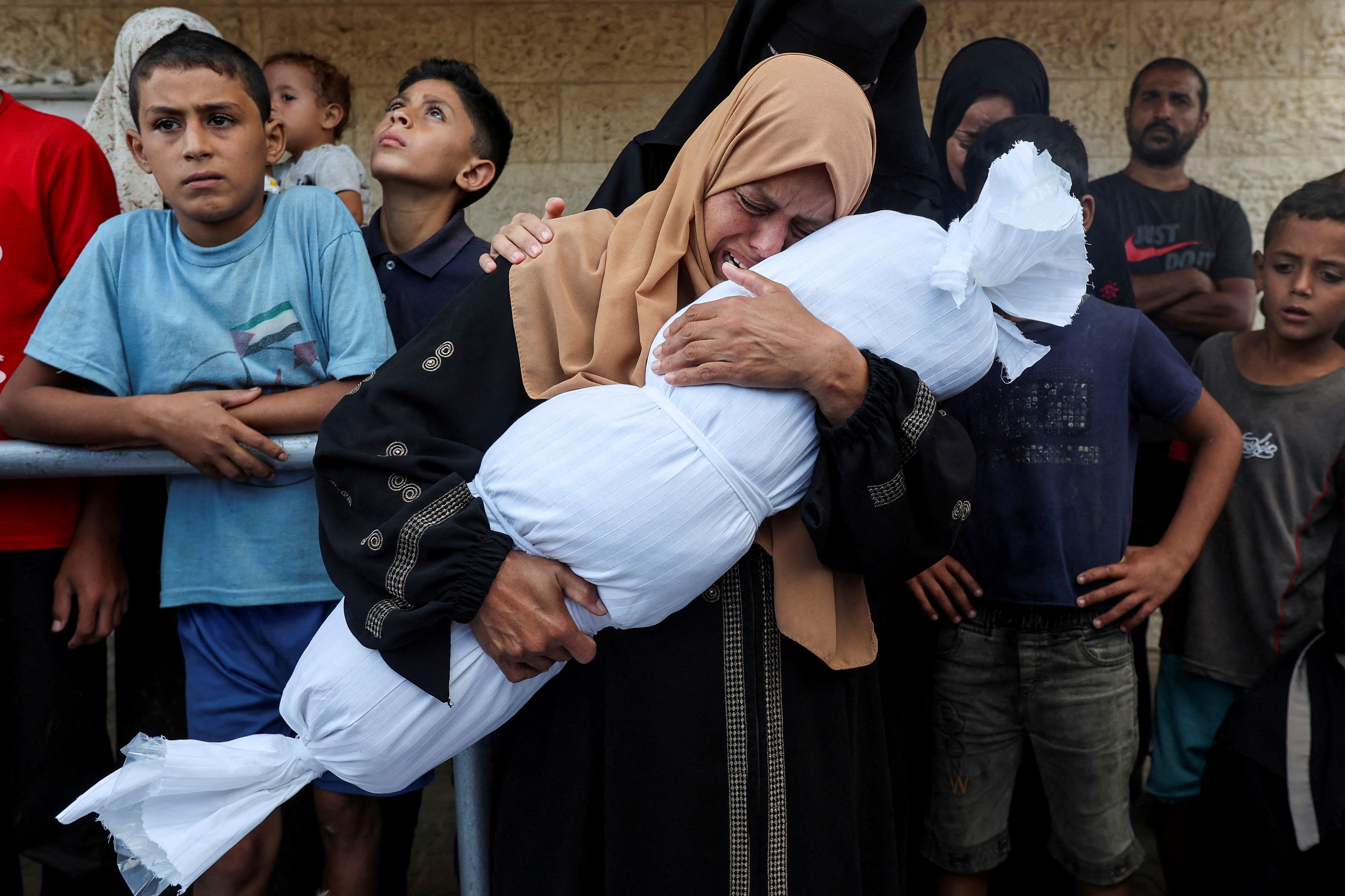
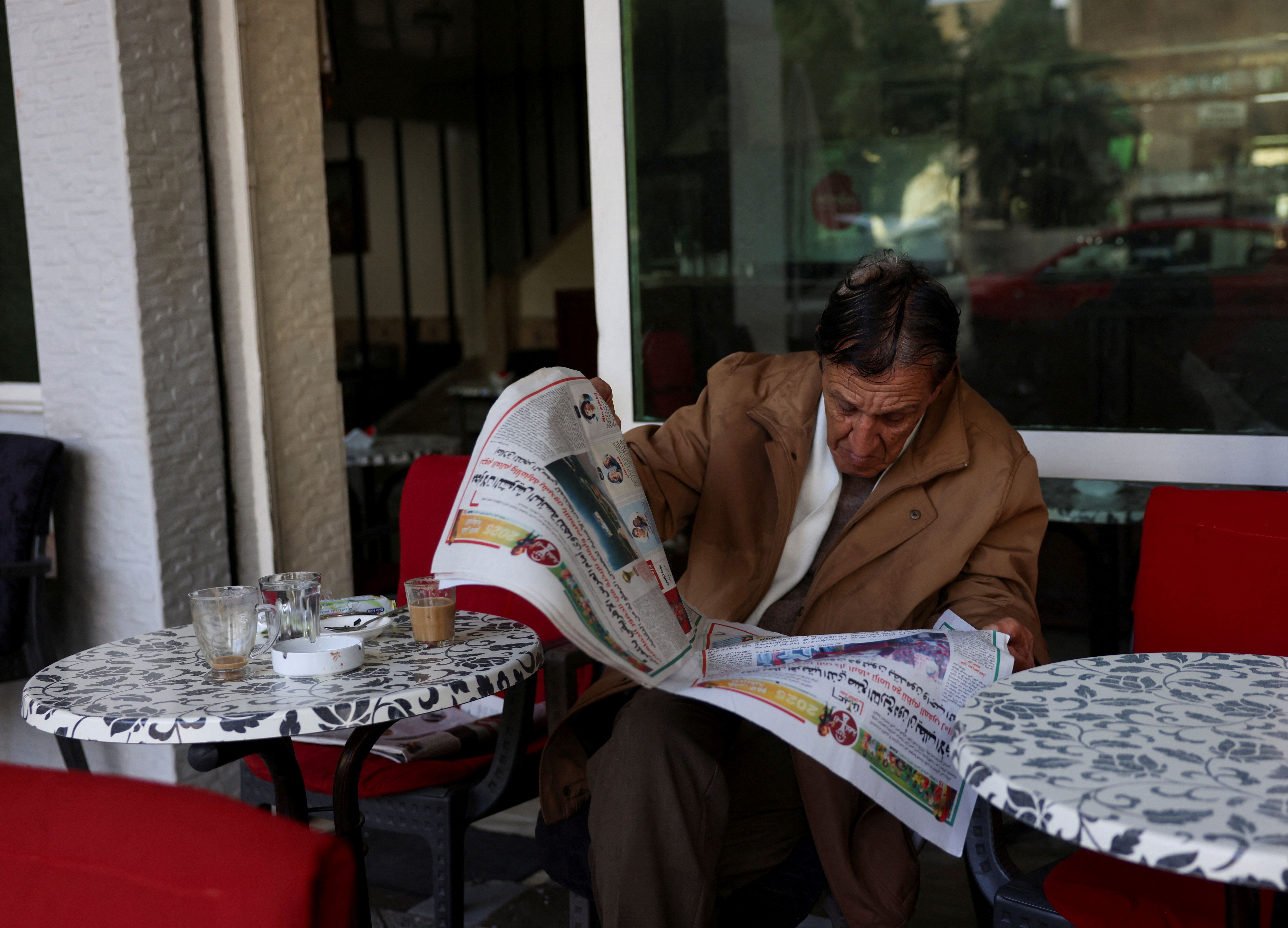
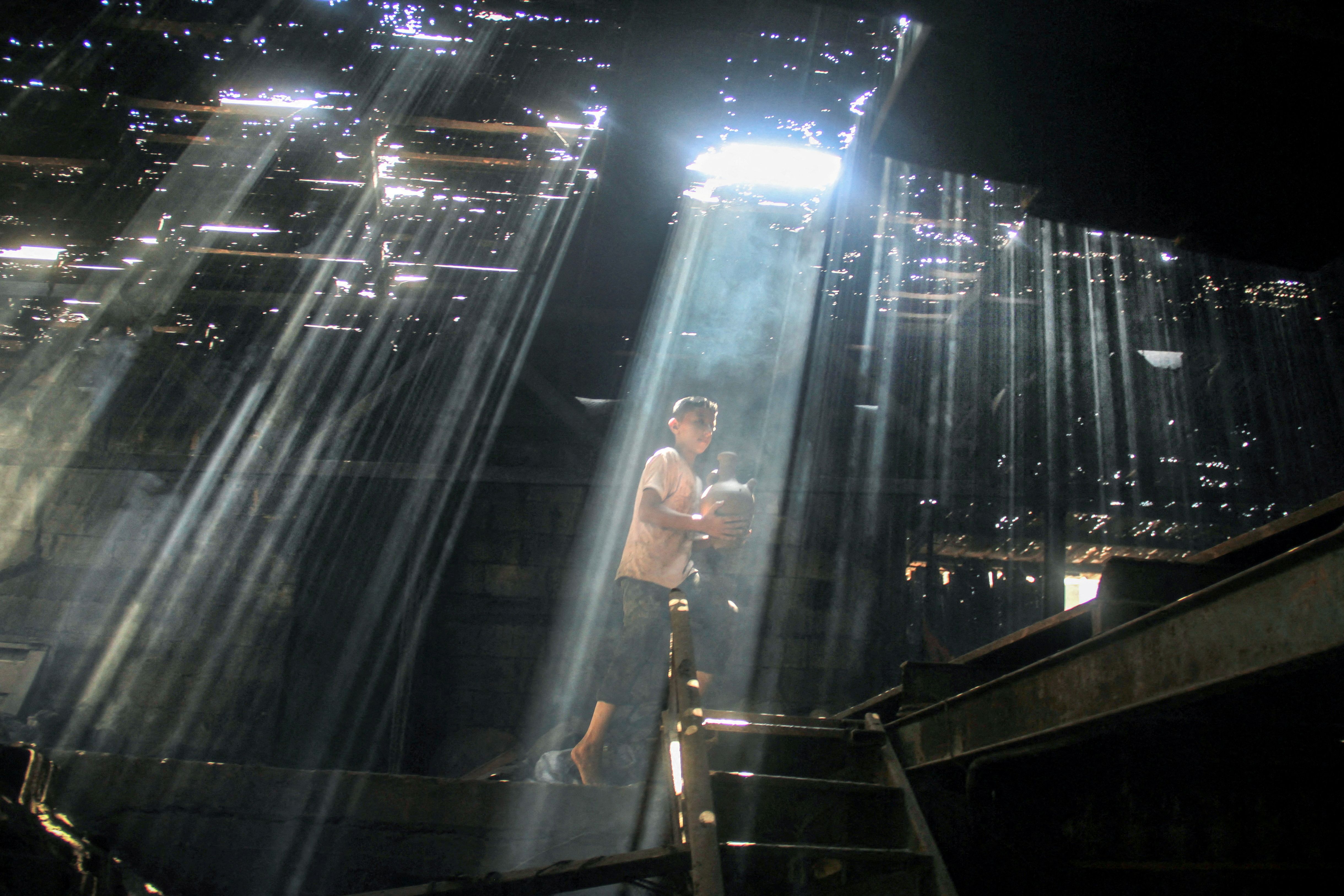
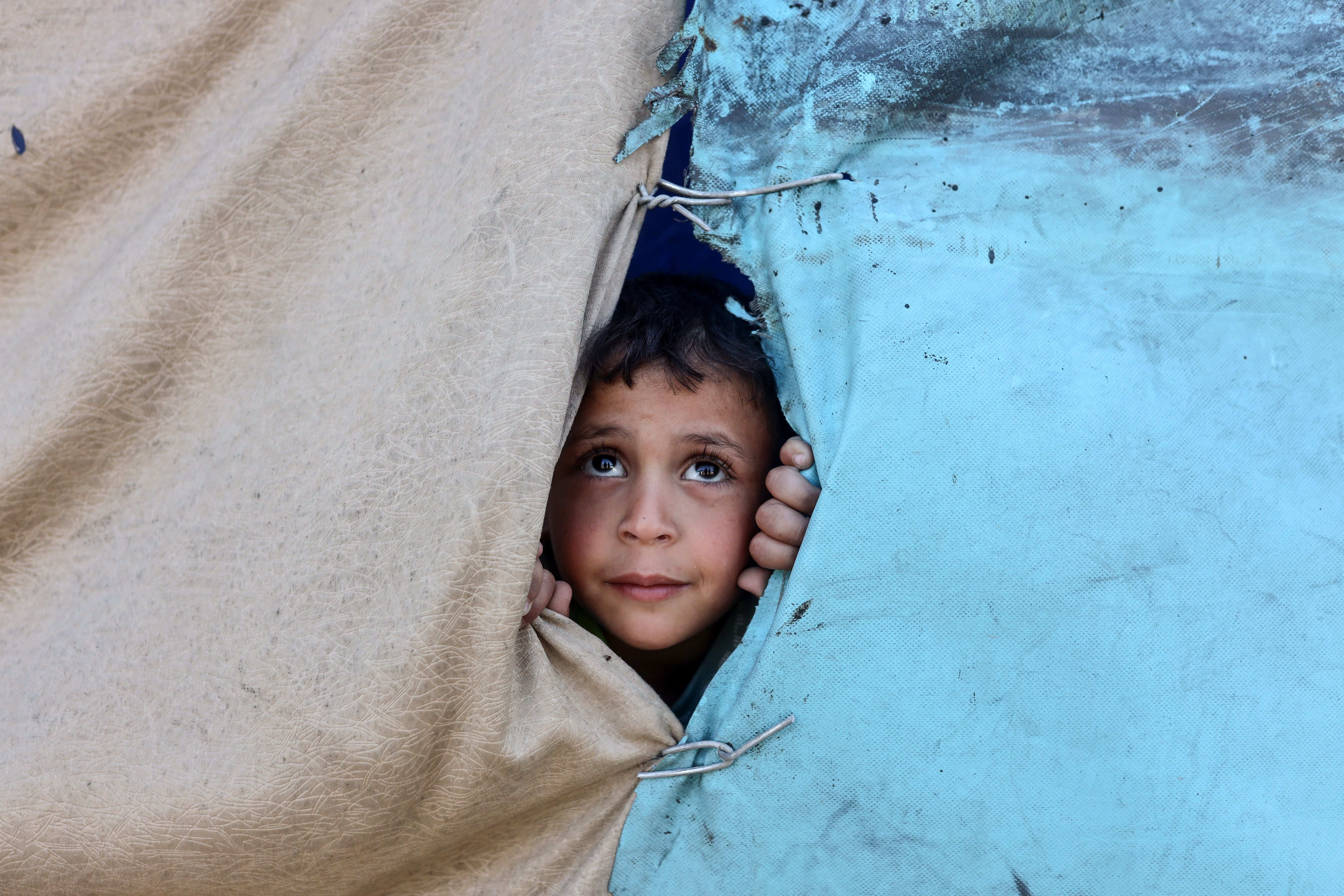
A boy looks out from a tent at a makeshift camp sheltering displaced Palestinians in the Zeitoun neighborhood of Gaza City. (Photo: Majdi Fathi. Gaza City, Palestine – Dec 2025)

Humanitarian Storytelling: Reclaiming Voice in Crisis Reporting

Humanitarian storytelling is evolving. In the age of algorithmic amplification, humanitarian organisations are not merely sharing aid updates; they work side by side with responsible media; they are providing accountability, combating harmful narratives, and demonstrating the human reality behind the crisis and news headlines.


I came into the humanitarian world already convinced of the power of unfiltered testimony. Journalism taught me that people’s voices carry weight. They are sometimes challenging to get, and mainstream media can miss them due to logistical constraints or editorial decisions.  

But after I started working in this sector, I started to see firsthand how they are driving a shift in crisis reporting. They can blend on-the-ground testimonies and solid data with mobile-first storytelling. They also complement and empower mainstream media by feeding news that reflects lived experience rather than interpretations that are made from a distance.  

Today, technology, social media, and mobiles allow humanitarian actors and the communities they serve to contribute to and directly own the narrative of crises, offering more nuanced and unique evidence-based perspectives in an unprecedented timely manner.  

This wasn’t the case before the digital era took hold; the voices of local communities and frontline humanitarian teams were not always able to be fully delivered, and the public understood humanitarian contexts largely through the lens of traditional media and international organisations. Now, humanitarian workers and citizen journalists challenge oversimplified narratives and give people affected by crises, wars, and conflicts more control over how their stories are told. 

Today, technology, social media, and mobiles allow humanitarian actors and the communities they serve to contribute to and directly own the narrative of crises, offering more nuanced and unique evidence-based perspectives in an unprecedented timely manner.  


Framing the Crisis: Direct Narratives

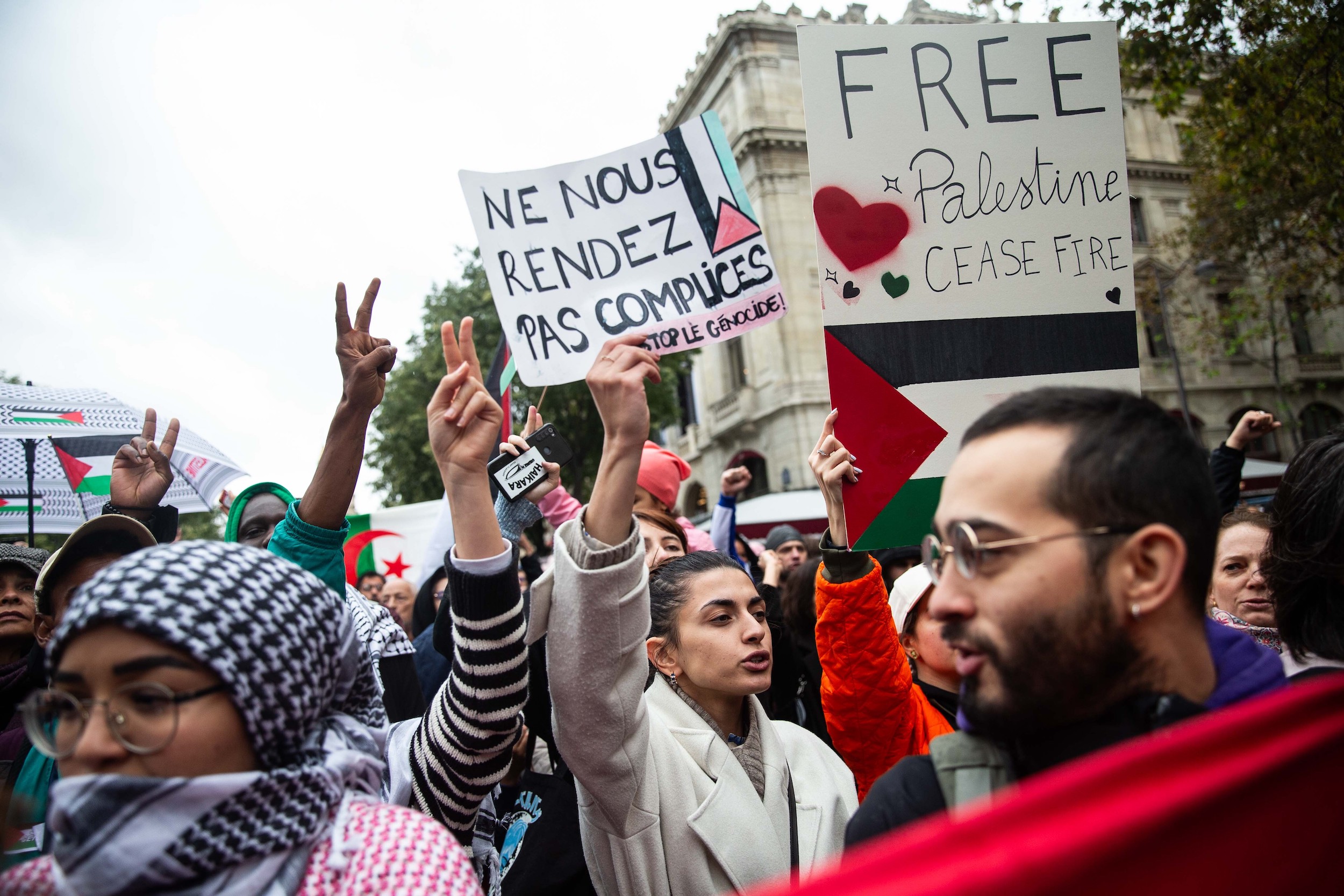
Research on patterns of media coverage shows that news outlets tend (and may sometimes still tend) to provide event-driven attention to emergencies and prioritise dramatic developments over field perspectives. Thus, one of the core functions of humanitarian storytelling is correcting misrepresentation and underreporting.  

In Gaza, for example, medical staff and healthcare NGOs have been reflecting on the realities they witness, documenting the “acute shortages of food, water, medical supplies, fuel and shelter"; briefing the UN Security Council on how “there is no health system to speak of left in Gaza” and how “Israel’s military has dismantled hospital after hospital"; or calling for the protection of the civil population. 

These efforts also highlighted blind spots of the Western mainstream media in their reporting. Media outlets reported on these actors' findings, especially that their framing came straight from the field, from their teams on the ground, and because of that proximity, the message was perceived with greater urgency, and it was often more direct and critical than some of the early mainstream coverage.  

One of the core functions of humanitarian storytelling is correcting misrepresentation and underreporting. 


The Cost of Silence & Limits on Being Vocal During Crises 

There is another distinct value that humanitarian organisations' communications offer; they can report on developments, especially when warning signs demand urgent intervention, and they are able to frame failures as events that could be prevented, not just discovered.  

In several historical events, reports relied heavily on UN briefings and diplomatic statements. Information reached the public in fragments and often in delayed pieces of news after decisive moments had already passed. That physical and political distance deeply influenced how the story was constructed and understood at the time.  

Another example is the international media coverage of the Rohingya crisis, which concentrated more on moments of violence, such as aerial images of the burnt villages and mass refugee flows. There was no clear focus or sustained attention on the decades-long structural discrimination and persecution that were integral to the crisis. However, the UN Fact-Finding Mission on Myanmar, for example, documented these, particularly in the years leading up to and following the 2017 mass exodus.  

However, such documentations came late at times or made little noise to create a real-time impact. Thus, this transition toward field-driven humanitarian narratives also shows a persistent challenge: even when humanitarian actors speak out, their voices do not always break through promptly.  

Moreover, balancing the ethical imperative to speak out against immediate operational needs is a challenge. It’s important to acknowledge such a critical tension in delivering humanitarian storytelling.  

These could include risks of suspending operations, expulsion, threats to security, and jeopardizing access to vulnerable populations, depending on the organisation’s type and mandate. 

The most impactful interventions came later when calls for investigations and accountability gained real visibility, which was only after the massacre had occurred. By then, humanitarian testimony contributed more to a process of “retrospective reckoning” rather than shaping real-time narratives that framed violence as unavoidable.  

But what shows the level of influence of humanitarian communications is when their testimonies become embedded in the historical record and continued media discourse over time.  


Mobile and Digital Storytelling: New Tools for Authentic Voices  

When we are working with our field staff colleagues in different countries around the world, we try to encourage the use of smartphones to document what’s happening on the ground because we understand that the emergence of mobile communications will help narratives move from being intermediary-driven to direct, community-informed narratives. This is a strategy we are adopting to convey raw and immediate perspectives from the field.  

Mobile communications approaches are allowing our humanitarian field teams to share firsthand experiences in real time. They bear witness and document attacks, acute situations, and infrastructure damage, contributing to feeding social media platforms and mainstream media with community-informed storytelling. 

This type of content brings human suffering and resilience directly to audiences and helps counter narratives that may underestimate the severity or scale of crises.  

The value of such direct communication is becoming increasingly clear in today’s media landscape, particularly as young audiences consume news through social media more than other channels. At a December 2025 summit hosted by Israel Hayom, Hillary Clinton noted that “smart, well-educated young people” rely heavily on social media for news about Palestine and Gaza, often receiving unfiltered video content that shapes perceptions outside traditional journalism channels.  

They bear witness and document attacks, acute situations, and infrastructure damage, contributing to feeding social media platforms and mainstream media with community-informed storytelling. 

Similarly, former Obama speechwriter Sarah Hurwitz said that the visual content of conflict saturates social media feeds, making it challenging for conventional messengers to contextualise crises for younger audiences, which, according to her perspective, is an issue. While their remarks were met with heavy public criticism, they underscore the impact of mobile and social media powers and also the opportunity for frontline organisations to keep harnessing these platforms for evidence-based reporting, offering clarity amid algorithm-driven feeds.  

Humanitarian storytelling is evolving. In the age of algorithmic amplification, humanitarian organisations are not merely sharing aid updates; they work side by side with responsible media; they are providing accountability, combating harmful narratives, and demonstrating the human reality behind the crisis and news headlines.


Related Articles

Journalists feel the pain, but the story of Gaza must be told  

People don’t always want to hear the historical context behind horrifying events, resorting even to censorship, but the media must be free to provide it

Aidan
Aidan White Published on: 30 Oct, 2023
A Year of Genocide and Bias: Western Media's Whitewashing of Israel's Ongoing War on Gaza

Major Western media outlets continue to prove that they are a party in the war of narratives, siding with the Israeli occupation. The article explains how these major Western media outlets are still refining their techniques of bias in favor of the occupation, even a year after the genocide in Palestine.

Mohammad Zeidan
Mohammad Zeidan Published on: 9 Oct, 2024
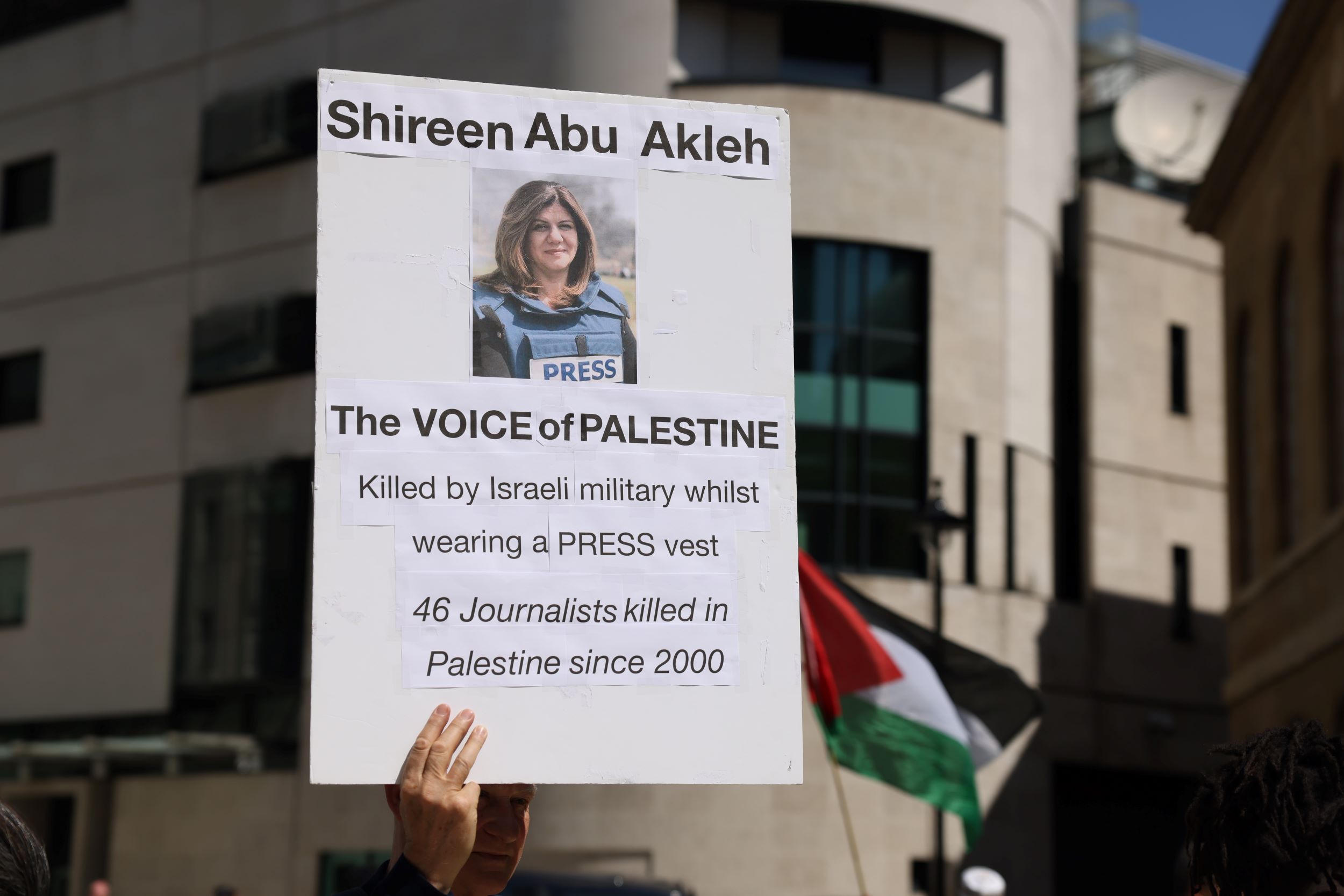
The devastating silencing of the ‘Voice of Palestine’

Al Jazeera English’s Senior Correspondent recalls the last time she saw Shireen Abu Akleh and what it has been like to cover the investigations into her killing by Israeli forces

Natasha Ghoneim
Natasha Ghoneim Published on: 21 Sep, 2022
How are cell phones changing the face of journalism?

In this new era of narratives, whoever can tell stories better will come out on top.

A picture of the author, Faten Jebai.
Faten Jebai Published on: 28 Feb, 2021
‘Focus on the story, not the storyteller’ - the dilemma of a diaspora journalist

When reporting on their homelands, diaspora journalists walk a fine line between emotional connection and objective storytelling

Anam Hussain
Anam Hussain Published on: 4 Sep, 2023
Why Social Media Storytelling Can Take You Closer to Your Audience

Journalists have evolved from traditional tools to digital platforms, yet storytelling remains central to their work. With the rise of social media, especially among younger audiences, news organizations face challenges in delivering concise, engaging content that competes with a myriad of online distractions.

Ethar El Katatney Published on: 2 Aug, 2021
Mastering Journalistic Storytelling: The Power of Media Practices

Narration in journalism thrives when it's grounded in fieldwork and direct engagement with the story. Its primary goal is to evoke impact and empathy, centering on the human experience. However, the Arab press has often shifted this focus, favoring office-based reporting over firsthand accounts, resulting in narratives that lack genuine substance.

AJR logo
Zainab Tarhini Published on: 7 Jan, 2025

More Articles

On the Misunderstanding Between Media and Diplomacy

The analysis of international crisis coverage reveals a clear structural gap between the immediate, simplified narratives produced by the media and the slow, complex processes of diplomacy. The tension between the two fields appears set to persist as reporters are forced to trade detailed, long-term tracking of negotiation for fast-paced, dramatic framing and the immediate demands of the attention economy.

Said Al-Azri
Said Al-Azri Published on: 28 May, 2026
How Journalists are Combating Cybertroopers 

The brutal state crackdown in Đồng Tâm highlights a intensifying withdrawal from free expression in Vietnam, heavily driven by the regime's deployment of state-backed cyberarmies like Force 47. As these digital actors systematically intimidate and mass-report critics, tech giants like Meta further compound the issue by increasingly acquiescing to government censorship requests to protect market share. This coordinated digital assault leaves a dangerous gap in the global conversation, forcing independent journalists to navigate severe online hostility and risk arbitrary imprisonment just to expose state overreach.

AJR Contributor Published on: 25 May, 2026
Journalism After the Genocide in Gaza: One War Has Ended, and Other Wars Have Begun!

The post-ceasefire reality for Gaza’s journalists reveals a challenging shift from documenting active daily bombardment to navigating an overwhelming landscape of community and structural ruin. The pressure on reporters appears set to escalate as they struggle to rebuild their own lives from absolute zero while fighting to ensure that ongoing human suffering, systemic displacement, and political marginalization are accurately documented and held to account.

Yousef Fares
Yousef Fares Published on: 17 May, 2026
US-Iran Islamabad Talks: How Journalists Report from Outside Closed Doors

The "Islamabad Talks" highlight a growing contradiction in modern diplomacy where journalists are physically present but denied direct access to negotiations. The pressure on transparency appears set to intensify as reporters are forced to trade traditional eyewitnessing for outside in investigation and geopolitical speculation.

Anam Hussain
Anam Hussain Published on: 2 May, 2026
Can Artificial Intelligence Become a Documentary Film Director?

AI opens new possibilities in documentary filmmaking, from sorting archives to speeding up production. But documentary is not built on technology alone: it depends on the director’s vision, creativity, and ability to shape meaning. Can AI, for instance, make a film like Ordinary Fascism?

Bashar Hamdan, investigative producer and documentary filmmaker at Al Jazeera Media Network
Bashar Hamdan Published on: 23 Apr, 2026
When Speaking Up Backfires: How Social Conformity Silences Journalists

While state censorship remains a reality, freedom of speech in Africa faces a rising internal threat: the community itself. This article examines how social conformity, digital echo chambers, and ingrained bias create a modern "chilling effect". This pressure forces journalists to choose between aligning with popular narratives or facing professional and social marginalisation.
Derick Matsengarwodzi
Derick Matsengarwodzi Published on: 16 Apr, 2026
Has the Global South Benefited from the Digital Transformation?

Despite the promise of digital technologies to amplify voices and expand media reach in the Global South, structural barriers, such as political repression, technological dependency, and persistent digital divides, continue to limit their impact. Real progress requires not only technological adoption but also institutional reform, stronger journalistic capacity, and independent ethical frameworks to challenge dominant Western media narratives.

Al-Shafi Abtidon
Al-Shafi Abtidon Published on: 18 Mar, 2026
Missiles Made of Words: How Western Media Narratives Shape the Iran–Israel–US Conflict

Western media coverage of the Iran–Israel–US conflict often functions as a weapon of war, using selective language that frames US and Israeli strikes as “self-defence” while depicting Iranian actions as "provocation". This linguistic framing normalises civilian casualties and helps manufacture public consent for military aggression by dehumanising certain populations.

Muqeet Mohammed Shah
Muqeet Mohammed Shah, Ifrah Khalil Kawa Published on: 14 Mar, 2026
How the Ethiopian Civil War Unleashed a Lethal Media Crackdown

There has been a widening crackdown on the media in Ethiopia since war erupted between the central government and Tigray’s regional authorities in 2020, and the pressure appears set to intensify as the country prepares for general elections in June.

Nalova Akua
Nalova Akua Published on: 9 Mar, 2026
Are Netanyahu's and Trump’s Speeches Shaping Western Media Framing?

As political speeches framed the 2026 U.S.–Israeli attack on Iran, segments of Western media echoed their language and narratives, illustrating how strategic rhetoric and news framing can shape public opinion and legitimise military action.

Shaimaa Al-Eisai
Shaimaa Al-Eisai Published on: 6 Mar, 2026
Journalism in Gaza… A Race Against the Train of Genocide

In the following account, Amira Nassar presents a narrative filled with intricate detail, intimate exchanges, and an unyielding struggle over the meaning of writing amid slaughter and starvation. Part of The Journalism Review’s documentary project recording the testimonies of journalists in Palestine and the Gaza Strip during the ongoing genocide, it stands as a testament against oblivion and the machinery of extermination.

Amira Nassar
Amira Nassar Published on: 27 Feb, 2026
Kukurigo: Revolutionising news in Zimbabwe's WhatsApp era

The emergence of Kukurigo during Zimbabwe’s 2018 elections marked a turning point for digital journalism, transforming WhatsApp from a hub for misinformation into a vital platform for verified news. By leveraging the app’s low data costs, this grassroots initiative bridged the information gap for under-resourced communities, establishing a new model for media credibility and public service within an unstable political landscape.

Enock Muchinjo
Enock Muchinjo Published on: 19 Feb, 2026
The Epstein Files and the Art of Drowning the Truth

The mass release of millions of files related to Jeffrey Epstein serves as a metaphor for a wider crisis of the digital age: an overabundance of information that obscures rather than illuminates the truth. In an era where data floods replace traditional censorship, citizens risk becoming less informed, underscoring the vital role of professional journalism in filtering noise into meaningful knowledge.

Ilya إيليا توبر 
Ilya U Topper Published on: 12 Feb, 2026
Reporting the Spectacle: Myanmar’s Manufactured Elections

Myanmar’s recent elections posed a profound challenge for journalists, who were forced to navigate between exposing a sham process and inadvertently legitimising it. With media repression intensifying, reporting became an act of resistance against the junta’s effort to control information and silence independent voices.

Annie Zaman
Annie Zaman Published on: 7 Feb, 2026
Public Hostility Toward Legacy Media in Bangladesh

The December 2025 arson attacks on Prothom Alo and The Daily Star marked a turning point for journalism in Bangladesh. As public anger replaces state control as the primary threat, reporters are reassessing personal safety, editorial judgement, and professional credibility in a political transition where journalism itself is increasingly treated as an enemy.

Arsalan Bukhari, an independent journalist based in India
Arsalan Bukhari Published on: 4 Feb, 2026
Migration Issues and the Framing Dilemma in Western Media

How does the Western press shape the migration narrative? Which journalistic frames dominate its coverage? And is reporting on anti-immigration protests neutral or ideologically charged? This analysis examines how segments of Western media echo far-right rhetoric, reinforcing xenophobic discourse through selective framing, language, and imagery.

Salma Saqr
Salma Saqr Published on: 31 Jan, 2026
From News Reporting to Documentation: Practical Lessons from Covering the War on Gaza

From the very first moment of the genocidal war waged by Israel on Gaza, Al Jazeera correspondent Hisham Zaqout has been a witness to hunger, devastation, war crimes, and the assassination of his colleagues in the field. It is a battle for survival and documentation, one that goes beyond mere coverage and daily reporting.

Hisham Zakkout Published on: 26 Jan, 2026
Investigating the Assassination of My Own Father

As a journalist, reporting on the murder of my father meant answering questions about my own position as an objective observer.

Diana López Zuleta
Diana López Zuleta Published on: 16 Jan, 2026
What Image of Gaza Will the World Remember?

Will the story of Gaza be reduced to official statements that categorise the Palestinian as a "threat"? Or to images of the victims that flood the digital space? And how can the media be transformed into a tool for reinforcing collective memory and the struggle over narratives?

Hassan Obeid
Hasan Obaid Published on: 13 Jan, 2026
Bridging the AI Divide in Arab Newsrooms

AI is reshaping Arab journalism in ways that entrench power rather than distribute it, as under-resourced MENA newsrooms are pushed deeper into dependency and marginalisation, while wealthy, tech-aligned media actors consolidate narrative control through infrastructure they alone can afford and govern.

Sara Ait Khorsa
Sara Ait Khorsa Published on: 10 Jan, 2026
Generative AI in Journalism and Journalism Education: Promise, Peril, and the Global North–South Divide

Generative AI is transforming journalism and journalism education, but this article shows that its benefits are unevenly distributed, often reinforcing Global North–South inequalities while simultaneously boosting efficiency, undermining critical thinking, and deepening precarity in newsrooms and classrooms.

Carolyne Lunga
Carolyne Lunga Published on: 2 Jan, 2026
Intifada 2.0: Palestinian Digital Journalism from Uprising to Genocide

From underground newsletters during the Intifadas to livestreams from Gaza, Palestinian journalism has evolved into a decentralised digital practice of witnessing under occupation. This article examines how citizen journalists, fixers and freelancers have not only filled gaps left by international media, but fundamentally transformed how Palestine is reported, remembered and understood.
Zina Q.
Zina Q. Published on: 24 Dec, 2025
How Can Journalism Make the Climate Crisis a People’s Issue?

Between the import of Western concepts and terminology that often fail to reflect the Arab context, and the denial of the climate crisis, or the inability to communicate it in clear, accessible terms, journalism plays a vital role in informing the public and revealing how climate change directly affects the fabric of daily life in the Arab world.

Bana Salama
Bana Salama Published on: 19 Dec, 2025
Inside Vietnam’s Disinformation Machine and the Journalists Exposing It from Exile

Vietnam’s tightly controlled media environment relies on narrative distortion, selective omission, and propaganda to manage politically sensitive news. Exiled journalists and overseas outlets have become essential in exposing these practices, documenting forced confessions and smear campaigns, and preserving access to information that would otherwise remain hidden.

AJR Contributor Published on: 15 Dec, 2025