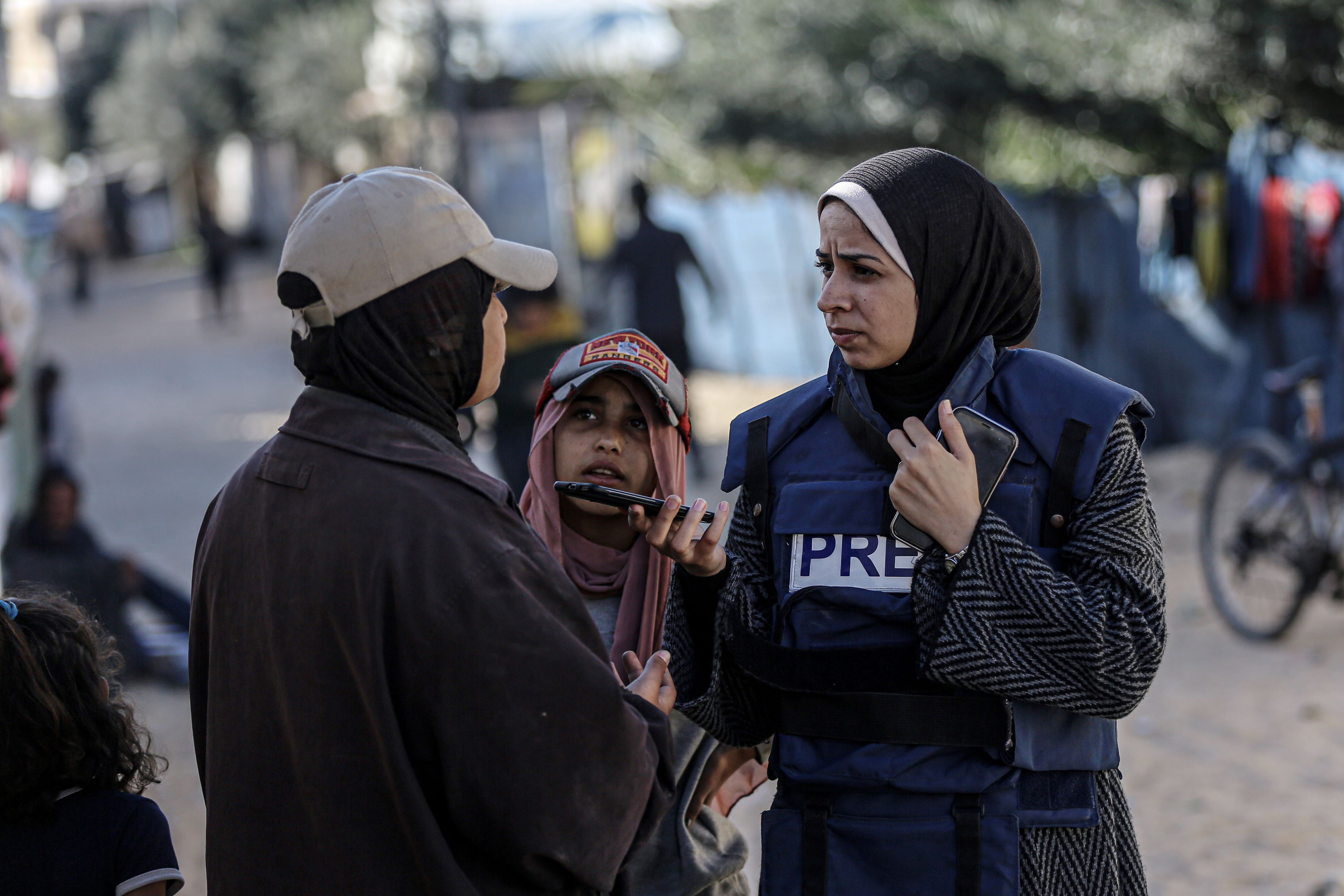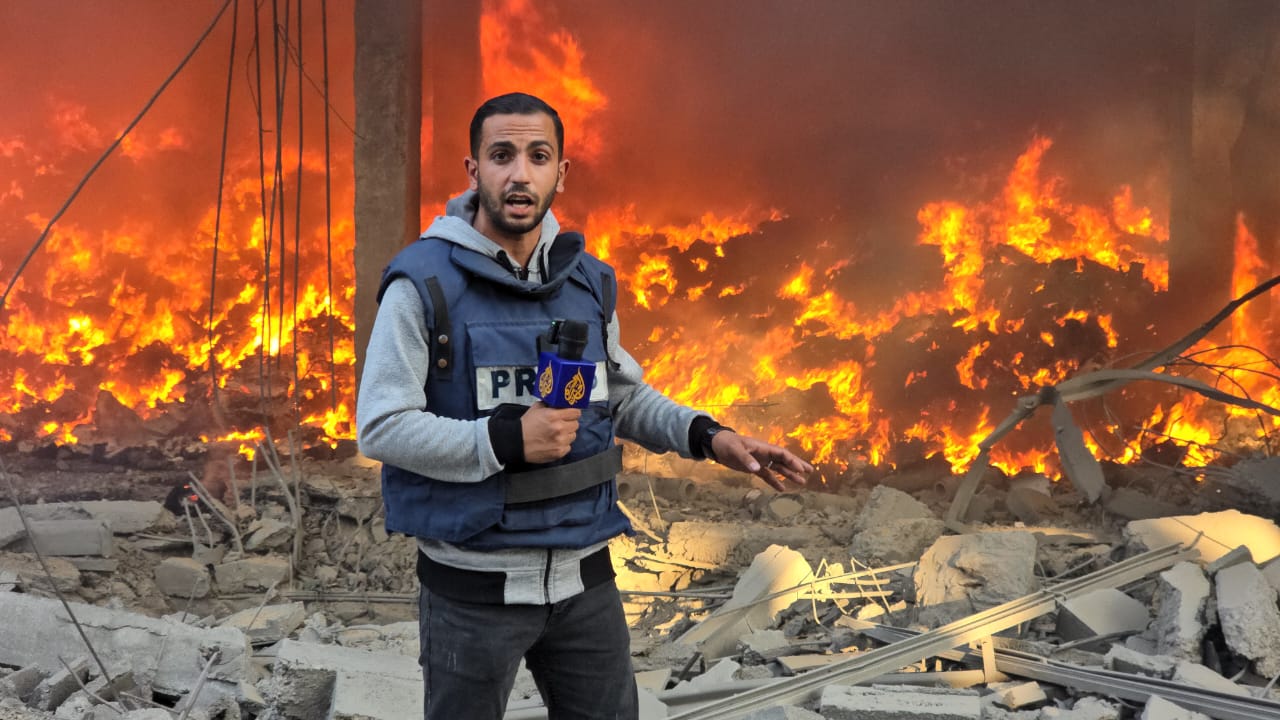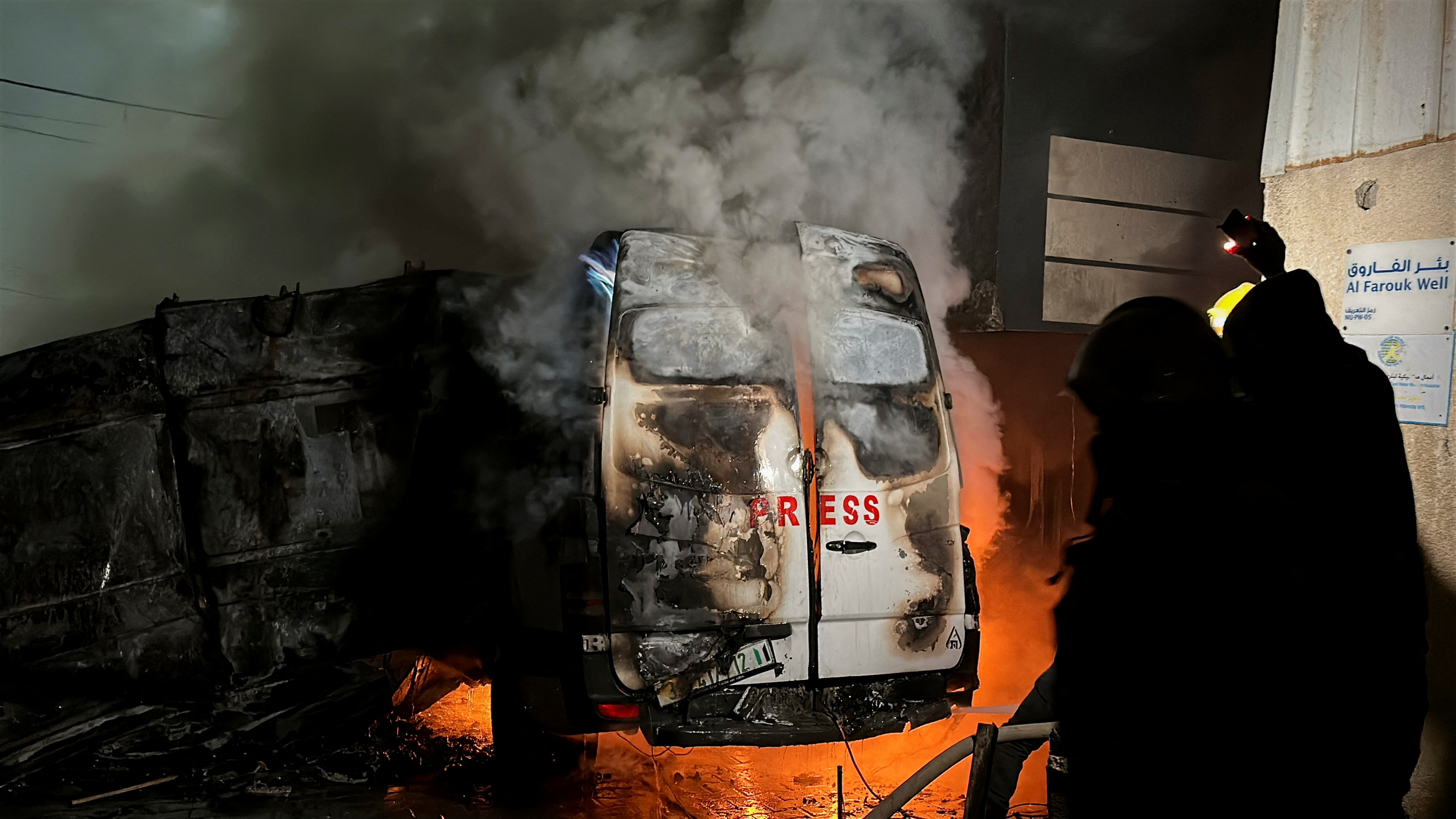
Beyond the frontline dangers, reporting during the Israeli war involves enduring arrest, torture, systematic incitement, and assassination. This reality forces journalists into a relentless struggle to keep reporting from the depths of mass displacement, starvation, and a complete breakdown of daily infrastructure.
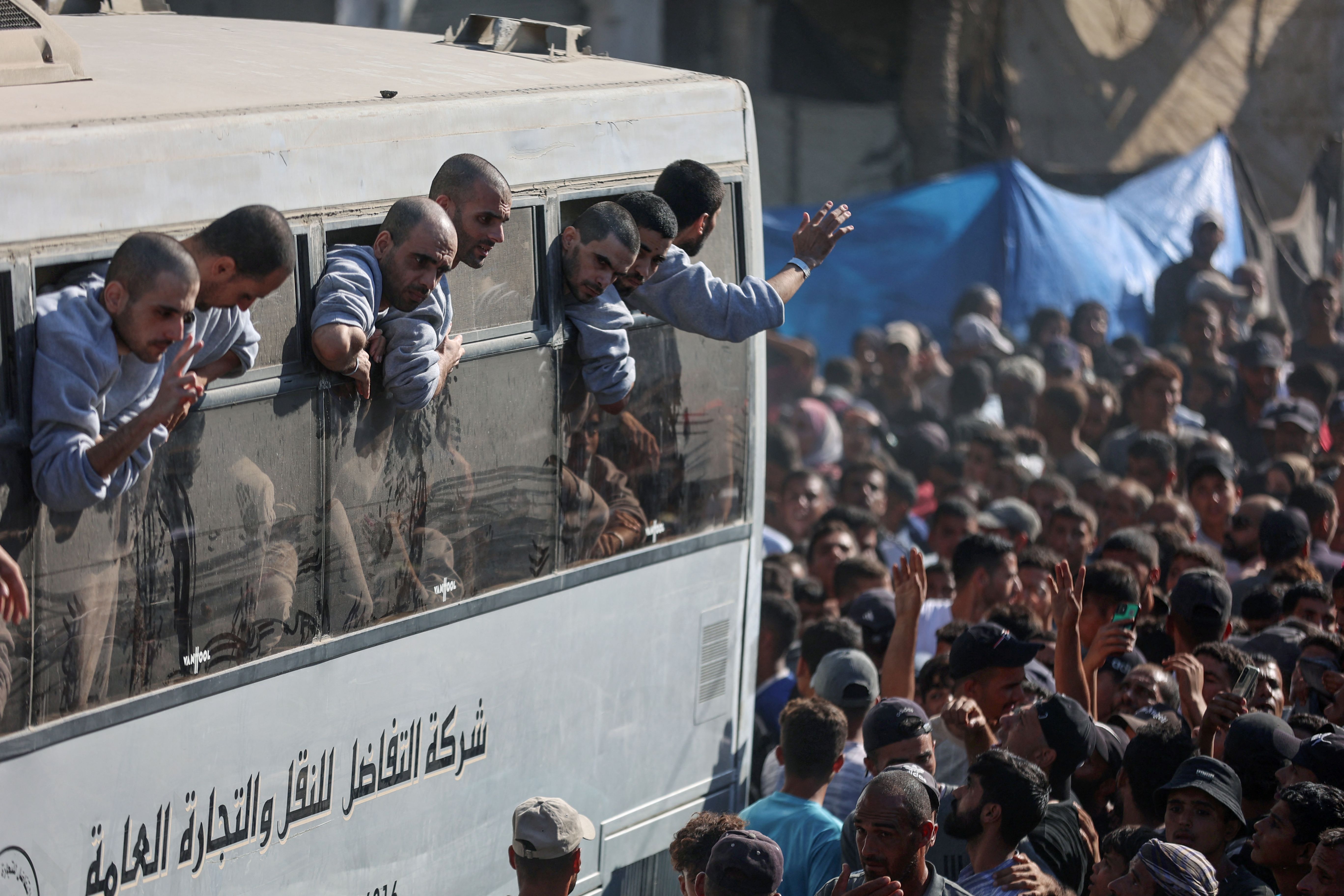
In one interrogation centre, an Israeli intelligence officer stripped a Palestinian journalist of his clothes and threw him into a desolate cell. Questions were not the only tools of interrogation; there was also a thread the interrogator wrapped around his testicles, pulling it tighter whenever the answer failed to convince him. As the body collapsed from pain and strength gave way under torture, his head was pushed towards a rubbish bin until he lost consciousness, in a deliberate humiliation of human dignity.
The journalist remained inside the cells in an atmosphere of psychological intimidation and fear for almost a year before the occupation decided to release him. He emerged from prison carrying harsh scenes of torture that could not be forgotten and many warnings in his memory for journalists whom Israeli intelligence officers repeatedly threatened with death. (1)
Since then, anxiety has dominated the lives of journalists in Gaza, especially those who have been subjected to waves of Israeli incitement and whose names were repeated in interrogation rooms. They have become targets for killing, yet they insist on completing the narrative they began on 7 October 2023, despite the bitterness of its details.
Before Death
At the heart of the newsroom, where the story began every morning, we, the editorial team, would gather to discuss the work plan. Our interests ranged from major national issues, including the occupation’s violations in Jerusalem, the suffering of prisoners, and land confiscation, to matters that touched Palestinians’ daily lives: economic restrictions and pursuits that affected their livelihoods. We also always allocated space to follow up on citizens’ concerns and demands.
The truth is that we did not overlook the fact that Gaza was living on a volcano, a place that does not know calm for long. Confrontations would soon flare up and enter a spiral of escalation that paralysed the movement of work; at that point, we would raise the level of alert and activate emergency plans. What had not been anticipated, however, was that events would turn into something resembling total annihilation, where nothing survives the killing machine that works without stopping. Suddenly, you find yourself in an internal struggle between saving your life and continuing to perform your journalistic mission amid bleak conditions in which the circles of death expand and the remains of women and children are scattered around you.
In the first days of the war, the newsroom routine evaporated. Israeli warplanes had struck communications and internet networks, cutting off contact between work teams. Every journalist became a witness to the tragedy and a documenter of it, but without any real ability to convey their message, which often remained trapped on the phone, waiting for the network to return.
I remember well, about a month after the start of the aggression, that I was forced to walk more than five kilometres in search of an internet connection point so that I could continue work and coordinate with the team. My destination was the Indonesian Hospital in the northern Gaza Strip. I was not psychologically prepared to endure what I saw there: the hospital was packed with the bodies of martyrs and dozens of wounded people breathing their last. Some were lying on the floor in the reception department, waiting for the operating theatre to become available in the hope that they might be saved. Blood covered the floor, groans filled the place, and exhausted bodies unable to move tried to hold onto you as you passed among them, in a scene that stripped you of balance, a scene you could not have imagined living through even in your worst nightmares.
I remember one day when I went out on a journalistic assignment without having eaten since the previous day, no breakfast and nothing to stave off hunger. Everything had run out, even flour and canned food. I was extremely exhausted from hunger, but I did not have the luxury of choice, because securing food for my children was more important than anything else at that moment. The assignment was not completed; I soon lost consciousness and collapsed in the middle of the street because of a sharp drop in blood pressure caused by malnutrition.
I remember one day when I went out on a journalistic assignment without having eaten since the previous day, no breakfast and nothing to stave off hunger. Everything had run out, even flour and canned food. I was extremely exhausted from hunger, but I did not have the luxury of choice, because securing food for my children was more important than anything else at that moment. The assignment was not completed; I soon lost consciousness and collapsed in the middle of the street because of a sharp drop in blood pressure caused by malnutrition.
Remote Coverage
During the harsh days of displacement, journalistic work becomes an arduous task, even though the surrounding events seem as though they are writing themselves. But the misery of reality scatters the mind and makes conveying the true picture a doubled challenge amid danger surrounding you from every side.
In conditions of displacement that Gazans describe as “hell”, priorities change and responsibilities multiply. They begin with the search for a “safe” shelter for the family, securing the minimum necessities of life, mattresses, blankets, and the means of survival; then a daily battle to obtain drinking water with difficulty; and the exhausting search for wood to light fires, amid the absence of gas, in order to cook a meal that does no more than keep hunger at bay.
In early May 2024, the occupation’s vehicles invaded Jabalia camp in the northern Gaza Strip for the second time since the start of the war, forcing all its residents into compulsory displacement. This relatively small camp, no more than 1.4 square kilometres in area, is home to more than 120,000 refugees, and it suddenly became devoid of life and lenses.
Journalists left the area under bombardment, aware that the occupation sought to commit its crimes in the shadows, but they decided not to disappear. They continued coverage remotely, relying on their precise knowledge of the details of the camp and the alleyways in which they had grown up.
From the western area of northern Gaza, where parts of the camp under occupation control could be seen, I followed for 21 days a series of explosions after which columns of black smoke rose. Thanks to my geographical knowledge of its residential blocks, I prepared news reports that included analysis of the occupying forces’ deployment and warnings about areas that had become imminently dangerous.
Displaced people were desperately searching for any news that could explain what was happening there, and they longed to know the fate of the homes they had been forced to leave. Remote coverage came to fill part of this vacuum and convey to them a picture closer to reality, after spreading widely across news platforms and thereby breaking through the attempts at prohibition and blackout intended by the occupation.
Messages Written in Blood
The journalists of Gaza wrote their messages in their blood, and a number of them, before their martyrdom, documented the crimes of their own assassination through their camera lenses, before their souls were extinguished under a barrage of missiles that tore through their bodies.
Ten minutes before three in the afternoon, colleague and journalist Mohamed al-Talmas was about to finish his shift in news monitoring. He asked the newsroom for permission to disconnect from coverage because the danger around him in the field had worsened. Only twenty minutes passed after his final message before urgent news reached the newsroom that al-Talmas had been wounded after an Israeli drone targeted a group of citizens in Gaza City.
Colleagues stood stunned, some believing the news and others doubting it. A number of them moved towards the hospital to learn the details of the incident, where it was confirmed that al-Talmas had suffered a serious head injury and another injury from shrapnel that tore through his intestines. The night had not passed before medical teams announced that he had died from his wounds, and the burial rites were carried out quickly and in haste, without an opportunity for farewell.
Journalist al-Talmas departed after his final message, as though martyrs sense the nearness of their appointed time and remain carrying their message until the last moment. His request to disconnect was like a veiled farewell, a forced pause from coverage.
This happened only a few days before the ceasefire came into effect last January, a ceasefire he had long awaited so he could meet his wife and four children, whom he had not seen for more than a year after they were forced to flee to the south of the Strip. Losing a colleague at work is not merely a piece of news or a passing farewell, but a shock that shakes his companions who continue the coverage.
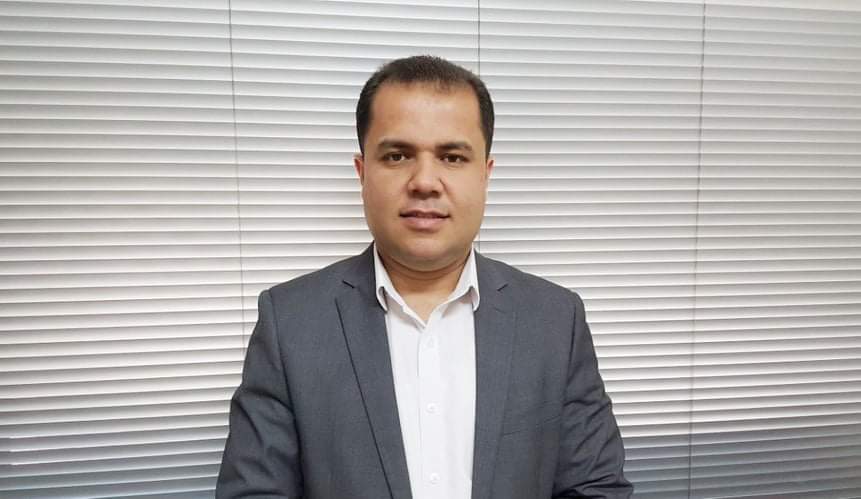
At sunset on one of the days of the war, I received a message stating that colleague Akram al-Shafi’i had been wounded by a fatal bullet to the abdomen while trying to return to his home before the end of the first month of the war. Movement was difficult amid the intensifying raids on Gaza, so I had to wait until morning. I then walked nearly ten kilometres from Jabalia camp to the Al-Shifa Medical Complex, where the occupation forces were attempting to storm it.
After a long search through operating rooms and intensive care units crowded with serious injuries, doctors had been forced to place patients on the floor. I finally managed to reach colleague Al-Shafi'i, who held onto my hand as though searching for a lifeline.
That was our final meeting. The doctors told me that his condition had passed the danger stage, but that he needed a long time to recover. Yet the occupation did not grant him the chance. It stormed the hospital and forced him to move to the southern Strip, where his health deteriorated and he passed away without our being able to bid him farewell.
Akram’s life closed after a career of twenty years in journalism and after two months of injury during which he was unable to write the harsh details between life and death, although he had documented dozens of the stories of death that had descended over Gaza.
You stand helpless, your hands tied, and find yourself having left your role as a journalist observing the event, to become part of the news itself, a story that must be told and documented, because it is one of those stories written in tears, and sometimes in blood.
You stand helpless, your hands tied, and find yourself having left your role as a journalist observing the event, to become part of the news itself, a story that must be told and documented, because it is one of those stories written in tears, and sometimes in blood.
What If I Were an Animal?
At some point, you feel that your voice has become useless, that practising the profession has become without impact, and that what you write will change nothing. And yet, you must keep the pen in your hand and cry out at the top of your voice, perhaps your words will find their way to some ear, so long as life has not yet fallen silent.
In Gaza, as famine worsened, the hungry began to fall one after another. In a parallel scene, cats and dogs were also dying of hunger, in a painful silence no one heard. At that time, I wrote in a journalistic report a text through which I wanted to shed light on another side of the tragedy, an angle perhaps noticed by those who had ignored the cries of human beings:
“This is an appeal for help to all associations, organisations, and defenders of animal rights: the cats and dogs of Gaza are dying of hunger. If the world that has deafened its ears to the screams of children and women being killed every minute will act for the sake of animals, then let it act now. And if it responds to our appeal and provides water and food for them, do not forget that there are human beings in Gaza who lack what is given to animals.”
In those difficult days, (2) when food supplies had run out and options had disappeared, my journalistic tasks intersected with other tasks imposed by harsh reality, most importantly the frantic effort to secure a morsel of food for my children. I would waste long hours searching, and in many cases I returned empty-handed, with nothing but disappointment. You stand helpless, your hands tied, and find yourself having left your role as a journalist observing the event to become part of the news itself, a story that must be told and documented because it is one of those stories written in tears and sometimes in blood.
I remember one day when I went out on a journalistic assignment without having eaten since the previous day – no breakfast and nothing to stave off hunger. Everything had run out, even flour and canned food. I was extremely exhausted from hunger, but I did not have the luxury of choice, because securing food for my children was more important than anything else at that moment. The assignment was not completed; I soon lost consciousness and collapsed in the middle of the street because of a sharp drop in blood pressure caused by malnutrition.
After three attempts, I managed to gather my strength and continue on foot, frail and weak, after passers-by failed to provide a piece of sweets or a little sugar to restore my balance, because the occupation prevents these from reaching the Gaza Strip, which is crushed under war and hunger.
Entire months passed without food and vegetables being allowed into the Gaza Strip. During that time, hunger exhausted our bodies and souls. When we were able to obtain limited quantities, a tiny remnant of life awakened within us.
The moment we obtained the ingredients for a salad was like Eid, even though they cost nearly twenty dollars after having cost no more than one dollar before the war. We sat around the plate, eating slowly, recalling the forgotten taste, and looking at one another in astonishment: “Has our condition really reached this point?” The taste of salad had become an event worth documenting, an occasion for celebration after long loss and deprivation.
What Has Not Been Told
Journalistic work is inseparable from situations and events that one lives through in all their details. Inside a tent that sheltered a number of displaced people who had gathered to the rhythm of war memories, each person carried a different pain and horrors difficult to describe. Among these painful stories, I was struck by the testimony of a doctor specialised in vascular surgery, later arrested by the occupation forces while performing his humanitarian work at Kamal Adwan Hospital in the northern Gaza Strip, as he recounted an incident deeply engraved in his memory.
The doctor told me that a ten-year-old child arrived in the operating theatre with critical injuries, while his father stood outside, sobbing and repeating with pleading and anguish:
“Doctor, this is my only son... He came after long years of waiting... I want him to live. By God, I’ll pay any money, just let him live...”
The doctor told me that a ten-year-old child arrived in the operating theatre with critical injuries, while his father stood outside, sobbing and repeating with pleading and anguish: “Doctor, this is my only son... He came after long years of waiting... I want him to live. By God, I’ll pay any money, just let him live...”
The doctor told me that a ten-year-old child arrived in the operating theatre with critical injuries, while his father stood outside, sobbing and repeating with pleading and anguish: “Doctor, this is my only son... He came after long years of waiting... I want him to live. By God, I’ll pay any money, just let him live.
The doctor did everything he could, remaining inside the operating theatre for more than six continuous hours trying to save the child. Despite all attempts, the little boy breathed his last amid a total helplessness imposed by the scarcity of resources and the overwhelming pressure of casualties under which the medical staff in Gaza’s destroyed hospitals were labouring.
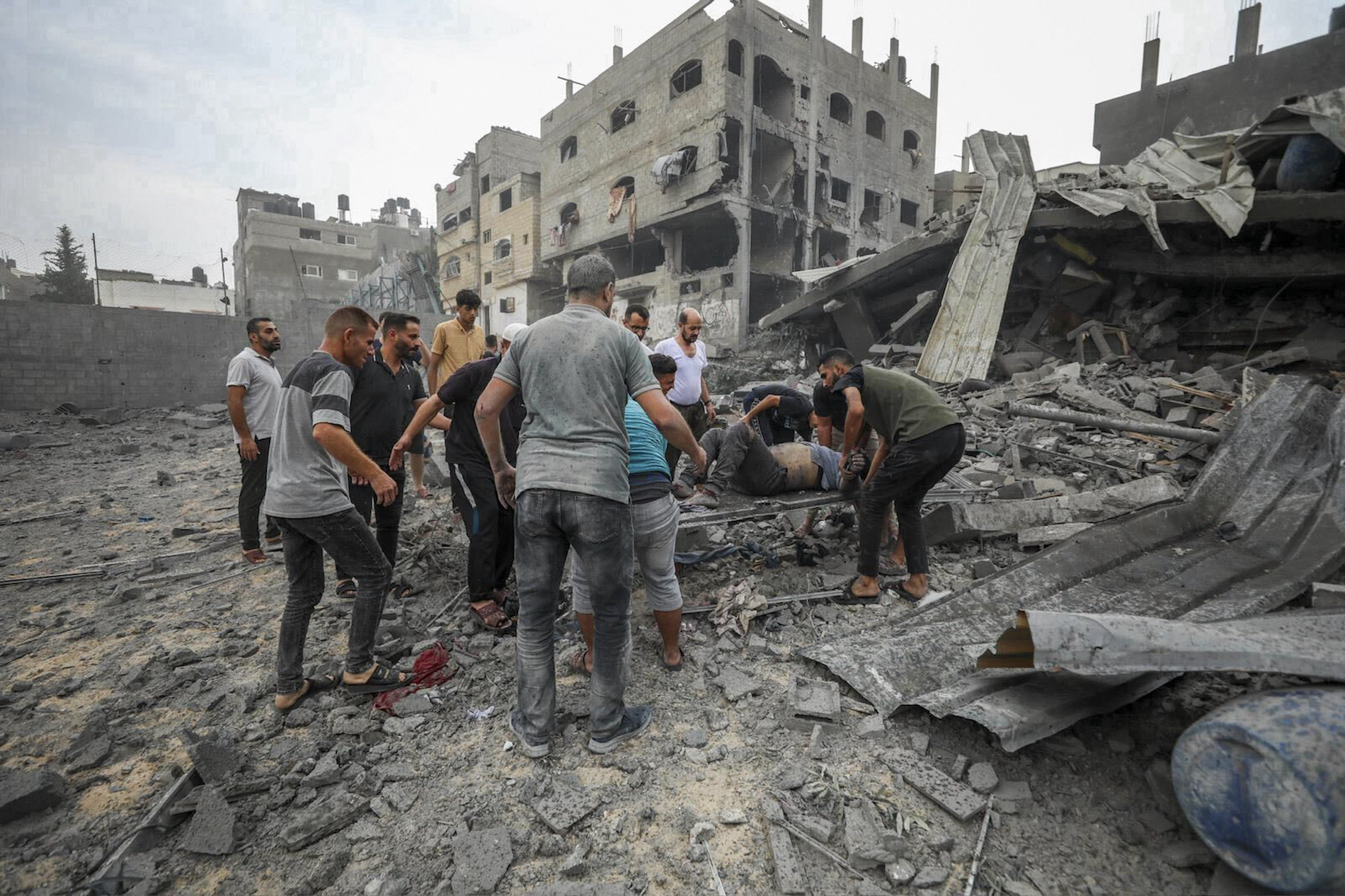
The doctor speaks with burning pain as he recalls the look of the bereaved father, a scene he will never forget. He says it has continued to haunt him, not because it was merely a medical case, but because it was an open human wound in his heart. Some harsh moments cannot be erased from memory. On one of the days of escalation, as I was monitoring the movement of people fleeing the advance of Israeli tanks towards the streets of Jabalia Camp in northern Gaza, the sky suddenly turned into a ball of flame. A missile struck a nearby house, less than one hundred metres from where I was standing. I rushed towards a wall to shelter behind it from shrapnel flying at insane speed, and when the dust dispersed, the massacre was revealed.
The house had collapsed on top of its residents, and passers-by were killed instantly. One person lay on the ground with his leg severed, his bones exposed and dripping with blood, groaning faintly and asking for help. But the horror of the scene left everyone around him in a state of shock and paralysis. Next to him was a donkey thrown to the ground after being hit by shrapnel, and nearby lay a woman who had died, while others lay stretched out waiting for an ambulance that had not yet arrived.
While I was on a journalistic assignment at the Indonesian Hospital in northern Gaza, my attention was drawn to a young boy whose features suggested he was no more than sixteen years old. He was wandering through the hospital corridors and courtyards almost naked except for trousers stained with blood, repeating in bewilderment, "Where am I? Where am I?” No one paid attention to him; everyone was drowning in their own catastrophe.
I approached him and asked how he was. In a voice barely audible, he replied: “I fled with my family from western Gaza to the east to escape the Israeli incursion, but the aircraft bombed the house we had taken shelter in. Suddenly, I found myself here, with my brother who is now undergoing surgery, after the ambulances evacuated us.”
All this young man wanted was to get a message to his father, who was more than ten kilometres away, that he and his brother were still alive, amid the communications blackout and the absence of any means of transport. I reassured him and asked him to focus on his brother’s condition until he came out of the operating theatre, and I told him that time would either bring him together with his family or help them find their way to him in the hospitals.
These scenes throw you into bitter confusion: how can you describe all this pain? And how can you endure the accumulation in your heart of successive shocks over the long days of war?
These incidents are only a small part of the stories of tragedy that I personally lived through and that never found their way into publication or narration. The intensity of the air strikes, the succession of massacres, and the large number of martyrs who were falling every day left no room to pause at every scene, amid a flood of breaking news and urgent files crowding the coverage agenda.
The Summit of Pain
In the midst of a deadly war, stories of anguish follow one another. But there are stories that take you to the summit of pain, especially when you lose the dearest people without warning.
In the central Gaza Strip, my two sisters lived with their husbands and children in the same house. They had been urging me to flee to them to escape the intense bombardment striking the northern Strip. On the twenty-eighth day of the war, after an almost complete communications blackout between Gaza’s governorates, I was able, twenty minutes before two in the afternoon, to contact my sister on WhatsApp to check on her. She told me, "Praise be to God, we are alive.” Then the connection suddenly cut off.
Hours passed without my knowing what had happened to them until that evening we received news that a house bearing the family name of their husbands had been bombed in the same area where they lived. Anxiety intensified, and all attempts to contact my sister failed, until a message appeared from a colleague near the area the following afternoon carrying shocking news: “Your sister has been martyred with her son and husband, and your other sister’s daughter has also been martyred.”
Hours passed without my knowing what had happened to them, until that evening we received news that a house bearing the family name of their husbands had been bombed in the same area where they lived. Anxiety intensified, and all attempts to contact my sister failed, until a message appeared from a colleague near the area the following afternoon carrying shocking news: “Your sister has been martyred with her son and husband, and your other sister’s daughter has also been martyred.
It later became clear that only twenty minutes after the reassuring message, an Israeli missile hit the building where they lived, killing my sister and those with her instantly, while my other sister remained under the rubble for more than four hours.
Hours passed without my knowing what had happened to my two sisters, until that evening we received news that a house bearing the family name of their husbands had been bombed in the same area where they lived. Anxiety intensified, and all attempts to contact my sister failed, until a message appeared from a colleague near the area the following afternoon carrying shocking news: “Your sister has been martyred with her son and husband, and your other sister’s daughter has also been martyred.”
At that difficult time, with movement from northern Gaza to the centre impossible, whether to retrieve my sister’s body, which remained under the rubble for more than 48 hours, or to stand beside my other injured sister, we followed the recovery and burial of the martyrs with caution.
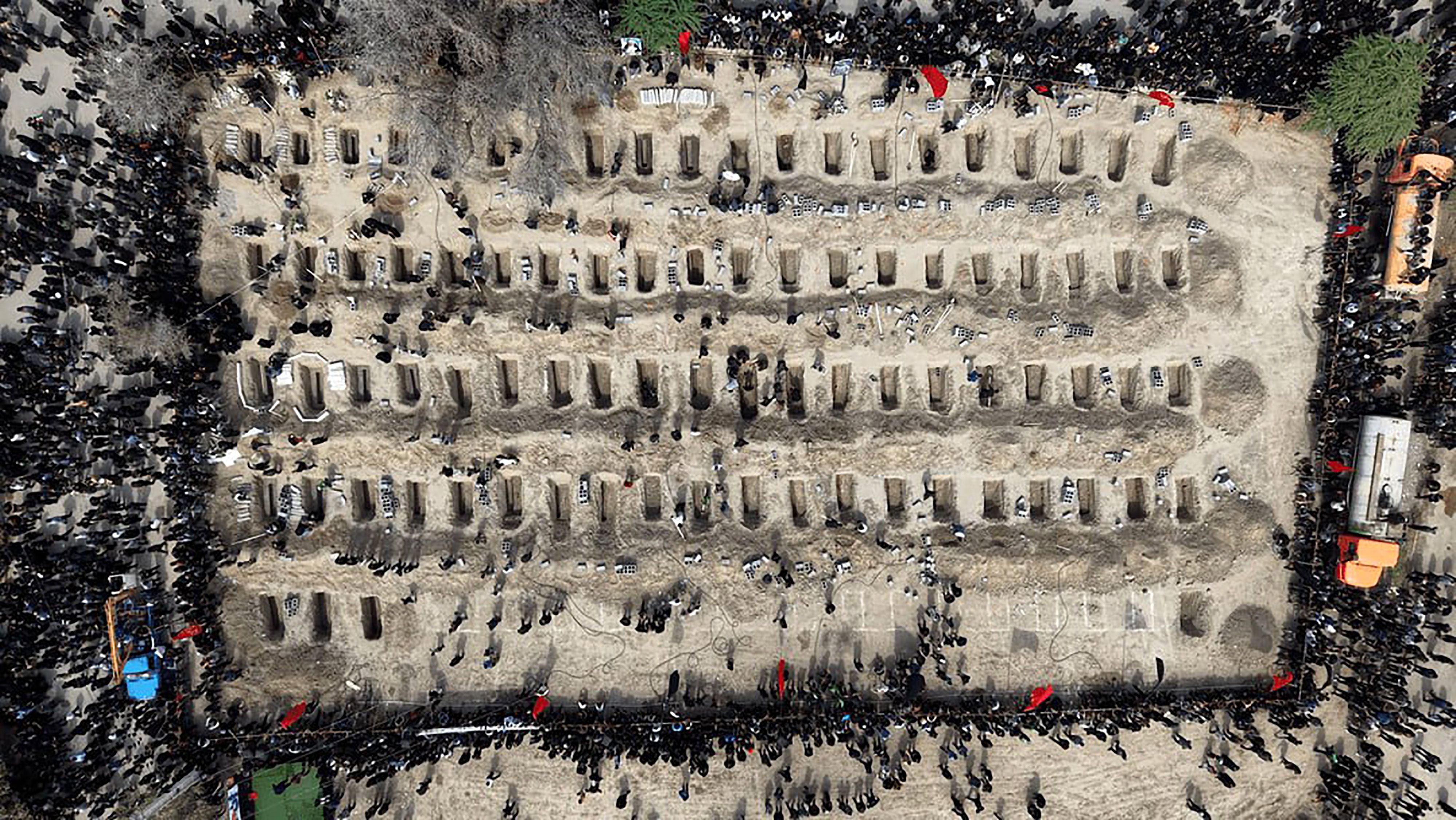
The neighbours succeeded in retrieving her, while her husband and child remained under the rubble for more than six days, and no one was able to reach them. When they found a space in the cemetery, she was buried between two other graves because of the overcrowding of graves caused by the rapid fall of dozens of martyrs.
More than 450 days passed before the occupation allowed free movement between northern and southern Gaza. I was eager to visit my sister’s grave and check on my other sister, who had survived.
When the occupation allowed hundreds of thousands of displaced people to return to the northern Strip, I was walking in the opposite direction: from north to south, covering more than seven kilometres on foot.
When I reached the Martyrs’ Cemetery in Nuseirat camp, the memories returned to the moment when the news of my sister’s martyrdom was delivered to me, and tears flowed as though I were trying to embrace her grave, perhaps so she might feel, even for a moment, the farewell that the occupation had denied me with her.
The second stop was visiting my surviving sister, who now lives in a tent after her home collapsed over their heads. She broke down in tears when she saw me coming: “I did not expect to remain alive to see you again.”
Her words were like a dagger plunged into the heart as I held her, trying to gather what remained of me, and found in her embrace something to compensate me for embracing my martyred sister, who rose to martyrdom at the same moment she was targeted.
As for what follows:
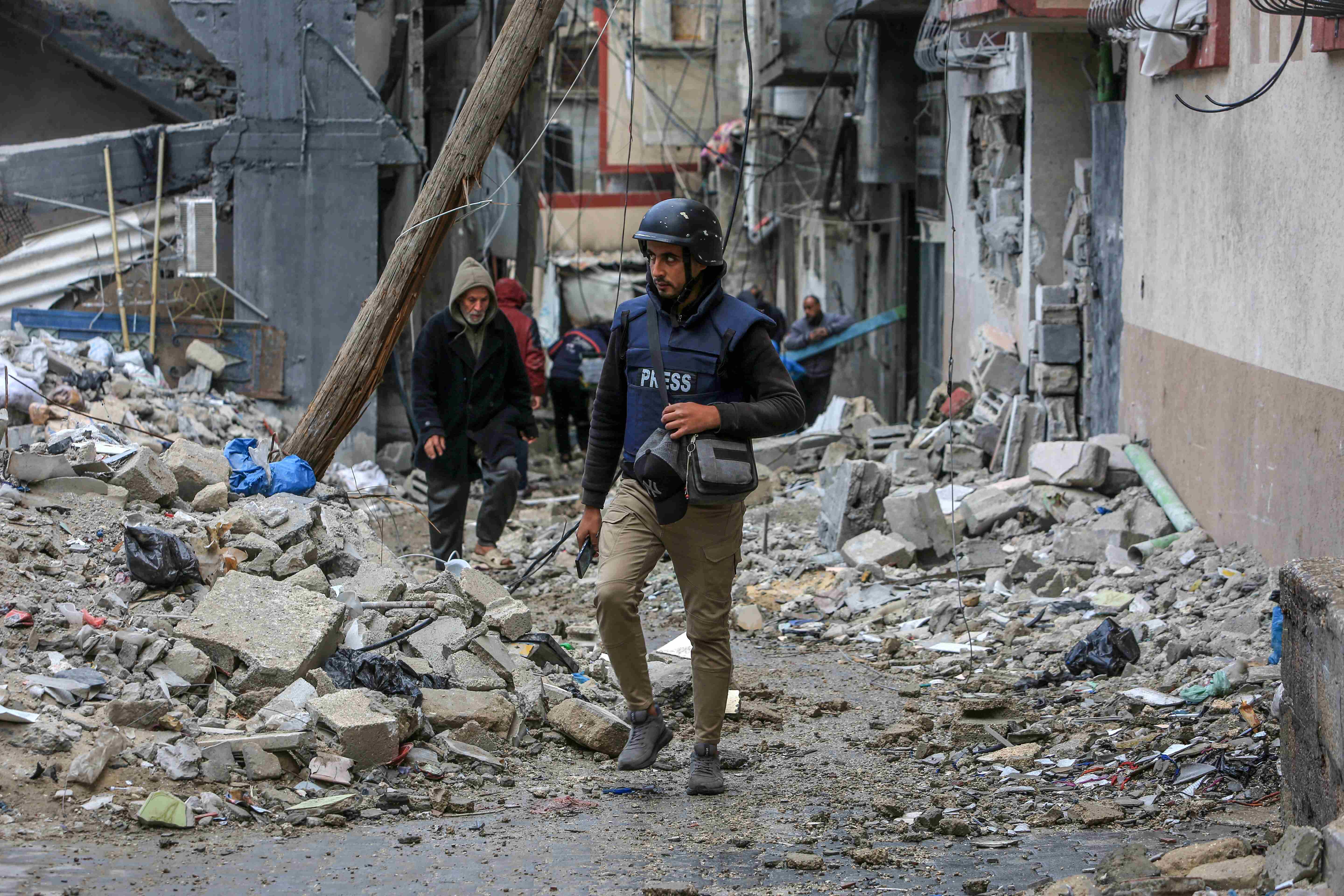
To everyone who hears our cries, sees our bodies burnt by the flames of war, reads the tears of our pens, and receives our painful words, we direct our appeal: this cursed war has exhausted us and weakened us until we are no longer able to carry our vests, which have lost their usefulness in protecting us. We only want to remove the helmets from our heads and take a little rest after a nightmare that has dragged on and whose details we have lived moment by moment. The time has come for Gaza to have a pause, for “the pens have been lifted, and the pages have dried.”
References
(1) To preserve the safety of the journalists, it was agreed with the author of the testimony not to mention the names of anyone whose name was raised during the interrogation.
(2) The testimony was written in January 2025.