
Al Jazeera Journalism Review

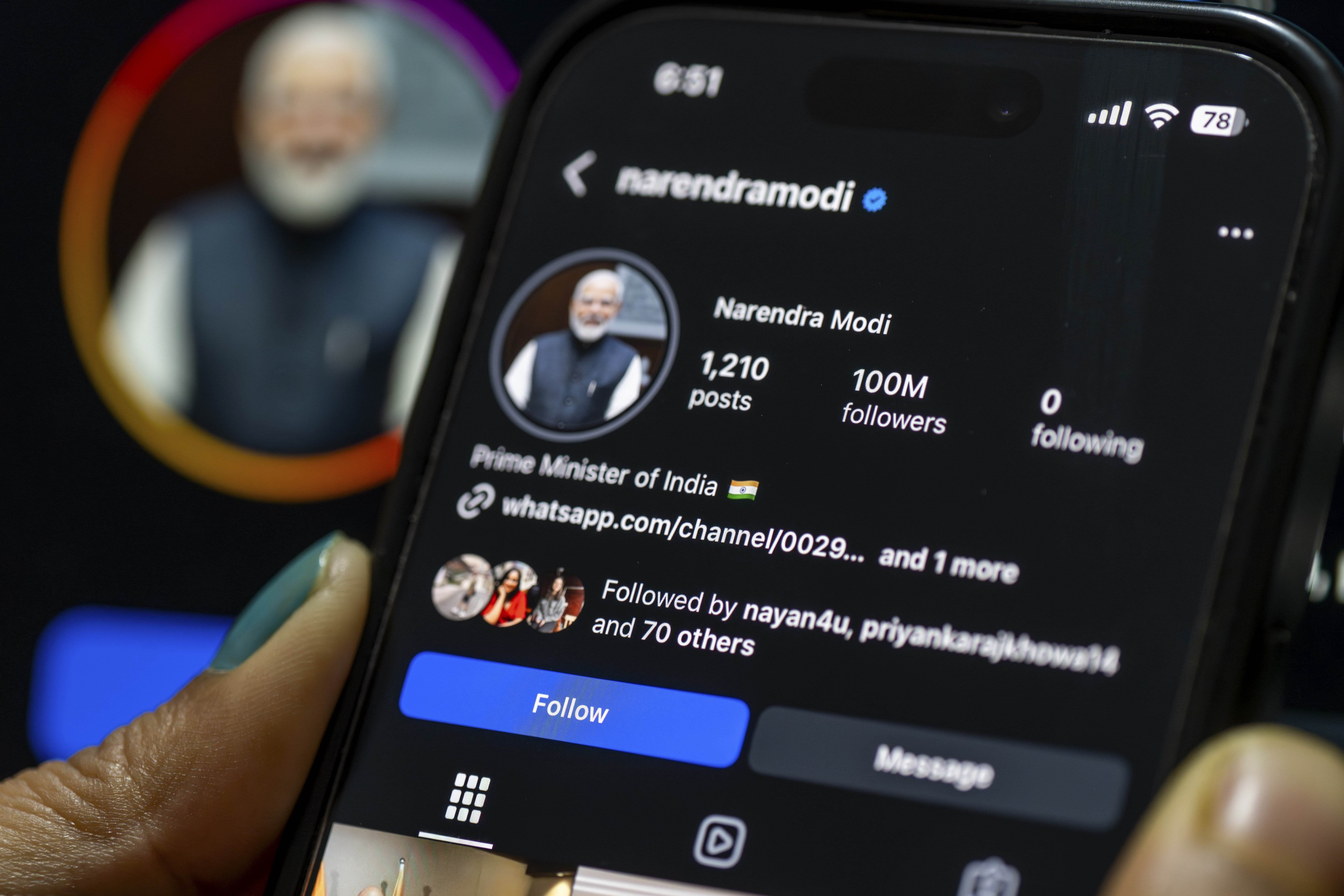
India's prime minister Narendra Modi's social media account on a phone screen

When Modi’s Managed Media Met Europe’s Press

A brief, viral exchange in Oslo between Prime Minister Narendra Modi and a Norwegian journalist has exposed the widening gap between India's tightly controlled media environment and traditional adversarial press culture. Over the past decade, open, unscripted scrutiny has increasingly been replaced by carefully managed public relations, image-driven interviews, and direct digital reach. This systemic shift has reshaped the broader landscape of Indian news media, creating a culture of forced deference that prioritises political showmanship over holding power accountable.


On 18 May earlier this year, Indian Prime Minister Narendra Modi arrived in Oslo on what Indian media described as a historic visit. It was the first trip by an Indian prime minister to Norway in more than four decades. Back home, television channels and social media celebrated the occasion as a diplomatic milestone, highlighting a new green strategic partnership and nearly 30 Memorandums of Understanding (MoUs) signed between the two countries. Videos of Modi's arrival flooded Indian social media feeds. Images of the prime minister being received by Norwegian Prime Minister Jonas Gahr Støre, official ceremonies, and motorcades dominated news coverage.  

The message was clear: Modi had strengthened India's global standing and deepened ties with Europe. But the carefully choreographed narrative was interrupted by a brief exchange that quickly became one of the most discussed moments of the visit. As Modi was leaving an event, Norwegian journalist Helle Lyng called out: "Prime Minister Modi, why don't you take some questions from the freest press in the world?" Modi did not respond and continued walking. A video of the interaction spread rapidly online. The clip triggered a fierce debate in India. Supporters of the ruling Bharatiya Janata Party (BJP) accused Lyng of staging a politically motivated provocation, while others praised her for raising a question that many Indian journalists rarely get an opportunity to ask. 

The controversy continued for days. Lyng appeared on several Indian television channels, where some commentators described her intervention as a "theatrical drama" and a "motivated ambush". Others argued that the episode had exposed a deeper issue: the widening gap between India's increasingly managed media environment and the adversarial press culture that remains common across much of Europe and the world.
 

The Press Interaction That Never Returned

For many Indian journalists, the exchange in Oslo was hardly surprising. Since first coming to power in 2014, Modi has rarely participated in open press conferences. In more than a decade as prime minister, including election victories in 2019 and 2024, he has held only one widely recognised open press conference. 

It exposed a growing collision between two different visions of the press: one that views uncomfortable questioning as a normal part of democratic accountability, and another increasingly built around controlled access, carefully managed messaging, and the protection of political image

That event took place during the 2019 general election campaign. The room was packed with journalists and television cameras. Modi sat alongside Amit Shah, then the BJP president and now India's home minister. When a reporter attempted to ask Modi a question directly, he declined to answer, responding that he was "a disciplined soldier of the party" and that the party president would answer instead. Shah subsequently took the question. No comparable open press conference has followed. 

Modi has continued to grant interviews, particularly during election campaigns, but critics argue that many of these interactions have focused more on personal narratives than public accountability. One of the most widely discussed examples came in 2019 when Modi was interviewed by Bollywood actor Akshay Kumar. The conversation went viral because of its informal nature. Kumar asked Modi whether he liked eating mangoes, whether he ever gets angry, and why he lived away from his family. Missing, critics noted, were substantive questions about governance, policy, or contentious political issues. 

Over time, media scholars and journalists argue, such interviews helped normalise a different style of political communication: one built around access, image management, and carefully framed conversations rather than unscripted scrutiny. Even when governance-related questions appeared, they often focused on the failures of opposition parties rather than examining the record of the central government. As a result, many critics say, television journalism increasingly shifted away from holding power accountable.
 

The Changing Face of Indian News Media

The transformation extends beyond the prime minister's media strategy. "What happened in Oslo has been familiar to Indian journalists for years," a Delhi-based media researcher told AJR on condition of anonymity. "European journalists were surprised because they encountered something directly that many Indian journalists have gradually come to accept as normal." According to the researcher, television news has undergone a dramatic shift over the past decade. Debates on governance, healthcare, education, unemployment, and public policy have increasingly given way to discussions centred on religion, political spectacle, and partisan conflict. 

According to the researcher, television news has undergone a dramatic shift over the past decade. Debates on governance, healthcare, education, unemployment, and public policy have increasingly given way to discussions centred on religion, political spectacle, and partisan conflict. 

For years, one of the most prominent exceptions was NDTV and its star anchor Ravish Kumar, who became known for focusing on issues such as unemployment, rural distress, and institutional accountability. In 2022, Kumar resigned after the channel was acquired by billionaire Gautam Adani's business group, an alleged close aide of the ruling BJP. Even before leaving, Kumar said the pressures of critical journalism had become deeply personal. The documentary While We Watched, directed by filmmaker Vinay Shukla, chronicles those pressures. In the film, Kumar's wife describes how their daughter developed severe anxiety amid the threats directed at her father. Kumar himself reflects on how journalism had ceased being merely a professional responsibility. "A journalist's professional battle eventually becomes a personal battle," he says in the documentary. 

The film also documents Kumar's claims that broadcasts of his programme were disrupted by cable operators in several cities and that ruling-party spokespersons stopped appearing on his show. Kumar has further alleged that he was routinely excluded from official press interactions and denied access to government press conferences. Whether one agrees with Kumar's political positions or not, media scholars say his experience reflects broader changes within India's news ecosystem. 

Another researcher told AJR that the Oslo episode felt familiar precisely because many Indian journalists have spent years navigating increasingly restricted access to political leaders. "What European journalists witnessed in a few seconds is something many local journalists encounter regularly," the researcher said. Some scholars argue that the issue is not only political but cultural. 

For many Indians, it became a national controversy. The incident ultimately revealed more than a disagreement between a journalist and a prime minister

A professor of cultural studies told AJR that many Asian societies place a high value on deference to authority, whether in families, schools, or public life. "When questioning authority is treated as disrespect rather than accountability, those attitudes do not disappear when people enter politics or journalism," the professor said. "They shape how societies think about power." That may explain why the Oslo exchange resonated so strongly. 

For European audiences, it appeared to be a routine journalistic question. For many Indians, it became a national controversy. The incident ultimately revealed more than a disagreement between a journalist and a prime minister. It exposed a growing collision between two different visions of the press: one that views uncomfortable questioning as a normal part of democratic accountability, and another increasingly built around controlled access, carefully managed messaging, and the protection of political image. As India's political communication model becomes more sophisticated and more global, that tension is likely to surface far beyond Oslo.


Related Articles

‘It takes courage to be a journalist in India’ - charting the collapse of press autonomy

THE LONG READ: With a rising number of journalists in India receiving ‘summons’ from the police and even finding themselves in prison just for doing their jobs, we ask - why has the profession come under so much pressure in recent years?

Abeer Khan Published on: 21 Apr, 2022
How misinformation in the media wreaked havoc on an Indian village

When journalists - and social media ‘influencers’ claiming to be journalists - aimed for sensationalism and did not check their facts about the outbreak of the HIV virus in an Indian village, the results were devastating

Saurabh Sharma
Saurabh Sharma Published on: 1 May, 2023
Corporate Dominance and the Erosion of Editorial Independence in Indian Media

Corporate influence in Indian media has led to widespread editorial suppression, with media owners prioritising political appeasement over journalistic integrity, resulting in a significant erosion of press freedom and diversity in news reporting.
headshot
AJR Correspondent Published on: 3 Nov, 2024
Why Anonymous Sources Are Fading from Indian Journalism

A generation of reporters-built careers on confidential sources, many now write without them.

Kamran Yousuf
Kamran Yousuf Published on: 19 Apr, 2026
Indian Media Fuels Panic with Disinformation

Amid heightened India-Pakistan tensions in early May, Indian mainstream media flooded the public with fake news, doctored visuals, and sensationalist coverage, fueling mass anxiety and misinformation. Fact-checkers and experts condemned the media’s role, calling it a national embarrassment that undermined journalistic integrity and misled citizens during a critical geopolitical moment.

Junaid Kathju
Junaid Kathju Published on: 15 May, 2025
‘I reported the truth - and was taken to jail’ - the journalists in prison in India

Indian journalist Siddique Kappan has been released after more than two years in prison just for doing his job. We talked to him and others who have been arrested or imprisoned

Saurabh Sharma
Saurabh Sharma Published on: 15 Feb, 2023
Indian farmers launch activist media outlets as narrative wars continue

In the midst of the narrative wars between Indian farmers and the Indian government, farmers have created media outlets and centers to combat what they see as unfavorable media coverage.

A picture of the author, Baba Tamim.
Baba Tamim Published on: 31 Mar, 2021
Why are journalists in India turning to YouTube?

Indian journalists say the platform is a more democratic and uncensored place to work, but is the growing trend of YouTubers calling themselves journalists a cause for concern?

Saurabh Sharma
Saurabh Sharma Published on: 2 Jan, 2023
How social media bans have crippled journalism in India’s Punjab

The Indian government has ordered social media platforms to block hundreds of accounts of journalists and activists

Meer Faisal
Meer Faisal Published on: 16 May, 2023

More Articles

The Left and the Right in One Front Against Journalism in South America

Journalism in Latin America is facing a crisis of hostility. In the age of political polarization, governments from both the left and the right are not merely managing states; they are actively harassing critical voices, imposing institutional censorship, and enforcing official narratives that attack independent media to silence disagreement and fake democracy across the region.

Noe Zavaleta
Noe Zavaleta Published on: 8 Jun, 2026
Humanitarian Storytelling: Reclaiming Voice in Crisis Reporting

Humanitarian storytelling is evolving. In the age of algorithmic amplification, humanitarian organisations are not merely sharing aid updates; they work side by side with responsible media; they are providing accountability, combating harmful narratives, and demonstrating the human reality behind the crisis and news headlines.

Shereen Nanish. A media consultant from Palestine/Jordan with over 10 years of experience in journalism and humanitarian communications. Based in Germany.
Shereen Nanish Published on: 1 Jun, 2026
On the Misunderstanding Between Media and Diplomacy

The analysis of international crisis coverage reveals a clear structural gap between the immediate, simplified narratives produced by the media and the slow, complex processes of diplomacy. The tension between the two fields appears set to persist as reporters are forced to trade detailed, long-term tracking of negotiation for fast-paced, dramatic framing and the immediate demands of the attention economy.

Said Al-Azri
Said Al-Azri Published on: 28 May, 2026
How Journalists are Combating Cybertroopers 

The brutal state crackdown in Đồng Tâm highlights a intensifying withdrawal from free expression in Vietnam, heavily driven by the regime's deployment of state-backed cyberarmies like Force 47. As these digital actors systematically intimidate and mass-report critics, tech giants like Meta further compound the issue by increasingly acquiescing to government censorship requests to protect market share. This coordinated digital assault leaves a dangerous gap in the global conversation, forcing independent journalists to navigate severe online hostility and risk arbitrary imprisonment just to expose state overreach.

AJR Contributor Published on: 25 May, 2026
Journalism After the Genocide in Gaza: One War Has Ended, and Other Wars Have Begun!

The post-ceasefire reality for Gaza’s journalists reveals a challenging shift from documenting active daily bombardment to navigating an overwhelming landscape of community and structural ruin. The pressure on reporters appears set to escalate as they struggle to rebuild their own lives from absolute zero while fighting to ensure that ongoing human suffering, systemic displacement, and political marginalization are accurately documented and held to account.

Yousef Fares
Yousef Fares Published on: 17 May, 2026
US-Iran Islamabad Talks: How Journalists Report from Outside Closed Doors

The "Islamabad Talks" highlight a growing contradiction in modern diplomacy where journalists are physically present but denied direct access to negotiations. The pressure on transparency appears set to intensify as reporters are forced to trade traditional eyewitnessing for outside in investigation and geopolitical speculation.

Anam Hussain
Anam Hussain Published on: 2 May, 2026
Can Artificial Intelligence Become a Documentary Film Director?

AI opens new possibilities in documentary filmmaking, from sorting archives to speeding up production. But documentary is not built on technology alone: it depends on the director’s vision, creativity, and ability to shape meaning. Can AI, for instance, make a film like Ordinary Fascism?

Bashar Hamdan, investigative producer and documentary filmmaker at Al Jazeera Media Network
Bashar Hamdan Published on: 23 Apr, 2026
When Speaking Up Backfires: How Social Conformity Silences Journalists

While state censorship remains a reality, freedom of speech in Africa faces a rising internal threat: the community itself. This article examines how social conformity, digital echo chambers, and ingrained bias create a modern "chilling effect". This pressure forces journalists to choose between aligning with popular narratives or facing professional and social marginalisation.

Derick Matsengarwodzi
Derick Matsengarwodzi Published on: 16 Apr, 2026
Has the Global South Benefited from the Digital Transformation?

Despite the promise of digital technologies to amplify voices and expand media reach in the Global South, structural barriers, such as political repression, technological dependency, and persistent digital divides, continue to limit their impact. Real progress requires not only technological adoption but also institutional reform, stronger journalistic capacity, and independent ethical frameworks to challenge dominant Western media narratives.

Al-Shafi Abtidon
Al-Shafi Abtidon Published on: 18 Mar, 2026
Missiles Made of Words: How Western Media Narratives Shape the Iran–Israel–US Conflict

Western media coverage of the Iran–Israel–US conflict often functions as a weapon of war, using selective language that frames US and Israeli strikes as “self-defence” while depicting Iranian actions as "provocation". This linguistic framing normalises civilian casualties and helps manufacture public consent for military aggression by dehumanising certain populations.

Muqeet Mohammed Shah
Muqeet Mohammed Shah, Ifrah Khalil Kawa Published on: 14 Mar, 2026
How the Ethiopian Civil War Unleashed a Lethal Media Crackdown

There has been a widening crackdown on the media in Ethiopia since war erupted between the central government and Tigray’s regional authorities in 2020, and the pressure appears set to intensify as the country prepares for general elections in June.

Nalova Akua
Nalova Akua Published on: 9 Mar, 2026
Are Netanyahu's and Trump’s Speeches Shaping Western Media Framing?

As political speeches framed the 2026 U.S.–Israeli attack on Iran, segments of Western media echoed their language and narratives, illustrating how strategic rhetoric and news framing can shape public opinion and legitimise military action.

Shaimaa Al-Eisai
Shaimaa Al-Eisai Published on: 6 Mar, 2026
Journalism in Gaza… A Race Against the Train of Genocide

In the following account, Amira Nassar presents a narrative filled with intricate detail, intimate exchanges, and an unyielding struggle over the meaning of writing amid slaughter and starvation. Part of The Journalism Review’s documentary project recording the testimonies of journalists in Palestine and the Gaza Strip during the ongoing genocide, it stands as a testament against oblivion and the machinery of extermination.

Amira Nassar
Amira Nassar Published on: 27 Feb, 2026
Kukurigo: Revolutionising news in Zimbabwe's WhatsApp era

The emergence of Kukurigo during Zimbabwe’s 2018 elections marked a turning point for digital journalism, transforming WhatsApp from a hub for misinformation into a vital platform for verified news. By leveraging the app’s low data costs, this grassroots initiative bridged the information gap for under-resourced communities, establishing a new model for media credibility and public service within an unstable political landscape.

Enock Muchinjo
Enock Muchinjo Published on: 19 Feb, 2026
The Epstein Files and the Art of Drowning the Truth

The mass release of millions of files related to Jeffrey Epstein serves as a metaphor for a wider crisis of the digital age: an overabundance of information that obscures rather than illuminates the truth. In an era where data floods replace traditional censorship, citizens risk becoming less informed, underscoring the vital role of professional journalism in filtering noise into meaningful knowledge.

Ilya إيليا توبر 
Ilya U Topper Published on: 12 Feb, 2026
Reporting the Spectacle: Myanmar’s Manufactured Elections

Myanmar’s recent elections posed a profound challenge for journalists, who were forced to navigate between exposing a sham process and inadvertently legitimising it. With media repression intensifying, reporting became an act of resistance against the junta’s effort to control information and silence independent voices.

Annie Zaman
Annie Zaman Published on: 7 Feb, 2026
Public Hostility Toward Legacy Media in Bangladesh

The December 2025 arson attacks on Prothom Alo and The Daily Star marked a turning point for journalism in Bangladesh. As public anger replaces state control as the primary threat, reporters are reassessing personal safety, editorial judgement, and professional credibility in a political transition where journalism itself is increasingly treated as an enemy.

Arsalan Bukhari, an independent journalist based in India
Arsalan Bukhari Published on: 4 Feb, 2026
Migration Issues and the Framing Dilemma in Western Media

How does the Western press shape the migration narrative? Which journalistic frames dominate its coverage? And is reporting on anti-immigration protests neutral or ideologically charged? This analysis examines how segments of Western media echo far-right rhetoric, reinforcing xenophobic discourse through selective framing, language, and imagery.

Salma Saqr
Salma Saqr Published on: 31 Jan, 2026
From News Reporting to Documentation: Practical Lessons from Covering the War on Gaza

From the very first moment of the genocidal war waged by Israel on Gaza, Al Jazeera correspondent Hisham Zaqout has been a witness to hunger, devastation, war crimes, and the assassination of his colleagues in the field. It is a battle for survival and documentation, one that goes beyond mere coverage and daily reporting.

Hisham Zakkout Published on: 26 Jan, 2026
Investigating the Assassination of My Own Father

As a journalist, reporting on the murder of my father meant answering questions about my own position as an objective observer.

Diana López Zuleta
Diana López Zuleta Published on: 16 Jan, 2026
What Image of Gaza Will the World Remember?

Will the story of Gaza be reduced to official statements that categorise the Palestinian as a "threat"? Or to images of the victims that flood the digital space? And how can the media be transformed into a tool for reinforcing collective memory and the struggle over narratives?

Hassan Obeid
Hasan Obaid Published on: 13 Jan, 2026
Bridging the AI Divide in Arab Newsrooms

AI is reshaping Arab journalism in ways that entrench power rather than distribute it, as under-resourced MENA newsrooms are pushed deeper into dependency and marginalisation, while wealthy, tech-aligned media actors consolidate narrative control through infrastructure they alone can afford and govern.

Sara Ait Khorsa
Sara Ait Khorsa Published on: 10 Jan, 2026
Generative AI in Journalism and Journalism Education: Promise, Peril, and the Global North–South Divide

Generative AI is transforming journalism and journalism education, but this article shows that its benefits are unevenly distributed, often reinforcing Global North–South inequalities while simultaneously boosting efficiency, undermining critical thinking, and deepening precarity in newsrooms and classrooms.

Carolyne Lunga
Carolyne Lunga Published on: 2 Jan, 2026
Intifada 2.0: Palestinian Digital Journalism from Uprising to Genocide

From underground newsletters during the Intifadas to livestreams from Gaza, Palestinian journalism has evolved into a decentralised digital practice of witnessing under occupation. This article examines how citizen journalists, fixers and freelancers have not only filled gaps left by international media, but fundamentally transformed how Palestine is reported, remembered and understood.

Zina Q.
Zina Q. Published on: 24 Dec, 2025