A brief, viral exchange in Oslo between Prime Minister Narendra Modi and a Norwegian journalist has exposed the widening gap between India's tightly controlled media environment and traditional adversarial press culture. Over the past decade, open, unscripted scrutiny has increasingly been replaced by carefully managed public relations, image-driven interviews, and direct digital reach. This systemic shift has reshaped the broader landscape of Indian news media, creating a culture of forced deference that prioritises political showmanship over holding power accountable.
On 18 May earlier this year, Indian Prime Minister Narendra Modi arrived in Oslo on what Indian media described as a historic visit. It was the first trip by an Indian prime minister to Norway in more than four decades. Back home, television channels and social media celebrated the occasion as a diplomatic milestone, highlighting a new green strategic partnership and nearly 30 Memorandums of Understanding (MoUs) signed between the two countries. Videos of Modi's arrival flooded Indian social media feeds. Images of the prime minister being received by Norwegian Prime Minister Jonas Gahr Støre, official ceremonies, and motorcades dominated news coverage.
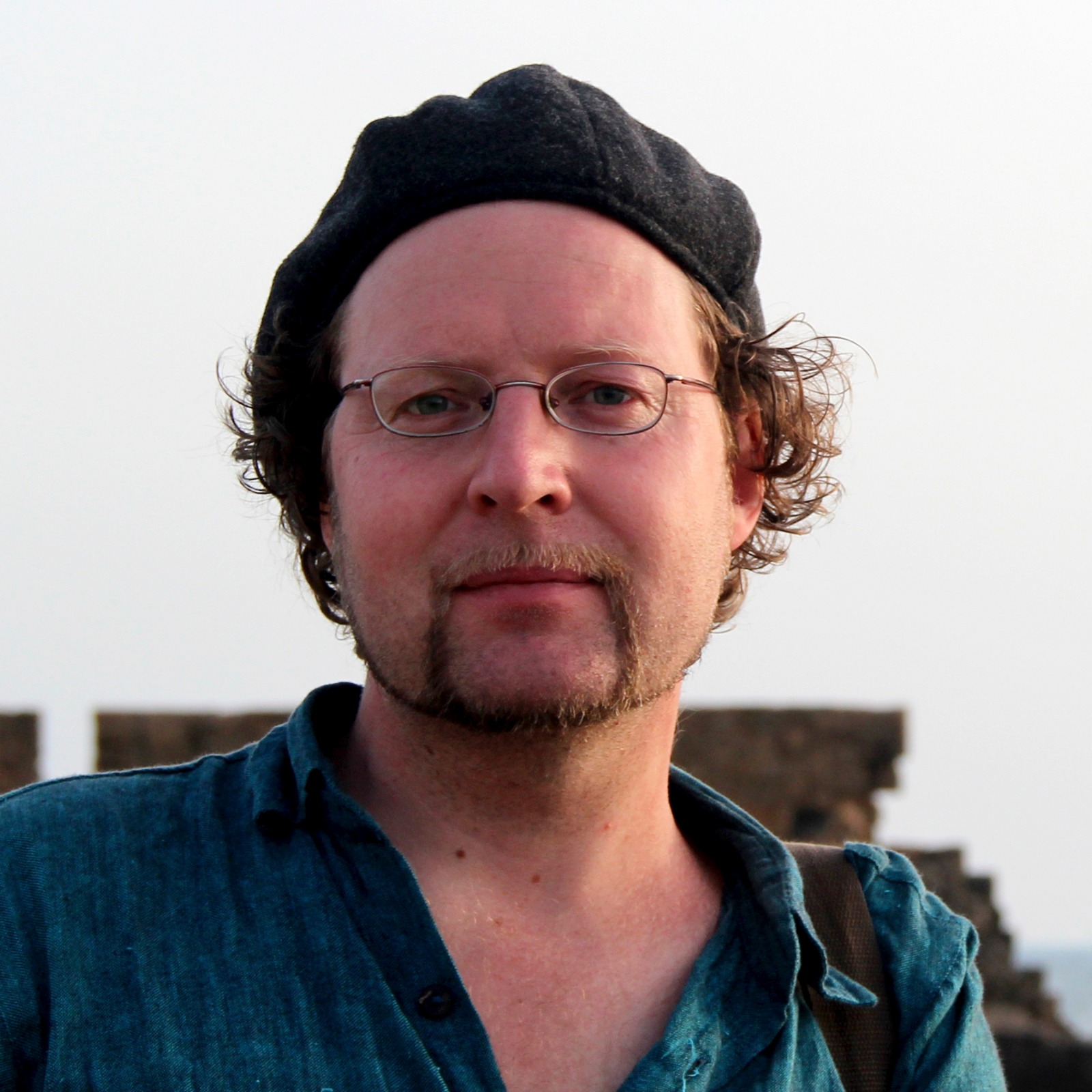
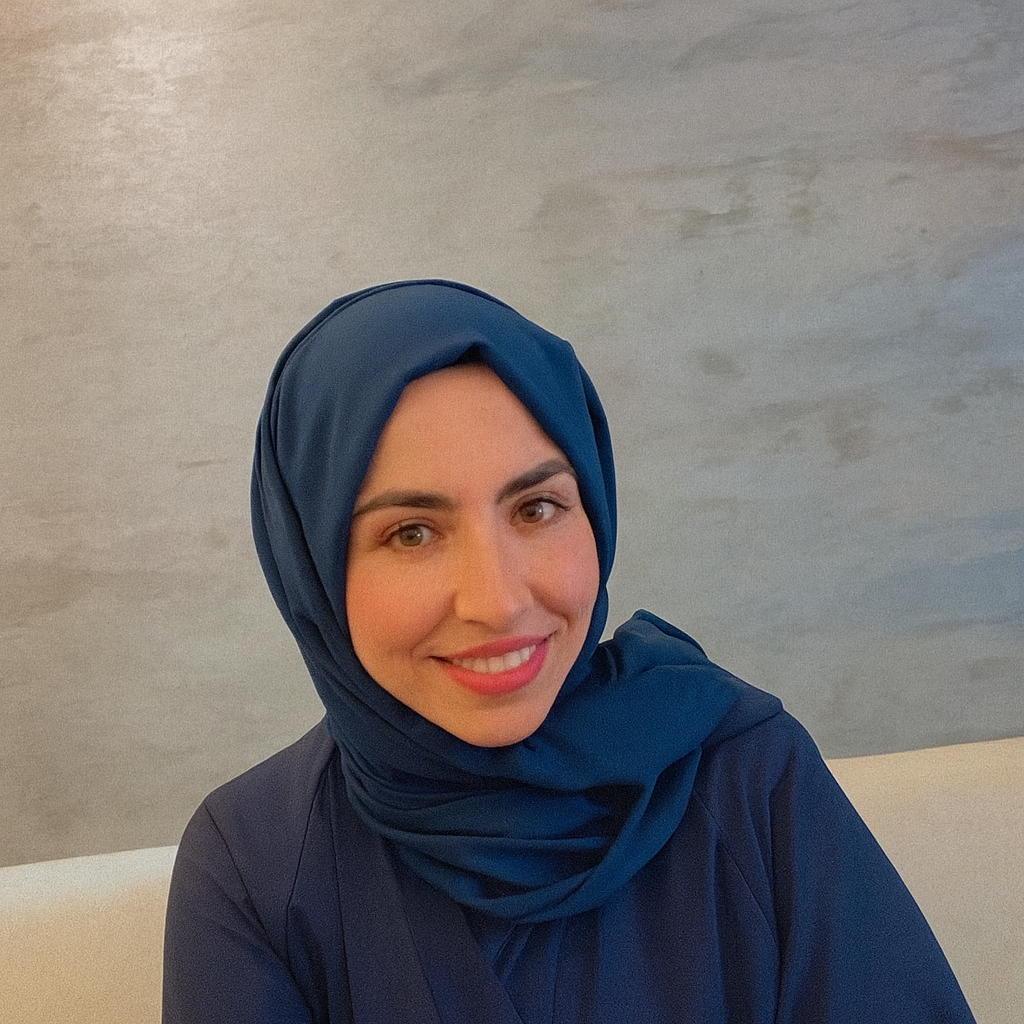
The message was clear: Modi had strengthened India's global standing and deepened ties with Europe. But the carefully choreographed narrative was interrupted by a brief exchange that quickly became one of the most discussed moments of the visit. As Modi was leaving an event, Norwegian journalist Helle Lyng called out: "Prime Minister Modi, why don't you take some questions from the freest press in the world?" Modi did not respond and continued walking. A video of the interaction spread rapidly online. The clip triggered a fierce debate in India. Supporters of the ruling Bharatiya Janata Party (BJP) accused Lyng of staging a politically motivated provocation, while others praised her for raising a question that many Indian journalists rarely get an opportunity to ask.
The controversy continued for days. Lyng appeared on several Indian television channels, where some commentators described her intervention as a "theatrical drama" and a "motivated ambush". Others argued that the episode had exposed a deeper issue: the widening gap between India's increasingly managed media environment and the adversarial press culture that remains common across much of Europe and the world.
The Press Interaction That Never Returned
For many Indian journalists, the exchange in Oslo was hardly surprising. Since first coming to power in 2014, Modi has rarely participated in open press conferences. In more than a decade as prime minister, including election victories in 2019 and 2024, he has held only one widely recognised open press conference.
It exposed a growing collision between two different visions of the press: one that views uncomfortable questioning as a normal part of democratic accountability, and another increasingly built around controlled access, carefully managed messaging, and the protection of political image
That event took place during the 2019 general election campaign. The room was packed with journalists and television cameras. Modi sat alongside Amit Shah, then the BJP president and now India's home minister. When a reporter attempted to ask Modi a question directly, he declined to answer, responding that he was "a disciplined soldier of the party" and that the party president would answer instead. Shah subsequently took the question. No comparable open press conference has followed.
Modi has continued to grant interviews, particularly during election campaigns, but critics argue that many of these interactions have focused more on personal narratives than public accountability. One of the most widely discussed examples came in 2019 when Modi was interviewed by Bollywood actor Akshay Kumar. The conversation went viral because of its informal nature. Kumar asked Modi whether he liked eating mangoes, whether he ever gets angry, and why he lived away from his family. Missing, critics noted, were substantive questions about governance, policy, or contentious political issues.
Over time, media scholars and journalists argue, such interviews helped normalise a different style of political communication: one built around access, image management, and carefully framed conversations rather than unscripted scrutiny. Even when governance-related questions appeared, they often focused on the failures of opposition parties rather than examining the record of the central government. As a result, many critics say, television journalism increasingly shifted away from holding power accountable.
The Changing Face of Indian News Media
The transformation extends beyond the prime minister's media strategy. "What happened in Oslo has been familiar to Indian journalists for years," a Delhi-based media researcher told AJR on condition of anonymity. "European journalists were surprised because they encountered something directly that many Indian journalists have gradually come to accept as normal." According to the researcher, television news has undergone a dramatic shift over the past decade. Debates on governance, healthcare, education, unemployment, and public policy have increasingly given way to discussions centred on religion, political spectacle, and partisan conflict.
According to the researcher, television news has undergone a dramatic shift over the past decade. Debates on governance, healthcare, education, unemployment, and public policy have increasingly given way to discussions centred on religion, political spectacle, and partisan conflict.
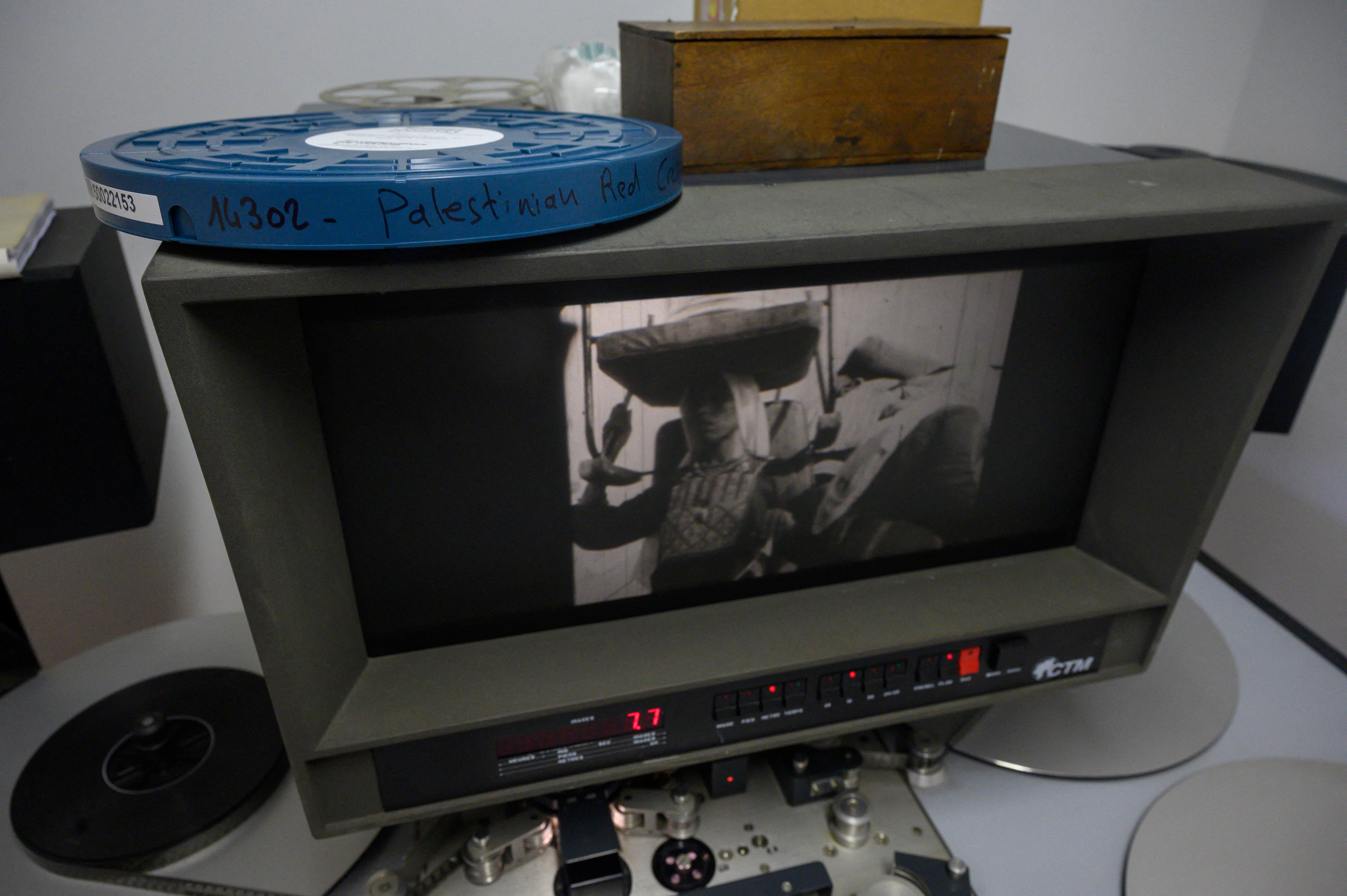
For years, one of the most prominent exceptions was NDTV and its star anchor Ravish Kumar, who became known for focusing on issues such as unemployment, rural distress, and institutional accountability. In 2022, Kumar resigned after the channel was acquired by billionaire Gautam Adani's business group, an alleged close aide of the ruling BJP. Even before leaving, Kumar said the pressures of critical journalism had become deeply personal. The documentary While We Watched, directed by filmmaker Vinay Shukla, chronicles those pressures. In the film, Kumar's wife describes how their daughter developed severe anxiety amid the threats directed at her father. Kumar himself reflects on how journalism had ceased being merely a professional responsibility. "A journalist's professional battle eventually becomes a personal battle," he says in the documentary.
The film also documents Kumar's claims that broadcasts of his programme were disrupted by cable operators in several cities and that ruling-party spokespersons stopped appearing on his show. Kumar has further alleged that he was routinely excluded from official press interactions and denied access to government press conferences. Whether one agrees with Kumar's political positions or not, media scholars say his experience reflects broader changes within India's news ecosystem.
Another researcher told AJR that the Oslo episode felt familiar precisely because many Indian journalists have spent years navigating increasingly restricted access to political leaders. "What European journalists witnessed in a few seconds is something many local journalists encounter regularly," the researcher said. Some scholars argue that the issue is not only political but cultural.
For many Indians, it became a national controversy. The incident ultimately revealed more than a disagreement between a journalist and a prime minister
A professor of cultural studies told AJR that many Asian societies place a high value on deference to authority, whether in families, schools, or public life. "When questioning authority is treated as disrespect rather than accountability, those attitudes do not disappear when people enter politics or journalism," the professor said. "They shape how societies think about power." That may explain why the Oslo exchange resonated so strongly.
For European audiences, it appeared to be a routine journalistic question. For many Indians, it became a national controversy. The incident ultimately revealed more than a disagreement between a journalist and a prime minister. It exposed a growing collision between two different visions of the press: one that views uncomfortable questioning as a normal part of democratic accountability, and another increasingly built around controlled access, carefully managed messaging, and the protection of political image. As India's political communication model becomes more sophisticated and more global, that tension is likely to surface far beyond Oslo.