
Al Jazeera Journalism Review

On the Misunderstanding Between Media and Diplomacy

The analysis of international crisis coverage reveals a clear structural gap between the immediate, simplified narratives produced by the media and the slow, complex processes of diplomacy. The tension between the two fields appears set to persist as reporters are forced to trade detailed, long-term tracking of negotiation for fast-paced, dramatic framing and the immediate demands of the attention economy.


Coverage of international crises, especially in contexts of war, reveals a clear gap between what diplomacy says and what the media presents. This gap does not necessarily stem from a lack of information or from direct bias so much as it is linked to a profound difference in the nature of the two fields in terms of language, function, and rhythm. Each operates according to a different logic in understanding reality and dealing with it, which makes the divergence between them sometimes appear as though it were a contradiction, while in truth it is a difference in structure and tools. 

While diplomacy moves along a slow, cumulative path based on gradual negotiation, the exchange of messages, and the building of understandings through successive stages, the media operates within an immediate timeframe that requires it to present events quickly and frame them in a clear, narratively accessible, and shareable form. This makes the media concerned with explaining what is happening to the public, while diplomacy is preoccupied with changing the course of what is happening or containing it within complex balances that do not all appear in public. 

While diplomacy moves along a slow, cumulative path based on gradual negotiation, the exchange of messages, and the building of understandings through successive stages, the media operates within an immediate timeframe that requires it to present events quickly and frame them in a clear, narratively accessible, and shareable form. 

This structural difference is reflected first at the level of language. Diplomacy tends to use open-ended, probabilistic expressions that avoid decisiveness, such as speaking of “positive indicators”, “existing channels of communication”, or “the possibility of reaching an understanding”. These formulations reflect the nature of negotiation, which is not based on final outcomes but on managing changing possibilities. The media, by contrast, relies on decisive language based on clarity and definition, such as escalation, collapse, failure, and agreement. This is a language that allows for strong headlines and quickly intelligible narratives, but at the same time it reduces the complexity that characterises actual political processes. In this sense, diplomatic discourse does not appear absent from media coverage so much as it appears less present because it does not align with the requirements of media narration, which needs clarity and sharpness of expression. 

The difference also extends to the basic function of each field. The media seeks to shape public opinion and influence the public’s perception of events, and therefore focuses on the angles that are most dramatic and most capable of spreading. Diplomacy, meanwhile, works to manage relations between conflicting or negotiating parties, which requires a degree of calculated ambiguity and sometimes secrecy, because the premature announcement of certain details may lead to the failure of the negotiating track itself. From here, the media becomes concerned with showing what is happening, while diplomacy is preoccupied with making what will happen. This is a fundamental difference that explains much of the misunderstanding that arises when the two discourses are compared. 

This gap becomes clearer when looking at how wars are covered. Media outlets tend to foreground narratives of escalation, the faltering of political tracks, and the absence of solutions, while diplomatic efforts continue to operate away from the spotlight or at the margins of coverage. This can be explained through the theory of media framing, which holds that the media does not convey reality as it is, but rearranges it according to specific angles that reflect its editorial priorities. The media does not necessarily exclude diplomatic facts, but it rearranges them so that they become less prominent compared with more appealing narratives such as escalation or confrontation. This leads the public to receive an incomplete picture of the overall scene, not because of a lack of information, but because of the way that information is organised within the media narrative. 

The media becomes concerned with showing what is happening, while diplomacy is preoccupied with making what will happen. This is a fundamental difference that explains much of the misunderstanding that arises when the two discourses are compared. 

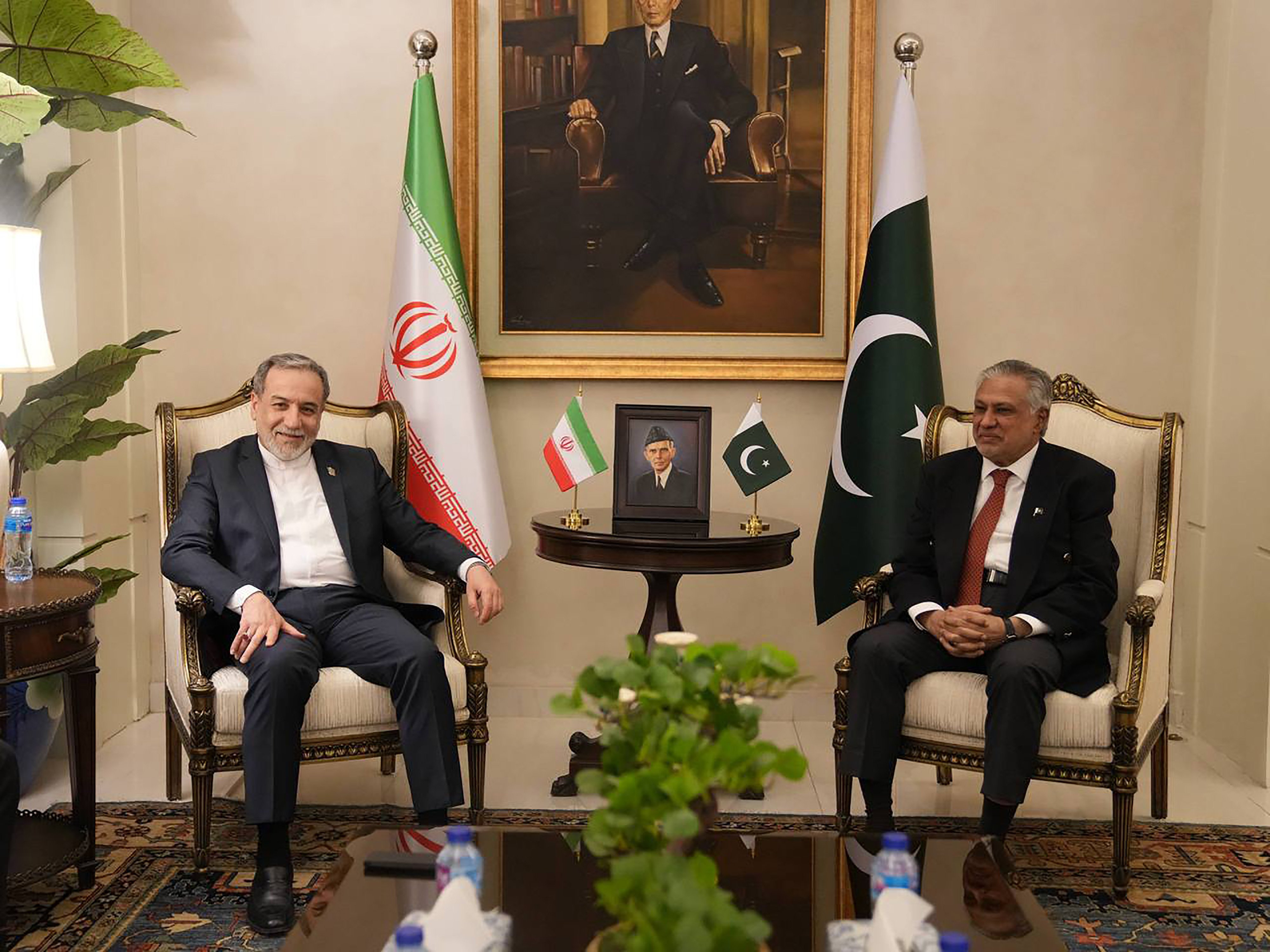
This disparity appears clearly in coverage related to the American-Israeli war on Iran and its repercussions for the Middle East, where many media outlets focused on highlighting security risks and military escalation and linked the course of negotiation to the logic of threat. By contrast, Omani diplomatic discourse presented a different model, based on the call for a ceasefire and a return to dialogue as the only viable path. This contrast does not merely reflect a difference in political positions; it also reveals a difference in the way meaning is constructed. Diplomacy presents an open path that is subject to change, while the media tends to present a relatively complete picture that the public can understand quickly, even if this comes at the expense of some aspects of complexity. 

The matter becomes more complicated with the nature of the contemporary media environment, which is built on what may be called the attention economy. Media institutions compete to attract the public in a space crowded with information, which pushes them to favour stories that are more dramatic and more capable of spreading. In the context of wars, narratives of escalation and confrontation are more attractive than narratives of negotiation and gradual solutions, because the former present a clear conflict and sharp binaries between two sides, whereas the latter present a complex path based on concessions and balances. This makes diplomatic discourse less able to compete within this economy built on speed and impact. 

Nevertheless, the relationship between media and diplomacy cannot be reduced to one of contradiction or opposition. The media does not necessarily work against diplomatic tracks, but it also does not operate according to their logic. It is governed by different considerations related to the nature of journalistic work, the demands of the public, and the pressure of time, while diplomacy is subject to political and strategic considerations that require it to move cautiously. From here, the apparent tension between them is, to a large extent, the result of a difference in rhythm: diplomacy needs time and calm, while the media works under the pressure of the moment and the acceleration of events. 

Nor does this disparity mean that one of the two fields is absolutely more accurate than the other. The media reveals important aspects of reality and contributes to holding political actors to account, while diplomacy provides channels of communication that can prevent conflicts from worsening. The problem appears when one is evaluated by the standards of the other. When the media is asked to reflect the full complexity of diplomatic tracks, it may lose its ability to communicate with the public; and when diplomacy is asked to be fully transparent, it may lose its negotiating effectiveness. 

The media produces a fast and simplified narrative that enables the event to be understood, while diplomacy manages a complex and gradual track aimed at reaching an outcome. Between these two logics, a state of apparent tension takes shape, but in essence it expresses a difference in the way reality is dealt with. 

In light of the transformations that the media sphere has witnessed in recent years, especially with the spread of social media, the boundaries between the two discourses are no longer as fixed as they once were. Diplomatic discourse itself has become, in part, directed at the broad public through digital platforms, in an attempt to influence public opinion or manage the international image of the state. This has led to a partial overlap between the two fields, but it has not eliminated the fundamental differences between them. Rather, it has made them more complex, because diplomatic messages are sometimes formulated in a media-like language, while media outlets have come to deal with official statements that carry within them negotiating dimensions that do not fully appear. 

In this context, understanding the relationship between media and diplomacy becomes necessary for explaining how narratives around wars and crises are formed. The media does not merely transmit events; it contributes to arranging them within a specific frame. Diplomacy does not merely manage negotiation; it also seeks to direct messages in a way that serves its objectives. Between these two paths, the general image that reaches the public is formed—an image that may reflect part of reality, but does not fully encapsulate it. 

Accordingly, the gap between the two discourses does not stem from a flaw in either one so much as from a difference in function, language, and rhythm. The media produces a fast and simplified narrative that enables the event to be understood, while diplomacy manages a complex and gradual track aimed at reaching an outcome. Between these two logics, a state of apparent tension takes shape, which may sometimes be understood as contradiction, but at its core it expresses a difference in the way reality is dealt with: the media seeks to interpret it, while diplomacy attempts to change it.

Related Articles

Censorship, Militarisation, and Dismantlement: How Public Media Became a Political Battlefield in Latin America

Public media in Latin America, such as Brazil's EBC and Argentina's Télam, are being undermined through militarisation and dismantlement, threatening their role as public institutions. These actions jeopardise media independence and weaken their ability to serve the public interest, posing a serious risk to democracy.

Rita Freire Published on: 19 Dec, 2024
Your Words Are Your Weapon — You Are a Soldier in a Propaganda War

Narrative warfare and the role of journalists in it is immense; the context of the conflict, the battleground has shifted to the realm of narratives, where journalists play a decisive role in shaping the narrative.

Ilya إيليا توبر 
Ilya U Topper Published on: 21 Apr, 2024
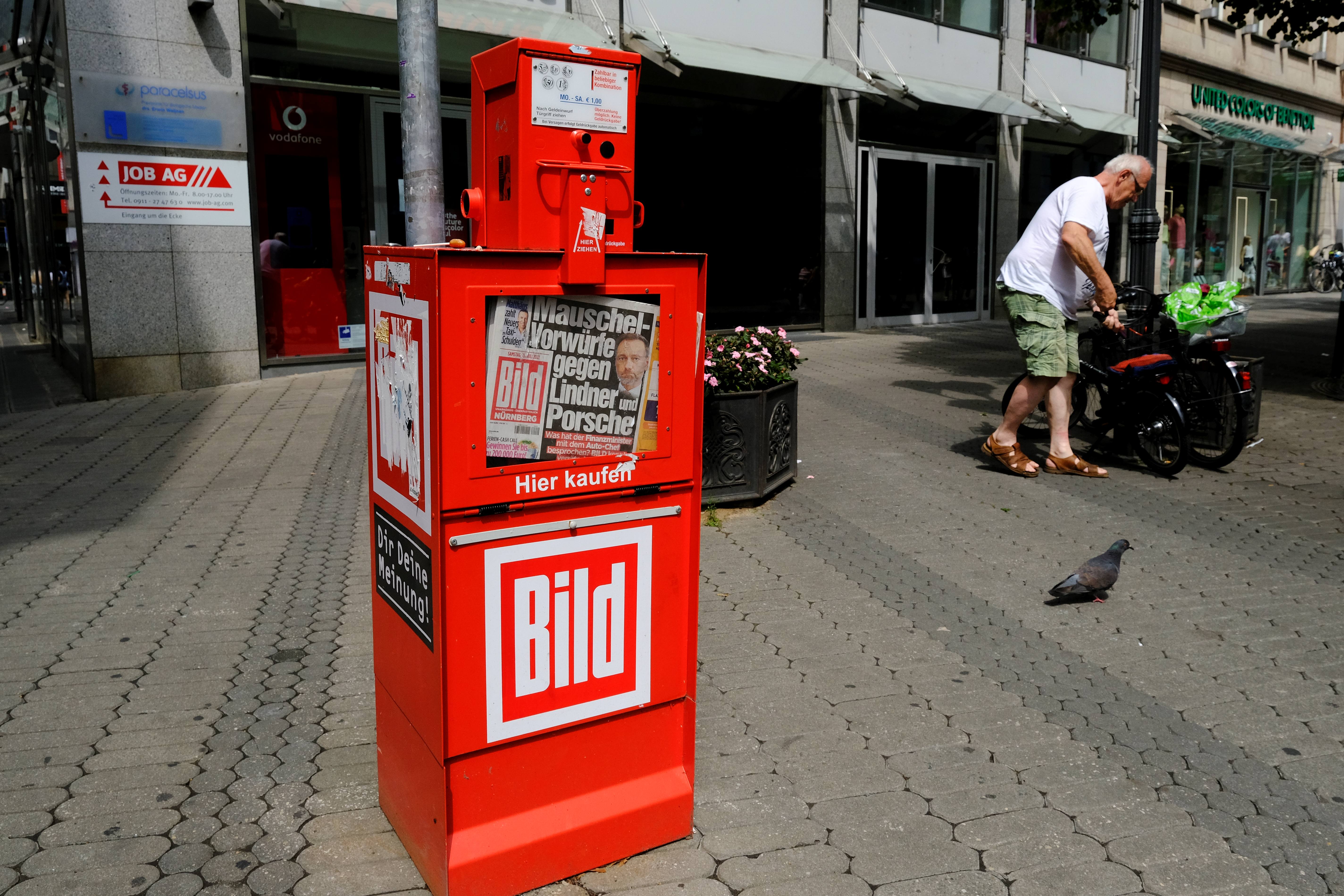
Bild Newspaper: The Story of Israel’s Propaganda Machine Specializing in Anti-Palestinian Incitement

It labelled Al Jazeera journalist Anas Al-Sharif, killed by the occupation, a “terrorist”; denies famine in Gaza; trains its journalists in Israel to promote the Zionist narrative; published forged documents leaked from Netanyahu’s office; and belongs to a media group whose charter affirms “support for Israel’s right to exist”. This is Bild, Germany’s newspaper of incitement against Palestinians, cited by Israel’s president.

Al Jazeera Journalism Review
Al Jazeera Journalism Review Published on: 7 Oct, 2025
Propaganda: Between Professional Conscience and Imposed Agendas

When media institutions first envisioned editorial charters and professional codes of conduct, their primary goal was to safeguard freedom of expression. However, experience has shown that these frameworks have often morphed into a "vast prison", one that strips journalists of their ability to confront authority in all its forms. In this way, Big Brother dons velvet gloves to seize what little space remains for the practice of true journalism.

فرح راضي الدرعاوي Farah Radi Al-Daraawi
Farah Radi Al-Daraawi Published on: 17 Oct, 2025
RSF's World Press Freedom Index: How Balanced Is the Ranking System?

The 2026 World Press Freedom Index analysis reveals a troubling gap between global media rankings and the violent reality facing journalists in Gaza. The pressure on the Index’s credibility appears set to intensify as critics argue that its Western-centric methods fail to accurately count Palestinian casualties or hold those responsible for the "journacide" accountable.

Sarah Samuel-Ayyash
Sarah Samuel-Ayyash Published on: 10 May, 2026

More Articles

Journalism After the Genocide in Gaza: One War Has Ended, and Other Wars Have Begun!

The post-ceasefire reality for Gaza’s journalists reveals a challenging shift from documenting active daily bombardment to navigating an overwhelming landscape of community and structural ruin. The pressure on reporters appears set to escalate as they struggle to rebuild their own lives from absolute zero while fighting to ensure that ongoing human suffering, systemic displacement, and political marginalization are accurately documented and held to account.

Yousef Fares
Yousef Fares Published on: 17 May, 2026
US-Iran Islamabad Talks: How Journalists Report from Outside Closed Doors

The "Islamabad Talks" highlight a growing contradiction in modern diplomacy where journalists are physically present but denied direct access to negotiations. The pressure on transparency appears set to intensify as reporters are forced to trade traditional eyewitnessing for outside in investigation and geopolitical speculation.

Anam Hussain
Anam Hussain Published on: 2 May, 2026
Can Artificial Intelligence Become a Documentary Film Director?

AI opens new possibilities in documentary filmmaking, from sorting archives to speeding up production. But documentary is not built on technology alone: it depends on the director’s vision, creativity, and ability to shape meaning. Can AI, for instance, make a film like Ordinary Fascism?

Bashar Hamdan, investigative producer and documentary filmmaker at Al Jazeera Media Network
Bashar Hamdan Published on: 23 Apr, 2026
When Speaking Up Backfires: How Social Conformity Silences Journalists

While state censorship remains a reality, freedom of speech in Africa faces a rising internal threat: the community itself. This article examines how social conformity, digital echo chambers, and ingrained bias create a modern "chilling effect". This pressure forces journalists to choose between aligning with popular narratives or facing professional and social marginalisation.

Derick Matsengarwodzi
Derick Matsengarwodzi Published on: 16 Apr, 2026
Has the Global South Benefited from the Digital Transformation?

Despite the promise of digital technologies to amplify voices and expand media reach in the Global South, structural barriers, such as political repression, technological dependency, and persistent digital divides, continue to limit their impact. Real progress requires not only technological adoption but also institutional reform, stronger journalistic capacity, and independent ethical frameworks to challenge dominant Western media narratives.

Al-Shafi Abtidon
Al-Shafi Abtidon Published on: 18 Mar, 2026
Missiles Made of Words: How Western Media Narratives Shape the Iran–Israel–US Conflict

Western media coverage of the Iran–Israel–US conflict often functions as a weapon of war, using selective language that frames US and Israeli strikes as “self-defence” while depicting Iranian actions as "provocation". This linguistic framing normalises civilian casualties and helps manufacture public consent for military aggression by dehumanising certain populations.

Muqeet Mohammed Shah
Muqeet Mohammed Shah, Ifrah Khalil Kawa Published on: 14 Mar, 2026
How the Ethiopian Civil War Unleashed a Lethal Media Crackdown

There has been a widening crackdown on the media in Ethiopia since war erupted between the central government and Tigray’s regional authorities in 2020, and the pressure appears set to intensify as the country prepares for general elections in June.

Nalova Akua
Nalova Akua Published on: 9 Mar, 2026
Are Netanyahu's and Trump’s Speeches Shaping Western Media Framing?

As political speeches framed the 2026 U.S.–Israeli attack on Iran, segments of Western media echoed their language and narratives, illustrating how strategic rhetoric and news framing can shape public opinion and legitimise military action.

Shaimaa Al-Eisai
Shaimaa Al-Eisai Published on: 6 Mar, 2026
Journalism in Gaza… A Race Against the Train of Genocide

In the following account, Amira Nassar presents a narrative filled with intricate detail, intimate exchanges, and an unyielding struggle over the meaning of writing amid slaughter and starvation. Part of The Journalism Review’s documentary project recording the testimonies of journalists in Palestine and the Gaza Strip during the ongoing genocide, it stands as a testament against oblivion and the machinery of extermination.

Amira Nassar
Amira Nassar Published on: 27 Feb, 2026
Kukurigo: Revolutionising news in Zimbabwe's WhatsApp era

The emergence of Kukurigo during Zimbabwe’s 2018 elections marked a turning point for digital journalism, transforming WhatsApp from a hub for misinformation into a vital platform for verified news. By leveraging the app’s low data costs, this grassroots initiative bridged the information gap for under-resourced communities, establishing a new model for media credibility and public service within an unstable political landscape.

Enock Muchinjo
Enock Muchinjo Published on: 19 Feb, 2026
The Epstein Files and the Art of Drowning the Truth

The mass release of millions of files related to Jeffrey Epstein serves as a metaphor for a wider crisis of the digital age: an overabundance of information that obscures rather than illuminates the truth. In an era where data floods replace traditional censorship, citizens risk becoming less informed, underscoring the vital role of professional journalism in filtering noise into meaningful knowledge.

Ilya إيليا توبر 
Ilya U Topper Published on: 12 Feb, 2026
Reporting the Spectacle: Myanmar’s Manufactured Elections

Myanmar’s recent elections posed a profound challenge for journalists, who were forced to navigate between exposing a sham process and inadvertently legitimising it. With media repression intensifying, reporting became an act of resistance against the junta’s effort to control information and silence independent voices.

Annie Zaman
Annie Zaman Published on: 7 Feb, 2026
Public Hostility Toward Legacy Media in Bangladesh

The December 2025 arson attacks on Prothom Alo and The Daily Star marked a turning point for journalism in Bangladesh. As public anger replaces state control as the primary threat, reporters are reassessing personal safety, editorial judgement, and professional credibility in a political transition where journalism itself is increasingly treated as an enemy.

Arsalan Bukhari, an independent journalist based in India
Arsalan Bukhari Published on: 4 Feb, 2026
Migration Issues and the Framing Dilemma in Western Media

How does the Western press shape the migration narrative? Which journalistic frames dominate its coverage? And is reporting on anti-immigration protests neutral or ideologically charged? This analysis examines how segments of Western media echo far-right rhetoric, reinforcing xenophobic discourse through selective framing, language, and imagery.

Salma Saqr
Salma Saqr Published on: 31 Jan, 2026
From News Reporting to Documentation: Practical Lessons from Covering the War on Gaza

From the very first moment of the genocidal war waged by Israel on Gaza, Al Jazeera correspondent Hisham Zaqout has been a witness to hunger, devastation, war crimes, and the assassination of his colleagues in the field. It is a battle for survival and documentation, one that goes beyond mere coverage and daily reporting.

Hisham Zakkout Published on: 26 Jan, 2026
Investigating the Assassination of My Own Father

As a journalist, reporting on the murder of my father meant answering questions about my own position as an objective observer.

Diana López Zuleta
Diana López Zuleta Published on: 16 Jan, 2026
What Image of Gaza Will the World Remember?

Will the story of Gaza be reduced to official statements that categorise the Palestinian as a "threat"? Or to images of the victims that flood the digital space? And how can the media be transformed into a tool for reinforcing collective memory and the struggle over narratives?

Hassan Obeid
Hasan Obaid Published on: 13 Jan, 2026
Bridging the AI Divide in Arab Newsrooms

AI is reshaping Arab journalism in ways that entrench power rather than distribute it, as under-resourced MENA newsrooms are pushed deeper into dependency and marginalisation, while wealthy, tech-aligned media actors consolidate narrative control through infrastructure they alone can afford and govern.

Sara Ait Khorsa
Sara Ait Khorsa Published on: 10 Jan, 2026
Generative AI in Journalism and Journalism Education: Promise, Peril, and the Global North–South Divide

Generative AI is transforming journalism and journalism education, but this article shows that its benefits are unevenly distributed, often reinforcing Global North–South inequalities while simultaneously boosting efficiency, undermining critical thinking, and deepening precarity in newsrooms and classrooms.

Carolyne Lunga
Carolyne Lunga Published on: 2 Jan, 2026
Intifada 2.0: Palestinian Digital Journalism from Uprising to Genocide

From underground newsletters during the Intifadas to livestreams from Gaza, Palestinian journalism has evolved into a decentralised digital practice of witnessing under occupation. This article examines how citizen journalists, fixers and freelancers have not only filled gaps left by international media, but fundamentally transformed how Palestine is reported, remembered and understood.

Zina Q.
Zina Q. Published on: 24 Dec, 2025
How Can Journalism Make the Climate Crisis a People’s Issue?

Between the import of Western concepts and terminology that often fail to reflect the Arab context, and the denial of the climate crisis, or the inability to communicate it in clear, accessible terms, journalism plays a vital role in informing the public and revealing how climate change directly affects the fabric of daily life in the Arab world.

Bana Salama
Bana Salama Published on: 19 Dec, 2025
Inside Vietnam’s Disinformation Machine and the Journalists Exposing It from Exile

Vietnam’s tightly controlled media environment relies on narrative distortion, selective omission, and propaganda to manage politically sensitive news. Exiled journalists and overseas outlets have become essential in exposing these practices, documenting forced confessions and smear campaigns, and preserving access to information that would otherwise remain hidden.

AJR Contributor Published on: 15 Dec, 2025
What It Means to Be an Investigative Journalist Today

A few weeks ago, Carla Bruni, wife of former French president Nicolas Sarkozy, was seen removing the Mediapart logo from view. The moment became a symbol of a major victory for investigative journalism, after the platform exposed Gaddafi’s financing of Sarkozy’s election campaign, leading to his prison conviction. In this article, Edwy Plenel, founder of Mediapart and one of the most prominent figures in global investigative journalism, reflects on a central question: what does it mean to be an investigative journalist today?

Edwy Plenel
Edwy Plenel Published on: 27 Nov, 2025
In-Depth and Longform Journalism in the AI Era: Revival or Obsolescence?

Can artificial intelligence tools help promote and expand the reach of longform journalism, still followed by a significant audience, or will they accelerate its decline? This article examines the leading AI tools reshaping the media landscape and explores the emerging opportunities they present for longform journalism, particularly in areas such as search and content discovery.

. سعيد ولفقير. كاتب وصحافي مغربي. ساهم واشتغل مع عددٍ من المنصات العربية منذ أواخر عام 2014.Said Oulfakir. Moroccan writer and journalist. He has contributed to and worked with a number of Arab media platforms since late 2014.
Said Oulfakir Published on: 24 Nov, 2025