Al Jazeera Journalism Review

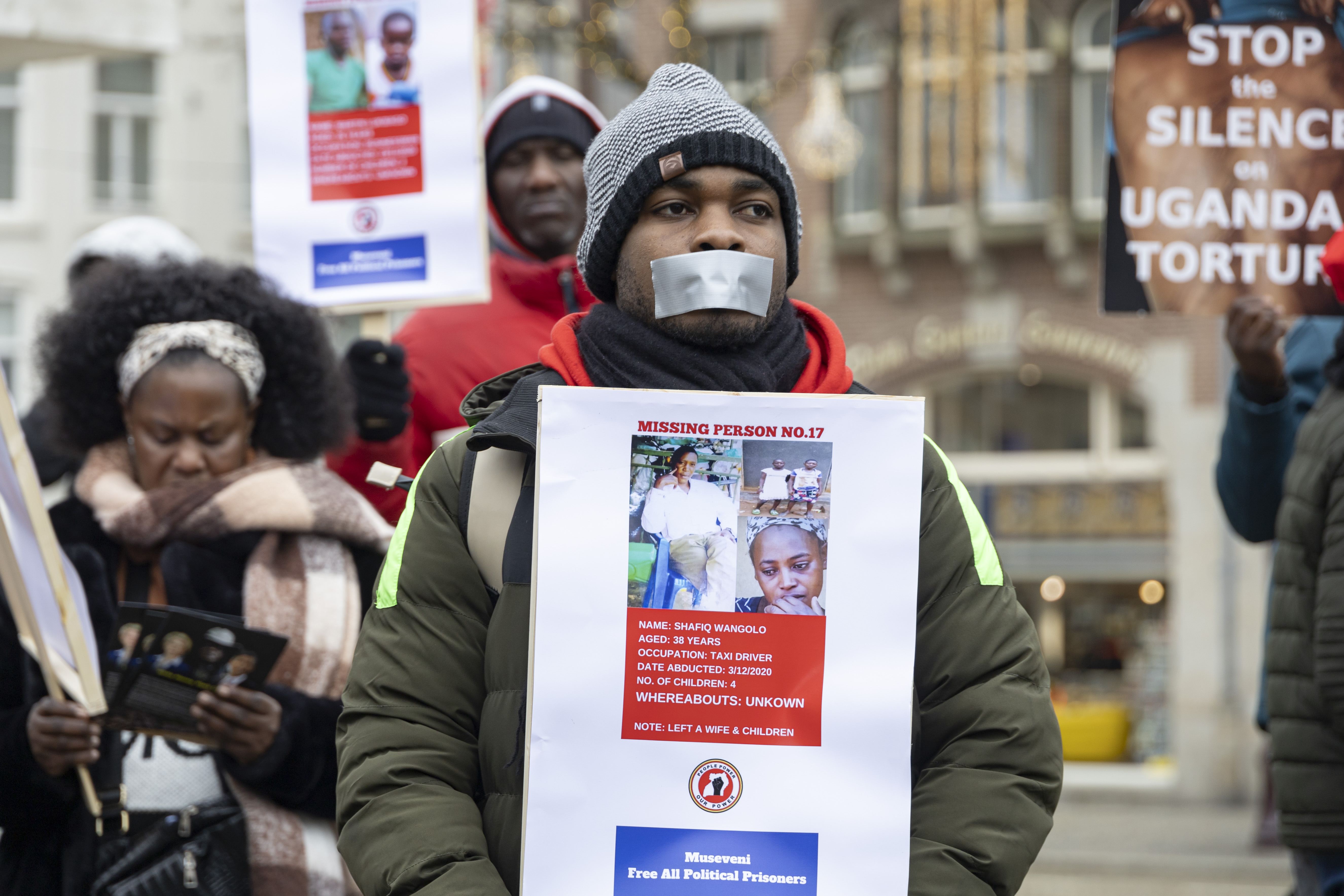
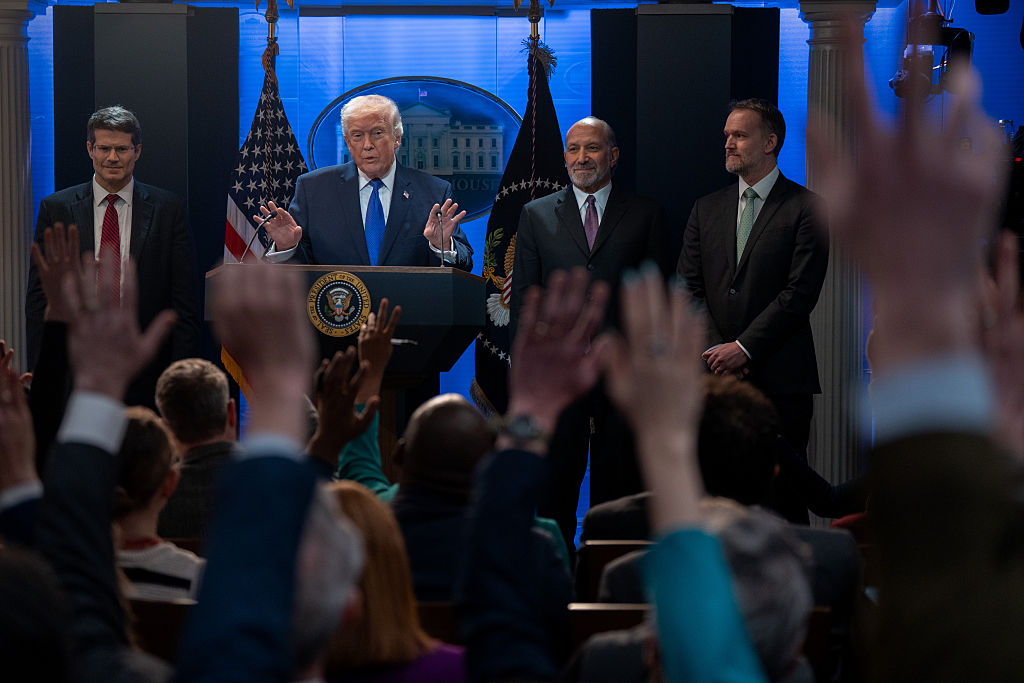
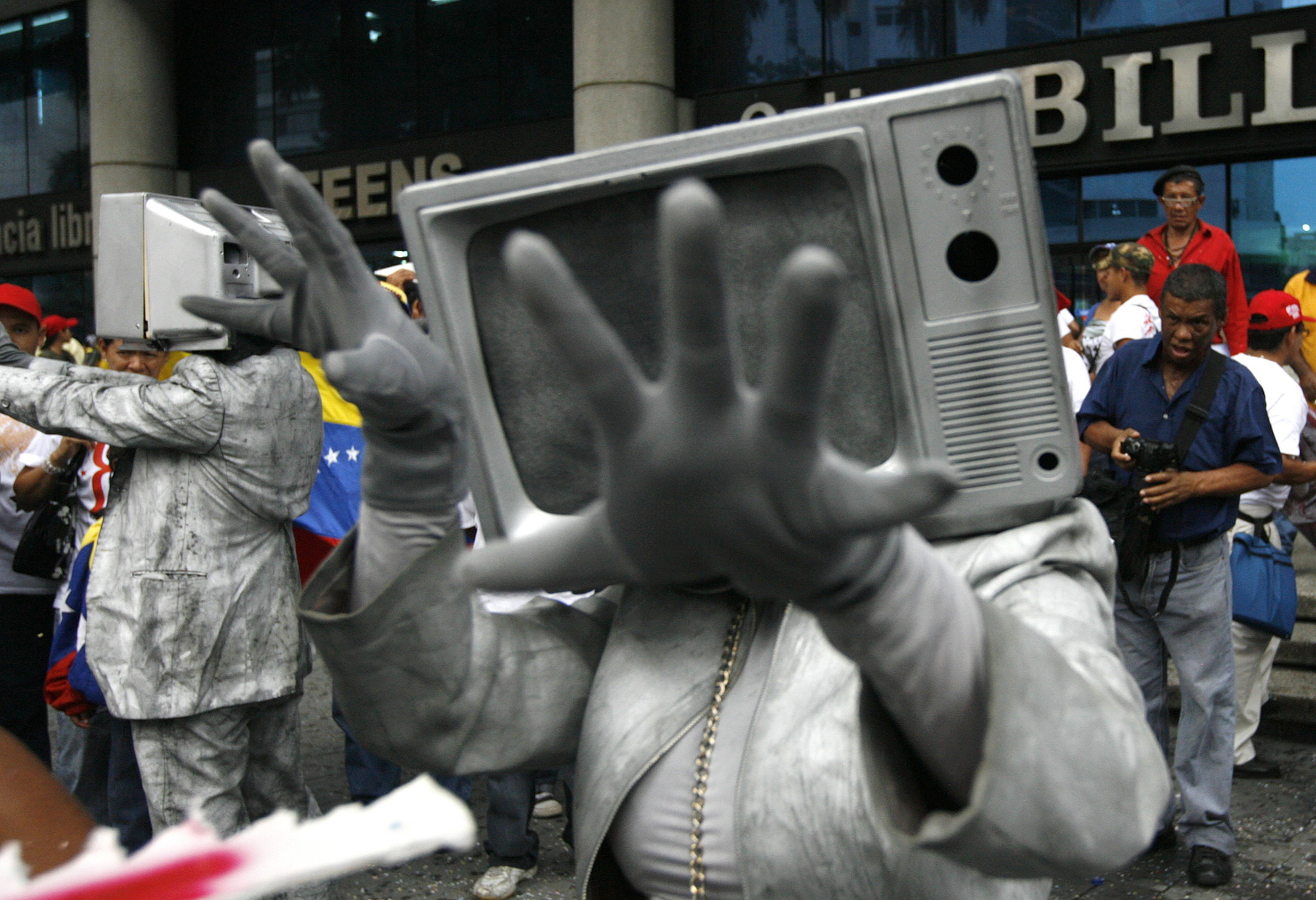
Members of independent media organizations protest outside the venue of an Inter-American Press Association (IAPA) meeting in Caracas, Venezuela, on September 18, 2009.

The Left and the Right in One Front Against Journalism in South America

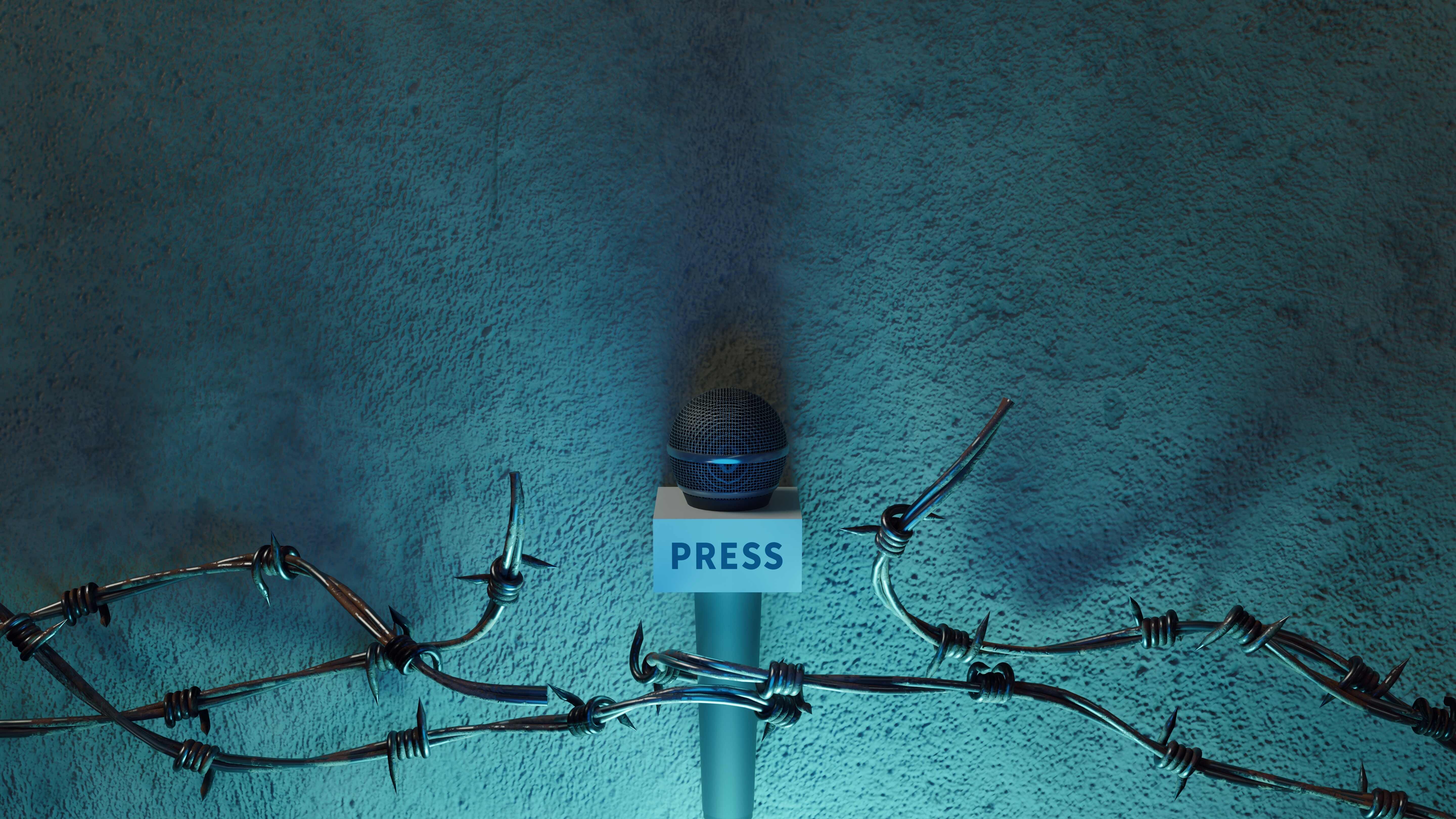
Journalism in Latin America is facing a crisis of hostility. In the age of political polarization, governments from both the left and the right are not merely managing states; they are actively harassing critical voices, imposing institutional censorship, and enforcing official narratives that attack independent media to silence disagreement and fake democracy across the region.


Journalism in Latin America, and its relationship with power, whether left-wing or right-wing, is living through turbulent moments marked by tension, danger, hostility, and open confrontation governed by the old popular saying: “Either you are with me, or you are against me.” 

In Mexico, El Salvador, and Venezuela, journalists are languishing in prison because they wrote articles that disturbed or angered the ruling authority. In Caribbean countries such as Cuba, there is not even circulation of privately owned newspapers or independent radio stations. There is only Granma, the official newspaper of the Cuban Communist Party. This newspaper does not inform; it indoctrinates. Revolution and loyalty to the regime come first, and anything else is of no great importance. 

Moreover, in Cuba, foreign journalists are forced to “disguise” themselves as tourists in order to practise journalism on the socialist island. Recently, Colombian colleagues went to Havana to cover the fuel shortage, famine among the population, and the decline in tourism under the strict capitalist blockade imposed by the United States on Cuba. The journalists had to pose as a “happy couple” seeking only to enjoy walking through the historic centre of Old Havana, chatting with locals, and relaxing on the beaches of Varadero, so that they could do their work while exercising extreme caution when recording with a mobile phone camera. This kind of journalism continues in Latin American countries where the dictatorship of the government, whether left-wing or radical right-wing, decides what is published and what is not. 

Journalism in Argentina is living through moments of economic prosperity, while critical journalism is subjected to harassment, criminal prosecution, and stigmatisation from the highest levels of power. Defamation campaigns are paid for from the public treasury, and the far right uses its repressive arm. 

Where does democracy lie in Latin America? Free coexistence and social opinion are permitted only so long as they do not tangibly harm the ruling regime. The freedom to report and write about what one sees has become nothing more than a utopia, an illusion, or a distant dream. 

In Mexico, my country, which is governed by the left that “promotes” humanity, confronts neoliberalism, and elevates republican austerity under the slogan “the poor first”, an official narrative has been established with the aim of discrediting and attacking any journalist or media outlet, television, newspaper, digital platform, or podcast, that openly criticises the way the budget is managed, the strategy for combating drug trafficking, or the high figures of rampant insecurity. 

“Garbage journalism, members of the mafia of power, conservative press, paid press, liars and slanderers, professional deceivers”: these are only some of the descriptions used by Mexico’s last two left-wing presidents, Andrés Manuel López Obrador and the current president, Claudia Sheinbaum, against many journalists for criticising the spread of corruption, the appointment of senior officials’ relatives to government positions, or the denunciation of a failed security strategy. 

Going even further, the left-wing governor of the state of Campeche, Layda Sansores, ordered her police to arrest the journalist Jorge González, accusing him of “defamation” and “hate crimes” against the government. Social pressure and the solidarity of journalists prevented him from remaining in prison; nevertheless, a court in Campeche ruled that he be banned from practising his profession for two years. How will this journalist live or work? This is silence and professional terror in its most splendid form. Similar cases have occurred in other left-governed states such as Veracruz, where there “exists” a laughable charge against a journalist accused of “terrorism” for filming, on his phone, the unlawful arrest of a citizen. 

Mexico City deserves special mention. Its head of government, who governs a city of more than 20 million inhabitants, attempted to interfere in the editorial line of the press, proposing to “soften the tone of news about violence” or avoid causing noise, saying: “I do not want to see headlines like this” when referring to health crises. This makes clear that, in 2026, the editorial desk can now be managed from the governor’s presidential chair. It is the role of “gatekeeper” exercised from the highest authority. 

In Mexico, my country, which is governed by the left that “promotes” humanity, confronts neoliberalism, and elevates republican austerity under the slogan “the poor first”, an official narrative has been established with the aim of discrediting and attacking any journalist or media outlet, television, newspaper, digital platform, or podcast, that openly criticises the way the budget is managed, the strategy for combating drug trafficking, or the high figures of rampant insecurity. 

In Argentina, where President Javier Milei belongs to the far right, and where he engages in a pattern similar to Mexico’s of harassment and persecution against the capital’s press, complaints have been filed against eight journalists over the past two years. And imagine why? Yes, for the same reasons denounced by the left in North America: allegations of insult and defamation. 

Here, the descriptions and insults Milei directs at journalists are very eloquent: “monkeys, filthy leftists, human waste, whores of the narrative”, in addition to a sentence that reveals much about the stance of power in direct confrontation with Latin journalism: “We do not hate journalists enough.” 

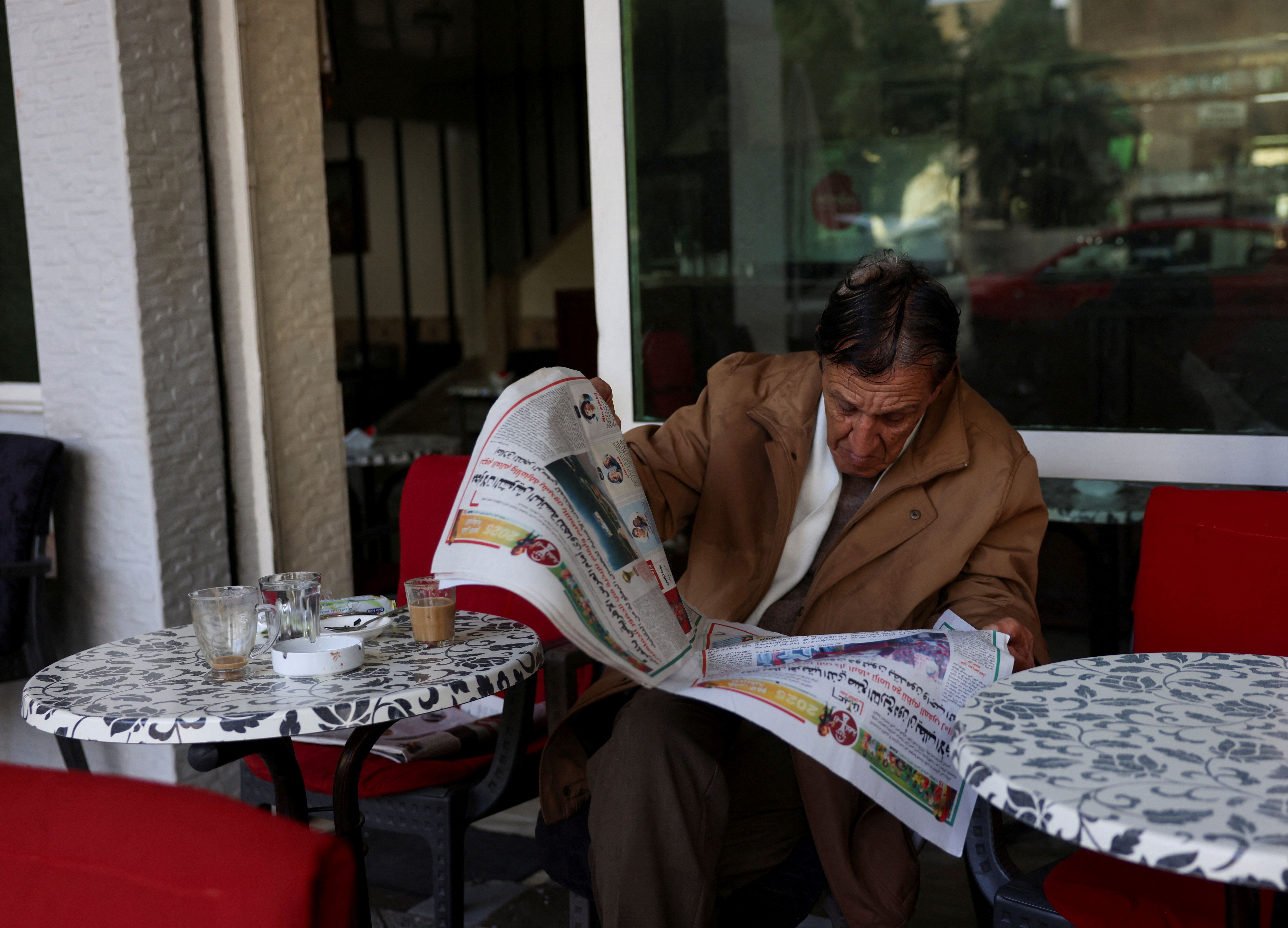
Last October, I was visiting Buenos Aires. I spent a week wandering through the most European capital in Latin America, reading newspapers and speaking with correspondents and with people. The conclusions were predictable: the dominant media openly support the official narrative, back the economist and statesman Milei, and are experiencing moments of economic prosperity. By contrast, critical journalism is subjected to harassment, criminal prosecution, and stigmatisation from the highest levels of power. Defamation campaigns are paid for from the public treasury, and the far right uses its repressive arm. 

Argentina’s traditional newspaper La Nación counted more than 400 insults from the right-wing Milei against the press in that country. And any resemblance to left-wing leaders, López Obrador in Mexico, Bukele in El Salvador, Petro in Colombia, or Maduro in Venezuela, is purely coincidental! 

“Pure political fiction!” That is what Carlos Salinas de Gortari, the former centre-right Mexican president, used to say when the press caught him red-handed in an act of corruption. 

What an irony! I thought, as I contemplated, on a dark night, the Obelisk, Argentina’s iconic symbol, built ninety years ago, how similar the Mexican left and the Argentine right appear: overlapping, highly sensitive to social and media criticism, repressive towards those who do not agree with their absolute “truths” and who expose or criticise them. The French king Louis XIV said it better several centuries ago: “I am the state”, the highest degree of the centralisation of power, with no right to accountability, endlessly. 

In Latin America, democracy is merely a simulation. Healthy social coexistence between power and the press ends when the economic interests and dominance of the former are affected by the latter. Freedom of the press is transient, and in several Latin countries it is practised “by the drop”, because the free right to think and express oneself is restricted in many countries. 

In Latin America, democracy is merely a simulation. Healthy social coexistence between power and the press ends when the economic interests and dominance of the former are affected by the latter. Freedom of the press is transient, and in several Latin countries it is practised “by the drop”, because the free right to think and express oneself is restricted in many countries. 

In Venezuela, Nicolás Maduro has fallen, but the socialist regime that governs it has not. In Caracas, my Venezuelan colleagues tell me of slight changes from the era of “Chavismo”: repression is still in force; there have been no printed newspapers for a decade; there is no credibility in the little journalism that exists because it is subject to the Bolivarian regime; critical journalists have already been exiled from the country “for the wellbeing of the republic”. 

People do not listen to the news in Venezuela because they feel it offers them nothing. That familiar everyday scene in Latin America of listening to radio news bulletins while driving a car or riding in a taxi does not exist in Caracas and other Venezuelan cities. 

In the most extreme case of Venezuela, there is a ban on the platform X, formerly Twitter, and on ChatGPT, both prohibited in the name of national security. The Venezuelan who wants to obtain information is forced to buy expensive VPN services in order to browse digital newspapers from abroad and read critical journalism about his country, and, of course, he does so in complete secrecy. 

Chile, one of the most developed countries in Latin America, is living through a very unique duality. For 24 years, Chileans have moved from the left to the right and back again: every four years, they move to opposing poles. Within this arrangement, they live through sharp polarisation, as quiet as it is surreal. 

In the Andean country, every newspaper has a label: “This newspaper is left-wing”; “This one belongs to the far right”; “This one misleads”; “This one spreads fake news”; “This one sows fear”; “This one says Chile is collapsing”; “And this one says we are the best economy.” It is a polarisation worthy of sociological and media analysis. 

In Ecuador, something strange is happening. There is legislation dating back to 2013, governed by a strict law called the “Organic Law of Communication” (LOC), known as the “gag law”, whereby an auditor or monitor paid from the public treasury decides the penalties and censorship imposed on certain publications. In simpler terms: institutional censorship. 

Contempt from the left or the right in power weakens journalistic work and makes it fragile before the reader or viewer. And yet, from every trench, radio, press, or television, every journalist continues to carve out a path so that their work reaches the audience they want to communicate with. In the end, the repressive measures and censorship practised by politicians, whether from the left or the right, are very similar; and thanks to technology, each time we find tools to confront them. 

Related Articles

Censorship, Militarisation, and Dismantlement: How Public Media Became a Political Battlefield in Latin America

Public media in Latin America, such as Brazil's EBC and Argentina's Télam, are being undermined through militarisation and dismantlement, threatening their role as public institutions. These actions jeopardise media independence and weaken their ability to serve the public interest, posing a serious risk to democracy.

Rita Freire Published on: 19 Dec, 2024
Risking their lives on the frontlines, journalists in Brazil’s favelas struggle for recognition

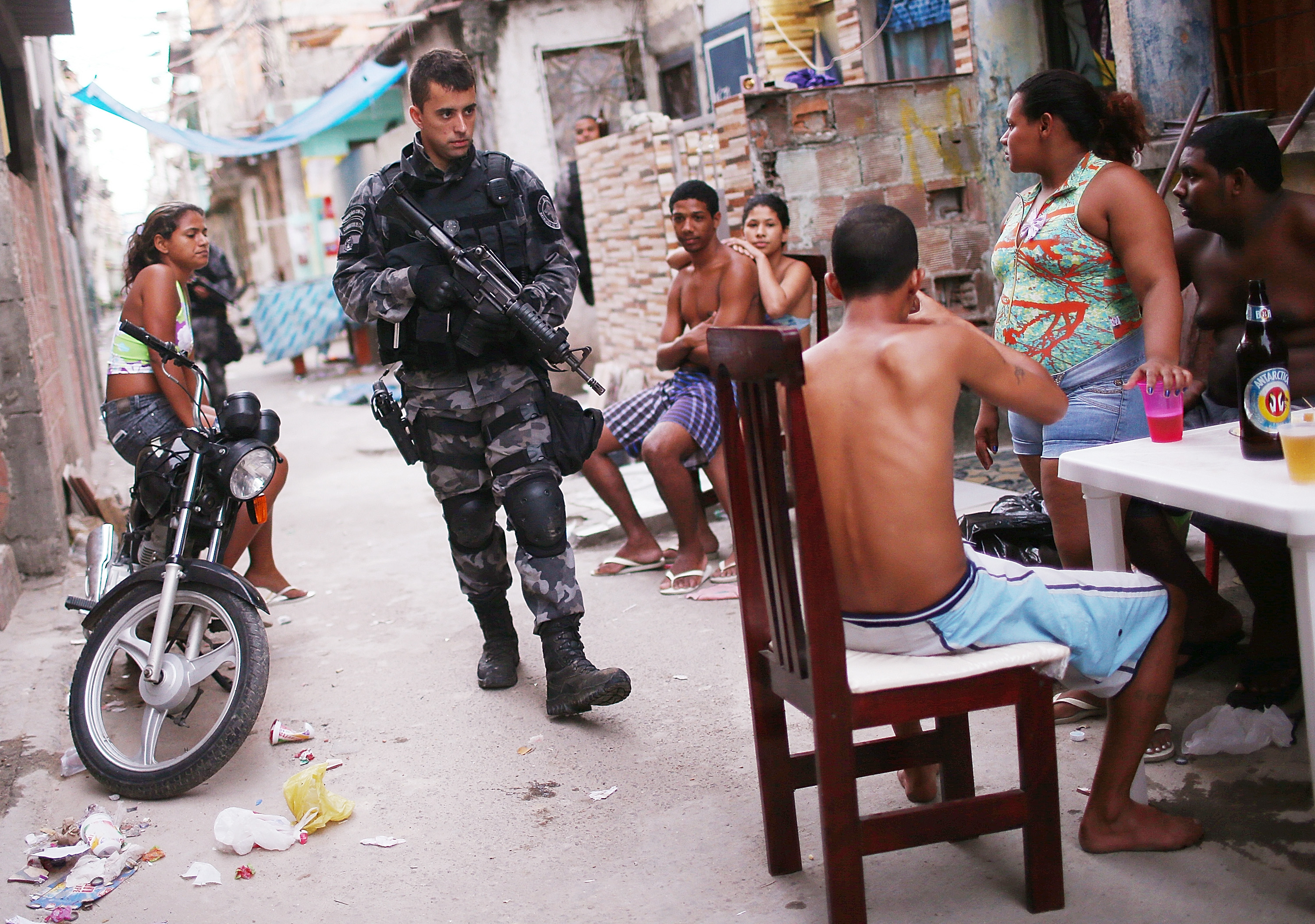
By all measures, journalists from Rio’s favelas are among the bravest war reporters in the world, facing a constant threat of violence from all directions. Still, favela journalists continue human rights violations and serve their community.

A picture of the author, Daniel Avelar, wearing a black and white checkered scarf.
Daniel Avelar Published on: 11 Mar, 2021
Glenn Greenwald explores how journalism can stop authoritarianism in Bolsonaro's Brazil

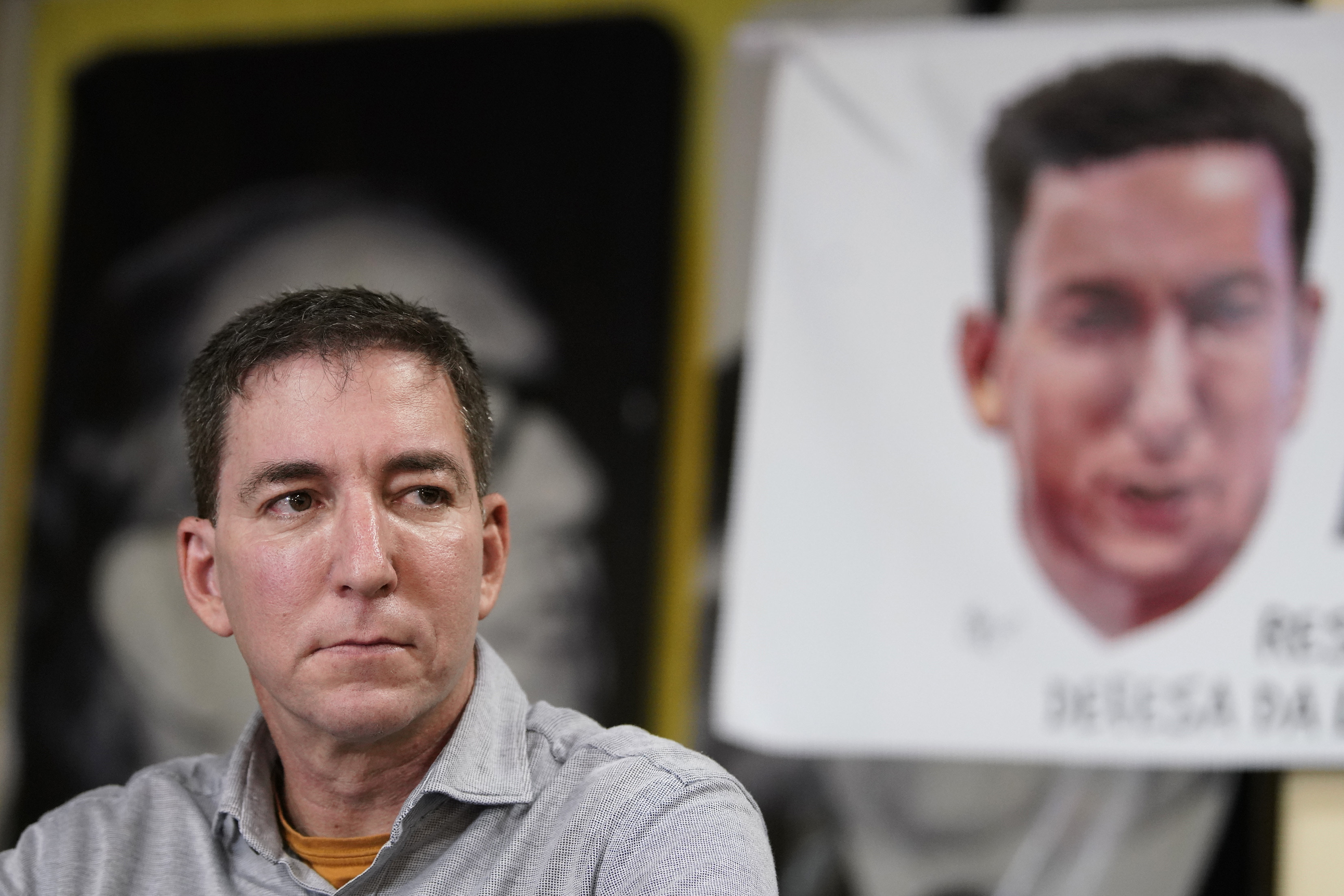
How can journalism stem the tide of rising authoritarianism? In his latest book, Glenn Greenwald tackles the thorny subject, drawing on his experiences investigating corruption in the Bolsonaro government in Brazil.

A picture of the author, Daniel Avelar, wearing a black and white checkered scarf.
Daniel Avelar Published on: 5 Apr, 2021
Journalists are murdered when governments fail to ensure a free press

Over the past four years, everyone I've known who has tried to investigate the operations of mercenaries in Africa has either been killed or injured in attacks

Philip Obaji Jr
Philip Obaji Jr Published on: 12 Jun, 2022
Weaponizing the Law: SLAPPs Against Journalists and Press Freedom

SLAPPs—abusive lawsuits designed to silence journalists and activists—are surging across Southeast Asia, exploiting vague laws and weak protections to punish those who speak truth to power. As legal harassment intensifies, journalists face not only imprisonment and censorship but also emotional trauma, exile, and long-term damage to their careers.

AJR Contributor Published on: 17 Apr, 2025

More Articles

Humanitarian Storytelling: Reclaiming Voice in Crisis Reporting

Humanitarian storytelling is evolving. In the age of algorithmic amplification, humanitarian organisations are not merely sharing aid updates; they work side by side with responsible media; they are providing accountability, combating harmful narratives, and demonstrating the human reality behind the crisis and news headlines.

Shereen Nanish. A media consultant from Palestine/Jordan with over 10 years of experience in journalism and humanitarian communications. Based in Germany.
Shereen Nanish Published on: 1 Jun, 2026
On the Misunderstanding Between Media and Diplomacy

The analysis of international crisis coverage reveals a clear structural gap between the immediate, simplified narratives produced by the media and the slow, complex processes of diplomacy. The tension between the two fields appears set to persist as reporters are forced to trade detailed, long-term tracking of negotiation for fast-paced, dramatic framing and the immediate demands of the attention economy.

Said Al-Azri
Said Al-Azri Published on: 28 May, 2026
How Journalists are Combating Cybertroopers 

The brutal state crackdown in Đồng Tâm highlights a intensifying withdrawal from free expression in Vietnam, heavily driven by the regime's deployment of state-backed cyberarmies like Force 47. As these digital actors systematically intimidate and mass-report critics, tech giants like Meta further compound the issue by increasingly acquiescing to government censorship requests to protect market share. This coordinated digital assault leaves a dangerous gap in the global conversation, forcing independent journalists to navigate severe online hostility and risk arbitrary imprisonment just to expose state overreach.

AJR Contributor Published on: 25 May, 2026
Journalism After the Genocide in Gaza: One War Has Ended, and Other Wars Have Begun!

The post-ceasefire reality for Gaza’s journalists reveals a challenging shift from documenting active daily bombardment to navigating an overwhelming landscape of community and structural ruin. The pressure on reporters appears set to escalate as they struggle to rebuild their own lives from absolute zero while fighting to ensure that ongoing human suffering, systemic displacement, and political marginalization are accurately documented and held to account.

Yousef Fares
Yousef Fares Published on: 17 May, 2026
US-Iran Islamabad Talks: How Journalists Report from Outside Closed Doors

The "Islamabad Talks" highlight a growing contradiction in modern diplomacy where journalists are physically present but denied direct access to negotiations. The pressure on transparency appears set to intensify as reporters are forced to trade traditional eyewitnessing for outside in investigation and geopolitical speculation.

Anam Hussain
Anam Hussain Published on: 2 May, 2026
Can Artificial Intelligence Become a Documentary Film Director?

AI opens new possibilities in documentary filmmaking, from sorting archives to speeding up production. But documentary is not built on technology alone: it depends on the director’s vision, creativity, and ability to shape meaning. Can AI, for instance, make a film like Ordinary Fascism?

Bashar Hamdan, investigative producer and documentary filmmaker at Al Jazeera Media Network
Bashar Hamdan Published on: 23 Apr, 2026
When Speaking Up Backfires: How Social Conformity Silences Journalists

While state censorship remains a reality, freedom of speech in Africa faces a rising internal threat: the community itself. This article examines how social conformity, digital echo chambers, and ingrained bias create a modern "chilling effect". This pressure forces journalists to choose between aligning with popular narratives or facing professional and social marginalisation.

Derick Matsengarwodzi
Derick Matsengarwodzi Published on: 16 Apr, 2026
Has the Global South Benefited from the Digital Transformation?

Despite the promise of digital technologies to amplify voices and expand media reach in the Global South, structural barriers, such as political repression, technological dependency, and persistent digital divides, continue to limit their impact. Real progress requires not only technological adoption but also institutional reform, stronger journalistic capacity, and independent ethical frameworks to challenge dominant Western media narratives.

Al-Shafi Abtidon
Al-Shafi Abtidon Published on: 18 Mar, 2026
Missiles Made of Words: How Western Media Narratives Shape the Iran–Israel–US Conflict

Western media coverage of the Iran–Israel–US conflict often functions as a weapon of war, using selective language that frames US and Israeli strikes as “self-defence” while depicting Iranian actions as "provocation". This linguistic framing normalises civilian casualties and helps manufacture public consent for military aggression by dehumanising certain populations.

Muqeet Mohammed Shah
Muqeet Mohammed Shah, Ifrah Khalil Kawa Published on: 14 Mar, 2026
How the Ethiopian Civil War Unleashed a Lethal Media Crackdown

There has been a widening crackdown on the media in Ethiopia since war erupted between the central government and Tigray’s regional authorities in 2020, and the pressure appears set to intensify as the country prepares for general elections in June.

Nalova Akua
Nalova Akua Published on: 9 Mar, 2026
Are Netanyahu's and Trump’s Speeches Shaping Western Media Framing?

As political speeches framed the 2026 U.S.–Israeli attack on Iran, segments of Western media echoed their language and narratives, illustrating how strategic rhetoric and news framing can shape public opinion and legitimise military action.

Shaimaa Al-Eisai
Shaimaa Al-Eisai Published on: 6 Mar, 2026
Journalism in Gaza… A Race Against the Train of Genocide

In the following account, Amira Nassar presents a narrative filled with intricate detail, intimate exchanges, and an unyielding struggle over the meaning of writing amid slaughter and starvation. Part of The Journalism Review’s documentary project recording the testimonies of journalists in Palestine and the Gaza Strip during the ongoing genocide, it stands as a testament against oblivion and the machinery of extermination.

Amira Nassar
Amira Nassar Published on: 27 Feb, 2026
Kukurigo: Revolutionising news in Zimbabwe's WhatsApp era

The emergence of Kukurigo during Zimbabwe’s 2018 elections marked a turning point for digital journalism, transforming WhatsApp from a hub for misinformation into a vital platform for verified news. By leveraging the app’s low data costs, this grassroots initiative bridged the information gap for under-resourced communities, establishing a new model for media credibility and public service within an unstable political landscape.

Enock Muchinjo
Enock Muchinjo Published on: 19 Feb, 2026
The Epstein Files and the Art of Drowning the Truth

The mass release of millions of files related to Jeffrey Epstein serves as a metaphor for a wider crisis of the digital age: an overabundance of information that obscures rather than illuminates the truth. In an era where data floods replace traditional censorship, citizens risk becoming less informed, underscoring the vital role of professional journalism in filtering noise into meaningful knowledge.

Ilya إيليا توبر 
Ilya U Topper Published on: 12 Feb, 2026
Reporting the Spectacle: Myanmar’s Manufactured Elections

Myanmar’s recent elections posed a profound challenge for journalists, who were forced to navigate between exposing a sham process and inadvertently legitimising it. With media repression intensifying, reporting became an act of resistance against the junta’s effort to control information and silence independent voices.

Annie Zaman
Annie Zaman Published on: 7 Feb, 2026
Public Hostility Toward Legacy Media in Bangladesh

The December 2025 arson attacks on Prothom Alo and The Daily Star marked a turning point for journalism in Bangladesh. As public anger replaces state control as the primary threat, reporters are reassessing personal safety, editorial judgement, and professional credibility in a political transition where journalism itself is increasingly treated as an enemy.

Arsalan Bukhari, an independent journalist based in India
Arsalan Bukhari Published on: 4 Feb, 2026
Migration Issues and the Framing Dilemma in Western Media

How does the Western press shape the migration narrative? Which journalistic frames dominate its coverage? And is reporting on anti-immigration protests neutral or ideologically charged? This analysis examines how segments of Western media echo far-right rhetoric, reinforcing xenophobic discourse through selective framing, language, and imagery.

Salma Saqr
Salma Saqr Published on: 31 Jan, 2026
From News Reporting to Documentation: Practical Lessons from Covering the War on Gaza

From the very first moment of the genocidal war waged by Israel on Gaza, Al Jazeera correspondent Hisham Zaqout has been a witness to hunger, devastation, war crimes, and the assassination of his colleagues in the field. It is a battle for survival and documentation, one that goes beyond mere coverage and daily reporting.

Hisham Zakkout Published on: 26 Jan, 2026
Investigating the Assassination of My Own Father

As a journalist, reporting on the murder of my father meant answering questions about my own position as an objective observer.

Diana López Zuleta
Diana López Zuleta Published on: 16 Jan, 2026
What Image of Gaza Will the World Remember?

Will the story of Gaza be reduced to official statements that categorise the Palestinian as a "threat"? Or to images of the victims that flood the digital space? And how can the media be transformed into a tool for reinforcing collective memory and the struggle over narratives?

Hassan Obeid
Hasan Obaid Published on: 13 Jan, 2026
Bridging the AI Divide in Arab Newsrooms

AI is reshaping Arab journalism in ways that entrench power rather than distribute it, as under-resourced MENA newsrooms are pushed deeper into dependency and marginalisation, while wealthy, tech-aligned media actors consolidate narrative control through infrastructure they alone can afford and govern.

Sara Ait Khorsa
Sara Ait Khorsa Published on: 10 Jan, 2026
Generative AI in Journalism and Journalism Education: Promise, Peril, and the Global North–South Divide

Generative AI is transforming journalism and journalism education, but this article shows that its benefits are unevenly distributed, often reinforcing Global North–South inequalities while simultaneously boosting efficiency, undermining critical thinking, and deepening precarity in newsrooms and classrooms.

Carolyne Lunga
Carolyne Lunga Published on: 2 Jan, 2026
Intifada 2.0: Palestinian Digital Journalism from Uprising to Genocide

From underground newsletters during the Intifadas to livestreams from Gaza, Palestinian journalism has evolved into a decentralised digital practice of witnessing under occupation. This article examines how citizen journalists, fixers and freelancers have not only filled gaps left by international media, but fundamentally transformed how Palestine is reported, remembered and understood.

Zina Q.
Zina Q. Published on: 24 Dec, 2025
How Can Journalism Make the Climate Crisis a People’s Issue?

Between the import of Western concepts and terminology that often fail to reflect the Arab context, and the denial of the climate crisis, or the inability to communicate it in clear, accessible terms, journalism plays a vital role in informing the public and revealing how climate change directly affects the fabric of daily life in the Arab world.

Bana Salama
Bana Salama Published on: 19 Dec, 2025