
As political speeches framed the 2026 U.S.–Israeli attack on Iran, segments of Western media echoed their language and narratives, illustrating how strategic rhetoric and news framing can shape public opinion and legitimise military action.
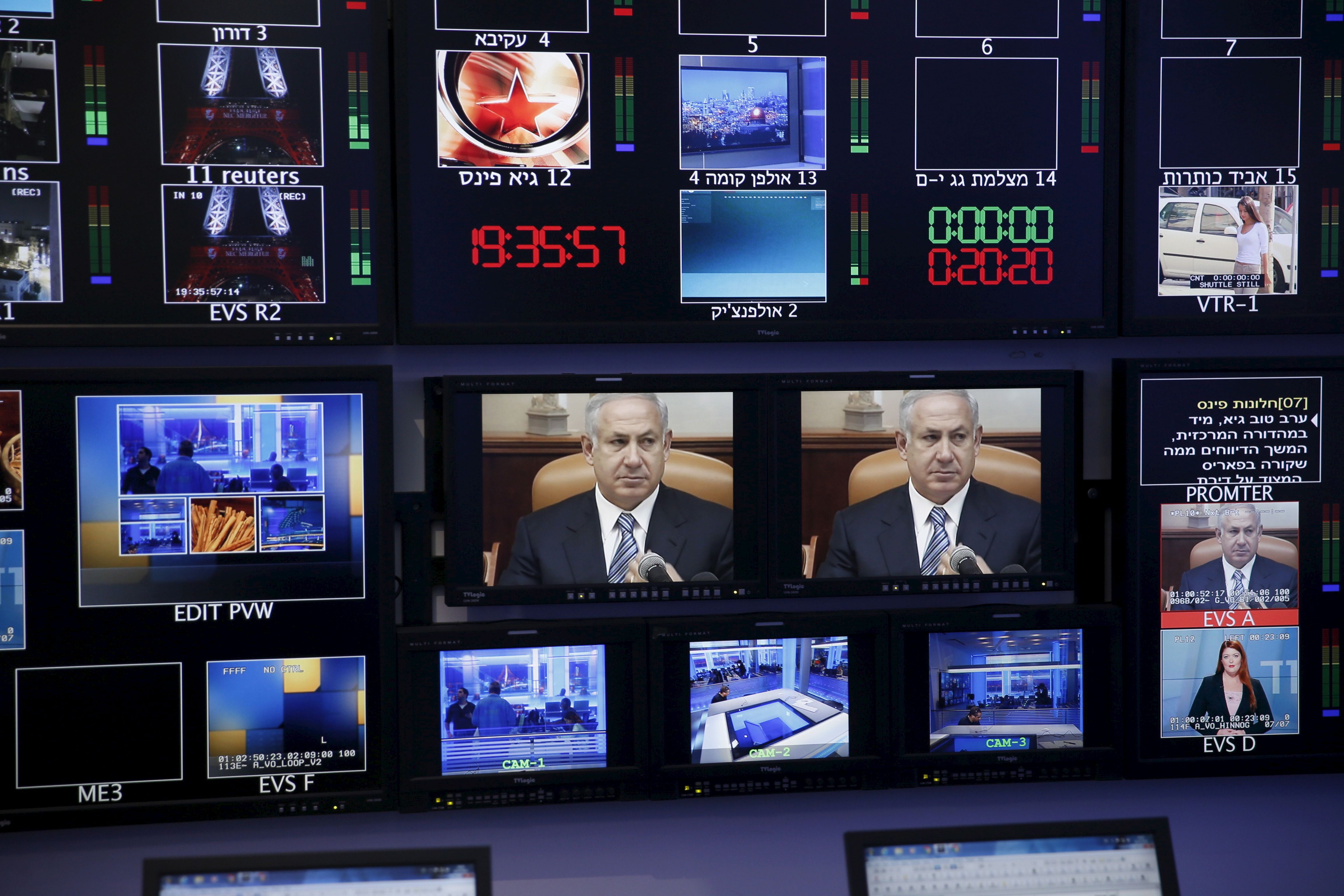
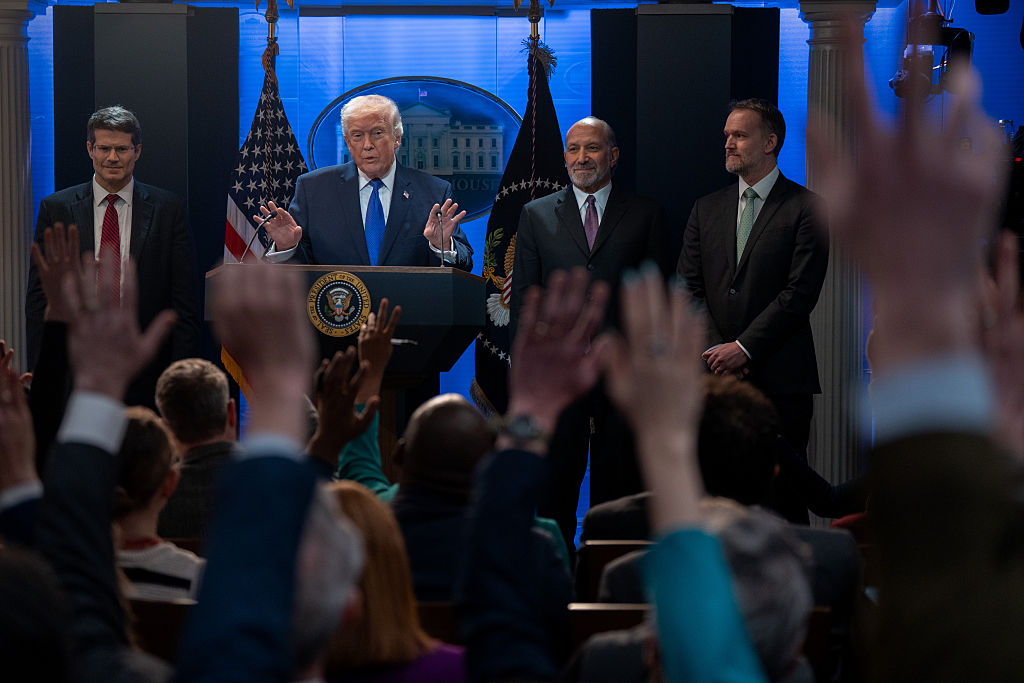
Hours after the Israeli–American attack on Iran on the morning of February 28, 2026, US President Donald Trump delivered a televised address to the media. Minutes later, Israeli Prime Minister Benjamin Netanyahu delivered another speech. The style of the two addresses may not appear unusual to Arab audiences who have grown accustomed to this kind of media rhetoric since the Gaza war that began in October 2023. The language in both speeches was marked by sharp criticism of the Iranian regime, relying on expressions condemning actions described as "terrorist", "bloody", and "terrifying".
This approach has also appeared in earlier wars, particularly those waged by the United States against countries such as Afghanistan and Iraq.
On March 17, 2003, shortly before the invasion of Iraq began, George W. Bush delivered a speech addressed to the Iraqi government and people, declaring: “Saddam Hussein and his sons must leave Iraq within 48 hours, or military conflict will begin at a time of our choosing.” At the same time, Bush sought to show concern for the Iraqi people, saying: “If a military campaign begins, it will be directed against the outlaws who rule your country, not against you.”
Bush then continued his remarks in an attempt to win the support of the Iraqi armed forces and incite them against their leadership. Addressing them directly, he advised: “I urge every member of the military and intelligence services, if war begins, not to fight for a dying regime; it is not worth your lives.”
In the lead-up to the war in Iraq, Western media outlets also adopted phrases that could be interpreted as justifying the killing of Iraqis and the occupation of their country, framing events in ways consistent with Bush’s rhetoric. Expressions such as "This is a war to liberate Iraq from Saddam’s regime", “eliminating terrorism by searching for terrorists, capturing them, and expelling them from Iraq", and “protecting Iraq’s oil fields and wealth for the Iraqi people” became widespread. These terms aimed to demonise the Iraqi regime while simultaneously seeking sympathy from the Iraqi public. According to some scholars of media discourse, this framing contributed to a war that lasted from 2003 until 2011.
Language and imagery used to portray the “other” in media discourse play a decisive role. Repeatedly presenting that “other” through stereotypical images can make violence against them, or even the outbreak of war and genocide, psychologically acceptable to segments of the public.
A similar pattern emerged in the speeches delivered by Trump and Netanyahu in the early hours of the US–Israeli attack on Iran. The two leaders employed language with closely aligned themes. Much of the wording appeared aimed at justifying the actions of both Israel and the United States, framing them in terms designed to evoke sympathy and humanise the Israeli–American offensive.
Conversely, different expressions were used to condemn the Iranian regime, possibly an attempt by the two leaders to strip it of its humanity and mobilise opposition to Iran and its policies. For example, Trump, in his speech, used phrases such as "For years the Iranian regime has killed and shed blood, and our forces at sea are now protecting the innocent in Iran.” He added: “The Iranian regime attacked Iraq and killed many Iraqis, and we will not stand by while the Iranian regime commits acts of terrorism.” Trump also stated that “the Iranian regime supported Hamas on October 7 to carry out terrorist acts against Israelis, including six Americans, and took many of them hostage", adding that “the regime has also killed hundreds of its own citizens, a policy America will not tolerate.” Addressing the Iranian people directly, Trump concluded: “The hour of your freedom has come.”
In Netanyahu’s speech, the language directed at the world was not far removed from Trump’s, though it was more overtly hostile toward Iran. It combined direct attacks on the Iranian regime with an attempt to win the sympathy of the Iranian public. Netanyahu used phrases such as "Israel and the United States are putting an end to the threat of the ‘evil regime’ in an operation called Roar of the Lion.” He described Iran as “this bloody and terrifying regime that has threatened even the Iranians themselves, killing thousands of children, elderly people, and civilians tortured simply for demanding lives of freedom, respect, and dignity.” He added: “We will strike the Iranian regime with force, and we will create conditions that enable the brave Iranian people to live and rid themselves of this murderous regime.” Following these speeches,
Some Western media outlets adopted news narratives aligned with their tone. This may have been an attempt to employ language deemed most effective in persuading audiences of the legitimacy of the Israeli–American attack on Iran and in framing events according to the interests of the two governments.
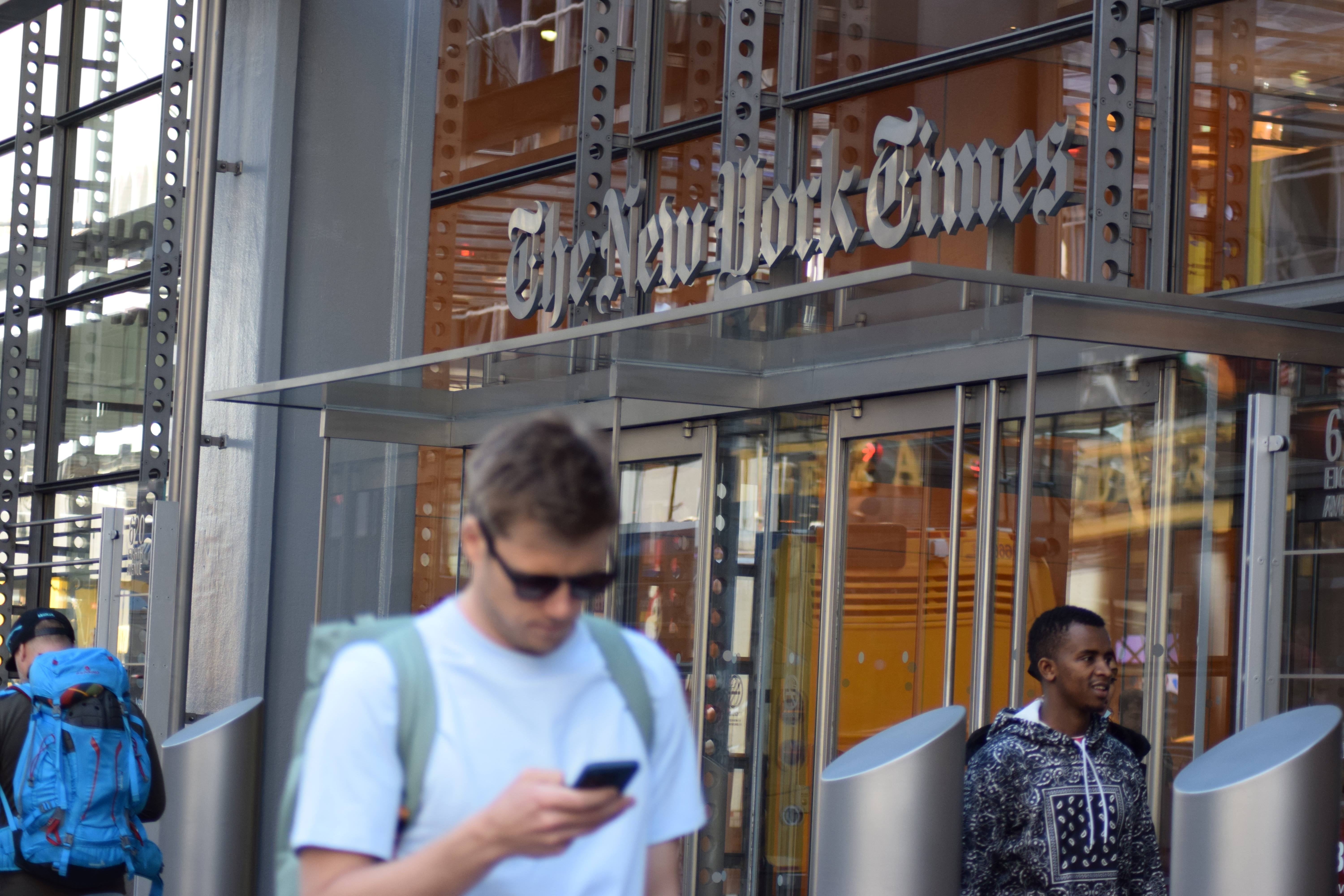
For example, The New York Times opened one article with the statement: “President Trump seeks to topple the Iranian government.” The phrasing presents a political intention as an established fact rather than attributing it to Trump’s speech. The article also used highly emotional language to highlight civilian victims, closely mirroring the rhetoric of Trump and Netanyahu when referring to the Iranian people. It reported, for instance: “The city is in chaos: the internet is limited, and Iranians are trying to find their loved ones and flee" and quoted a resident saying, "I rushed to the school to pick up my daughter from middle school. The girls were hiding under the stairs and crying.”
By contrast, the language used in reference to the Iranian government appeared markedly different from that used to describe civilian victims. The tone was laden with terms that could be seen as emotionally charged. The report stated that “late last year, Iranians angered by the government and the worsening economic crisis began protesting. Demonstrations spread across the country in the largest uprising in nearly half a century. Supreme Leader Ali Khamenei ordered security forces to suppress the protests mercilessly. Security forces opened fire, and the death toll rose to at least 5,200 people, according to a human rights organisation.”
Similarly, the German outlet Deutsche Welle published a headline reading: “Israel announces ‘pre-emptive’ strike against Iran.” The report added: “The Israeli attack comes amid escalating tensions between Iran and the United States over Tehran’s nuclear and missile programmes."
At first glance, the report appears devoid of overt bias. Yet it implicitly reinforces the legitimacy of the attack. Repeated use of the term “pre-emptive strike,” for instance, lends narrative legitimacy by placing a defensive frame at the forefront of the story and echoing the narrative advanced by both Israel and the United States.
In addition, the sequencing of information in the report further underscores this framing: it begins with the Israeli defence minister’s announcement, then describes the strike as intended to remove the Iranian threat, followed by references to US concerns about Iran’s pursuit of nuclear weapons. By contrast, the Iranian narrative is not presented in comparable depth, nor is any prior context included that Iran might consider a justification or explanation.
These examples illustrate a broader understanding of the role language plays in shaping public opinion and framing events in ways that align with state interests. The two speeches were delivered before a global audience at the outset of the Israeli–American attack on Iran. As in previous crises, such framing offered certain media outlets an opportunity to influence what sociologists call the “collective mind” or “collective conscience” by reinforcing the narratives articulated in those speeches.
Some news organisations present events in ways intended to generate favourable responses from their audiences. These responses do not end at the stage of reception; they also influence the language and presentation strategies adopted by politicians, given the role media play in shaping and constructing news frames.
This perspective echoes the view of the French sociologist Émile Durkheim, who argued that language is not created by individuals but emerges from the nature of social life itself and arises spontaneously from the life of communities. Sociologists describe this phenomenon as a product of the “collective mind". Through consistent and coherent messaging, media outlets can shape the intended impact of messages directed at the public, ultimately reinforcing beliefs that audiences may later come to accept.
As a result of how some media outlets operate during times of crisis, language repeatedly intervenes in shaping and directing the ideas of specific groups, whether those groups recognise this influence or not. The language and imagery used to portray the “other” in media discourse play a crucial role: presenting that “other” through repeated stereotypes can make violence against them, or even the outbreak of war and acts of extermination, psychologically justifiable for segments of the public.
For this reason, understanding the media’s influence on the formation of public opinion requires critical analysis that moves beyond the surface of the text to its deeper structure, where meanings are constructed and the balance of symbolic power is drawn.

Sources
- Al-Khaddam, H. K. (2012). The American Media Campaign in the War on Iraq (2002).
- “Netanyahu says Israel has begun strikes against Iran, with US help,” CNN, 2026.
- Elmasry, M. H., & El-Nawawy, M. (2024). “The Middle East is Watching: Iranian and Saudi Arabian Newspaper Framing of the 2020 US Presidential Elections.” Journal of Arab & Muslim Media Research.
- Abdulaziz Sharaf (1991). Media Language. Dar Al-Jeel, Beirut.