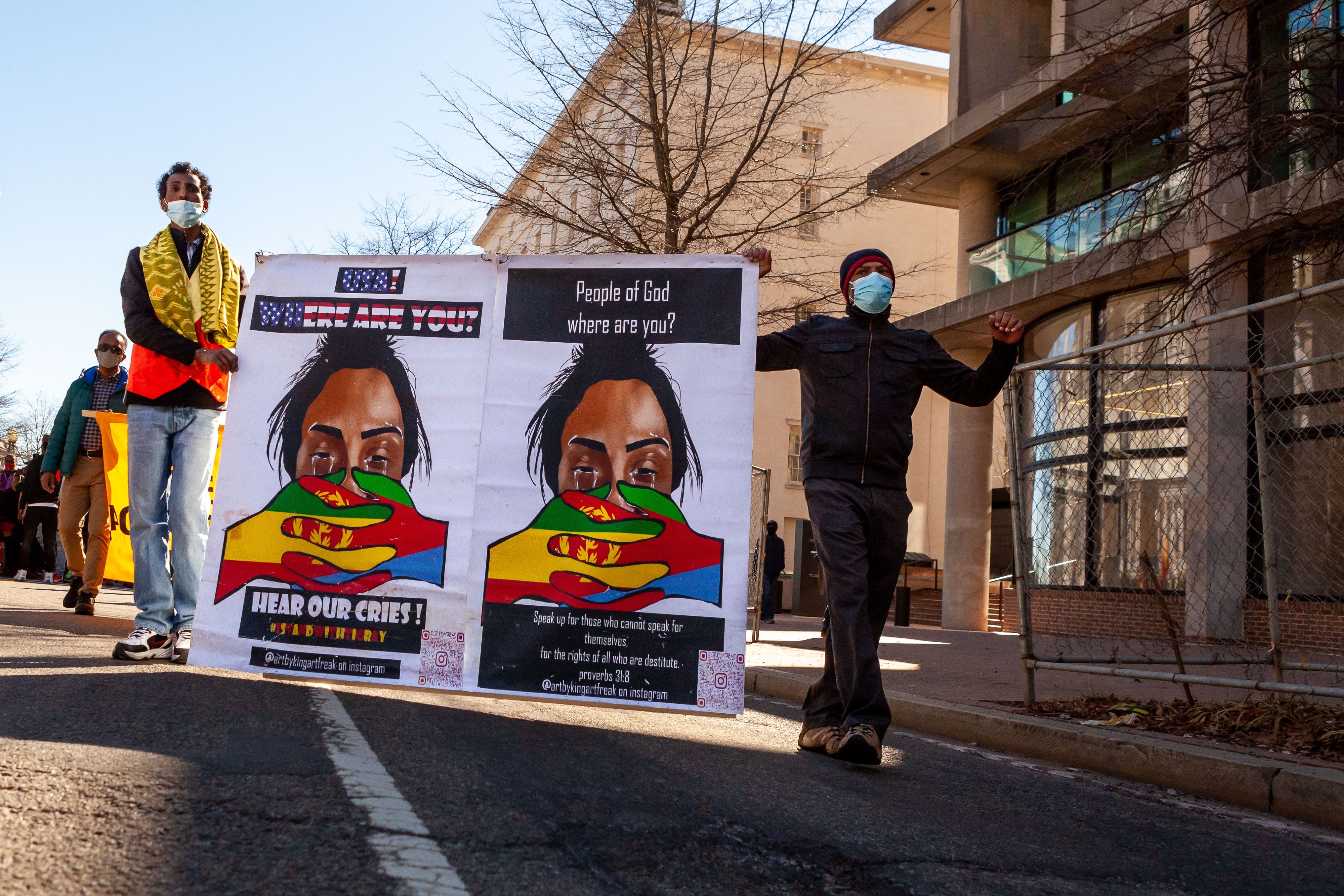
There has been a widening crackdown on the media in Ethiopia since war erupted between the central government and Tigray’s regional authorities in 2020, and the pressure appears set to intensify as the country prepares for general elections in June.
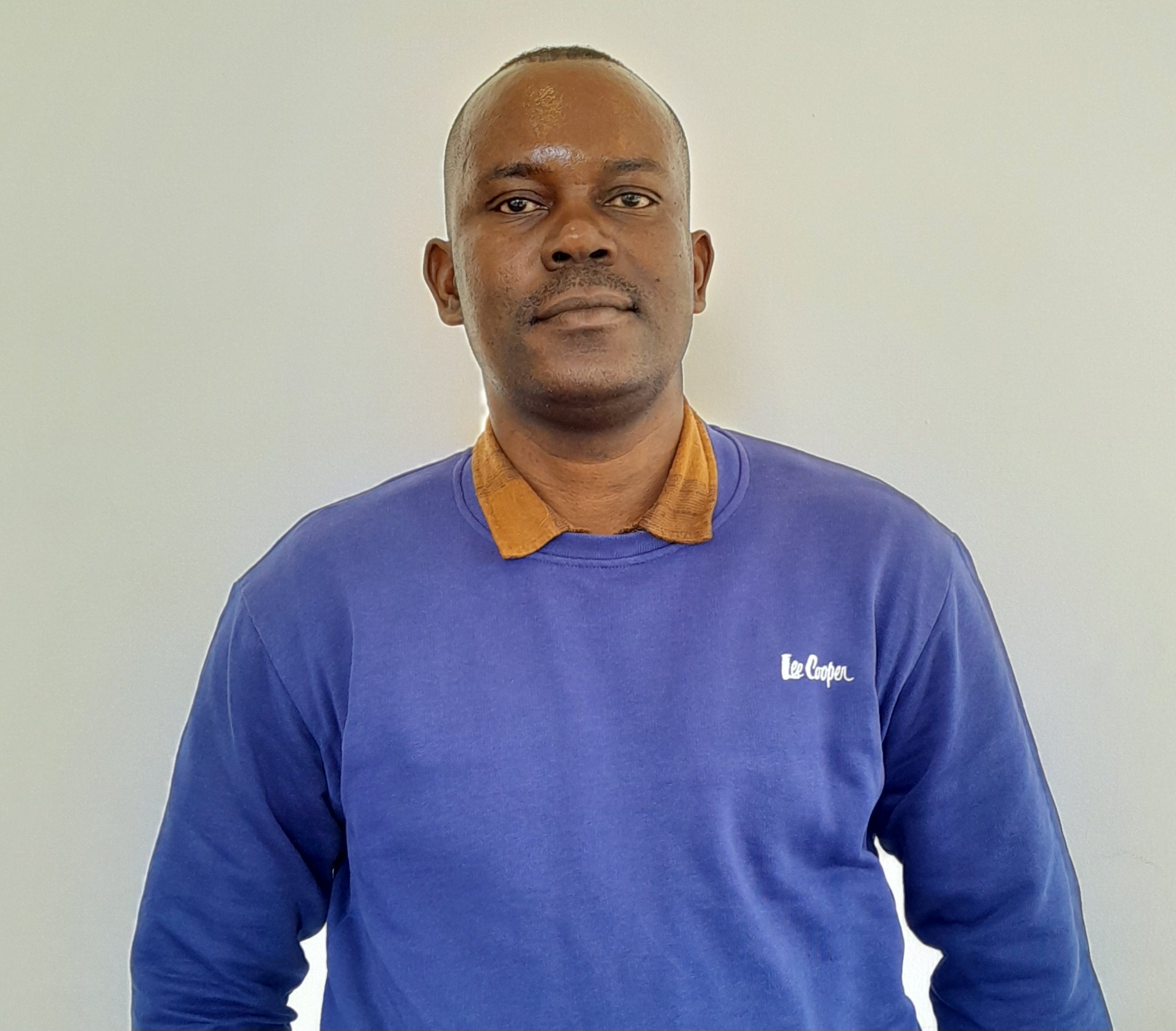
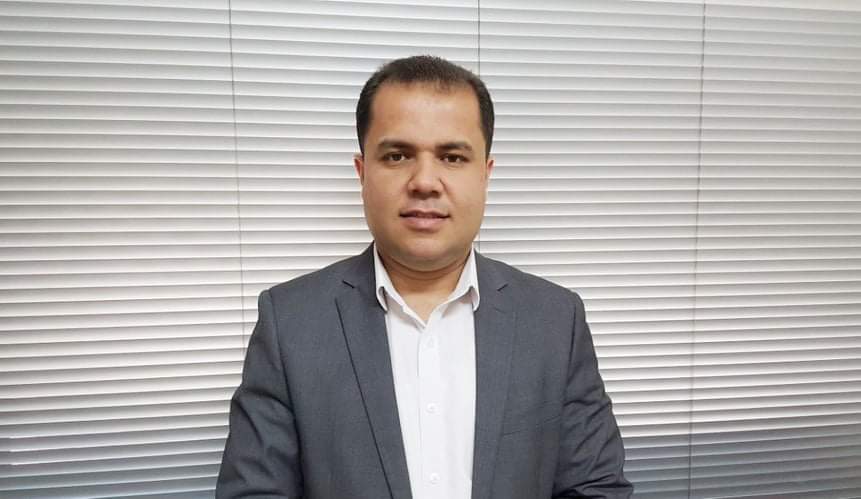
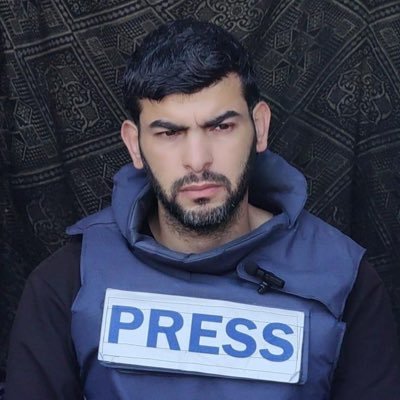
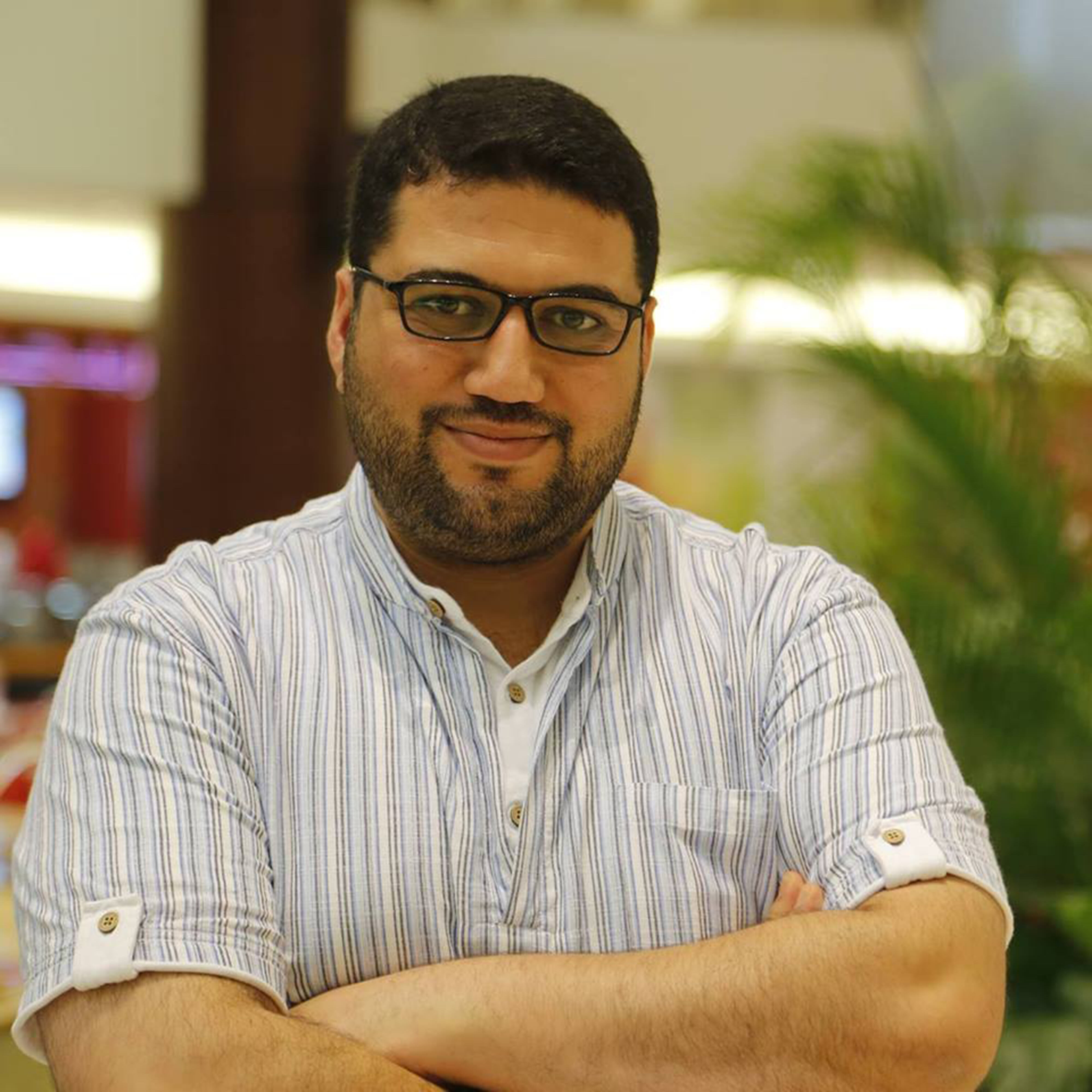
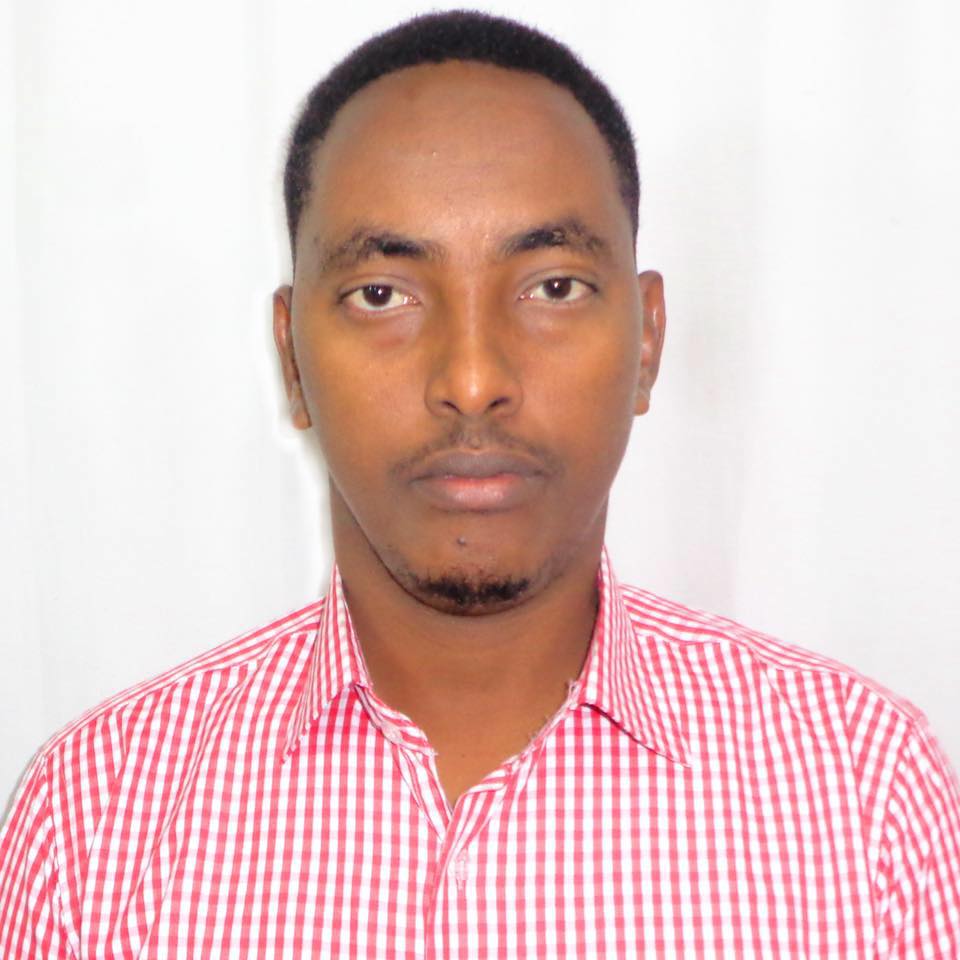
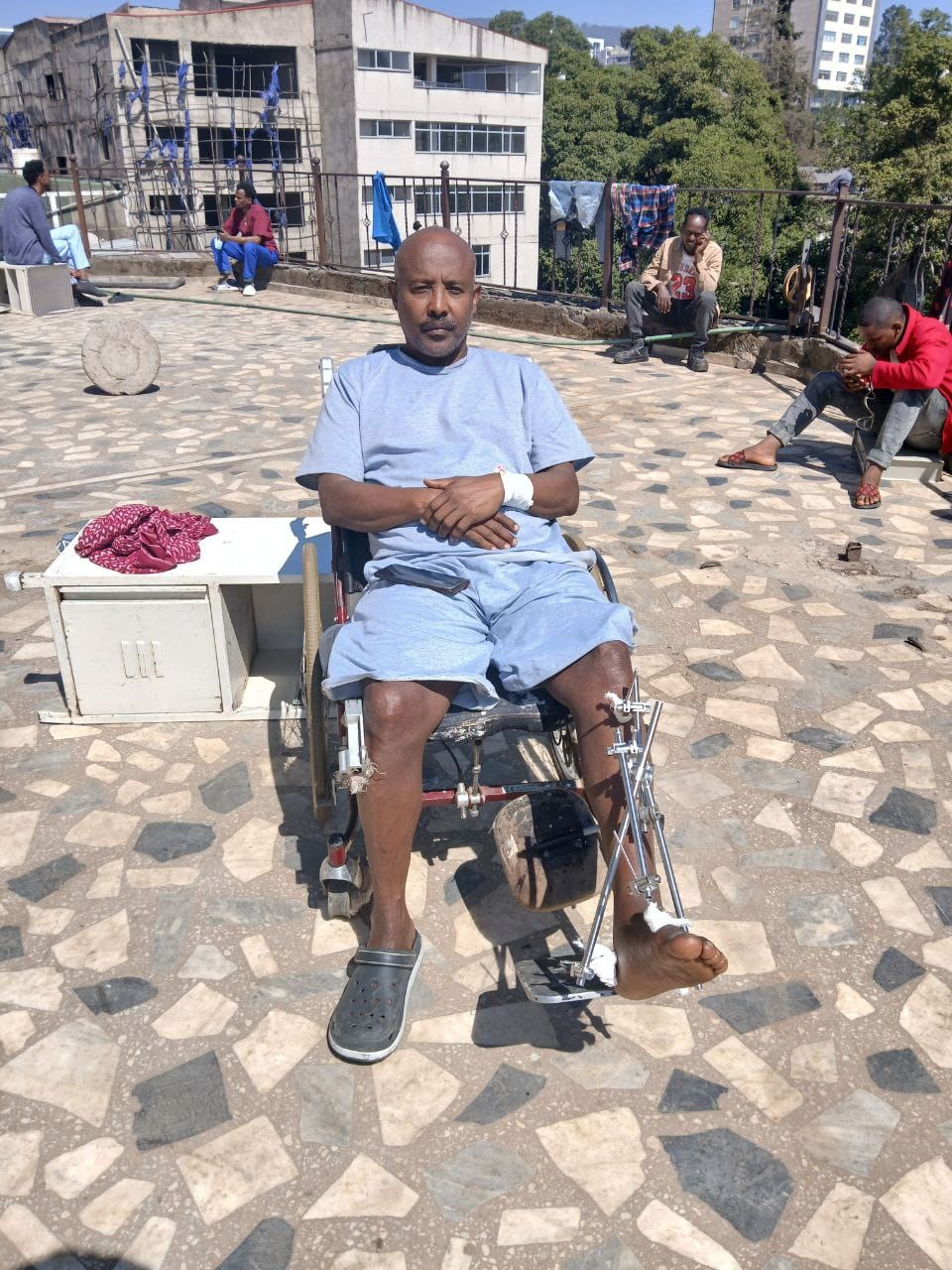
For Ethiopian journalist Fanuel Kinfu, 2025 has been nothing short of a nightmare. The founder of the online outlet Fentale Media broke his left leg on November 19 after jumping off the first floor of a building in Addis Ababa while attempting to escape from armed men believed to be government security agents. Now fitted with metal braces on his leg, Kinfu is unable to work and is struggling with mounting medical and living expenses.
Earlier in April, he was detained over alleged defamation in relation to commentary videos published between April 2023 and June 2024. He was released on a bail of 15,000 birr (US$113) days later.
“Their aim was to undermine my journalistic integrity,” Kinfu tells Al Jazeera Journalism Review.
The situation for journalists in Ethiopia's civil war has been dire, with widespread suppression of press freedom, leading to immense suffering, death threats, imprisonment, and humiliation.
From Reform to Repression: The State’s Expanding Grip on the Media
There has been a broader crackdown on media in Ethiopia since the outbreak of war between the central government and local rulers in Tigray in 2020, even as the war formally ended in November 2022.
At least six journalists were arrested in April alone, as the government tightened its control over the media regulator, the Ethiopian Media Authority (EMA). In May, the Fafen Zone High Court in Jigjiga, the capital of Ethiopia’s eastern Somali Region, sentenced Jigjiga Television Network founder, Ahmed Abdi Omar, to two years in prison on charges of “propagation of disinformation and public incitement” under Ethiopia’s 2020 anti-hate speech law.
Ahmed was arrested in connection with an interview he conducted with a man whose son had reportedly died after being beaten by police, as well as for commentary he posted on his Facebook page. Alongside Ahmed’s detention and the brief arrest of three Addis Standard employees during a raid on their newsroom, two other journalists were also taken into custody. They included Muhyidin Abdullahi Omar, an editor at the state-owned Harari Mass Media Agency, who was charged with defamation and spreading disinformation over two Facebook posts; and Abebe Fikir, a reporter with the weekly newspaper The Reporter, who was arrested while seeking comment from city officials about a housing dispute.
Earlier in March, police detained seven journalists at the privately owned Ethiopian Broadcast Service after the outlet had aired claims by a woman who said she had been raped by soldiers in 2020.
Ethiopia is sub-Saharan Africa’s second worst jailer of journalists after Eritrea, according to the Committee to Protect Journalists' (CPJ) latest annual prison census. Six journalists have been behind bars as of December 1, 2024.
According to Reporters Without Borders’ annual press freedom index, Ethiopia went from being 110th out of 180 countries in 2019 to 145th in 2025, as mass arrests and the detention of media workers across the country took their toll.
Since 2019, at least 200 journalists have been arrested in Ethiopia, according to Ethiopia Press Freedom Defenders.
Media outlets have been arbitrarily shut down or stripped of their licenses, while foreign correspondents, including reporters for The Economist and The New York Times, have been expelled. Laws such as anti-terrorism and hate speech proclamations are regularly weaponised to silence dissent.
The Cost of Speaking Out
In April, parliament passed a widely criticised amendment to the 2021 media law, increasing government control over the regulatory Ethiopian Media Authority (EMA), which is responsible for issuing sanctions against news outlets that violate press ethics, including by revoking their licences.
Angela Quintal, CPJ’s Africa Director, says the media landscape in Ethiopia today is “extremely fragile and hostile". “While the 2018 reforms initially promised greater openness, those gains have been reversed since the outbreak of the Tigray conflict in 2020,” Quintal tells AJR. “Journalists operate in an environment where arbitrary detention, enforced disappearances, and intimidation are routine. The scale and frequency of arbitrary arrests in Ethiopia show that repression is systematic rather than exceptional,” she says.
Over the last five years, CPJ has documented many journalists held without charge, often in military camps like Awash Arba, and denied access to lawyers and families. “For journalists inside the country, this means daily work is overshadowed by fear: of being arrested for covering protests, of retaliation for reporting on sensitive topics like conflict or corruption, and of violent attacks, including killings that have gone without being investigated,” says Quintal.
Many resort to self-censorship, and those who persist risk their liberty and safety. Those who cannot bear the pressure and harassment flee the country.
At least 54 Ethiopian journalists and media workers have gone into exile since 2020, according to CPJ. Ethiopia is among the seven countries in the world that have been downgraded in Reporters Without Borders' 2025 Press Freedom Index. With two other East African countries – Uganda (143rd) and Rwanda (146th) – Ethiopia was classified as “very serious” in 2025.
“Ethiopian journalists are no strangers to repression; the country is one of the world’s most censored,” Sadibou Marong, the sub-Saharan Africa bureau director of Reporters Without Borders, tells AJR. “Many journalists were killed in unclear circumstances during the Tigray War, while multiple others are still in prison due to their coverage of the conflict," he adds.
Being a journalist in Ethiopia is synonymous with living in fear, with the risk of being under surveillance or being arbitrarily arrested. At least eight journalists are currently in prison in Ethiopia.
Back in 2021, Kinfu was arrested alongside other staff members and journalists of Ethio-Forum and Awlo Media for alleged affiliation with a terrorist organisation. Both media structures had been publishing regular reports contradicting the official government position, especially regarding the course of the war.
“I heard a gunshot a few metres away from my prison cell in one of the county's secret detention centres, known as ‘Awash Secret Prison', some 150 km from the capital, Addis Ababa,” says Kinfu, referring to his 2021 prison ordeal. “A significant number of prisoners, held for political motives, were confined there while prison guards executed arbitrary measures throughout their detention. None of us knew who the next target might be,” he said.
Fear, Exile, and Silence: The War’s Lasting Toll on Ethiopia’s Press
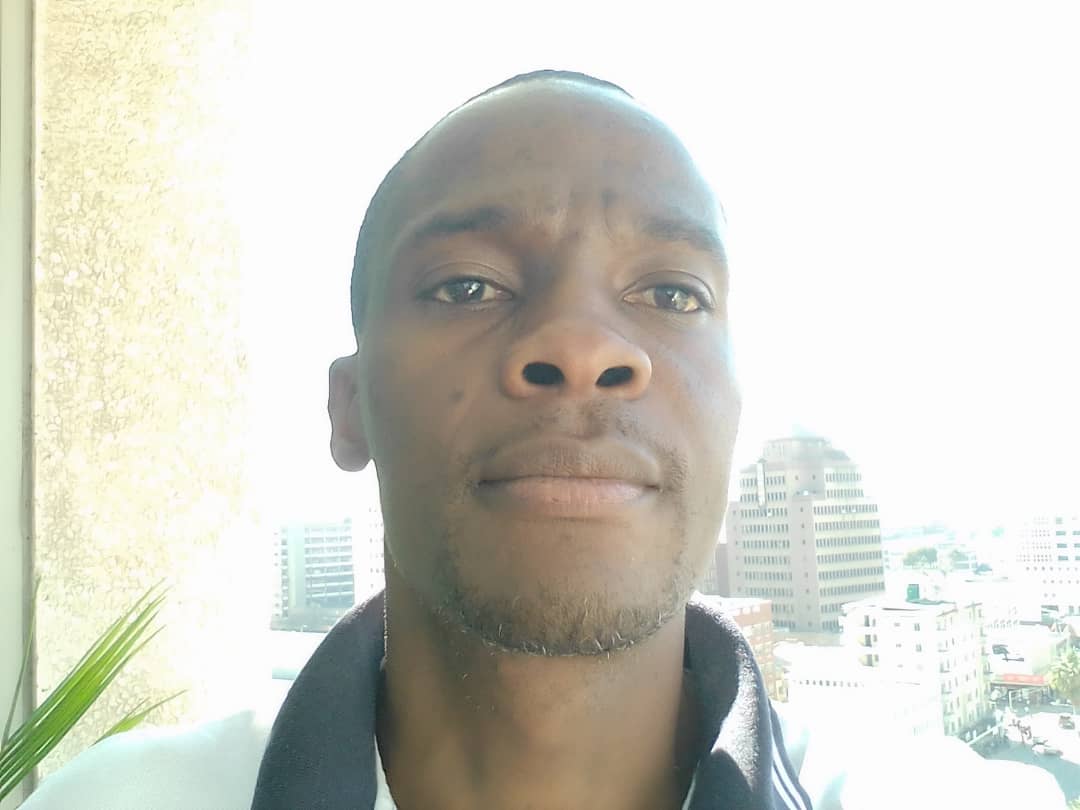
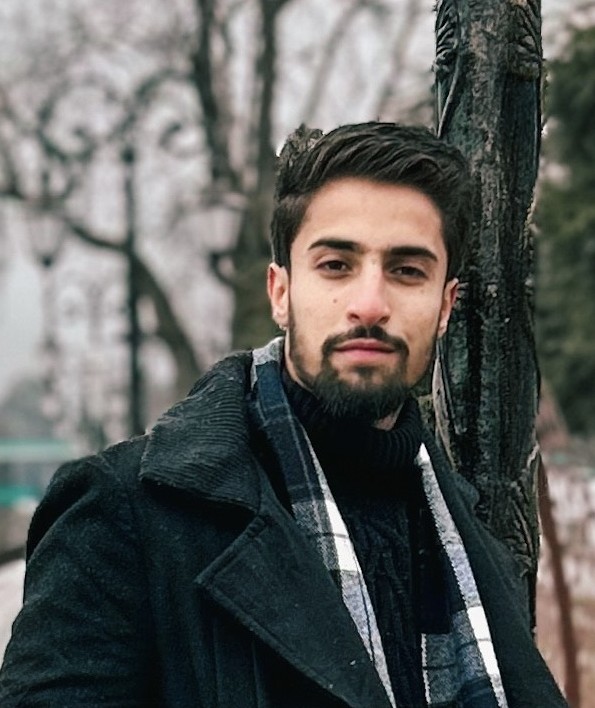
Belay Manaye, co-founder and editor-in-chief of Ethio News online media, fled Ethiopia for Uganda in September 2024 after receiving persistent death and imprisonment threats.
The 37-year-old journalist had earlier been detained for seven months on trumped-up charges.
“I wasn't told why I was arrested, but I know I was targeted for my journalistic work, especially my reporting on the war in the Amhara region of Ethiopia,” Manaye tells AJR.
“My arrest happened during the state of emergency period, which means family and lawyer visits weren't allowed. Being an independent journalist in Ethiopia is very tough and risky: journalists are harassed, threatened, and tortured,” said Manaye, who recalls losing friends and relatives in the conflict.
The continuous cycle of arrests, intimidation, and repression of journalists in Ethiopia has produced a chilling effect that undermines the very foundations of press freedom. Journalists increasingly self-censor, avoiding coverage of armed conflict, political opposition, or human rights abuses out of fear of reprisal. The consequences, Quintal says, have often been dire: less independent reporting, fewer critical voices, and a public deprived of vital information at a time of political upheaval and conflict.
“The repression also extends beyond borders, with Ethiopian authorities attempting to pressure foreign governments to extradite exiled journalists,” says Quintal. “The net effect is that Ethiopia is moving toward an information blackout: the space for free expression is closing, and unless authorities end these practices and uphold their constitutional and international obligations, Ethiopia risks cementing its reputation as one of the most dangerous places in Africa to be a journalist,” she said.