How the Ethiopian Civil War Unleashed a Lethal Media Crackdown

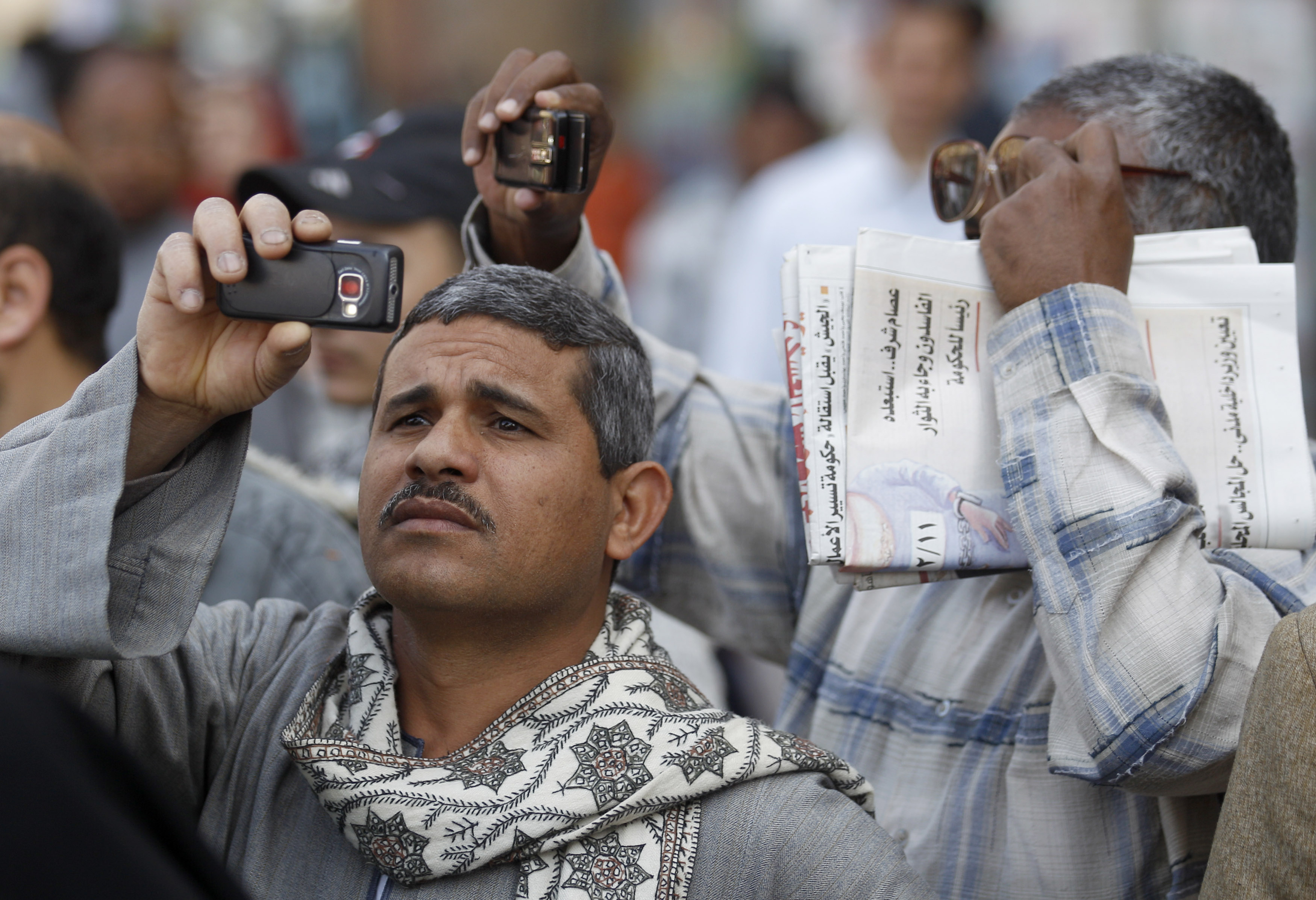
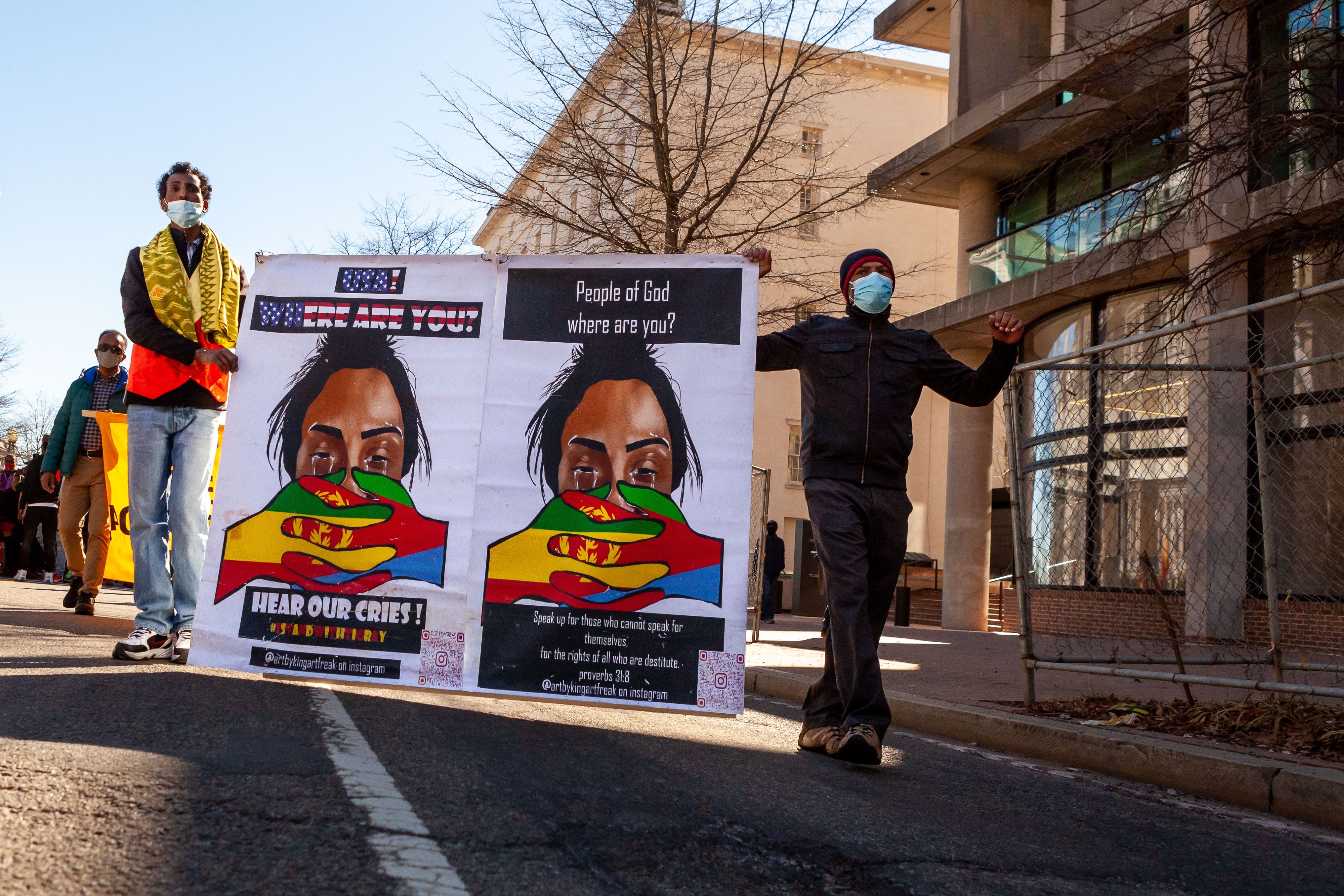
March against Ethiopia's war on Tigray, Washington, DC, USA  Two men carry a sign asking for assistance in ending Ethiopia's war on the Tigray people and region during a march downtown.  By: Allison Bailey / Date created: Feb 25 2021
March against Ethiopia's war on Tigray, Washington, DC, USA. Two men carry a sign asking for assistance in ending Ethiopia's war on the Tigray people and region during a march downtown. By: Allison Bailey / Date created: Feb 25 2021

How the Ethiopian Civil War Unleashed a Lethal Media Crackdown

There has been a widening crackdown on the media in Ethiopia since war erupted between the central government and Tigray’s regional authorities in 2020, and the pressure appears set to intensify as the country prepares for general elections in June. 


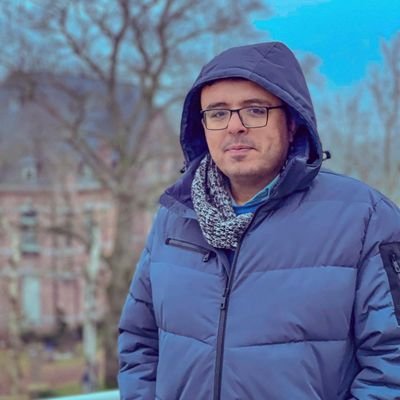
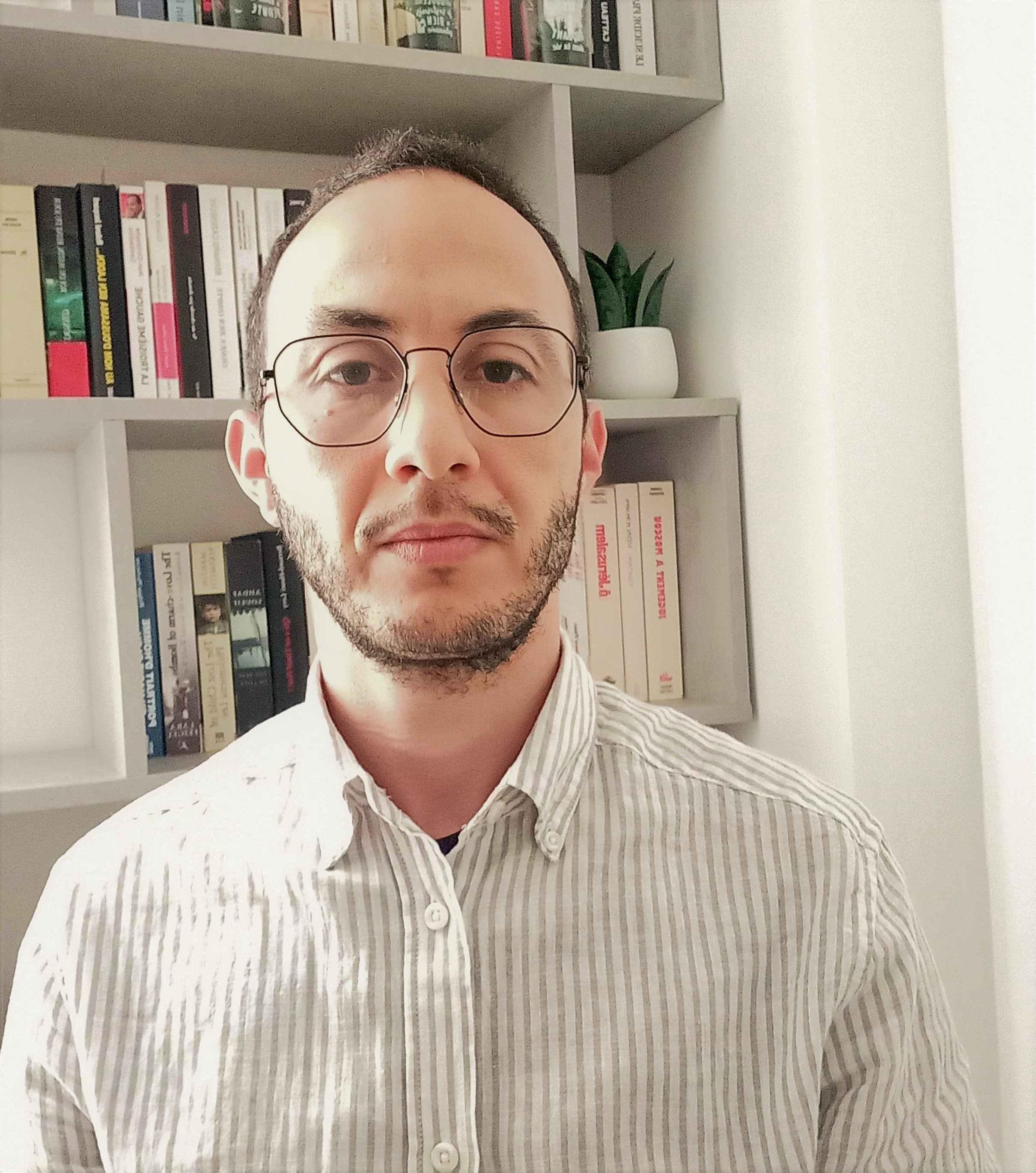
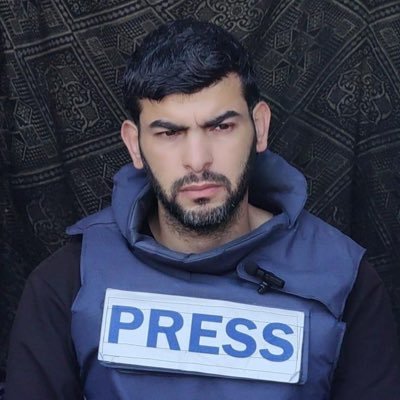
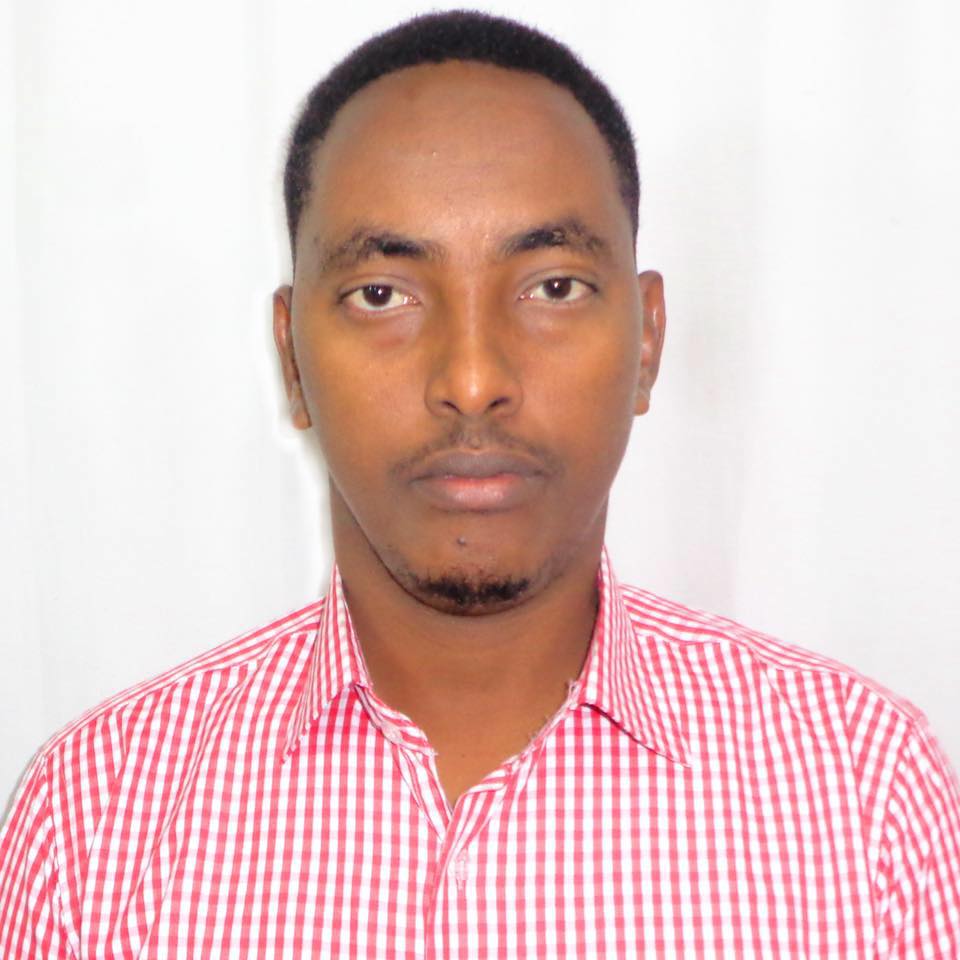
For Ethiopian journalist Fanuel Kinfu, 2025 has been nothing short of a nightmare. The founder of the online outlet Fentale Media broke his left leg on November 19 after jumping off the first floor of a building in Addis Ababa while attempting to escape from armed men believed to be government security agents. Now fitted with metal braces on his leg, Kinfu is unable to work and is struggling with mounting medical and living expenses

Earlier in April, he was detained over alleged defamation in relation to commentary videos published between April 2023 and June 2024. He was released on a bail of 15,000 birr (US$113) days later. 

“Their aim was to undermine my journalistic integrity,” Kinfu tells Al Jazeera Journalism Review. 

The situation for journalists in Ethiopia's civil war has been dire, with widespread suppression of press freedom, leading to immense suffering, death threats, imprisonment, and humiliation.  


From Reform to Repression: The State’s Expanding Grip on the Media 

There has been a broader crackdown on media in Ethiopia since the outbreak of war between the central government and local rulers in Tigray in 2020, even as the war formally ended in November 2022.

At least six journalists were arrested in April alone, as the government tightened its control over the media regulator, the Ethiopian Media Authority (EMA). In May, the Fafen Zone High Court in Jigjiga, the capital of Ethiopia’s eastern Somali Region, sentenced Jigjiga Television Network founder, Ahmed Abdi Omar, to two years in prison on charges of “propagation of disinformation and public incitement” under Ethiopia’s 2020 anti-hate speech law.

Ahmed was arrested in connection with an interview he conducted with a man whose son had reportedly died after being beaten by police, as well as for commentary he posted on his Facebook page. Alongside Ahmed’s detention and the brief arrest of three Addis Standard employees during a raid on their newsroom, two other journalists were also taken into custody. They included Muhyidin Abdullahi Omar, an editor at the state-owned Harari Mass Media Agency, who was charged with defamation and spreading disinformation over two Facebook posts; and Abebe Fikir, a reporter with the weekly newspaper The Reporter, who was arrested while seeking comment from city officials about a housing dispute. 

Earlier in March, police detained seven journalists at the privately owned Ethiopian Broadcast Service after the outlet had aired claims by a woman who said she had been raped by soldiers in 2020.

Ethiopia is sub-Saharan Africa’s second worst jailer of journalists after Eritrea, according to the Committee to Protect Journalists' (CPJ) latest annual prison census. Six journalists have been behind bars as of December 1, 2024.

According to Reporters Without Borders’ annual press freedom index, Ethiopia went from being 110th out of 180 countries in 2019 to 145th in 2025, as mass arrests and the detention of media workers across the country took their toll. 

Since 2019, at least 200 journalists have been arrested in Ethiopia, according to Ethiopia Press Freedom Defenders.

Media outlets have been arbitrarily shut down or stripped of their licenses, while foreign correspondents, including reporters for The Economist and The New York Times, have been expelled. Laws such as anti-terrorism and hate speech proclamations are regularly weaponised to silence dissent.


The Cost of Speaking Out 

In April, parliament passed a widely criticised amendment to the 2021 media law, increasing government control over the regulatory Ethiopian Media Authority (EMA), which is responsible for issuing sanctions against news outlets that violate press ethics, including by revoking their licences.

Angela Quintal, CPJ’s Africa Director, says the media landscape in Ethiopia today is “extremely fragile and hostile". “While the 2018 reforms initially promised greater openness, those gains have been reversed since the outbreak of the Tigray conflict in 2020,” Quintal tells AJR. “Journalists operate in an environment where arbitrary detention, enforced disappearances, and intimidation are routine. The scale and frequency of arbitrary arrests in Ethiopia show that repression is systematic rather than exceptional,” she says.

Over the last five years, CPJ has documented many journalists held without charge, often in military camps like Awash Arba, and denied access to lawyers and families. “For journalists inside the country, this means daily work is overshadowed by fear: of being arrested for covering protests, of retaliation for reporting on sensitive topics like conflict or corruption, and of violent attacks, including killings that have gone without being investigated,” says Quintal.

Many resort to self-censorship, and those who persist risk their liberty and safety. Those who cannot bear the pressure and harassment flee the country.

At least 54 Ethiopian journalists and media workers have gone into exile since 2020, according to CPJ. Ethiopia is among the seven countries in the world that have been downgraded in Reporters Without Borders' 2025 Press Freedom Index. With two other East African countries – Uganda (143rd) and Rwanda (146th) – Ethiopia was classified as “very serious” in 2025. 

“Ethiopian journalists are no strangers to repression; the country is one of the world’s most censored,” Sadibou Marong, the sub-Saharan Africa bureau director of Reporters Without Borders, tells AJR. “Many journalists were killed in unclear circumstances during the Tigray War, while multiple others are still in prison due to their coverage of the conflict," he adds.

Being a journalist in Ethiopia is synonymous with living in fear, with the risk of being under surveillance or being arbitrarily arrested. At least eight journalists are currently in prison in Ethiopia.  

Back in 2021, Kinfu was arrested alongside other staff members and journalists of Ethio-Forum and Awlo Media for alleged affiliation with a terrorist organisation. Both media structures had been publishing regular reports contradicting the official government position, especially regarding the course of the war. 

“I heard a gunshot a few metres away from my prison cell in one of the county's secret detention centres, known as ‘Awash Secret Prison', some 150 km from the capital, Addis Ababa,” says Kinfu, referring to his 2021 prison ordeal. “A significant number of prisoners, held for political motives, were confined there while prison guards executed arbitrary measures throughout their detention. None of us knew who the next target might be,” he said. 


Fear, Exile, and Silence: The War’s Lasting Toll on Ethiopia’s Press 

Belay Manaye, co-founder and editor-in-chief of Ethio News online media, fled Ethiopia for Uganda in September 2024 after receiving persistent death and imprisonment threats.

The 37-year-old journalist had earlier been detained for seven months on trumped-up charges.

“I wasn't told why I was arrested, but I know I was targeted for my journalistic work, especially my reporting on the war in the Amhara region of Ethiopia,” Manaye tells AJR.

“My arrest happened during the state of emergency period, which means family and lawyer visits weren't allowed. Being an independent journalist in Ethiopia is very tough and risky: journalists are harassed, threatened, and tortured,” said Manaye, who recalls losing friends and relatives in the conflict.
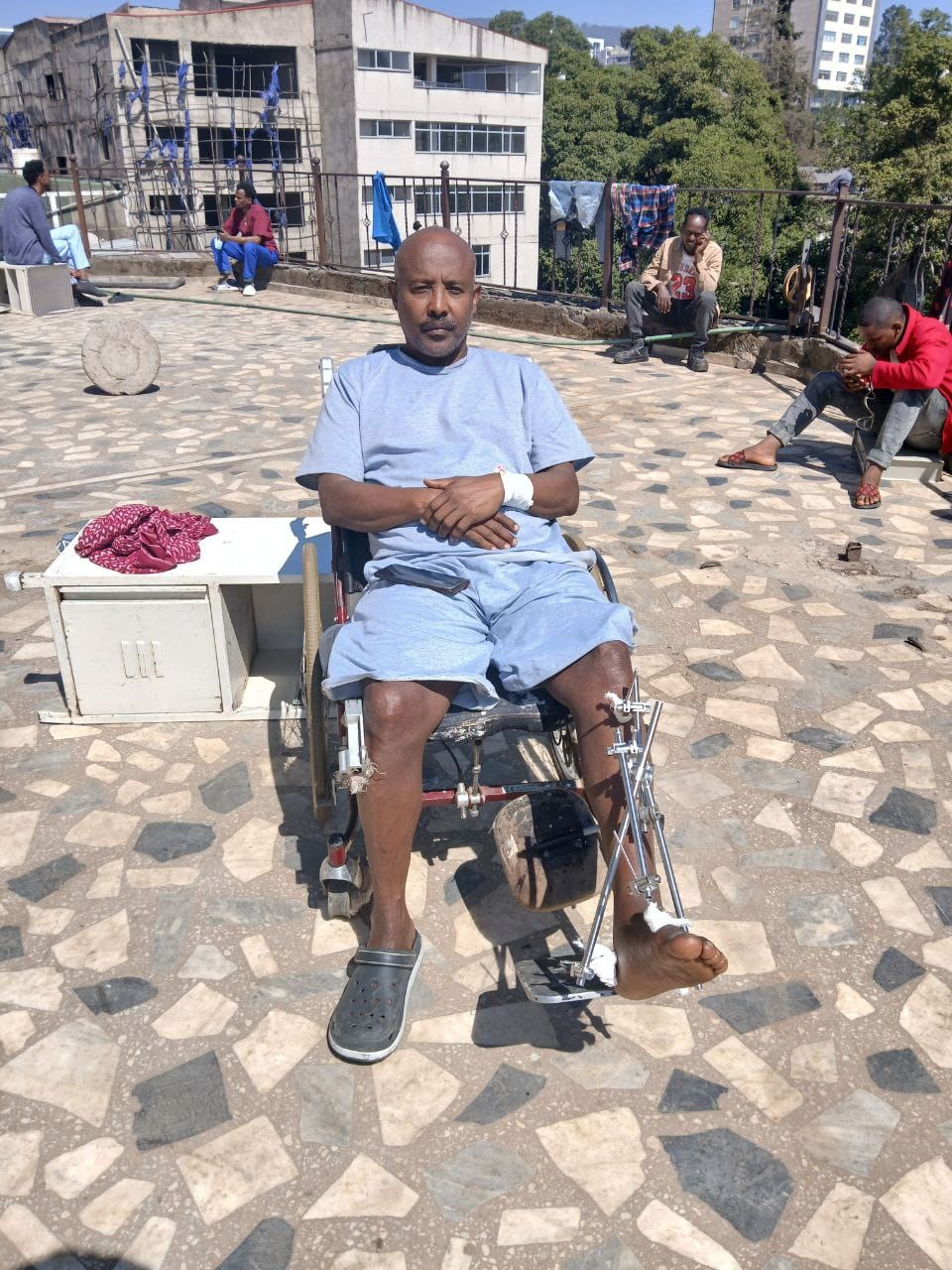
 

For Ethiopian journalist Fanuel Kinfu, 2025 has been nothing short of a nightmare. The founder of the online outlet Fentale Media broke his left leg on November 19 after jumping off the first floor of a building in Addis Ababa while attempting to escape from armed men believed to be government security agents. Now fitted with metal braces on his leg, Kinfu is unable to work and is struggling with mounting medical and living expenses. 
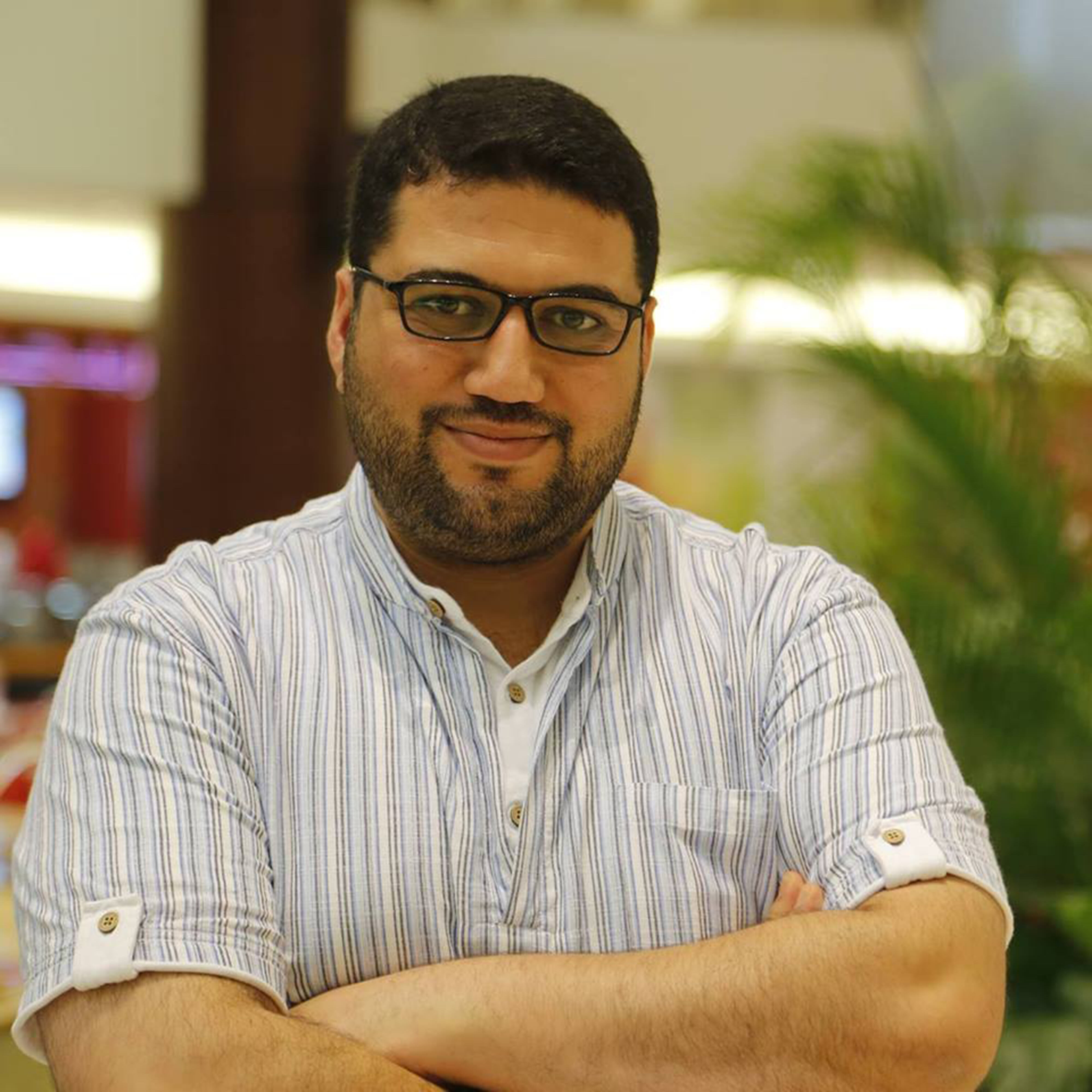
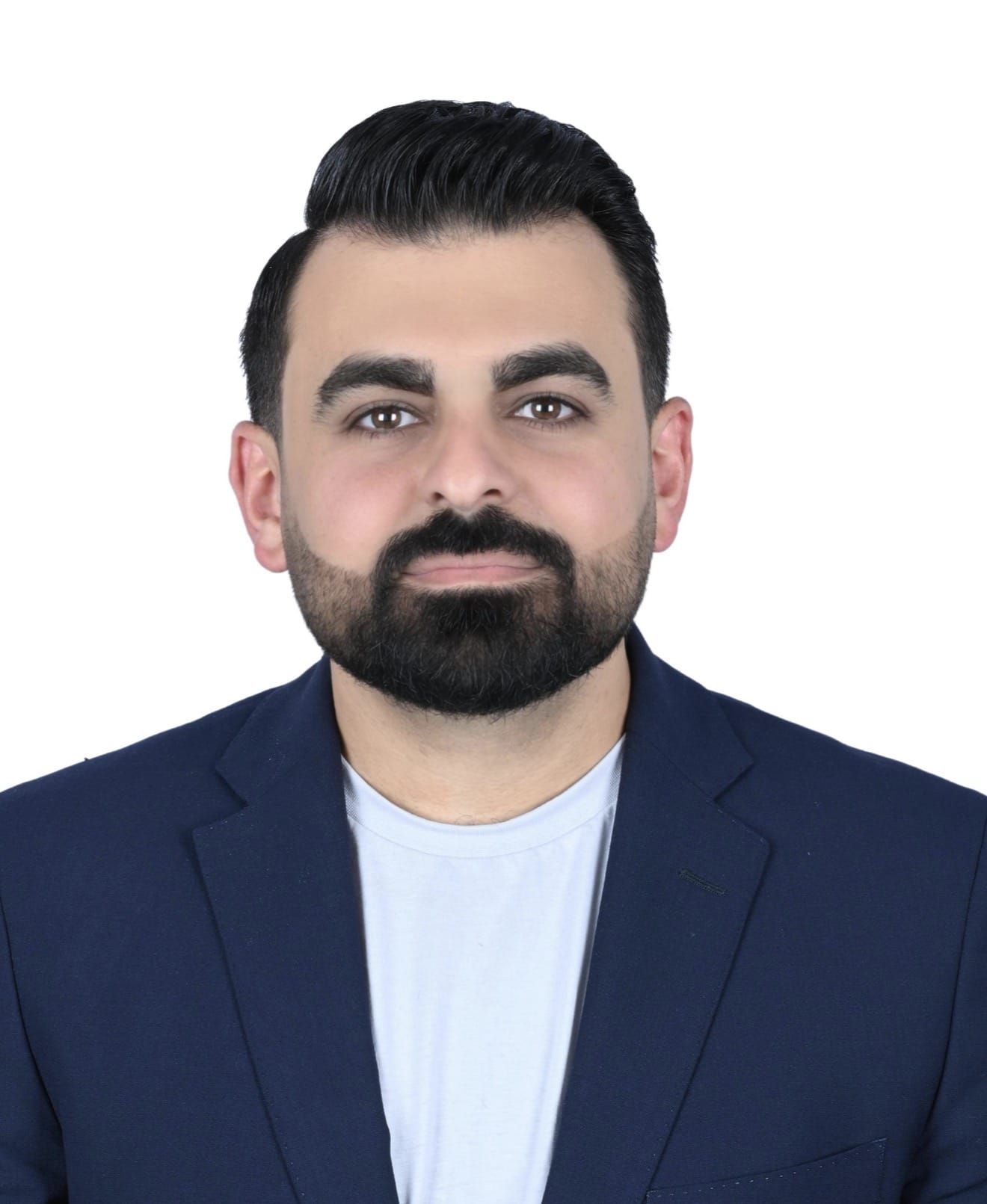
Journalist Fanuel Kinfu in Addis Ababa. Kinfu, founder of Fentale Media, suffered a broken leg while escaping an attempted arrest by security agents in late 2025. 

The continuous cycle of arrests, intimidation, and repression of journalists in Ethiopia has produced a chilling effect that undermines the very foundations of press freedom. Journalists increasingly self-censor, avoiding coverage of armed conflict, political opposition, or human rights abuses out of fear of reprisal. The consequences, Quintal says, have often been dire: less independent reporting, fewer critical voices, and a public deprived of vital information at a time of political upheaval and conflict.

“The repression also extends beyond borders, with Ethiopian authorities attempting to pressure foreign governments to extradite exiled journalists,” says Quintal. “The net effect is that Ethiopia is moving toward an information blackout: the space for free expression is closing, and unless authorities end these practices and uphold their constitutional and international obligations, Ethiopia risks cementing its reputation as one of the most dangerous places in Africa to be a journalist,” she said.


المزيد من المقالات

هل صنعت خطابات نتنياهو وترامب أجندة الإعلام الغربي؟

من خطابَي ترامب ونتنياهو لتبرير الحرب على إيران… إلى غرف الأخبار. هل تصنع الخطابات السياسية أجندة وسائل الإعلام في زمن الحروب؟ وكيف تساهم اللغة الإعلامية في شرعنة الحروب وصياغة "الرواية المقبولة" لدى الجمهور؟ وإلى أي مدى يمكن لخطاب الإعلام أن يؤطر الأحداث، ويعيد إنتاج الرواية الرسمية، ويؤثر في تشكيل الرأي العام؟

Shaimaa Al-Eisai
شيماء العيسائي نشرت في: 6 مارس, 2026
هل استفادت دول الجنوب من الثورة الرقمية؟

كان الأمل كبيرا لدى الباحثين أن تقلص الثورة الرقمية الفجوة بين دول الشمال والجنوب، لكن استفحال الاستبداد السياسي وسلطة الشركات التكنولوجية الكبرى، أشعل أسئلة حارقة عن جهود الكفاءات المحلية في تأسيس بديل منفلت من قمع السلطة ورقابة الشركات الكبرى.

Al-Shafi Abtidon
الشافعي أبتدون نشرت في: 23 فبراير, 2026
الصحافة في غزّة.. سباق ضدّ قطار الإبادة

تستمر مجلة الصحافة في مشروعها التوثيقي لشهادات الصحفيين في فلسطين وفي قطاع غزة الذي تعرض لحرب الإبادة الجماعية، وفي الشهادة التالية لأميرة نصار نعثر على تفاصيل دقيقة، وحوارات شخصية، وصراعات لا تنتهي حول الجدوى من الكتابة في زمن القتل والجوع. إنها شهادة ضد النسيان، وضد قطاع الإبادة.

Amira Nassar
أميرة نصار نشرت في: 15 فبراير, 2026
السرد الصحفي أو إعادة اكتشاف "اليومي المحتقر"

متى أصبح السرد في الصحافة مهما؟ وكيف تحولت التفاصيل اليومية إلى مادة أساسية للعمل الصحفي؟ وماهي الحدود بين الرواية والصحافة؟ الكاتب والروائي عبد الكريم جويطي، يؤصل في هذا المقال الجذور التاريخية لولادة "الحكاية الصحفية".

عبد الكريم جويطي نشرت في: 1 فبراير, 2026
قضايا الهجرة ومأزق التأطير في الصحافة الغربية

كيف تؤثر الصحافة الغربية في تشكيل سردية الهجرة؟ ما الأطر الصحفية الأكثر استخداما في تغطية قضاياها؟ وهل تغطية المظاهرات المناهضة للهجرة محايدة أم مؤدلجة؟ الزميلة سلمى صقر تحلل تغطيات لجانب من الصحافة الغربية تماهت مع خطاب العنصرية الذي يتبناه أقصى اليمين.

Salma Saqr
سلمى صقر نشرت في: 29 يناير, 2026
من الخبر إلى التوثيق.. دروس عملية من تغطية الحرب على غزة

منذ اللحظة الأولى لحرب الإبادة الجماعية التي شنتها إسرائيل على غزة، كان هشام زقوت، مراسل الجزيرة، شاهدًا على الجوع والدمار وجرائم الحرب، وعلى اغتيال زملائه في الميدان. إنها معركة من أجل البقاء والتوثيق، تتجاوز مجرد التغطية ومتابعة التفاصيل اليومية.

Hisham Zakkot
هشام زقوت نشرت في: 25 يناير, 2026
في غزة.. شهادات لم تُروَ

في هذا المقال يروي الصحفي محمد أبو قمر عن الكلفة الإنسانية لمهنة الصحافة تحت نار الحرب الإسرائيلية؛ من الاعتقال والتعذيب، إلى مطاردة الصحفيين بالتحريض والقتل، ثم مواصلة التغطية وسط النزوح والجوع وانهيار مقومات الحياة. نشرت الشهادة في كتاب "وحدنا غطينا الحرب" الصادر عن معهد الجزيرة للإعلام.

محمد أبو قمر  نشرت في: 22 يناير, 2026
الصحة شأن سياسي، وعلى الصحافة أن تكون كذلك

يدافع المقال عن أطروحة جوهرية مفادها أن الصحة، باعتبارها قضية مجتمعية مركزية، لا يمكن فصلها عن السياسات العامة والقرارات السياسية التي تحدد مآلاتها. ومن ثم، فإن دور الصحفي لا يقتصر على نقل المعلومات الطبية أو تبسيط المصطلحات للجمهور، بل يتجاوز ذلك إلى مساءلة السياسات الصحية بحس نقدي، وتحليل أبعادها الاجتماعية والاقتصادية والسياسية، بما يعيد النقاش إلى جوهره: الصحة كحق عام ومسؤولية سياسية قبل أن تكون شأنا تقنيا.

أنيس الجرماني نشرت في: 13 يناير, 2026
الفيلم الوثائقي القصير.. الذاكرة المضادة للإبادة

فرضت تغطية حرب الإبادة الجماعية على غرف الأخبار إيقاعا سريعا من المتابعات اليومية همش الكثير من القصص الإنسانية الصحفية. في هذه المساحة، يشتغل الفيلم الوثائقي القصير على البحث عن زوايا إنسانية تمثل امتدادا لعمل غرف الأخبار في التغطية الإخبارية، وترسيخا للذاكرة الجماعية ضد رواية الاحتلال.

بشار حمدان نشرت في: 4 يناير, 2026
كيف تجعل الصحافة أزمة المناخ قضية الناس؟

بين استيراد منظومة مفاهيم ومصطلحات غربية لا تنسجم مع البيئة العربية، وإنكار الأزمة المناخية أو العجز عن تبسيطها وشرحها للناس، تبرز قيمة الصحافة في تنوير الجمهور وإظهار أن قضايا التغير المناخي تمس جوهر الحياة اليومية للإنسان العربي.

Bana Salama
بانا سلامة نشرت في: 24 ديسمبر, 2025
كيف ولدت حركة الصحافة السرديّة في الصحافة الأمريكية المطبوعة؟

يستعرض المقال السياق الذي نشأت فيه الصحافة السردية في الولايات المتحدة منذ مقالة جون هيرسي "هيروشيما" في أربعينات القرن العشرين، وصولا إلى الصحافة "الجديدة" مع توم وولف وغاي تاليس وجوان ديديون، وكيف أسهم تبني وسائل الإعلام لهذا النمط من الصحافة في صعودها ونضوجها وترسّخ تقاليد معروفة لها في الصنعة الصحفية.

Mohammad Zeidan
محمد زيدان نشرت في: 21 ديسمبر, 2025
أي صورة ستبقى في الذاكرة العالمية عن غزة؟

أي صورة ستبقى في المخيلة العالمية عن غزة؟ هل ستُختصر القصة في بيانات رسمية تضع الفلسطيني في خانة "الخطر"؟ أم في صور الضحايا التي تملأ الفضاء الرقمي؟ وكيف يمكن أن تتحول وسائل الإعلام إلى أداة لترسيخ الذاكرة الجماعية وصراع السرديات؟

Hassan Obeid
حسن عبيد نشرت في: 30 نوفمبر, 2025
ماذا يعني أن تكون صحفيا استقصائيا اليوم؟

قبل أسابيع، ظهرت كارلا بروني، زوجة الرئيس الفرنسي الأسبق نيكولا ساركوزي، وهي تزيل شعار منصة "ميديا بارت". كانت تلك اللحظة رمزا لانتصار كبير للصحافة الاستقصائية، بعدما كشفت المنصة تمويل القذافي لحملة ساركوزي الانتخابية التي انتهت بإدانته بالسجن. في هذا المقال، يجيب إدوي بلينيل، مؤسس "ميديا بارت"، وأحد أبرز وجوه الصحافة الاستقصائية العالمية، عن سؤال: ماذا يعني أن تكون صحفيًا استقصائيًا اليوم؟

Edwy Plenel
إدوي بلينيل نشرت في: 25 نوفمبر, 2025
مذكرة BBC المسربة.. ماذا تكشف الأزمة؟

كيف نقرأ تسريب "مذكرة بي بي سي" حول احترام المعايير التحريرية؟ وهل يمكن تصديق أن الفقرة المتعلقة بالرئيس الأمريكي دونالد ترامب كانت وراء موجة الاستقالات في هرم الهيئة البريطانية، أم أن الأمر يتعلق بالسعي إلى الاستحواذ على القرار التحريري؟ وإلى أي حد يمكن القول إن اللوبي الصهيوني كان وراء الضغط على غرف الأخبار؟

 Mohammed Abuarqoub. Journalist, trainer, and researcher specializing in media affairs. He holds a PhD in Communication Philosophy from Regent University in the United States.محمد أبو عرقوب صحفي ومدرّب وباحث متخصص في شؤون الإعلام، حاصل على درجة الدكتوراه في فلسفة الاتّصال من جامعة ريجينت بالولايات المتحدة الأمريكية.
محمد أبو عرقوب نشرت في: 21 نوفمبر, 2025
ظاهرة "تجنب الأخبار".. هل بتنا نعرف أكثر مما ينبغي؟

رصدت الكثير من التقارير تفشي ظاهرة "تجنب الأخبار" بسبب الضغوط النفسية الشديدة وصلت حد الإجهاد النفسي نتيجة تلقي كميات ضخمة من الأخبار والمعلومات. ما تأثيرات هذه الظاهرة على غرف الأخبار؟ وكيف يمكن التعامل معها؟

وسام كمال نشرت في: 16 نوفمبر, 2025
الصحافة الثقافية.. تاريخ المجتمع والسلطة والتحولات الكبرى

تطورت الصحافة الثقافية في العالم العربي في سياق وثيق الارتباط بالتحولات السياسية والاجتماعية، ورغم كل الأزمات التي واجهتها فإن تجارب كثيرة حافظت على أداء دورها في تنوير المجتمع. ما هي خصائص هذه التجارب ومواضيعها، وكيف تمثلت الصحافة الثقافية وظيفتها في التثقيف ونشر الوعي؟

علاء خالد نشرت في: 13 نوفمبر, 2025
الصحافة المتأنية في زمن الذكاء الاصطناعي: فرصة صعود أم بوادر أفول؟

هل يمكن أن تساهم أدوات الذكاء الاصطناعي في ترويج وانتشار الصحافة المتأنية التي ما تزال تحظى بنسبة مهمة من متابعة الجمهور، أم ستسهم في اندثارها؟ يقدّم الزميل سعيد ولفقير قراءة في أبرز الأدوات، ويبحث في الفرص الجديدة التي يمكن أن يتيحها الذكاء الاصطناعي للصحافة المتأنية، خاصة في مجال خيارات البحث.

. سعيد ولفقير. كاتب وصحافي مغربي. ساهم واشتغل مع عددٍ من المنصات العربية منذ أواخر عام 2014.Said Oulfakir. Moroccan writer and journalist. He has contributed to and worked with a number of Arab media platforms since late 2014.
سعيد ولفقير نشرت في: 4 نوفمبر, 2025
الصحافة الثقافية التي لا تنفصل عن محيطها

الصحافة الثقافية هي مرآة للتحولات السياسية والاجتماعية، ولا يمكن أن تنفصل عن دينامية المجتمعات. من مقال "أتهم" لإيميل زولا إلى كتابات فرانز فانون المناهضة للاستعمار الفرنسي، اتخذت الصحافة الثقافية موقفا مضادا لكل أشكال السلطة. لكن هذا الدور بدأ يتراجع في العالم العربي، على الخصوص، بفعل عوامل كثيرة أبرزها على الإطلاق: انحسار حرية الرأي والتعبير.

سعيد خطيبي نشرت في: 26 أكتوبر, 2025
هل الصحافة تنتمي إلى العلوم الاجتماعية؟

فضاء القراء. مساحة جديدة لقراء مجلة الصحافة للتفاعل مع المقالات بمقاربة نقدية، أو لتقديم مقترحاتهم لتطوير المحتوى أو اقتراح مواضيع يمكن أن تغني النقاش داخل هيئة التحرير. المساهمة الأولى للزميل محمد مستعد الذي يقدم قراءته النقدية في مقال "تقاطعات الصحافة والعلوم الاجتماعية في الميدان" للكاتب محمد أحداد، مناقشا حدود انفتاح الصحافة على العلوم الاجتماعية وموقفها "النضالي" من تحولات السلطة والمجتمع.

محمد مستعد نشرت في: 22 أكتوبر, 2025
لماذا ضعفت الصحافة الثقافية العربية في الألفية الثالثة؟

تعكس أزمة الصحافة الثقافية في العالم العربية صورة أعمق لتراجع المشروع الثقافي والقيمي وانهيار التعليم وبناء الإنسان، لكن هذا العنوان الكبير للأزمة لا يمكن أن يبرر ضعف التدريب المهني والكفاءة في إنتاج المحتوى الثقافي داخل غرف الأخبار.

Fakhri Saleh
فخري صالح نشرت في: 19 أكتوبر, 2025
عن تداعي الصحافة الثقافية.. أعمق من مجرد أزمة!

ترتبط أزمة الصحافة الثقافية في العالم العربي بأزمة بنيوية تتمثل في الفشل في بناء الدولة ما بعد الاستعمار، وقد نتج عن ذلك الإجهاز على حرية التعبير ومحاصرة الثقافة واستمرار منطق التبعية والهيمنة والنتيجة: التماهي التام بين المثقف والسلطة وانتصار الرؤية الرأسمالية التي تختزل الثقافة في مجرد "سلعة".ما هي جذور أزمة الصحافة الثقافية؟ وهل تملك مشروعا بديلا للسلطة؟

هشام البستاني نشرت في: 12 أكتوبر, 2025
الثقافة والتلفزيون.. بين رهانات التنوير ودكتاتورية نسبة المشاهدة

هل يمكن للتلفزيون والثقافة أن يجدا مساحة مشتركة للتعايش والتطور، يتنازل فيها الأول عن دكتاتورية نسبة المشاهدة ومنطقه التجاري، وتتحرر الثانية من اللغة المتعالية المعقدة المنفرة؟ كيف يمكن أن تقود الصحافة الثقافية مسيرة التنوير في المجتمع؟ ياسين عدنان، الذي ارتبط اسمه بالصحافة الثقافية في التلفزيون، يبحث عن الفرص لتجويد المحتوى الثقافي وجعله أكثر تأثيرا.

Yassine Adnan Moroccan writer and media personality.
ياسين عدنان نشرت في: 5 أكتوبر, 2025
دينامية "الاقتباس": التأثير المتبادل بين الصحافة والعلوم الاجتماعية

تقارب هذه المقالة مسألة "الاقتباس" بوصفها ضرورة إبستمولوجية ومنهجية، وتدعو إلى تجاوز الثنائية الصارمة بين الحقلين من خلال تبني منهج "التعقيد" الذي يسمح بفهم تداخلهما ضمن تحولات البنى الاجتماعية والمهنية. كما يجادل المقال بأن هذا التفاعل لا يُضعف استقلالية أي من الحقلين، بل يُغنيهما معرفيًا، ويمنح الصحافة مرونة أكبر في إنتاج المعنى داخل عالم تتسم فيه المعلومة بالسيولة والتدفق.

أنس الشعرة نشرت في: 28 سبتمبر, 2025
المحتوى الثقافي على المنصات الرقمية.. من النخبوية إلى الجمهور الواسع

كنت أعيش في الخرطوم في وسط ثقافي سِمَته الأساسية النقاش المفتوح، من اللقاءات والفعاليات والمنتديات التي تُقام في معظمها بمجهودات فردية إلى بيع الكتب في ساحة “أَتِنِيّ" ون

تسنيم دهب نشرت في: 21 سبتمبر, 2025