Al Jazeera Journalism Review

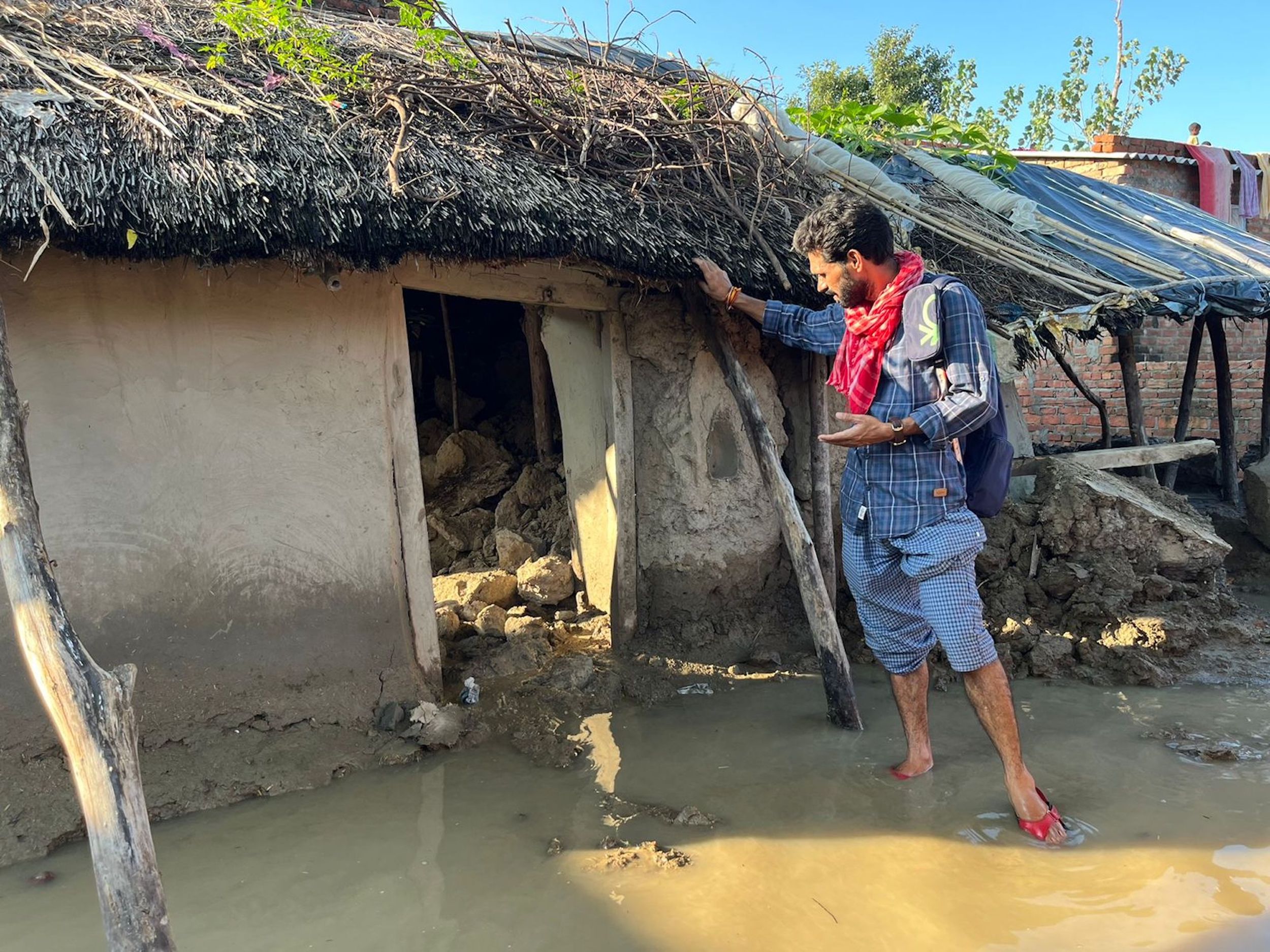
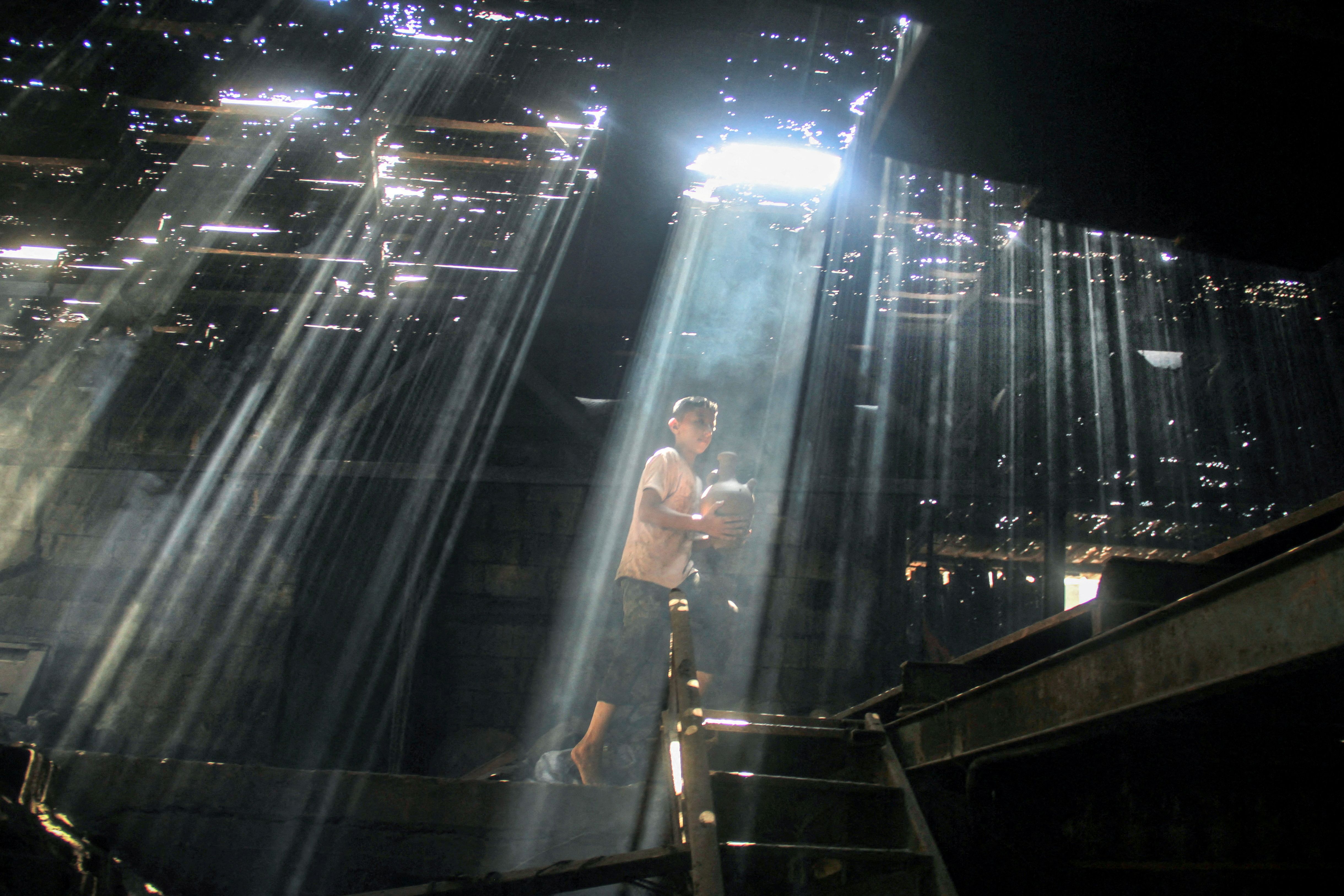
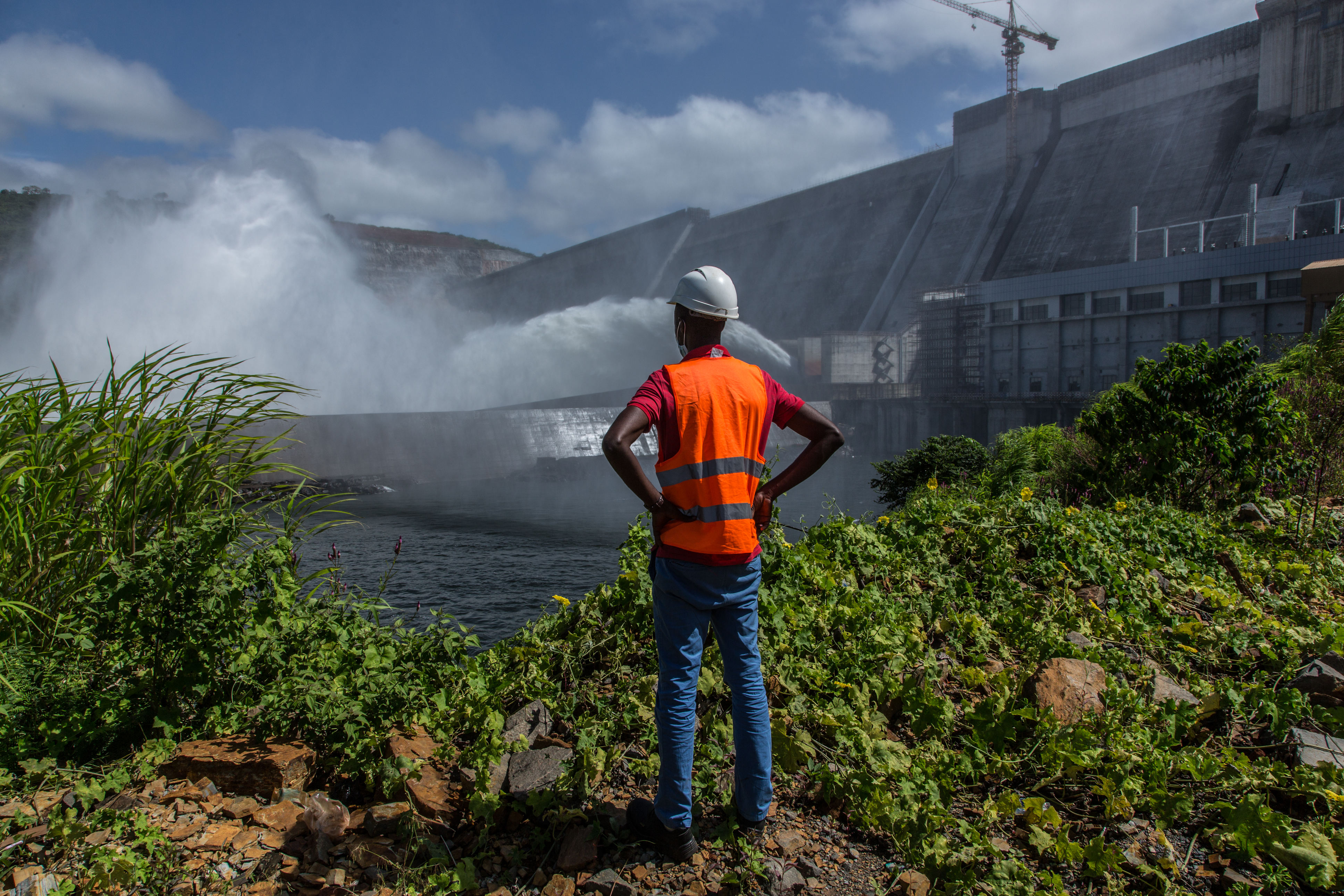
An engineer looks out over the 450-megawatt Souapiti hydropower dam in Conakry, Guinea. (Photo: Sadak Souici/ZUMA Press Wire. Conakry, Guinea – Oct 2020)

Can Africa’s Media Decolonise Climate Story?

Despite efforts in combating climate change and finding climate solutions in Africa, the continent’s climate story is still told through the lens of colonisation. The dominant stories centre on victimhood, especially during climate disasters. Such stories don’t mention the side of the continent’s efforts to adapt to climate change. 


Historically Africa’s climate story has been widely told by the voices from outside the continent. Africa has also been covered through the lens of those who focus on the victim narrative. Yet, the continent also offers many solutions to global climate action. International stories, targeting the global audiences, often emphasise the impacts of extreme weather events on African communities. 

The climate story of colonisation is done mainly by mainstream media, non-government organisations, some leaders and other stakeholders. This has  dominated the global  climate discourse. The one-sided story has been facilitated by the media on the continent that faces many challenges, limited access to digital platforms and technologies in Africa and the Global South. The voices of the continent have been left out, despite  the ongoing efforts to contribute to climate adaptation and mitigation. 

It’s true that Africa is a victim of the extreme weather events – floods, droughts, and heat; yet its contribution to the global warming emission is estimated at only 4 per cent, while the G20 – comprised of 19 countries and the European Union – is responsible for 80 per cent of emissions.   Climate change affects everyone globally. The continent faces enormous challenges to adapt to the impacts of climate change: financial gaps, migration, conflicts, among others. 

Since the historic Paris Agreement, a legally binding international treaty on climate change signed in 2015, Africa has made remarkable achievements in climate action. Some of the big recent milestones include hosting the United Nations Climate Conference in Sharm El Sheikh, Egypt; the establishment of the Africa Climate Summit every two years since 2023; and a growing movement of climate justice activists and just transition initiatives, such as the huge adoption of clean energies. 

The climate story colonisation is done mainly by mainstream media, non-Government organisations, some leaders and other stakeholders. This has dominated the global climate discourse. 

These climate platforms, relevant initiatives, and policies are helping to counter the victimhood narrative. The solutions promoted by climate forums show the continent is very active in adaptation. The declarations from the Africa climate summits position the continent as a region with opportunities, solutions and demands to tackle global climate change. 

According to the Africa Climate Outlook 2026, Africa’s energy transition has moved from vision to early delivery. The report says Mission 300, a joint initiative led by the World Bank Group and the African Development Bank to connect 300 million people in Sub-Saharan Africa to electricity by 2030, has catalysed investment in renewable energy, grid expansion, and decentralised systems, with solar, wind, hydro, and battery storage projects scaling across Southern, East, and West Africa. 

Despite these achievements, the continent’s climate story is still told through the lens of colonisation. The dominant stories centre on victimhood, especially during climate disasters. Such stories don’t mention the side of the continent’s efforts to adapt to climate change. Now,  the growing voices of storytellers from the continent, the Global South, are calling for the accurate storytelling and decolonisation of the climate narrative. This means shifting the narrative to the continent that is actively contributing to the climate solutions. 

The champions of climate story decolonisation include climate leaders, communicators, media professionals, climate justice activists, and environmentalists, among others. Speaking at the inaugural Africa Climate Summit in Nairobi, Kenya, in 2023, President William Ruto urged Africa to turn climate action into opportunities. 

Wanjira Maathai, a Kenyan environmental advocate and managing director at the World Resources Institute, says, "We acknowledge our role in the climate crisis but also in solving it.” Maathai notes Kenyan leadership in the climate space today is shifting the narrative of not only are we victims of the climate crisis, but we are also hubs of climate solutions.   “It's important for the psyche of every single African to see themselves not necessarily as a victim but as a part of the solution,” she was quoted as saying. 

Climate platforms, relevant initiatives, policies are helping to counter the victimhood narrative. The solutions promoted by climate forums show the continent is very active in adaptation. The declarations from the Africa climate summits, position the continent as a region with opportunities, solutions and demands, to tackle global climate change. 


Biased stories 

Critics  fault the traditional  narrative, which  appears to underestimate the role of Africa in climate action. Joan  Bishio, an independent  climate  communications professional from Nigeria, says every time there is a climate disaster in Africa, she already knows what the news coverage is going to look like.   “You are going to see children that look like they are malnourished and impoverished, with dryland in the background and a western journalist showing how helpless we are,” she says, adding, those types of stories get the buzz. 

According to Bishio, the stories about how the communities that have been ravaged by the climate disasters were able to rebuild their communities are hardly told. The communications professional calls this type of journalism “climate poverty. “It creates a narrative that puts Africans as the people that are always suffering," she explains. 


Focus on communities  

Some voices are additionally calling on storytellers and everyone covering climate in Africa and the wider Global South to put communities at the centre. This is because,  they say, the people are the most impacted by climate change. Maathai says, you have to tell the missing story.   “This  is the story of adaptation, the story of how communities are cushioning themselves against impacts that are coming and becoming fast and furious,” she said.  

Bishio further argues the story frame that is dominant shows Africans as the people that are always suffering. I am not saying the suffering is not real, she explains, adding that showing only the suffering, without showing solutions, is creating narratives with an agenda. 

In recent years, there have been some initiatives that seek to decolonise Africa’s climate story. For instance, the Climate Story Lab Africa in Kenya, convened African storytellers to contribute to the climate justice narrative for Africa. The convenors wanted to amplify the visibility of African perspectives, experiences, and solutions on pressing climate issues to global audiences and policymakers through compelling works of storytelling. The Story Lab brought together climate leaders, communities at the frontline of climate, social innovators, journalists, creatives, and storytellers. 

It's important for the psyche of every single African to see themselves not necessarily as a victim but as a part of the solution 

Africa's climate story and colonisation are not very different from other stories’ coverage by some global media outlets. This is  reflected in the biased or inaccurate coverage by the international press. The global media index, published by Africa No Filter, an advocacy organisation, and the African Centre, an organisation that connects Africa and its diaspora, in 2024, tracks the way the most influential news providers cover Africa. The index notes that the general performance across the online news content from 20 media outlets falls within the category of ‘medium’, suggesting that the coverage of Africa in terms of new, more progressive narratives leaves room for improvement.  

One of the index indicators is ‘diversity of topics’, which assesses media outlets’ coverage of news stories against a curated list of 28 possible topics. The indicator observes the global media's tendency to narrowly focus on Africa, particularly highlighting issues such as corruption, poverty, disease, and politics. The results revealed a persistent challenge in global media’s coverage of Africa, with the highest-scoring outlet, The Guardian, only achieving 57.  The Washington Post ranks lowest at 29.   “While news outlets specialise in certain beats, they typically cover a range of topics for the regions they focus on. However, coverage of Africa is narrow across the board," the index results note. 


African media change the narrative

According to NewsroomAfrica.com, a digital media publication based in Ghana, the international media has played an important role in drawing attention to climate challenges across Africa. However, the outlet says, "The dominant narrative still tends to focus on crisis, vulnerability, and disaster.”   The publication’s editorial team says, "Those stories are important, but they are not the whole story.” 

‘Across Africa, local communities are adapting [to climate change], innovating, and developing solutions, yet these stories often receive less attention,' the Ghana-based news outlet adds. The publication’s team believes what matters most is not who tells Africa's climate story but whether African voices are leading the conversation about African realities and solutions.  

The media organisation is running a campaign called ‘the story of change’ to 'strengthen African-led climate storytelling and ensure local voices are at the centre of climate conversations'.   Victor Kwabe, an environmental journalist based in Kenya and founder of Climate Lens News, a digital news agency that covers environmental stories, echoes Newsroom Africa on the importance of local communities by amplifying their voices. Kwabe says his focus is on what the people are doing and the institutions that are supporting them.  

According to Kwabe, African journalists are now taking control of the narrative.  He says they are realising that the best way to tell the climate or environmental stories is by telling them from the sources. Kwabe says those sources are the local communities who are on the ground, who face the similar issues [climate change impacts]. The climate journalist says the stories run by some local media on the continent and beyond are missing the stories that include the voices of the communities. “The stories that are available are mainly from the experts' side,” Kwabe says, adding that the experts and the policymakers are the stories that are majorly told. 

The narrative shift for Africa's climate story will require the active involvement of the local media and storytellers. They will tell a more nuanced story and involve local communities. The stories also showcase the continent’s solutions to global climate change. Dr Winnie Ndeta, head of the communications department at St Paul’s University in Kenya, reminds the digital creators and communicators to reshape Africa’s climate story. 

The scholar who has trained media professionals and communicators says, "As communicators, as digital creators, we are the gatekeepers in communication. Yet, the dominant narratives that often paint Africa as a victim and a backdrop for global grief must shift.”  

Dr Ndeta explains that "we need to remain in our relevant communities and relevant social spaces in universities. We have to go down to the people, because remember, these solutions should not remain in the papers we publish and put on library shelves." She adds media professionals have a responsibility to bridge knowledge gaps and translate complex climate data into accessible narratives that drive action. 


Related Articles

Climate journalism is growing up

Environmental coverage is moving on from panic-inducing warnings about global warming to the more constructive, solutions-based approach of climate journalism

Abeer Khan Published on: 27 Feb, 2023
‘I had no idea how to report on this’ - local journalists tackling climate change stories

Local journalists are key to informing the public about the devastating dangers of climate change but, in India, a lack of knowledge, training and access to expert sources is holding them back

Saurabh Sharma
Saurabh Sharma Published on: 13 Sep, 2023
Sudan shows us why Africans must tell their own conflict stories

Africa lacks freedom of expression because its stories are told by others

Philip Obaji Jr
Philip Obaji Jr Published on: 1 Jun, 2023
Fighting Misinformation and Disinformation to Foster Social Governance in Africa

Experts in Africa are using various digital media tools to raise awareness and combat the increasing usage of misinformation and disinformation to manipulate social governance.

Derick Matsengarwodzi
Derick Matsengarwodzi Published on: 22 May, 2024
How Can Journalism Make the Climate Crisis a People’s Issue?

Between the import of Western concepts and terminology that often fail to reflect the Arab context, and the denial of the climate crisis, or the inability to communicate it in clear, accessible terms, journalism plays a vital role in informing the public and revealing how climate change directly affects the fabric of daily life in the Arab world.

Bana Salama
Bana Salama Published on: 19 Dec, 2025

More Articles

The Phenomenon of “News Avoidance”: Have We Come to Know More Than We Should?

Audiences are increasingly avoiding the news as the constant flow of crises, violence, and tragic human stories creates psychological exhaustion and anxiety. Media outlets need to respond with more responsible editorial choices, stronger media literacy, and coverage that balances urgent events with constructive, humane, and less harmful storytelling.

Wessam Kamal Published on: 17 Jul, 2026
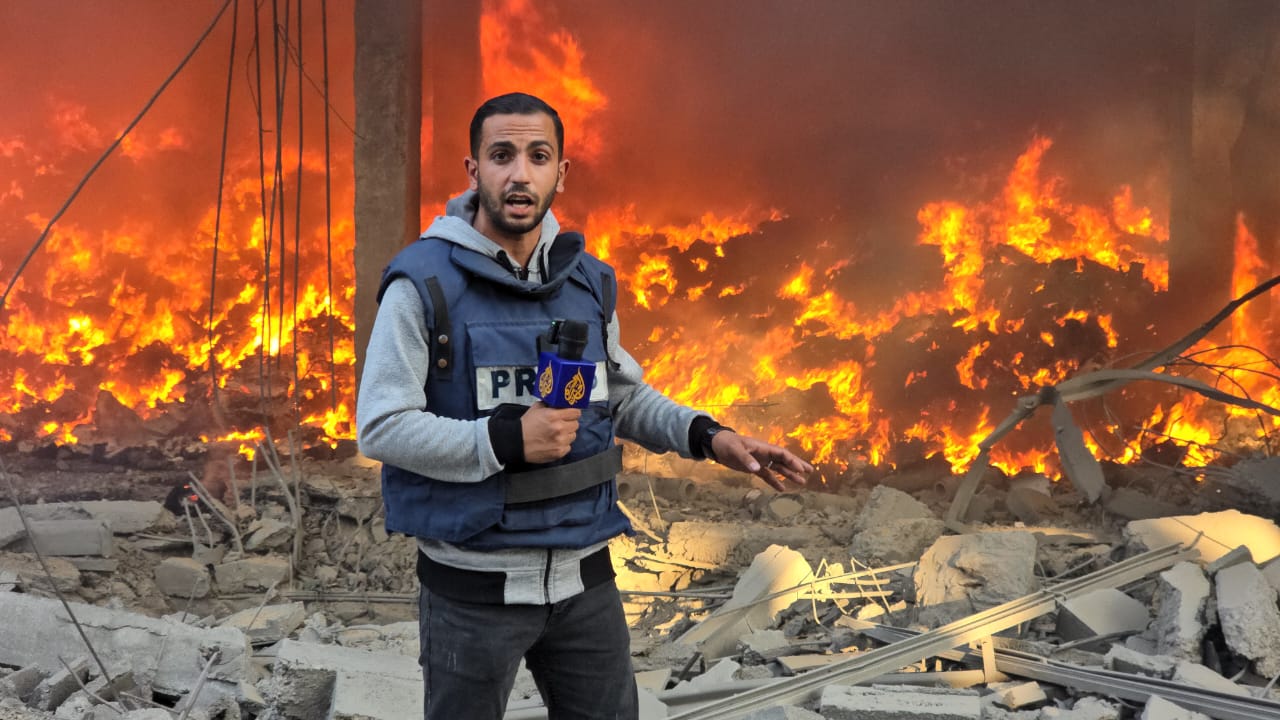
In Gaza… Testimonies That Have Not Been Told

Beyond the frontline dangers, reporting during the Israeli war involves enduring arrest, torture, systematic incitement, and assassination. This reality forces journalists into a relentless struggle to keep reporting from the depths of mass displacement, starvation, and a complete breakdown of daily infrastructure.

Mohamed Abu Qamar Published on: 8 Jul, 2026
When Modi’s Managed Media Met Europe’s Press

A brief, viral exchange in Oslo between Prime Minister Narendra Modi and a Norwegian journalist has exposed the widening gap between India's tightly controlled media environment and traditional adversarial press culture. Over the past decade, open, unscripted scrutiny has increasingly been replaced by carefully managed public relations, image-driven interviews, and direct digital reach. This systemic shift has reshaped the broader landscape of Indian news media, creating a culture of forced deference that prioritises political showmanship over holding power accountable.

Arsalan Bukhari, an independent journalist based in India
Arsalan Bukhari, Mehrunnisa Maryam Published on: 5 Jul, 2026
The Left and the Right in One Front Against Journalism in South America

Journalism in Latin America is facing a crisis of hostility. In the age of political polarization, governments from both the left and the right are not merely managing states; they are actively harassing critical voices, imposing institutional censorship, and enforcing official narratives that attack independent media to silence disagreement and fake democracy across the region.

Noe Zavaleta
Noe Zavaleta Published on: 8 Jun, 2026
Humanitarian Storytelling: Reclaiming Voice in Crisis Reporting

Humanitarian storytelling is evolving. In the age of algorithmic amplification, humanitarian organisations are not merely sharing aid updates; they work side by side with responsible media; they are providing accountability, combating harmful narratives, and demonstrating the human reality behind the crisis and news headlines.

Shereen Nanish. A media consultant from Palestine/Jordan with over 10 years of experience in journalism and humanitarian communications. Based in Germany.
Shereen Nanish Published on: 1 Jun, 2026
On the Misunderstanding Between Media and Diplomacy

The analysis of international crisis coverage reveals a clear structural gap between the immediate, simplified narratives produced by the media and the slow, complex processes of diplomacy. The tension between the two fields appears set to persist as reporters are forced to trade detailed, long-term tracking of negotiation for fast-paced, dramatic framing and the immediate demands of the attention economy.

Said Al-Azri
Said Al-Azri Published on: 28 May, 2026
How Journalists are Combating Cybertroopers 

The brutal state crackdown in Đồng Tâm highlights a intensifying withdrawal from free expression in Vietnam, heavily driven by the regime's deployment of state-backed cyberarmies like Force 47. As these digital actors systematically intimidate and mass-report critics, tech giants like Meta further compound the issue by increasingly acquiescing to government censorship requests to protect market share. This coordinated digital assault leaves a dangerous gap in the global conversation, forcing independent journalists to navigate severe online hostility and risk arbitrary imprisonment just to expose state overreach.

AJR Contributor Published on: 25 May, 2026
Journalism After the Genocide in Gaza: One War Has Ended, and Other Wars Have Begun!

The post-ceasefire reality for Gaza’s journalists reveals a challenging shift from documenting active daily bombardment to navigating an overwhelming landscape of community and structural ruin. The pressure on reporters appears set to escalate as they struggle to rebuild their own lives from absolute zero while fighting to ensure that ongoing human suffering, systemic displacement, and political marginalization are accurately documented and held to account.

Yousef Fares
Yousef Fares Published on: 17 May, 2026
US-Iran Islamabad Talks: How Journalists Report from Outside Closed Doors

The "Islamabad Talks" highlight a growing contradiction in modern diplomacy where journalists are physically present but denied direct access to negotiations. The pressure on transparency appears set to intensify as reporters are forced to trade traditional eyewitnessing for outside in investigation and geopolitical speculation.

Anam Hussain
Anam Hussain Published on: 2 May, 2026
Can Artificial Intelligence Become a Documentary Film Director?

AI opens new possibilities in documentary filmmaking, from sorting archives to speeding up production. But documentary is not built on technology alone: it depends on the director’s vision, creativity, and ability to shape meaning. Can AI, for instance, make a film like Ordinary Fascism?

Bashar Hamdan, investigative producer and documentary filmmaker at Al Jazeera Media Network
Bashar Hamdan Published on: 23 Apr, 2026
When Speaking Up Backfires: How Social Conformity Silences Journalists

While state censorship remains a reality, freedom of speech in Africa faces a rising internal threat: the community itself. This article examines how social conformity, digital echo chambers, and ingrained bias create a modern "chilling effect". This pressure forces journalists to choose between aligning with popular narratives or facing professional and social marginalisation.

Derick Matsengarwodzi
Derick Matsengarwodzi Published on: 16 Apr, 2026
Has the Global South Benefited from the Digital Transformation?

Despite the promise of digital technologies to amplify voices and expand media reach in the Global South, structural barriers, such as political repression, technological dependency, and persistent digital divides, continue to limit their impact. Real progress requires not only technological adoption but also institutional reform, stronger journalistic capacity, and independent ethical frameworks to challenge dominant Western media narratives.

Al-Shafi Abtidon
Al-Shafi Abtidon Published on: 18 Mar, 2026
Missiles Made of Words: How Western Media Narratives Shape the Iran–Israel–US Conflict

Western media coverage of the Iran–Israel–US conflict often functions as a weapon of war, using selective language that frames US and Israeli strikes as “self-defence” while depicting Iranian actions as "provocation". This linguistic framing normalises civilian casualties and helps manufacture public consent for military aggression by dehumanising certain populations.

Muqeet Mohammed Shah
Muqeet Mohammed Shah, Ifrah Khalil Kawa Published on: 14 Mar, 2026
How the Ethiopian Civil War Unleashed a Lethal Media Crackdown

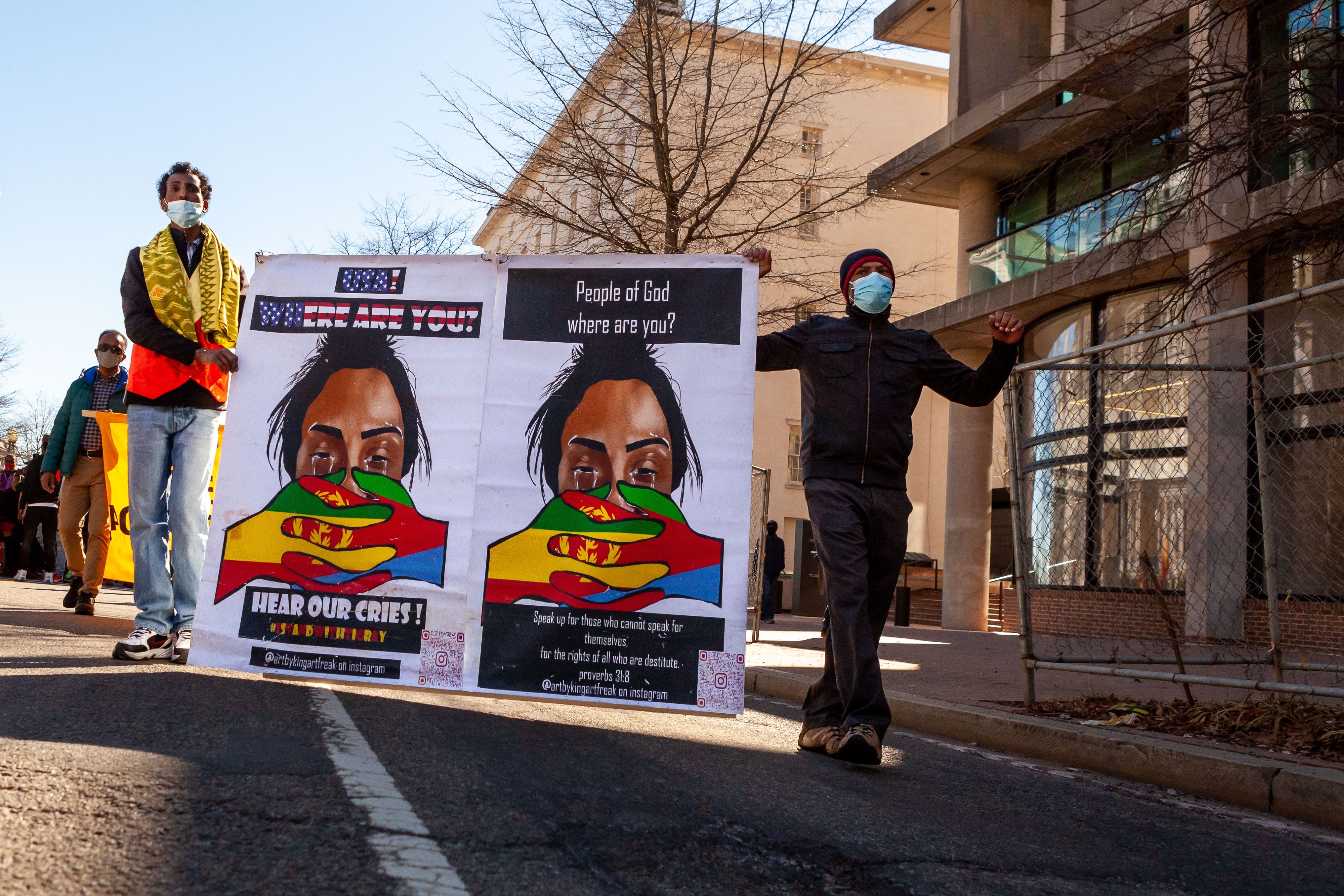
There has been a widening crackdown on the media in Ethiopia since war erupted between the central government and Tigray’s regional authorities in 2020, and the pressure appears set to intensify as the country prepares for general elections in June.

Nalova Akua
Nalova Akua Published on: 9 Mar, 2026
Are Netanyahu's and Trump’s Speeches Shaping Western Media Framing?

As political speeches framed the 2026 U.S.–Israeli attack on Iran, segments of Western media echoed their language and narratives, illustrating how strategic rhetoric and news framing can shape public opinion and legitimise military action.

Shaimaa Al-Eisai
Shaimaa Al-Eisai Published on: 6 Mar, 2026
Journalism in Gaza… A Race Against the Train of Genocide

In the following account, Amira Nassar presents a narrative filled with intricate detail, intimate exchanges, and an unyielding struggle over the meaning of writing amid slaughter and starvation. Part of The Journalism Review’s documentary project recording the testimonies of journalists in Palestine and the Gaza Strip during the ongoing genocide, it stands as a testament against oblivion and the machinery of extermination.
Amira Nassar
Amira Nassar Published on: 27 Feb, 2026
Kukurigo: Revolutionising news in Zimbabwe's WhatsApp era

The emergence of Kukurigo during Zimbabwe’s 2018 elections marked a turning point for digital journalism, transforming WhatsApp from a hub for misinformation into a vital platform for verified news. By leveraging the app’s low data costs, this grassroots initiative bridged the information gap for under-resourced communities, establishing a new model for media credibility and public service within an unstable political landscape.
Enock Muchinjo
Enock Muchinjo Published on: 19 Feb, 2026
The Epstein Files and the Art of Drowning the Truth

The mass release of millions of files related to Jeffrey Epstein serves as a metaphor for a wider crisis of the digital age: an overabundance of information that obscures rather than illuminates the truth. In an era where data floods replace traditional censorship, citizens risk becoming less informed, underscoring the vital role of professional journalism in filtering noise into meaningful knowledge.

Ilya إيليا توبر 
Ilya U Topper Published on: 12 Feb, 2026
Reporting the Spectacle: Myanmar’s Manufactured Elections

Myanmar’s recent elections posed a profound challenge for journalists, who were forced to navigate between exposing a sham process and inadvertently legitimising it. With media repression intensifying, reporting became an act of resistance against the junta’s effort to control information and silence independent voices.

Annie Zaman
Annie Zaman Published on: 7 Feb, 2026
Public Hostility Toward Legacy Media in Bangladesh

The December 2025 arson attacks on Prothom Alo and The Daily Star marked a turning point for journalism in Bangladesh. As public anger replaces state control as the primary threat, reporters are reassessing personal safety, editorial judgement, and professional credibility in a political transition where journalism itself is increasingly treated as an enemy.

Arsalan Bukhari, an independent journalist based in India
Arsalan Bukhari Published on: 4 Feb, 2026
Migration Issues and the Framing Dilemma in Western Media

How does the Western press shape the migration narrative? Which journalistic frames dominate its coverage? And is reporting on anti-immigration protests neutral or ideologically charged? This analysis examines how segments of Western media echo far-right rhetoric, reinforcing xenophobic discourse through selective framing, language, and imagery.

Salma Saqr
Salma Saqr Published on: 31 Jan, 2026
From News Reporting to Documentation: Practical Lessons from Covering the War on Gaza

From the very first moment of the genocidal war waged by Israel on Gaza, Al Jazeera correspondent Hisham Zaqout has been a witness to hunger, devastation, war crimes, and the assassination of his colleagues in the field. It is a battle for survival and documentation, one that goes beyond mere coverage and daily reporting.

Hisham Zakkout Published on: 26 Jan, 2026
Investigating the Assassination of My Own Father

As a journalist, reporting on the murder of my father meant answering questions about my own position as an objective observer.

Diana López Zuleta
Diana López Zuleta Published on: 16 Jan, 2026
What Image of Gaza Will the World Remember?

Will the story of Gaza be reduced to official statements that categorise the Palestinian as a "threat"? Or to images of the victims that flood the digital space? And how can the media be transformed into a tool for reinforcing collective memory and the struggle over narratives?

Hassan Obeid
Hasan Obaid Published on: 13 Jan, 2026