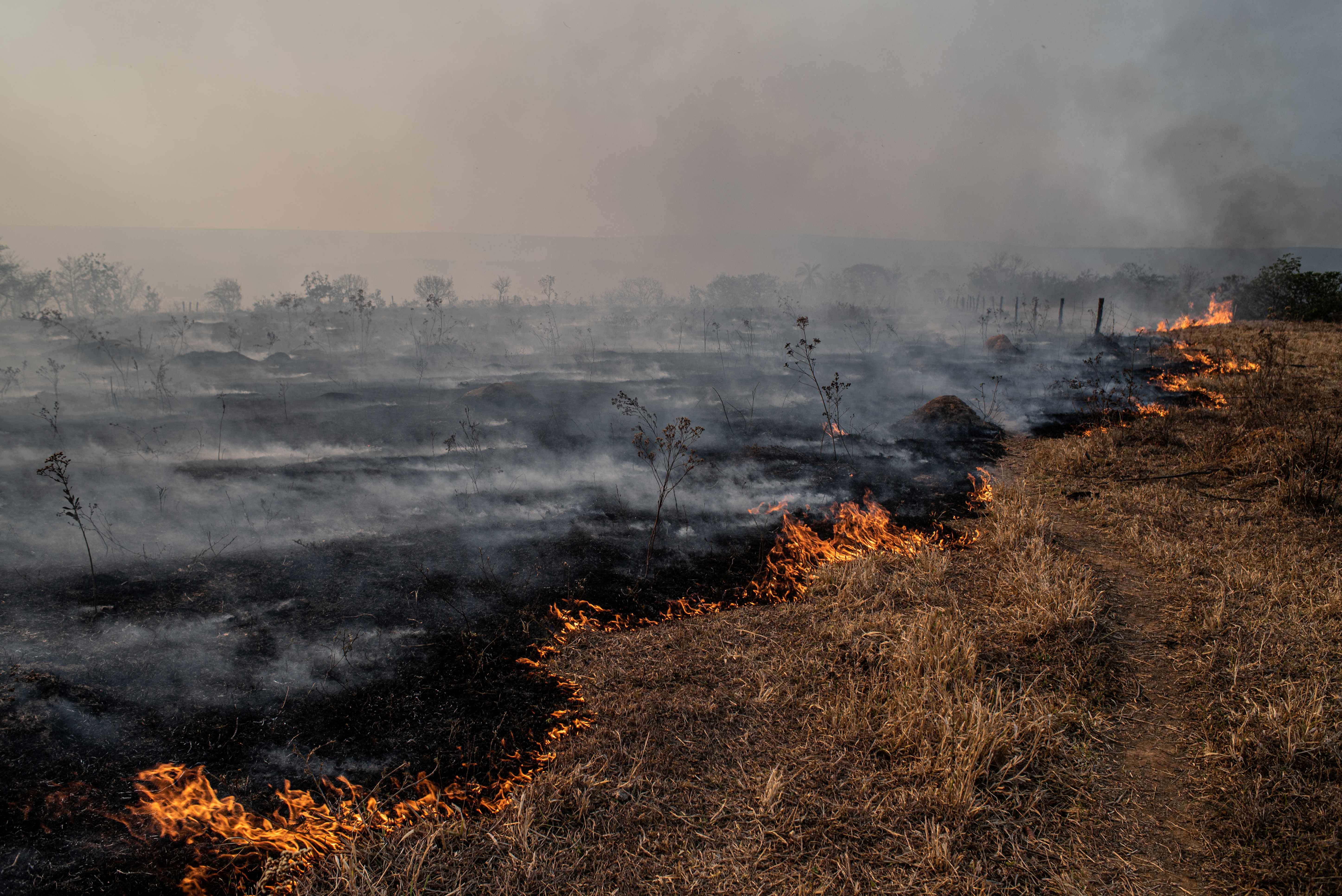
Despite efforts in combating climate change and finding climate solutions in Africa, the continent’s climate story is still told through the lens of colonisation. The dominant stories centre on victimhood, especially during climate disasters. Such stories don’t mention the side of the continent’s efforts to adapt to climate change.
Historically, Africa’s climate story has been widely told by the voices from outside the continent. Africa has also been covered through the lens of those who focus on the victim narrative. Yet, the continent also offers many solutions to global climate action. International stories, targeting the global audiences, often emphasise the impacts of extreme weather events on African communities.
The climate story of colonisation is done mainly by mainstream media, non-government organisations, some leaders and other stakeholders. This has dominated the global climate discourse. The one-sided story has been facilitated by the media on the continent that faces many challenges, including limited access to digital platforms and technologies in Africa and the Global South. The voices of the continent have been left out, despite the ongoing efforts to contribute to climate adaptation and mitigation.
It’s true that Africa is a victim of the extreme weather events – floods, droughts, and heat; yet its contribution to the global warming emissions is estimated at only 4 per cent, while the G20 – comprised of 19 countries and the European Union – is responsible for 80 per cent of emissions. Climate change affects everyone globally. The continent faces enormous challenges to adapt to the impacts of climate change: financial gaps, migration, and conflicts, among others.
Since the historic Paris Agreement, a legally binding international treaty on climate change signed in 2015, Africa has made remarkable achievements in climate action. Some of the big recent milestones include hosting the United Nations Climate Conference in Sharm El Sheikh, Egypt; the establishment of the Africa Climate Summit every two years since 2023; and a growing movement of climate justice activists and just transition initiatives, such as the huge adoption of clean energies.
The climate story colonisation is done mainly by mainstream media, non-Government organisations, some leaders and other stakeholders. This has dominated the global climate discourse.
These climate platforms, relevant initiatives, and policies are helping to counter the victimhood narrative. The solutions promoted by climate forums show the continent is very active in adaptation. The declarations from the African climate summits position the continent as a region with opportunities, solutions and demands to tackle global climate change.
According to the Africa Climate Outlook, Africa’s energy transition has moved from vision to early delivery. The report says Mission 300, a joint initiative led by the World Bank Group and the African Development Bank to connect 300 million people in Sub-Saharan Africa to electricity by 2030, has catalysed investment in renewable energy, grid expansion, and decentralised systems, with solar, wind, hydro, and battery storage projects scaling across Southern, East, and West Africa.
Despite these achievements, the continent’s climate story is still told through the lens of colonisation. The dominant stories centre on victimhood, especially during climate disasters. Such stories don’t mention the side of the continent’s efforts to adapt to climate change. Now, the growing voices of storytellers from the continent, the Global South, are calling for the accurate storytelling and decolonisation of the climate narrative. This means shifting the narrative to the continent that is actively contributing to the climate solutions.
The champions of climate story decolonisation include climate leaders, communicators, media professionals, climate justice activists, and environmentalists, among others. Speaking at the inaugural Africa Climate Summit in Nairobi, Kenya, in 2023, President William Ruto urged Africa to turn climate action into opportunities.
Wanjira Maathaai, a Kenyan environmental advocate and managing director at the World Resources Institute, says, "We acknowledge our role in the climate crisis but also in solving it.” Maathai notes Kenyan leadership in the climate space today is shifting the narrative of not only are we victims of the climate crisis, but we are also hubs of climate solutions. “It's important for the psyche of every single African to see themselves not necessarily as a victim but as a part of the solution,” she was quoted as saying.
Climate platforms, relevant initiatives, policies are helping to counter the victimhood narrative. The solutions promoted by climate forums show the continent is very active in adaptation. The declarations from the Africa climate summits, position the continent as a region with opportunities, solutions and demands, to tackle global climate change.
Biased stories
Critics fault the traditional narrative, which appears to underestimate the role of Africa in climate action. Joan Bishio, an independent climate communications professional from Nigeria, says every time there is a climate disaster in Africa, she already knows what the news coverage is going to look like. “You are going to see children that look like they are malnourished and impoverished, with dryland in the background and a western journalist showing how helpless we are,” she says, adding, those types of stories get the buzz.
According to Bishio, the stories about how the communities that have been ravaged by the climate disasters were able to rebuild their communities are hardly told. The communications professional calls this type of journalism “climate poverty. “It creates a narrative that puts Africans as the people that are always suffering," she explains.
Focus on communities
Some voices are additionally calling on storytellers and everyone covering climate in Africa and the wider Global South to put communities at the centre. This is because, they say, the people are the most impacted by climate change. Maathai says, 'You have to tell the missing story.' “This is the story of adaptation, the story of how communities are cushioning themselves against impacts that are coming and becoming fast and furious,” she said.
Bishio further argues the story frame that is dominant shows Africans as the people that are always suffering. 'I am not saying the suffering is not real,' she explains, adding that showing only the suffering, without showing solutions, is creating narratives with an agenda.
In recent years, there have been some initiatives that seek to decolonise Africa’s climate story. For instance, the Climate Story Lab Africa in Kenya convened African storytellers to contribute to the climate justice narrative for Africa. The convenors wanted to amplify the visibility of African perspectives, experiences, and solutions on pressing climate issues to global audiences and policymakers through compelling works of storytelling. The Story Lab brought together climate leaders, communities at the front line of climate change, social innovators, journalists, creatives, and storytellers.
It's important for the psyche of every single African to see themselves not necessarily as a victim but as a part of the solution
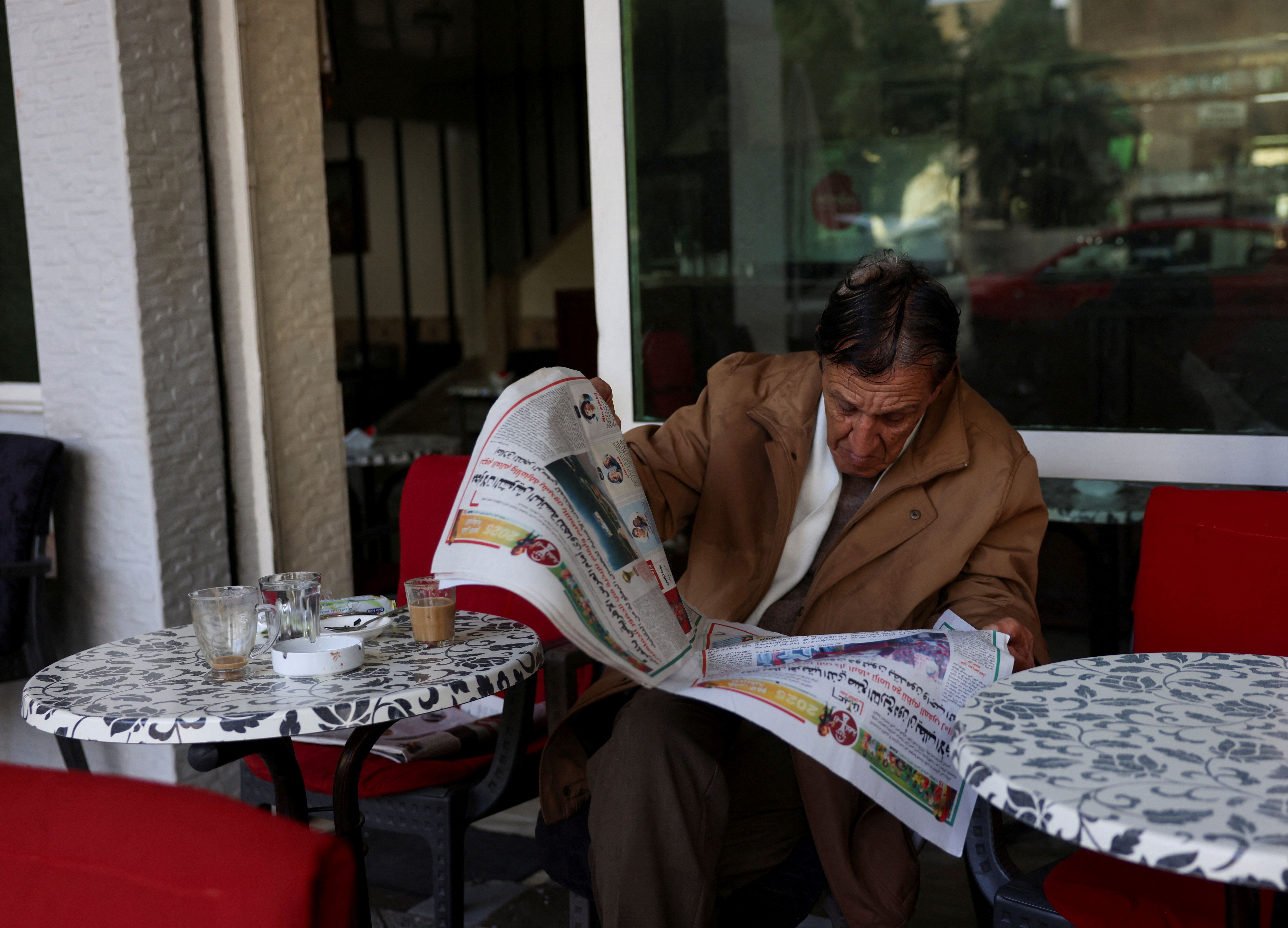
Africa's climate story and colonisation are not very different from other stories’ coverage by some global media outlets. This is reflected in the biased or inaccurate coverage by the international press. The global media index, published by Africa No Filter, an advocacy organisation, and the African Centre, an organisation that connects Africa and its diaspora, in 2024, tracks the way the most influential news providers cover Africa. The index notes that the general performance across the online news content from 20 media outlets falls within the category of ‘medium’, suggesting that the coverage of Africa in terms of new, more progressive narratives leaves room for improvement.
One of the index indicators is ‘diversity of topics’, which assesses media outlets’ coverage of news stories against a curated list of 28 possible topics. The indicator observes the global media's tendency to narrowly focus on Africa, particularly highlighting issues such as corruption, poverty, disease, and politics. The results revealed a persistent challenge in global media’s coverage of Africa, with the highest-scoring outlet, The Guardian, only achieving 57. The Washington Post ranks lowest at 29. “While news outlets specialise in certain beats, they typically cover a range of topics for the regions they focus on. However, coverage of Africa is narrow across the board," the index results note.
African media change the narrative
According to NewsroomAfrica.com, a digital media publication based in Ghana, the international media have played an important role in drawing attention to climate challenges across Africa. However, the outlet says, "The dominant narrative still tends to focus on crisis, vulnerability, and disaster.” The publication’s editorial team says, "Those stories are important, but they are not the whole story.”
‘Across Africa, local communities are adapting [to climate change], innovating, and developing solutions, yet these stories often receive less attention,' the Ghana-based news outlet adds. The publication’s team believes what matters most is not who tells Africa's climate story but whether African voices are leading the conversation about African realities and solutions.
The media organisation is running a campaign called ‘the story of change’ to 'strengthen African-led climate storytelling and ensure local voices are at the centre of climate conversations'. Victor Kwabe, an environmental journalist based in Kenya and founder of Climate Lens News, a digital news agency that covers environmental stories, echoes Newsroom Africa on the importance of local communities by amplifying their voices. Kwabe says his focus is on what the people are doing and the institutions that are supporting them.
According to Kwabe, African journalists are now taking control of the narrative. He says they are realising that the best way to tell the climate or environmental stories is by telling them from the sources. Kwabe says those sources are the local communities who are on the ground, who face the similar issues [climate change impacts]. The climate journalist says the stories run by some local media on the continent and beyond are missing the stories that include the voices of the communities. “The stories that are available are mainly from the experts' side,” Kwabe says, adding that the experts and the policymakers are the stories that are majorly told.
The narrative shift for Africa's climate story will require the active involvement of the local media and storytellers. They will tell a more nuanced story and involve local communities. The stories also showcase the continent’s solutions to global climate change. Dr Winnie Ndeta, head of the communications department at St Paul’s University in Kenya, reminds the digital creators and communicators to reshape Africa’s climate story.
The scholar who has trained media professionals and communicators says, "As communicators, as digital creators, we are the gatekeepers in communication. Yet, the dominant narratives that often paint Africa as a victim and a backdrop for global grief must shift.”
Dr Ndeta explains that "we need to remain in our relevant communities and relevant social spaces in universities. We have to go down to the people, because remember, these solutions should not remain in the papers we publish and put on library shelves." She adds media professionals have a responsibility to bridge knowledge gaps and translate complex climate data into accessible narratives that drive action.