As citizen journalists increasingly document and shape public events, professional journalists risk surrendering their civic role to algorithms, personal branding and the pursuit of attention.
One of the media concepts that has attracted the greatest attention over the past two decades is that of the “citizen journalist”: the individual who, thanks to the digital revolution, has become capable of gathering, filming and publishing news outside traditional media institutions. Hundreds of studies have examined the impact of this phenomenon on expanding the public sphere, breaking media institutions’ monopoly over information, and strengthening public participation, particularly during crises, social movements, wars and disasters.
Yet the fascination with the rapid rise of the “citizen journalist” has not been matched by equivalent attention to an opposing phenomenon that deserves study: the declining role of the “citizen-minded journalist”. While the digital revolution has enabled ordinary citizens to move closer to some of journalism’s functions, a segment of professional journalists has been moving away from the profession’s public-service role, drawn instead towards the logic of platforms and algorithms, the lure of fame, and the attention economy. Here lies one of the paradoxes of contemporary media: the citizen moves towards performing the role of the journalist, while the journalist retreats from their civic responsibility and their position as a guardian of the public sphere.
The emergence of the citizen journalist
The spread of the concept of the “citizen journalist” was closely associated with the transformations brought about by the internet in the production and circulation of news, although its roots predate the digital environment and can be traced to alternative journalism, community radio and audience contributions to the media. The South Korean website OhmyNews played a major role in shaping the concept in its contemporary form when Korean journalist Oh Yeon Ho founded the site in 2000 under the slogan “Every Citizen is a Reporter”, allowing members of the public to produce news material that was reviewed and edited before publication. Although it is difficult to trace the precise origins of the concept or attribute it exclusively to a Korean source, the South Korean experience helped transform it into an organised digital media model that gained worldwide recognition.
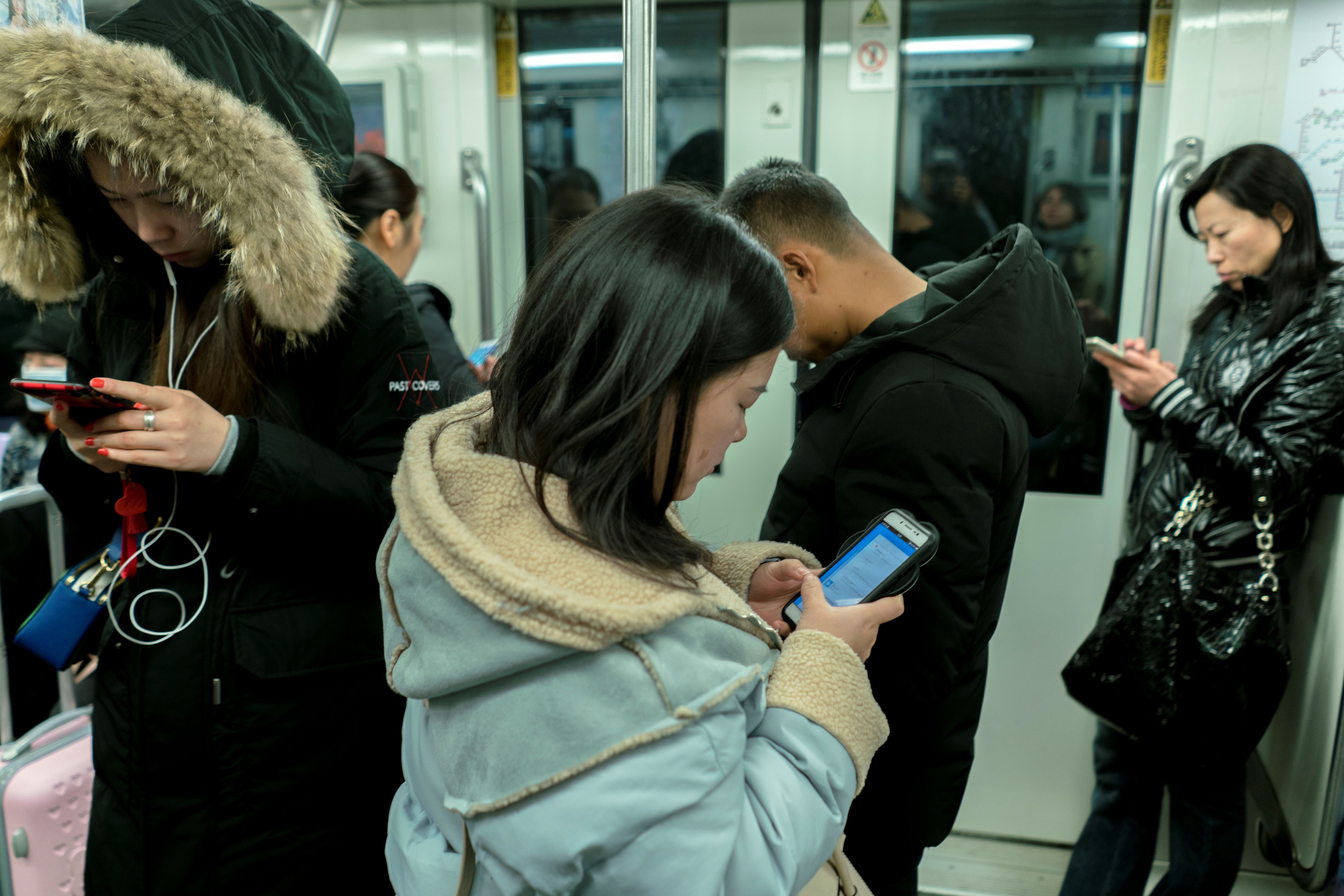
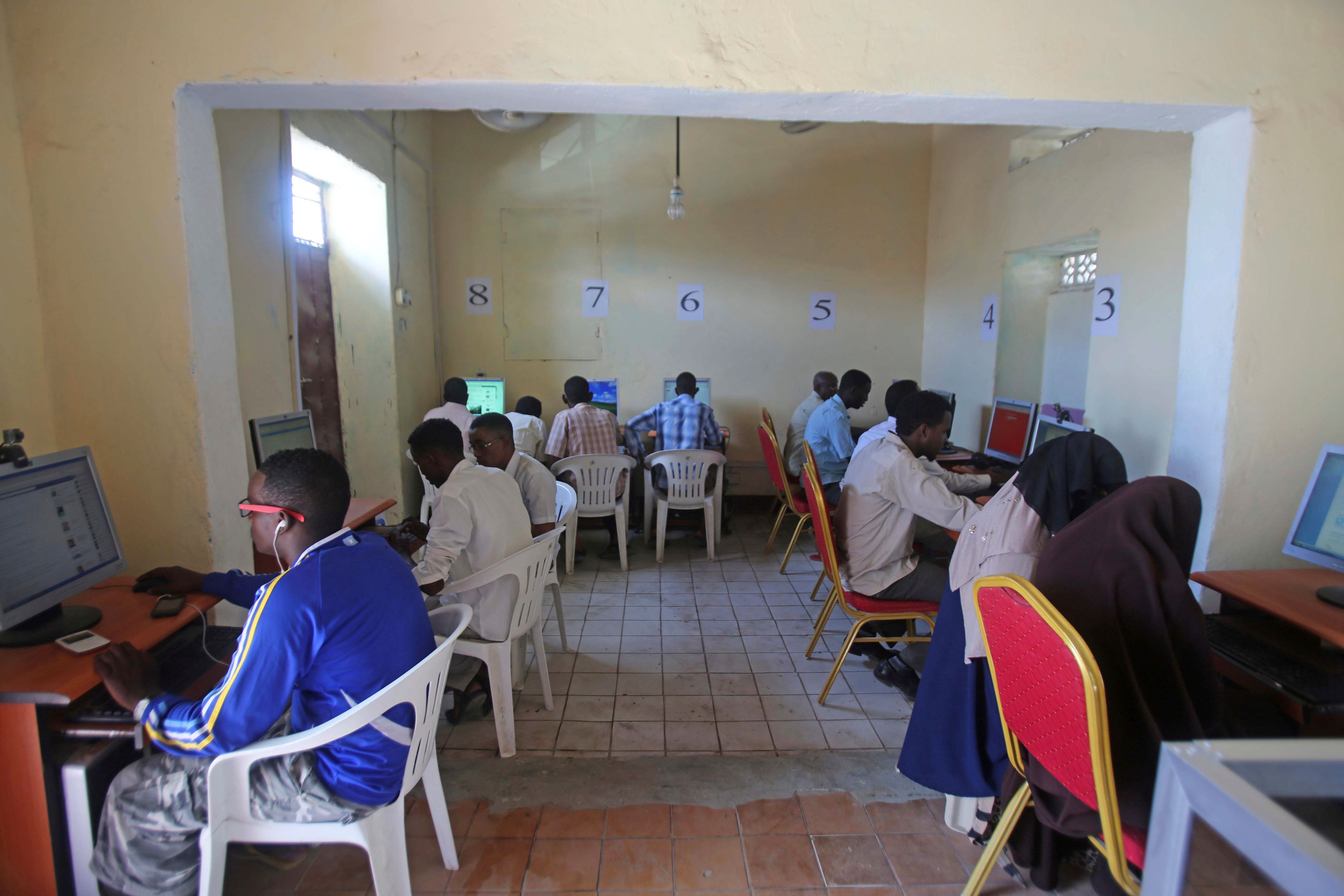
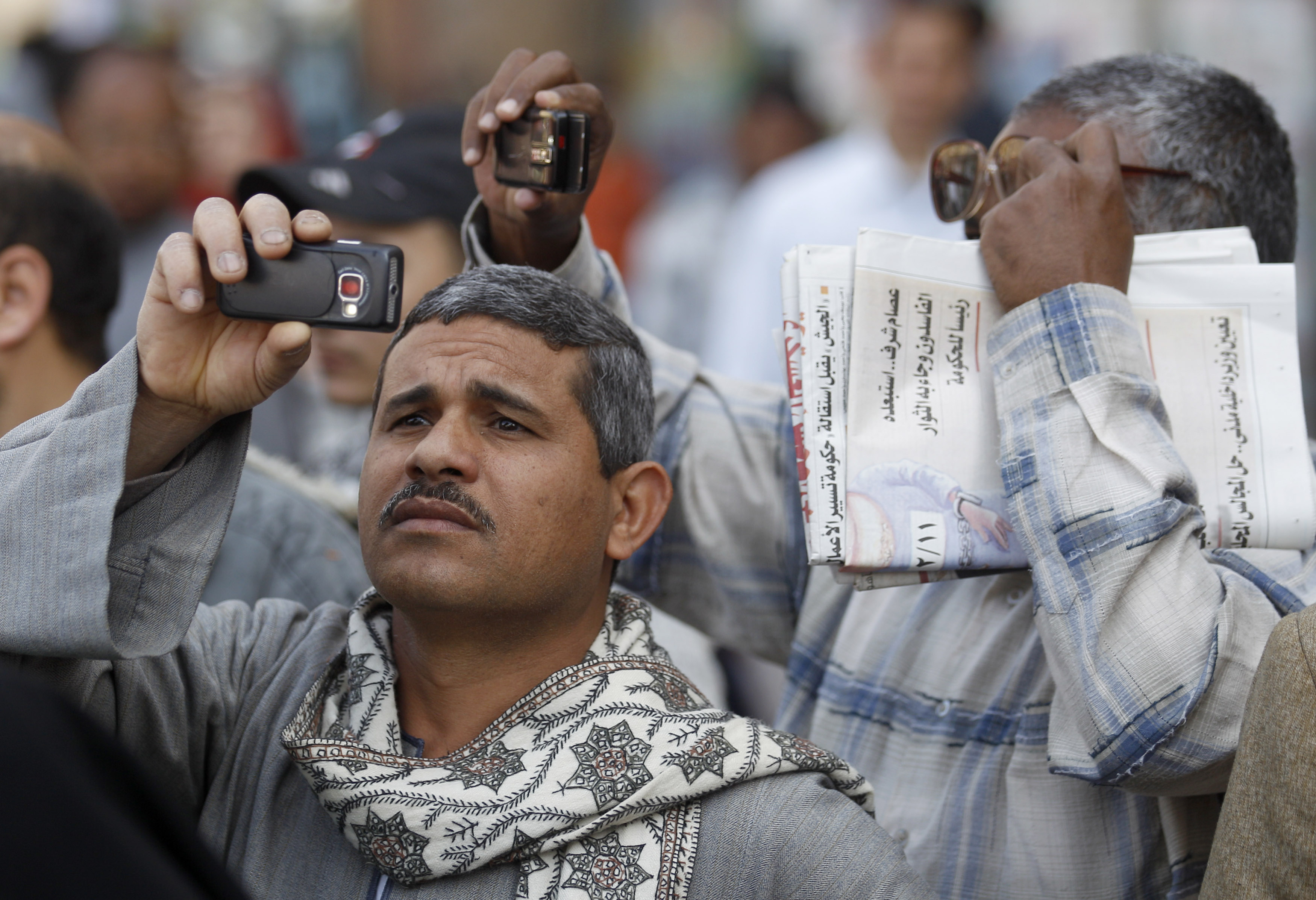
At its simplest, the citizen journalist can be viewed as an eyewitness carrying a camera rather than relying on the naked eye alone. The mobile phone transformed the citizen from someone who merely witnesses an event into a digital witness capable of documenting it and transmitting it instantly into the public sphere.
The decline of social responsibility has led to a second transformation affecting the very philosophy of journalistic work: the journalist’s shift towards becoming a content creator; moving from “What does the public need?” to “What does the public want?” …Whereas media once helped shape the priorities of public opinion, audience preferences and engagement metrics increasingly influence media agendas and direction.
Four types of citizens who perform journalistic roles to varying degrees can be distinguished. The first is the Accidental Citizen Journalist, someone who happens to be in the right place at the right time when an exceptional event occurs, captures it on their phone and publishes it. In other words, they did not go looking for the news; the news came to them, and chance transformed them from a witness to the event into a source of information and images about it.
Closely related is the citizen journalist who is also a participant in the event, someone who is directly involved in the incident or belongs to the community affected by it. This gives them an insider’s testimony and an exceptional degree of human and contextual proximity. Yet that proximity may also affect their perspective and their selection of information because their position as a witness overlaps with their position as someone personally affected by the event.
The third type is the citizen who assumes the role of a journalist, deliberately travelling to the scene, following developments, filming events, conducting interviews and livestreaming in pursuit of a scoop and an audience. Here, the citizen moves from incidental documentation to the deliberate performance of certain journalistic functions, even while remaining outside a media institution and beyond its professional and editorial standards.
This practice may develop into a fourth type: the organised citizen journalist, who covers events regularly, specialises in a particular field, builds a network of sources and followers, and over time acquires a public profile and credibility among their audience. This type occupies a middle ground between the ordinary citizen and the professional journalist and may, in practice, perform many of journalism’s functions without holding professional status or belonging to a media institution.
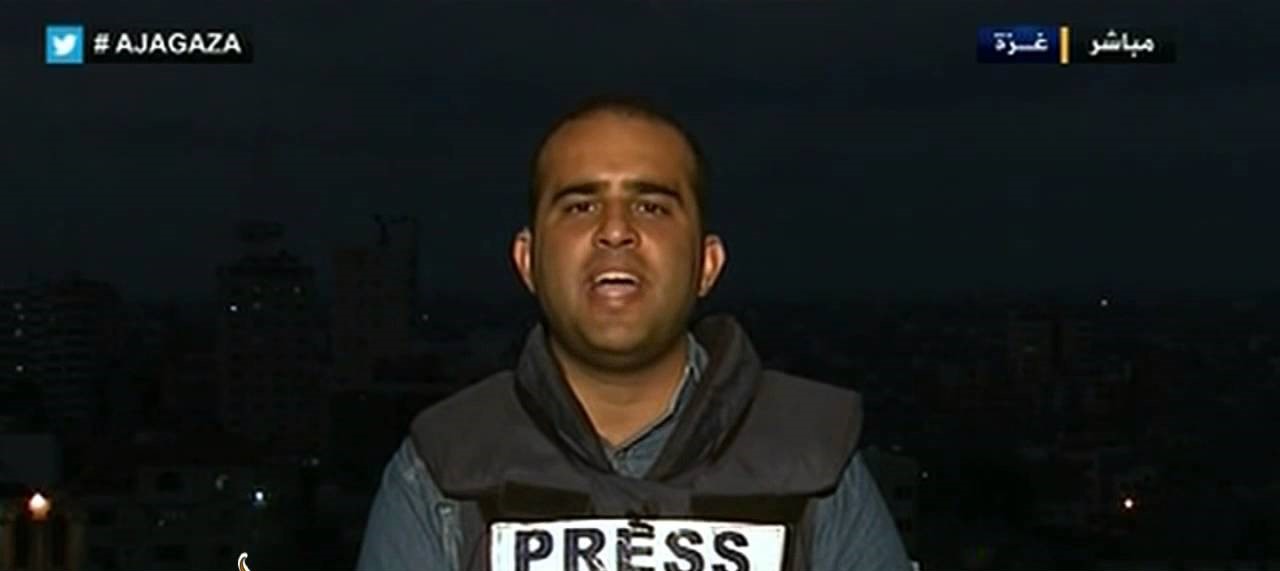
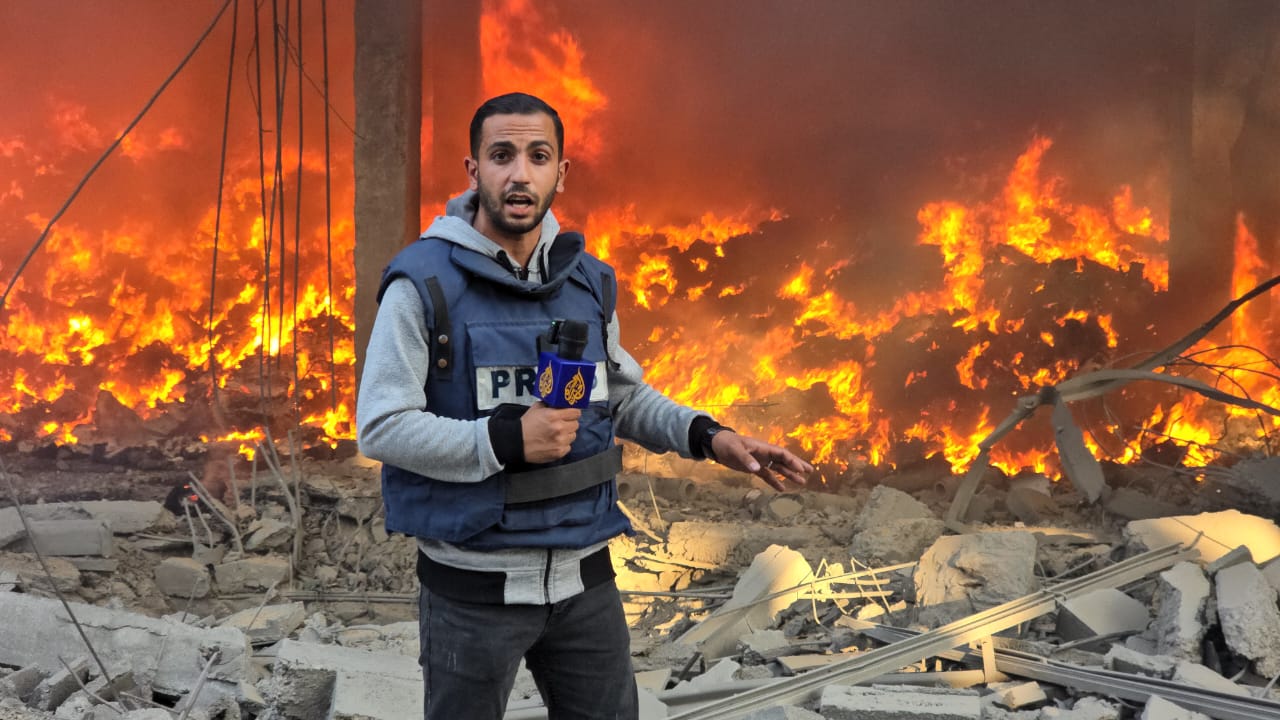
As the war continued, individuals emerged who maintained regular coverage, built audiences and networks of sources, and effectively became organised citizen journalists. These roles acquired exceptional importance amid restrictions preventing foreign journalists from entering the Gaza Strip independently.
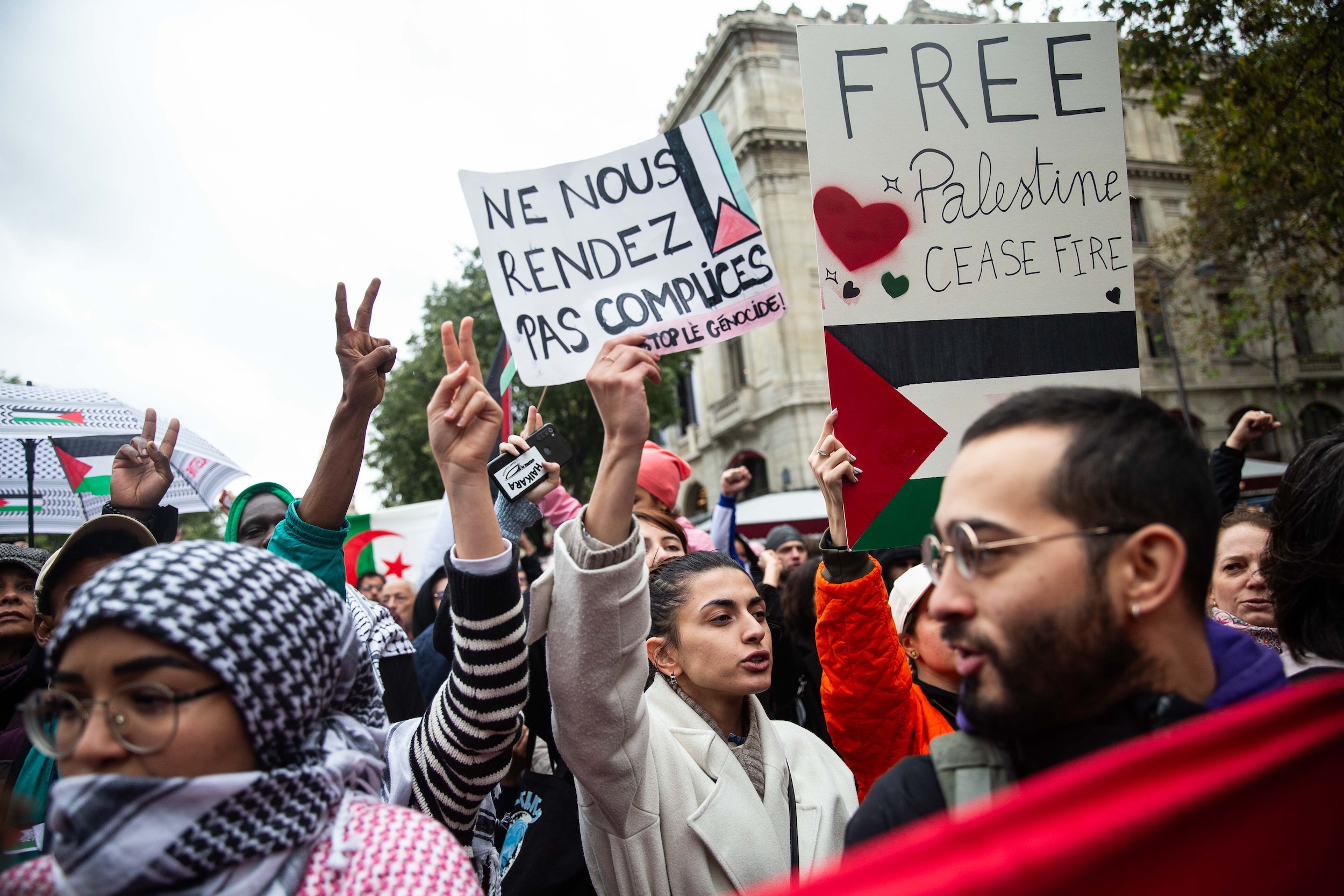
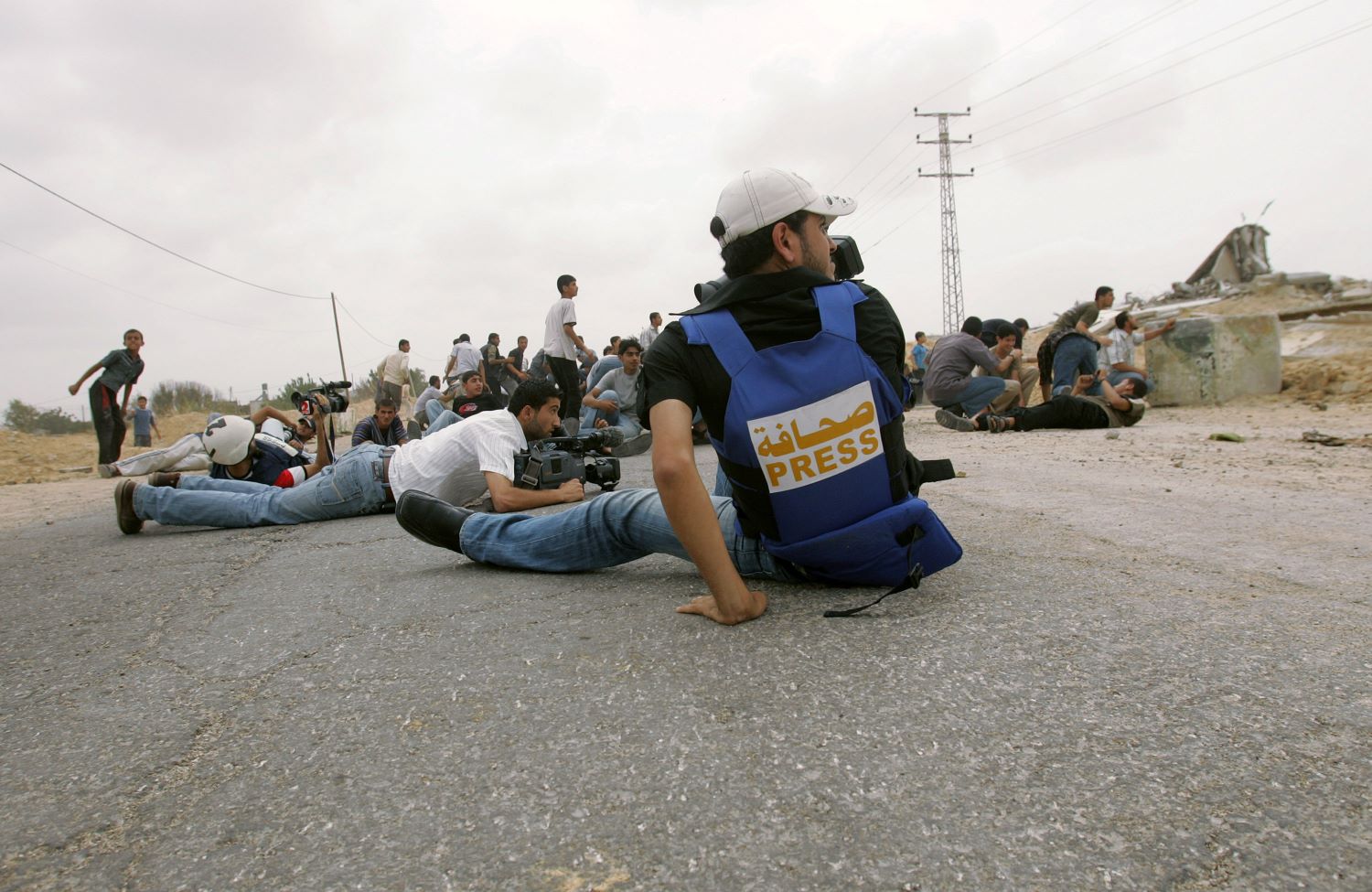
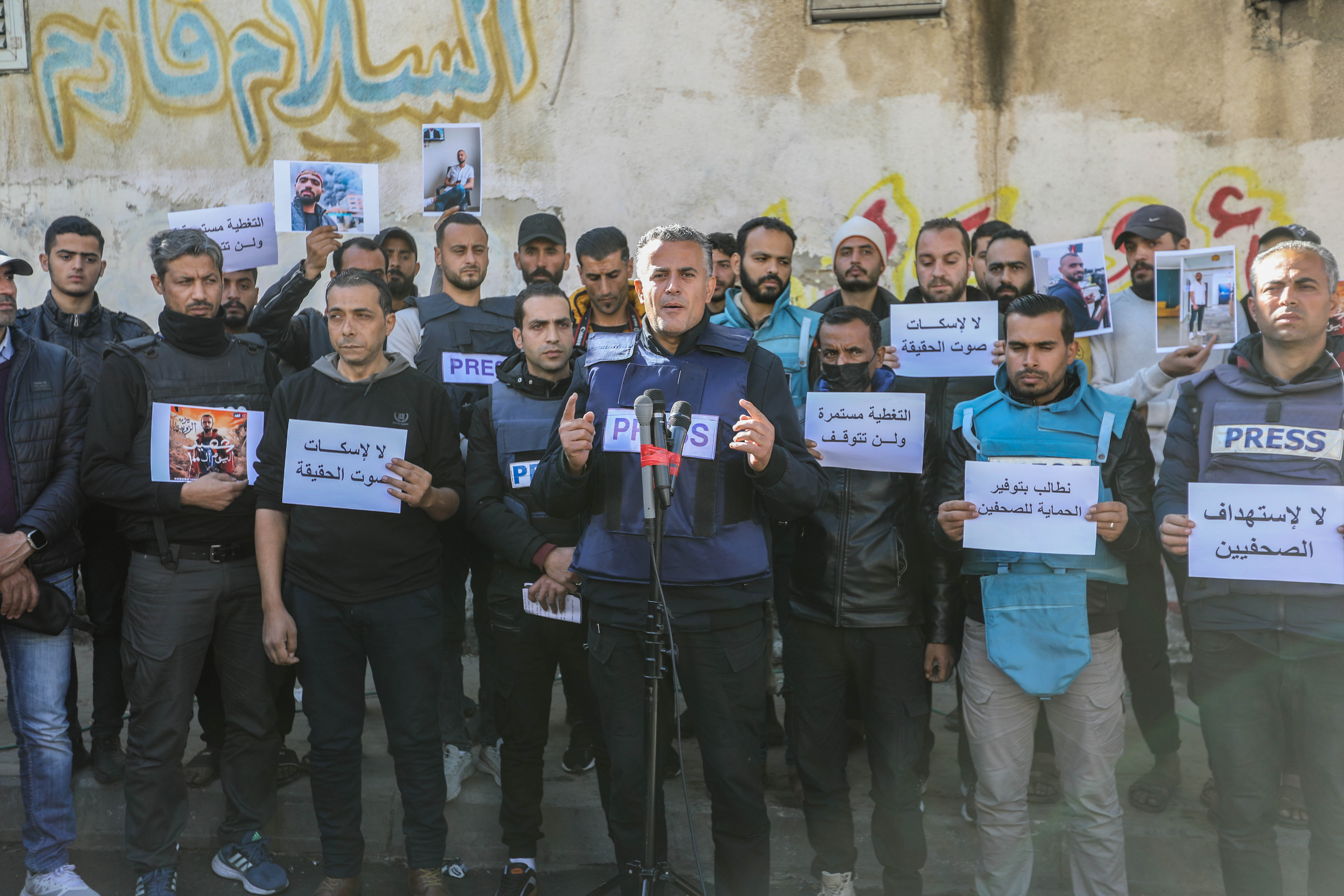
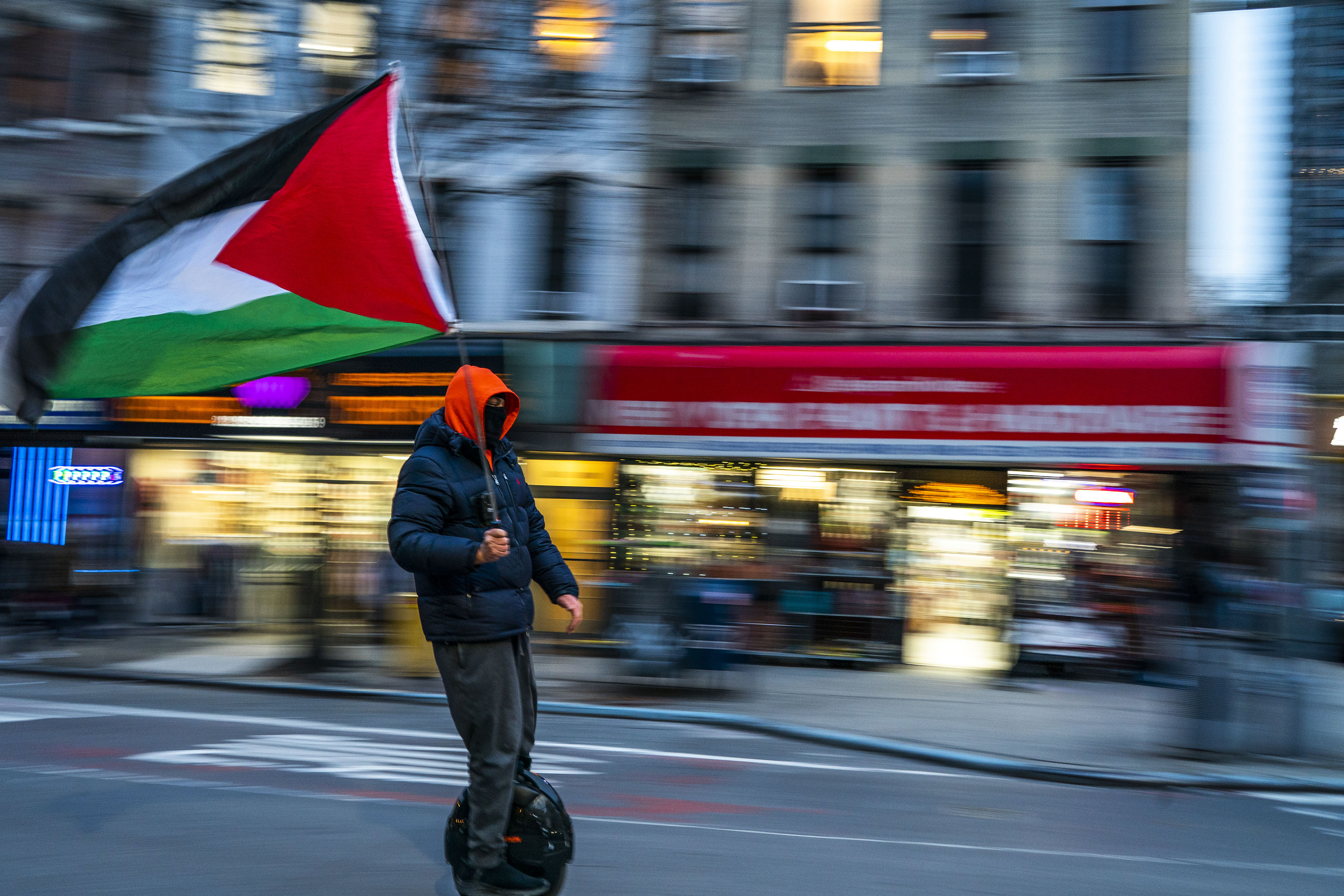
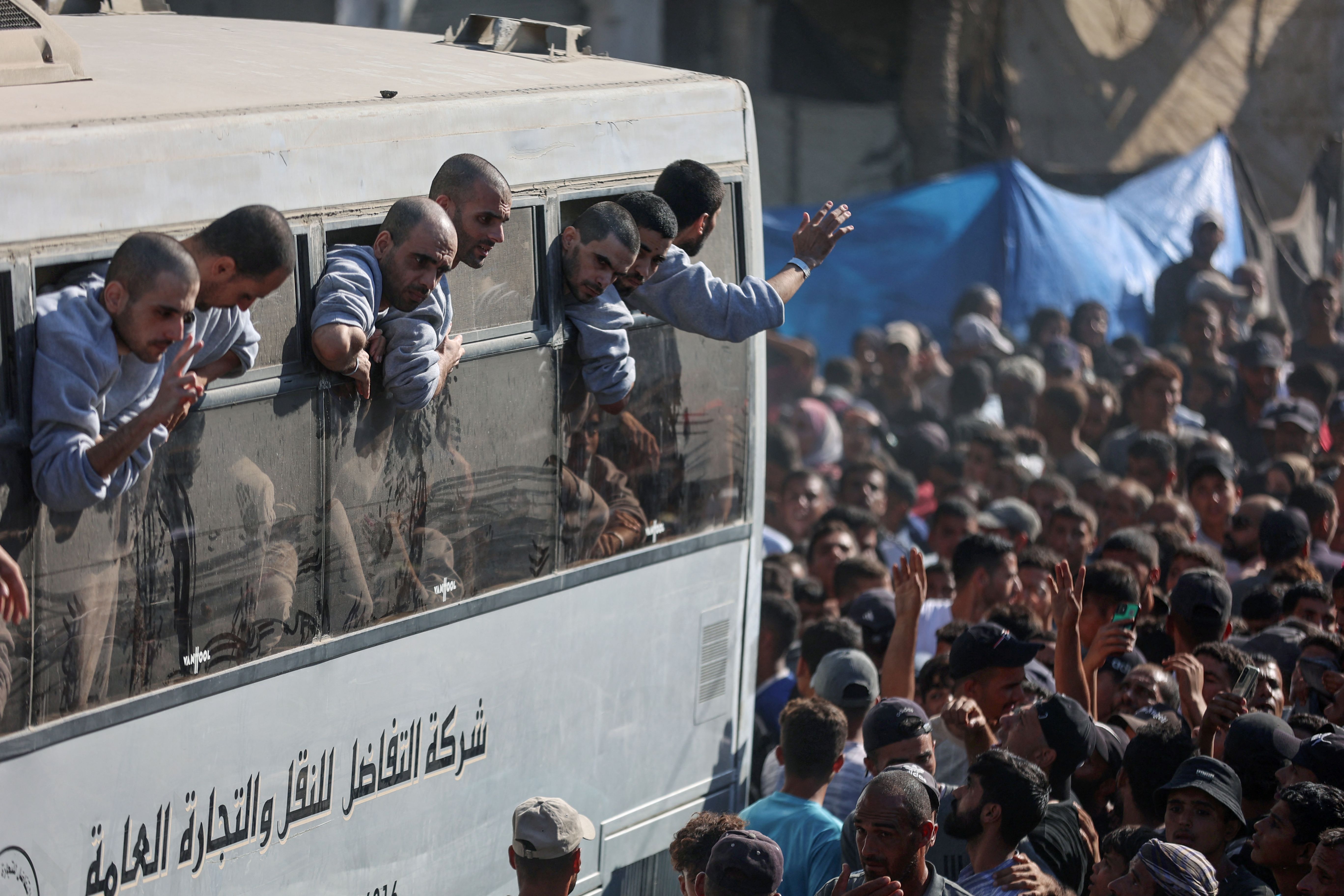
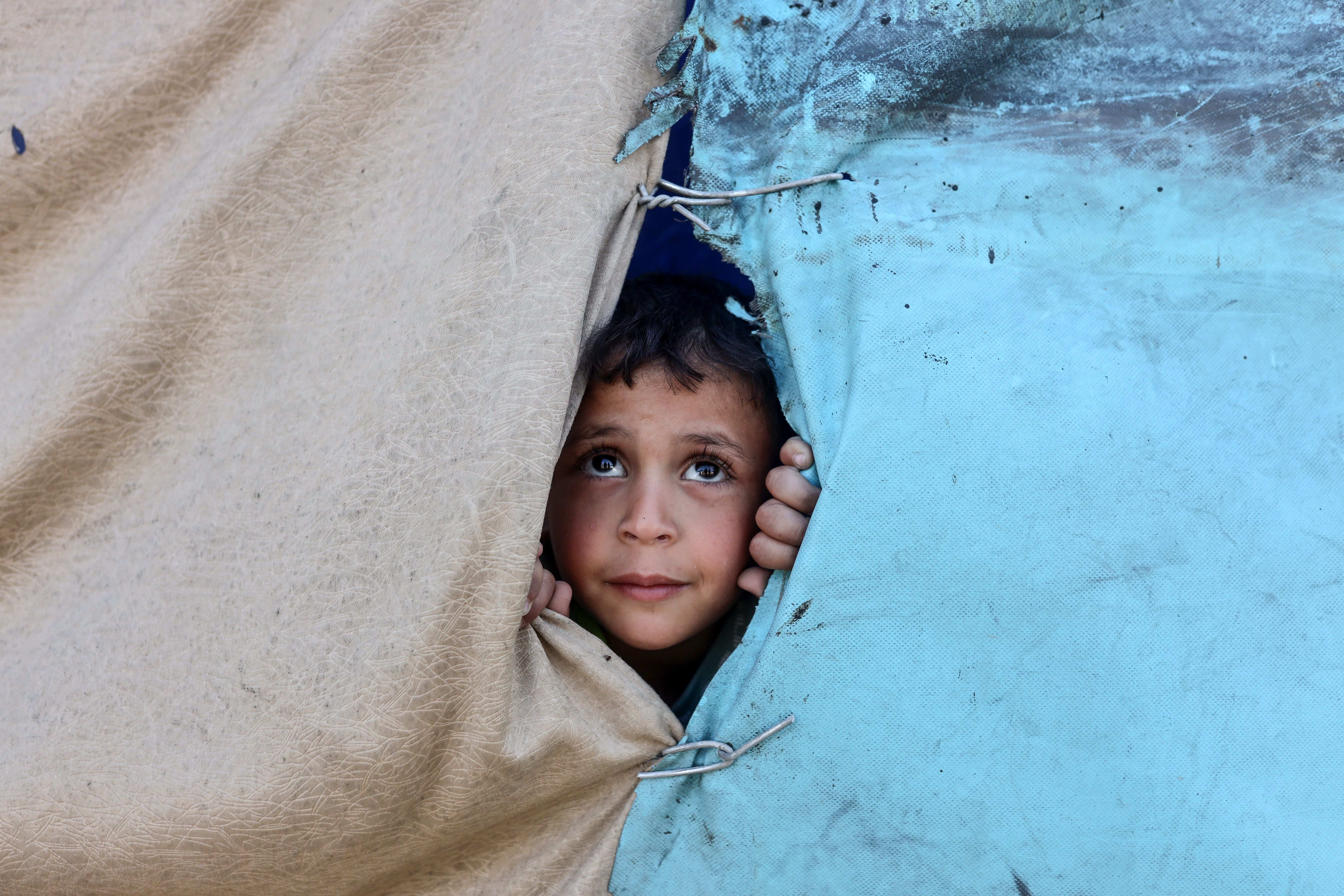
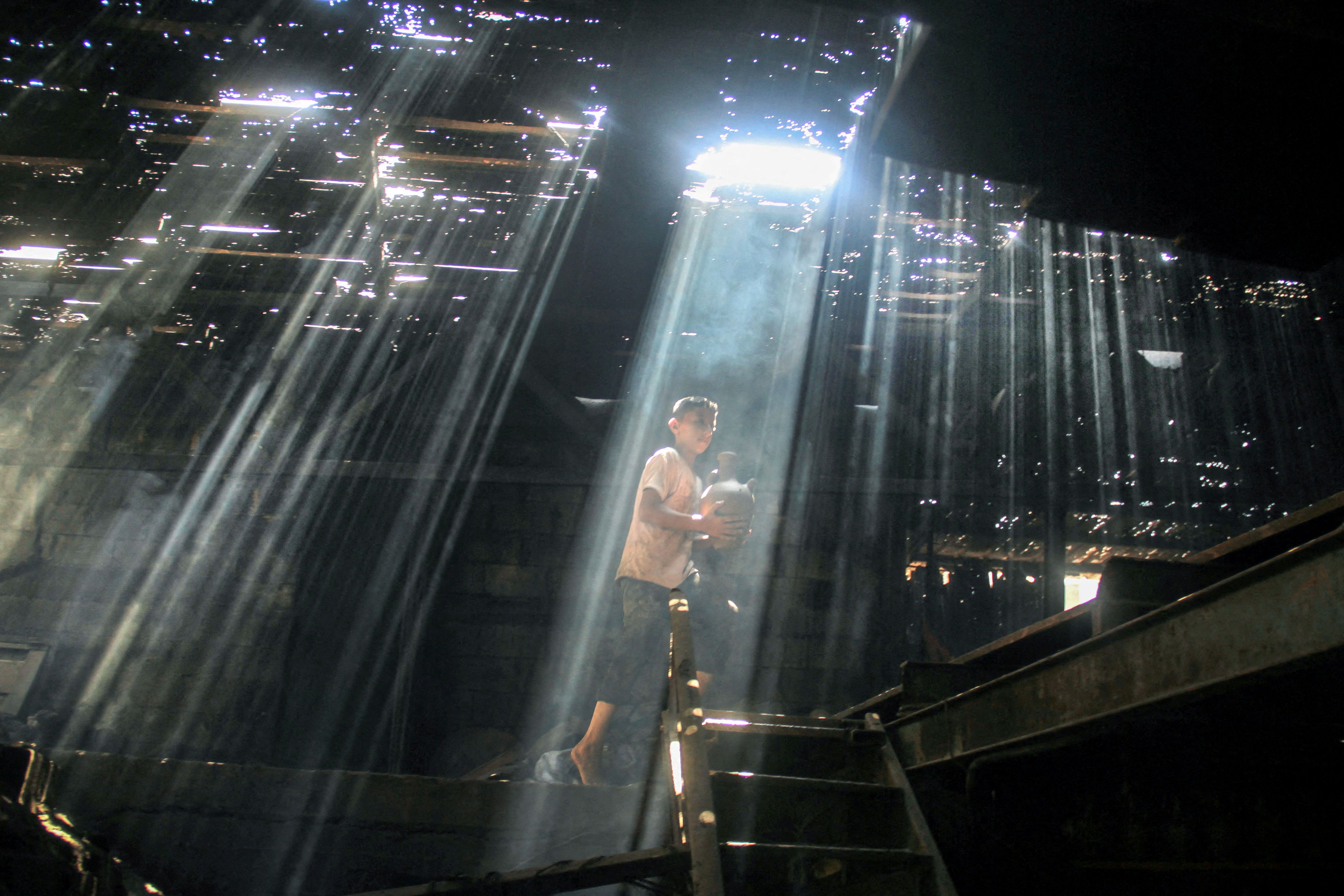
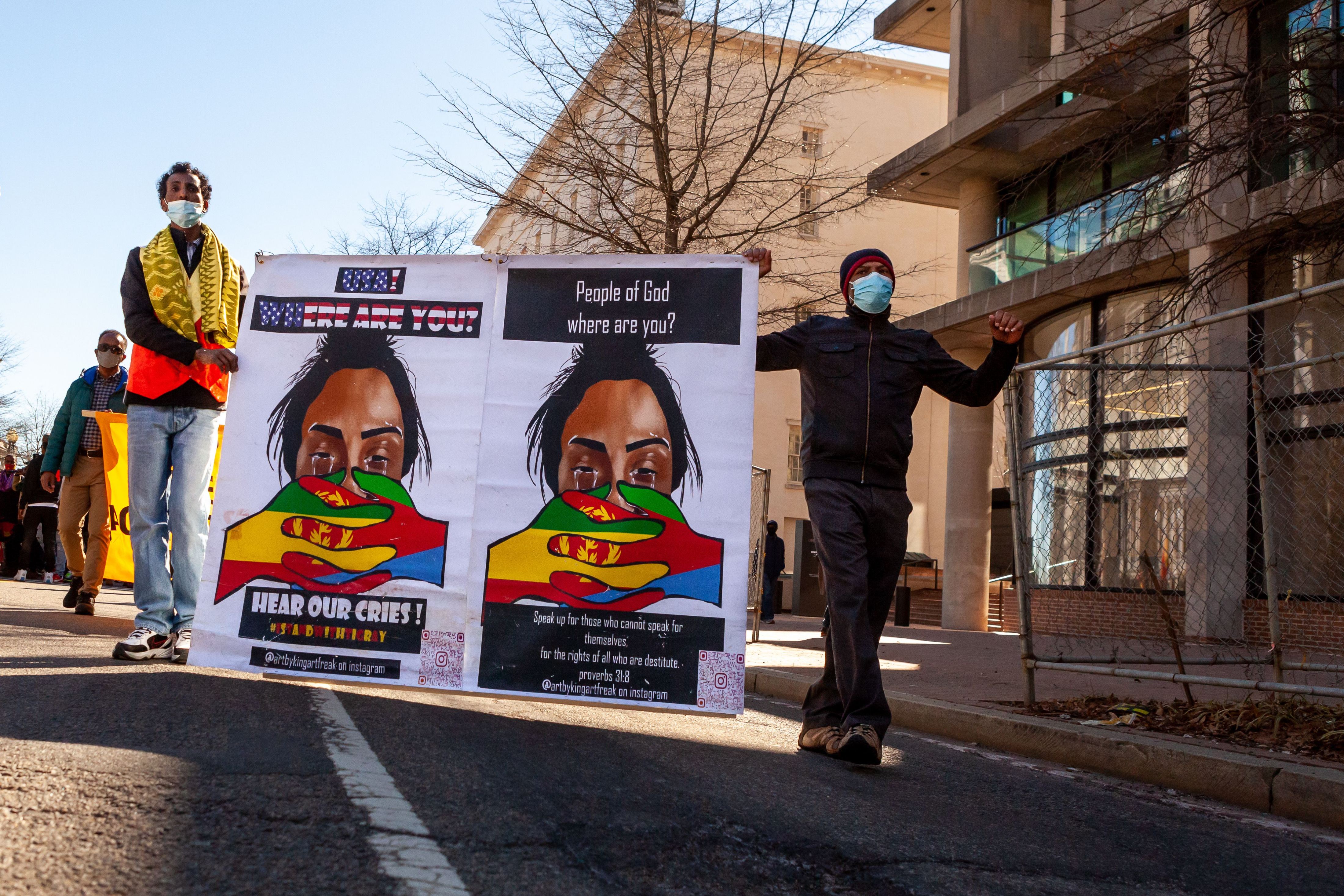
The war on Gaza that began in October 2023, whose repercussions continue to unfold, provided a revealing example of how these different types can coexist and overlap. Some citizens found themselves at the scene of events and became journalists by accident, while victims, displaced people and paramedics documented what they experienced as both participants in and witnesses to the events.
At the same time, citizens and activists deliberately travelled to locations where events were unfolding to film them, conduct interviews and broadcast live, embodying the model of the citizen assuming a journalistic role. As the war continued, individuals emerged who maintained regular coverage, built audiences and networks of sources, and effectively became organised citizen journalists. These roles acquired exceptional importance amid restrictions preventing foreign journalists from entering the Gaza Strip independently. Residents’ phones and social media accounts became essential windows through which the world could see what was happening.
Media institutions used some of this content after subjecting it to verification, bringing citizens’ testimony into direct interaction with the work of professional journalists. Gaza thus provided a clear example of how, sometimes during the course of the event itself, a citizen can move from being a witness with a camera to becoming a producer of information and an active participant in shaping the global media narrative.
The decline of the citizen-minded journalist
If the citizen journalist has gradually moved closer to performing a media role, the corresponding question is how far the professional journalist has preserved the social and ethical function of the profession.
By the “citizen-minded journalist”, what is meant here is the professional journalist who practises journalism as a public responsibility, placing society’s right to know at the centre of their work while adhering to the values of verification, independence, accountability and service to the public sphere.
Modern journalism developed on the principle that the journalist performs a social function extending beyond the transmission of news. The journalist is a guardian of the public sphere, a watchdog over power and an intermediary between society and decision-makers. For this reason, the profession has historically been associated with the principles of verification, fairness, independence, accountability and commitment to truth, until these principles became part of the ethical contract between journalism and the public.
The “citizen-minded journalist” differs from the “citizen journalist” in that the former is, in principle, subject to an institutional and professional framework requiring verification, accuracy and balance, a distinction between news and opinion, respect for privacy, protection of sources, correction of errors, and legal and social responsibility for publication.
However, the economic and technological transformations experienced by the media have reshaped this distinction. With the decline of traditional business models, the rise of digital platforms and falling revenues for journalism, some journalists have become increasingly subject to the logic of markets and algorithms.
With the decline of traditional business models, the rise of digital platforms and falling revenues for journalism, some journalists have become increasingly subject to the logic of markets and algorithms. The impact of these pressures has not been limited to journalistic tools and formats. It has extended to journalism’s underlying frame of reference and its public function.
The impact of these pressures has not been limited to journalistic tools and formats. It has extended to journalism’s underlying frame of reference and its public function, manifesting itself in three interconnected transformations affecting social responsibility, content governance and the journalist’s professional identity.
The first transformation is the erosion of the concept of social responsibility. For some journalists, the measure of success has shifted from the value their work contributes to the public interest towards the number of views, speed of circulation and volume of engagement. Algorithms have become a hidden editor that rearranges priorities, rewarding sensationalism and speed at the expense of accuracy and importance. Verification takes time, balance may reduce appeal, and rigorous investigations are expensive, while rapid commentary and short-form video can achieve wider reach at lower cost. As a result, part of journalistic work has become captive to the attention economy.
The decline of social responsibility has led to a second transformation affecting the very philosophy of journalistic work: the journalist’s shift towards becoming a content creator; moving from “What does the public need?” to “What does the public want?” The equation has therefore been partially reversed. Whereas media once helped shape the priorities of public opinion, audience preferences and engagement metrics increasingly influence media agendas and direction. This transformation has affected the governance of journalistic content, with standards of importance, verification and editorial responsibility retreating before considerations of attraction and reach.
The journalist’s professional identity
The most complex transformation has affected the journalist’s identity and professional independence. It can be seen in the way some journalists have become “writers for hire”, producing articles, speeches, posts and campaigns, and manufacturing ready-made narratives for individuals, companies or political actors. This may involve conflicts of interest and mislead the public, particularly when there is no disclosure and no clear separation between journalism and propaganda.
This shift has also coincided with an intensified pursuit of fame and an inflated personal “ego”, to the point that journalism can become a project for building a personal brand, increasing follower numbers and maximising individual visibility. Concern with public issues then gives way to the business of constructing and marketing the self.
Just as the rise of the “citizen journalist” expanded media participation, broke the monopoly over information and gave the public sphere new witnesses capable of documenting events as they happened, the drift of the “citizen-minded journalist” towards the allure of influence and the appeal of likes has placed the essence of the profession at risk, as public responsibility has been replaced by the pursuit of reach and concern with real issues has receded.
Taken together, these transformations have produced a deeper consequence: a redistribution of influence within the public sphere. Until recently, the professional journalist stood among the leading opinion-makers, drawing on knowledge, credibility and the ability to interpret events, place them in context, and hold those in power to account in defence of the public interest.
This position was an extension of journalism’s role as the “fourth estate”, monitoring institutions, feeding public debate with substantive issues and protecting society’s right to know. Yet the “citizen-minded journalist” has gradually begun to abandon this position, drawn into the temptations of new media and captivated by the appeal of “influencers”. Journalists have started borrowing their language and methods, measuring their presence by follower counts and engagement levels, and prioritising spectacle and personal branding over depth of knowledge and the value of the journalistic mission.
At the same time, influencers have moved into the space vacated by journalists, shifting part of the public’s attention away from public affairs and towards everyday life, consumption, trends and promotional content.
The profession is searching for the journalist
These transformations reveal a paradox that deserves attention. Just as the rise of the “citizen journalist” expanded media participation, broke the monopoly over information and gave the public sphere new witnesses capable of documenting and reporting events as they happened, the drift of the “citizen-minded journalist” towards the allure of influence and the appeal of likes has endangered the core of the profession, as public responsibility has been transformed into a pursuit of reach and concern with society’s issues has receded before the lure of fame and the drive to maximise personal visibility.
For that reason, celebrating the role of the “citizen journalist” should not distract us from working to prevent the decline of the “citizen-minded journalist”. If the rise of the former has broadened participation and enriched the public sphere, the retreat of the latter means journalism abandoning its position as a fourth estate and guardian of that sphere.
This withdrawal becomes even more dangerous at a time when political, economic and digital powers are seeking to expand their influence and encroach upon the public sphere.
This article was originally published in Arabic on 11/10/2026