Al Jazeera Journalism Review

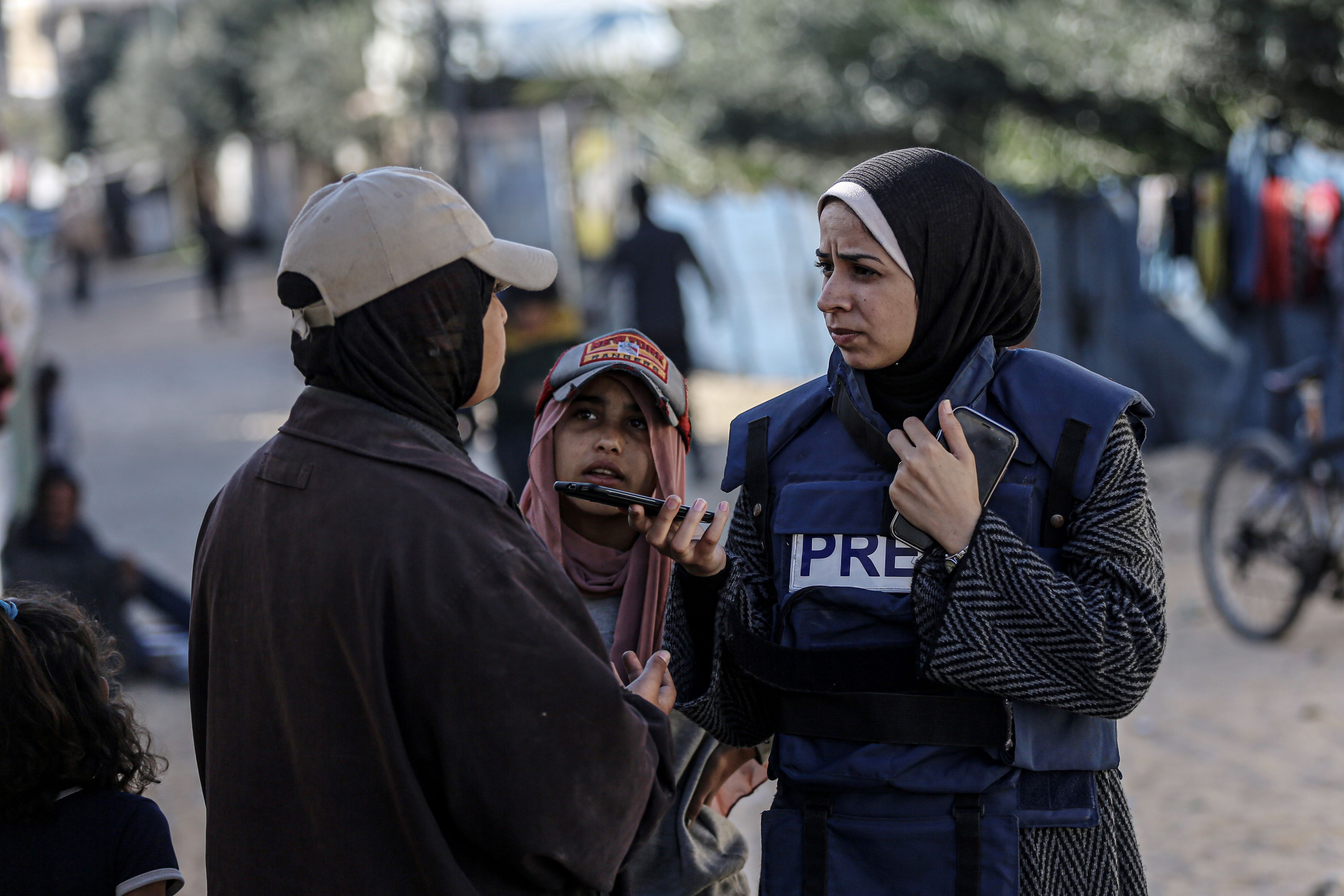
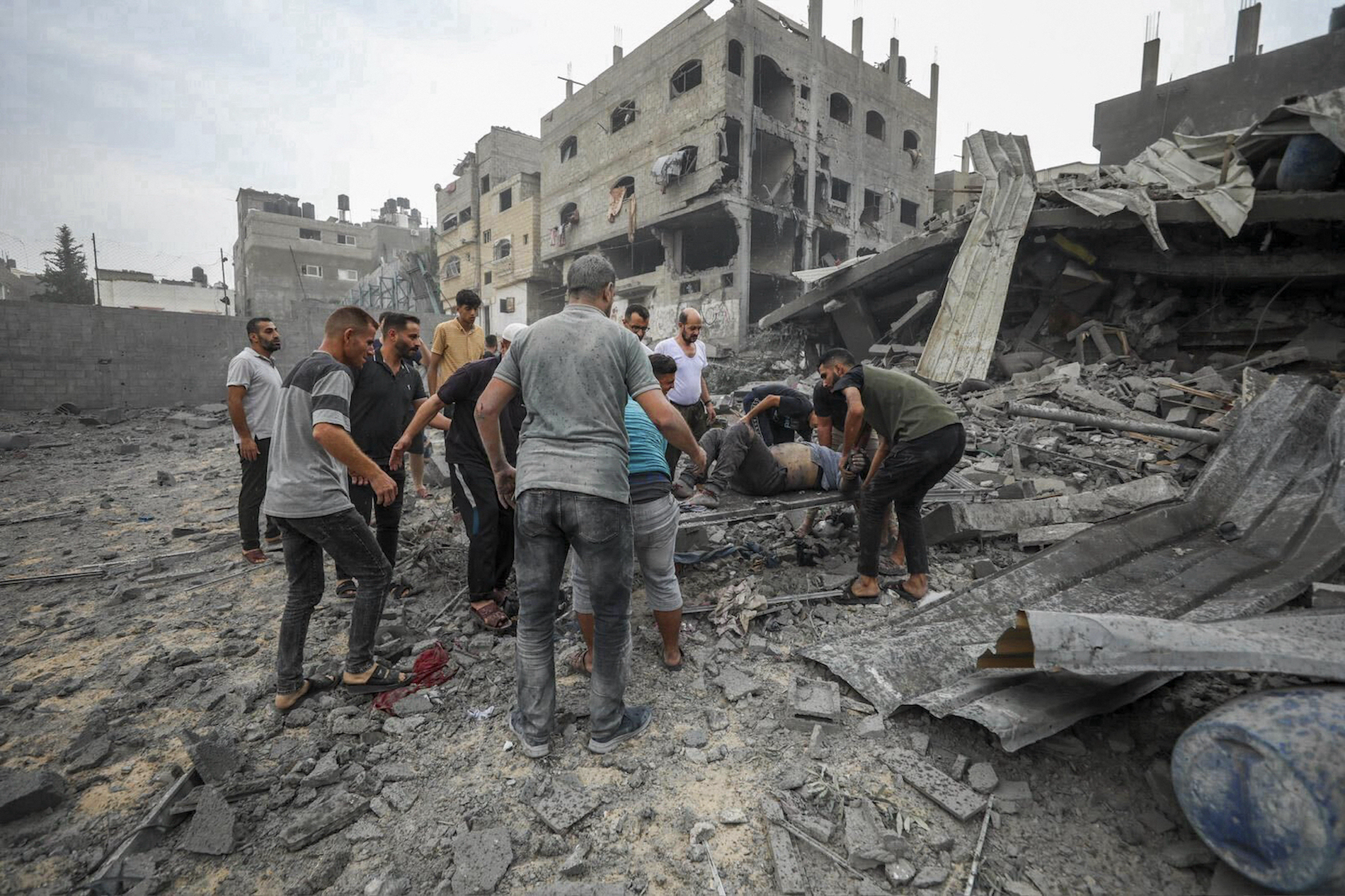
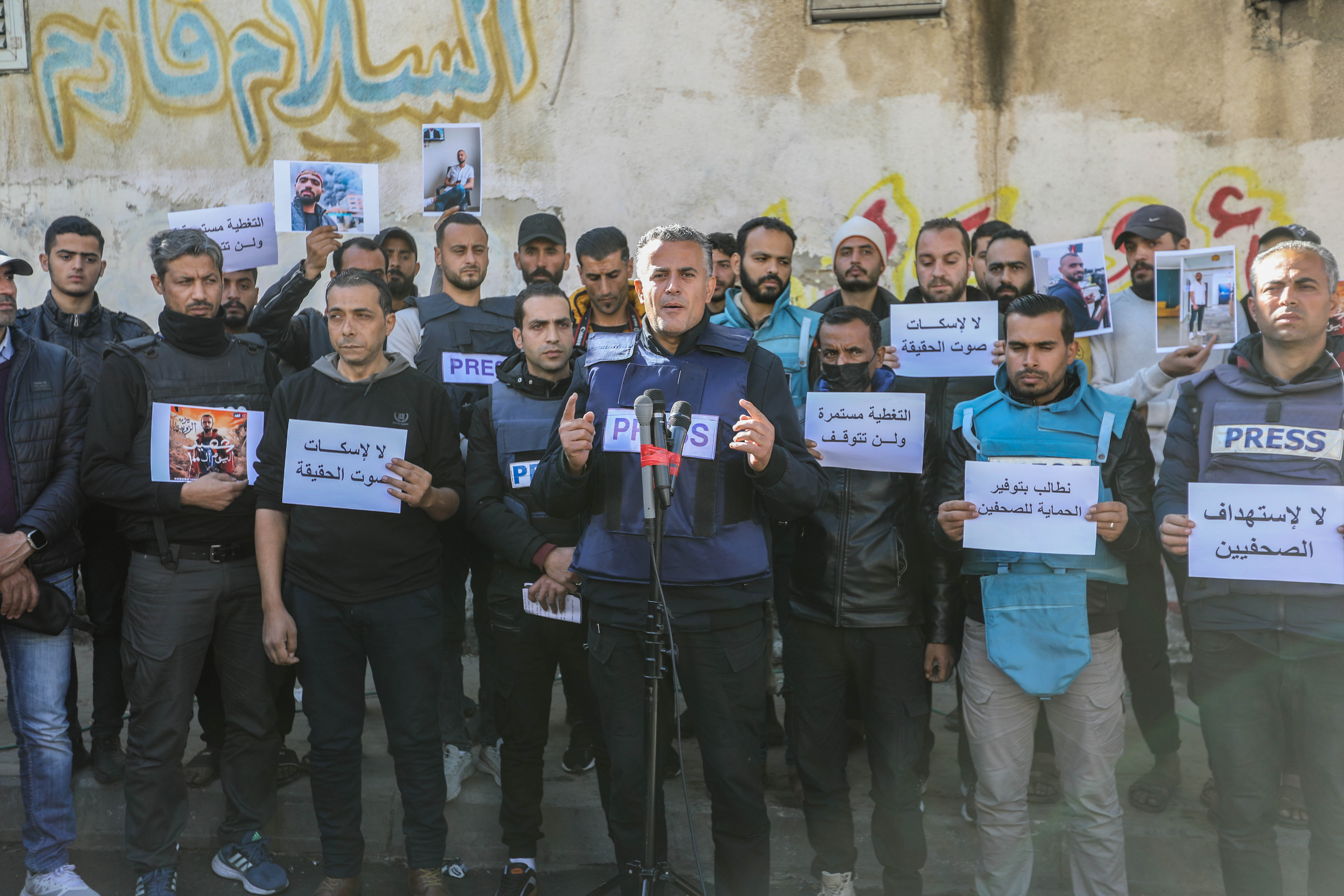
Rafah, Gaza, 15 January 2024. Palestinian journalists stage a protest to draw attention to the great number of their colleagues who have been killed while covering the war in the Gaza Strip. Photo by Ahmad Hasaballah

The Impact of Israeli Occupation Authorities’ Impunity on Journalism in Palestine

The Israeli occupation’s impunity has intensified attacks on Palestinian journalists, forced media organisations to withdraw their crews and severely undermined independent reporting from Gaza. Despite systematic targeting, communications blackouts and a lack of international accountability, Palestinian journalists continue documenting violations under extraordinary risks.


The dangers associated with journalistic work began to emerge before the outbreak of the First World War, dating back to the Crimean War (1853–1856), the Indian Rebellion of 1857 and the American Civil War of 1861. At the time, these conflicts did not result in significant numbers of casualties among those working in news coverage.

Then came the First and Second World Wars. Despite the atrocities and the millions of casualties and deaths, the number of journalists and media workers killed or deliberately eliminated was not sufficiently large to be prominently recorded in historical memory or preserved in post-war statistics.

The period following the two world wars ushered in an era of bipolar rivalry and the Cold War. Despite the significant role played by the media during that period, and the casualties suffered among media professionals, humanity had not witnessed crimes against journalists and media workers comparable to those committed by the Israeli occupying entity against press and media crews in Palestine. These crimes reached their peak during the latest war on Gaza, when more than 170 male and female journalists were killed within a single year. According to the author, all were deliberately and premeditatedly targeted, and their colleagues’ cameras captured the moments of their deaths as they carried out their work with the utmost professionalism.

Perhaps the defining feature of the crimes committed against media crews in Palestine is that, this time, they have taken place before the eyes and ears of the entire world, under an international system that claims one of its foremost obligations is to protect the human right to life and confront any state that violates it. Yet criminal justice, as represented by the International Criminal Court, has been absent or deliberately obstructed, despite victims having submitted complaints concerning acts constituting war crimes and crimes against humanity.

Paradoxically, the United Nations designated 2 November each year as a day to highlight the need to end impunity for those who kill journalists and commit crimes against them. Yet, despite all its international bodies, mechanisms and institutions, it stands powerless as it witnesses crimes committed against the press, journalists and media crews reporting from the field. The reason for this paralysis lies in the mechanisms of the international system, which prevent it from taking decisive action against the Israeli entity because of the use of the “veto”, which blocks every international attempt to hold Israel and its actions criminally accountable, leaving the world unable to condemn its conduct.

Perhaps the defining feature of the crimes committed against media crews in Palestine is that, this time, they have taken place before the eyes and ears of the entire world, under an international system that claims one of its foremost obligations is to protect the human right to life and confront any state that violates it.

The protection afforded to Israel by certain countries against international resolutions has resulted in further crimes and massacres against media workers. These crimes are committed with extreme brutality because, as the saying goes, “Those who are assured of impunity will behave with impunity.” This protection of the occupation’s crimes has also prompted more than 95 per cent of media organisations operating in Palestine generally, and the Gaza Strip particularly, to withdraw their field crews for their safety.

The withdrawal of these media organisations has had consequences on two levels. First, it has reduced the extent of news coverage reaching Western audiences and exposing the occupation’s crimes and violations. Second, it has coincided with an increased frequency of attacks against Palestinian journalists and unarmed civilians.

Those who remain are Palestinian journalists themselves, striving to report the news and expose violations committed by the occupation army with extremely limited resources, particularly after the Israeli military systematically destroyed communications networks in an effort to isolate those on the ground from the outside world.

Paradoxically, the United Nations designated 2 November each year as a day to highlight the need to end impunity for those who kill journalists and commit crimes against them. Yet, despite all its international bodies, mechanisms and institutions, it stands powerless as it witnesses crimes committed against the press, journalists and media crews reporting from the field.

Even this small group, whose members have chosen to remain despite the challenges, has been subjected to attempts by the Israeli occupation authorities to level accusations against them and criminalise their work. The authorities claim that these journalists are part of armed resistance movements and have employed their media machinery to promote these allegations and demonise media professionals in preparation for targeting them.

The ultimate objective, according to the author, is to eliminate independent reporting from the ground, particularly in the Gaza Strip, so that the occupation can complete its project of invading the territory and displacing its population, or continue acts of extermination and forced displacement. Such objectives cannot be achieved as easily while journalists remain on the ground documenting and exposing these violations.

The methods employed by the Israeli occupation forces against Palestinian media — including killings, displacement, pursuit with the aim of physical elimination, attacks on journalists’ families, restrictions on their work and the destruction of communications infrastructure — have created an exceptionally dangerous environment for journalism in Palestine, particularly in the absence of international accountability for these crimes under international law.

These conditions present risks and challenges that exceed what an ordinary person could reasonably endure and threaten to diminish field reporting and journalistic activity. This is especially true in an environment where the Israeli occupation enjoys technological superiority through surveillance aircraft, satellites and drones flying at altitudes that make them difficult to detect, rendering the targeting and killing of journalists extremely easy.

Nevertheless, despite Israel’s technological superiority in surveillance and the targeting of media professionals, the strength, resilience and experience of Palestinian journalists in dealing with the Israeli occupation, together with their belief in the justice of their cause, reinforce our confidence in their ability to confront this reality and expose to the world the crimes of this occupying entity.

At the same time, we will work alongside all concerned parties to monitor and document these violations.


This article was originally Published in Arabic on 03/11/2024 
Related Articles

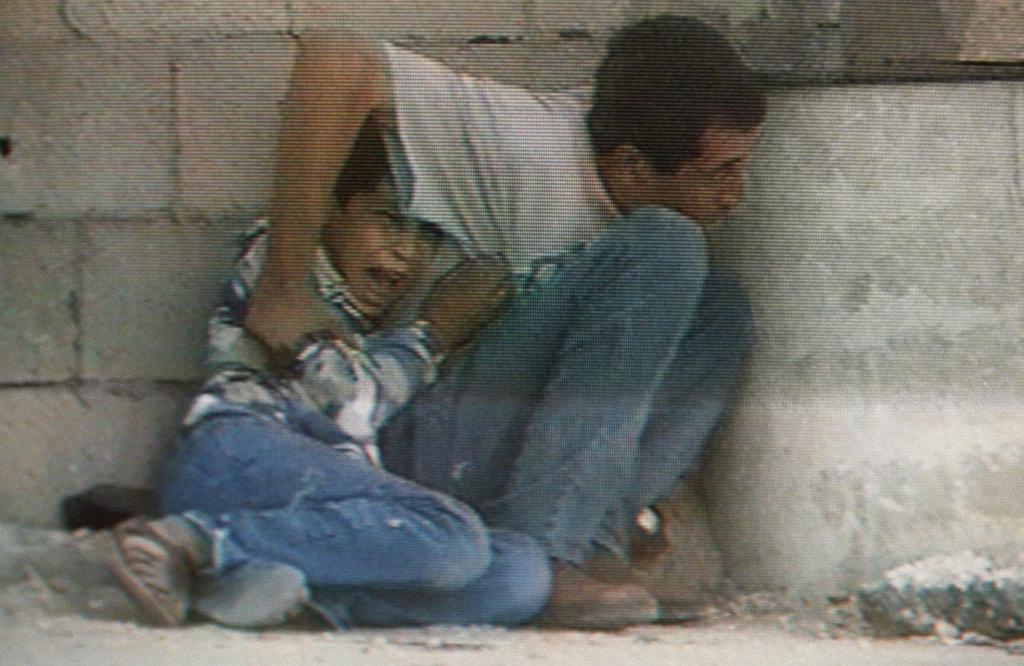
Witnessing the killing of Muhammad al-Durrah in Gaza - the cameraman's tale

Twenty-one years ago, a video of a 12-year-old boy being killed in Gaza reverberated around the world. Talal Abu Rahma, the cameraman who shot the video, described that day.

Talal Abu Rahma
Talal Abu Rahma Published on:
The Gaza Journalist and the "Heart and Mind" Struggle

Inside the heart of a Palestinian journalist living in Gaza, there are two personas: one is a human who wants to protect his own life and that of his family, and the other is a journalist committed to safeguarding the lives of the people by holding on to the truth and staying in the field. Between these two extremes, or what journalist Maram Hamid describes as the struggle between the heart and the mind, the Palestinian journalist continues to share a narrative that the occupation intended to keep "away from the camera."

Maram
Maram Humaid Published on:
Journalists feel the pain, but the story of Gaza must be told  

People don’t always want to hear the historical context behind horrifying events, resorting even to censorship, but the media must be free to provide it

Aidan
Aidan White Published on:
The bombs raining down on Gaza from Israel are beyond scary, beyond crazy

REPORTER'S NOTEBOOK: As Israel bombarded Gaza for the third night, I found myself closer to a missile hit than I could have imagined

Maram
Maram Humaid Published on:

More Articles

Where Did the Arab Audience Go? Beyond Technology, Towards Trust and Relevance

Arab newsrooms cannot rebuild audience trust simply by chasing platforms and investing in AI while their journalism fails to reflect people’s lives, address their concerns and hold power to account.

Sara Ait Khorsa
Sara Ait Khorsa Published on:
The Roots of Western Media Bias Towards the Israeli Narrative

Western media bias towards the Israeli narrative is rooted in decades-old reporting practices that privilege official military sources, embed journalists with occupying forces, marginalise local voices, and repeatedly turn war coverage into an extension of state power.

Osama al-Rashidi Published on:
Bangladesh: Crackdown on Reporting on Indigenous Communities

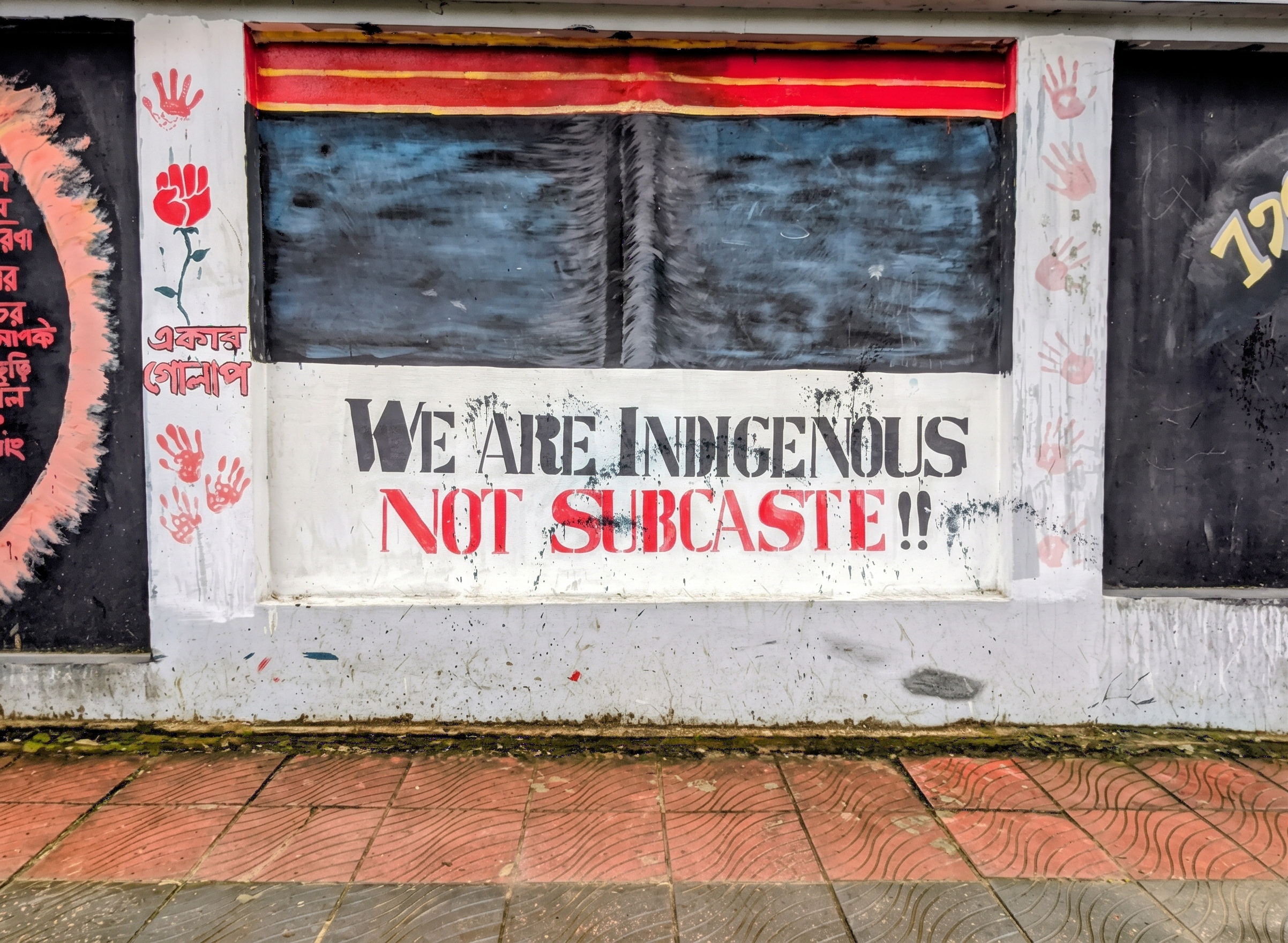
In newsrooms across Bangladesh, the word "Indigenous" has become too dangerous to put in print. Editors quietly strike it from the copy, wary that a single mention could invite the wrath of the state.

Marzia Hashmi Momo Published on:
How to Protect News and Information Integrity During Elections

An analysis of threats to Kenya’s media landscape ahead of the August 2027 elections finds that AI deepfakes, synthetic media, and coordinated online campaigns threaten voter choice and democratic integrity. Across Africa, emerging regulation, verification tools, and fact-checking efforts are constrained by limited funding, weak platform accountability, and largely reactive debunking.

Jean-Pierre Afadhali Kenyan journalist
Jean-Pierre Afadhali Published on:
Docudrama: Aesthetic Narration as an Alternative to the Missing Camera!

The use of drama in documentaries sparks a debate between fears of fabrication and the celebration of filling gaps left by missing visual archives. This hybrid format occupies a middle ground, merging emotional impact with documentary reality. Its use requires strict ethical constraints to prevent deception. With the rise of digital platforms, "docudrama" has transcended the rigid limits of television, venturing into new creative and cinematic horizons.

Hani Bishr Published on:
Moroccan Journalism Between State Support and Market Dominance: Can the “Information Economy” Save the Profession?

Moroccan journalism remains trapped between state dependency and market pressure, and its survival may depend on turning information into sustainable public value rather than cheap content for clicks.

Anas al-Shaara Published on:
Anas al-Sharif: “I am the owner of a cause before I am a journalist”

From documenting the occupation's crimes on social media platforms to covering the war of genocide on Al Jazeera, journalist Anas Al-Sharif defied harsh field conditions and the lenses of snipers. He lost his father and a number of his loved ones, yet he chose to convey the "Palestinian narrative to the world." In this interview, we get to know the face and features of a Palestinian journalist stripped of protection and faithful to the belief that "coverage continues."

Anas al-Sharif Published on:
As in Rwanda: Can the Israeli Press Be Prosecuted for Participation in Genocide?

Israeli media incitement has helped frame Palestinian journalists as security threats, weakening their legal and professional protection and legitimising attacks against them. Legal accountability is possible through the ICC, universal jurisdiction, and professional pressure against journalists and outlets that incite violence.

Nasser Adnan Thabet Published on:
Can Africa’s Media Decolonise Climate Story?

Despite efforts in combating climate change and finding climate solutions in the Africa, the continent’s climate story is still told through the lens of colonisation. The dominant stories centre on the victimhood; especially during climate disasters. Such stories don’t mention the side of the continent’s efforts to adapt to climate change.

Jean-Pierre Afadhali Kenyan journalist
Jean-Pierre Afadhali Published on:
The Phenomenon of “News Avoidance”: Have We Come to Know More Than We Should?

Audiences are increasingly avoiding the news as the constant flow of crises, violence, and tragic human stories creates psychological exhaustion and anxiety. Media outlets need to respond with more responsible editorial choices, stronger media literacy, and coverage that balances urgent events with constructive, humane, and less harmful storytelling.

Wessam Kamal Published on:
In Gaza… Testimonies That Have Not Been Told

Beyond the frontline dangers, reporting during the Israeli war involves enduring arrest, torture, systematic incitement, and assassination. This reality forces journalists into a relentless struggle to keep reporting from the depths of mass displacement, starvation, and a complete breakdown of daily infrastructure.

Mohamed Abu Qamar Published on:
When Modi’s Managed Media Met Europe’s Press

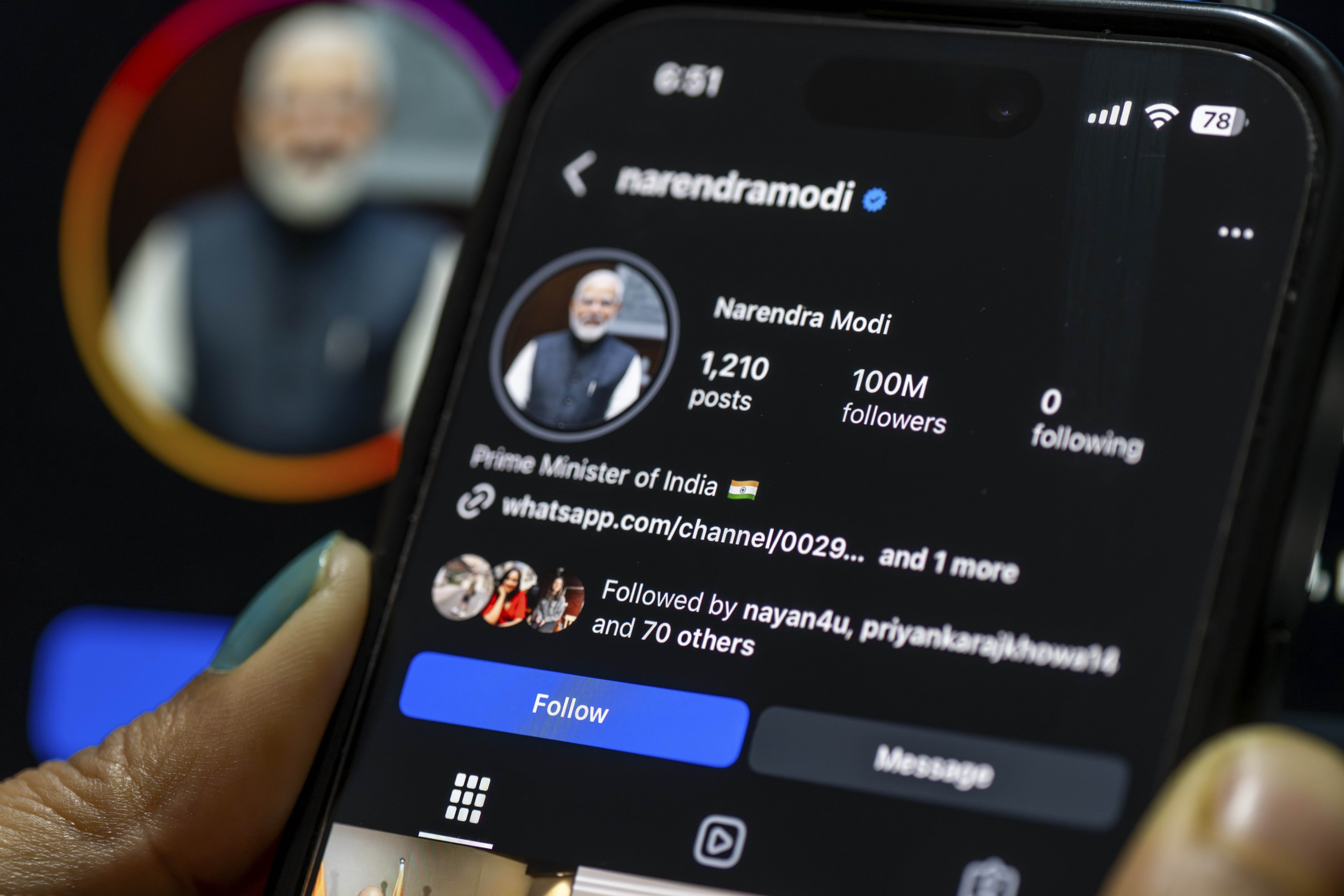
A brief, viral exchange in Oslo between Prime Minister Narendra Modi and a Norwegian journalist has exposed the widening gap between India's tightly controlled media environment and traditional adversarial press culture. Over the past decade, open, unscripted scrutiny has increasingly been replaced by carefully managed public relations, image-driven interviews, and direct digital reach. This systemic shift has reshaped the broader landscape of Indian news media, creating a culture of forced deference that prioritises political showmanship over holding power accountable.

Arsalan Bukhari, an independent journalist based in India
Arsalan Bukhari, Mehrunnisa Maryam Published on:
The Left and the Right in One Front Against Journalism in South America

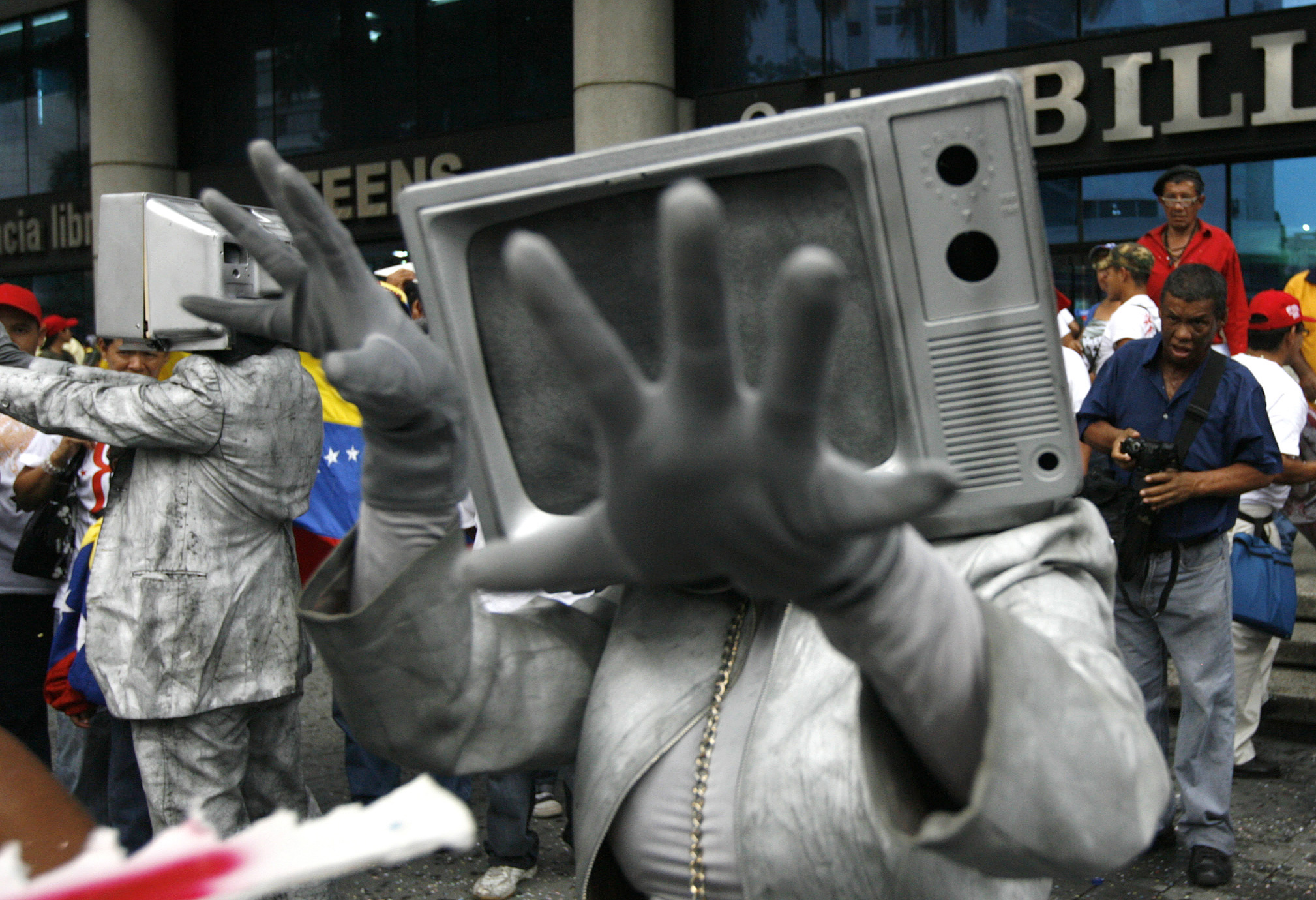
Journalism in Latin America is facing a crisis of hostility. In the age of political polarization, governments from both the left and the right are not merely managing states; they are actively harassing critical voices, imposing institutional censorship, and enforcing official narratives that attack independent media to silence disagreement and fake democracy across the region.

Noe Zavaleta
Noe Zavaleta Published on:
Humanitarian Storytelling: Reclaiming Voice in Crisis Reporting

Humanitarian storytelling is evolving. In the age of algorithmic amplification, humanitarian organisations are not merely sharing aid updates; they work side by side with responsible media; they are providing accountability, combating harmful narratives, and demonstrating the human reality behind the crisis and news headlines.

Shereen Nanish. A media consultant from Palestine/Jordan with over 10 years of experience in journalism and humanitarian communications. Based in Germany.
Shereen Nanish Published on:
On the Misunderstanding Between Media and Diplomacy

The analysis of international crisis coverage reveals a clear structural gap between the immediate, simplified narratives produced by the media and the slow, complex processes of diplomacy. The tension between the two fields appears set to persist as reporters are forced to trade detailed, long-term tracking of negotiation for fast-paced, dramatic framing and the immediate demands of the attention economy.

Said Al-Azri
Said Al-Azri Published on:
How Journalists are Combating Cybertroopers 

The brutal state crackdown in Đồng Tâm highlights a intensifying withdrawal from free expression in Vietnam, heavily driven by the regime's deployment of state-backed cyberarmies like Force 47. As these digital actors systematically intimidate and mass-report critics, tech giants like Meta further compound the issue by increasingly acquiescing to government censorship requests to protect market share. This coordinated digital assault leaves a dangerous gap in the global conversation, forcing independent journalists to navigate severe online hostility and risk arbitrary imprisonment just to expose state overreach.

AJR Contributor Published on:
Journalism After the Genocide in Gaza: One War Has Ended, and Other Wars Have Begun!

The post-ceasefire reality for Gaza’s journalists reveals a challenging shift from documenting active daily bombardment to navigating an overwhelming landscape of community and structural ruin. The pressure on reporters appears set to escalate as they struggle to rebuild their own lives from absolute zero while fighting to ensure that ongoing human suffering, systemic displacement, and political marginalization are accurately documented and held to account.

Yousef Fares
Yousef Fares Published on:
US-Iran Islamabad Talks: How Journalists Report from Outside Closed Doors

The "Islamabad Talks" highlight a growing contradiction in modern diplomacy where journalists are physically present but denied direct access to negotiations. The pressure on transparency appears set to intensify as reporters are forced to trade traditional eyewitnessing for outside in investigation and geopolitical speculation.

Anam Hussain
Anam Hussain Published on:
Can Artificial Intelligence Become a Documentary Film Director?

AI opens new possibilities in documentary filmmaking, from sorting archives to speeding up production. But documentary is not built on technology alone: it depends on the director’s vision, creativity, and ability to shape meaning. Can AI, for instance, make a film like Ordinary Fascism?

Bashar Hamdan, investigative producer and documentary filmmaker at Al Jazeera Media Network
Bashar Hamdan Published on:
When Speaking Up Backfires: How Social Conformity Silences Journalists

While state censorship remains a reality, freedom of speech in Africa faces a rising internal threat: the community itself. This article examines how social conformity, digital echo chambers, and ingrained bias create a modern "chilling effect". This pressure forces journalists to choose between aligning with popular narratives or facing professional and social marginalisation.

Derick Matsengarwodzi
Derick Matsengarwodzi Published on:
Has the Global South Benefited from the Digital Transformation?

Despite the promise of digital technologies to amplify voices and expand media reach in the Global South, structural barriers, such as political repression, technological dependency, and persistent digital divides, continue to limit their impact. Real progress requires not only technological adoption but also institutional reform, stronger journalistic capacity, and independent ethical frameworks to challenge dominant Western media narratives.

Al-Shafi Abtidon
Al-Shafi Abtidon Published on:
Missiles Made of Words: How Western Media Narratives Shape the Iran–Israel–US Conflict

Western media coverage of the Iran–Israel–US conflict often functions as a weapon of war, using selective language that frames US and Israeli strikes as “self-defence” while depicting Iranian actions as "provocation". This linguistic framing normalises civilian casualties and helps manufacture public consent for military aggression by dehumanising certain populations.

Muqeet Mohammed Shah
Muqeet Mohammed Shah, Ifrah Khalil Kawa Published on:
How the Ethiopian Civil War Unleashed a Lethal Media Crackdown

There has been a widening crackdown on the media in Ethiopia since war erupted between the central government and Tigray’s regional authorities in 2020, and the pressure appears set to intensify as the country prepares for general elections in June.

Nalova Akua
Nalova Akua Published on:
Are Netanyahu's and Trump’s Speeches Shaping Western Media Framing?

As political speeches framed the 2026 U.S.–Israeli attack on Iran, segments of Western media echoed their language and narratives, illustrating how strategic rhetoric and news framing can shape public opinion and legitimise military action.

Shaimaa Al-Eisai
Shaimaa Al-Eisai Published on: