
Al Jazeera Journalism Review

The Roots of Western Media Bias Towards the Israeli Narrative

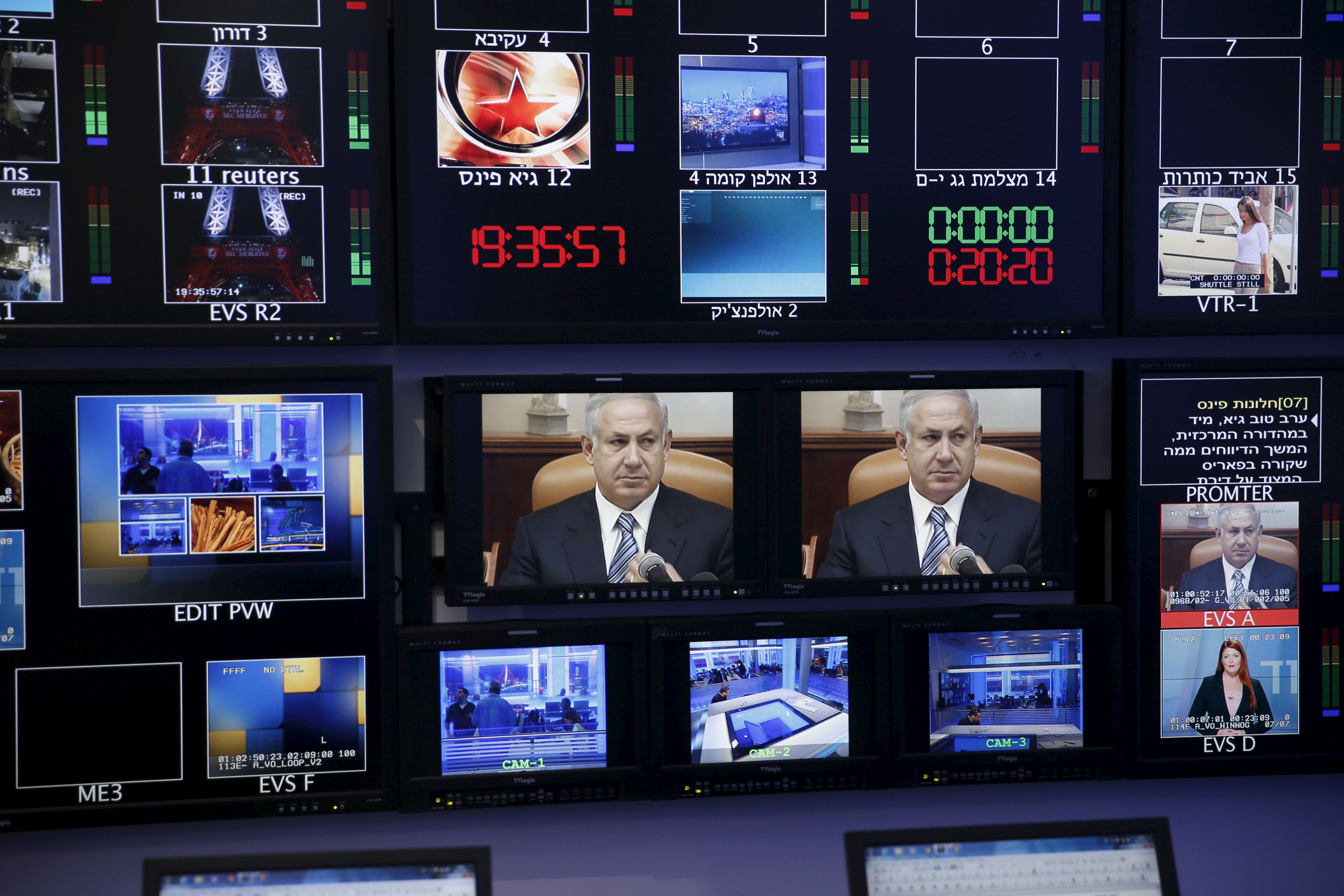
Western media bias towards the Israeli narrative is rooted in decades-old reporting practices that privilege official military sources, embed journalists with occupying forces, marginalise local voices, and repeatedly turn war coverage into an extension of state power. 


The bias of Western media in its coverage of Israel’s war on the Palestinian people was neither new nor surprising, but the extent of that bias was shocking, particularly given the scale of the crimes being committed around the clock for months. 

Much has been written about the shortcomings that marred Western media coverage of the war on Gaza, particularly in the first weeks of the war. What is striking, however, is that the fieldwork of correspondents from Western television channels appears remarkably similar to practices seen more than 20 years ago. 

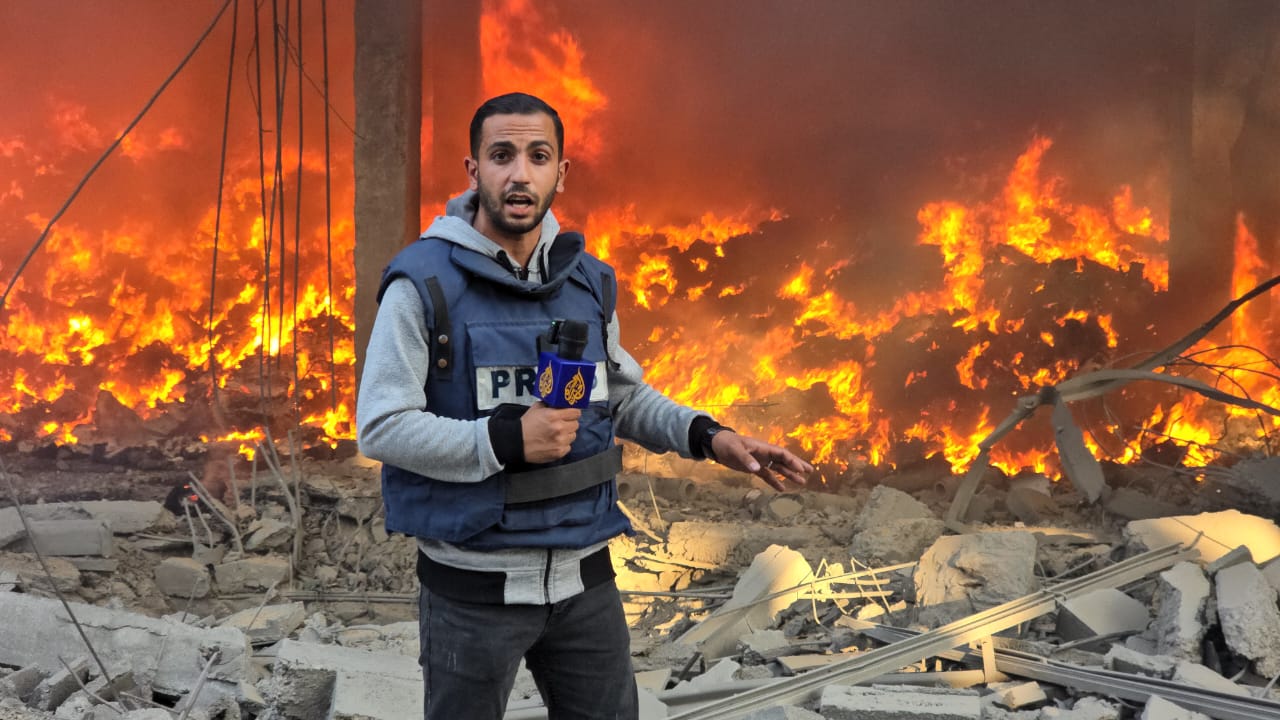
Although a correspondent’s work is supposed to be carried out in the field, Western media largely confined themselves to sending reporters alongside Israeli occupation forces. It is self-evident that Israel would not allow them to publish narratives that contradicted its own, yet this did not deter Western media outlets from submitting to Israeli conditions. This led to a series of professional failures, such as a Fox News correspondent becoming involved in filming a staged scene purporting to show the arrest of a Hamas fighter, only for it to emerge that the supposed fighter was in fact an Israeli soldier and that the entire scene had been fabricated. Footage also circulated of foreign correspondents lying flat on the ground and claiming they were under rocket fire from the Palestinian resistance, while other people could be seen walking calmly through the frame. 

One basic principle of wartime field coverage is to assign correspondents to cover both sides of the fighting. Yet most Western media outlets confined their coverage to the Israeli side, while some stationed correspondents on the borders of the Gaza Strip, but still on the Israeli side. 

Then came the major failure when a BBC correspondent accompanied Israeli occupation forces during their raid on Al-Shifa Hospital in northern Gaza and began presenting alongside them what they claimed were items they had found there. The narrative was widely criticised and ridiculed around the world because of its weakness, contradictions, and failure to match the scenarios promoted by the occupation regarding what it claimed were Hamas command centres beneath the hospital. 

Another basic principle of wartime field coverage is to assign correspondents to cover both sides of the conflict. Yet most Western media outlets confined their coverage to the Israeli side, while some stationed correspondents on the borders of the Gaza Strip, but still on the Israeli side, in order to create the impression of balanced coverage. Some correspondents also appeared from the hotels where they were staying in Israel to discuss developments in the war on Gaza, which runs counter to the very purpose of their field role. 

This bias appears from the outset, when Western media outlets send foreign correspondents to cover events in the Middle East. Most do not speak Arabic and know little about the complexities of the region’s political, social, economic and military landscape. 

Documenting the professional errors committed by Western media during this war is important, but more important is subjecting Western media performance to deeper analysis and examining it from multiple perspectives, including a historical one that analyses phenomena through previous experience and compares them with the present, both in terms of similarities and differences. 

This bias appears from the outset, when Western media outlets send foreign correspondents to cover events in the Middle East. Most do not speak Arabic and know little about the complexities of the political, social, economic and military landscape in this part of the world. This leads to superficial coverage filled with stereotypes and Orientalist analysis. It is worth noting that Al Jazeera distinguished itself from its launch in 1996 by avoiding these shortcomings, employing specialised local correspondents to cover major and complex events. This gave it a significant advantage over other global news networks. 

When applying a historical perspective to the performance of Western media, there are few examples more revealing than the war in Afghanistan in 2001 and the war in Iraq in 2003. During both events, Western media bias in favour of the United States became clearly apparent, along with the adoption of the US administration’s narratives and claims regarding the causes and course of the wars in both countries. Al Jazeera’s role and importance in confronting this attempt to obscure the truth also became evident. 

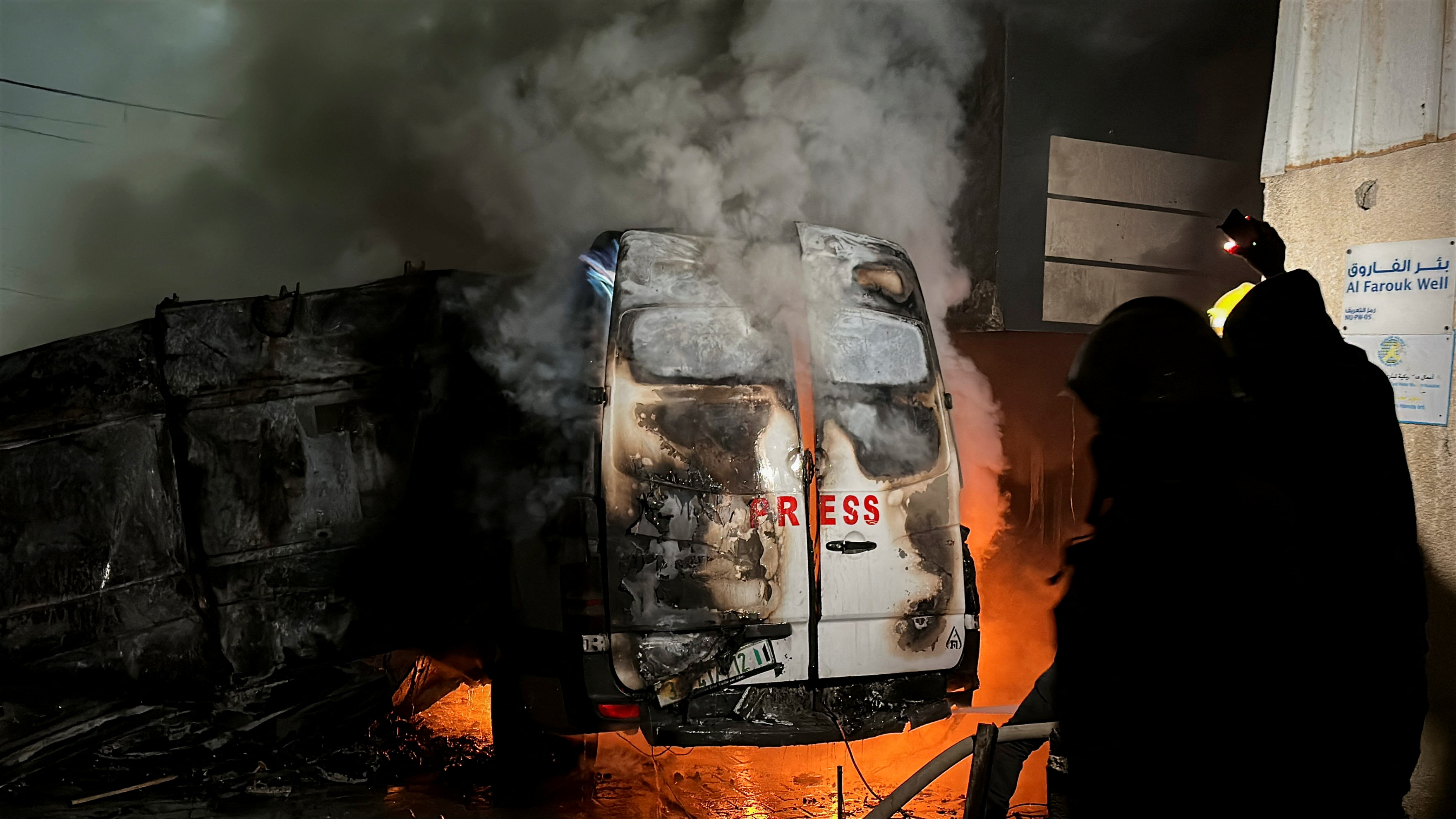
The US administration was keen to secure media support for the war in Afghanistan and to ensure that its own version of events prevailed, while the Pentagon devoted unprecedented attention to the media. To achieve this, the US administration adopted a number of strategies, including controlling media outlets through censorship laws that pressured them to produce reports aligned with US interests, as well as attempting to “neutralise” media organisations that sought to convey what was actually happening on the ground. One example was the US bombing of Al Jazeera’s bureau in the Afghan capital, Kabul. 

During the Iraq War, the US military introduced a new monitoring mechanism by embedding journalists with troops in the field, allowing them to join military units and assigning them places inside tanks and military bases. Before being permitted to participate, however, they faced strict conditions, most importantly that images had to be submitted for censorship and approved before being transmitted to the broadcast centre. As a result, these journalists' work was heavily influenced by the official narrative. 

In the end, journalists became an integral part of the US and British forces, turning American media into little more than a propaganda tool for the viewpoint of President George W. Bush’s administration. Virtually no critical voices scrutinised the US administration’s claims about Iraq. 

Those who did not travel with the troops filed their reports from the relatively safe lobbies of hotels and depended on the US military for access to the context of events. Journalists complained about the restrictions imposed on them and about being prevented from covering the war in certain areas. When the situation on the ground became dangerous, journalists were the first to be evacuated from the battlefield, leaving them unable to continue reporting. In the end, journalists became an integral part of US and British forces, turning American media into little more than a propaganda tool for President George W. Bush’s administration. Virtually no critical voices scrutinised the US administration’s claims about Iraq. 

Media organisations and the military exchanged interests. Fox News, for example, was owned by General Electric, one of the largest arms manufacturers, while Judith Miller, the journalist who claimed that Iraq possessed weapons of mass destruction, had a close relationship with Dick Cheney, George W. Bush’s vice president. The president himself and members of his administration cited falsehoods published by US media about Iraq in their speeches. 

To keep their lines of communication with the administration or the Pentagon open, journalists were required to convey and promote the official viewpoint. Most commentators avoided criticism and legitimised US military action. Those who tried to provide different coverage faced pressure to conform to the official narrative, coming from multiple directions, from the government to the media organisations themselves. 

US media did not provide a comprehensive or balanced picture of the war. They focused on the US military’s advanced technology and presented the war from an official perspective through messages designed for audiences in the United States. Al Jazeera and similar Arab satellite channels, by contrast, focused on human suffering and the destruction inflicted on Iraqi civilians. Arab networks also had better contacts on the ground with Iraqi authorities and civilians because most correspondents spoke Arabic and shared cultural, religious, and historical reference points, demonstrating the importance of employing local correspondents. Moreover, Arab networks sought to communicate with different audiences. American networks, by contrast, presented the war from an American perspective through messages tailored to audiences in the United States. 

On CNN, for example, the language of war appeared “soft” and abstract, including expressions such as “soft targets”, “carpet bombing” and “daisy cutters”. The language used by Al Jazeera, however, was direct and left viewers in no doubt that people would be killed as a result of US intervention in Afghanistan and Iraq. The channel’s use of direct images in its coverage of conflicts and wars also brought it closer to representing reality as it was, conveying its true face with all the misery and suffering endured by victims and marginalised people. Such images, however, often failed to reach Western television screens because they were considered “professionally inappropriate”. 

Once again, Al Jazeera’s coverage pushed US leadership in the field and in the White House to try to silence its voice or alter its approach through political and media pressure, criticism, and accusations. As in the war in Afghanistan, US pressure culminated in the bombing of Al Jazeera’s bureau in Baghdad, which resulted in the death of Al Jazeera correspondent Tareq Ayyoub. 

The outcome was that US media failed to fulfil their responsibilities and were used as tools of manipulation and propaganda by the Bush administration in promoting the Iraq War because of their uncritical alignment with elite or state discourse, particularly during times of war or foreign-policy crises. 

Looking back at what happened more than two decades ago, Western media are once again falling into the same patterns that entangled them in 2001 and 2003. The difference is that they no longer control the flow of information and have lost much of their credibility. Al Jazeera and social media have also helped expose ongoing Israeli war crimes and the reality of what is happening in Gaza, forcing some media outlets to modify their discourse slightly, but only after it was too late. 


Sources 

Aziz Douai, “The Soft Power of Hybrid Media: Media Convergence and Al Jazeera’s Influence”, in Al Jazeera at Twenty: Its Impact on Media, Politics and Academia, edited by Ezzeddine Abdelmoula and Noureddine Miladi, Al Jazeera Centre for Studies, Doha, 2016. 

Mohammed Zayani, “The Politics of Representation and Al Jazeera’s News Culture”, in Al Jazeera at Twenty: Its Impact on Media, Politics and Academia, edited by Ezzeddine Abdelmoula and Noureddine Miladi, Al Jazeera Centre for Studies, Doha, 2016. 

Douglas Kellner. (2008). “War Correspondents, the Military, and Propaganda: Some Critical Reflections.” International Journal of Communication 2, 297–330. 

Marc Lynch. (2007). Voices of the New Arab Public: Iraq, Al-Jazeera, and Middle East Politics Today. New York: Columbia University Press. 

Samuel Azran. (2010). Al-Jazeera and US War Coverage. New York: Peter Lang. 

Tarek Cherkaoui. (2010). Orientalism, Pan-Arabism, and Military-Media Warfare: A Comparison Between CNN and Al Jazeera Coverage of the Iraq War. Unpublished doctoral dissertation, Auckland University of Technology. 

Tine Ustad Figenschou. (2005). Courting, Criticism, Censorship and Bombs: The Bush Administration’s Troubled Relations with Al-Jazeera Channel from September 11 to the War in Iraq. Unpublished Master’s thesis, University of Oslo, Norway. 

William Lafi Youmans. (2012). The Media Economics and Cultural Politics of Al Jazeera English in the United States. Unpublished doctoral dissertation, University of Michigan, US. 


This article was originally published in Arabic on 17/01/2024 

Related Articles

How to Bring more Balance to Western Media Coverage of Israel and Palestine

How can journalists accurately cover Palestine without becoming unbalanced or biased? Here are some concrete tools and techniques for reporters to keep in mind.

A picture of the author, Megan O'Toole
Megan O'Toole Published on: 16 Sep, 2024
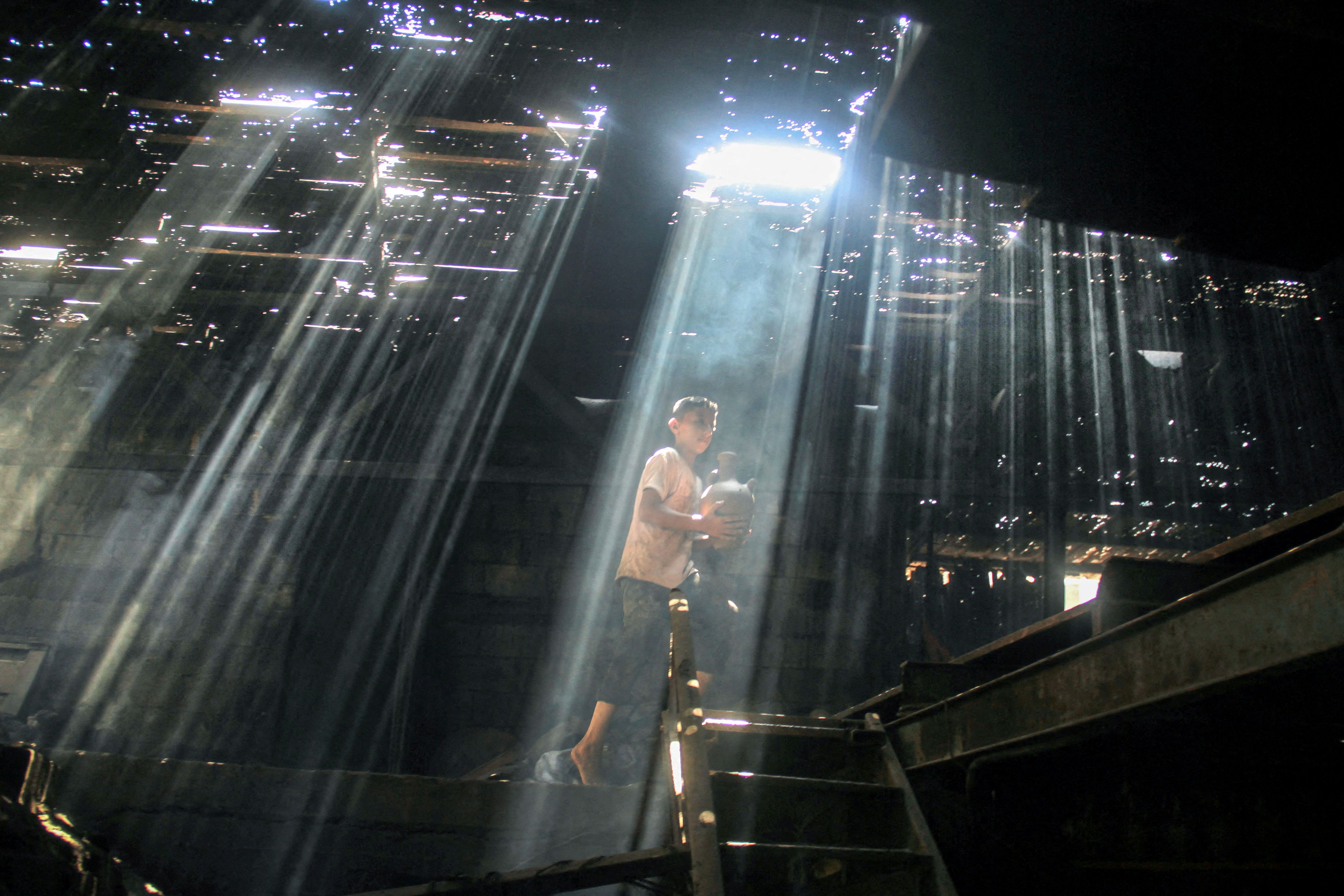
Get this straight, Western media: Palestinians aren’t sub-human

Dehumanisation of Palestinians is as central to Israel’s war strategy as the deadly missiles it wields

Mitrovica
Andrew Mitrovica Published on: 10 Oct, 2023
Failing Gaza: Pro-Israel Bias Uncovered Behind the Lens of Western Media

Journalists at CNN and the BBC expose the inner workings of their newsrooms, a year into Israel’s war on Gaza.

A picture of the Al Jazeera Media Institute's logo, on a white background.
Al Jazeera Journalism Review Published on: 8 Oct, 2024
Media Monopoly in Brazil: How Dominant Media Houses Control the Narrative and Stifle Criticism of Israel

An in-depth analysis exploring the concentration of media ownership in Brazil by large companies, and how this shapes public and political narratives, particularly by suppressing criticism of Israel.

More Articles

Bangladesh: Crackdown on Reporting on Indigenous Communities

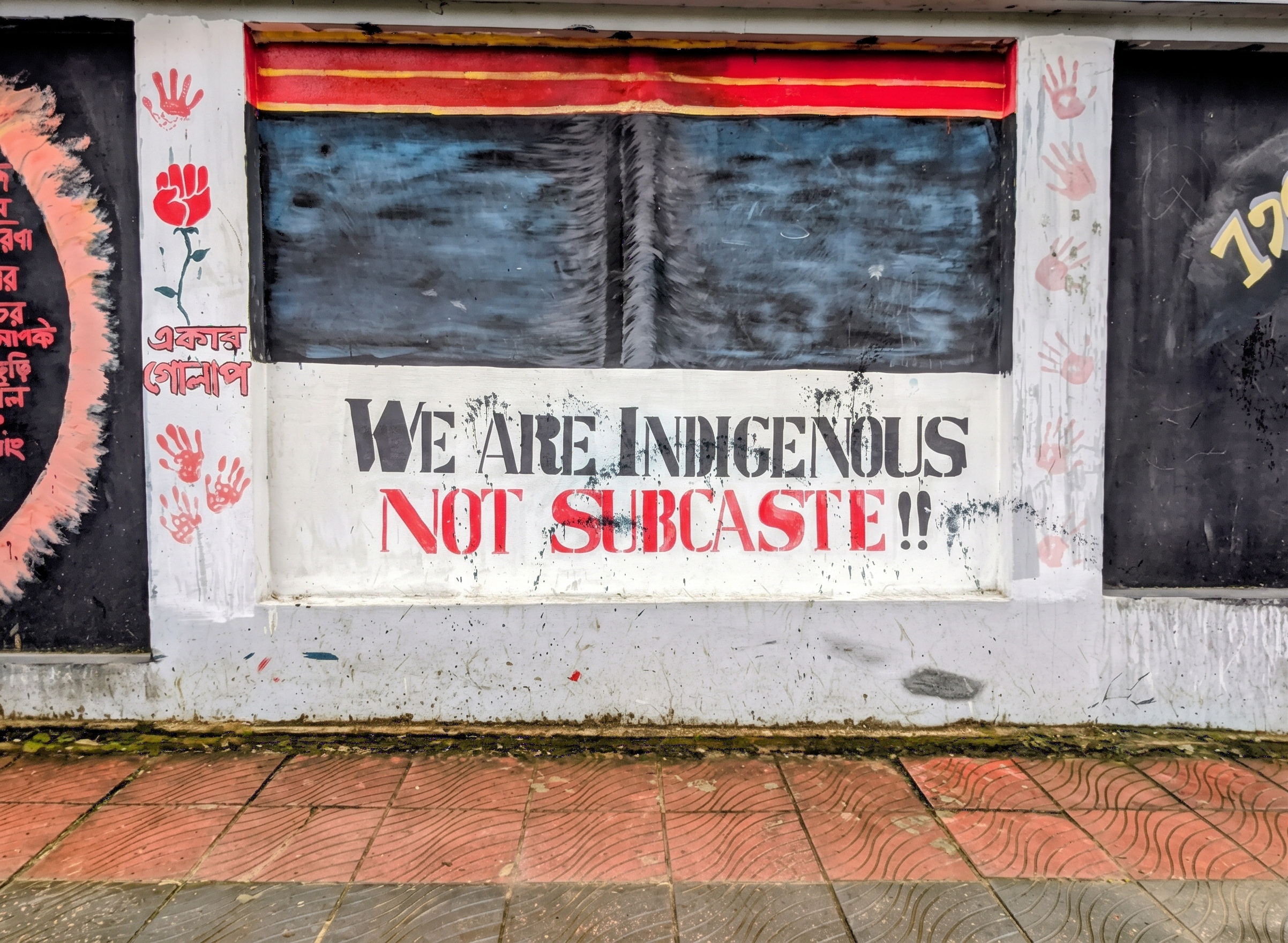
In newsrooms across Bangladesh, the word "Indigenous" has become too dangerous to put in print. Editors quietly strike it from the copy, wary that a single mention could invite the wrath of the state.

Marzia Hashmi Momo Published on: 10 Oct, 2026
How to Protect News and Information Integrity During Elections

An analysis of threats to Kenya’s media landscape ahead of the August 2027 elections finds that AI deepfakes, synthetic media, and coordinated online campaigns threaten voter choice and democratic integrity. Across Africa, emerging regulation, verification tools, and fact-checking efforts are constrained by limited funding, weak platform accountability, and largely reactive debunking.

Jean-Pierre Afadhali Kenyan journalist
Jean-Pierre Afadhali Published on: 27 Sep, 2026
Docudrama: Aesthetic Narration as an Alternative to the Missing Camera!

The use of drama in documentaries sparks a debate between fears of fabrication and the celebration of filling gaps left by missing visual archives. This hybrid format occupies a middle ground, merging emotional impact with documentary reality. Its use requires strict ethical constraints to prevent deception. With the rise of digital platforms, "docudrama" has transcended the rigid limits of television, venturing into new creative and cinematic horizons.

Hani Bishr Published on: 13 Sep, 2026
Moroccan Journalism Between State Support and Market Dominance: Can the “Information Economy” Save the Profession?

Moroccan journalism remains trapped between state dependency and market pressure, and its survival may depend on turning information into sustainable public value rather than cheap content for clicks.

Anas al-Shaara Published on: 24 Aug, 2026
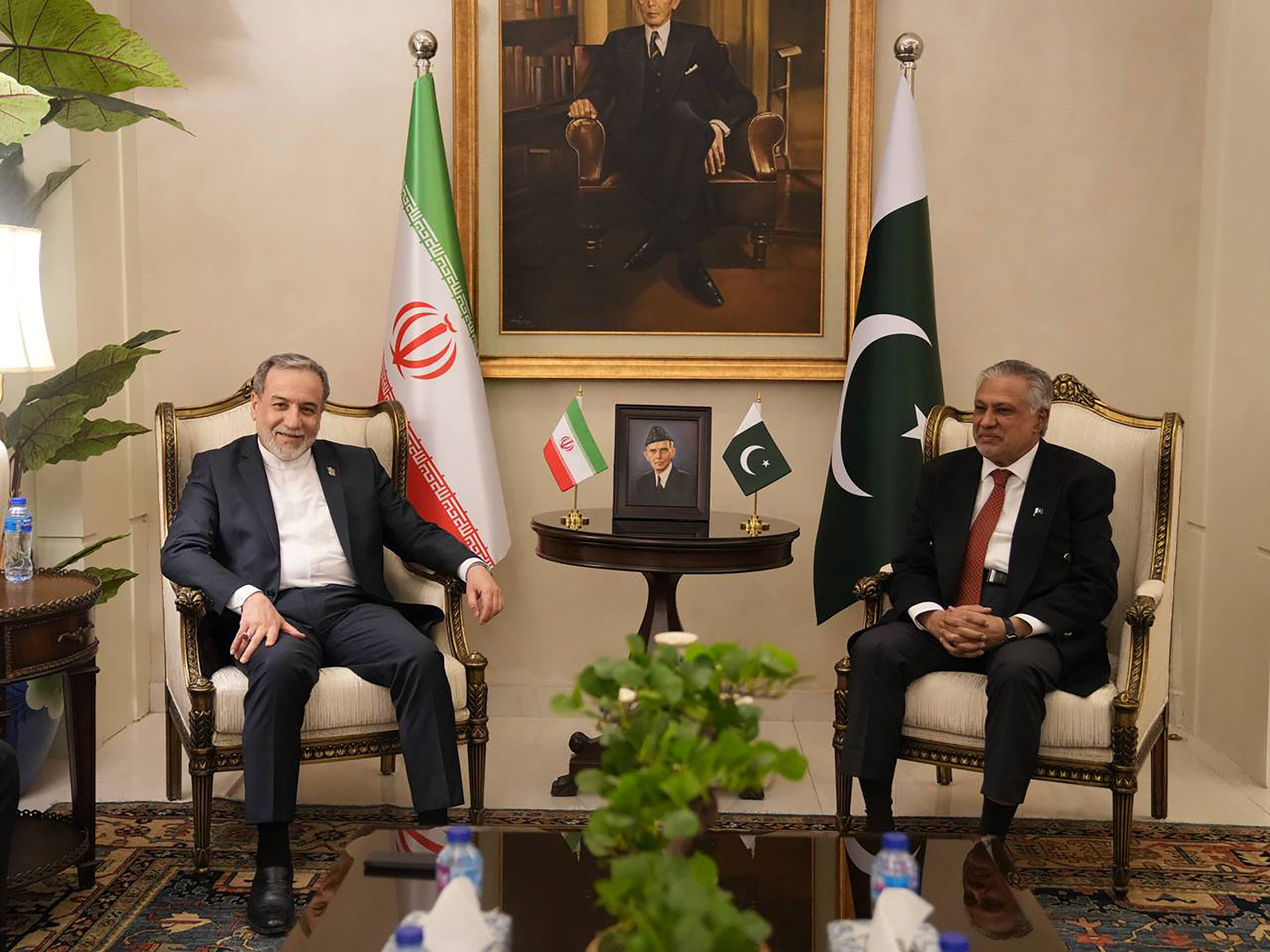
Anas al-Sharif: “I am the owner of a cause before I am a journalist”

From documenting the occupation's crimes on social media platforms to covering the war of genocide on Al Jazeera, journalist Anas Al-Sharif defied harsh field conditions and the lenses of snipers. He lost his father and a number of his loved ones, yet he chose to convey the "Palestinian narrative to the world." In this interview, we get to know the face and features of a Palestinian journalist stripped of protection and faithful to the belief that "coverage continues."

Anas al-Sharif Published on: 10 Aug, 2026
As in Rwanda: Can the Israeli Press Be Prosecuted for Participation in Genocide?

Israeli media incitement has helped frame Palestinian journalists as security threats, weakening their legal and professional protection and legitimising attacks against them. Legal accountability is possible through the ICC, universal jurisdiction, and professional pressure against journalists and outlets that incite violence.

Nasser Adnan Thabet Published on: 8 Aug, 2026
Can Africa’s Media Decolonise Climate Story?

Despite efforts in combating climate change and finding climate solutions in the Africa, the continent’s climate story is still told through the lens of colonisation. The dominant stories centre on the victimhood; especially during climate disasters. Such stories don’t mention the side of the continent’s efforts to adapt to climate change.

Jean-Pierre Afadhali Kenyan journalist
Jean-Pierre Afadhali Published on: 21 Jul, 2026
The Phenomenon of “News Avoidance”: Have We Come to Know More Than We Should?

Audiences are increasingly avoiding the news as the constant flow of crises, violence, and tragic human stories creates psychological exhaustion and anxiety. Media outlets need to respond with more responsible editorial choices, stronger media literacy, and coverage that balances urgent events with constructive, humane, and less harmful storytelling.

Wessam Kamal Published on: 17 Jul, 2026
In Gaza… Testimonies That Have Not Been Told

Beyond the frontline dangers, reporting during the Israeli war involves enduring arrest, torture, systematic incitement, and assassination. This reality forces journalists into a relentless struggle to keep reporting from the depths of mass displacement, starvation, and a complete breakdown of daily infrastructure.

Mohamed Abu Qamar Published on: 8 Jul, 2026
When Modi’s Managed Media Met Europe’s Press

A brief, viral exchange in Oslo between Prime Minister Narendra Modi and a Norwegian journalist has exposed the widening gap between India's tightly controlled media environment and traditional adversarial press culture. Over the past decade, open, unscripted scrutiny has increasingly been replaced by carefully managed public relations, image-driven interviews, and direct digital reach. This systemic shift has reshaped the broader landscape of Indian news media, creating a culture of forced deference that prioritises political showmanship over holding power accountable.

Arsalan Bukhari, an independent journalist based in India
Arsalan Bukhari, Mehrunnisa Maryam Published on: 5 Jul, 2026
The Left and the Right in One Front Against Journalism in South America

Journalism in Latin America is facing a crisis of hostility. In the age of political polarization, governments from both the left and the right are not merely managing states; they are actively harassing critical voices, imposing institutional censorship, and enforcing official narratives that attack independent media to silence disagreement and fake democracy across the region.

Noe Zavaleta
Noe Zavaleta Published on: 8 Jun, 2026
Humanitarian Storytelling: Reclaiming Voice in Crisis Reporting

Humanitarian storytelling is evolving. In the age of algorithmic amplification, humanitarian organisations are not merely sharing aid updates; they work side by side with responsible media; they are providing accountability, combating harmful narratives, and demonstrating the human reality behind the crisis and news headlines.

Shereen Nanish. A media consultant from Palestine/Jordan with over 10 years of experience in journalism and humanitarian communications. Based in Germany.
Shereen Nanish Published on: 1 Jun, 2026
On the Misunderstanding Between Media and Diplomacy

The analysis of international crisis coverage reveals a clear structural gap between the immediate, simplified narratives produced by the media and the slow, complex processes of diplomacy. The tension between the two fields appears set to persist as reporters are forced to trade detailed, long-term tracking of negotiation for fast-paced, dramatic framing and the immediate demands of the attention economy.

Said Al-Azri
Said Al-Azri Published on: 28 May, 2026
How Journalists are Combating Cybertroopers 

The brutal state crackdown in Đồng Tâm highlights a intensifying withdrawal from free expression in Vietnam, heavily driven by the regime's deployment of state-backed cyberarmies like Force 47. As these digital actors systematically intimidate and mass-report critics, tech giants like Meta further compound the issue by increasingly acquiescing to government censorship requests to protect market share. This coordinated digital assault leaves a dangerous gap in the global conversation, forcing independent journalists to navigate severe online hostility and risk arbitrary imprisonment just to expose state overreach.

AJR Contributor Published on: 25 May, 2026
Journalism After the Genocide in Gaza: One War Has Ended, and Other Wars Have Begun!

The post-ceasefire reality for Gaza’s journalists reveals a challenging shift from documenting active daily bombardment to navigating an overwhelming landscape of community and structural ruin. The pressure on reporters appears set to escalate as they struggle to rebuild their own lives from absolute zero while fighting to ensure that ongoing human suffering, systemic displacement, and political marginalization are accurately documented and held to account.

Yousef Fares
Yousef Fares Published on: 17 May, 2026
US-Iran Islamabad Talks: How Journalists Report from Outside Closed Doors

The "Islamabad Talks" highlight a growing contradiction in modern diplomacy where journalists are physically present but denied direct access to negotiations. The pressure on transparency appears set to intensify as reporters are forced to trade traditional eyewitnessing for outside in investigation and geopolitical speculation.

Anam Hussain
Anam Hussain Published on: 2 May, 2026
Can Artificial Intelligence Become a Documentary Film Director?

AI opens new possibilities in documentary filmmaking, from sorting archives to speeding up production. But documentary is not built on technology alone: it depends on the director’s vision, creativity, and ability to shape meaning. Can AI, for instance, make a film like Ordinary Fascism?

Bashar Hamdan, investigative producer and documentary filmmaker at Al Jazeera Media Network
Bashar Hamdan Published on: 23 Apr, 2026
When Speaking Up Backfires: How Social Conformity Silences Journalists

While state censorship remains a reality, freedom of speech in Africa faces a rising internal threat: the community itself. This article examines how social conformity, digital echo chambers, and ingrained bias create a modern "chilling effect". This pressure forces journalists to choose between aligning with popular narratives or facing professional and social marginalisation.

Derick Matsengarwodzi
Derick Matsengarwodzi Published on: 16 Apr, 2026
Has the Global South Benefited from the Digital Transformation?

Despite the promise of digital technologies to amplify voices and expand media reach in the Global South, structural barriers, such as political repression, technological dependency, and persistent digital divides, continue to limit their impact. Real progress requires not only technological adoption but also institutional reform, stronger journalistic capacity, and independent ethical frameworks to challenge dominant Western media narratives.

Al-Shafi Abtidon
Al-Shafi Abtidon Published on: 18 Mar, 2026
Missiles Made of Words: How Western Media Narratives Shape the Iran–Israel–US Conflict

Western media coverage of the Iran–Israel–US conflict often functions as a weapon of war, using selective language that frames US and Israeli strikes as “self-defence” while depicting Iranian actions as "provocation". This linguistic framing normalises civilian casualties and helps manufacture public consent for military aggression by dehumanising certain populations.

Muqeet Mohammed Shah
Muqeet Mohammed Shah, Ifrah Khalil Kawa Published on: 14 Mar, 2026
How the Ethiopian Civil War Unleashed a Lethal Media Crackdown

There has been a widening crackdown on the media in Ethiopia since war erupted between the central government and Tigray’s regional authorities in 2020, and the pressure appears set to intensify as the country prepares for general elections in June.

Nalova Akua
Nalova Akua Published on: 9 Mar, 2026
Are Netanyahu's and Trump’s Speeches Shaping Western Media Framing?

As political speeches framed the 2026 U.S.–Israeli attack on Iran, segments of Western media echoed their language and narratives, illustrating how strategic rhetoric and news framing can shape public opinion and legitimise military action.

Shaimaa Al-Eisai
Shaimaa Al-Eisai Published on: 6 Mar, 2026
Journalism in Gaza… A Race Against the Train of Genocide

In the following account, Amira Nassar presents a narrative filled with intricate detail, intimate exchanges, and an unyielding struggle over the meaning of writing amid slaughter and starvation. Part of The Journalism Review’s documentary project recording the testimonies of journalists in Palestine and the Gaza Strip during the ongoing genocide, it stands as a testament against oblivion and the machinery of extermination.

Amira Nassar
Amira Nassar Published on: 27 Feb, 2026
Kukurigo: Revolutionising news in Zimbabwe's WhatsApp era

The emergence of Kukurigo during Zimbabwe’s 2018 elections marked a turning point for digital journalism, transforming WhatsApp from a hub for misinformation into a vital platform for verified news. By leveraging the app’s low data costs, this grassroots initiative bridged the information gap for under-resourced communities, establishing a new model for media credibility and public service within an unstable political landscape.

Enock Muchinjo
Enock Muchinjo Published on: 19 Feb, 2026