Media Framing
The Roots of Western Media Bias Towards the Israeli Narrative
Western media bias towards the Israeli narrative is rooted in decades-old reporting practices that privilege official military sources, embed journalists with occupying forces, marginalise local voices, and repeatedly turn war coverage into an extension of state power.


On the Misunderstanding Between Media and Diplomacy
The analysis of international crisis coverage reveals a clear structural gap between the immediate, simplified narratives produced by the media and the slow, complex processes of diplomacy. The tension between the two fields appears set to persist as reporters are forced to trade detailed, long-term tracking of negotiation for fast-paced, dramatic framing and the immediate demands of the attention economy.

Vases and Baby Diapers: War as Told by People, Not Politicians!
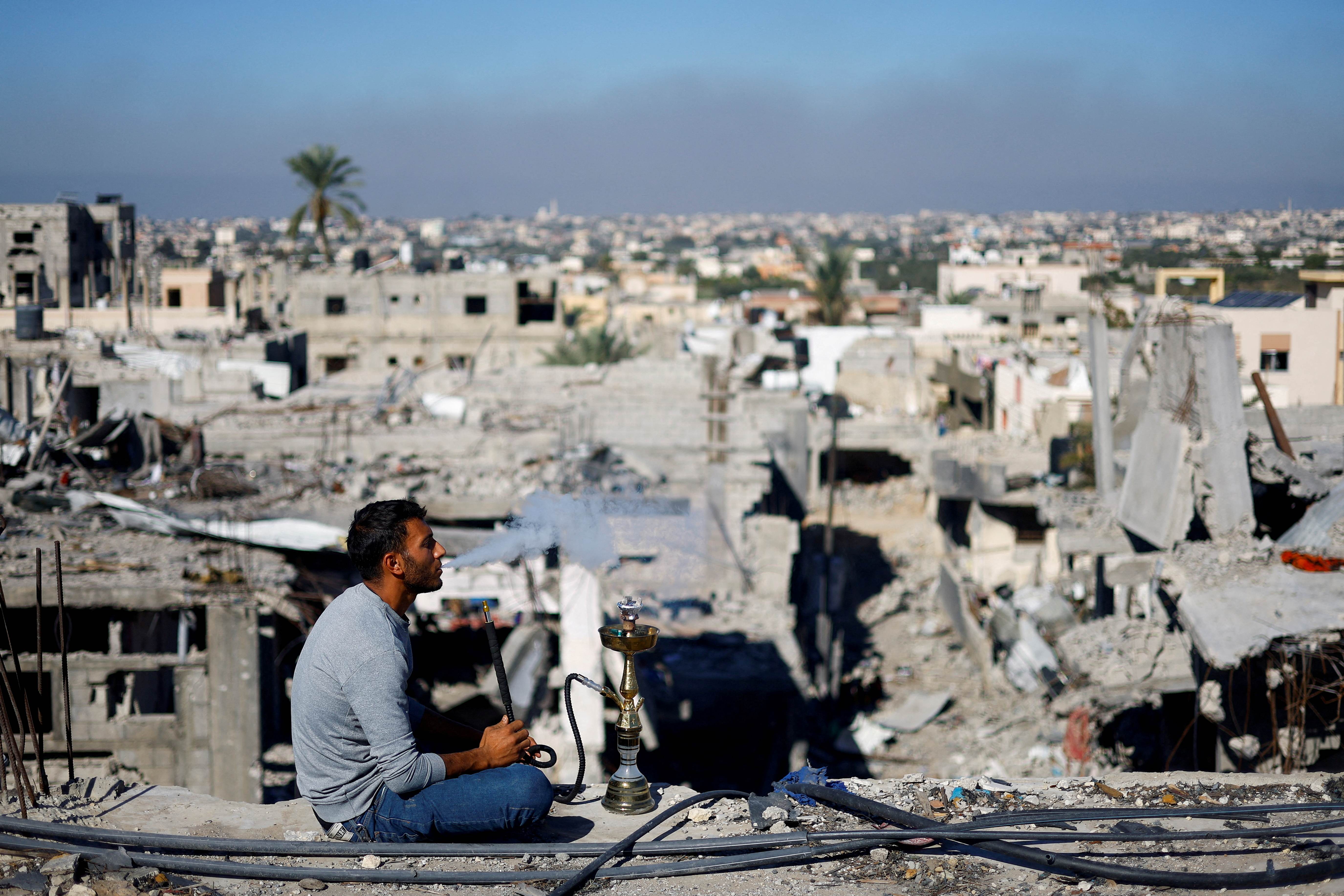
The analysis of field reporting during the war reveals a deep divide between distant geopolitical news and the actual human reality on the ground. This conflict between official media assignments and the lived experience will continue as journalists find themselves abandoning institutional scripts to focus instead on the raw details of daily survival and the preservation of personal memory.
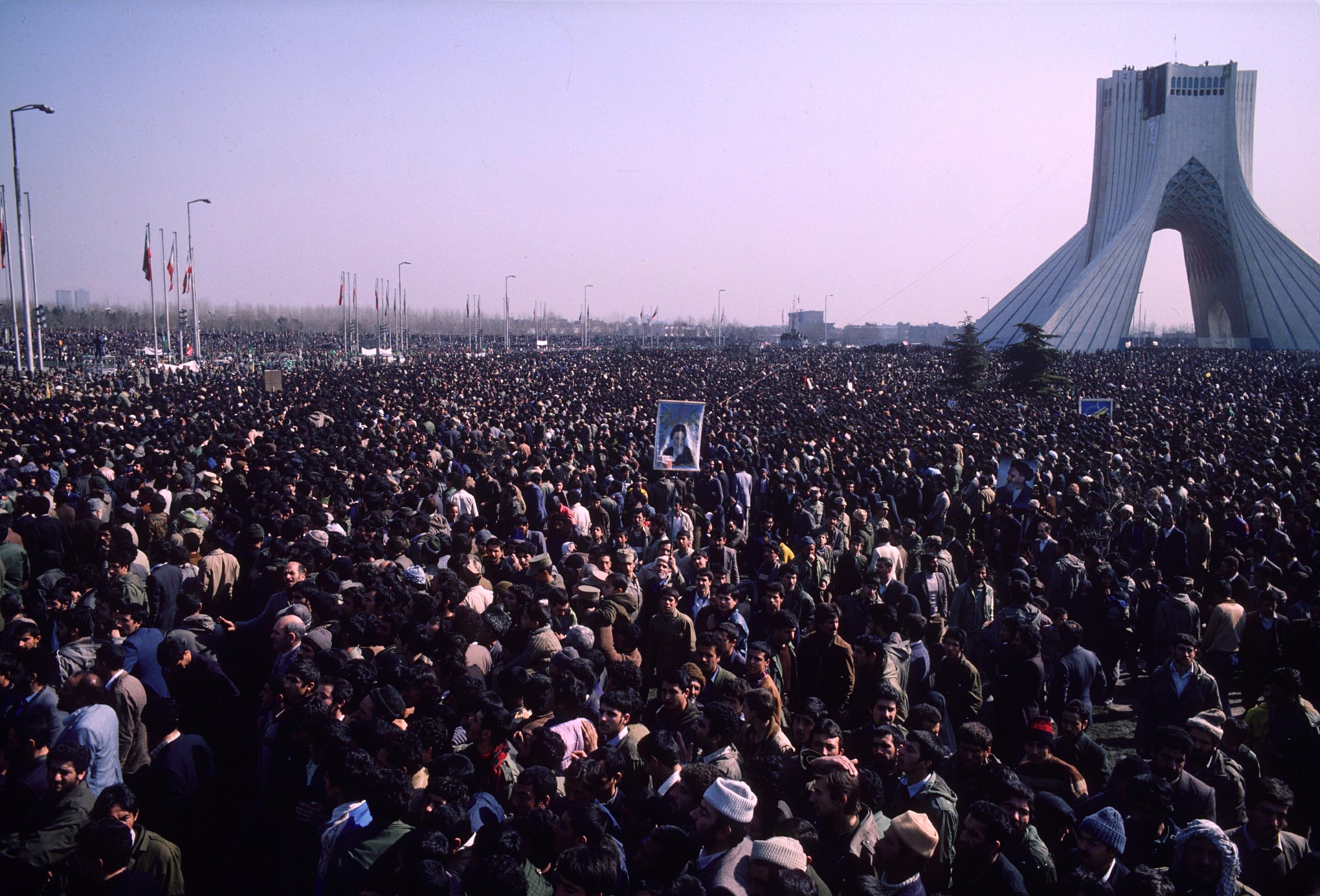
The Revolution That Framed Islam: How 1979 Shaped Western Media on Iran
The 1979 Revolution transformed how the Western world views and reports on Islam. What started as a confused attempt to understand a new religious movement has turned into a permanent media habit of framing Iran through the lens of conflict and suspicion.


Migration Issues and the Framing Dilemma in Western Media
How does the Western press shape the migration narrative? Which journalistic frames dominate its coverage? And is reporting on anti-immigration protests neutral or ideologically charged? This analysis examines how segments of Western media echo far-right rhetoric, reinforcing xenophobic discourse through selective framing, language, and imagery.
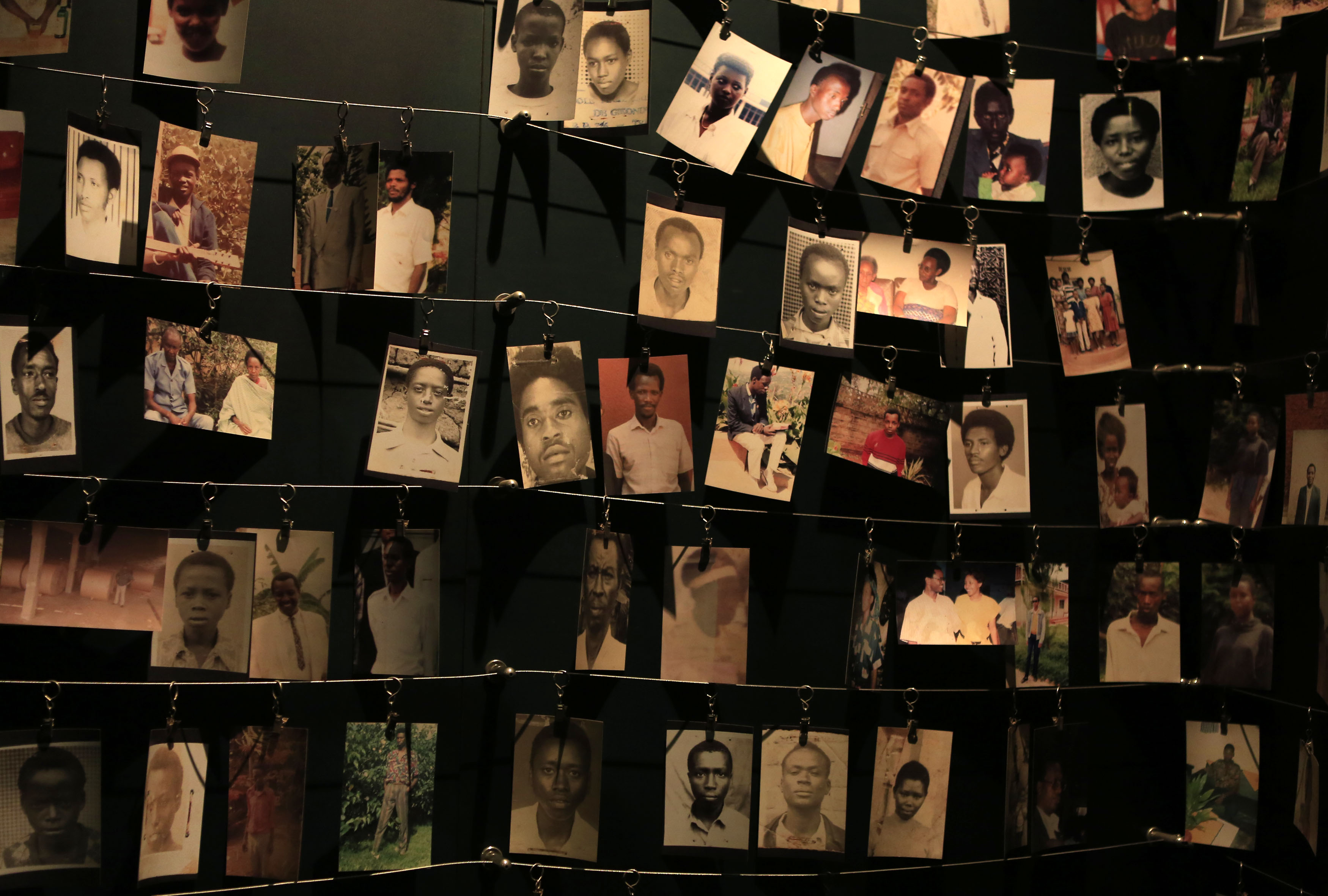
From Rwanda to Palestine: How Media Becomes a Partner in Genocide
July 4 each year coincides with Liberation Day in Rwanda, which marks the end of the genocidal war against the Tutsi. This article explains the reasons behind the media’s neglect of the genocide and how the press failed to help prevent it. It also offers a critical perspective on how the same practices are being reproduced in coverage of the genocidal war on Palestine.

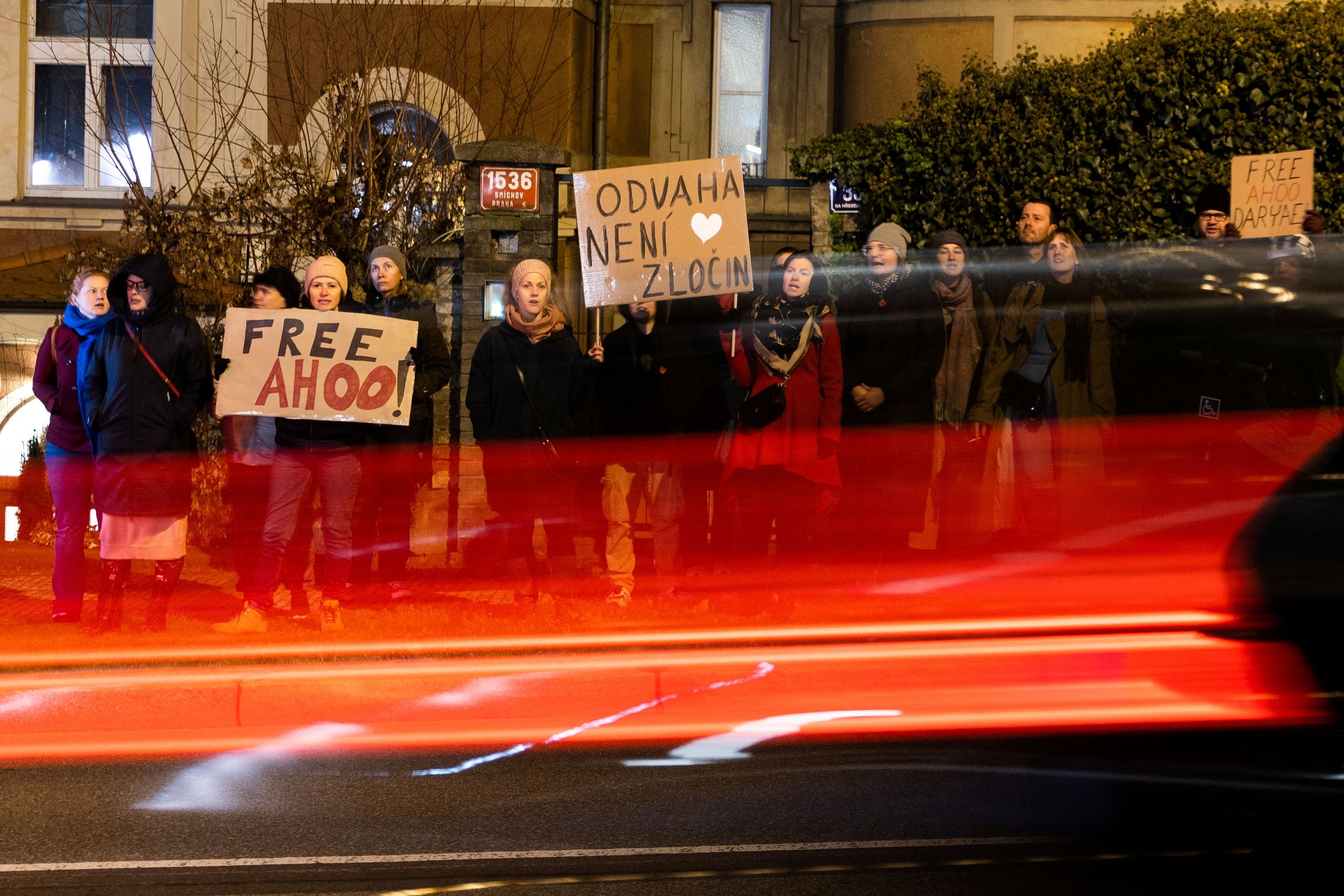
Western Media’s Double Standards on Muslim Women’s Suffering
When an Iranian student publicly protested against security forces by undressing, the moment garnered widespread attention in Western media. Meanwhile, even as 70 percent of those killed in Palestine are women and children, this ongoing violence—including the systematic killing, torture, and detention of Palestinian women—receives minimal coverage. This disparity raises urgent questions: How do Western media represent women’s issues in the Islamic world, and to what extent are such portrayals shaped by double standards?

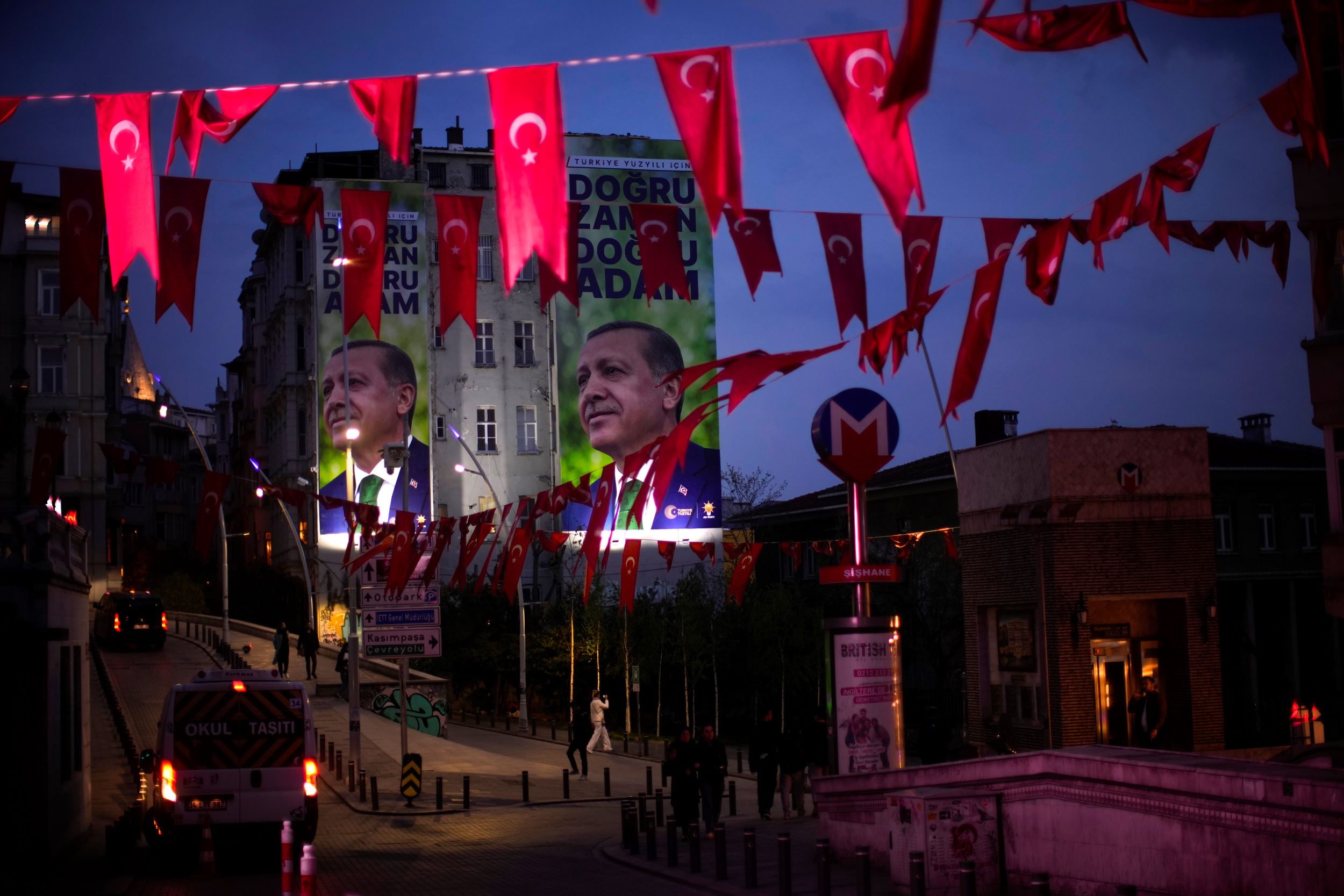
Good Correspondents Ask People; They Don’t Speak for Them
This piece reflects on the ethics of foreign correspondence, arguing that journalists covering another country should not endorse political actors or try to shape outcomes; their role is to listen, observe and report what people think rather than tell societies what they should do.