Humanitarian storytelling is evolving. In the age of algorithmic amplification, humanitarian organisations are not merely sharing aid updates; they work side by side with responsible media; they are providing accountability, combating harmful narratives, and demonstrating the human reality behind the crisis and news headlines.
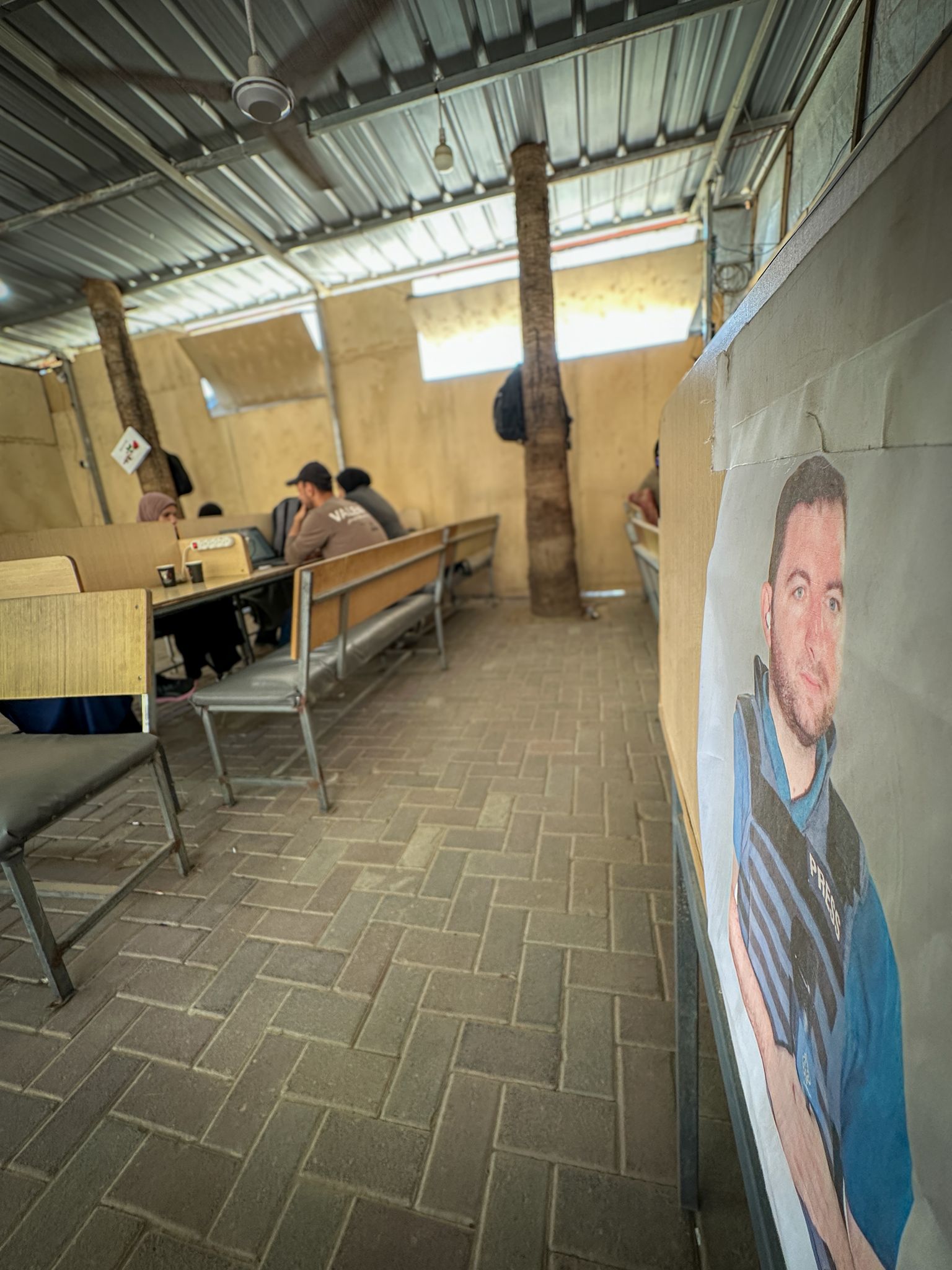
I came into the humanitarian world already convinced of the power of unfiltered testimony. Journalism taught me that people’s voices carry weight. They are sometimes challenging to get, and mainstream media can miss them due to logistical constraints or editorial decisions.
But after I started working in this sector, I started to see firsthand how they are driving a shift in crisis reporting. They can blend on-the-ground testimonies and solid data with mobile-first storytelling. They also complement and empower mainstream media by feeding news that reflects lived experience rather than interpretations that are made from a distance.
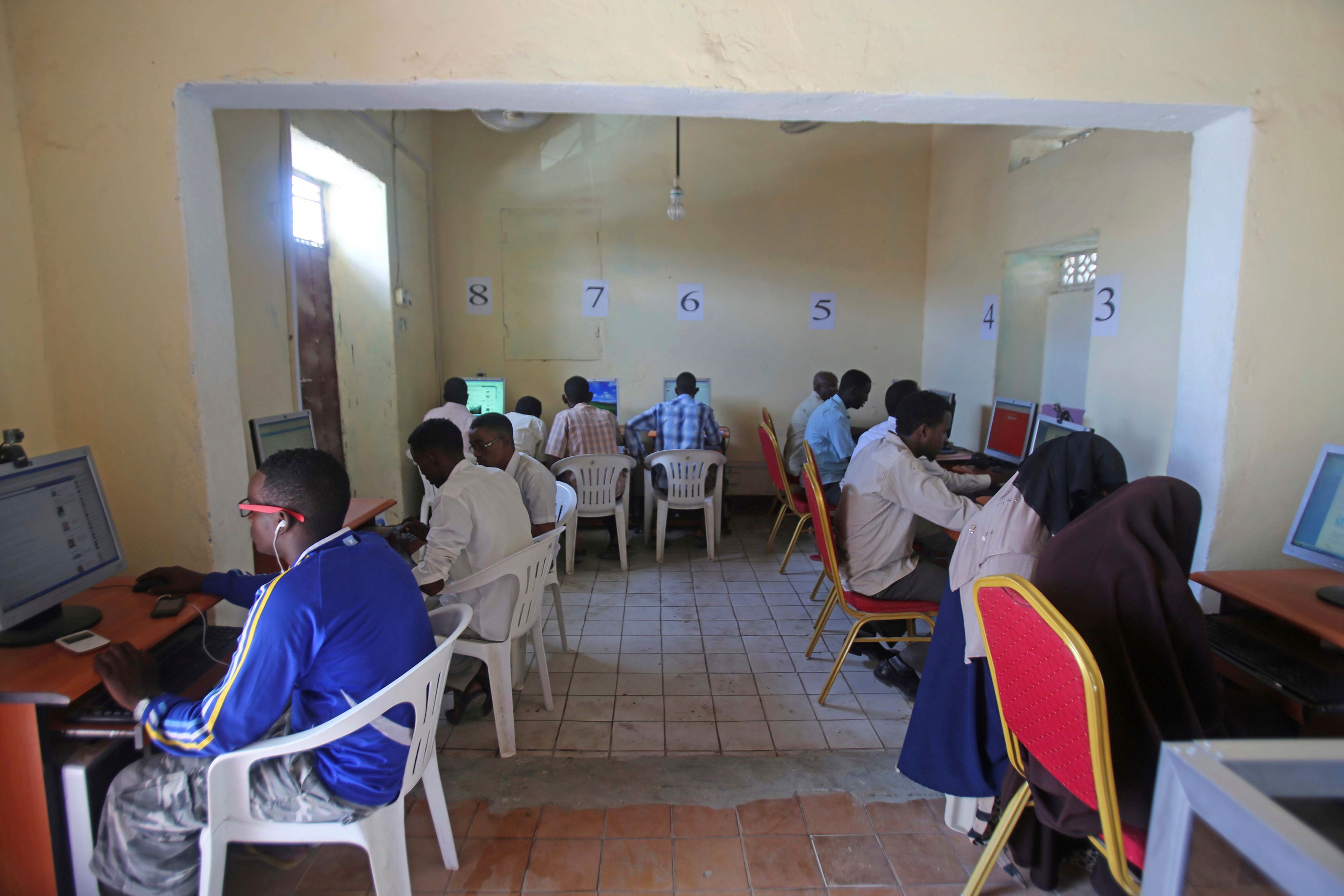
Today, technology, social media, and mobiles allow humanitarian actors and the communities they serve to contribute to and directly own the narrative of crises, offering more nuanced and unique evidence-based perspectives in an unprecedented timely manner.
This wasn’t the case before the digital era took hold; the voices of local communities and frontline humanitarian teams were not always able to be fully delivered, and the public understood humanitarian contexts largely through the lens of traditional media and international organisations. Now, humanitarian workers and citizen journalists challenge oversimplified narratives and give people affected by crises, wars, and conflicts more control over how their stories are told.
Today, technology, social media, and mobiles allow humanitarian actors and the communities they serve to contribute to and directly own the narrative of crises, offering more nuanced and unique evidence-based perspectives in an unprecedented timely manner.
Framing the Crisis: Direct Narratives
Research on patterns of media coverage shows that news outlets tend (and may sometimes still tend) to provide event-driven attention to emergencies and prioritise dramatic developments over field perspectives. Thus, one of the core functions of humanitarian storytelling is correcting misrepresentation and underreporting.
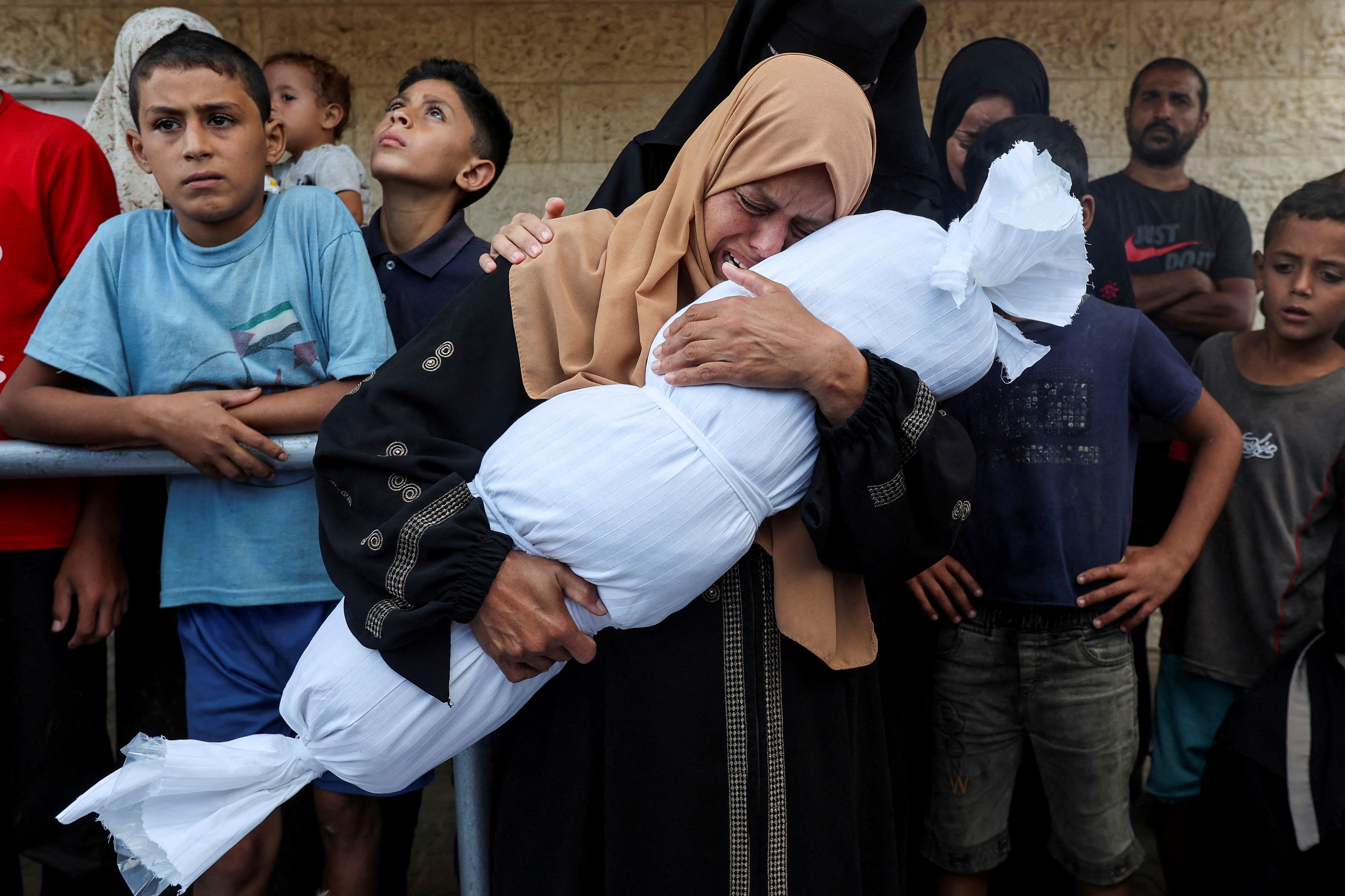
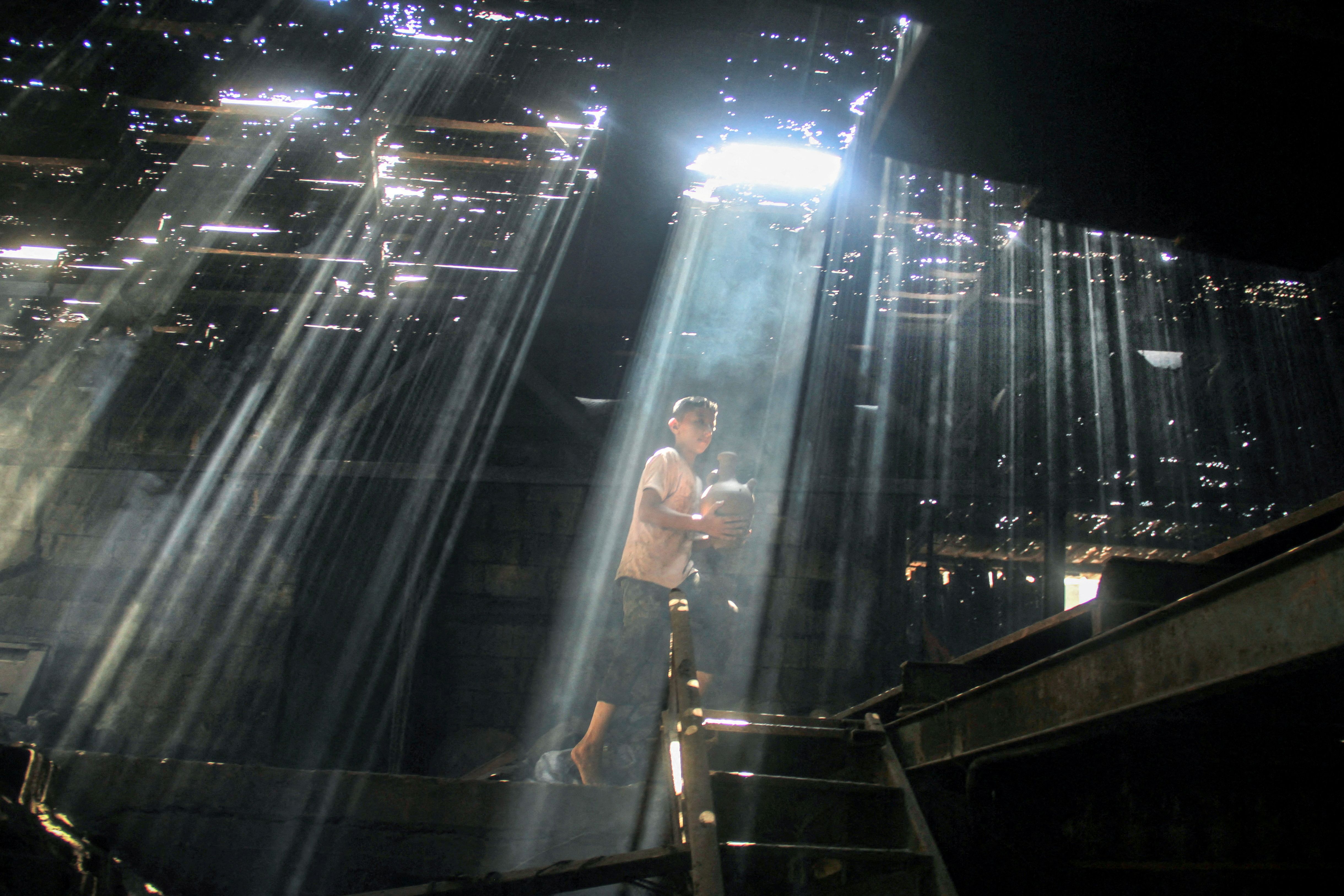
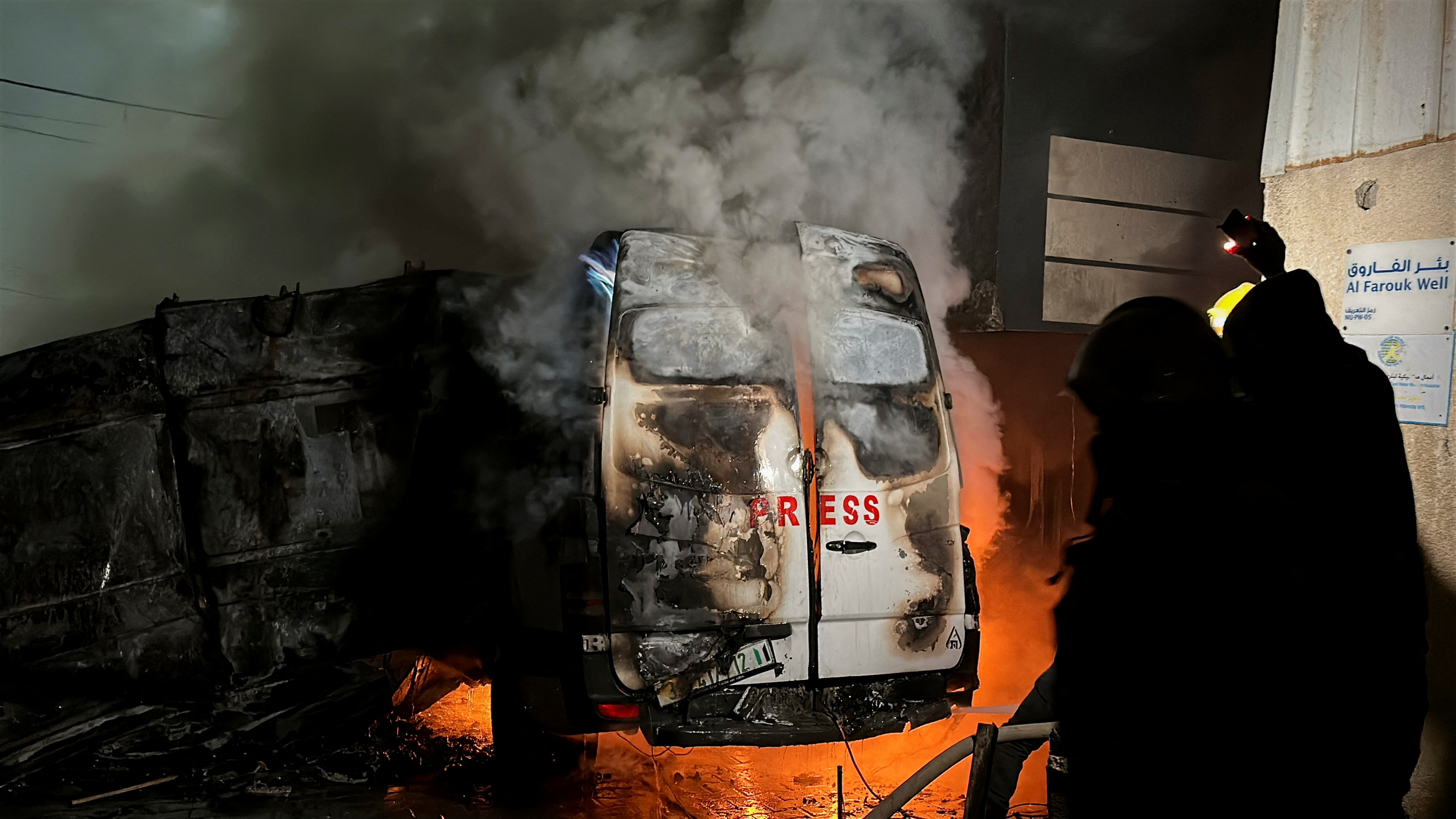
In Gaza, for example, medical staff and healthcare NGOs have been reflecting on the realities they witness, documenting the “acute shortages of food, water, medical supplies, fuel and shelter"; briefing the UN Security Council on how “there is no health system to speak of left in Gaza” and how “Israel’s military has dismantled hospital after hospital"; or calling for the protection of the civil population.
These efforts also highlighted blind spots of the Western mainstream media in their reporting. Media outlets reported on these actors' findings, especially that their framing came straight from the field, from their teams on the ground, and because of that proximity, the message was perceived with greater urgency, and it was often more direct and critical than some of the early mainstream coverage.
One of the core functions of humanitarian storytelling is correcting misrepresentation and underreporting.
The Cost of Silence & Limits on Being Vocal During Crises
There is another distinct value that humanitarian organisations' communications offer; they can report on developments, especially when warning signs demand urgent intervention, and they are able to frame failures as events that could be prevented, not just discovered.
In several historical events, reports relied heavily on UN briefings and diplomatic statements. Information reached the public in fragments and often in delayed pieces of news after decisive moments had already passed. That physical and political distance deeply influenced how the story was constructed and understood at the time.
Another example is the international media coverage of the Rohingya crisis, which concentrated more on moments of violence, such as aerial images of the burnt villages and mass refugee flows. There was no clear focus or sustained attention on the decades-long structural discrimination and persecution that were integral to the crisis. However, the UN Fact-Finding Mission on Myanmar, for example, documented these, particularly in the years leading up to and following the 2017 mass exodus.
However, such documentation came late at times or made little noise to create a real-time impact. Thus, this transition toward field-driven humanitarian narratives also shows a persistent challenge: even when humanitarian actors speak out, their voices do not always break through promptly.
Moreover, balancing the ethical imperative to speak out against immediate operational needs is a challenge. It’s important to acknowledge such a critical tension in delivering humanitarian storytelling.
These could include risks of suspending operations, expulsion, threats to security, and jeopardising access to vulnerable populations, depending on the organisation’s type and mandate.
The most impactful interventions came later when calls for investigations and accountability gained real visibility, which was only after the massacre had occurred. By then, humanitarian testimony contributed more to a process of “retrospective reckoning” rather than shaping real-time narratives that framed violence as unavoidable.
But what shows the level of influence of humanitarian communications is when their testimonies become embedded in the historical record and continued media discourse over time.
Mobile and Digital Storytelling: New Tools for Authentic Voices
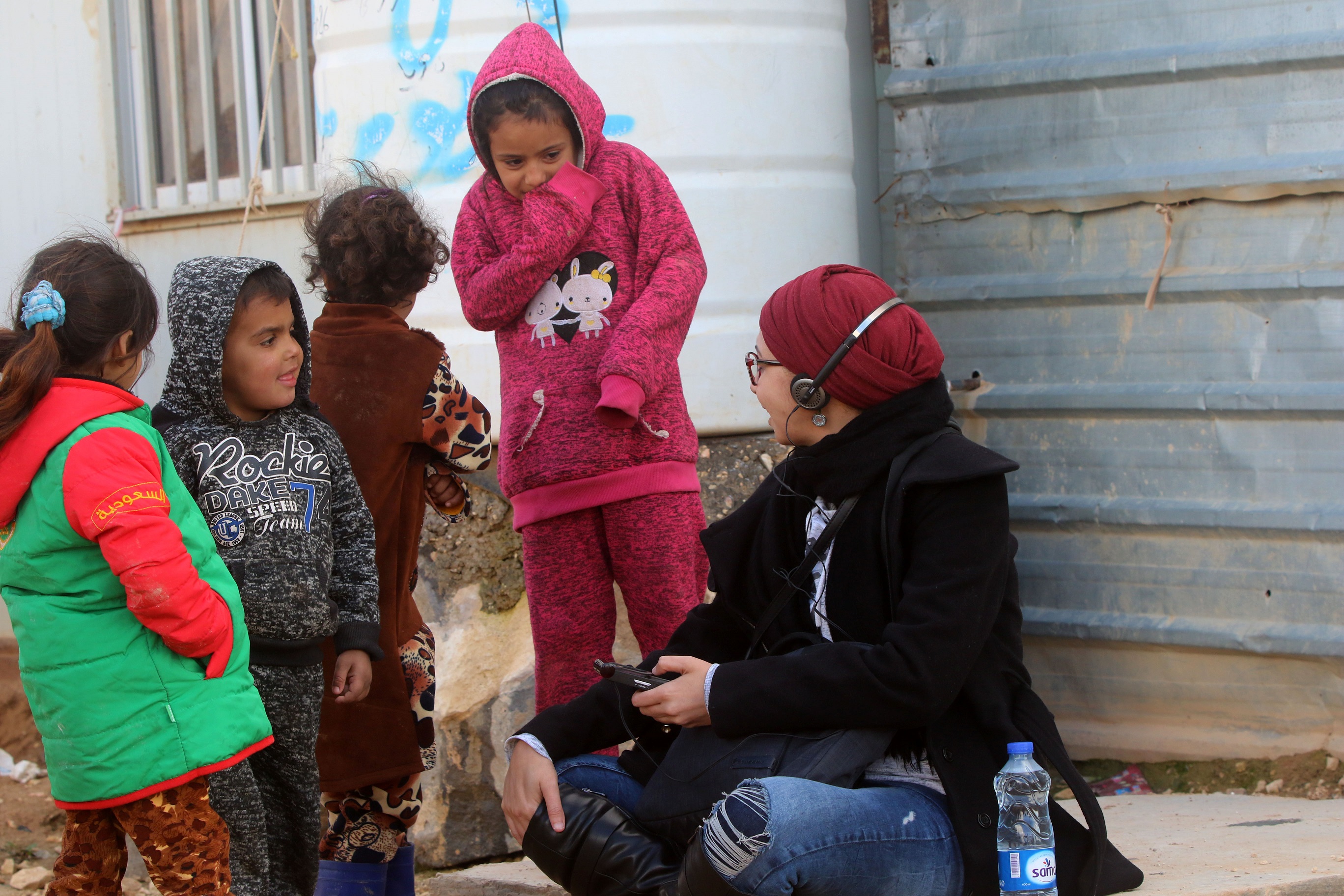
When we are working with our field staff colleagues in different countries around the world, we try to encourage the use of smartphones to document what’s happening on the ground because we understand that the emergence of mobile communications will help narratives move from being intermediary-driven to direct, community-informed narratives. This is a strategy we are adopting to convey raw and immediate perspectives from the field.
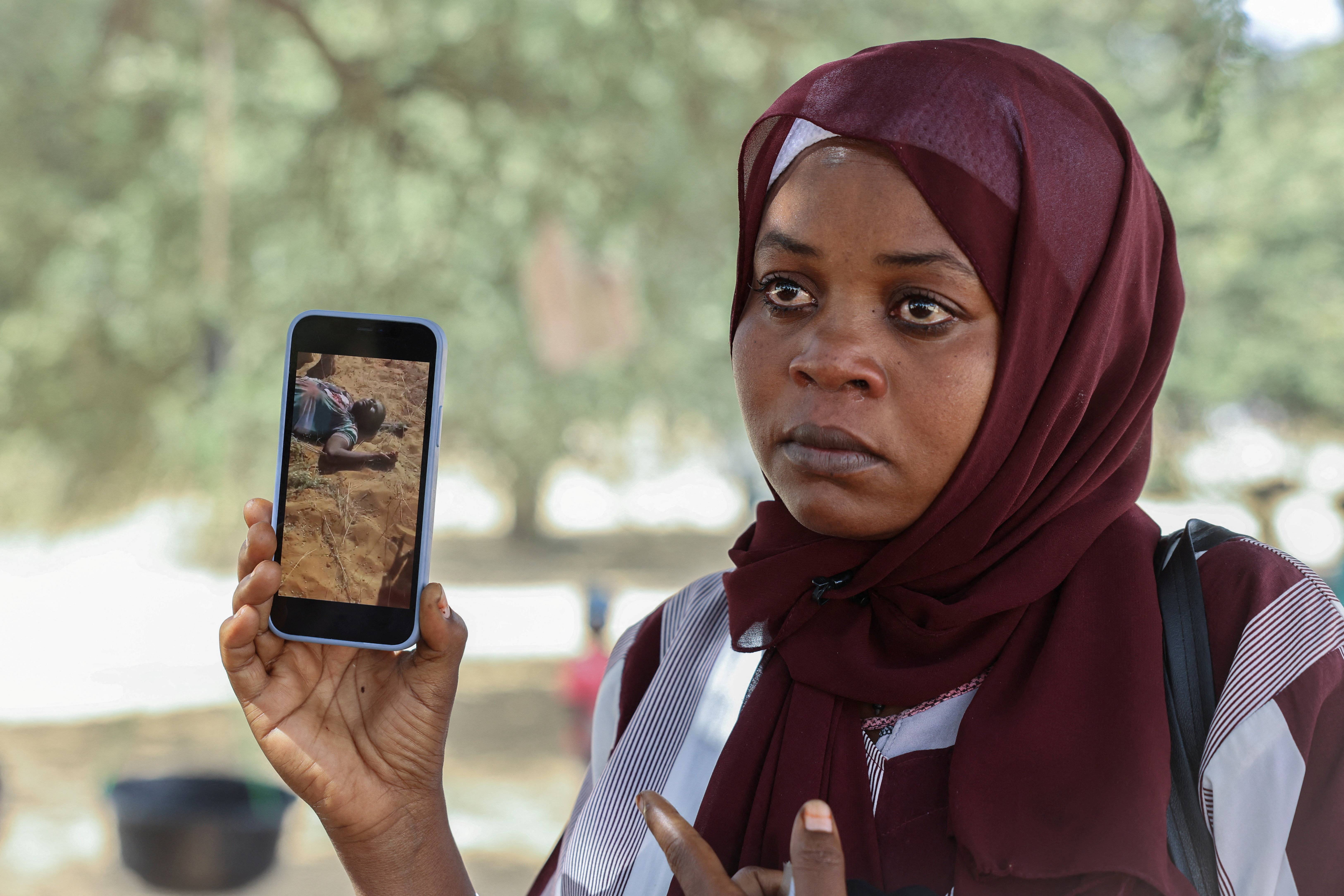
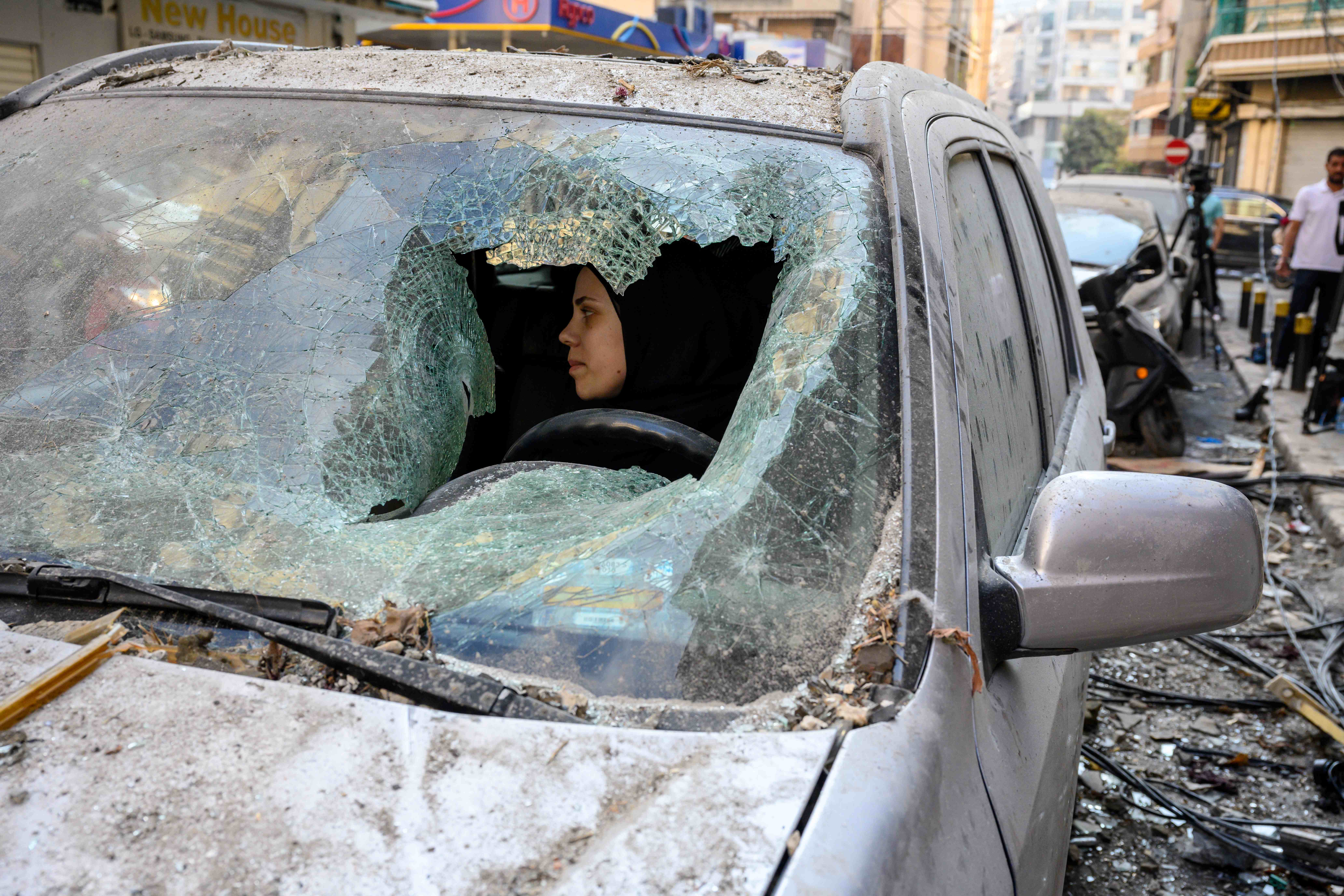
Mobile communications approaches are allowing our humanitarian field teams to share firsthand experiences in real time. They bear witness and document attacks, acute situations, and infrastructure damage, contributing to feeding social media platforms and mainstream media with community-informed storytelling.
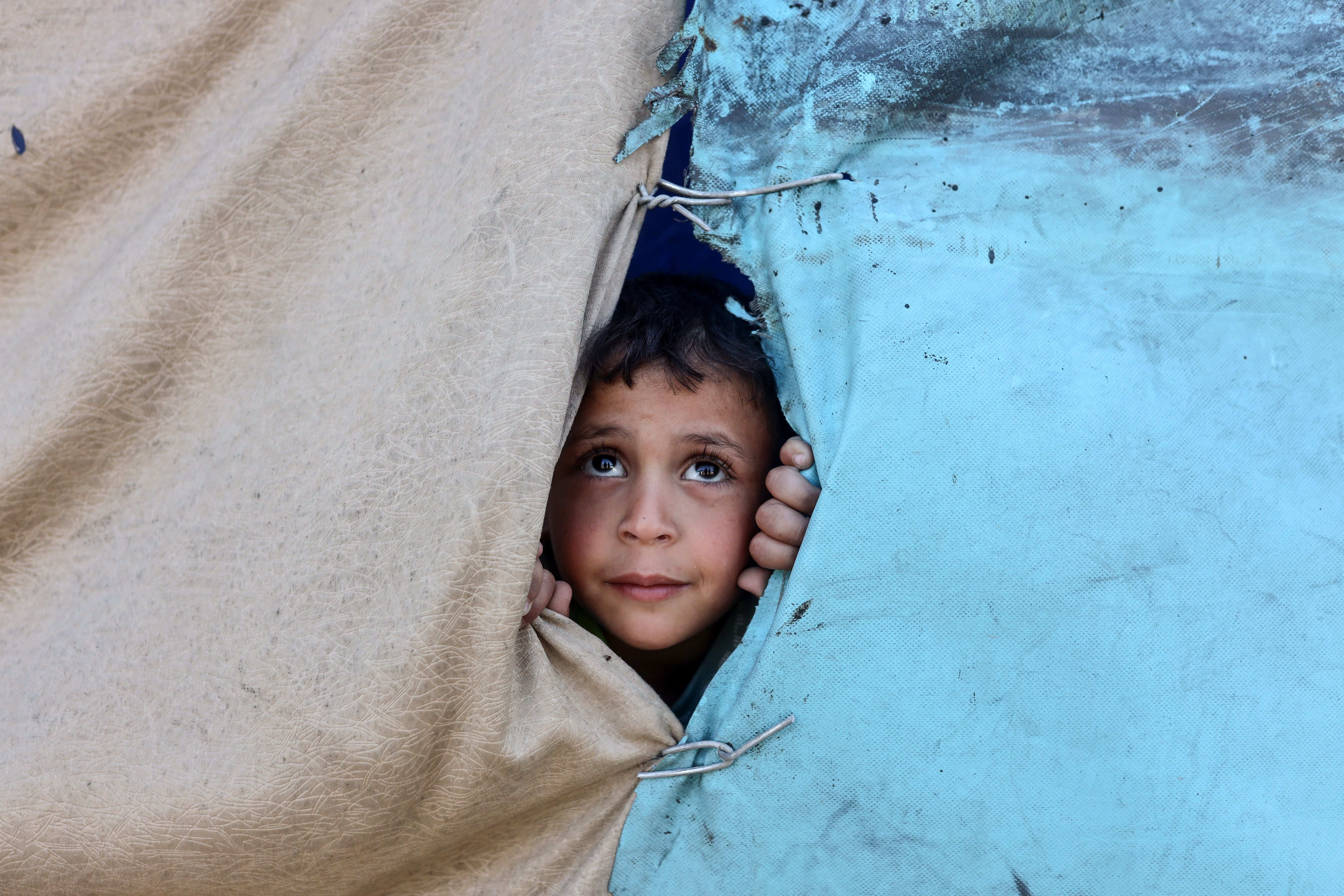
This type of content brings human suffering and resilience directly to audiences and helps counter narratives that may underestimate the severity or scale of crises.
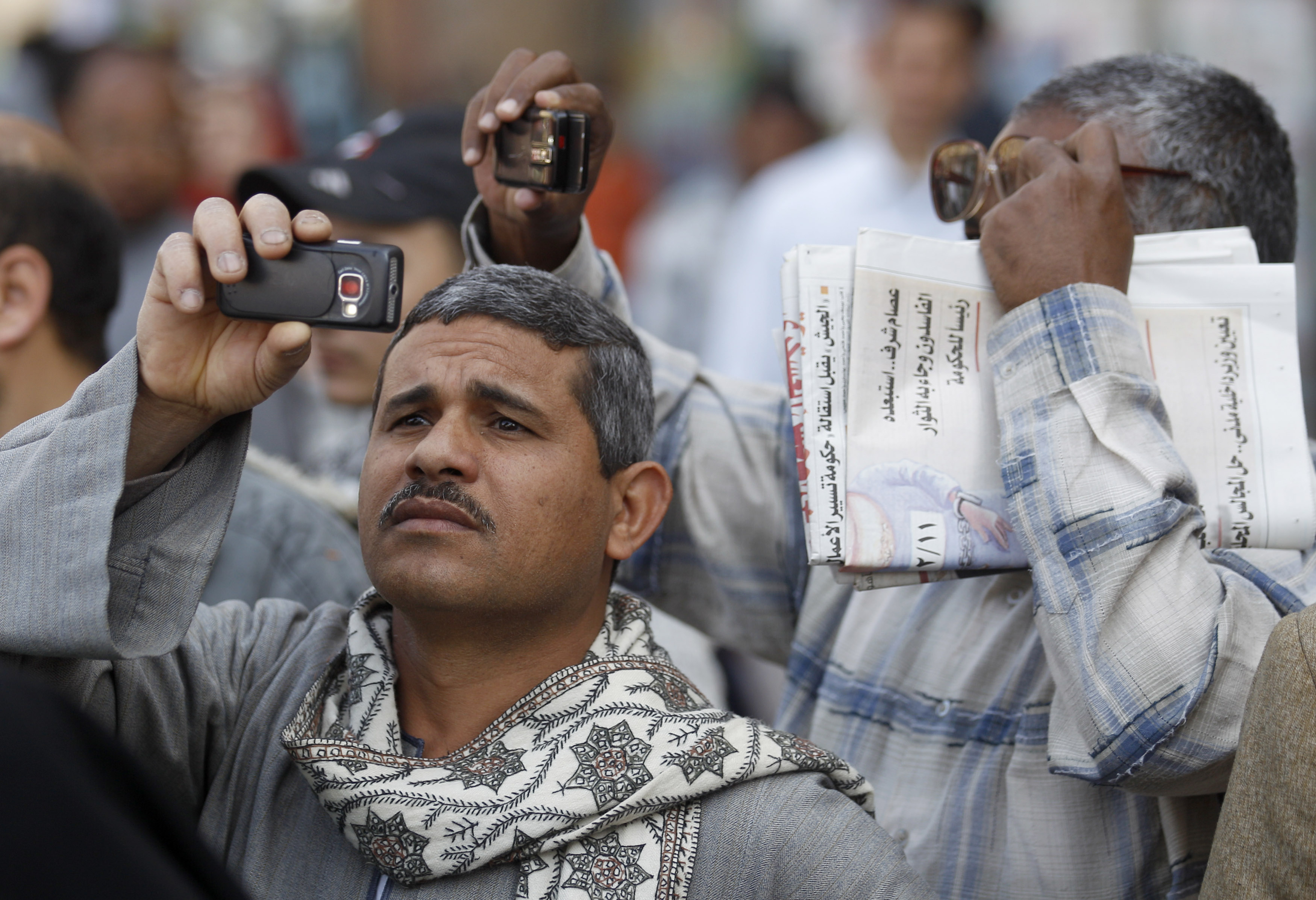
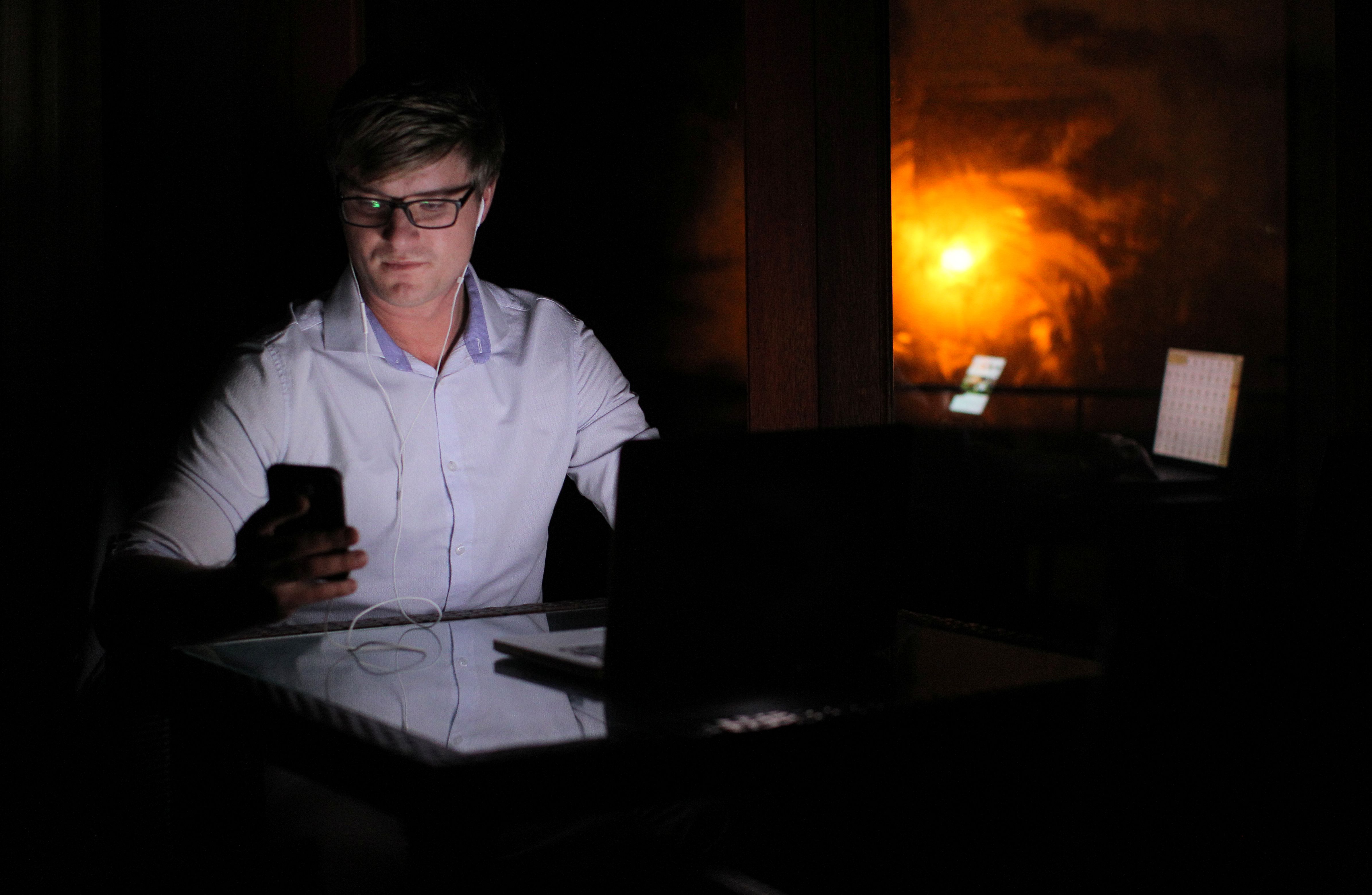
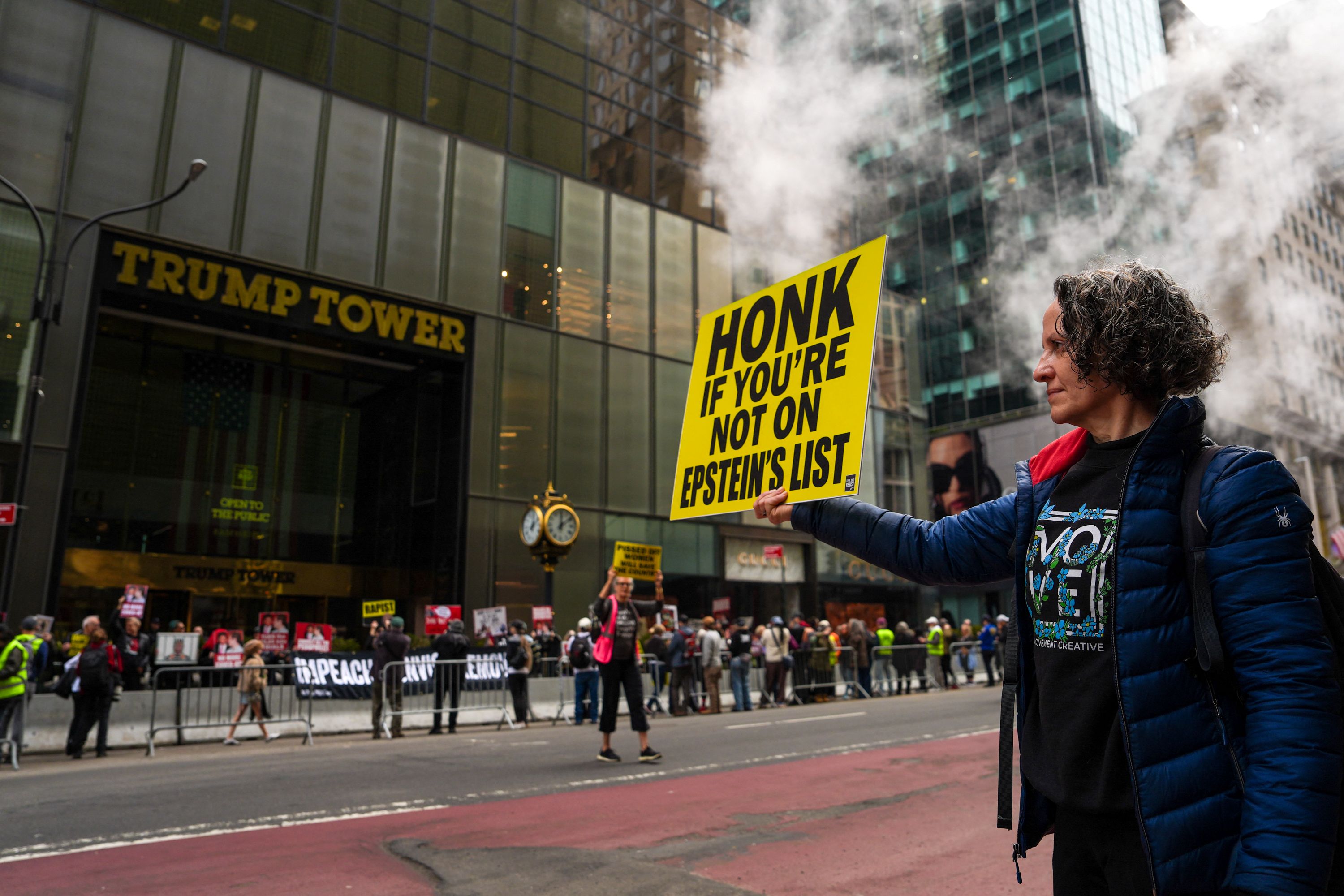
The value of such direct communication is becoming increasingly clear in today’s media landscape, particularly as young audiences consume news through social media more than other channels. At a December 2025 summit hosted by Israel Hayom, Hillary Clinton noted that “smart, well-educated young people” rely heavily on social media for news about Palestine and Gaza, often receiving unfiltered video content that shapes perceptions outside traditional journalism channels.
They bear witness and document attacks, acute situations, and infrastructure damage, contributing to feeding social media platforms and mainstream media with community-informed storytelling.
Similarly, former Obama speechwriter Sarah Hurwitz said that the visual content of conflict saturates social media feeds, making it challenging for conventional messengers to contextualise crises for younger audiences, which, according to her perspective, is an issue. While their remarks were met with heavy public criticism, they underscore the impact of mobile and social media powers and also the opportunity for frontline organisations to keep harnessing these platforms for evidence-based reporting, offering clarity amid algorithm-driven feeds.
Humanitarian storytelling is evolving. In the age of algorithmic amplification, humanitarian organisations are not merely sharing aid updates; they work side by side with responsible media; they are providing accountability, combating harmful narratives, and demonstrating the human reality behind the crisis and news headlines.
Disclaimer: "The opinions expressed are those of the author and not any organisation.