While state censorship remains a reality, freedom of speech in Africa faces a rising internal threat: the community itself. This article examines how social conformity, digital echo chambers, and ingrained bias create a modern "chilling effect". This pressure forces journalists to choose between aligning with popular narratives or facing professional and social marginalisation.
In today’s journalism profession, journalists are always working under pressure from certain audiences to follow particular expectations and outcomes. Globally, governments, existing laws and institutions are increasingly exerting pressure, expecting and demanding certain social conformity from the media to suit and portray their own narratives.
In their profession, journalists everywhere are navigating constant pressure, not only from authorities, but also from audiences, platforms, and internalised expectations. Sometimes, these expectations are not realistic to achieve.
Pressure also exists from echo chambers, described as primarily social media, news or social media groups, where participants are mainly exposed to information and opinions that work to reinforce their existing beliefs, often overlooking opposing views, resulting in polarisation, confirmation bias and misinformation.
Pressure [on journalists] exists from echo chambers, described as primarily social media, news or social media groups, where participants are mainly exposed to information and opinions that work to reinforce their existing beliefs, often overlooking opposing views, resulting in polarisation, confirmation bias and misinformation.
Community Pressure
In today’s world, journalists are increasingly becoming aware of these existing dynamics and are now using different strategies they have developed to push back against the pressures to conform. Antéditeste Niragira, a Burundian journalist, says journalists are constantly navigating between adaptation, resilience, and the imperatives of survival in their workplaces.
“The rise of social media has given rise to a new form of community pressure, fuelled by polarisation, accusations of bias, and the rapid spread of misinformation,” said Antéditeste, adding that another dimension is the pressure exerted from digital platforms. “The rules imposed by these platforms add another constraint of algorithms that favour and champion sensationalism, uncertain monetisation, and the constant risk of content removal.
African governments, for example, media reports reveal, have abused social media algorithms to follow certain narratives. “The power of the algorithm is in its ability to search, sort, rank, prioritise and recommend the content consumed by users. The system, therefore, influences the choices we make,” a study by The Conversation said.
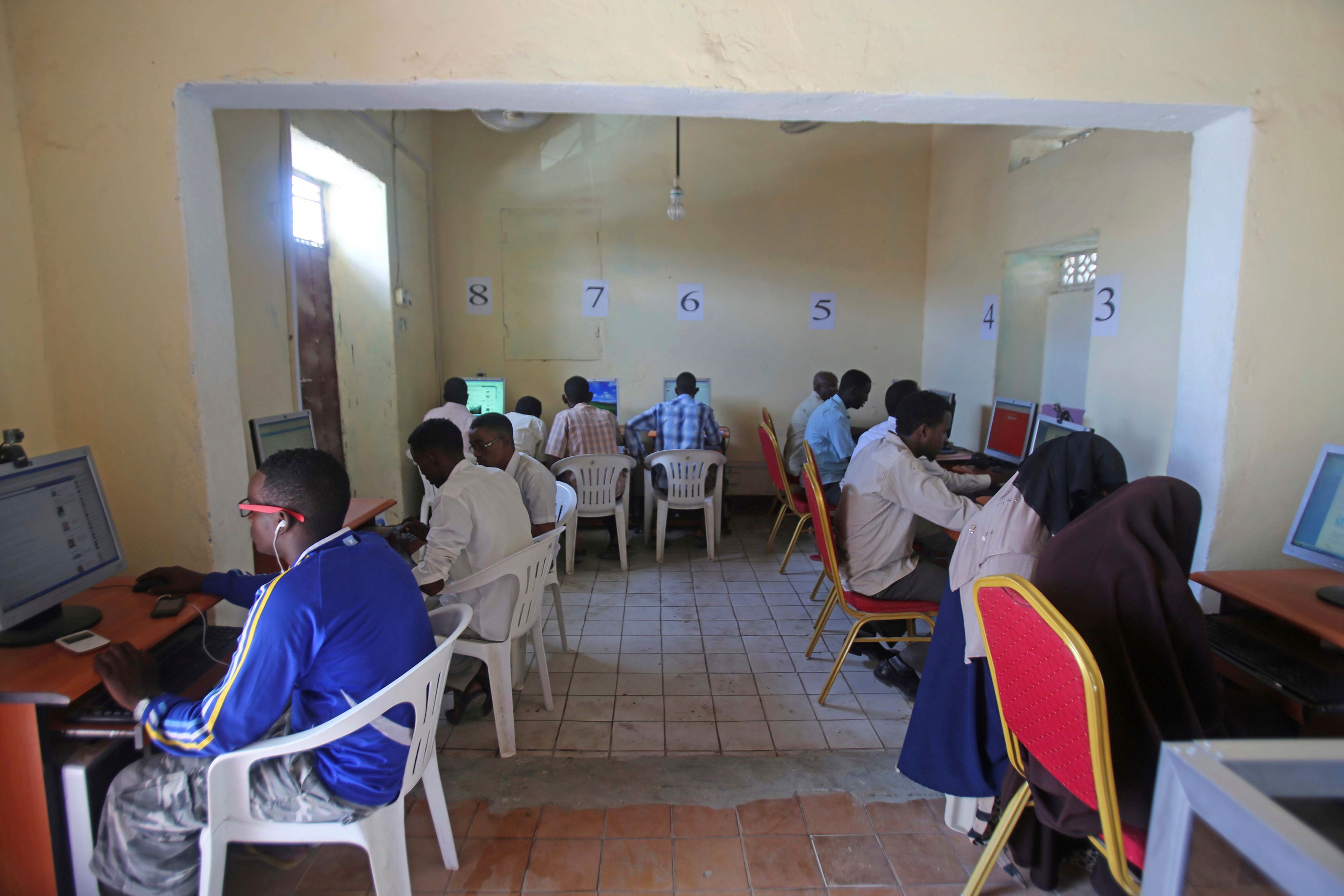
Algorithms in turn influence what people, including the media, see or don’t see, and they possess the power to either amplify or marginalise certain content and determine what information users are exposed to and also the influence of misinformation and disinformation.
Since journalism deals with facts, it must provide a platform to all parties or opinions, so that they can feel their voice has been represented. Audience engagement is vital in the digital era, where the audiences feel they are also heard.
Patriotism Versus Professionalism
The digital era is exposing people to diverse sources of information, and audiences tend to trust and listen to what they believe in. “If you report on what they feel is right, they will trust you; otherwise, they won’t trust you. That's why we’ve seen both polarised audiences and media houses,” said Moses, another journalist from Burundi. “From this perspective freedom of speech is constrained where certain newsrooms work to satisfy or meet the audience's expectations, rather than reporting independently.”
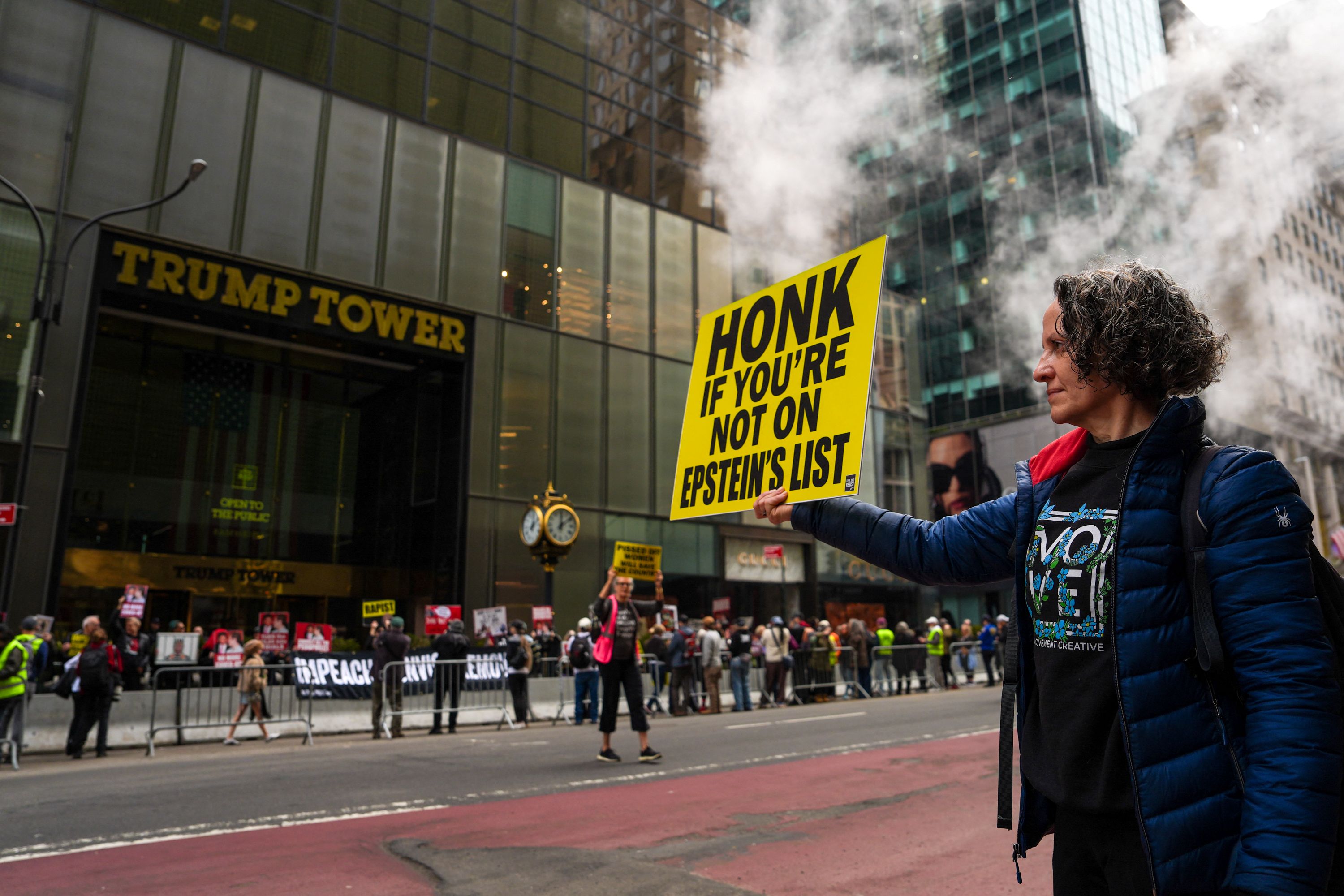
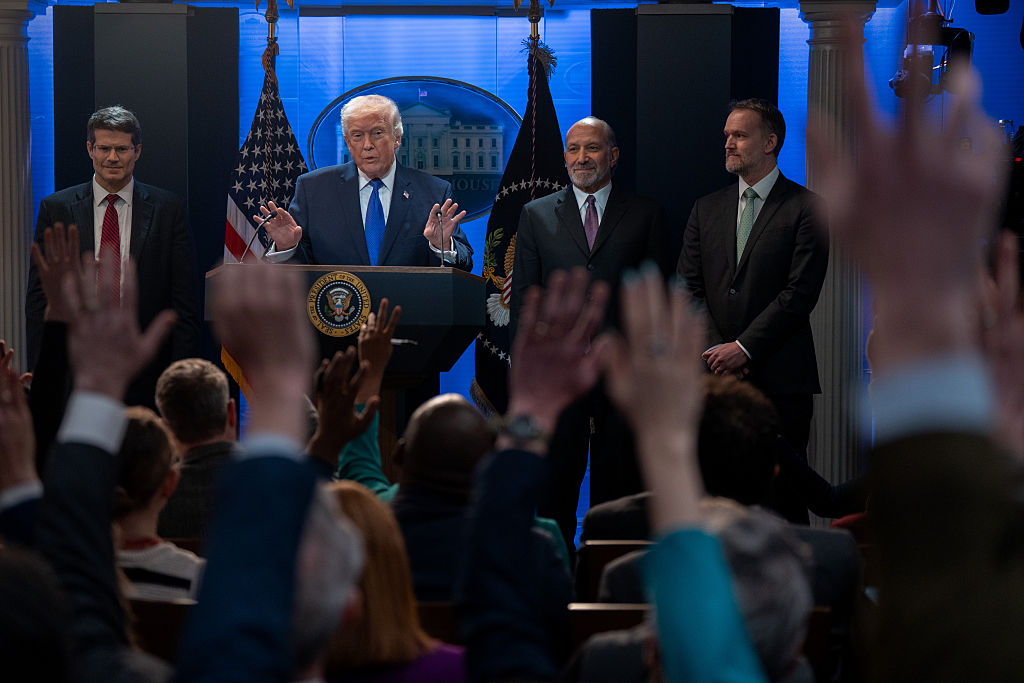
In the US, Donald Trump has been waging a war against so-called fake news outlets, who he accuses of fighting against his ideals. A September 2023 post on Truth Social accused NBC of “Country Threatening Treason. Why should NBC, or any of the other corrupt & dishonest media companies, be entitled to use the very valuable airwaves of the USA, FREE?”
A sense of belonging and willingness to exhibit patriotism create a tension, demanding social conformity at the expense of professionalism, sometimes overlooking journalism ethics. Some, seeking to put their nation first, enticed by advertisements, may feel a sense of patriotic responsibility and fear being perceived as hostile to their own country. In the end, the biggest fight is how to inform without compromise or preserve social stability.
In face of all these pressures, media outlets are finding ways to cope, including adjusting their editorial strategies, by offering more attractive headlines, shorter formats, and wider distribution across multiple channels. “Faced with this dynamic, newsrooms are strengthening fact-checking, focusing on greater transparency, more strictly regulating their online presence, and encouraging participatory formats to rebuild connections with their audiences,” said Antéditeste.
In an article titled 'How can journalists promote social justice without sacrificing professional integrity?' Rick Dunham quoted Harriet Grant, a U.K.-based freelancer covering social affairs and human rights, who said, “It is difficult. Sometimes you have to push back a little and say, ‘I’m the journalist, and I’m deciding how this is being framed and written.’”
Besides that, journalists must stick to their ethics and code of conduct, report independently, seek the truth, and remain impartial and neutral. For the media to supersede social conformity, there must be a balanced social dialogue, where all parties are heard.
Journalists are not simply succumbing to pressure, they are inventing responses that blend caution, creativity, and digital diversification. Their major challenge remains preserving their credibility in an environment saturated with emotions, political rivalries, and algorithms.
Audience Engagement
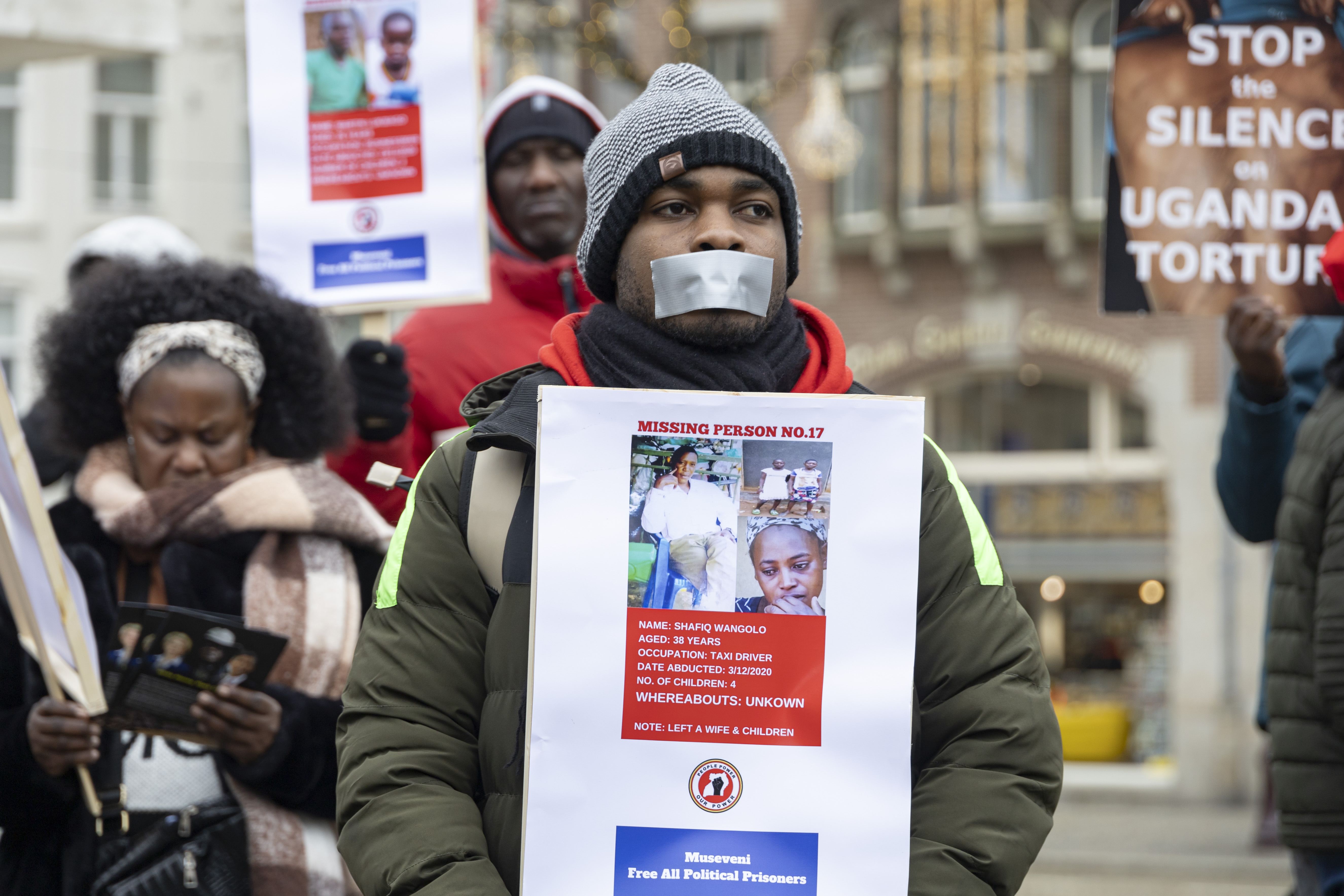
Writing on the enactment of the Cyber and Data Protection Act of 2021, Zororai Nkomo, a Zimbabwean journalist, said, “This blurring of the line between abuse and accountability creates a chilling effect. Journalists may begin to temper their language, avoid controversial subjects, or decline to publish critical commentary altogether for fear of criminal sanction. Protecting dignity should not come at the expense of silencing scrutiny.”
However, since journalism deals with facts, it must provide a platform to all parties or opinions so they can feel their voice has been represented. Audience engagement is vital in the digital era, where the audiences feel they are also heard, Moses says.
The profession is also about everybody, including authorities, giving them a chance to respond to allegations or reply to concerns, publishing trusted, fact-checked information and avoiding distortion of information amidst a barrage of demands in their profession.
Journalists, Antéditeste admits, are not simply succumbing to pressure, but they are working to transform the profession for the better.
“Journalists are not simply succumbing to pressure; they are inventing responses that blend caution, creativity, and digital diversification,” said Antéditeste. “Their major challenge remains preserving their credibility in an environment saturated with emotions, political rivalries, and algorithms.”