How Bangladesh’s Journalists Are Relearning Risk

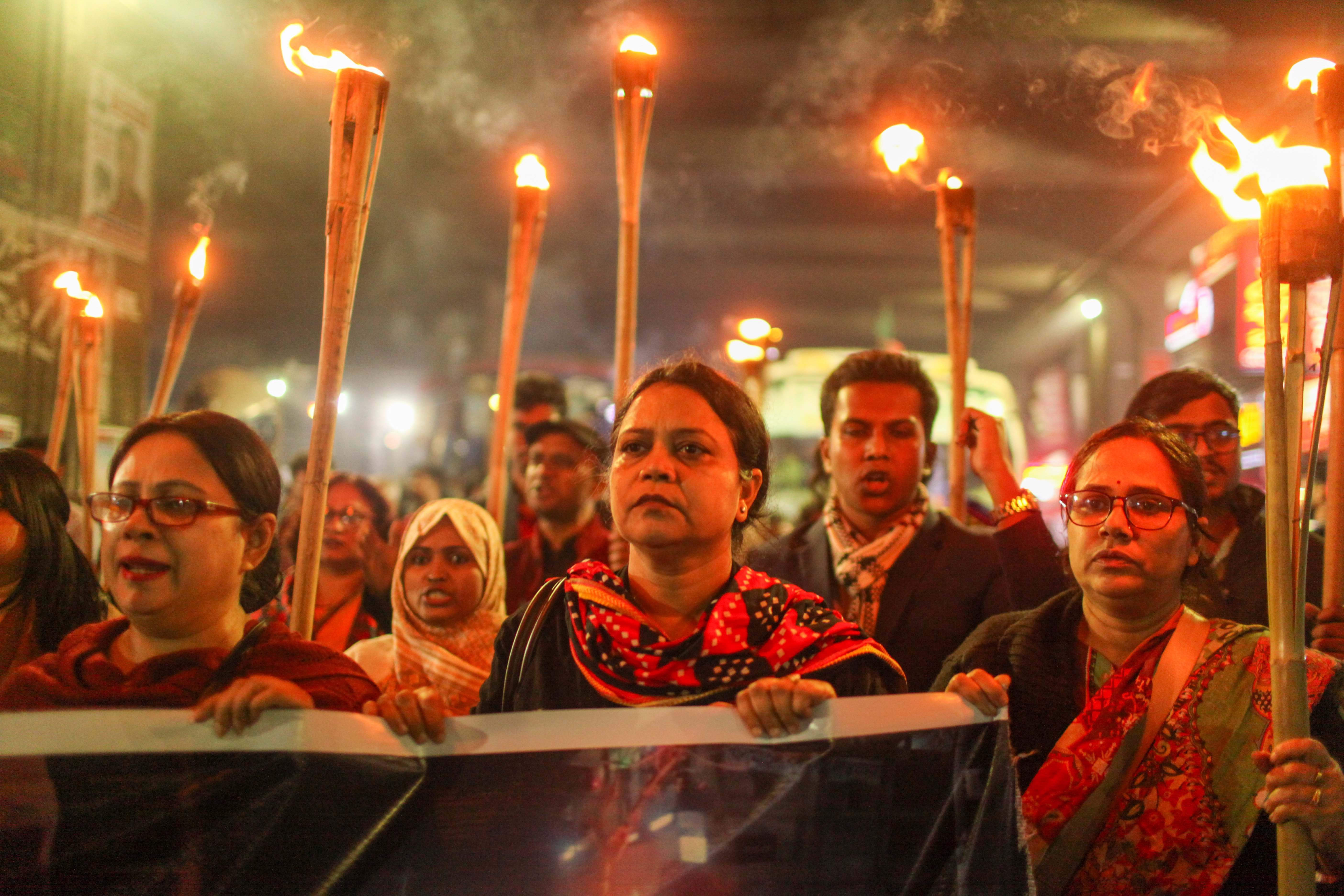
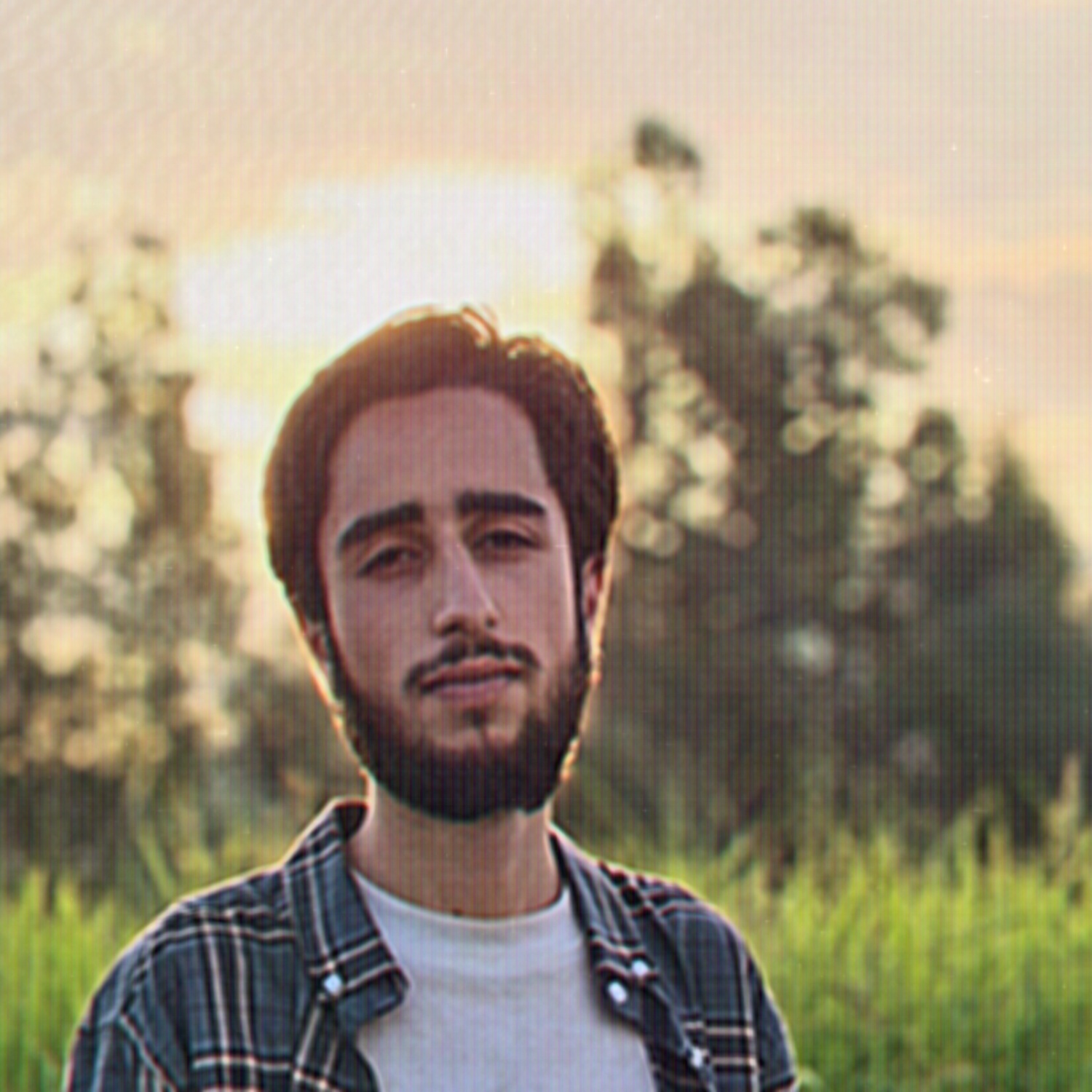
Members of the cultural organisation Udichi take part in a torch procession protesting arson attacks on the offices of Prothom Alo, The Daily Star, Chhayanaut and Udichi, in Dhaka, Bangladesh, on December 23, 2025.
Members of the cultural organisation Udichi take part in a torch procession protesting arson attacks on the offices of Prothom Alo, The Daily Star, Chhayanaut and Udichi, in Dhaka, Bangladesh, on December 23, 2025. Abu Sufian Jewel/ZUMA Press Wire

How Bangladesh’s Journalists Are Relearning Risk

The December 2025 arson attacks on Prothom Alo and The Daily Star marked a turning point for journalism in Bangladesh. As public anger replaces state control as the primary threat, reporters are reassessing personal safety, editorial judgement, and professional credibility in a political transition where journalism itself is increasingly treated as an enemy.


From the 13th floor of a neighbouring building, Galib Ashraf, senior reporter at the paper, stood watching flames tear through one of Prothom Alo’s office buildings. Below him, crowds surged and scattered as smoke thickened the air, sirens cutting through chants accusing the country’s most influential newspaper of betrayal. 

Prothom Alo operates from two buildings, and the one Galib stood in was not the one burning. Still, as fire spread and glass shattered, the distinction felt meaningless. What he was witnessing, he realised, was not just an attack on a newsroom, but a moment when journalism itself had become a target.

Around midnight on December 18, 2025, journalists and staff inside the Prothom Alo complex scrambled to escape as one building was set ablaze. On the same night, another mob attacked the offices of The Daily Star, Bangladesh’s leading English-language daily. Press freedom groups later described the assaults as among the gravest attacks on media institutions in the country’s recent history.

The violence unfolded amid nationwide protests following the death of Sharif Osman Hadi, a 32-year-old student leader who died in Singapore a day earlier while undergoing treatment after being shot by a masked gunman. Those who torched the newspaper offices accused both outlets of shaping the political narrative around Hadi’s killing, calling them “Delhi’s lapdog” and “Sheikh Hasina’s enabler.” Both newspapers have vehemently denied the allegations.

The attacks were swiftly condemned by press freedom organisations, journalist unions, and civil society groups. Yet inside newsrooms, the shock quickly gave way to deeper unease. For many journalists, the arson raised questions that extended far beyond physical security about public trust, professional identity, and how to report in a political transition where hostility toward legacy media has become increasingly overt.

What we are seeing now is a shift from institutional repression to popular violence. That makes the risks harder to calculate and much harder to protect against.


When Being a Journalist Makes You a Target

In the days following the attacks, the first change for many journalists was not editorial; it was physical.

“Today, we don’t even use our press cards in public,” said Tanjila Tasnim, a reporter with The Daily Star. “If people find out we are journalists, especially from The Daily Star, there is a fear they might attack us.”

Tasnim said editors and senior colleagues advised reporters to move cautiously, particularly while reporting in public spaces. “We are told to be very sensitive about where we go, who we speak to, and how we introduce ourselves,” she explained. Sometimes, we are told not to say we are journalists or from The Daily Star at all.” She added that the threat of further violence has not faded. “There is still a risk. People could come again.”

Galib describes a similar shift. Four days after the attack, he went to Dhaka University for work and joined a group of former students engaged in discussion. As usual, he introduced himself as a journalist from Prothom Alo. “One of the men suddenly started shouting,” Galib recalled. “He said, ‘You people are anti-democracy, anti-Bangladesh.’” Since then, Galib says he thinks twice before revealing his profession.

Today, we don’t even use our press cards in public… If people find out we are journalists, especially from The Daily Star there is a fear they might attack us.


From Predictable Repression to Mob Violence

During Sheikh Hasina’s rule, journalists faced intense pressure, but the risks, many say, were at least predictable.

'You knew the red lines,' said Nazmul Ahsan, executive editor of Netra News. Criticising the prime minister or investigating her family could lead to harassment, intimidation, surveillance, or prison.

Ahsan said pressure was often exerted indirectly. “Media owners were pressured through intelligence agencies,” he explained. And the withdrawal of government advertising, a major source of revenue, was routinely used to discipline newsrooms.

“The government was bad; no one would question that,” Ahsan said. “But it was a rational actor. You knew what would happen if you crossed the line.” What has changed since Hasina’s fall in 2024, journalists argue, is the nature of the threat itself.

“Now the danger doesn’t come from the state alone,” Ahsan said. “It comes from mobs, organised or unorganised, who decide your reporting is biased or unfair.” The problem, he added, is unpredictability. “You don’t know who they are, where the red line is, or what they might do,” he said. “They might burn down an entire building like they did in December.”

What we are seeing now is a shift from institutional repression to popular violence. That makes the risks harder to calculate and much harder to protect against.

Founded in exile in Sweden during the Awami League period, Netra News relocated to Dhaka after the interim government led by Muhammad Yunus took office in 2024. Yet Ahsan argues that journalism has become more precarious, not less.

“What we are seeing now is a shift from institutional repression to popular violence,” he told Al Jazeera Journalism Review. “That makes the risks harder to calculate and much harder to protect against.”


Who Are the Mobs, and Where Was the State?

For veteran journalist M. Abul Kalam Azad, the December attacks exposed a fragmented power landscape that emerged after Hasina’s ouster.

“During Sheikh Hasina’s time, we knew who the enemies of the media were,” said Azad, a journalist with over two decades of experience reporting on extremism and political violence. “After her fall, we thought those pressures would disappear. We were wrong.”

He described a media environment now shaped by a variety of actors: student leaders from the 2024 movement, new political parties, older ones like the BNP, Jamaat-e-Islami, and increasingly, right-wing Islamist forces. These groups, Azad noted, have rapidly become influential and place intense pressure on newsrooms. He said, “They all emerged as stakeholders almost overnight.”

“These groups, he added, have placed intense pressure on newsrooms. An independent media ecosystem has not flourished even after Hasina’s fall,” Azad said. “In some ways, it has become more fragile.”

What stunned many journalists, Azad added, wasn’t just the scale of the violence; it was the lack of state intervention. Mobs had announced plans to gather outside newspaper offices, yet security forces did not intervene. “The interim government and the security forces were watching as the vandalism unfolded,” he said.

Azad also pointed to serious allegations that certain government elements may have intentionally held back security responses. “We have strong reason to believe some people within the government prevented security forces from acting,” he claimed.

An independent media ecosystem has not flourished even after Hasina’s fall. In some ways, it has become more fragile.


"They Just Stood There"

A journalist from Prothom Alo, who spoke to AJR on condition of anonymity, described frantic attempts to seek help as the building went up in flames.

“I called a very senior government official that night,” the journalist said. “He sounded shocked and told me he was doing everything possible.”

The official reportedly made several follow-up calls and claimed to have alerted top police and law enforcement authorities. “The police arrived about 40 minutes after our building was torched,” the journalist said. “But they didn’t try to stop the crowd. They just stood there like silent spectators.” According to the journalist, the official later expressed helplessness: “I’ve informed everyone. Now I can only step down.”


Credibility, Caution, and Self-Censorship

Beyond immediate safety concerns, the attacks have led to lasting changes in how journalists report and publish.

“One clear change in my reporting is that I now verify every fact, quote, and allegation with much greater rigour,” said Asaduz Zaman of The Daily Star. “Especially in stories involving powerful individuals, institutions, or religious sensitivities.” What previously felt sufficient, multiple corroborating sources, now often requires documentary proof or on-the-record confirmation.

Zia Choudhury of The Business Standard noted that this shift spans across newsrooms. “After the attacks, most outlets have become far more cautious,” he told AJR. “There’s a real sense of self-censorship, especially around politics, religion, and minority issues.”

An independent journalist, speaking anonymously, tied the caution to a deeper public scepticism. “There’s a serious deficit in public trust toward legacy media,” he said. “Many believe the press failed to properly report human rights violations during the Hasina era.” He also pointed to rising right-wing Islamist sentiment. “When a major paper ran an op-ed about identifying signs of radicalisation in children, the backlash was immediate. That’s why mainstream media is now branded as ‘liberal’ and anti-Islamic.”

There's a serious deficit in public trust toward legacy media. Many believe the press failed to properly report human rights violations during the Hasina era.


Reporting Without Red Lines

For many Bangladeshi journalists, the December attacks marked the beginning of a more volatile era, one where professional risks are shaped not by law or policy, but by unpredictable public reaction.

“There are no red lines anymore,” said Galib. “Only reactions.”

As newsrooms overhaul safety protocols and editorial standards, a growing fear persists: journalism is no longer seen as a public service, but as a provocation.

“What worries me most,” said one local editor, “is that violence is becoming a form of media criticism.” 

In today’s climate, journalism continues not with certainty, but with caution and the uneasy hope that telling the truth won’t once again ignite flames.
 

المزيد من المقالات

السرد الصحفي أو إعادة اكشاف "اليومي المحتقر"

متى أصبح السرد في الصحافة مهما؟ وكيف تحولت التفاصيل اليومية إلى مادة أساسية للعمل الصحفي؟ وماهي الحدود بين الرواية والصحافة؟ الكاتب والروائي عبد الكريم جويطي، يؤصل في هذا المقال الجذور التاريخية لولادة "الحكاية الصحفية".

عبد الكريم جويطي نشرت في: 1 فبراير, 2026
قضايا الهجرة ومأزق التأطير في الصحافة الغربية

كيف تؤثر الصحافة الغربية في تشكيل سردية الهجرة؟ ما الأطر الصحفية الأكثر استخداما في تغطية قضاياها؟ وهل تغطية المظاهرات المناهضة للهجرة محايدة أم مؤدلجة؟ الزميلة سلمى صقر تحلل تغطيات لجانب من الصحافة الغربية تماهت مع خطاب العنصرية الذي يتبناه أقصى اليمين.

Salma Saqr
سلمى صقر نشرت في: 29 يناير, 2026
من الخبر إلى التوثيق.. دروس عملية من تغطية الحرب على غزة

منذ اللحظة الأولى لحرب الإبادة الجماعية التي شنتها إسرائيل على غزة، كان هشام زقوت، مراسل الجزيرة، شاهدًا على الجوع والدمار وجرائم الحرب، وعلى اغتيال زملائه في الميدان. إنها معركة من أجل البقاء والتوثيق، تتجاوز مجرد التغطية ومتابعة التفاصيل اليومية.

Hisham Zakkot
هشام زقوت نشرت في: 25 يناير, 2026
في غزة.. شهادات لم تُروَ

في هذا المقال يروي الصحفي محمد أبو قمر عن الكلفة الإنسانية لمهنة الصحافة تحت نار الحرب الإسرائيلية؛ من الاعتقال والتعذيب، إلى مطاردة الصحفيين بالتحريض والقتل، ثم مواصلة التغطية وسط النزوح والجوع وانهيار مقومات الحياة. نشرت الشهادة في كتاب "وحدنا غطينا الحرب" الصادر عن معهد الجزيرة للإعلام.

محمد أبو قمر  نشرت في: 22 يناير, 2026
الصحة شأن سياسي، وعلى الصحافة أن تكون كذلك

يدافع المقال عن أطروحة جوهرية مفادها أن الصحة، باعتبارها قضية مجتمعية مركزية، لا يمكن فصلها عن السياسات العامة والقرارات السياسية التي تحدد مآلاتها. ومن ثم، فإن دور الصحفي لا يقتصر على نقل المعلومات الطبية أو تبسيط المصطلحات للجمهور، بل يتجاوز ذلك إلى مساءلة السياسات الصحية بحس نقدي، وتحليل أبعادها الاجتماعية والاقتصادية والسياسية، بما يعيد النقاش إلى جوهره: الصحة كحق عام ومسؤولية سياسية قبل أن تكون شأنا تقنيا.

أنيس الجرماني نشرت في: 13 يناير, 2026
الفيلم الوثائقي القصير.. الذاكرة المضادة للإبادة

فرضت تغطية حرب الإبادة الجماعية على غرف الأخبار إيقاعا سريعا من المتابعات اليومية همش الكثير من القصص الإنسانية الصحفية. في هذه المساحة، يشتغل الفيلم الوثائقي القصير على البحث عن زوايا إنسانية تمثل امتدادا لعمل غرف الأخبار في التغطية الإخبارية، وترسيخا للذاكرة الجماعية ضد رواية الاحتلال.

بشار حمدان نشرت في: 4 يناير, 2026
كيف تجعل الصحافة أزمة المناخ قضية الناس؟

بين استيراد منظومة مفاهيم ومصطلحات غربية لا تنسجم مع البيئة العربية، وإنكار الأزمة المناخية أو العجز عن تبسيطها وشرحها للناس، تبرز قيمة الصحافة في تنوير الجمهور وإظهار أن قضايا التغير المناخي تمس جوهر الحياة اليومية للإنسان العربي.

Bana Salama
بانا سلامة نشرت في: 24 ديسمبر, 2025
كيف ولدت حركة الصحافة السرديّة في الصحافة الأمريكية المطبوعة؟

يستعرض المقال السياق الذي نشأت فيه الصحافة السردية في الولايات المتحدة منذ مقالة جون هيرسي "هيروشيما" في أربعينات القرن العشرين، وصولا إلى الصحافة "الجديدة" مع توم وولف وغاي تاليس وجوان ديديون، وكيف أسهم تبني وسائل الإعلام لهذا النمط من الصحافة في صعودها ونضوجها وترسّخ تقاليد معروفة لها في الصنعة الصحفية.

Mohammad Zeidan
محمد زيدان نشرت في: 21 ديسمبر, 2025
أي صورة ستبقى في الذاكرة العالمية عن غزة؟

أي صورة ستبقى في المخيلة العالمية عن غزة؟ هل ستُختصر القصة في بيانات رسمية تضع الفلسطيني في خانة "الخطر"؟ أم في صور الضحايا التي تملأ الفضاء الرقمي؟ وكيف يمكن أن تتحول وسائل الإعلام إلى أداة لترسيخ الذاكرة الجماعية وصراع السرديات؟

Hassan Obeid
حسن عبيد نشرت في: 30 نوفمبر, 2025
ماذا يعني أن تكون صحفيا استقصائيا اليوم؟

قبل أسابيع، ظهرت كارلا بروني، زوجة الرئيس الفرنسي الأسبق نيكولا ساركوزي، وهي تزيل شعار منصة "ميديا بارت". كانت تلك اللحظة رمزا لانتصار كبير للصحافة الاستقصائية، بعدما كشفت المنصة تمويل القذافي لحملة ساركوزي الانتخابية التي انتهت بإدانته بالسجن. في هذا المقال، يجيب إدوي بلينيل، مؤسس "ميديا بارت"، وأحد أبرز وجوه الصحافة الاستقصائية العالمية، عن سؤال: ماذا يعني أن تكون صحفيًا استقصائيًا اليوم؟

Edwy Plenel
إدوي بلينيل نشرت في: 25 نوفمبر, 2025
مذكرة BBC المسربة.. ماذا تكشف الأزمة؟

كيف نقرأ تسريب "مذكرة بي بي سي" حول احترام المعايير التحريرية؟ وهل يمكن تصديق أن الفقرة المتعلقة بالرئيس الأمريكي دونالد ترامب كانت وراء موجة الاستقالات في هرم الهيئة البريطانية، أم أن الأمر يتعلق بالسعي إلى الاستحواذ على القرار التحريري؟ وإلى أي حد يمكن القول إن اللوبي الصهيوني كان وراء الضغط على غرف الأخبار؟

 Mohammed Abuarqoub. Journalist, trainer, and researcher specializing in media affairs. He holds a PhD in Communication Philosophy from Regent University in the United States.محمد أبو عرقوب صحفي ومدرّب وباحث متخصص في شؤون الإعلام، حاصل على درجة الدكتوراه في فلسفة الاتّصال من جامعة ريجينت بالولايات المتحدة الأمريكية.
محمد أبو عرقوب نشرت في: 21 نوفمبر, 2025
ظاهرة "تجنب الأخبار".. هل بتنا نعرف أكثر مما ينبغي؟

رصدت الكثير من التقارير تفشي ظاهرة "تجنب الأخبار" بسبب الضغوط النفسية الشديدة وصلت حد الإجهاد النفسي نتيجة تلقي كميات ضخمة من الأخبار والمعلومات. ما تأثيرات هذه الظاهرة على غرف الأخبار؟ وكيف يمكن التعامل معها؟

وسام كمال نشرت في: 16 نوفمبر, 2025
الصحافة الثقافية.. تاريخ المجتمع والسلطة والتحولات الكبرى

تطورت الصحافة الثقافية في العالم العربي في سياق وثيق الارتباط بالتحولات السياسية والاجتماعية، ورغم كل الأزمات التي واجهتها فإن تجارب كثيرة حافظت على أداء دورها في تنوير المجتمع. ما هي خصائص هذه التجارب ومواضيعها، وكيف تمثلت الصحافة الثقافية وظيفتها في التثقيف ونشر الوعي؟

علاء خالد نشرت في: 13 نوفمبر, 2025
الصحافة المتأنية في زمن الذكاء الاصطناعي: فرصة صعود أم بوادر أفول؟

هل يمكن أن تساهم أدوات الذكاء الاصطناعي في ترويج وانتشار الصحافة المتأنية التي ما تزال تحظى بنسبة مهمة من متابعة الجمهور، أم ستسهم في اندثارها؟ يقدّم الزميل سعيد ولفقير قراءة في أبرز الأدوات، ويبحث في الفرص الجديدة التي يمكن أن يتيحها الذكاء الاصطناعي للصحافة المتأنية، خاصة في مجال خيارات البحث.

. سعيد ولفقير. كاتب وصحافي مغربي. ساهم واشتغل مع عددٍ من المنصات العربية منذ أواخر عام 2014.Said Oulfakir. Moroccan writer and journalist. He has contributed to and worked with a number of Arab media platforms since late 2014.
سعيد ولفقير نشرت في: 4 نوفمبر, 2025
الصحافة الثقافية التي لا تنفصل عن محيطها

الصحافة الثقافية هي مرآة للتحولات السياسية والاجتماعية، ولا يمكن أن تنفصل عن دينامية المجتمعات. من مقال "أتهم" لإيميل زولا إلى كتابات فرانز فانون المناهضة للاستعمار الفرنسي، اتخذت الصحافة الثقافية موقفا مضادا لكل أشكال السلطة. لكن هذا الدور بدأ يتراجع في العالم العربي، على الخصوص، بفعل عوامل كثيرة أبرزها على الإطلاق: انحسار حرية الرأي والتعبير.

سعيد خطيبي نشرت في: 26 أكتوبر, 2025
هل الصحافة تنتمي إلى العلوم الاجتماعية؟

فضاء القراء. مساحة جديدة لقراء مجلة الصحافة للتفاعل مع المقالات بمقاربة نقدية، أو لتقديم مقترحاتهم لتطوير المحتوى أو اقتراح مواضيع يمكن أن تغني النقاش داخل هيئة التحرير. المساهمة الأولى للزميل محمد مستعد الذي يقدم قراءته النقدية في مقال "تقاطعات الصحافة والعلوم الاجتماعية في الميدان" للكاتب محمد أحداد، مناقشا حدود انفتاح الصحافة على العلوم الاجتماعية وموقفها "النضالي" من تحولات السلطة والمجتمع.

محمد مستعد نشرت في: 22 أكتوبر, 2025
لماذا ضعفت الصحافة الثقافية العربية في الألفية الثالثة؟

تعكس أزمة الصحافة الثقافية في العالم العربية صورة أعمق لتراجع المشروع الثقافي والقيمي وانهيار التعليم وبناء الإنسان، لكن هذا العنوان الكبير للأزمة لا يمكن أن يبرر ضعف التدريب المهني والكفاءة في إنتاج المحتوى الثقافي داخل غرف الأخبار.

Fakhri Saleh
فخري صالح نشرت في: 19 أكتوبر, 2025
عن تداعي الصحافة الثقافية.. أعمق من مجرد أزمة!

ترتبط أزمة الصحافة الثقافية في العالم العربي بأزمة بنيوية تتمثل في الفشل في بناء الدولة ما بعد الاستعمار، وقد نتج عن ذلك الإجهاز على حرية التعبير ومحاصرة الثقافة واستمرار منطق التبعية والهيمنة والنتيجة: التماهي التام بين المثقف والسلطة وانتصار الرؤية الرأسمالية التي تختزل الثقافة في مجرد "سلعة".ما هي جذور أزمة الصحافة الثقافية؟ وهل تملك مشروعا بديلا للسلطة؟

هشام البستاني نشرت في: 12 أكتوبر, 2025
الثقافة والتلفزيون.. بين رهانات التنوير ودكتاتورية نسبة المشاهدة

هل يمكن للتلفزيون والثقافة أن يجدا مساحة مشتركة للتعايش والتطور، يتنازل فيها الأول عن دكتاتورية نسبة المشاهدة ومنطقه التجاري، وتتحرر الثانية من اللغة المتعالية المعقدة المنفرة؟ كيف يمكن أن تقود الصحافة الثقافية مسيرة التنوير في المجتمع؟ ياسين عدنان، الذي ارتبط اسمه بالصحافة الثقافية في التلفزيون، يبحث عن الفرص لتجويد المحتوى الثقافي وجعله أكثر تأثيرا.

Yassine Adnan Moroccan writer and media personality.
ياسين عدنان نشرت في: 5 أكتوبر, 2025
دينامية "الاقتباس": التأثير المتبادل بين الصحافة والعلوم الاجتماعية

تقارب هذه المقالة مسألة "الاقتباس" بوصفها ضرورة إبستمولوجية ومنهجية، وتدعو إلى تجاوز الثنائية الصارمة بين الحقلين من خلال تبني منهج "التعقيد" الذي يسمح بفهم تداخلهما ضمن تحولات البنى الاجتماعية والمهنية. كما يجادل المقال بأن هذا التفاعل لا يُضعف استقلالية أي من الحقلين، بل يُغنيهما معرفيًا، ويمنح الصحافة مرونة أكبر في إنتاج المعنى داخل عالم تتسم فيه المعلومة بالسيولة والتدفق.

أنس الشعرة نشرت في: 28 سبتمبر, 2025
المحتوى الثقافي على المنصات الرقمية.. من النخبوية إلى الجمهور الواسع

كنت أعيش في الخرطوم في وسط ثقافي سِمَته الأساسية النقاش المفتوح، من اللقاءات والفعاليات والمنتديات التي تُقام في معظمها بمجهودات فردية إلى بيع الكتب في ساحة “أَتِنِيّ" ون

تسنيم دهب نشرت في: 21 سبتمبر, 2025
حجب المعلومات الضارة قد يكون ضارًا

يقترح المقال اجتهادا تحريريا وأخلاقيا جديدا يقوم على السماح بذكر الجنسيات والأعراق عند تناول القضايا المرتبطة بالجرائم أو العنف لفهم الخلفيات والديناميات المجتمعية. يستند هذا الاجتهاد على الأحداث العنصرية التي تقودها جماعات من أقصى اليمين في إسبانيا ضد المغاربة بتهمة أنهم مجرمين رغم أن الأرقام والسياقات تثبت عكس ذلك.

Ilya إيليا توبر 
إيليا توبر  نشرت في: 16 سبتمبر, 2025
الصحافة ومناهج البحث الاجتماعية

عكس ما يشاع من تنافر نظري بين الصحافة والعلوم الاجتماعية، فإنهما يتداخلان على نحو معقد ومفيد لكليهما، خاصة بالنسبة للصحافة التي لا ينبغي أن تتعلق فقط بتغطية الحقائق، بل أن تنشغل أيضا بالتحقيق بشكل منهجي في الظواهر المجتمعية لإعلام الجمهور وتثقيفه. يجيب المقال عن سؤال محوري: كيف يمكن أن نُجسّر الهوة بين الصحافة والعلوم الاجتماعية؟

أحمد نظيف نشرت في: 2 سبتمبر, 2025
واشنطن بوست أو حين تصبح اللغة غطاء للانحياز إلى إسرائيل

كيف اختلفت التغطية الصحفية لواشنطن بوست لقصف الاحتلال لمستشفيات غزة واستهداف إيران لمستشفى إٍسرائيلي؟ ولماذا تحاول تأطير الضحايا الفلسطينيين ضمن "سياق عملياتي معقد؟ ومتى تصبح اللغة أداة انحياز إلى السردية الإسرائيلية؟

Said Al-Azri
سعيد العزري نشرت في: 30 يوليو, 2025