Al Jazeera Journalism Review

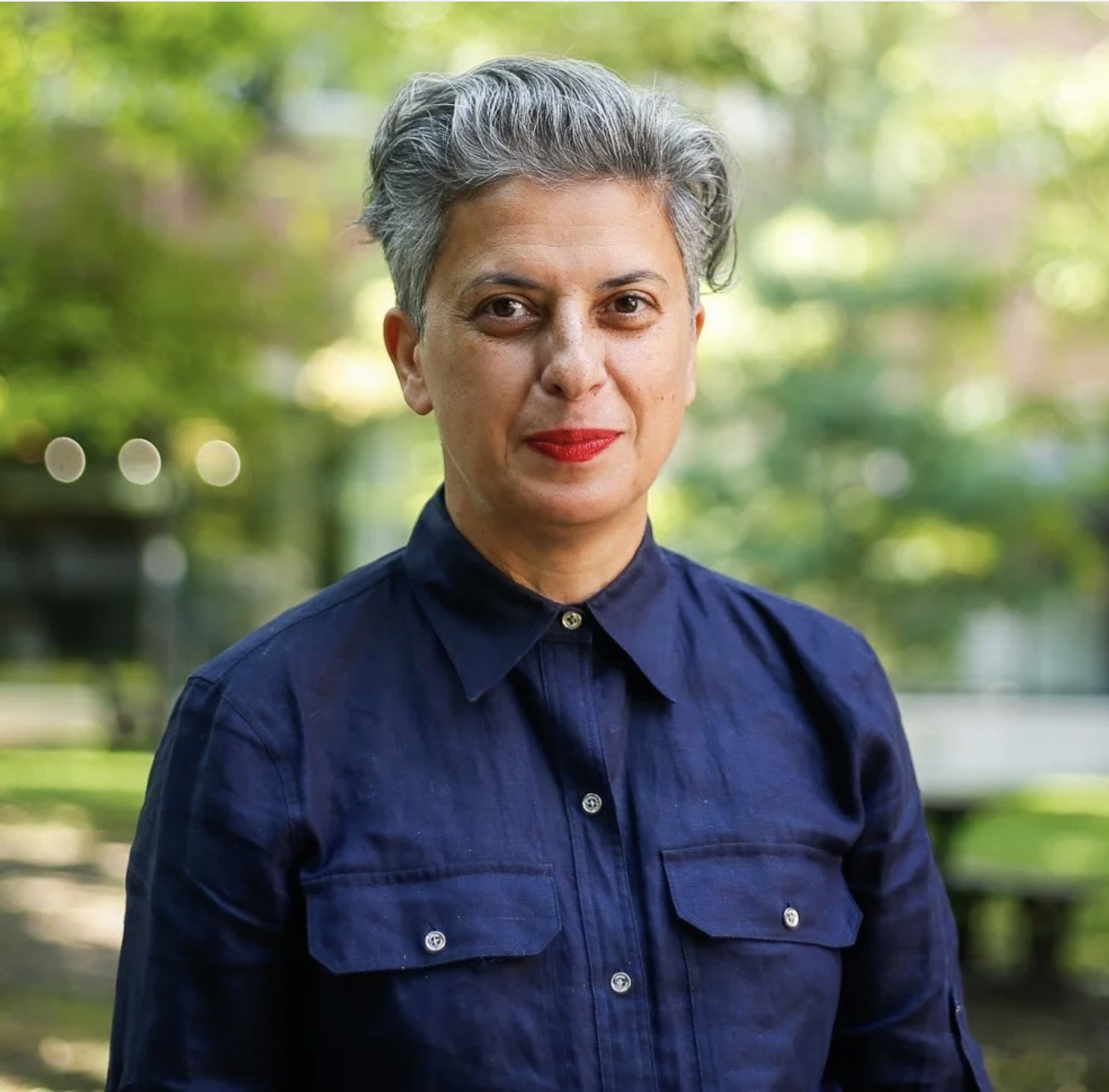
2026 state election in Baden-Württemberg. Election night in the state parliament. Before the state press conference, photographers surround the election winner, top candidate Cem Özdemir from the Greens. Stuttgart, Baden-Württemberg, Germany  By: Arnulf Hettrich / Date created: Mar 07 2026
2026 state election in Baden-Württemberg. Election night in the state parliament. Before the state press conference, photographers surround the election winner, top candidate Cem Özdemir from the Greens. Stuttgart, Baden-Württemberg, Germany By: Arnulf Hettrich / Date created: Mar 07 2026

Why Editorial Planning is Key in Today's Relentless News Cycle

In the past, having a detailed editorial plan was something extra that only some newsrooms did, but today it is a necessary part of surviving the non-stop news cycle. As newsrooms move away from old paper deadlines and into a digital world run by social media and search engines, having a clear plan is what keeps a team organised instead of stressed.


A clatter of typewriters, a haze of cigarette smoke hanging in the air and a thud of newspapers being slammed on the desks. The circling of key dates on calendars, the screech of dot matrix printers and the literal ring of the cabled telephone. 

Fast-forward a couple of decades, and the scenes inside newsrooms have changed drastically. The audiences aren’t waiting for tomorrow’s paper; they are searching for news and answers to their queries right now. The race to be the first and authentic, and the need to be a search authority now sit atop the priority list. There is also the need for cross-platform adaptation as news keeps breaking, wars keep increasing, athletes keep improving and politicians keep issuing statements. The world, and the news cycle, is complete chaos, and to make sense of all that chaos, you need editorial planning. 


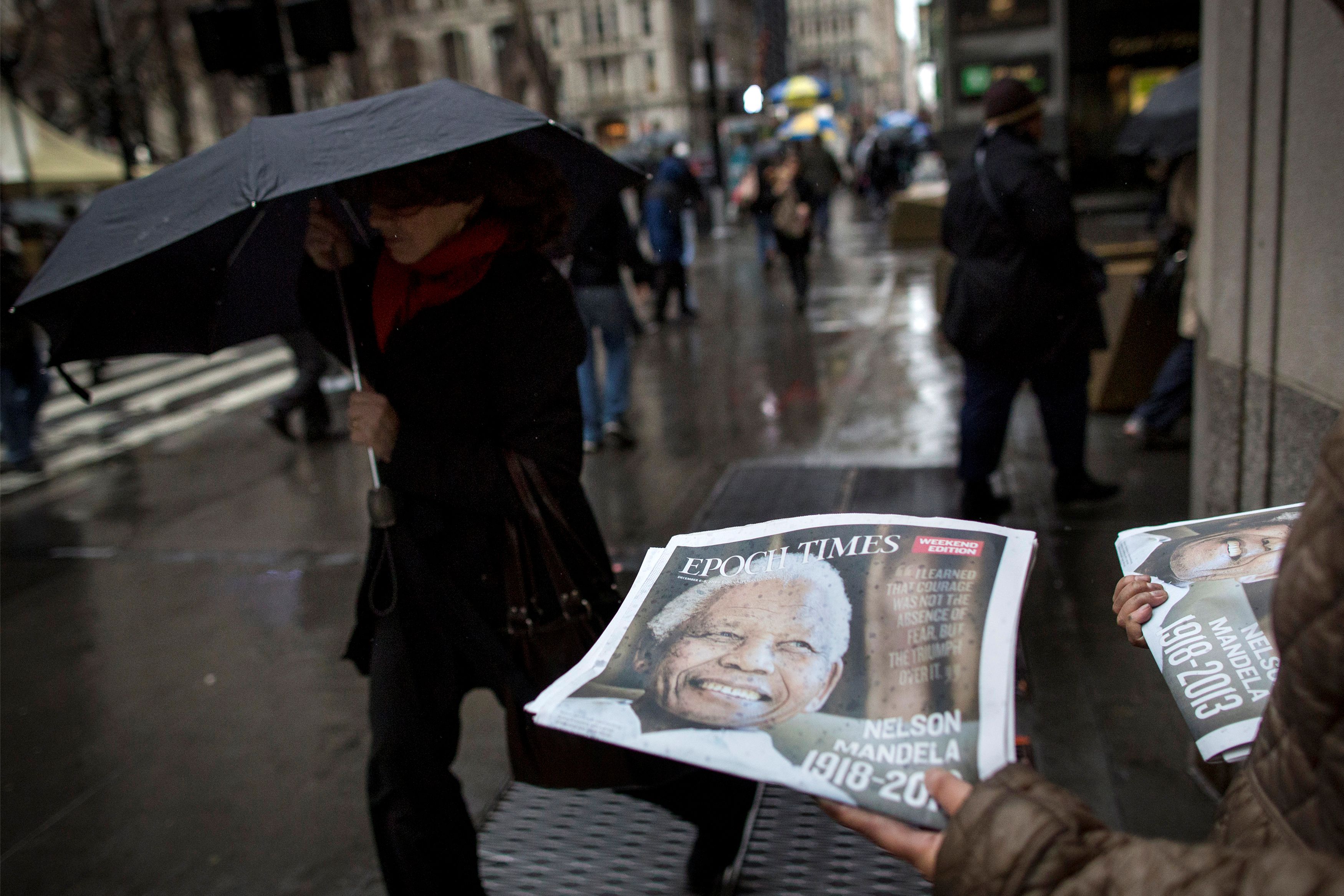
Industry Printing : The Evening Standard Newspaper Evening Standard Leaves Fleet Street Staff At The News Desk For The Last Time.  By: Ted Blackbrow / Date created: Dec 09 1988

The smell of ink has been replaced by the glow of screens. Deadlines are around the clock rather than late at night. Journalists no longer race to catch the last print run; they are competing with the production line that is social media feeds and the whims of algorithmic timelines.


What Is Editorial Planning, and Why Is It Important? 

The fast, and often furious, news landscape has its demands. To serve those demands and stay purposeful amid the noise, editorial planning has swiftly moved from being a luxury to a necessity. This planning gives shape to the chaos, linking your agenda to the events. It ensures that behind every headline, article, video, infographic and post lies a decision grounded in clarity and not just speed and baseline urgency.

This is the age that is defined by immediacy. Here, good planning is what allows a newsroom to be fast without being frantic. As we have seen, the news cycle now moves at a relentless pace, shaped by not only breaking updates but also algorithmic shifts, moving expectations and platform changes that can render your existing strategy bland and ineffective overnight. 

Amid that noise, good editorial planning provides clarity. It is what allows a newsroom to be creative, consistent, proactive and agile. All at speed. 

Editorial preparedness is ensuring that every decision – from news, features and interactives to a reel, short video or even a tweet – connects back to a shared purpose. It’s what to publish, when, why and for whom.


The Core Process of Editorial Planning  

When planning works well, it follows a clear rhythm, regardless of the size of the newsroom or organisation.

The basic process can be broken down into six steps:

  1. Idea generation:
    This comes from pitches at editorial meetings, beats, audience insights, trends and data analysis, as well as editorial calendars. 
  2. Selection and prioritisation:
    Various teams and editors will then evaluate the pitches and ideas against objectives, audience interests and resources. 
  3. Assignment and scheduling:
    Once deemed worthy, roles and responsibilities are confirmed, deadlines are set, workflows are defined and tasks commissioned. 
  4. Production and editing:
    Writers, editors, designers and the rest of the team work on it and submit it ready for rollout. 
  5. Publication and distribution:
    Stories are adapted and optimised for platforms and timing and rolled out. 
  6. Post-publication review:
    An often-forgotten step, the content that is published should ideally be reviewed for performance in order to aid future planning.

Editorial planning isn’t just scheduling and preparing in advance. It’s a strategic foresight that allows time for content creation, platform adaptation and catering to audiences’ demands. 


Planning For the Unexpected 

One thing to keep in mind is disruption, which could take the form of technical or human issues, or an unexpected, bigger event that takes priority.

Even the best plans must allow room for disruption. The ability to reprioritise quickly and efficiently is part of preparedness. 

Good editorial planning builds elasticity into timelines, workflow and the processes so that urgent events can be covered without derailing long-term projects, which can be put on the backburner. 

So, while editorial planning for the known – elections, the UN General Assembly, the release of a report, the COP summit, the meeting of regional or global heads, event anniversaries, the Olympics or a World Cup – is relatively straightforward, what happens when an unknown event hits the news? There’s a natural disaster, a major terrorist incident, the sudden retirement of a famous athlete or death of a renowned figure, a political resignation or a health emergency. That’s where previous planning comes in handy. 

Newsrooms are now fully aware of consumption habits, and as the initial breaking news story and holding content are pushed out, teams can start working in the background on how to proceed. Short-term plans are immediately put in place: commissioning of write-ups, creation of social content, sifting through social media, deciding what type of videos to prepare, deployment of reporters to location (if needed) and re-allocation of resources are all prepared in addition to the narrative and angles that need to be adapted and followed. 

Think of it as a form of structured method of survival, where key events are prepped in advance but also preparation for the unknown is already in second gear and the different teams in the newsroom are speaking the same language. 


What is Needed for Digital Preparation? 

Digital preparedness means being ready for publication before the story goes live. In digital newsrooms, that does not mean just having a text story ready, but content needs to be prepared across every aspect of the digital experience, including all major platforms and content types. It requires attention to both editorial and technical details that shape how audiences encounter content. 

Every piece of content needs to be optimised for platform requirements: headline tests, SEO, social reversioning or creating native content, and ideally alt text for visuals and accessibility compliance. It is also important to keep in mind the mobile audience, and if this is a significant figure for the organisation, content needs to be created for smaller screens. 

Digital workflows are mapped clearly. Writers, editors, designers and social producers all play distinct and significant roles, and each needs access to the same assets, deadlines and checklists.

Preparedness is about anticipating pressure points so that creativity is supported by operational reliability. And being prepared for the unknown, of course. 


Why Is It Imperative to Integrate Analytics into Planning?

Gone are the days of print, where you could count the number of newspapers sold but nothing beyond that. Now, across digital platforms – from websites to social media – individuals and organisations have an array of analytics at their fingertips.

Analytics have now become an integral part of editorial decision-making across platforms. Data reveals what audiences are consuming (notice we are saying ‘consuming’ and not ‘reading’ as we discuss digital platforms), when they are consuming it and how deeply they engage. From unique visits to key demographics, including gender, age and location, as well as time spent on page, length of video watched, bounce rate and source of traffic, the numbers are there for you to tailor your content. Used well, analytics help sharpen your editorial instinct and preparation. 

In addition, tools like Google Trends can show when interest in a certain topic is rising or peaks, informing when to publish content for maximum reach or when to resurface older but relevant material. It’s also giving you content ideas – if there is interest, and if the topic is relevant to you, it’s your chance to become part of the conversation. 

Timing is critical. A well-timed piece of content can magnify the potential audience compared to the same piece released too early or too late. Historical data can help determine optimal publishing windows by topic or platform, hence the need to learn from previous incidents or coverage. 

It’s also important to remember that data should be a guide, not an enforcer. Use it to complement and enhance your coverage, not solely rely on trending topics that may risk diluting your editorial agenda or the fear of driving audiences away. Analytics should serve the journalism that’s done by humans, not the other way around. 

So while the tools have changed, the heartbeat has not. The basics of journalism remain intact. How to deliver them has evolved and continues to do so. 

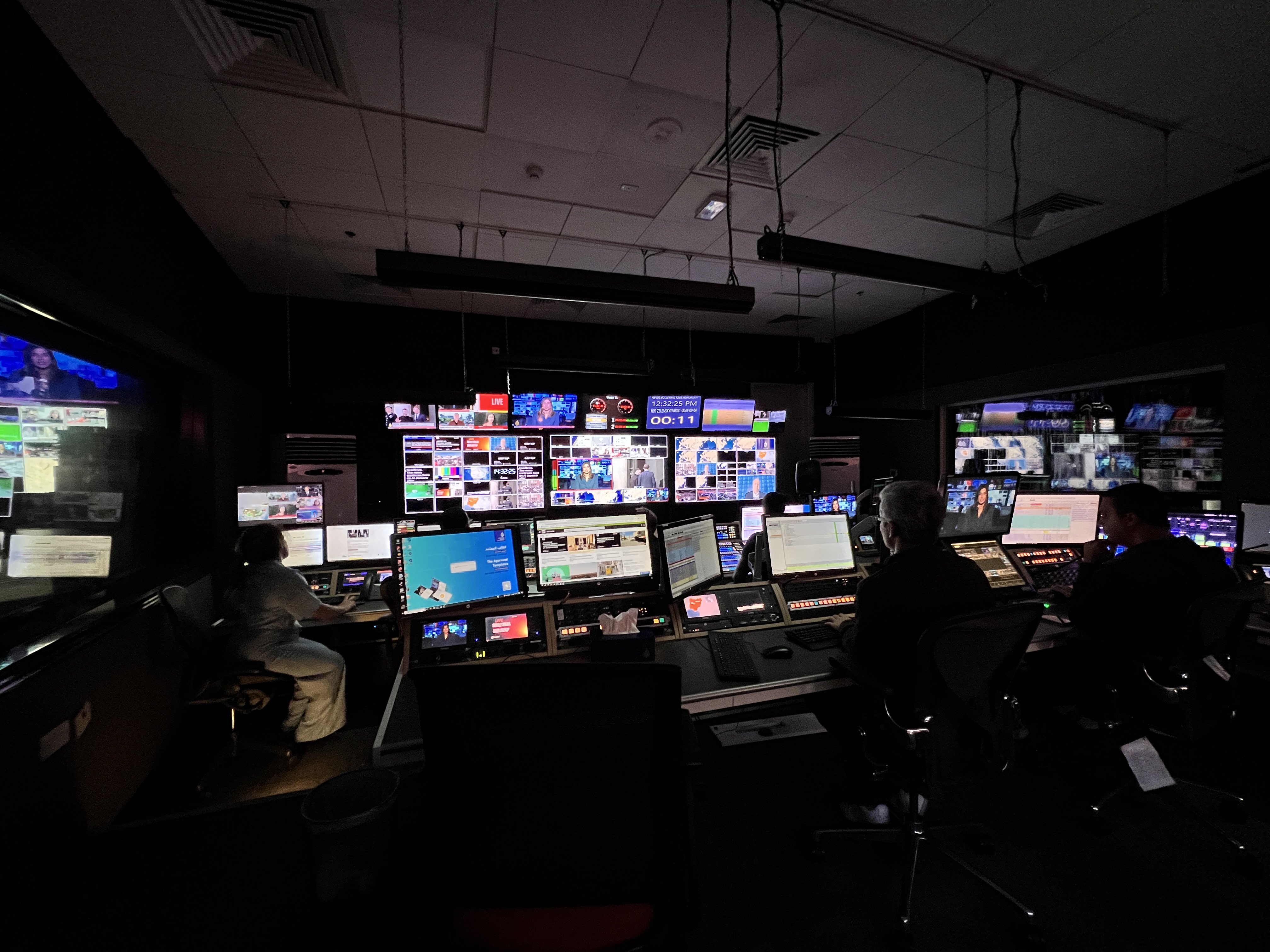
Dashboards, data feeds and notifications now fill up big screens in newsrooms. What remains constant is the need for order and to turn a flood of data into information – basically, stories that matter. 

 

Related Articles

How do we determine 'newsworthiness' in the digital age?

The relentless flow of news in the digital age has re-shaped the parameters by which we decide what is 'news' and what is not

Muhammad AlKhamaiseh Published on: 11 Sep, 2023
Virtual reality in the newsroom - placing us in the middle of the story

Journalists can use virtual reality to get a much clearer view of what is happening on the ground during conflict or other major events. This is how it works

Hadeel Arja Published on: 23 Jun, 2022
AI in the newsroom - how it could work

AI is now our colleague in the newsroom and is poised to become even more helpful as it gets smarter and we see more opportunities - we look at the potential uses and problems

KA
Konstantinos Antonopoulos Published on: 22 Jun, 2023
How are cell phones changing the face of journalism?

In this new era of narratives, whoever can tell stories better will come out on top.

A picture of the author, Faten Jebai.
Faten Jebai Published on: 28 Feb, 2021
Investigative Journalism: How to Develop and Manage your Sources

Your sources are the backbone of any investigation. In Part 3 of our series on investigative journalism, we look at how to find, foster and manage them

A picture of the Al Jazeera Media Institute's logo, on a white background.
Al Jazeera Journalism Review Published on: 26 Jan, 2023

More Articles

Investigating the Assassination of My Own Father

As a journalist, reporting on the murder of my father meant answering questions about my own position as an objective observer.

Diana López Zuleta
Diana López Zuleta Published on: 16 Jan, 2026
Propaganda: Between Professional Conscience and Imposed Agendas

When media institutions first envisioned editorial charters and professional codes of conduct, their primary goal was to safeguard freedom of expression. However, experience has shown that these frameworks have often morphed into a "vast prison", one that strips journalists of their ability to confront authority in all its forms. In this way, Big Brother dons velvet gloves to seize what little space remains for the practice of true journalism.

فرح راضي الدرعاوي Farah Radi Al-Daraawi
Farah Radi Al-Daraawi Published on: 17 Oct, 2025
Narrative Without Debate: The Telegraph’s Comment Ban on Gaza Coverage

What does it mean for readers when their voices are deliberately cut off? This content analysis of The Telegraph, a UK-based conservative newspaper known for its pro-establishment stance and alignment with right-leaning narratives, shows it systematically disabled Instagram comments on Israel-Gaza posts, blocking dissent and shaping a one-sided, pro-Israel narrative.

Mohammed Ramees
Mohammed Ramees Published on: 9 Oct, 2025
Bild Newspaper: The Story of Israel’s Propaganda Machine Specializing in Anti-Palestinian Incitement

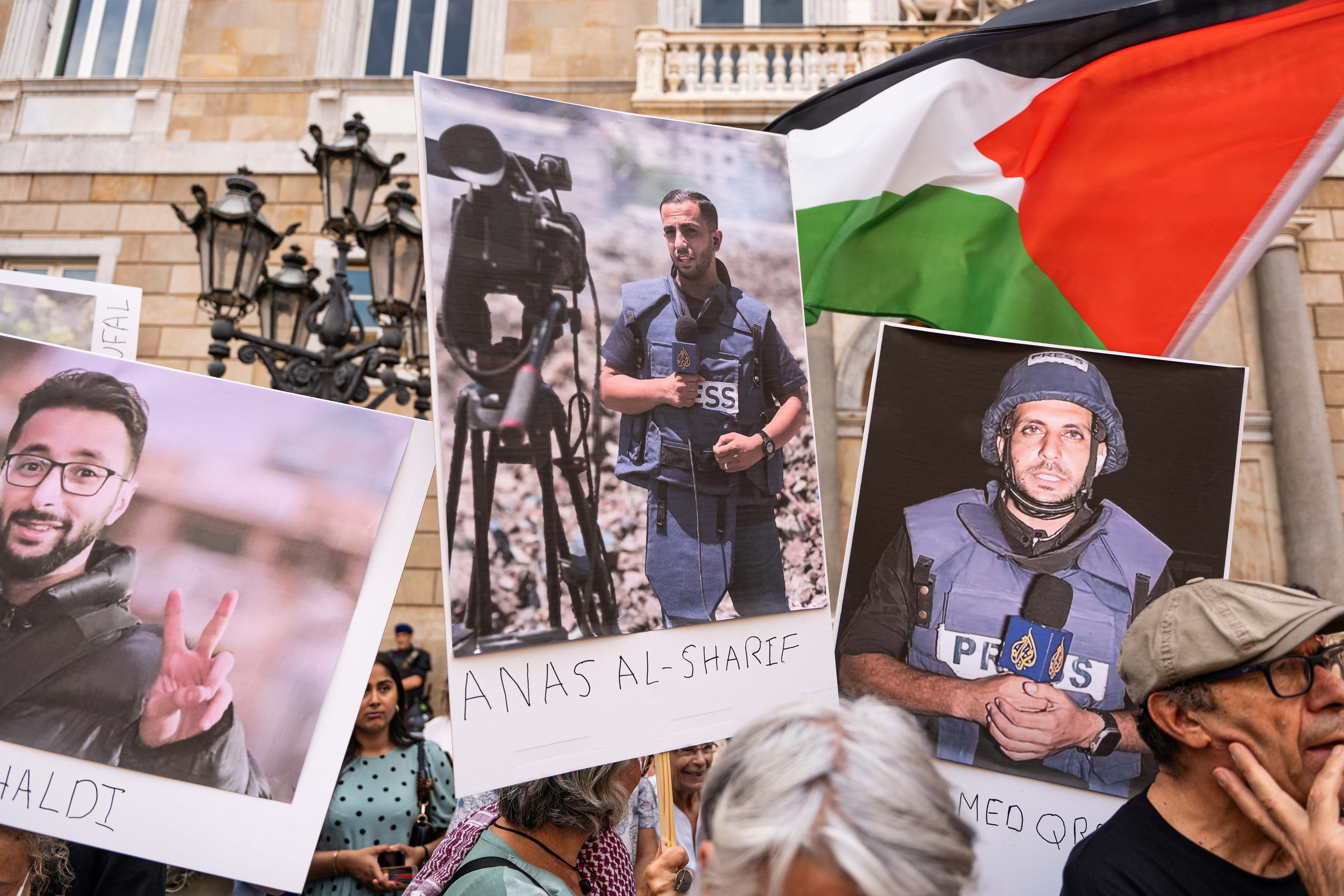
It labelled Al Jazeera journalist Anas Al-Sharif, killed by the occupation, a “terrorist”; denies famine in Gaza; trains its journalists in Israel to promote the Zionist narrative; published forged documents leaked from Netanyahu’s office; and belongs to a media group whose charter affirms “support for Israel’s right to exist”. This is Bild, Germany’s newspaper of incitement against Palestinians, cited by Israel’s president.

Al Jazeera Journalism Review
Al Jazeera Journalism Review Published on: 7 Oct, 2025
Mental Health in Newsrooms

Newsrooms, long lauded as bastions of information, are quietly grappling with a mental health crisis, underscoring an urgent need for systemic support, emotional safety, and sustainable practices to protect those telling the world’s stories.

Faras Ghani Published on: 27 Sep, 2025
The Continent Experience: A New Kind of Newspaper for the Future of Journalism

The Continent is a new way of empowering people through quality journalism, blending the authority of newspapers with the reach of 21st-century distribution. Readers love it. That’s why we built it. It’s a model other newsrooms can learn from and one that comes with its own set of challenges.

Sipho Kings
Sipho Kings Published on: 28 Aug, 2025
Anas Al-Sharif’s Killing and the Israeli Media Narrative

Following the assassination of journalist Anas Al-Sharif, Palestinian journalists have been framed in Israeli media as legitimate military targets—part of a deliberate strategy to silence those who bear witness to the truth. This article explores how Hebrew-language media outlets have engaged in rhetoric that incites and legitimises the killing of journalists in Gaza.

Anas Abu Arqoub
Anas Abu Arqoub Published on: 19 Aug, 2025
Canadian Journalists for Justice in Palestine: A Call to Name the Killer, Not Just the Crime

How many journalists have to be killed before we name the killer? What does press freedom mean if it excludes Palestinians? In its latest strike, Israel killed an entire Al Jazeera news crew in Gaza—part of a systematic campaign to silence the last witnesses to its crimes. Canadian Journalists for Justice in Palestine (CJJP) condemns this massacre and calls on the Canadian government to end its complicity, uphold international law, and demand full accountability. This is not collateral damage. This is the targeted erasure of truth.

Samira Mohyeddin
Samira Mohyeddin Published on: 14 Aug, 2025
Monitoring of Journalistic Malpractices in Gaza Coverage

On this page, the editorial team of the Al Jazeera Journalism Review will collect news published by media institutions about the current war on Gaza that involves disinformation, bias, or professional journalistic standards and its code of ethics.

A picture of the Al Jazeera Media Institute's logo, on a white background.
Al Jazeera Journalism Review Published on: 11 Aug, 2025
From "Death Announcement" to "Eulogy": The Obituary as a Journalistic Genre

Obituaries for influential public figures have become a recognised journalistic genre, handled by seasoned reporters in major media outlets. How did this practice evolve, what defines it professionally, and how ethically acceptable is writing obituaries in advance?

Mahfoud G. Fadili
Mahfoud G. Fadili Published on: 17 Jul, 2025
Canadian Mainstream Media’s Orientalist Stance Towards Palestinians

Canadian mainstream media manufactures consent to support Israel through biased language, withholding historical context, and conflating any criticism of the Israeli state with antisemitism. When the Canadian mainstream media covers the question of Palestine, they usually frame it as a religious issue and withhold the historical and socio-political context.

Sarah Samuel
Sarah Samuel Published on: 14 Jul, 2025
Digital Dependency: Unpacking Tech Philanthropy’s Grip on Local News in the MENA

AI-driven journalism initiatives in the Middle East, often backed by philanthropic media development projects, are reshaping local newsrooms under the influence of global tech giants. These efforts, while marketed as support, risk deepening power asymmetries, fostering digital dependency, and reactivating colonial patterns of control through algorithmic systems and donor-driven agendas.

Sara Ait Khorsa
Sara Ait Khorsa Published on: 3 Jun, 2025
News Fatigue and Avoidance: How Media Overload is Reshaping Audience Engagement

A study conducted on 12,000 American adults revealed that two-thirds feel “exhausted” by the overwhelming volume of news they receive. Why is the public feeling drained by the news? Are audiences actively avoiding it, and at what psychological cost? Most importantly, how can the media rebuild trust and reconnect with its audience?

Othman Kabashi
Othman Kabashi Published on: 25 May, 2025
Journalism Associations' Fragmentation Weakening Press Freedom in Cameroon

Cameroon's fragmented media landscape has weakened collective advocacy, allowing government repression of journalists to go largely unchallenged. As press freedom declines, voices like Samuel Wazizi's are silenced, while disunity among journalists enables impunity to thrive.

Njodzeka Danhatu
Njodzeka Danhatu Published on: 20 May, 2025
Weaponized Artificial Intelligence: The Unseen Threat to Fact-Checking

How has artificial intelligence emerged as a powerful tool during wartime, and what strategies are fact-checkers adopting to confront this disruptive force in newsrooms? The work of fact-checkers has grown significantly more challenging during the genocide in Palestine, as the Israeli occupation has relied heavily on artificial intelligence to disseminate misinformation.

Ahmad Al-Arja
Ahmad Al-Arja Published on: 18 May, 2025
Fact-Checking: The Last Line of Defense Against Occupation Propaganda in Palestine

Manipulation of information, intensive propaganda campaigns, and widespread disinformation were key features of the "narrative" battle that accompanied the war on Gaza. From the very beginning, the occupation sought to provide media cover for potential war crimes, but the work of fact-checkers exposed the foundations of its propaganda.

Khaled Attia Published on: 7 May, 2025
Verifying Information Is Not Just a Technical Process

From Context Manipulation to AI-Driven Digital Campaigns, Fact-Checkers Strive to Adapt to New Strategies and Methods of Fake and Misleading News Aimed at Constructing “Alternative Narratives.” On International Fact-Checking Day, colleague Hassan Khodary presents the experience of Sanad, Al Jazeera’s fact-checking agency, with a particular focus on its work in tracking the falsehoods within the Israeli narrative surrounding the genocide against Palestine.

 Hassan KHodary
Hassan Khodary Published on: 7 Apr, 2025
Journalist Testimonies on Western Media Coverage of the Gaza War: The Other Narrative

In this article, we compile testimonies from journalists who have criticised their own media institutions as documented in reports, letters, or interviews. Most spoke anonymously out of fear of repercussions—because freedom of expression appears protected only until it reaches the borders of Israel. At that point, constraints emerge, editorial policies shift, and the system of double standards is activated.

Al Jazeera Journalism Review
Al Jazeera Journalism Review Published on: 29 Mar, 2025
Systematic Bias: How Western Media Framed the March 18 Massacre of Palestinians

On March 18, Israel launched a large-scale assault on Gaza, killing over 412 Palestinians and injuring more than 500, while Western media uncritically echoed Israel’s claim of “targeting Hamas.” Rather than exposing the massacre, coverage downplayed the death toll, delayed key facts, and framed the attacks as justified pressure on Hamas—further highlighting the double standard in valuing Palestinian lives.

Mei Shigenobu مي شيغينوبو
Mei Shigenobu Published on: 18 Mar, 2025
I Resigned from CNN Over its Pro-Israel Bias

  Developing as a young journalist without jeopardizing your morals has become incredibly difficult.

Ana Maria Monjardino
Ana Maria Monjardino Published on: 2 Jan, 2025
Is Pakistan’s Media Ignoring Climate Change?

Pakistan's media, despite its wide reach, largely neglects climate change in favor of political and economic issues, leaving the public under-informed about the causes and consequences of climate-related disasters. As a result, many Pakistanis remain unaware of the growing threats posed by climate change, which has devastating effects on the country's economy and population, as seen in the catastrophic floods of 2022.

Faras Ghani Published on: 3 Dec, 2024
What Explains the Indian Media’s Silence on Muslim Lynchings?

A review of why the Indian media is biased in its coverage of cow vigilantes' lynchings, highlighting how the killing of a Hindu boy by such vigilantes sparked widespread outrage, while the lynching of a Muslim man over similar allegations was largely ignored, reflecting deeper anti-Muslim bias under the ruling BJP government.

Saif Khaled
Saif Khalid Published on: 11 Nov, 2024
Corporate Dominance and the Erosion of Editorial Independence in Indian Media

Corporate influence in Indian media has led to widespread editorial suppression, with media owners prioritising political appeasement over journalistic integrity, resulting in a significant erosion of press freedom and diversity in news reporting.

headshot
AJR Correspondent Published on: 3 Nov, 2024
MSNBC Deletes Interview with Journalist Criticising Western Media’s Bias Towards Israeli Narrative

MSNBC deleted an interview with journalist Jeremy Scahill after he criticised American media’s biased portrayal of Israeli actions in Gaza, condemning the framing of civilian casualties as "self-defence." Scahill argued that any discussion of Gaza’s leaders must address the broader context of occupation and longstanding injustices faced by Palestinians.

A picture of the Al Jazeera Media Institute's logo, on a white background.
Al Jazeera Journalism Review Published on: 27 Oct, 2024