Reporting and newsgathering cost money; they require time, patience and experienced personnel. However, globally limited funding is leading to a generally compromised journalism output.
Globally, the persistent lack of funding in the journalism industry is adversely affecting the final product. These operational glitches often manifest as problems, including compromised quality, a rise in clickbait to attract viewers and advertisers, safety risks, and donor dependency due to viability issues. These multiple hitches have turned some once-viable newsrooms into redundant and potentially a breeding ground for disinformation to remain profitable.
From diverse, storied encounters by journalists based in different parts of the Global South, the majority of whom have been in the profession for decades, the lack of funding has created common problems that constantly undermine the profession. Various testimonies from journalists based in Bangladesh, Cameroon, the DRC, and elsewhere map out a similar trend, threatening the profession more than many may imagine and now becoming widespread.
Fragile media industry
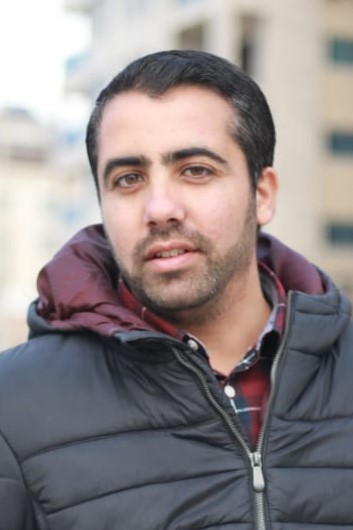
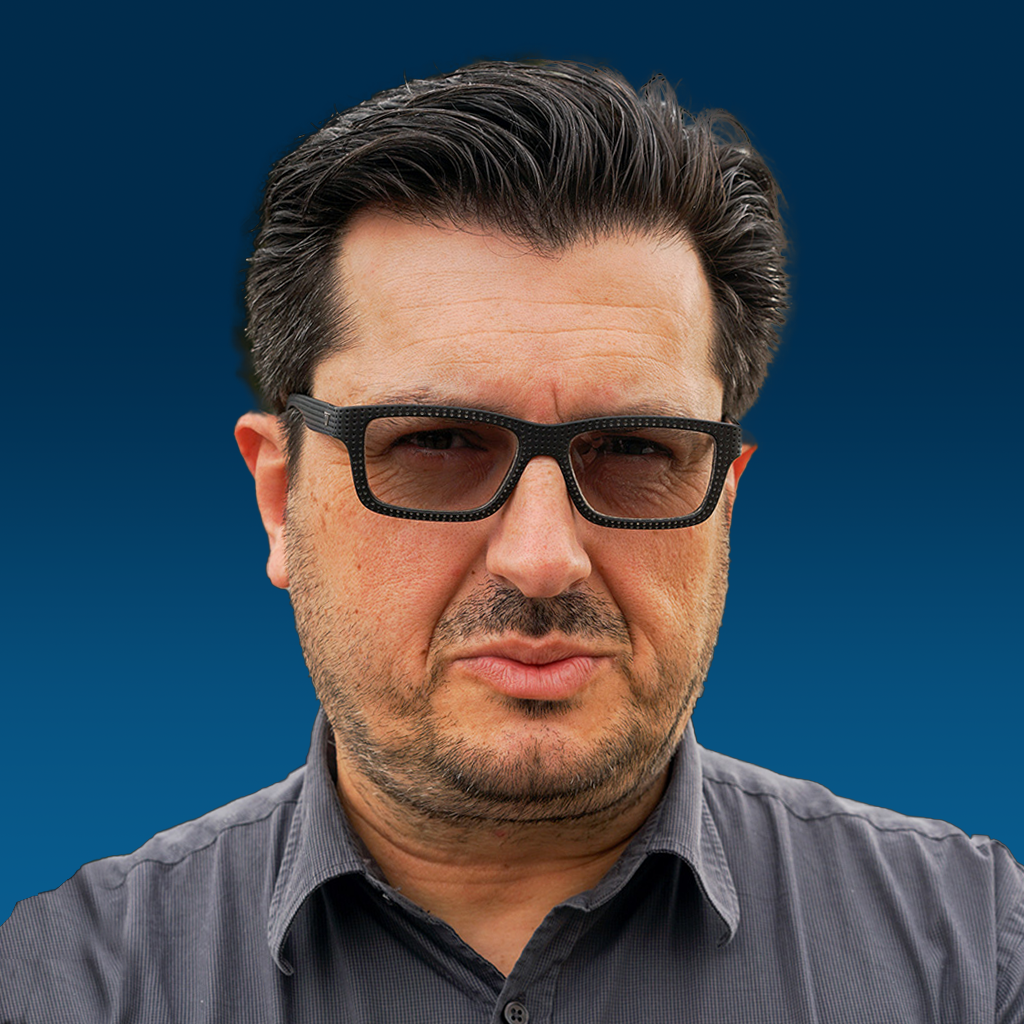
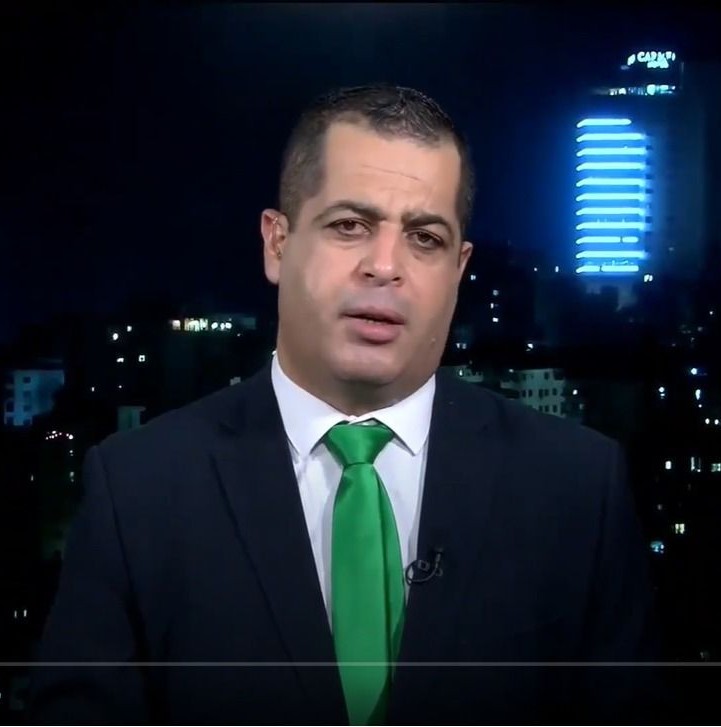
Mohammad Al Amin, a journalist from Bangladesh, where newspapers are outspoken and privately owned, notes that they remain financially fragile, resulting in visible compromises in the quality and quantity of local news. “In Bangladesh, several media outlets have been struggling with a lack of necessary funding. Lack of funding reduces the resources available for reporting, research, and investigative journalism, particularly when news organisations struggle to sustain adequate staffing and reporting networks,” said Al Amin.
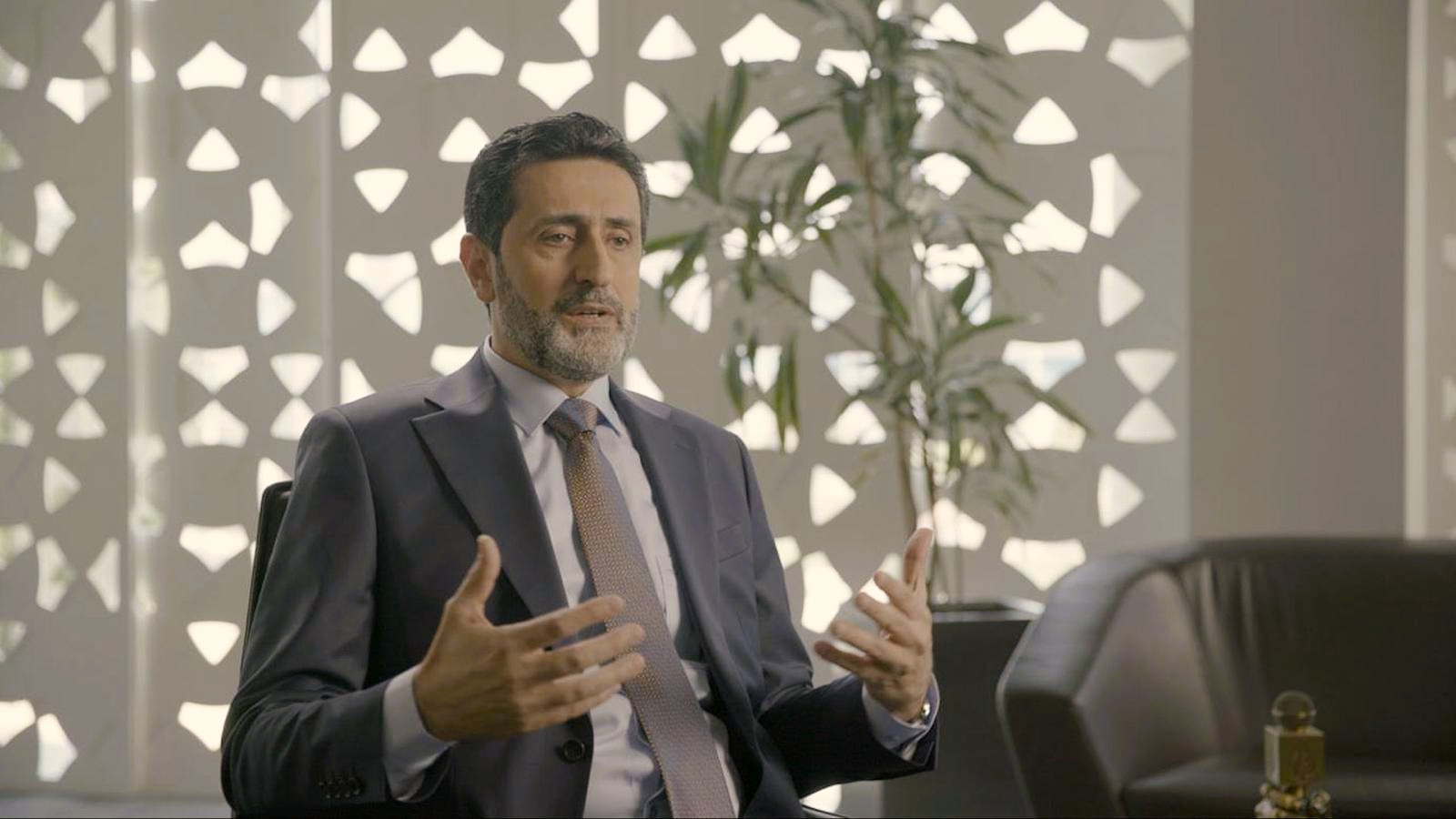
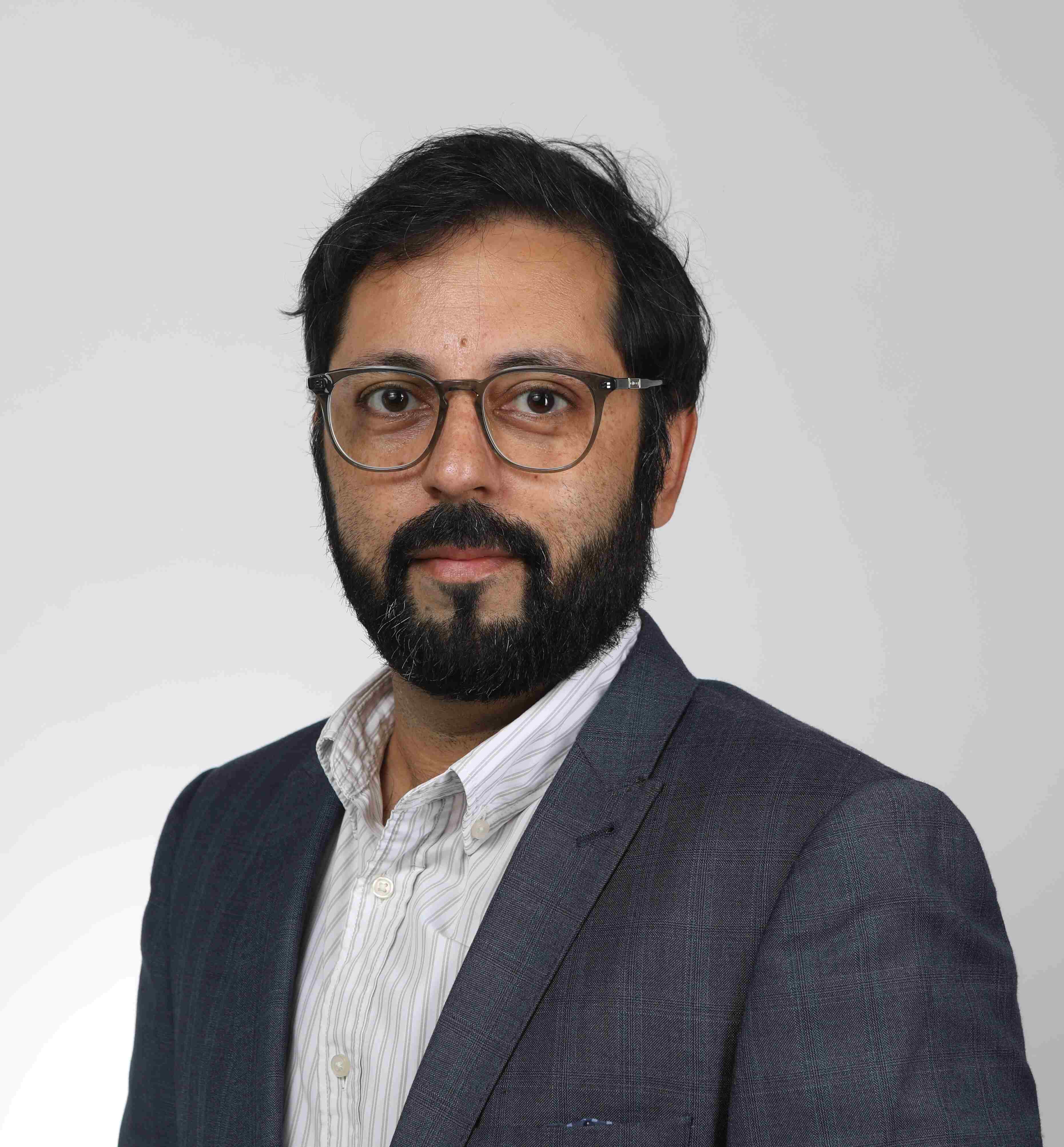
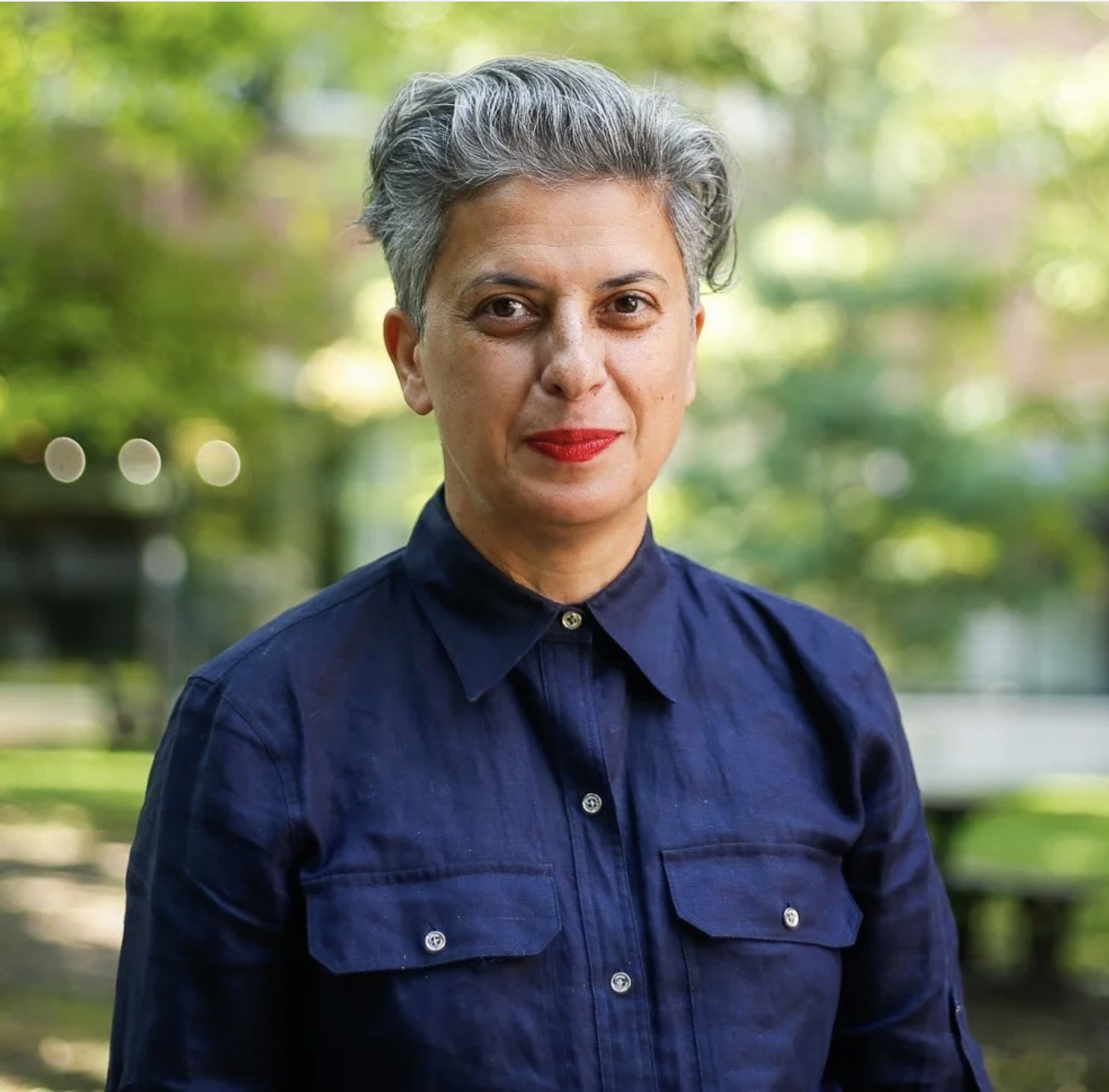
Dr Md Khorshed Alam, Associate Professor at Dhaka University's Department of Mass Communication and Journalism, speaking to the media, revealed some of the problems facing the Bangladesh media. “Bangladeshi media lag for two main reasons: a shortage of skilled journalists capable of multi-perspective analysis and fact verification, and financial unprofitability, which pushes outlets toward populist content, political influence, or even legitimising illicit funds.
Due to limited skilled personnel and training in the Bangladeshi media, Dr Alam continues, the lack of verification leads to compromised output, disinformation, fake news, and deepfakes.
Fact-checking is an inseparable part of journalism. Reporters must verify the accuracy, reliability, credibility, and objectivity of material before preparing a report. Ideally, verification is embedded in every journalist's workflow.
In all this, Al Amin concurs that Bangladesh local news suffers a notable decline, becoming the “first casualties of financial pressure, maintaining district correspondents, travelling to remote areas and independently verifying local events require money. As resources shrink, newsrooms rely increasingly on wire reports, social media or centrally produced stories, leaving many local communities underreported.”
Dangerous environments
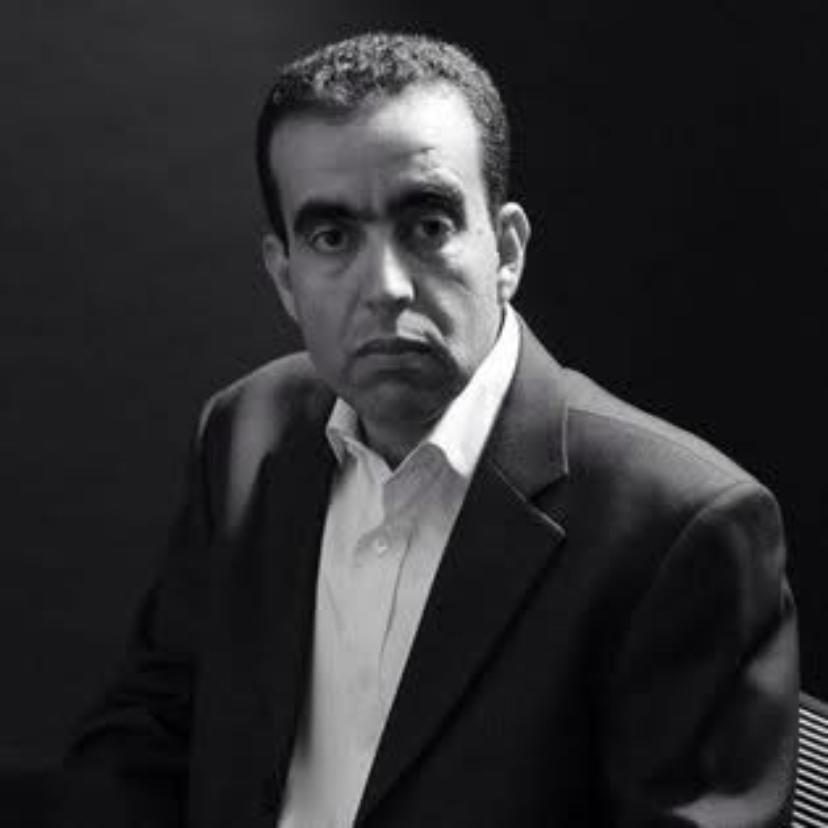
Francis Ajumane, a Journalist and Yaoundé Chapter President of the Cameroon Association of English-Speaking Journalists (CAMASEJ), has, from previous experience, witnessed how the lack of funding is gravely limiting financial independence.
“I have been in newsrooms where the salaries are not regular to come by at the end of the month, reporters lack health and social cover or even basic tools to effectively carry out their work,” Ajumane, laments. “The advertising revenues have drastically dropped, the state-owned media enjoys monopoly while the government's paltry subvention to the media is as good as nothing.”
The lack of financial independence, according to Ajumane, leads to abuse and corruption to make ends meet. “The fact that media organs are not financially sustainable makes journalists very vulnerable to various threats, with little or no health cover in most cases. We have cases of journalists who cannot afford to pay their medical bills and resort to politicians or other persons of goodwill for support. The consequence is praise singing of individuals or organisations who can support or bankroll a media organ or journalist at the expense of facts.”
Citing some examples, Ajumane tells of incidents of some journalists who have either been brutalised, arrested and detained for their reporting, and more have been forced to flee and take cover, due to the absence of protection and security. “In fact,” Ajumane boldly declares, “the media ecosystem is tailored to make the sector financially weak so it cannot flex its muscles, so journalists have to reinvent themselves to survive.”
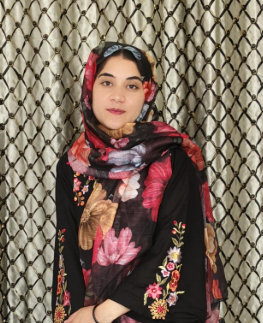
In the Democratic Republic of the Congo (DRC), Patrick Kahondwa, as a journalist, has survived the daily realities of how limited funding restricts journalists in the vast southern African country of more than 120 million people. With more than 200 African ethnic groups and more than 200 languages spoken, the barriers for any journalist are limitless, and most media outlets struggle for resources. The recent Ebola outbreak revealed the gap, due to limited training, protection and access to affected areas.
“The lack of funding has a significant impact on the quality and sustainability of journalism. It affects not only media organisations but also journalists’ ability to properly investigate and report on issues affecting communities,” Kahondwa acknowledges. “In the DRC, where many communities are already underserved, journalists often work in difficult and sometimes dangerous environments; sustainable funding is therefore essential not only for the survival of media organisations but also for access to reliable information.”
Rise of disinformation
For the majority of featured journalists, the danger of clickbait is always a concern, increased when media outlets depend heavily on advertising and online traffic, resulting in pressure to generate views and engagement. This pressure can encourage sensational headlines, exaggerated stories, and clickbait rather than well-researched and informative journalism. The rise of clickbait is also another resulting problem in Bangladesh.
In Bangladesh, advertising revenue depends heavily on audience numbers; news organizations may prioritise stories designed to attract clicks. That’s why the media pay attention to sensational headlines, celebrity content, controversy, and emotionally charged stories,” says Al Amin. “Consequently, it receives greater attention than slower, public-interest journalism. Financial difficulties compromise quality here.
For Kahondwa, the main problem is not simply the lack of money, but the general lack of sustainable financing models for journalism. Without sustainable revenue, many media outlets struggle to retain experienced journalists and to invest in development training, technology, and media coverage.
“When professional journalism is weak or underfunded, there is a vacuum that can easily be filled by social media rumours and unverified information. If journalists do not have the resources to verify information quickly, misinformation and disinformation can spread faster than accurate reporting,” says Kahondwa.
Donor dependency
Donor dependency, which has become the backbone of major funding for media organisations, particularly for investigative journalism and other specialised areas, due to inadequate capital, may pose ethical and editorial problems.
An article published by the Journalism Funders Forum said, “Donor dependency can also distort market dynamics and weaken audience engagement. Donor-funded media often neglect sustainable revenue strategies. In authoritarian or hybrid regimes, donor dependency also exposes media outlets to political pressure. These governments frequently label donor-funded organisations as “foreign agents” or tools of foreign influence, using this narrative to restrict their operations or damage their credibility.
In the DRC, Kahondwa has observed how donor dependency interferes with editorial independence, with the news following the money rather than important issues. “Sometimes, media organisations tend to focus on topics that attract funding rather than issues that communities consider most important.”