The economics of truth: How Lack of Funding is Compromising Quality Journalism in Africa

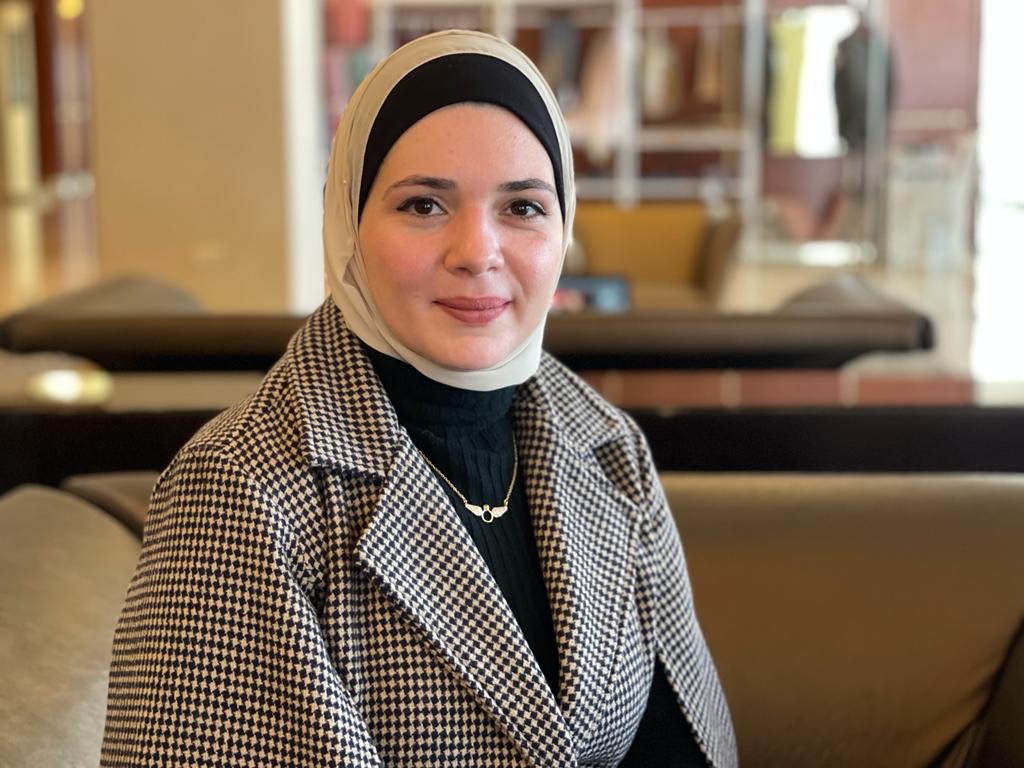
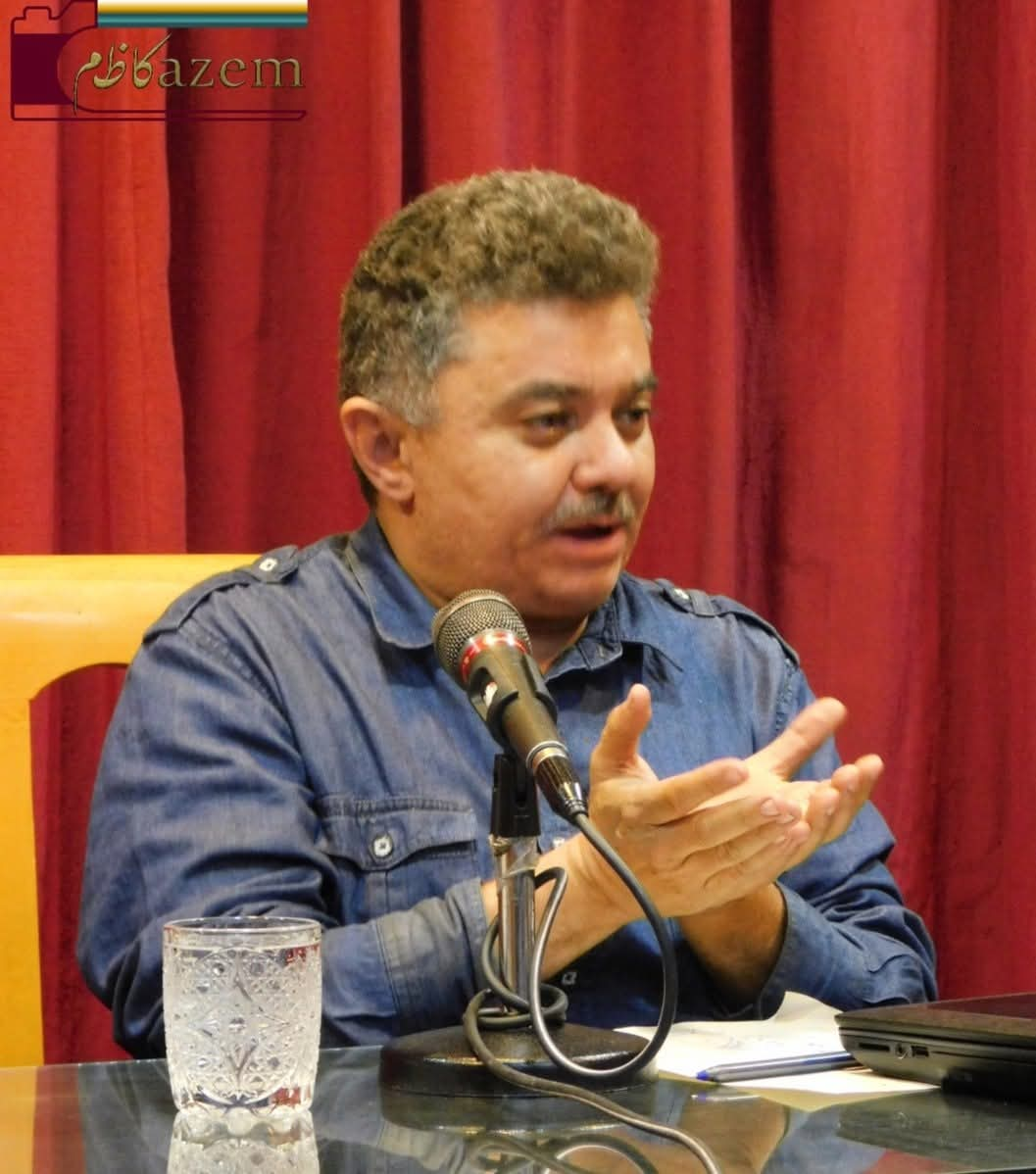
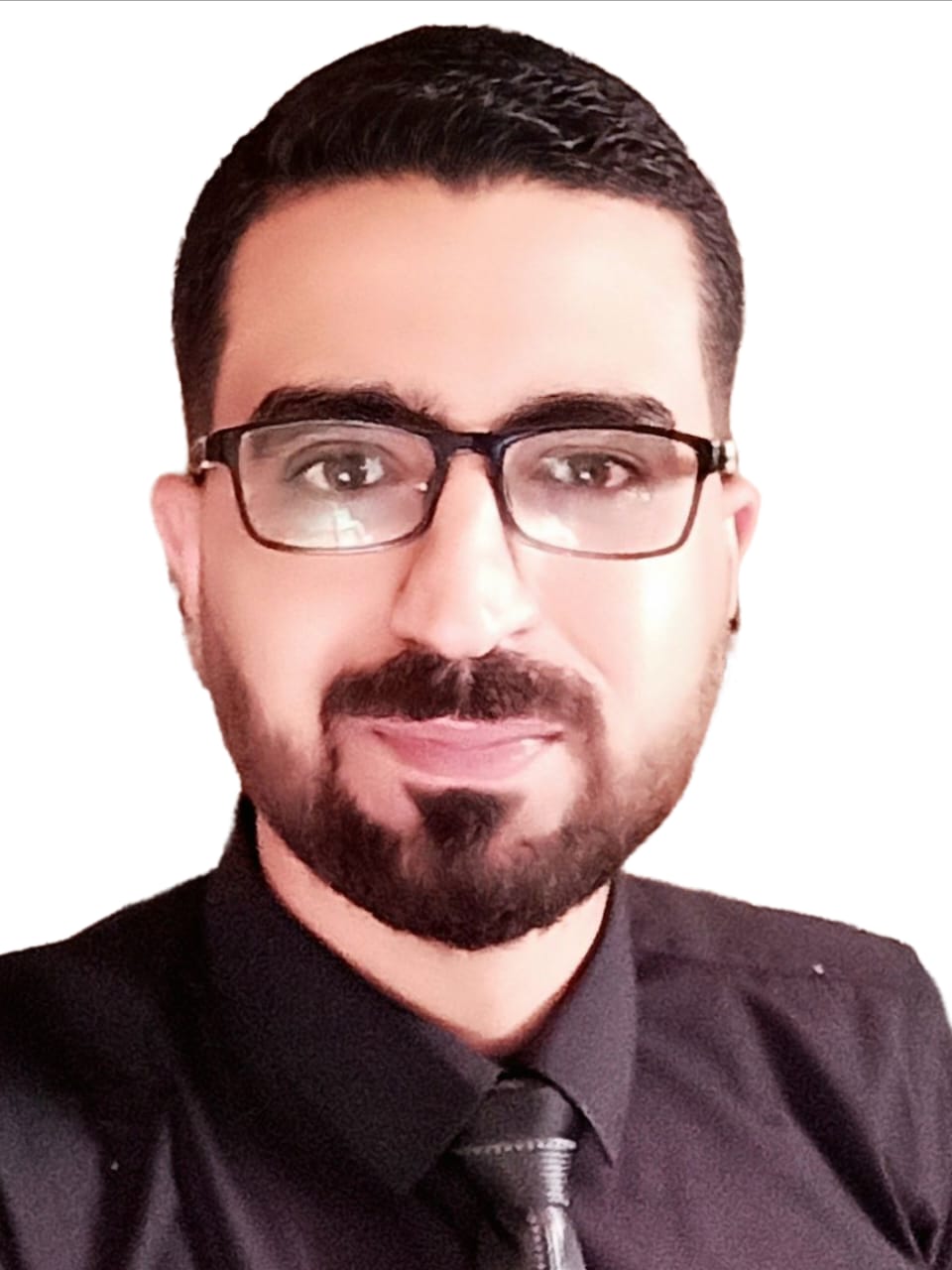
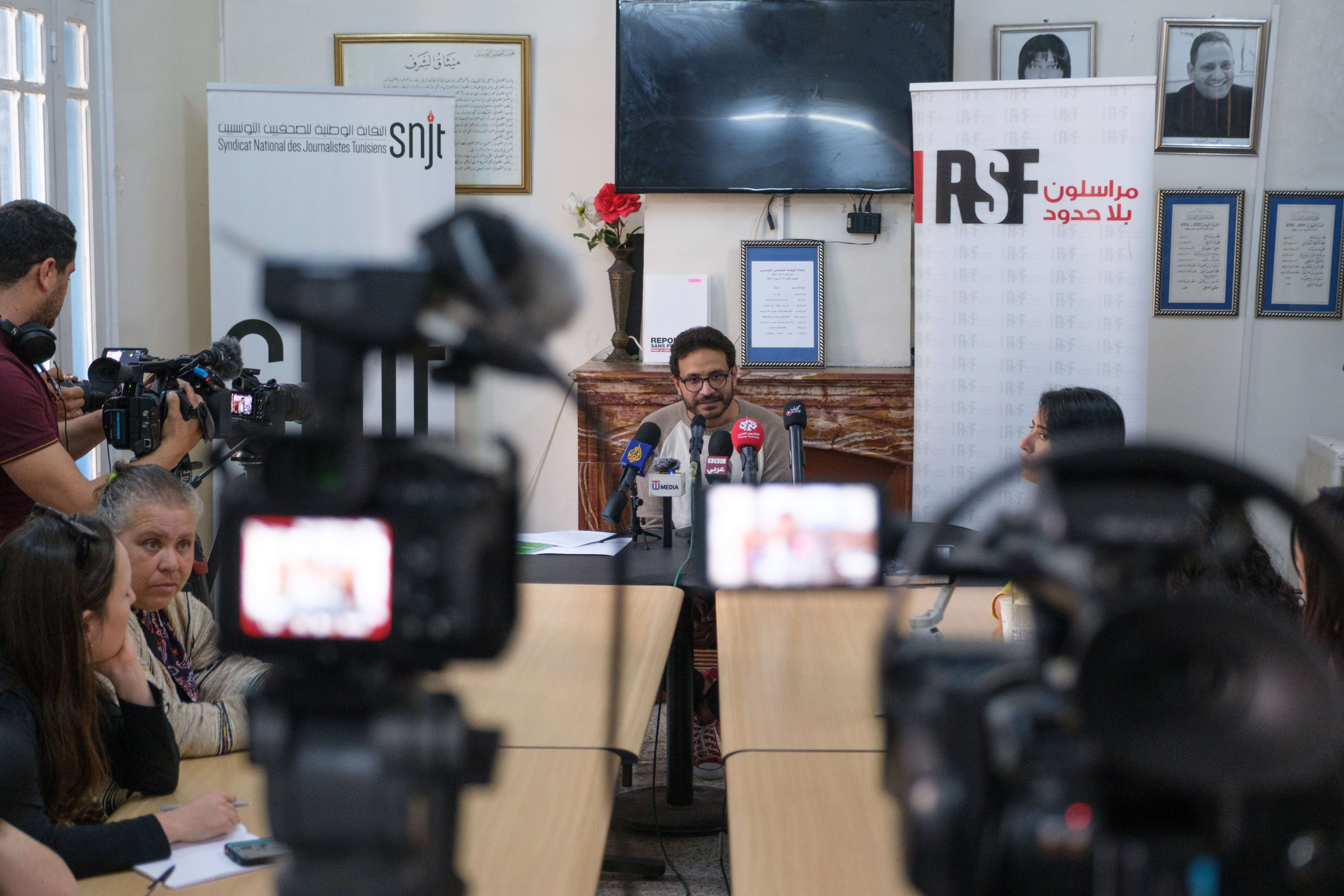
A Reporters Without Borders spokesperson presents a report outlining the rapid decline of press freedom, highlighting how mounting legal pressures and financial fragility continue to compromise journalism across Africa (Photo: Noureddine Ahmed / 30 April 2026)

The economics of truth: How Lack of Funding is Compromising Quality Journalism in Africa

Reporting and newsgathering cost money; they require time, patience and experienced personnel. However, globally limited funding is leading to a generally compromised journalism output.


Globally, the persistent lack of funding in the journalism industry is adversely affecting the final product. These operational glitches often manifest as problems, including compromised quality, a rise in clickbait to attract viewers and advertisers, safety risks, and donor dependency due to viability issues. These multiple hitches have turned some once-viable newsrooms into redundant and potentially a breeding ground for disinformation to remain profitable.        

From diverse, storied encounters by journalists based in different parts of the Global South, the majority of whom have been in the profession for decades, the lack of funding has created common problems that constantly undermine the profession. Various testimonies from journalists based in Bangladesh, Cameroon, the DRC, and elsewhere map out a similar trend, threatening the profession more than many may imagine and now becoming widespread.    


Fragile media industry 

Mohammad Al Amin, a journalist from Bangladesh, where newspapers are outspoken and privately owned, notes that they remain financially fragile, resulting in visible compromises in the quality and quantity of local news. “In Bangladesh, several media outlets have been struggling with a lack of necessary funding. Lack of funding reduces the resources available for reporting, research, and investigative journalism, particularly when news organisations struggle to sustain adequate staffing and reporting networks,” said Al Amin.  

Dr Md Khorshed Alam, Associate Professor at Dhaka University's Department of Mass Communication and Journalism, speaking to the media, revealed some of the problems facing the Bangladesh media. “Bangladeshi media lag for two main reasons: a shortage of skilled journalists capable of multi-perspective analysis and fact verification, and financial unprofitability, which pushes outlets toward populist content, political influence, or even legitimising illicit funds. 

Due to limited skilled personnel and training in the Bangladeshi media, Dr Alam continues, the lack of verification leads to compromised output, disinformation, fake news, and deepfakes.

Fact-checking is an inseparable part of journalism. Reporters must verify the accuracy, reliability, credibility, and objectivity of material before preparing a report. Ideally, verification is embedded in every journalist's workflow.

In all this, Al Amin concurs that Bangladesh local news suffers a notable decline, becoming the “first casualties of financial pressure, maintaining district correspondents, travelling to remote areas and independently verifying local events require money. As resources shrink, newsrooms rely increasingly on wire reports, social media or centrally produced stories, leaving many local communities underreported.” 


Dangerous environments 

Francis Ajumane, a Journalist and Yaoundé Chapter President of the Cameroon Association of English-Speaking Journalists (CAMASEJ), has, from previous experience, witnessed how the lack of funding is gravely limiting financial independence.  

“I have been in newsrooms where the salaries are not regular to come by at the end of the month, reporters lack health and social cover or even basic tools to effectively carry out their work,” Ajumane, laments. “The advertising revenues have drastically dropped, the state-owned media enjoys monopoly while the government's paltry subvention to the media is as good as nothing.” 

The lack of financial independence, according to Ajumane, leads to abuse and corruption to make ends meet. “The fact that media organs are not financially sustainable makes journalists very vulnerable to various threats, with little or no health cover in most cases. We have cases of journalists who cannot afford to pay their medical bills and resort to politicians or other persons of goodwill for support. The consequence is praise singing of individuals or organisations who can support or bankroll a media organ or journalist at the expense of facts.” 

Citing some examples, Ajumane tells of incidents of some journalists who have either been brutalised, arrested and detained for their reporting, and more have been forced to flee and take cover, due to the absence of protection and security. “In fact,” Ajumane boldly declares, “the media ecosystem is tailored to make the sector financially weak so it cannot flex its muscles, so journalists have to reinvent themselves to survive.” 

In the Democratic Republic of the Congo (DRC), Patrick Kahondwa, as a journalist, has survived the daily realities of how limited funding restricts journalists in the vast southern African country of more than 120 million people. With more than 200 African ethnic groups and more than 200 languages spoken, the barriers for any journalist are limitless, and most media outlets struggle for resources. The recent Ebola outbreak revealed the gap, due to limited training, protection and access to affected areas.    

“The lack of funding has a significant impact on the quality and sustainability of journalism. It affects not only media organisations but also journalists’ ability to properly investigate and report on issues affecting communities,” Kahondwa acknowledges. “In the DRC, where many communities are already underserved, journalists often work in difficult and sometimes dangerous environments; sustainable funding is therefore essential not only for the survival of media organisations but also for access to reliable information.” 


Rise of disinformation  

For the majority of featured journalists, the danger of clickbait is always a concern, increased when media outlets depend heavily on advertising and online traffic, resulting in pressure to generate views and engagement. This pressure can encourage sensational headlines, exaggerated stories, and clickbait rather than well-researched and informative journalism. The rise of clickbait is also another resulting problem in Bangladesh.  

In Bangladesh, advertising revenue depends heavily on audience numbers; news organizations may prioritise stories designed to attract clicks. That’s why the media pay attention to sensational headlines, celebrity content, controversy, and emotionally charged stories,” says Al Amin. “Consequently, it receives greater attention than slower, public-interest journalism. Financial difficulties compromise quality here.

For Kahondwa, the main problem is not simply the lack of money, but the general lack of sustainable financing models for journalism. Without sustainable revenue, many media outlets struggle to retain experienced journalists and to invest in development training, technology, and media coverage.  

“When professional journalism is weak or underfunded, there is a vacuum that can easily be filled by social media rumours and unverified information. If journalists do not have the resources to verify information quickly, misinformation and disinformation can spread faster than accurate reporting,” says Kahondwa.  


Donor dependency 

Donor dependency, which has become the backbone of major funding for media organisations, particularly for investigative journalism and other specialised areas, due to inadequate capital, may pose ethical and editorial problems.  

An article published by the Journalism Funders Forum said, “Donor dependency can also distort market dynamics and weaken audience engagement. Donor-funded media often neglect sustainable revenue strategies. In authoritarian or hybrid regimes, donor dependency also exposes media outlets to political pressure. These governments frequently label donor-funded organisations as “foreign agents” or tools of foreign influence, using this narrative to restrict their operations or damage their credibility. 

In the DRC, Kahondwa has observed how donor dependency interferes with editorial independence, with the news following the money rather than important issues. “Sometimes, media organisations tend to focus on topics that attract funding rather than issues that communities consider most important.”
 

المزيد من المقالات

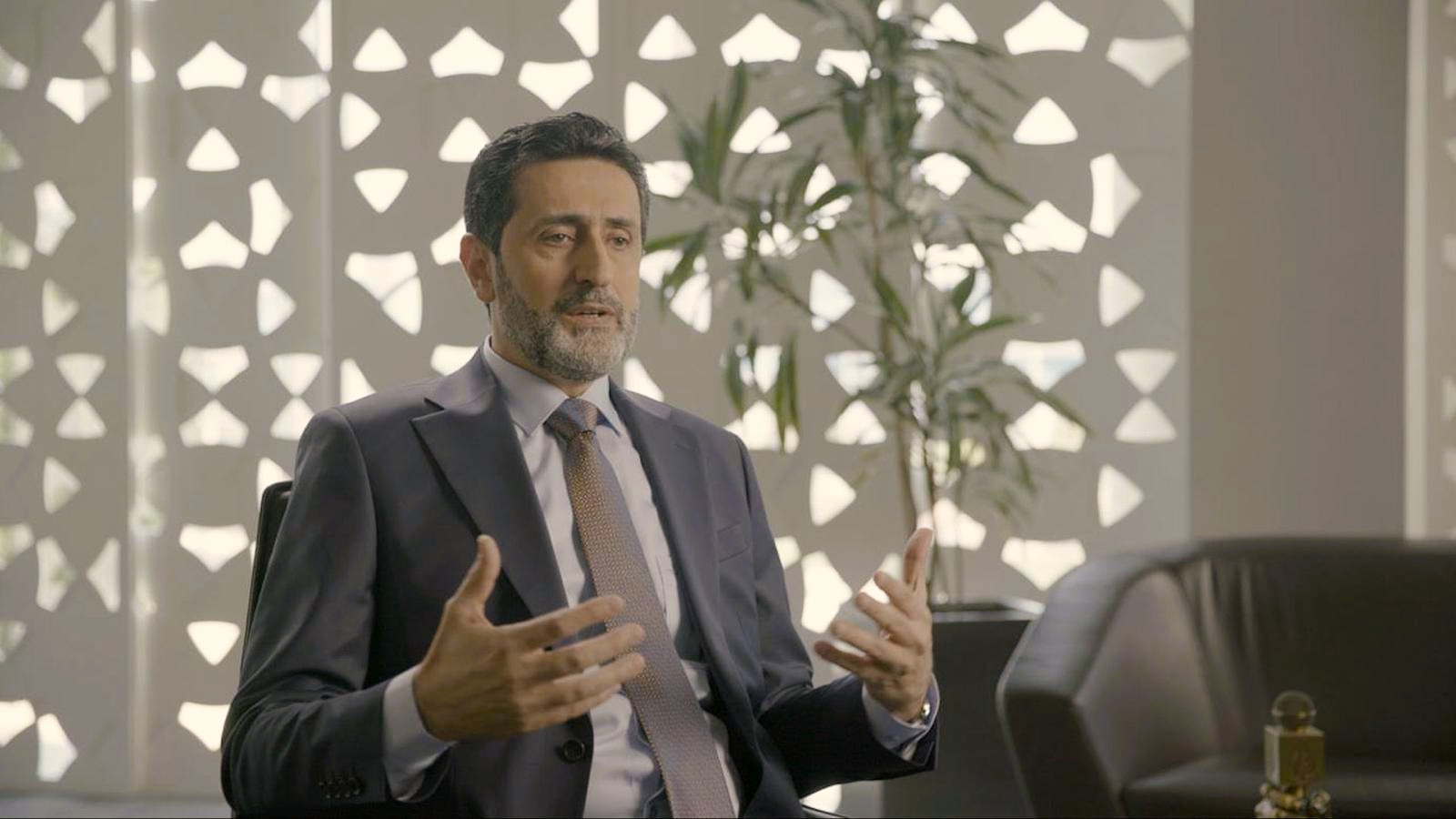
عاصف حميدي: لا نخفي الحقيقة تحت شعار التوازن

شكلت تغطية حرب الإبادة الجماعية على غزة حدثا مهنيا استثنائيا كانت فيه قناة الجزيرة في قلب المشهد، ودفع طاقمها ثمنا باهظا. في هذا الحوار، تتحدث مجلة الصحافة مع عاصف حميدي، مدير قناة الجزيرة، حول خصوصيات التغطية، وآليات التعامل مع المراسلين، وأولوية السلامة المهنية، وكواليس صناعة القرار التحريري داخل غرفة الأخبار.

Mohammed Ahddad
محمد أحداد نشرت في: 23 نوفمبر, 2025
البروباغندا بين الضمير المهني والأجندة المفروضة

حين فكرت وسائل الإعلام في صياغة مواثيق التحرير والمدونات المهنية، كان الهدف الأساسي هو حماية حرية التعبير. لكن التجربة بينت أنها تحولت إلى "سجن كبير" يصادر قدرة الصحفيين على مواجهة السلطة بكل أشكالها. وهكذا يلبس "الأخ الأكبر" قفازات ناعمة ليستولي على ما تبقى من مساحات لممارسة مهنة الصحافة.

فرح راضي الدرعاوي Farah Radi Al-Daraawi
فرح راضي الدرعاوي نشرت في: 15 أكتوبر, 2025
الصحفي الفلسطيني كعدو "يجب قتله" في الإعلام الإسرائيلي

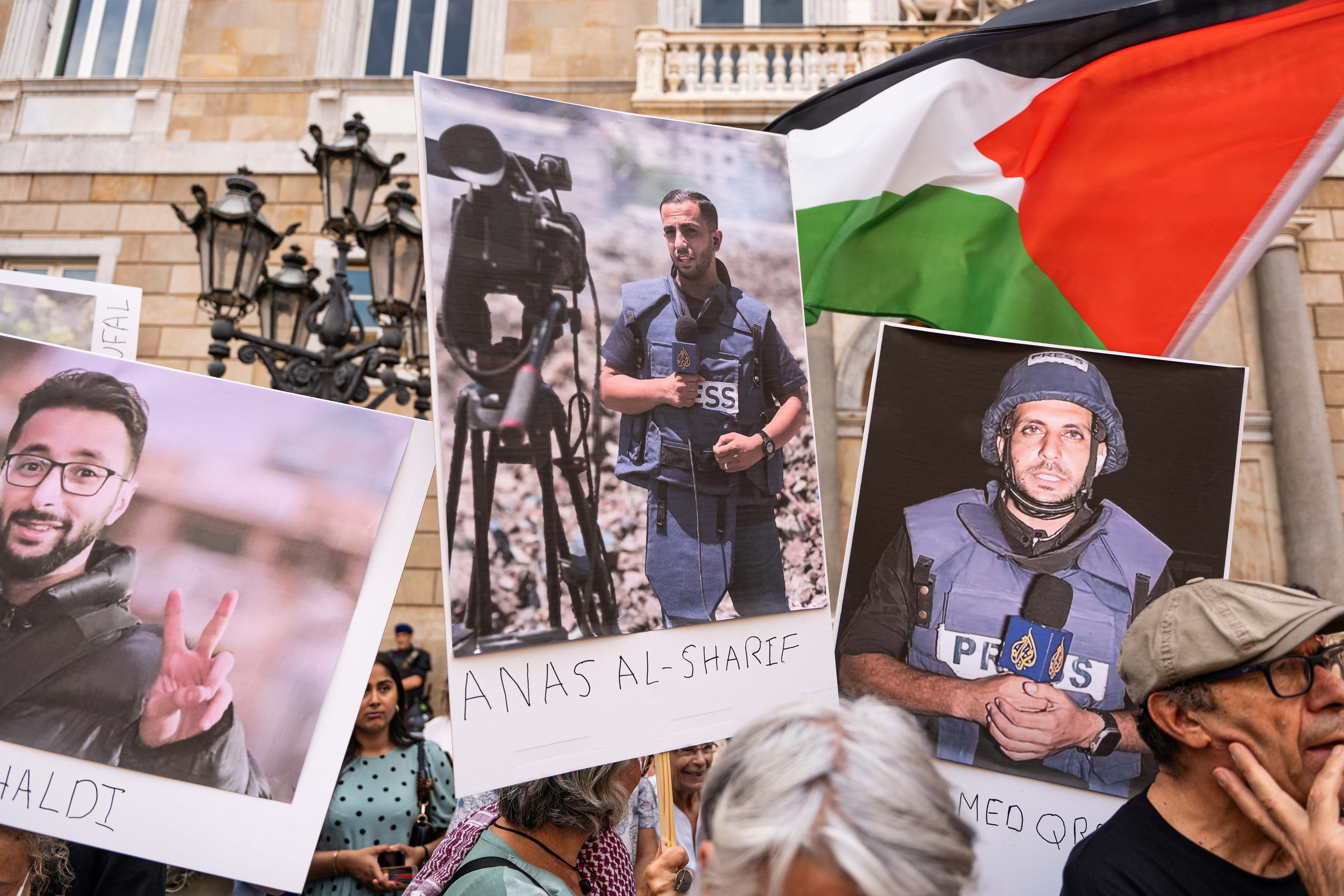
بعد اغتيال الصحفي أنس الشريف، ظهر الصحفي الفلسطيني في الإعلام الإسرائيلي كهدف عسكري مشروع ضمن إستراتيجية مصممة لإسكات شهود الحقيقة. يرصد هذا المقال جزءا من النقاشات في مؤسسات إعلامية عبرية تحرض وتبرر قتل الصحفيين في غزة.

Anas Abu Arqoub
أنس أبو عرقوب نشرت في: 14 أغسطس, 2025
صحيفة "بيلد".. قصة "ماكينة الدعاية" الإسرائيلية المتخصصة في التحريض ضد الفلسطينيين

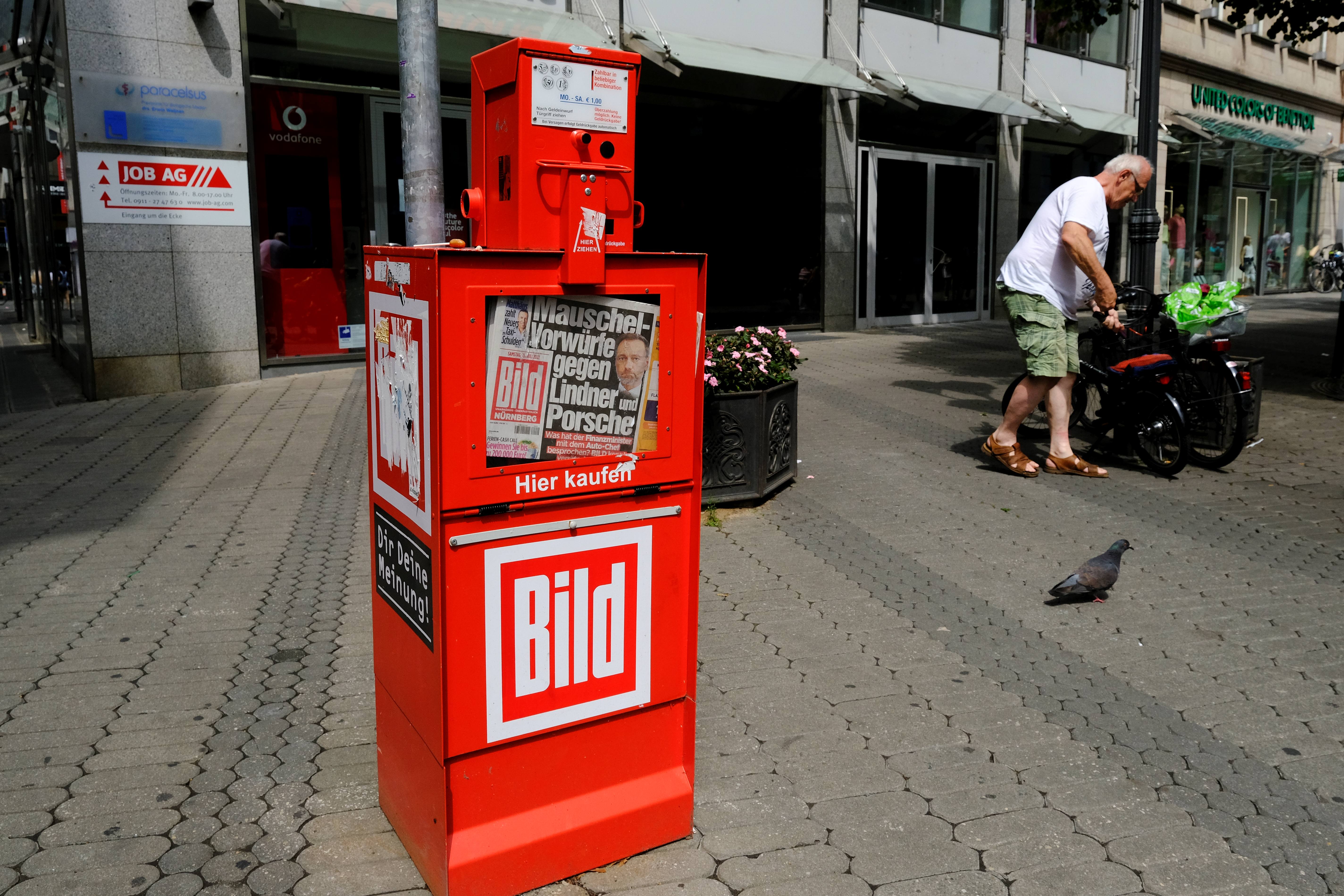
وصفت أنس الشريف، صحفي الجزيرة الذي اغتاله الاحتلال بـ "الإرهابي"، تنكر وجود مجاعة في غزة، تدرب صحفييها في إسرائيل للترويج للسردية الصهيونية، نشرت وثائق مفبركة مسربة من مكتب نتانياهو، وتنتمي إلى مجموعة إعلامية ينص ميثاقها الأساسي على "دعم حق إسرائيل في الوجود". هذه قصة "بيلد" الألمانية صحيفة التحريض ضد الفلسطينيين، التي يستشهد بها الرئيس الإسرائيلي.

Al Jazeera Journalism Review
مجلة الصحافة نشرت في: 13 أغسطس, 2025
رصد وتفنيد التغطيات الصحفية المخالفة للمعايير المهنية في الحرب الحالية على غزة

في هذه الصفحة، سيعمد فريق تحرير مجلة الصحافة على جمع الأخبار التي تنشرها المؤسسات الصحفية حول الحرب الحالية على غزة التي تنطوي على تضليل أو تحيز أو مخالفة للمعايير التحريرية ومواثيق الشرف المهنية.

Al Jazeera Journalism Review
مجلة الصحافة نشرت في: 31 يوليو, 2025
من "إعلان وفاة" إلى "مرثية".. "النعي" وقد أصبح نمطا صحفيا

أصبح النعي الإعلامي للشخصيات العامة المؤثرة نمطا/ جنسا صحفيا راسخا في الكثير من المؤسسات الإعلامية العالمية يتولاه كبار الصحفيين وأكثرهم خبرة ومعرفة. كيف تطورت هذه الممارسة وما أبرز سماتها المهنية؟ وإلى أي مدى يعتبر "تجهيز" النعي المسبق مقبولا من زاوية المعايير الأخلاقية؟

Mahfoud G. Fadili
المحفوظ فضيلي نشرت في: 13 يوليو, 2025
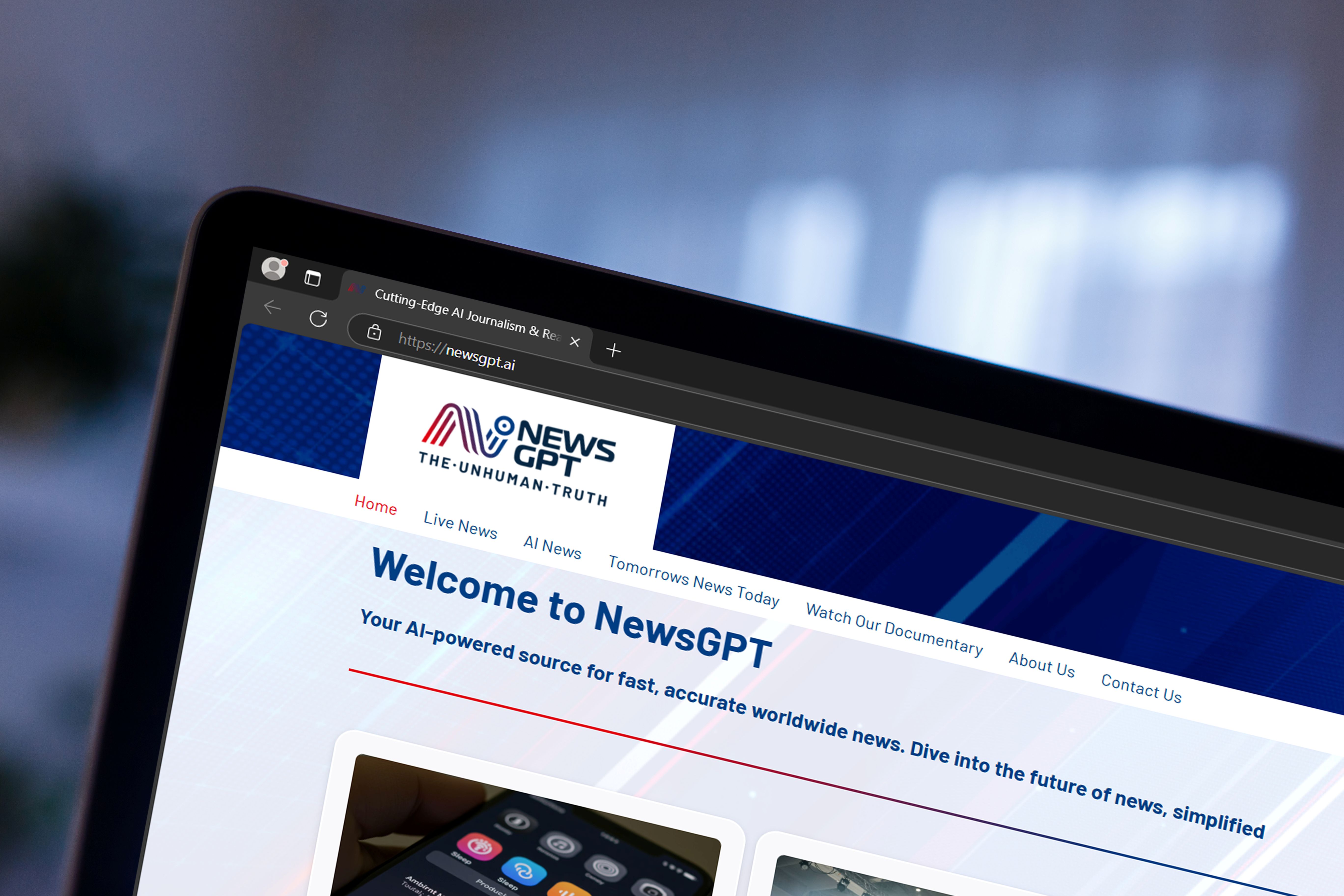
موقع "NewsGPt''.. أن يصبح الذكاء الاصطناعي محررا للأخبار

هل يمكن للذكاء الاصطناعي أن يصبح محرر أخبار؟ يدّعي موقع NewsGPT تقديم تجربة فريدة في إنتاج الأخبار دون تدخل بشري، لكن بحثًا أجرته الزميلة كوثر صالح ضمن برنامج "زمالة الجزيرة"، يكشف اعتماده الكلي على مصادر غربية في تحديد مواضيع الأخبار، ونسخ كامل لمواد منشورة سابقا.

Kawthar Saleh
كوثر صالح نشرت في: 13 أبريل, 2025
تدقيق المعلومات ليست فقط عملية تقنية

من التلاعب بالسياقات إلى الحملات الرقمية المدفوعة بتقنيات الذكاء الاصطناعي، يحاول مدققو المعلومات التكيف مع الإستراتيجيات والأساليب الجديدة للأخبار الزائفة والمضللة الساعية لبناء "روايات بديلة". في اليوم العالمي لتدقيق المعلومات، يقدم الزميل حسن خضري تجربة وكالة "سند" للتحقق من الأخبار التابعة لشبكة الجزيرة، خاصة عملها في تتبع زيف السردية الإسرائيلية عن حرب الإبادة الجماعية على فلسطين.

hassan khodary
حسن خضري نشرت في: 1 أبريل, 2025
كاريشما باتيل وبي بي سي والانحياز إلى "الحقائق البديلة"

ما الأسباب التي دفعت كاريشنا باتيل للاستقالة من "بي بي سي"؟ وما الذي تكشفه من تفاصيل عن موقف الهيئة البريطانية من الحرب على غزة؟

Mohammad Zeidan
محمد زيدان نشرت في: 29 مارس, 2025
شهادات صحفيين في مؤسسات غربية حول تغطية حرب غزة.. الرواية الأخرى

نجمع في هذا المقال شهادات صحفيين وجهوا انتقادات لمؤسساتهم كما وردت في تقارير أو رسائل أو مقابلات صحفية. معظمهم أدلى بشهادته دون الكشف عن هويته خوفا من العواقب؛ لأن حرية التعبير تبدو مصانة إلى أن يصل الأمر حدود إسرائيل، عندئذ تظهر الإكراهات والحواجز، وتتبدل السياسات التحريرية، وتفعّل منظومة المعايير المزدوجة.

Al Jazeera Journalism Review
مجلة الصحافة نشرت في: 19 مارس, 2025
نقاش مهني مع بي بي سي!

على أي أساس مهني وأخلاقي حذفت بي بي سي فيلمها عن أطفال غزة؟ هل يجب علينا فحص هوية أقارب الأطفال وتوجهاتهم السياسية حتى نستمع إلى رواياتهم؟ وإذا افترضنا أن الطفل متأثر بتوجهات سياسية ما، فهل يمنعنا ذلك من سماع قصته؟ ثم من وضع هذا المعيار؟ ألا يعتبر الكثير من أبطال الأفلام الأخرى المنشورة على المنصة مؤدلجين أيضاً؟

جمانة سعادة نشرت في: 12 مارس, 2025
عن أصول الانتقال الإعلامي في سوريا

في البدايات الأولى للمرحلة الجديدة في سوريا ظهر الكثير من الصحفيين والنشطاء و"المؤثرين" في السجون والمعتقلات ينقبون في الأوراق والمستندات التي قد تمثل أدلة هامة لكشف جرائم النظام السابق. هذه "الفوضى" التي عادة ما تلي الفترات الانتقالية، تدفع الدكتور عربي المصري إلى طرح سؤال جوهري: ماهي أصول الانتقال الإعلامي في سوريا؟

Arabi Al-Masri
عربي المصري نشرت في: 9 مارس, 2025
كيف نغطي الانتخابات الأمريكية للجنوب العالمي؟

يتجه الأمريكيون إلى صناديق الاقتراع في الخامس من تشرين الثاني/ نوفمبر، وهو حدث عادة ما يتصدّر عناوين الأخبار في العالم وعلى مدى أسابيع عديدة. في الجزيرة بلس +AJ تنطلق مقاربتنا لتغطية هذه الانتخابات من اعتبار مجموعة من القيم الأساسية التي ترتبط باسم "الجزيرة" في مشهد الإعلام العالمي؛ وهي هوية تحريرية ليس مركزها في الغرب، بل في الجنوب العالمي.

Tony Karen توني كارون
توني كارون نشرت في: 26 يناير, 2025
لماذا يجب أن يحْذر الصحفيون من المصادر الإسرائيلية؟

دعاية وإشاعات وأخبار متضاربة رافقت المفاوضات العسيرة لصفقة وقف إطلاق النار بين إسرائيل وحماس، اعتمدت خلالها الكثير من المؤسسات الإعلامية العربية على المصادر العبرية لمتابعة فصولها. ما هو الفرق بين نقل الخبر والرأي والدعاية إلى الجمهور العربي؟ وكيف أثرت الترجمة "العشوائية" على الجمهور الفلسطيني؟ وما الحدود المهنية للنقل عن المصادر الإسرائيلية؟

Ahmad Al-Agha
أحمد الأغا نشرت في: 20 يناير, 2025
شبكة MSNBC تحذف مقابلة مع صحفي انتقد تحيّز الإعلام الغربي للرواية الإسرائيلية

الأمر ليس متعلقا بالموضوعية هنا. كيف يمكن لأي منا أن يشاهد هذه الإبادة الجماعية تحدث في بث مباشر، ثم نصمت على مناورات السياسيين الذين يترشحون للرئاسة حيال ذلك من دون أن نصرخ ونقول إن هذا كلّه يجب أن يتوقف؟ نحن نشاهد إبادة جماعية أمام الشاشات، ويؤسفني أن أقول إنه على هذه الشبكة أتيحت الفرصة لأشخاص روجوا للدعاية الإسرائيلية ودافعوا عنها".

Al Jazeera Journalism Review
مجلة الصحافة نشرت في: 24 أكتوبر, 2024
نصف الحقيقة كذبة كاملة

في صحافة الوكالة الموسومة بالسرعة والضغط الإخباري، غالبا ما يطلب من الصحفيين "قصاصات" قصيرة لا تستحضر السياقات التاريخية للصراعات والحروب، وحالة فلسطين تعبير صارخ عن ذلك، والنتيجة: نصف الحقيقة قد يكون كذبة كاملة.

Ilya إيليا توبر 
إيليا توبر  نشرت في: 14 أكتوبر, 2024
الذكاء الاصطناعي "المسلح".. "ضيف" ثقيل على منصات التدقيق

تعقدت مهمة مدققي المعلومات في حرب الإبادة الجماعية على فلسطين بعدما لجأ الاحتلال إلى توظيف الذكاء الاصطناعي بشكل مكثف لممارسة التضليل. كيف أصبح الذكاء الاصطناعي قادرا على التأثير زمن الحروب، وماهي خطة مدققي المعلومات لمواجهة هذا "الضيف الثقيل" على غرف الأخبار؟

Ahmad Al-Arja
أحمد العرجا نشرت في: 30 سبتمبر, 2024
المصادر المجهّلة في نيويورك تايمز.. تغطية الحرب بعين واحدة

ينظر إلى توظيف المصادر المجهلة ضمن المعايير المهنية والأخلاقية بأنها "الخيار الأخير" للصحفيين، لكن تحليل بيانات لصحيفة نيويورك تايمز يظهر نمطا ثابتا يوظف "التجهيل" لخدمة سرديات معينة خاصة الإسرائيلية.

Mohammad Zeidan
محمد زيدان نشرت في: 5 سبتمبر, 2024
إرهاق الأخبار وتجنبها.. ما الذي عكر مزاج جمهور وسائل الإعلام؟

أبرزت دراسة  أجريت على 12 ألف بالغ أمريكي، أن الثلثين منهم يعترفون بأنهم "منهكون" بسبب الكم الهائل من الأخبار التي تقدم لهم. لماذا يشعر الجمهور بالإرهاق من الأخبار؟ وهل أصبح يتجنبها وتؤثر عليه نفسيا؟ وكيف يمكن لوسائل الإعلام أن تستعيد الثقة في جمهورها؟

Othman Kabashi
عثمان كباشي نشرت في: 1 سبتمبر, 2024
كيف تغطي الألعاب الأولمبية؟

تمنح تغطية الألعاب الأولمبية للإعلامي الشغوف فرصة لا تُضاهى كي يستعمل كل الأجناس/ الأنماط الصحفية التي درسها، ولا سيما الأجناس الكبرى منها، من ربورتاج، وحوار، و

يونس الخراشي نشرت في: 26 يوليو, 2024
حرية الصحافة في مواجهة مع الذكاء الاصطناعي

بعيدا عن المبالغات التي ترافق موضوع استخدام الذكاء الاصطناعي في الصحافة، فإن سرعة تطوره تطرح مخاوف تتعلق بمدى تأثيره على حرية التعبير. تنبع هذه الهواجس من أن الذكاء الاصطناعي يطور في القطاع الخاص المحكوم بأهداف اقتصادية رأسمالية بالدرجة الأولى.

عبد اللطيف حاج محمد نشرت في: 7 يوليو, 2024
"الحرب الهجينة".. المعلومات سلاحا في يد الاحتلال

شكلت عملية "طوفان الأقصى" وما أعقبها من حرب إسرائيلية على قطاع غزة مسرحا لإستراتيجيات متقدمة من التلاعب الجماعي بالمعلومات، وقدمت أمثلة وشواهد حية وافرة على حرب المعلومات التي باتت لازمة للحروب والصراعات والنزاعات في العصر الرقمي للاتصال، ضمن ما بات يعرف في أوساط الباحثين بـ "الحروب الهجينة".

بكر عبد الحق نشرت في: 3 يوليو, 2024
دعم الحقيقة أو محاباة الإدارة.. الصحفيون العرب في الغرب والحرب على غزة

يعيش الصحفيون العرب الذين يعملون في غرف الأخبار الغربية "تناقضات" فرضتها حرب الاحتلال على غزة. اختار جزء منهم الانحياز إلى الحقيقة مهما كانت الضريبة ولو وصلت إلى الطرد، بينما اختار آخرون الانصهار مع "السردية الإسرائيلية" خوفا من الإدارة.

Al Jazeera Journalism Review
مجلة الصحافة نشرت في: 29 فبراير, 2024
تقرير معهد رويترز: فرص وتحديات المشهد الإعلامي لعام 2024

يستعرض تقرير روتيترز 2024 نتائجاً لمسح ركز بشكل أساسي على التحديات والفرص لوسائل الإعلام في عام 2024. وقد شارك فيه 314 من قيادات وسائل الإعلام في 56 دولة وإقليما، منهم 76 يشغلون منصب رئيس تحرير، و65 رئيسا تنفيذيا أو مديرا إداريا، و53 من رؤساء الأقسام الرقمية، وبعض هؤلاء من المؤسسات الإعلامية الرائدة في العالم.

Othman Kabashi
عثمان كباشي نشرت في: 30 يناير, 2024