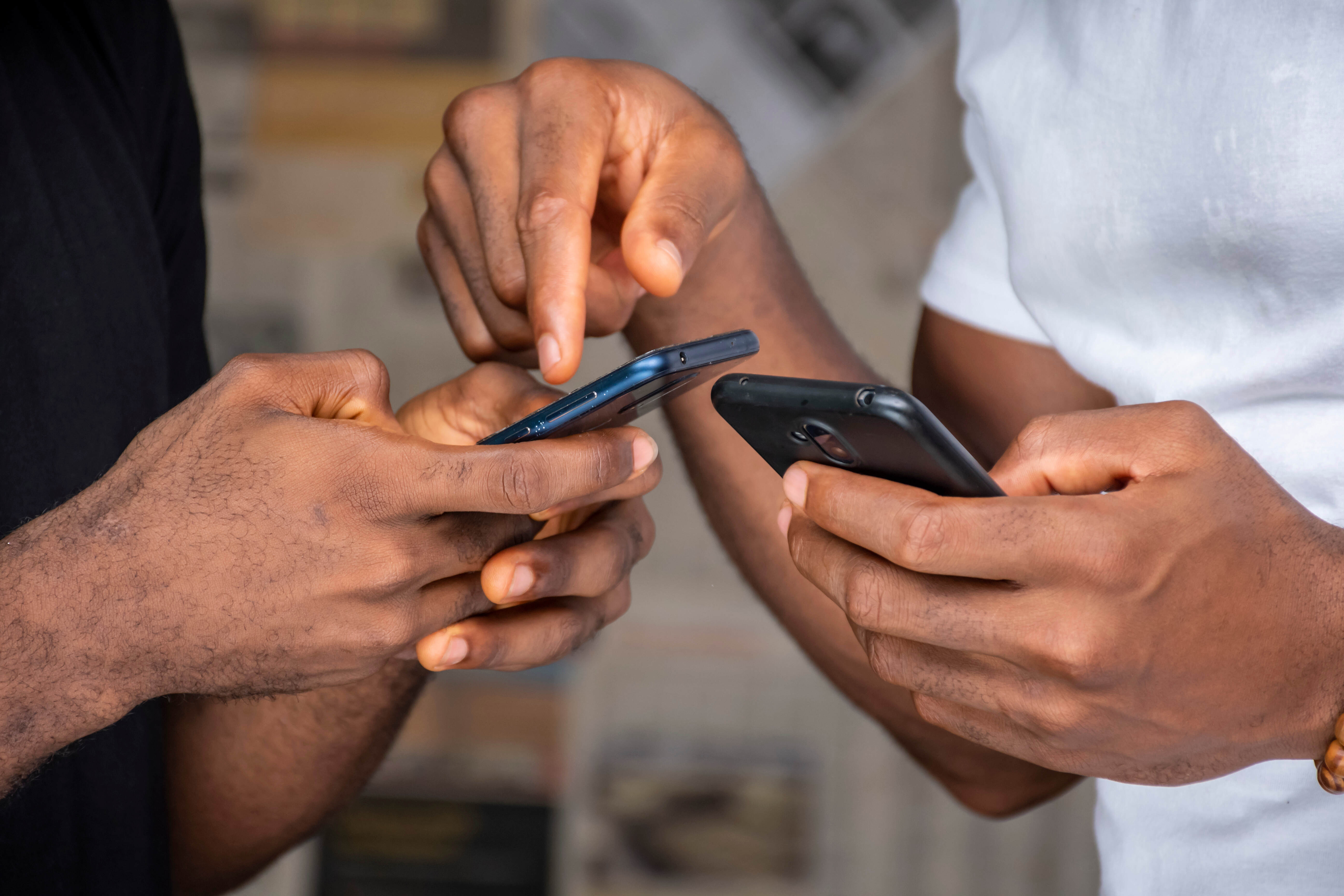
Social media has transformed television in Yemen from a one-way broadcast medium into a more interactive, audience-driven system in which viewers help shape, source and even produce the content they watch.
The television industry has undergone many changes in the digital age, and social media has deepened these transformations, becoming an important part of the programming of any television channel. The ease and speed of communication over the internet have also created more opportunities for viewers to act simultaneously as recipients and contributors to media content production, giving them a more active role in shaping traditional media content. This has also helped traditional media producers find new sources for developing new and more popular programmes.
Marc Juris, then president of WE TV, part of the US-based AMC Networks, says, "It is clear that we have entered a digital age driven by the power of personal storytelling. Whether the tools are Facebook, Snapchat, Instagram or Twitter, life today is not simply something we live; it is something we post.”
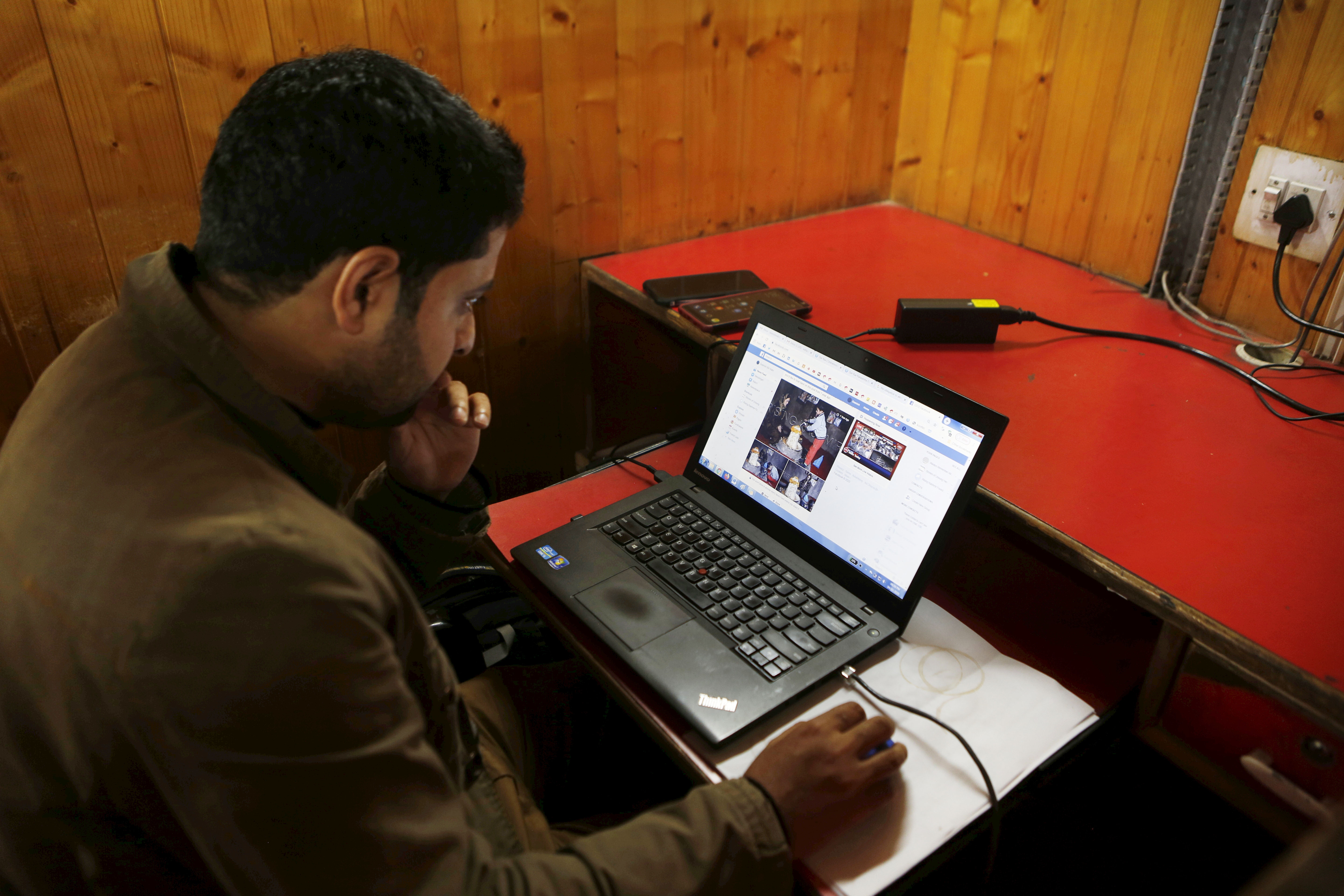
Social media platforms such as Facebook and Twitter have made television more interactive and participatory. Social media users can now offer their own comments on any television programme, and sometimes these comments themselves become part of content shown on screen in programmes dedicated to bringing material from social platforms onto television.
In the past, producers were accustomed to deciding whether a particular television programme would continue or be cancelled. The internet, however, transferred some of that power into the hands of audiences by providing more personalised and interactive content. This has helped extend the “content life cycle”, with viewers continuing, days after content has aired on television, to comment on it, repost it and share it. Television channels are therefore attempting to engage with new media by offering more interactive television programming, building stronger relationships with their existing audiences and attracting new ones.
These new practices are one manifestation of the media concept known as “media convergence”. Convergence or overlap between media does not necessarily produce a new medium. Rather, it is a dynamic and constantly changing process that, over the long term, leads to the disappearance of traditional boundaries between old and new media sectors. Interaction between audiences and producers also gives both sides an opportunity to understand one another and develop new content that meets their respective needs.
A dedicated study, conducted as part of a Master’s thesis and titled Social Media Impact on Television in Yemen: The Case of Belqees TV, examined how social media content succeeded in becoming a core component of many television programmes in Yemen, focusing on the motivations and reasons behind this development and on how social media contributed to the emergence of new organisational practices within Yemeni television channels.
Television in Yemen
Yemen currently has more than 30 government and privately owned satellite television channels. These include Al-Saeeda, which began broadcasting as the first private channel in August 2007, followed by Suhail TV in July 2009. Following the outbreak of the Arab Spring protests in 2011, which marked the beginning of the end of an era of government manipulation and control over the media, Yemeni media began to experience a higher ceiling of press freedom than before. This led to the establishment of Yemen Shabab in December 2011, followed by Yemen Today in January 2012 and Al-Masirah in March 2012, then Al-Sahat in July 2013, Belqees TV and Hadramout TV in October 2014, Al-Hawiyah in April 2018, and finally Al-Lahza in June 2018.
Because of government control and the high level of censorship imposed on traditional media content, citizens turned to the internet and social media platforms as an alternative means of making their voices heard as widely as possible, both locally and internationally. Within months of the start of the Arab Spring, internet usage in Yemen rose from 1.8% of the total population, or 420,000 people, in 2010 to 14.9%, or 3,691,000 people, in 2012. By 2014, the number of internet users had reached 4.8 million, equivalent to 18% of the population, including 1.56 million social media users. By 2016, Yemen had 6.8 million internet users, 1.7 million of whom used social media. In 2018, the number reached 7.03 million internet users, including 2.3 million social media users (2).
In 2011, as protesters used social media platforms, particularly Facebook, as their first choice for uploading photographs and videos documenting Arab Spring events, many local and international television stations began adopting this new practice, using the same content and rebroadcasting it on television. As an early example of incorporating social media content into television in Yemen, Suhail TV began producing a programme in 2012, which was still being broadcast at the time of writing, called Al-Kalima Lak. The programme allowed viewers to participate directly through live phone calls or by commenting on a cartoon or photograph published in advance on the programme’s Facebook page. Producers would then select particular comments to be displayed later during the programme’s live broadcast.
Because Belqees TV was one of the newer channels launched after the Arab Spring, it was natural for the station to make extensive use of social media content in most of its programmes. The channel’s Facebook page, on the most widely used social platform in Yemen, had more than two million “likes”, around 1.4 million more than Al-Saeeda, the Yemeni television channel with the second-highest number of Facebook likes.
Because the channel was based outside Yemen, its use of social media continued to increase. Aswan Shaher, the channel’s Programs Manager, confirmed that almost all television channels in Yemen had programmes of this kind, reflecting social media activity on television because it had become part of the media industry. Belqees TV programmes included numerous segments drawing on social media content to enrich their weekly output, including Keyboard, Al-Mansah and Bayna Qawsayn.
A Dedicated Department and an Integrated Team
The influence of social media on news production is clear, affecting the ways news is gathered, processed, transmitted and received. The traditional “top-down” model of journalism has been significantly affected by social media. The journalist no longer performs the role of “gatekeeper” in quite the same way. News consumers themselves now play a more active role in the process, as modern journalism allows readers to participate actively in news production while providing greater flexibility and control to journalists seeking to adopt technologies and integrate them into their production practices. As a result, the “bottom-up” model has become increasingly prevalent in news production.
Belqees TV’s social media team consisted of five employees responsible for managing the channel’s pages across different social networks by publishing and sharing various forms of content and interacting with followers. Two members of the team were responsible for monitoring “breaking news” and following its developments. They monitored and gathered news from the social media accounts of selected news agencies and websites, as well as material sent by field correspondents to the channel via Facebook, WhatsApp or email. The remainder of the team worked on repurposing content originating from the television channel itself. This involved selecting and repackaging material already broadcast on television and publishing it on the channel’s various social media accounts or official website.
The channel’s publishing method across its social media accounts depended on the type of content. “Breaking news”, for example, was published first on Twitter and then on Instagram. Once the news story was complete, it was broadcast within news programmes and subsequently shared on the website. After any television programme had finished airing, the full programme was republished on YouTube, after which shorter video clips were produced from the same programme and published on Facebook and Twitter.
News Director Walea Ali confirmed that the channel used social media platforms to obtain between 25% and 30% of its news. This percentage included using social media as a means for correspondents to send content to the channel, as well as monitoring the official accounts of certain local and international news agencies and Yemeni government and private institutions.
Yet an examination of the content shown on the channel found that only 1.7% of material was explicitly identified as having come from social media platforms by displaying the platform’s logo on screen alongside the content. This discrepancy was the result of the channel’s “re-editing” strategy for handling social media content so that it conformed to its own standards.
New Practices
In news production, social media plays an important role in both the selection and production stages at Belqees TV. In most cases, producers gather the initial draft of a news story from social media platforms, then begin verifying the events and editing the material, or contact field correspondents via Facebook or WhatsApp to request further supporting material, which is subsequently sent to the channel through social media.
Belqees TV in fact handles material taken from social media platforms, particularly Twitter, in a distinctive way. Rather than displaying a screenshot of a tweet posted by an official, the channel repackages the content of the tweet, displaying a large official photograph of the person alongside excerpts from the original tweet.
The channel’s News Director explains the reasoning: “Yemeni audiences prefer to see the face of the person making the statement rather than an image of the tweet itself. Since the statement is read by the news presenter, displaying the written text would amount to repeating the same information for the audience. In some cases, statements posted on social media are also very long, which is unsuitable for television, so producers re-edit the content and display only the relevant parts.”
He adds: “When content published on social media is in video form, producers prefer to show the video without identifying social media as its source at all, because adding the platform’s logo in this case does not add any value to the content.”
Social media also facilitates the work of news editors by reducing the time and effort required for news gathering. In the past, direct contact was the only means of communicating with official sources and obtaining as much information from them as possible. Today, however, officials publish everything on their social media accounts, often adding supporting material as well. The same applies when a government official travels abroad: previously, it could be difficult to contact them, whereas today officials can still be reached through their social media accounts at any time and from anywhere, allowing journalists to obtain exclusive information that can enrich television programming.
Social media has become one of the most important and fastest tools used by communications officials in government institutions and by the office managers of government officials in Yemen. They create private groups on Facebook or WhatsApp bringing together journalists from various media outlets in order to keep them informed of the latest statements and media materials relating to their officials. This provides them with a faster and easier method of sharing and distributing media material to the largest possible number of media organisations, which then convey that material to the public.
Belqees TV similarly uses “social listening” to monitor the most important topics being discussed on social media and attempt to use them to enrich the channel’s content or generate ideas for new programmes, as happened with Yemen: The Origin of the Story. Following the Houthi takeover in 2014, discussions emerged on social media about “Yemeni identity” and how Yemenis had lost a sense of belonging to their country. In response to these discussions, the channel’s management launched a new programme titled Yemen: The Origin of the Story, which focused on the importance of restoring the Yemeni people’s sense of identity. The same occurred with the issue of the “sale of humanitarian aid”, which was widely discussed on social media in 2017 and drew the channel’s attention to the issue, leading it to cover it in various programmes. In these cases, the audience did not participate directly in producing the programme, but their discussions on social media were the driving force that encouraged the channel to devote airtime to these issues. These new practices confirm the argument made by American writer Henry Jenkins, a specialist in “new media”, that “successful content on one platform can spread across other platforms”.
A Minefield
Despite the many benefits of social media content, Yemeni journalist Aswan Shaher believes that “social media is like a minefield. We have to be extremely careful about the steps we take and know exactly where to look for information. Social media users are highly selective in what they publish, and this results in biased and inaccurate information. It is therefore important to verify news before broadcasting it on television.”
On this particular point, Mary Hiers, a writer and editor at MediaShur, says that “more information does not necessarily mean better information, particularly when it comes from fake accounts. The negative consequences of publishing unreliable information can include libel and damage to reputation. On the other hand, waiting to verify stories and sources can lead to a news source being perceived as slow and behind the curve.”
Shaher nevertheless argues that Belqees TV has a specific news-gathering policy. It does not prioritise “exclusive” news; more important is “credibility”. Therefore, when the source of a story published on social media is the account of a well-known journalist, this gives the information a higher degree of reliability, but it does not remove the need for verification. When other sources for the same social media content are scarce, as happened when Cyclone Chapala struck the Yemeni island of Socotra in November 2015, the channel broadcast the only video available online after contacting the account holder and verifying the authenticity of the footage.
The Active Viewer
As a result of its extensive influence on the media industry, social media content has successfully made its way onto television screens as an important part of television programming. Julie Holley, Managing Editor of Television Content at Vocus Media Research Group, confirms that “social media is a gold mine for television because it is inexpensive to use and technologically easy to implement, with a short and simple set-up time, and viewers want to be part of television programmes”. (3) Thanks to the interactive nature of new technologies, viewers have become able to establish two-way communication, first among themselves and secondly between viewers and the television channel.
The viewer has become one of the main contributors to programme production at Belqees TV. For example, viewers contact the channel through its social media accounts and send in their stories for broadcast on the programme You Are Not Alone, which is dedicated to highlighting human rights violations in Yemen. The social media team then forwards the material to the programme’s producers, who contact the person behind the story directly to obtain further details before presenting it on television.
Feedback from social media users has also prompted changes to some of the channel’s programmes. For example, many comments from followers on social platforms suggested that the channel should provide more space for direct participation so they could express their views. At the time, the channel had no programme that allowed ordinary members of the public to participate in its content. As a result, the channel introduced a segment in Al-Mansah and Bayna Qawsayn in which the views of social media followers were displayed, or their perspectives were presented through dedicated videos sent to the channel via WhatsApp.
Omar Zreik, the channel’s Social Media Officer, also confirmed the impact of social media in creating reliable and lasting sources of information. Yemeni students in Malaysia and Germany, for example, began sending material relating to their activities abroad. When they saw this material appear on television and on the channel’s social media pages only a few hours after submitting it, they continued sending further material on a regular basis. The same occurred with the widely circulated video showing the killing of the former Yemeni president, which reached the channel through one of the followers of its Facebook page.
Keyboard
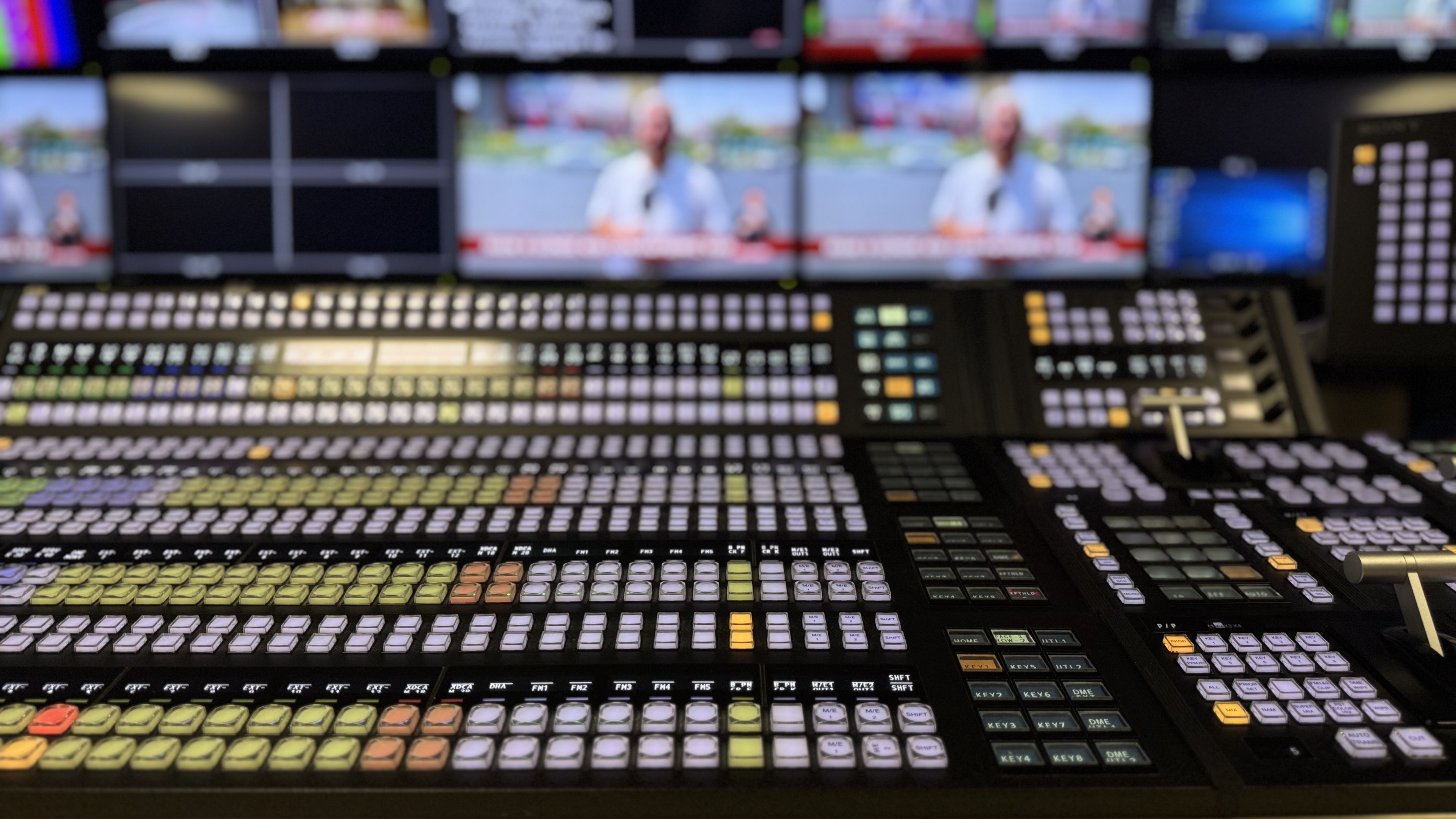
Since August 2015, Belqees TV has devoted a programme specifically to reflecting the activities of social media users and presenting them in an interactive format under the title Keyboard. The programme relies on “social listening”, with its producers monitoring the activities of social media users and selecting appropriate content for inclusion in the programme, which is broadcast for 25 minutes every Tuesday evening.
A large proportion of the programme’s content consists of the “text” of viewers’ comments, accounting for 45%, while 38% of the content consists of “images” and 15% of “videos”. (4) At the end of each episode, a social media personality is interviewed via Skype to discuss their particular talent. More than 60% of viewers’ comments used in the programme come from Facebook, confirming that Facebook is the most widely used platform in Yemen compared with other platforms. These figures are also supported by a report from the global research company TNS, which found that 93% of all internet users in Yemen were regular Facebook users, with 92% using the platform daily. (5)
Throughout Keyboard, the presenter reads some of the viewers’ comments. Because the producers are keen to display as many comments as possible within a short period, the channel sometimes chooses to show comments without reading them aloud, allowing viewers to read them for themselves. The programme’s continued broadcast over the previous four years also indicates its success in presenting distinctive content that attracts viewers, enabling the channel to reach a new audience segment: social media users.
Keyboard represents a comprehensive model of the impact of social media content on television content in Yemen. The programme relies entirely on media material, videos, photographs and text, published on social media platforms to fill its airtime. This type of new programming is also an example of the complementary relationship between television and social media. Just as many television programmes are livestreamed on social platforms, television stations similarly reflect social media activity within their programmes. Such programmes aim to inform television viewers about what is happening on social media platforms, ultimately bringing new users to those platforms. Likewise, many social media users may in turn become viewers of television programmes.
The topics raised on social media reflect the issues genuinely occupying public opinion. Television channels are therefore keen to maintain a stronger presence on social media platforms than on television screens themselves. As a result, television channels publish content on social media around the clock without the repetition common on television. This continuous presence on social media platforms draws social media audiences towards television screens, ultimately reinforcing the objectives of any television channel seeking to become the voice of the viewer and the primary platform through which audiences can express their opinions freely.
References
Source:
These are the findings of the Master’s study that the author conducted, available at this link:
http://academicrepository.khas.edu.tr/xmlui/bitstream/handle/20.500.124…
Here is the source from the global research company:
http://www.govtpracticewpp.com/~/media/wppgov/files/arabsocialmediarepo…
This article was originall published in Arabic on 28/04/2020