Conflict Reporting
Why should journalists be cautious with Israeli sources?
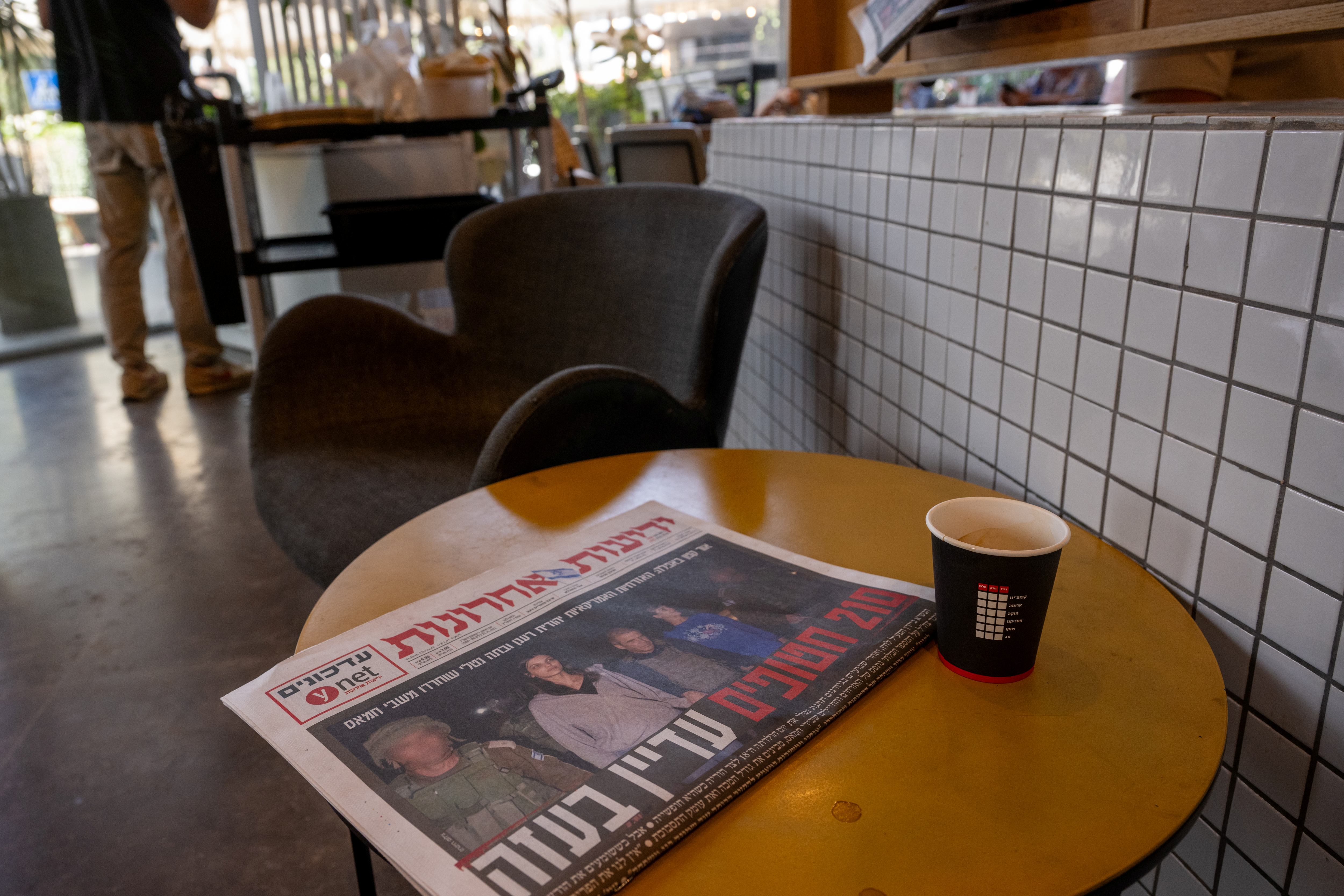
Journalists should treat Israeli sources with particular scrutiny because anonymous briefings, military censorship, strategic leaks and recycled analysis can blur the line between verified information, speculation and propaganda, with real consequences for audiences on the ground.
How Journalists Report on Insurgency in Nigeria Without Access or Safety
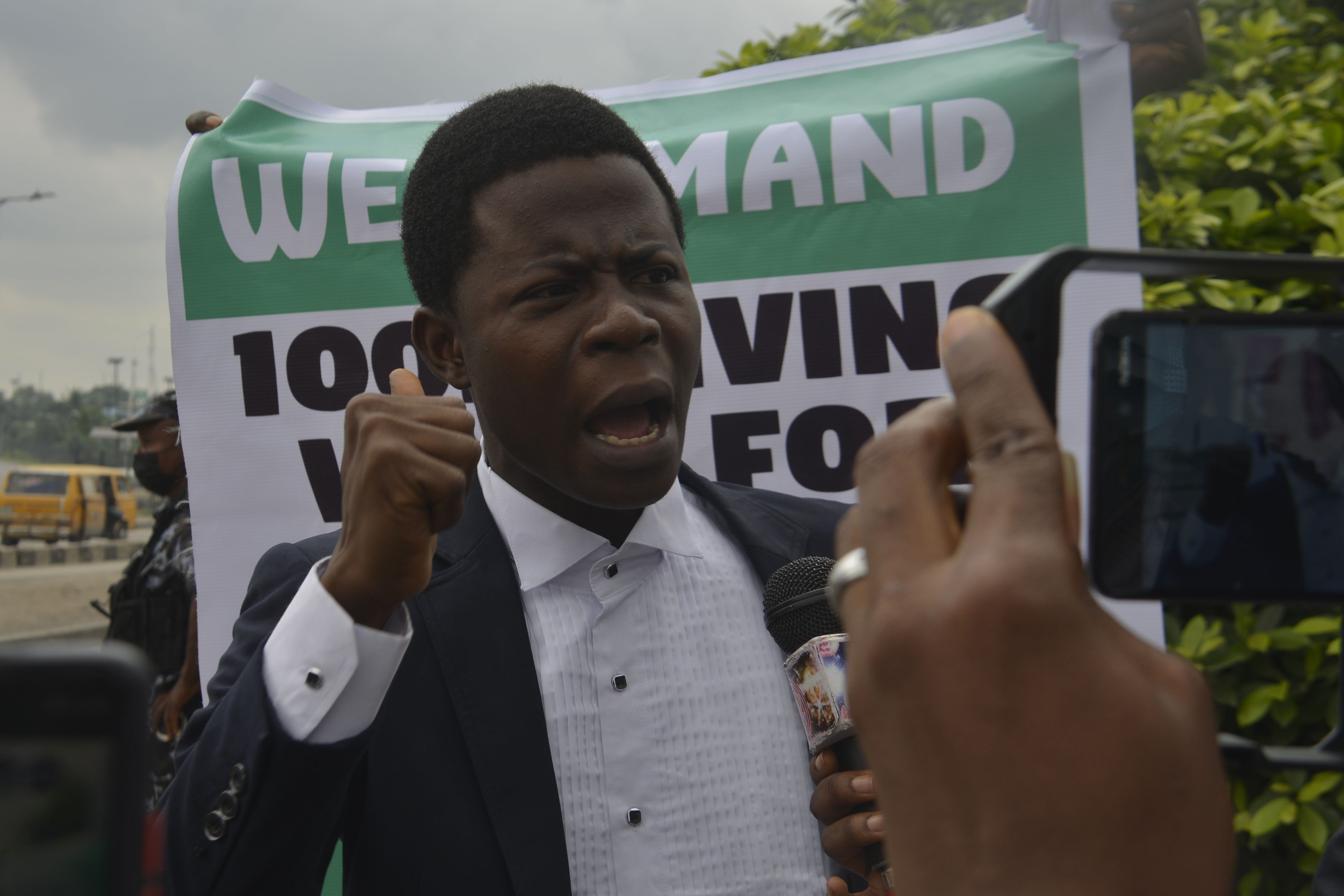
Journalists covering Nigerian conflicts increasingly use remote reporting methods that rely on local fixers and open-source data, forcing a dependence on digital tools that limits direct physical context. Reporters share these difficult realities, exposing how safety risks change the way conflict is documented and asking how the media can keep news accurate when journalists cannot reach the ground.
The Double Ordeal of Freelance Journalists in Gaza
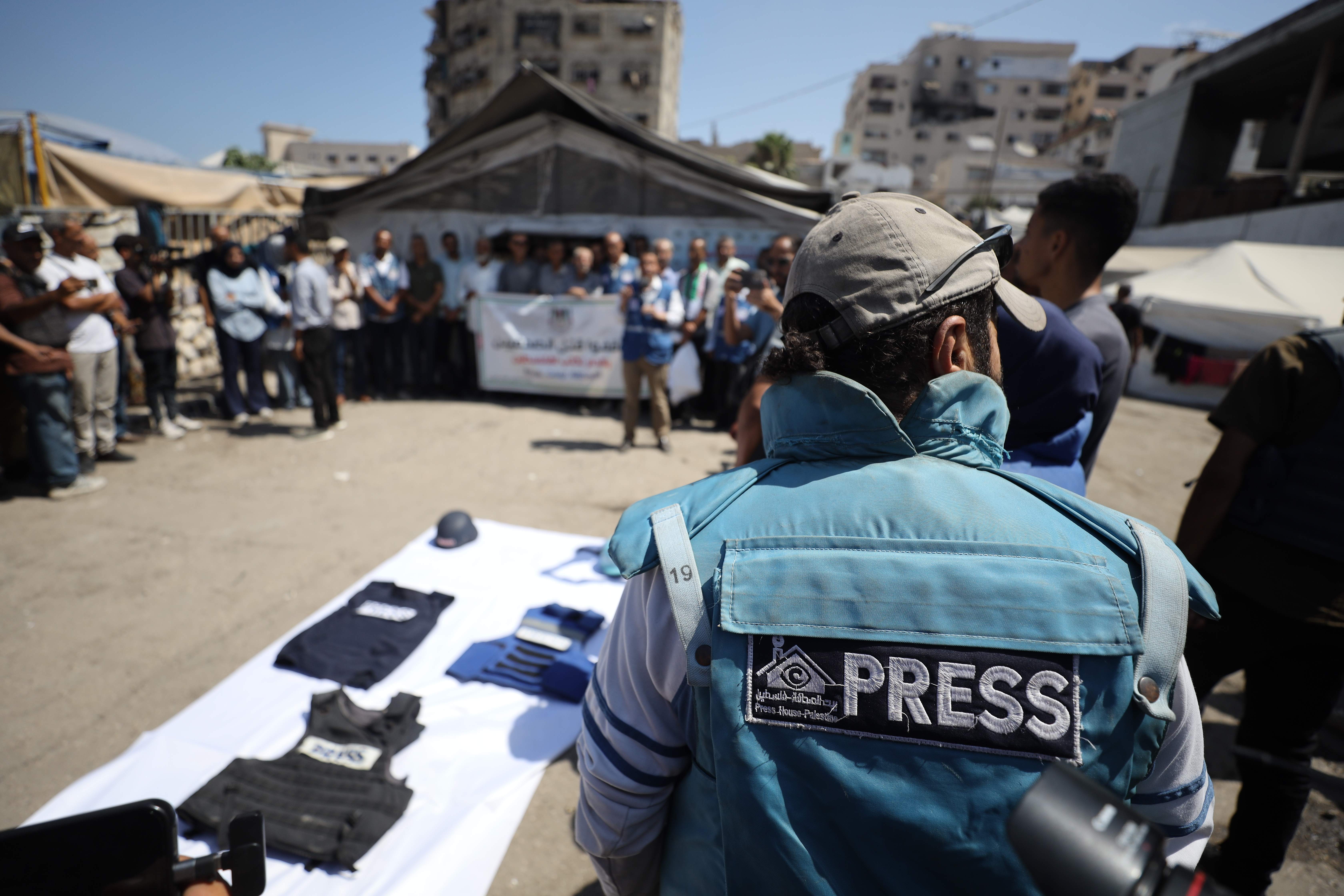
Independent journalists in Gaza face a dangerous double battle. Working without institutional protection or financial safety nets, they risk their lives to report the reality of war, overcoming severe resource shortages and systemic neglect to ensure the world hears the truth.
Reporting on People Who Cannot Leave
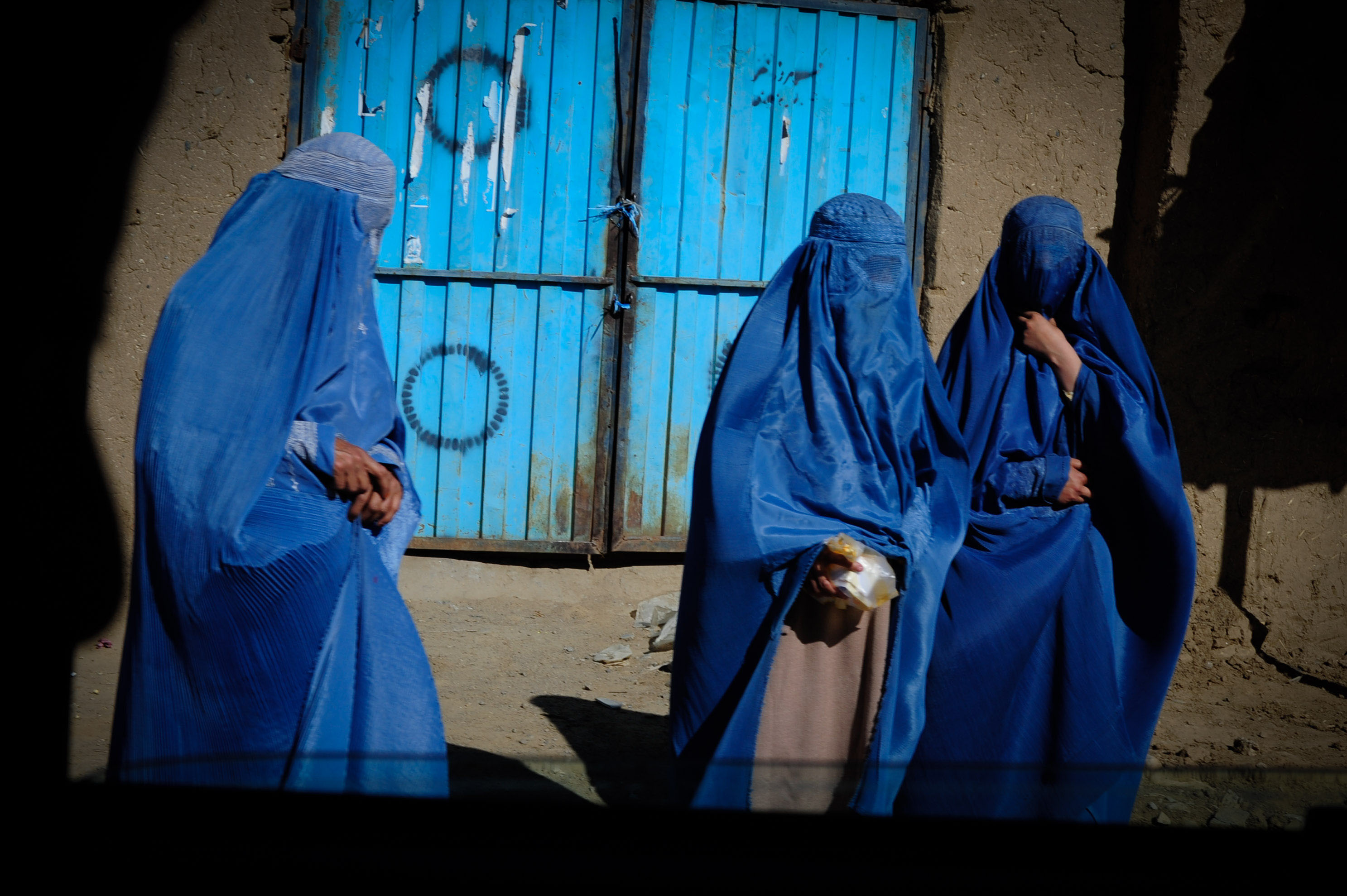
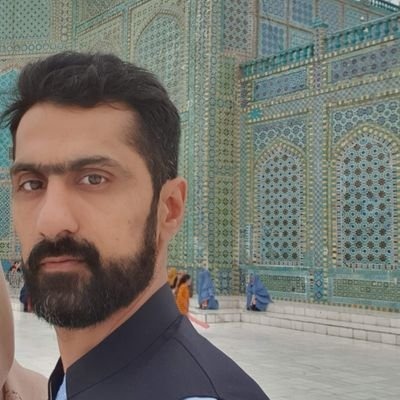
The arrest of an Afghan female athlete after appearing in a Dutch documentary highlights the dangers of reporting under authoritarian rule. It underscores a growing dilemma in journalism regarding how to amplify the voices of vulnerable people without accidentally turning them into targets for the regime.
The Power to Write History: How Journalism Shapes Collective Memory and Forgetting
What societies remember, and what they forget, is shaped not only by historians but by journalism. From wars to natural disasters, the news does not simply record events; it decides which fragments endure in collective memory, and which fade into silence.

International Media Seek Gaza Access; What Do Palestinian Journalists Say?
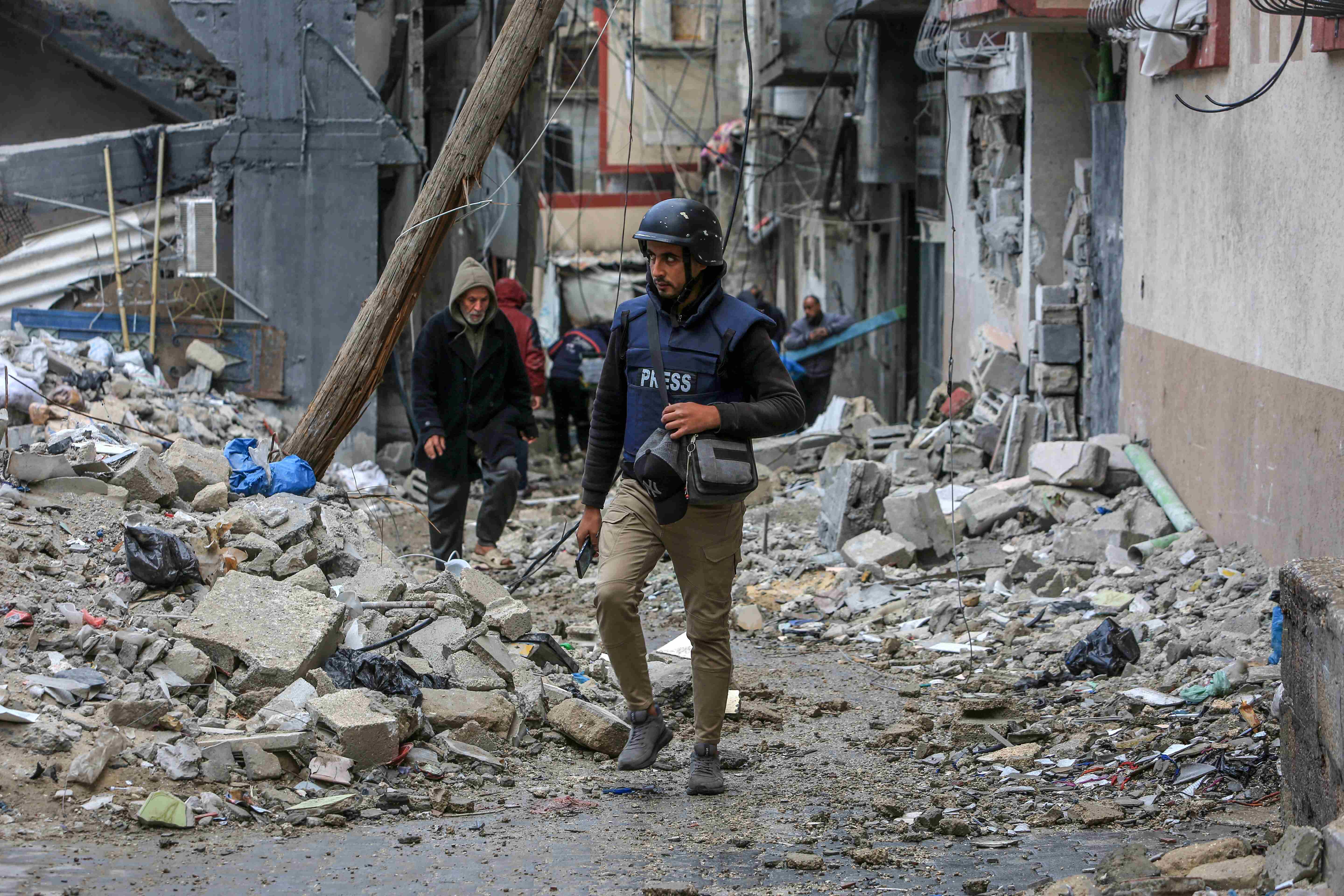
As international media push for access to Gaza, Palestinian journalists—who have been the primary voices on the ground—criticize their Western counterparts for failing to acknowledge their contributions, amplify their reports, or support them as they risk their lives to document the war. They face systemic bias and exploitation, and continue to work under extreme conditions without proper recognition or support.